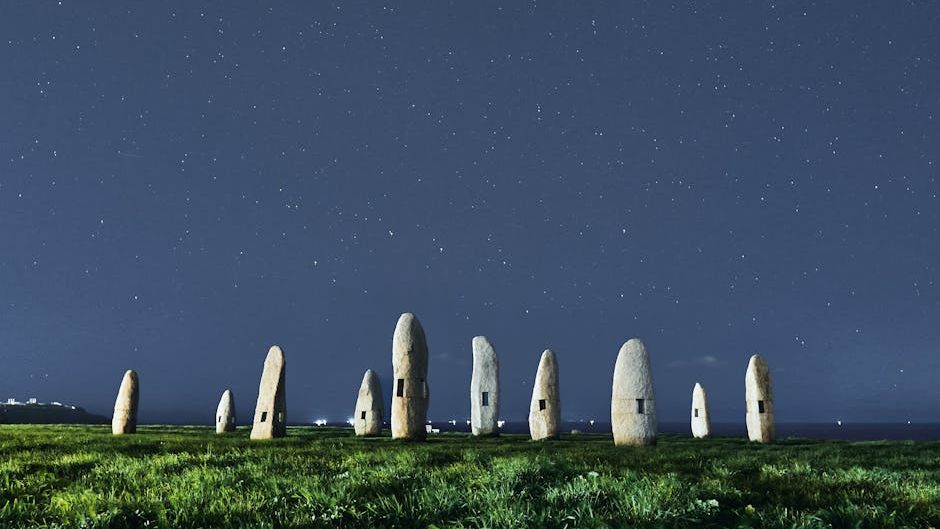

There is something quietly shocking about standing inside a circle of stone and realizing that the people who placed those blocks knew exactly where certain stars would rise thousands of years into the future. No computers, no satellites, no telescopes in orbit – just eyes, memory, patient watching, and a sky so familiar it was almost a calendar written in light. When you look at these ancient stone rings with modern tools, the alignments with star systems and key points in the sky are often so precise that it feels less like archaeology and more like stumbling into someone else’s long-term science experiment.
In the last few decades, researchers have gone from casually noting that some stones seem to point at sunrise to mapping full-blown stellar patterns across entire sites. Some ring structures really do line up with specific stars or constellations; others turn out to be coincidences when tested more rigorously. That mix of genuine precision and necessary skepticism is exactly what makes this topic so gripping. You get a blend of astronomy, architecture, myth, and hard-nosed data all colliding in the same circles of rock. Let’s walk through some of the most compelling cases – and a few myths – and see what actually holds up when you zoom out from the stories and focus on the sky.
When Stones Become Star Clocks
Imagine you are living thousands of years ago, without artificial lights, and the night sky is not background decoration but the main show. The movements of stars, the slow drift of constellations, and the steady rhythm of the Sun and Moon are your clock, your calendar, your navigation system, even your religious backdrop. Under those conditions, turning stones into sky markers is not a weird choice; it is almost inevitable. A ring of stones can frame the horizon, catch specific rising points of bright stars, or track where the Sun hits at solstice and equinox.
What makes many ancient rings so impressive today is not just that they mark the Sun’s path – that part is challenging but achievable with patience – but that some also appear to encode more complex astronomical patterns. In a few sites, certain stones align with the rising or setting points of particularly bright stars or with regions of the sky that hosted prominent constellations in ancient times. This is where it gets both exciting and delicate: some apparent alignments vanish under careful statistical testing, while others remain stubbornly precise. The real story is not that every stone circle is a perfect star clock, but that a small number clearly are more than simple sun-dials carved into the landscape.
Stonehenge and the Temptation of the Stars
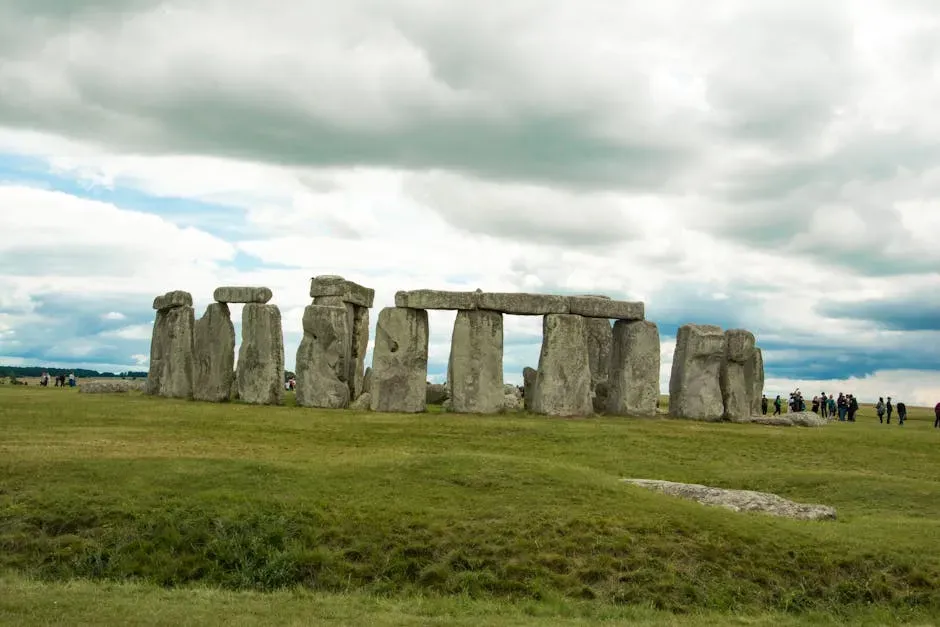
Stonehenge is the rockstar of ancient rings, and people have tried to connect it to almost every corner of the sky. We know with strong confidence that Stonehenge tracks the Sun: the axis of the monument lines up with the summer solstice sunrise and winter solstice sunset in a way that is far too exact to be accidental. That solar alignment alone shows deliberate, repeatable, long-term astronomical observation. The stones effectively turn the horizon into a giant pointer that tells you when the year has reached its turning points.
When it comes to star systems, the story gets trickier. Over the years, researchers and enthusiasts have proposed links between Stonehenge and constellations like Orion or specific bright stars, but most of those claims have not held up under careful analysis. The problem is simple: if you have many stones and many stars, random alignments will always appear. Modern statistical studies lean toward Stonehenge being primarily a solar and possibly lunar monument rather than a star map etched in stone. That might sound like a letdown, but honestly, building a working, long-lived solstice instrument out of multi-ton stones is already a staggering achievement – it does not need an extra layer of speculative star charts to be awe-inspiring.
Newgrange, Orion, and the Power of Narrow Light Beams
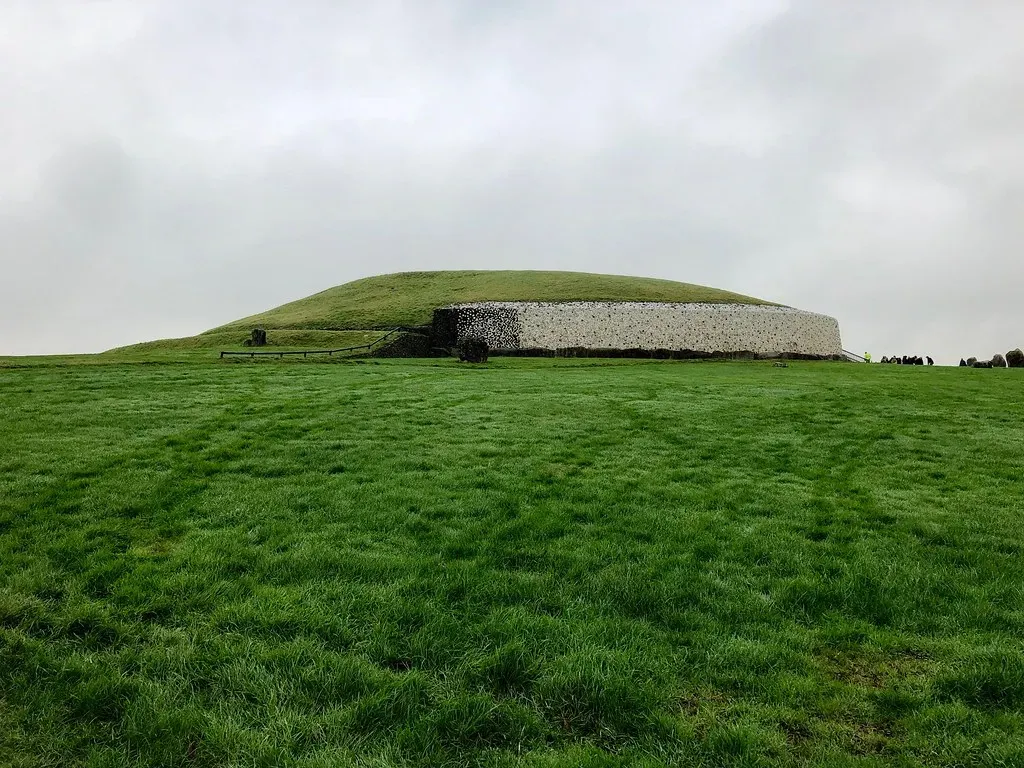
Newgrange in Ireland is not a ring in the classic sense, but its stone passage and circular mound play a similar role in linking earth and sky. On winter solstice mornings, a narrow shaft of sunlight pierces the passage and illuminates the inner chamber – an effect so precise that the Sun has to be in just the right spot for only a few minutes each year. That alignment shows an almost obsessive attention to the Sun’s position on the darkest day of the year, turning architecture into a once-a-year light show. Standing in that chamber while it happens must have felt like the sky itself was entering the earth.
There have also been suggestions that Newgrange and nearby monuments echo the pattern of the Orion constellation or link symbolically to stars associated with rebirth and the afterlife in various cultures. The evidence here is far thinner than for the solstice beam, and most archaeologists treat the stellar connections as interesting possibilities rather than proven facts. Still, even if Orion was only a symbolic influence and not a literal target, the idea of aligning a sacred space with both a single, razor-thin sunbeam and a memorable pattern of stars fits how ancient people often blended practical observation with myth. It shows how a monument can be anchored in hard celestial mechanics while still pulsing with story and ritual.
Nabta Playa and the Stars over the Ancient Sahara
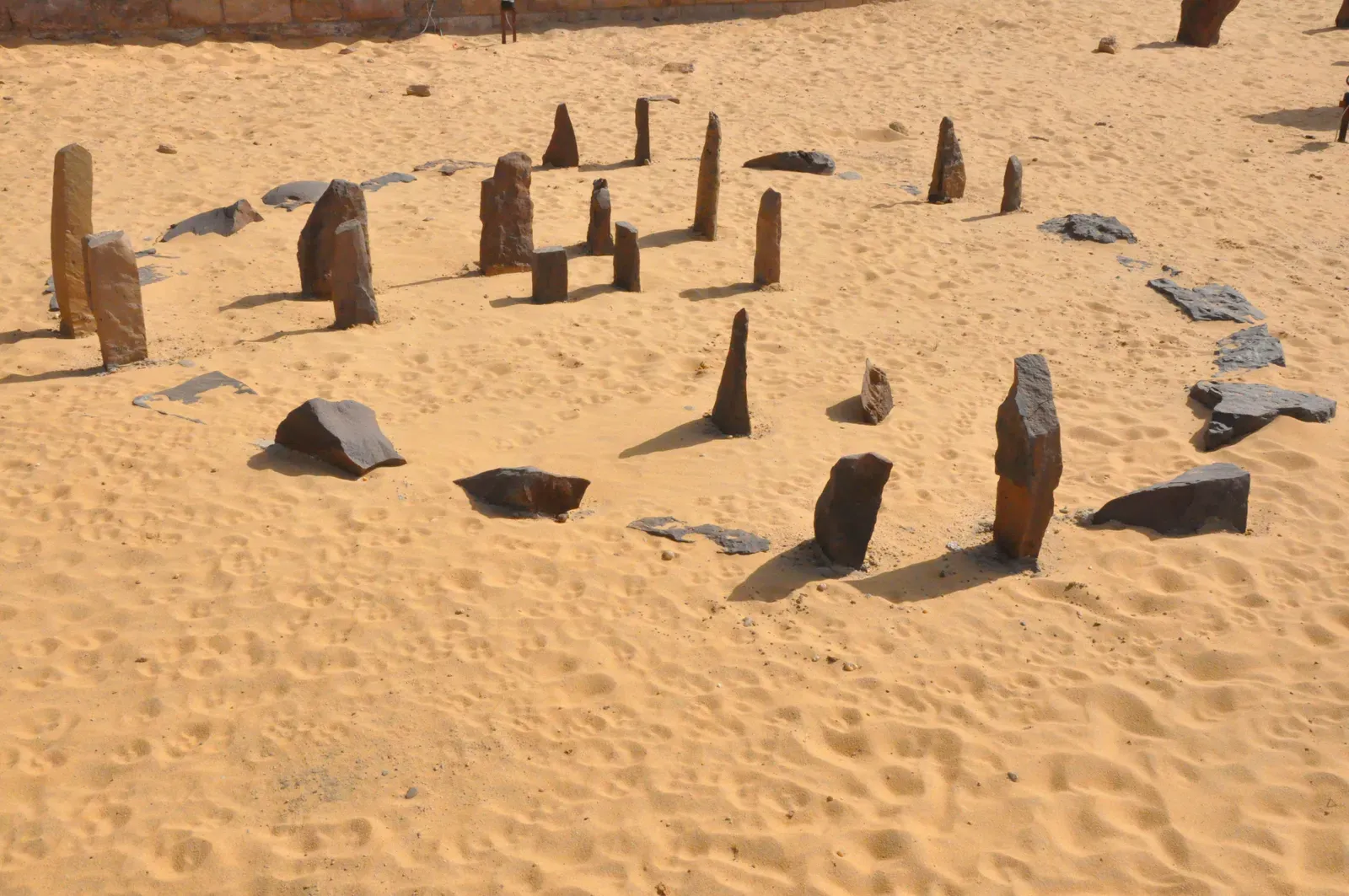
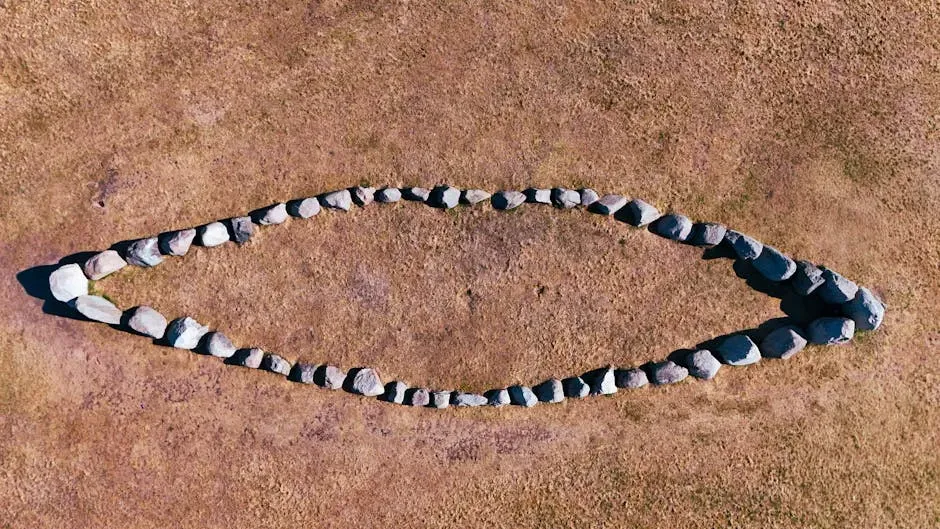
Far from the famous stone circles of Europe, deep in what is now the Egyptian desert, lies Nabta Playa, a prehistoric site that once sat by a seasonal lake. There, a modest arrangement of stones has sparked some of the most heated debates about star alignments. Some studies argue that certain stones at Nabta Playa are aligned with star groups like Orion’s Belt or other prominent features in the southern sky as they appeared several thousand years ago. From that perspective, the ring becomes not just a marker of seasons but a kind of stellar reference point built by early pastoral communities.
Critics point out that the stone layout is relatively simple and that with a small number of stones, you need to be extremely careful not to over-interpret coincidences. The proposed alignments at Nabta Playa are intriguing but not universally accepted, and they sit in that gray area between plausible intent and pattern-seeking. For me, that uncertainty is part of what makes Nabta so compelling. It hints that sophisticated sky watching may have been happening in places and times we once overlooked, but it also forces us to keep our enthusiasm on a leash and demand solid evidence before claiming a perfect fit between stones and specific star systems.
Gobekli Tepe and the Lure of Constellation Stories
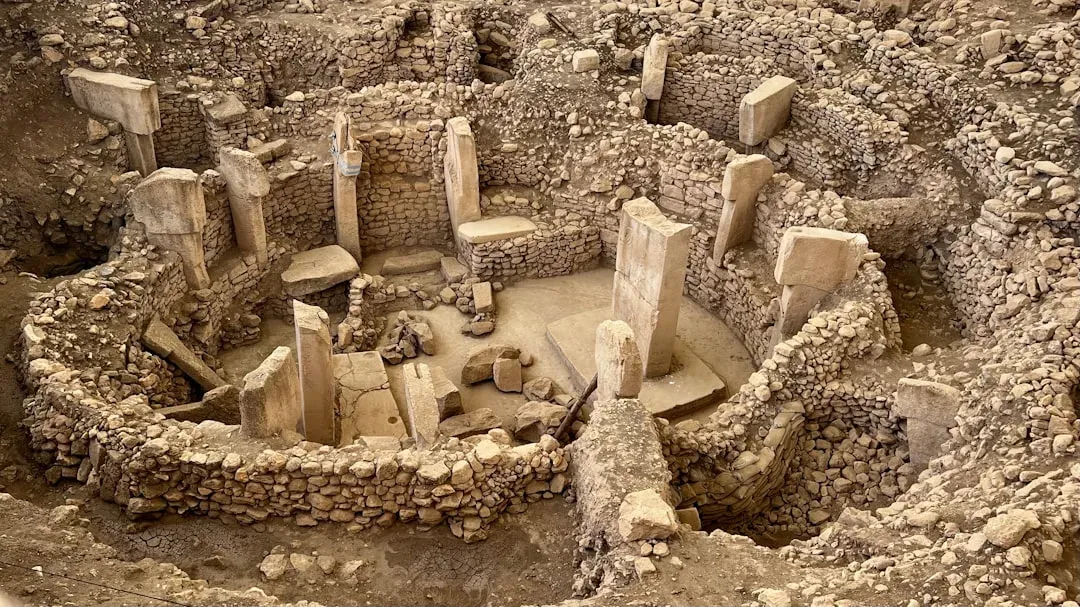
Gobekli Tepe in modern-day Türkiye is older than Stonehenge by several millennia and has become a magnet for astronomical speculation. The site features circular enclosures with tall T-shaped pillars carved with animals and symbols that some interpret as star maps or coded references to constellations. There have been bold claims that certain pillar arrangements encode events like comet impacts or align with constellations such as Sagittarius or Cygnus. On the surface, this idea is extremely tempting; an ancient hilltop shrine that doubles as a sophisticated sky library is the kind of story that sticks in your head.
Most specialists, however, are cautious. While it is likely that the builders of Gobekli Tepe cared deeply about the sky – hunter-gatherer societies often do – tying specific carvings to modern constellations is notoriously slippery. Different cultures slice up the sky in different ways, and it is very easy to read our patterns into someone else’s symbols. Right now, the safe middle ground is to say that Gobekli Tepe probably had a strong cosmic or celestial dimension, but evidence for precise geometric alignment with particular star systems is still weak. It is a site that teaches humility: even when something feels like a star map, we have to prove it, not just feel it.
Science vs. Wishful Stargazing: How Researchers Test Alignments
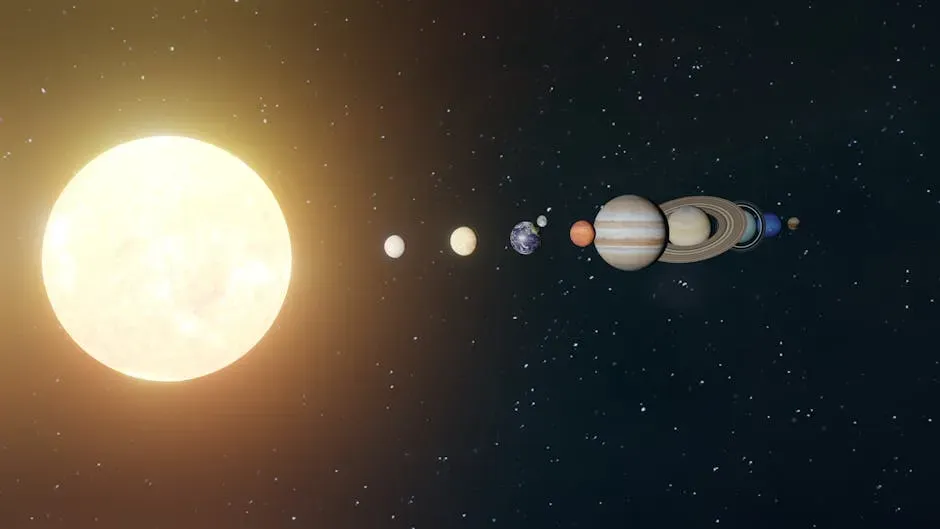
One of the most important developments in this field has been the shift from eyeballing alignments to actually testing them statistically. In the early days, someone might stand in a stone circle, notice that a line drawn between two stones points vaguely toward a bright star, and declare victory. Today, researchers use detailed surveys, horizon profiles, and computer simulations to reconstruct exactly where stars and the Sun would have appeared at the time the monument was in use, taking into account the slow wobble of Earth’s axis over thousands of years. They then check whether there are more meaningful alignments than you would expect by chance if the stones were placed randomly.
This more rigorous approach has been a reality check. It confirms some famous solar alignments, casts doubt on many dramatic star claims, and reveals a quieter but more reliable pattern: ancient builders routinely tracked the Sun and sometimes the Moon with great precision, while clear, deliberate alignments to specific star systems are far rarer than popular stories suggest. Personally, I find that honesty refreshing. It means that when an alignment does survive strong testing, it really means something. It also reminds us that the past deserves better than our fantasies; these people were impressive enough without us turning every stone circle into a cosmic code book they probably never intended.
Conclusion: Awe, Uncertainty, and Why the Sky Still Matters
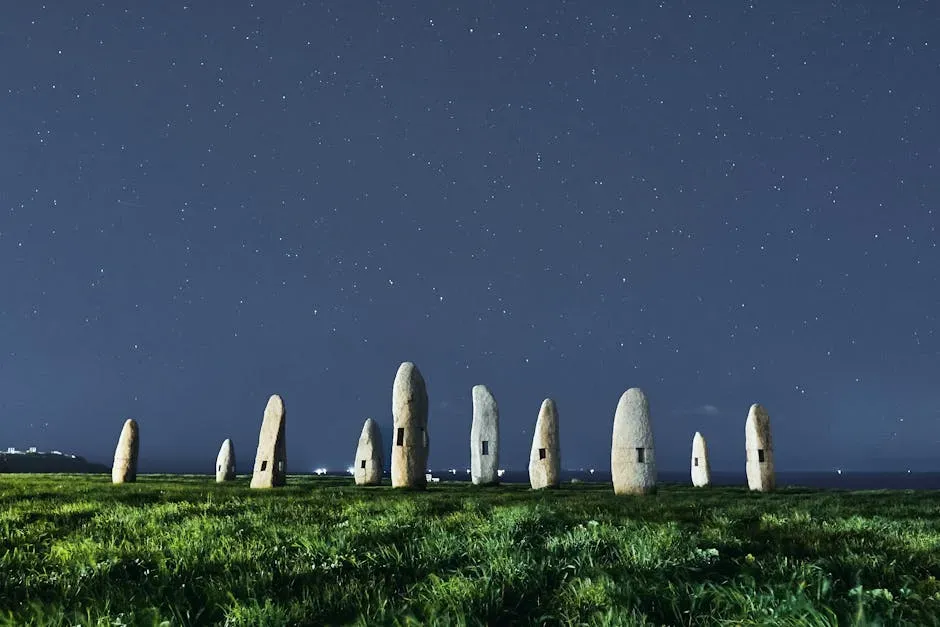
For me, the most powerful thing about these ancient stone rings is not whether every single one lines up perfectly with some distant star system. It is that, across continents and millennia, humans repeatedly decided that the movements of the sky were worth carving into the earth with heavy, stubborn stones. Even when the evidence for a specific stellar alignment is thin, the broader pattern is unmistakable: people watched, remembered, measured, and then built. They literally anchored their lives, their rituals, and their stories to the predictable rhythm of lights overhead. That combination of grit and wonder is something our GPS-era brains could stand to appreciate a bit more.
My opinion, after digging through the cautious studies and the overexcited claims, is that we should celebrate the alignments that are rock solid and treat the rest as interesting possibilities, not truths. When a monument genuinely locks onto a star or the edge of a constellation with repeatable precision, that is a rare and beautiful window into ancient minds thinking on cosmic scales. When it does not, the site is still meaningful, just not in the way we might wish. Maybe that is the real lesson here: the sky invites big stories, but the stones answer back with measured, sometimes frustrating, honesty. Faced with that tension between awe and evidence, which side do you find yourself drawn to?