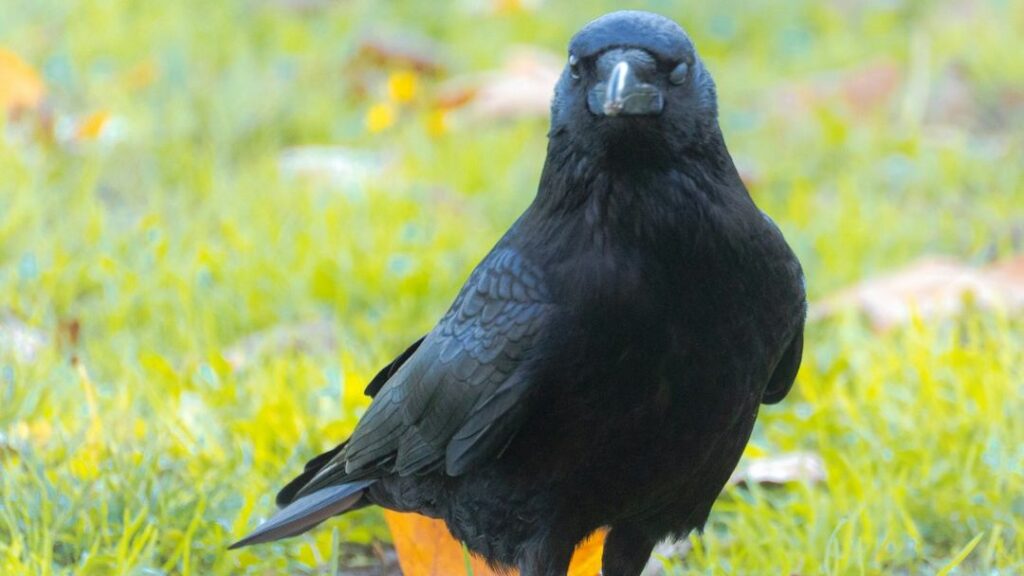
If you have ever had a crow dive-bomb your head long after you waved it away from the trash, you probably felt something unsettling: it did not feel random. It felt personal. Stories about crows “holding grudges” and “getting revenge” sound like urban legends, but modern research has shown that these birds really can remember specific people, share information about them, and change their behavior based on past treatment. That is not just quirky animal behavior; it is a window into how complex brains balance fear, fairness, survival, and even what looks a lot like justice.
At the same time, it is easy for us to project human motives onto animals and see revenge where there might just be learning and survival. The real story is more interesting than either extreme. Crows are not tiny, feathered vigilantes, but they are not simple instinct machines either. Their “revenge” sits in the messy space between hardwired survival strategies and flexible social intelligence. Once you understand that space, you will never look at the black shapes on the telephone wires the same way again.
The Remarkable Crow Brain: Built For Remembering You
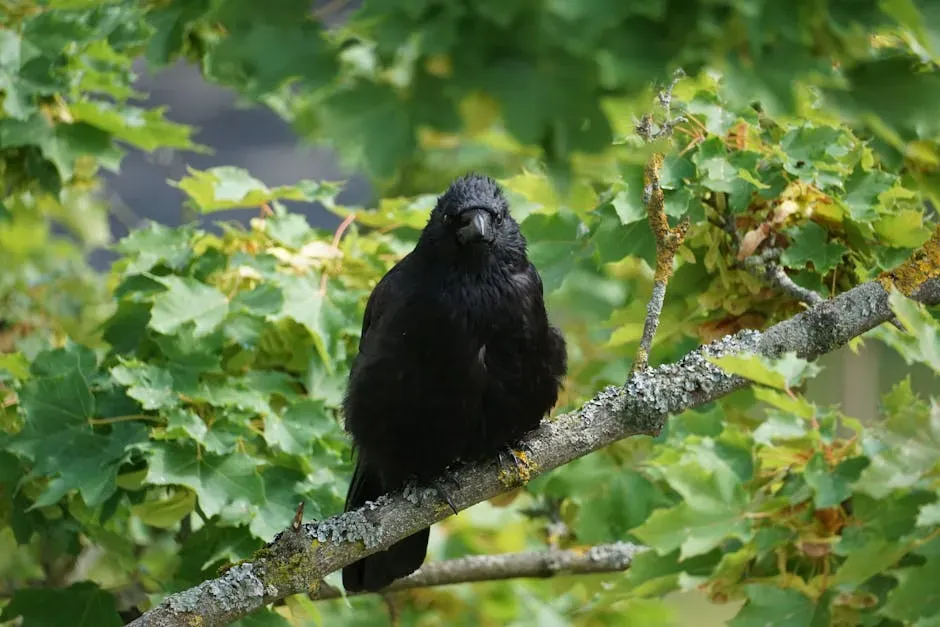
It is almost impossible to talk about crow “revenge” without starting with their brains, because that is where all the magic actually happens. Crows and other corvids have brain structures that, while shaped very differently from ours, handle similar tasks: remembering past events, recognizing individuals, and weighing options before acting. Even though a crow’s brain is much smaller than a human brain, it is densely packed with neurons in the areas that support complex cognition, which is why scientists often compare them to primates in terms of problem‑solving skills.
In experiments where humans wearing specific masks trapped and then released wild crows, the birds later singled out those same masked people as threats, even years afterward. Other crows that never experienced the capture learned to mob those same faces after watching their neighbors react, suggesting that the memory is not just long‑lasting but socially contagious. From a psychological point of view, that means a crow’s mind can tag an individual as dangerous, keep that tag active for a long time, and recruit others to respond. When people describe that as revenge, they are putting human words on a very real cognitive capacity.
From Survival Learning To “Grudges”: How Associations Form
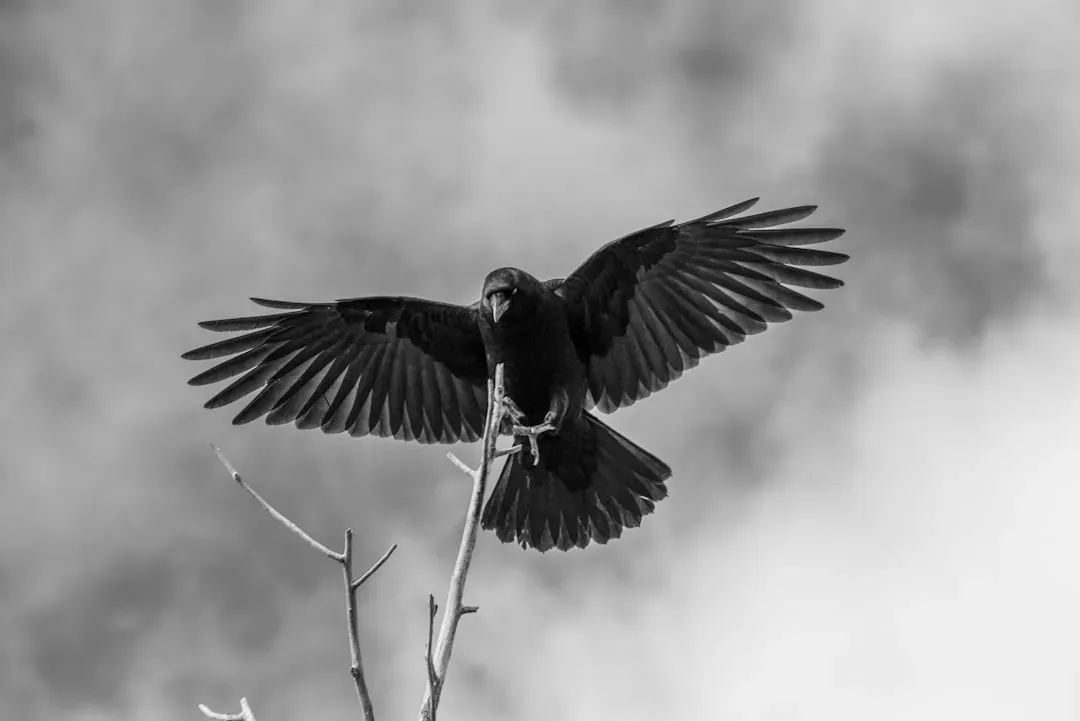
At a basic level, crows do what many animals do: they learn from painful or stressful experiences and avoid repeating them. In psychology, this is just associative learning and conditioning. If a particular person, place, or object is repeatedly linked with danger or discomfort, the brain wires that pattern in. Crows excel at this, and they layer those associations over a sophisticated ability to notice who did what, not just what happened. That is a huge step beyond simple fear of a location or a random object.
When a crow swoops at you because you once threw a rock at it, what you are really seeing is a bundle of associations: your face, your outline, your way of walking, maybe even your voice, all tied to a strong emotional memory. Over time, that memory can shift from raw fear into something like a standing policy: this individual is trouble, treat them aggressively. Calling that a grudge is a bit poetic, but it is not wildly off the mark. The behavior is not a one‑off reflex; it is a stable attitude shaped by experience.
Emotion In A Bird Brain: Fear, Anger, And A Sense Of Threat
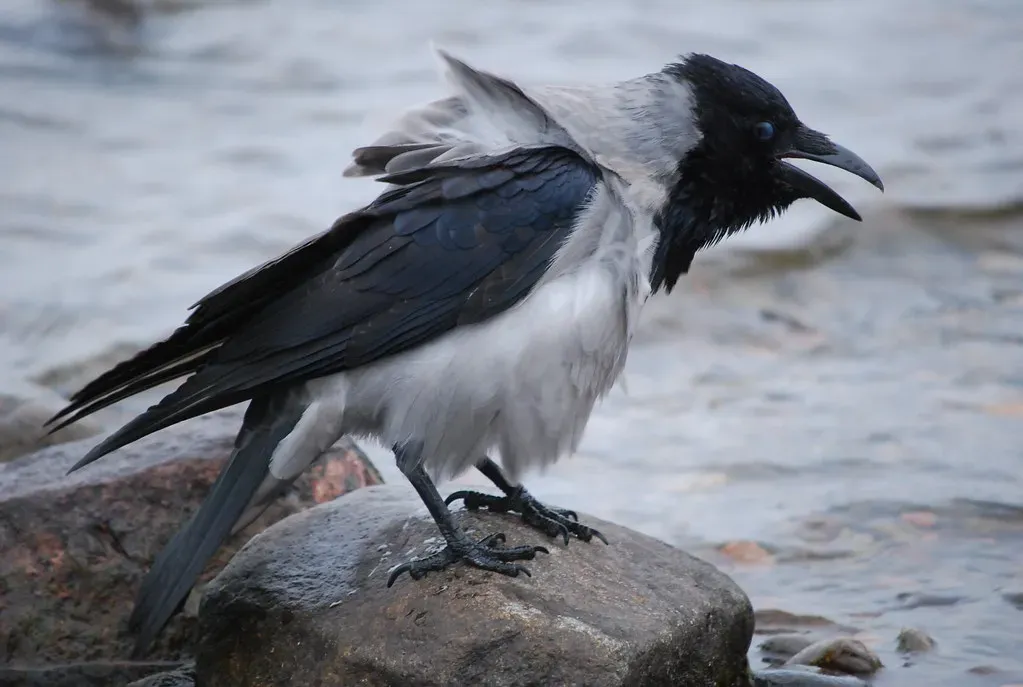
Revenge always feels emotional to us, and crows are no different in that their behavior is guided by internal emotional states, even if those states do not map perfectly onto human feelings. When a crow is scolding, screaming, and dive‑bombing, its body is flooded with stress hormones, its heart rate is up, and its attention is locked onto the threat. That mix looks a lot like what psychologists would call fear and aggression in mammals. Emotion, in this broad sense, is not just a human luxury; it is an evolved toolkit for fast decisions about danger.
Once a crow has encoded someone as a threat, the emotional charge can show up later even in a mild encounter. You might just be walking quietly, but the crow’s past experience primes it to react at a much lower threshold. To an outside observer, this looks spiteful, as if the bird is thinking about payback. In reality, it is probably more like a chronic anxiety response targeted at a specific individual or category of individuals. That said, the intensity and focus of these reactions are exactly what make people feel that crows are not just scared; they are mad.
Reputation, Gossip, And Social Learning In Crow Communities
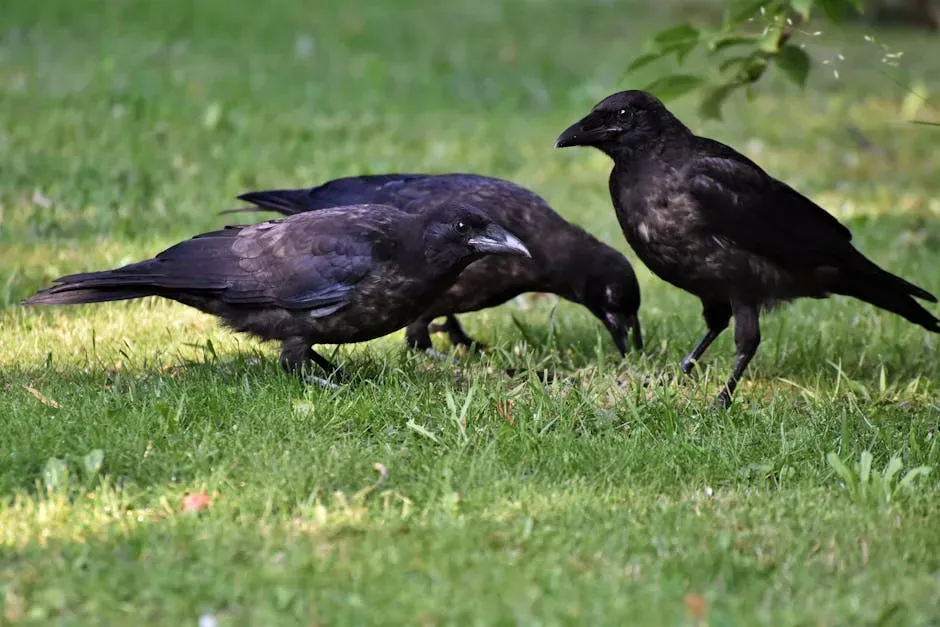
One of the most striking things about crow “revenge” is that it rarely stays private. Crows live in social groups that pay close attention to one another’s alarms and reactions. When one crow discovers a dangerous person, others soon know about it. In field studies, crows that had never been trapped still mobbed the same masked experimenters after watching or hearing their neighbors respond. In human terms, that looks eerily like gossip and reputation, which are the raw material of social punishment and social protection.
This is where revenge stops being just an individual’s overreaction and becomes a community pattern. The group’s shared memory means a person who harms crows gets assigned a lasting negative reputation, and every crow that learns that “story” adjusts its behavior. From a psychological angle, social learning turns a single bad act into a widely shared narrative: this is an enemy. While the birds are not trading stories around a campfire, their alarm calls, posture, and mobbing behavior function in a very similar way. The result can feel like coordinated payback from an entire neighborhood of birds.
Why Target Specific Humans? Face Recognition And Categorization
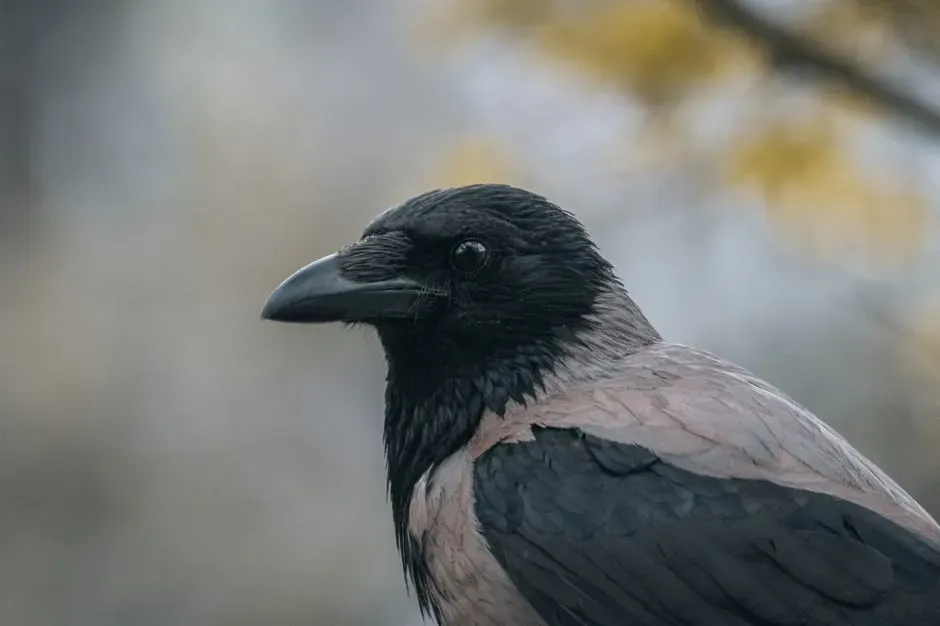
When humans imagine animal learning, we often assume it is fuzzy and general. Crows break that stereotype by recognizing individual human faces, sometimes for years. They are not just afraid of anyone in a blue jacket or anyone near a certain tree; they single out particular people and adjust their responses depending on who they see. This suggests that their brains are not only good at forming associations, but also at building detailed categories such as “this specific person hurt me” versus “this other one is harmless or helpful.”
Psychologically, that kind of fine‑grained categorization is a big deal, because it allows targeted responses rather than blanket fear. It is the difference between avoiding one bad neighbor and never leaving your house again. When a crow repeatedly harasses one person but ignores another walking right beside them, it is using that detailed recognition to direct its aggression. To us, a selectively hostile response feels personal and intentional, because that is exactly how we interpret similar patterns in our own species. That interpretive habit is part of why we are so quick to label the behavior as vengeance.
Is It Really Revenge Or Just Smart Risk Management?
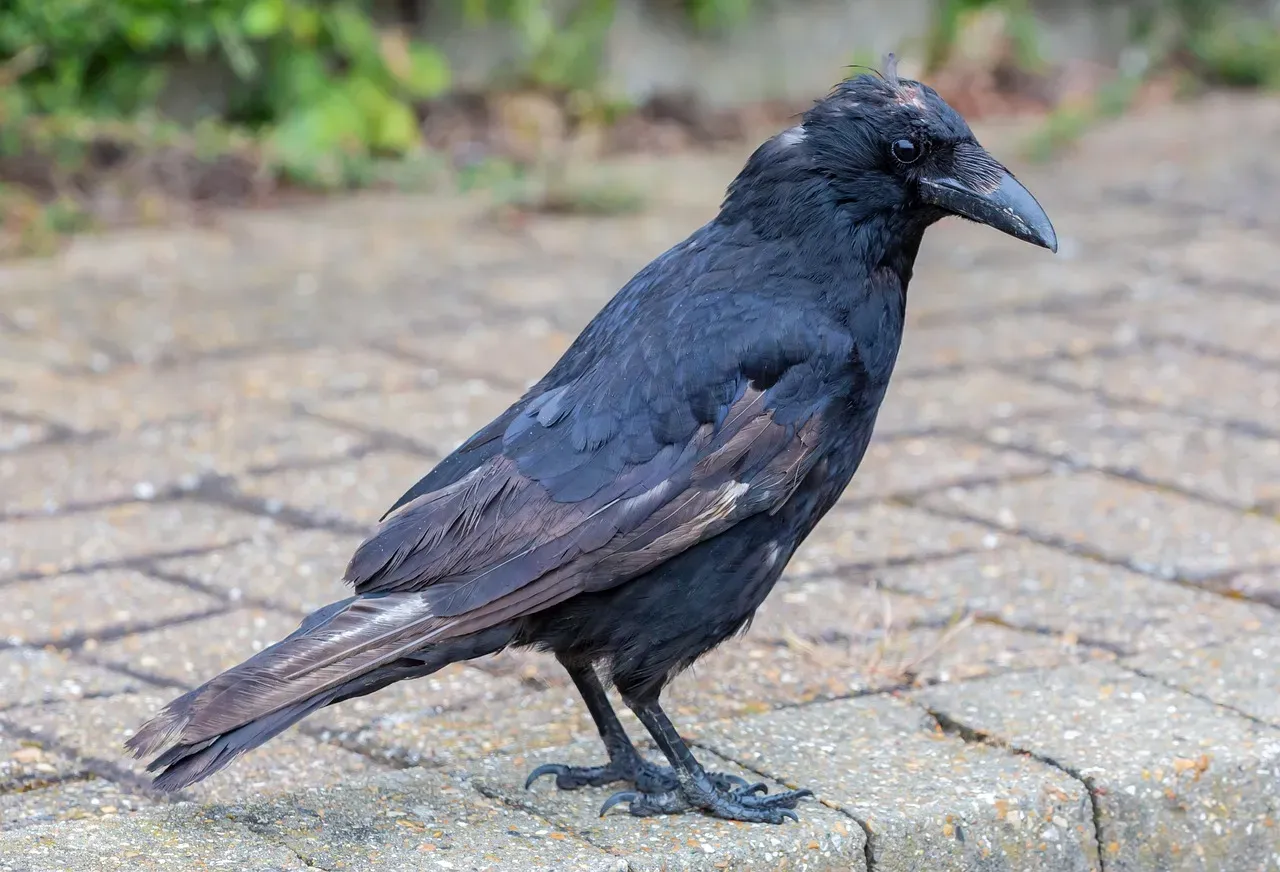
Here is where things get controversial: are crows actually motivated by something like a desire to make a wrongdoer suffer, or are they just optimizing their own safety? From a strict scientific perspective, it is safer to say that crows are engaging in advanced risk management. By harassing past aggressors, they reduce the odds of being harmed again, and they also send a clear signal that they are not easy targets. In social animals, punishing a threat can be a very effective deterrent, which makes the behavior beneficial even if no one is consciously thinking in moral terms.
On the other hand, when you look at how consistently crows go after particular people, even long after the original incident, it feels like more than simple avoidance. There is a clear asymmetry: sometimes the crow initiates the interaction despite being at no immediate risk. You can argue that this too is strategic – preemptive harassment to keep the threat away – but it lives in the same psychological territory as human revenge. Personally, I think the fairest description is that crows sit on the edge of what we like to call revenge: not moralistic in the human sense, but not purely mechanical either.
Human Projection: How Our Minds Turn Survival Into Morality
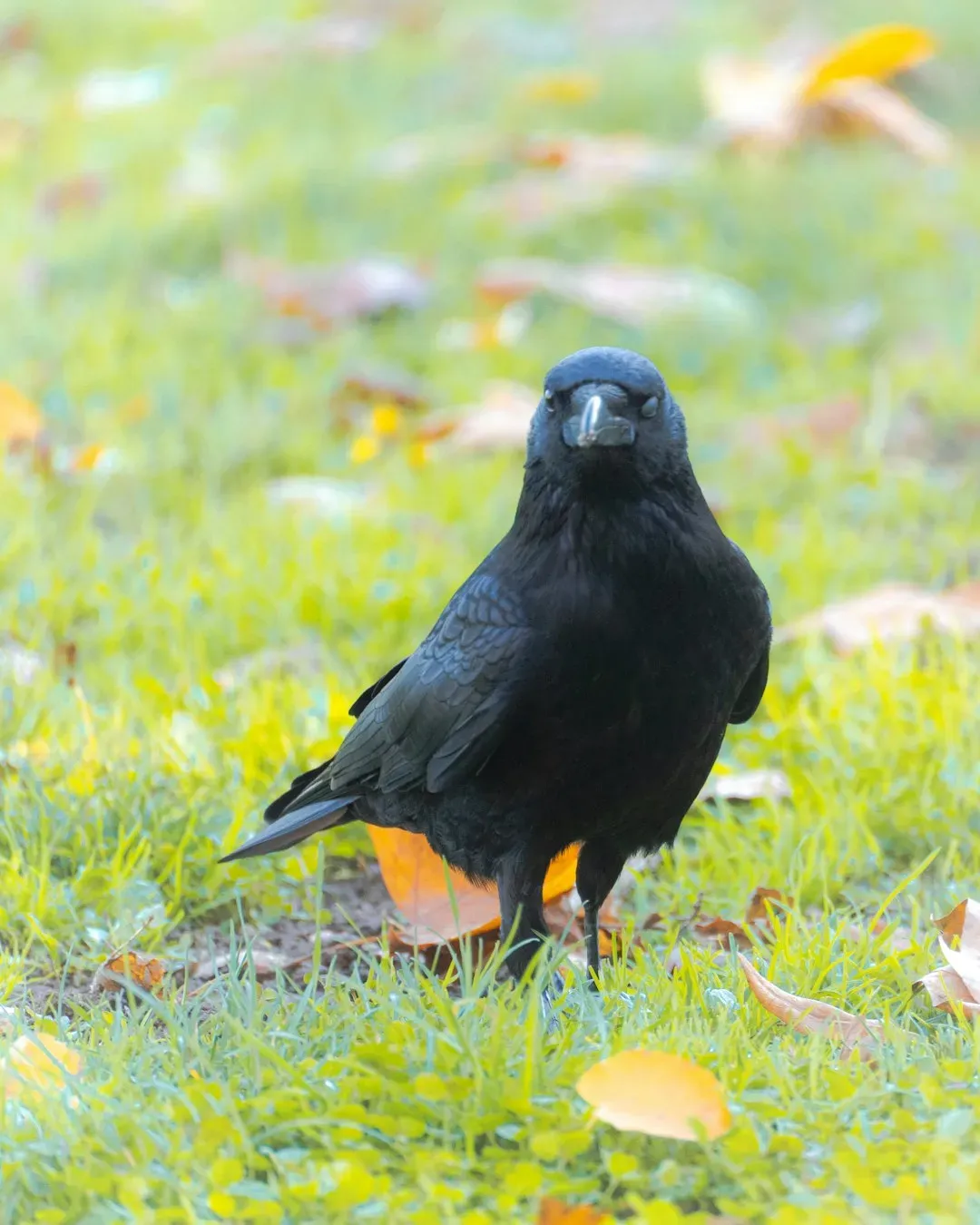
We also need to own the fact that our brains are wired to see intention, personality, and morality in almost everything. If your coffee machine fails twice in a row, it is easy to say it is “out to get you,” even though you know better. With crows, that tendency runs wild, because their behavior already looks so humanlike. They remember faces, share information, coordinate actions, and respond in consistent ways over time. Our social imagination fills in the gaps, and suddenly we are telling stories about crow vendettas and feathered courts of justice.
This does not mean all talk of crow revenge is silly; it just means we need to separate the raw behavior from the narratives we build around it. When we say a crow “hates” someone or is “punishing” them, we are using shorthand that helps us make sense of the pattern. There is value in that, because it helps non‑experts appreciate how sophisticated these animals really are. The danger is when we forget that it is shorthand and start assuming human‑like motives that go way beyond what the evidence supports. Keeping that tension in mind makes the real psychology of crows even more fascinating, not less.
Why Crow “Revenge” Matters For How We Treat Animals
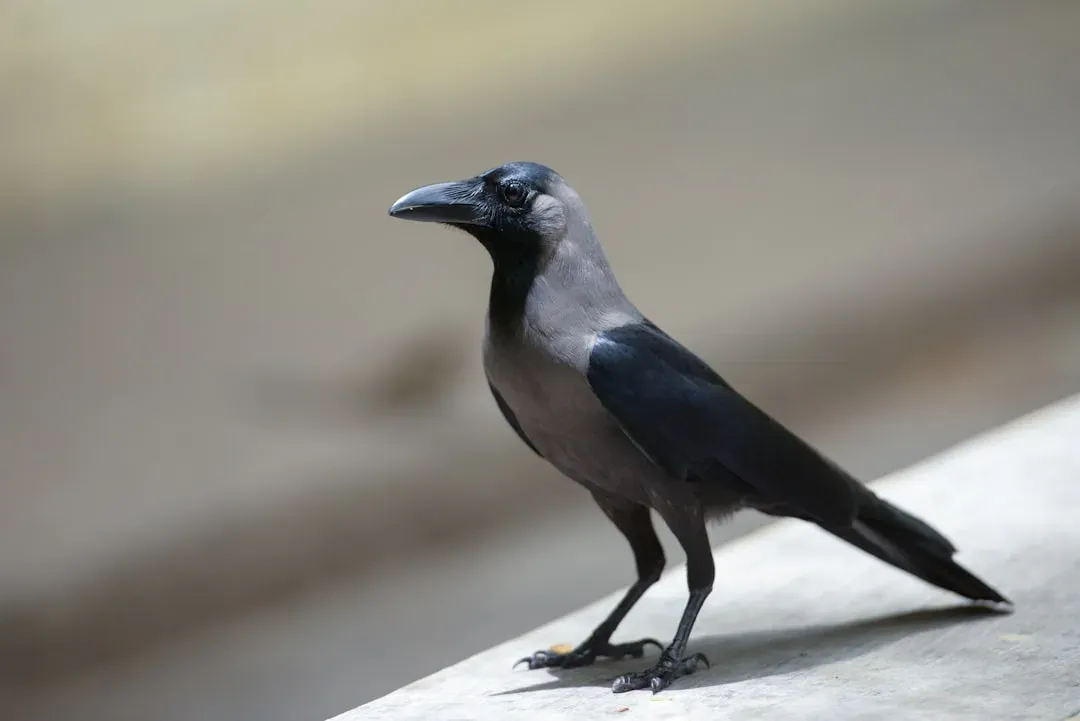
Once you accept that crows can recall your face, share that information with their peers, and adjust their behavior toward you for years, it gets harder to think of them as background creatures. Their apparent revenge is really a side effect of high intelligence and social complexity, and ignoring that says more about us than about them. We like to pretend that only humans navigate long memories, reputations, and emotional responses to past treatment, but crows quietly chip away at that comforting story every day in our parks and parking lots.
For me, the most important takeaway is ethical rather than purely scientific. If an animal can build a history with us, respond differently based on our actions, and spread that knowledge to others, then our choices are not just momentary blips in its life. They reshape its social world and stress level over the long term. You do not have to believe that crows sit in trees plotting your downfall to accept that they deserve more respect than a disposable nuisance. In a way, their so‑called revenge is just a mirror, reflecting our own behavior right back at us in black feathers and sharp eyes.
Conclusion: Revenge Or Not, The Crows Are Keeping Score
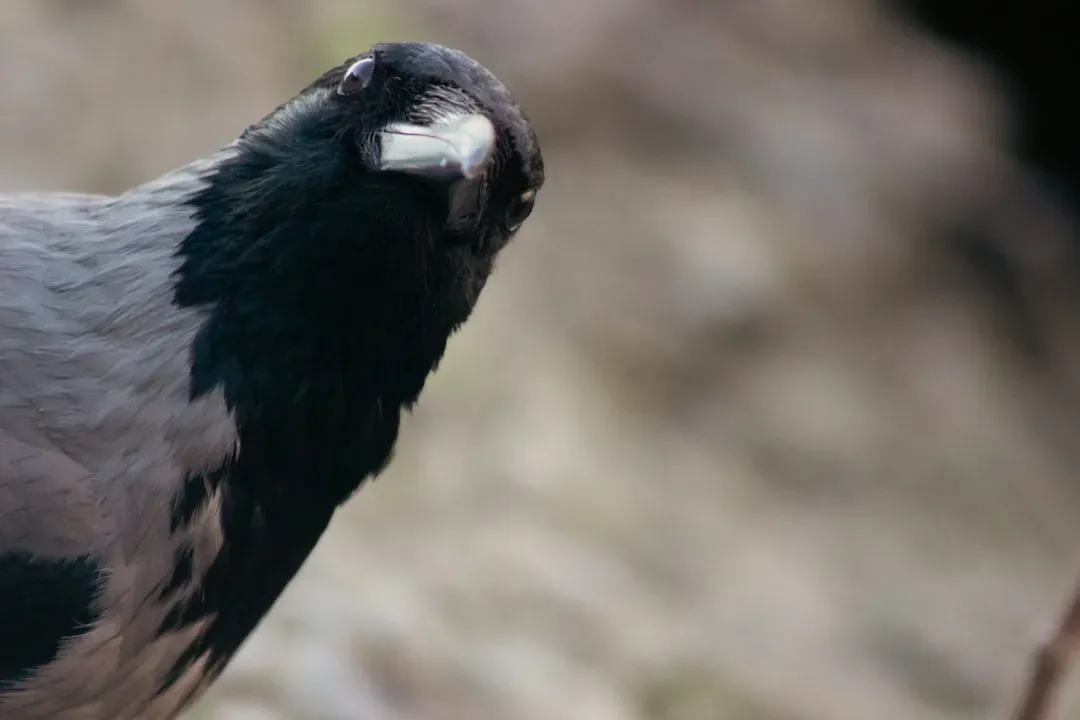
In the end, whether we label crow behavior as revenge, strategic defense, or something in between says as much about our psychological comfort as it does about their minds. The evidence points to birds that remember individuals, share reputations, respond with emotionally charged aggression, and keep those patterns going long after the original encounter. That is more than simple fear conditioning, even if it does not quite reach the level of human moral obsession with payback. The safest, and honestly the most awe‑inspiring, view is that crows run a tight, intelligent risk‑management system that just happens to feel like poetic justice when you are on the wrong end of it.
My own bias is clear: I think we underestimate these birds, and we cling too tightly to the idea that only humans keep score in a personal, lasting way. Crows have built their own version of that, tuned to their survival needs and social lives, and it works well enough that we notice and take it personally. Whether you call it revenge or not, the message is simple: what you do around crows does not vanish; it goes into a living, social memory that might greet you again the next time you step outside. Knowing that, would you still treat them like they are not watching?