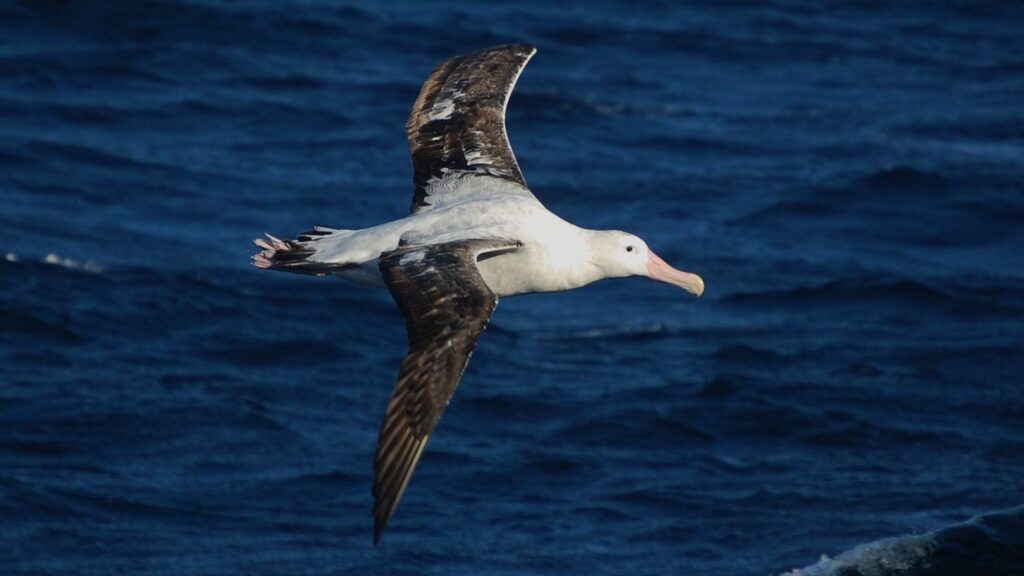

If you have ever watched an albatross glide over the ocean for hours without flapping its wings, you probably wondered how on earth it knows where it is going. You are looking at a bird that can cross entire ocean basins, disappear for months, and still find its way back to the same tiny nesting island it left from. It almost feels like magic, but there is a growing idea that one of the secrets lies in something you cannot hear: the deep, low-frequency rumble sometimes called .
Scientists are still piecing the story together, but the big picture is already fascinating. You live in a world of light and sound that your ears and eyes can detect; an albatross lives in that world too, plus another hidden layer of sound beneath your hearing. By tuning into long-range, low-frequency noises created by storms, waves, and underwater topography, these birds may be reading the sea like a giant acoustic map. Once you start to see it this way, the ocean stops being an empty blue expanse and becomes more like a humming, three‑dimensional soundtrack that an albatross can follow.
The hidden soundscape you never hear
Imagine standing on a cliff overlooking the ocean: you hear crashing waves, wind, maybe some distant surf. Now picture that, beneath all of that, there is a deeper layer of sound rolling across the water like a slow drumbeat that you cannot perceive. That low-frequency background is what people mean when they talk about . It is made up of very long, deep sound waves produced by storms, ocean swells, and the way waves interact with the seafloor.
Your ears cut off at higher frequencies than those infrasonic rumbles, so to you the open ocean might feel strangely quiet once the wind calms down. To a bird that is sensitive to much lower frequencies, though, the ocean is never really silent. Those infrasonic waves can travel thousands of miles through the air with very little loss of energy, turning the atmosphere above the ocean into a kind of acoustic highway. When you imagine an albatross flying over the sea, try not to see it as alone in empty space; instead, picture it immersed in a slow, rolling sea of sound that wraps around the entire planet.
Why infrasound is a perfect tool for ocean wanderers
If you wanted to design a perfect signal to guide a long-distance traveler, you would want something stable, far‑reaching, and hard to block. That is exactly what infrasound offers over the open ocean. Because these low-frequency waves have very long wavelengths, they curve around obstacles and can pass through layers of the atmosphere that would scatter or block higher-pitched sounds. This means an albatross can, in theory, “hear” storms and heavy seas that are far beyond your visible horizon.
You can think of it like the difference between reading a glowing phone screen and feeling the slow rumble of a train through your feet. Light and high-pitched sounds give you sharp, detailed information close by, but infrasound offers broad, coarse information over vast distances. For a bird that might fly thousands of miles without landing, knowing where big storm systems and major swell zones are located offers crucial cues. You, as a human, rely heavily on sight and short‑range hearing; an albatross can overlay that immediate sensory world with an infrasonic “weather map” that stretches across entire oceans.
How your own senses compare to an albatross’s
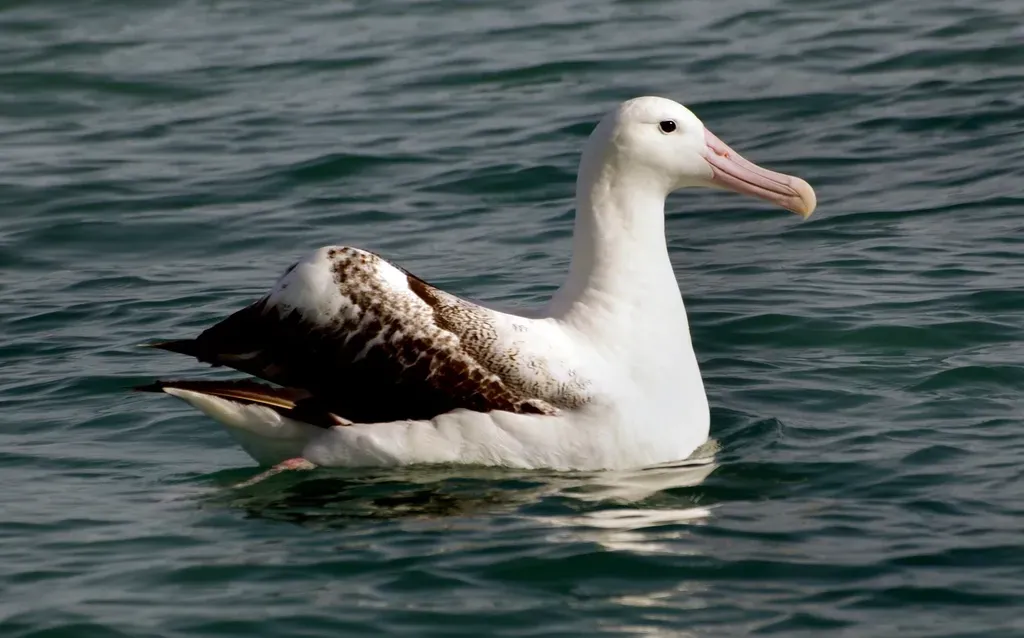
You are wired to trust your eyes and normal hearing when you navigate, but those senses shrink dramatically once you step into a featureless environment, like fog or the open ocean. An albatross faces that kind of featureless scene almost every day, yet it still manages to orient itself with remarkable reliability. It likely does this by stacking multiple senses: vision, smell, the Earth’s magnetic field, wind patterns, and potentially the infrasonic landscape of the sea itself.
If you picture your own hearing as a narrow window onto the world of sound, an albatross may have a window that dips further down into lower frequencies. That extra slice of perception could allow it to detect distant storms and surf booming against faraway coasts, giving it directional information you simply never notice. You might check a weather app to see where the storms are; an albatross might literally feel the storms as a deep background vibration in the sky as it flies. The important thing for you to appreciate is that this is not one magical sense doing all the work, but a clever combination where infrasound could fill in the long-distance gaps.
Storm tracks as invisible highways in the sky
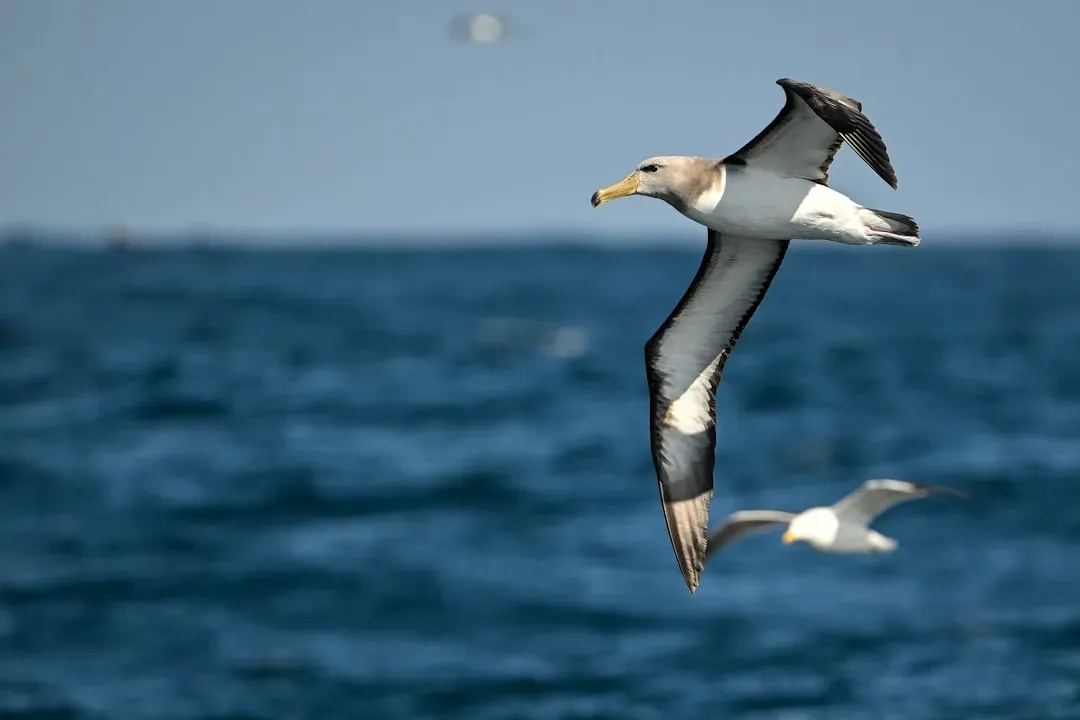
If you have ever watched weather maps, you know that storms tend to form and move along certain preferred tracks over the oceans. Now imagine you could not see the map but could still sense where those storms are from thousands of miles away. That is essentially what infrasound may offer to an albatross: a way to detect storm belts and heavy swell zones that function as invisible highways in the atmosphere. These stormy regions create rising air and powerful winds that a soaring bird can exploit for efficient travel.
When you think of an albatross’s route, do not picture a straight line like on a paper map. Instead, imagine a path that bends to follow favorable winds and energy-rich storm corridors, a little like a surfer seeking the best waves rather than the shortest paddle. The infrasonic roar of distant storms could help signal where those corridors lie, nudging the bird toward regions of strong, predictable winds. Where you might read isobars and color-coded charts, the albatross may be following changes in the low-frequency background hum, steering into the most promising atmospheric “rivers” without ever checking a forecast.
Using the “voice of the sea” to find productive waters
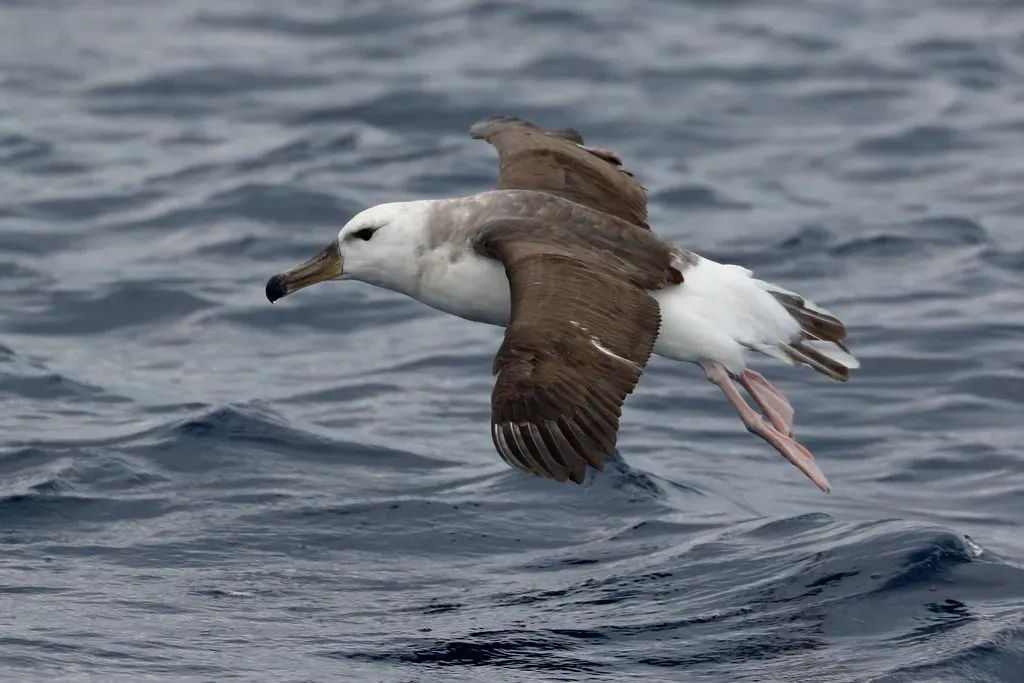
You might think of the open ocean as empty, but marine life tends to gather in certain hotspots where currents, upwelling, and underwater features concentrate food. Many of those same features also shape waves and swell patterns, which in turn influence the infrasonic sound field above the water. In other words, the places where the sea is physically most energetic often overlap with the places where it is biologically most productive. That gives an albatross a simple rule of thumb: follow the right kinds of distant rumble, and you are more likely to find good feeding grounds.
When you go fishing, you might look for ripples, birds, or temperature changes on a chart; an albatross could be detecting subtle differences in the background roar of the sea that hint at vigorous wave activity or strong surf on remote coasts. Those signals can mark frontal zones, coastal upwelling areas, or regions where deep-water swells crash over underwater ridges. You can think of it as the bird listening for acoustic “accents” in the ocean’s voice, then checking those areas more closely using smell, sight, and experience to zero in on food. The infrasonic layer does not give precise coordinates, but it can tell the bird which vast chunks of ocean deserve a closer look.
Long-distance homing and the pull of distant coastlines
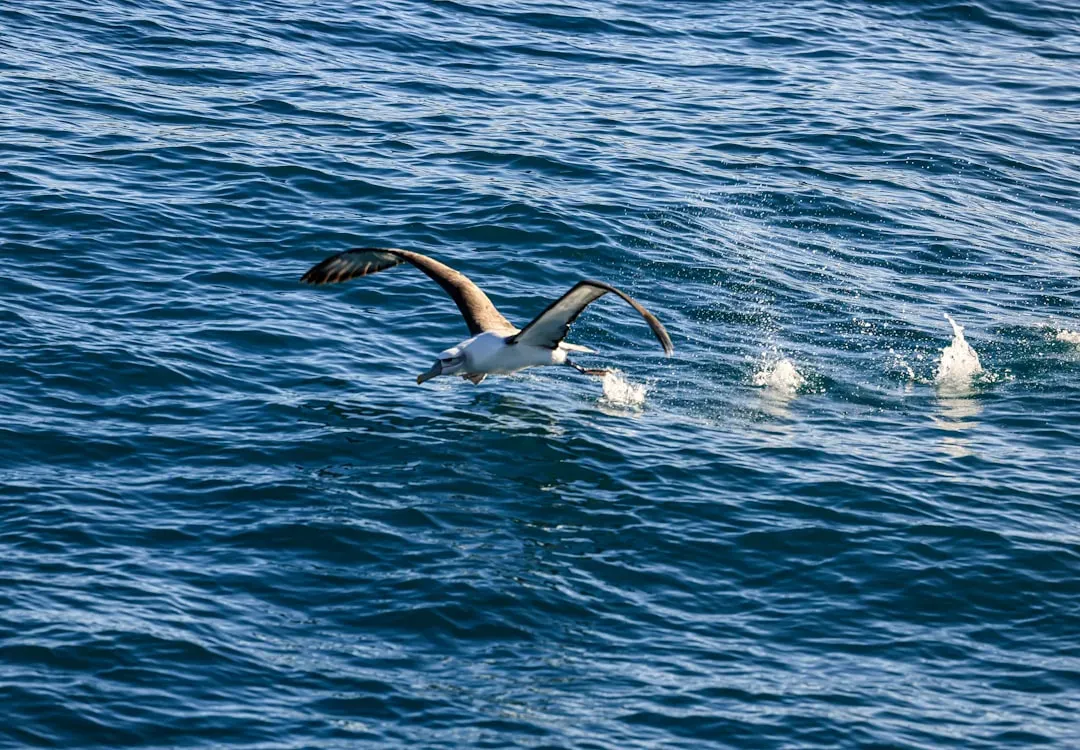
One of the most astonishing things you learn about albatrosses is that they can travel enormous distances and still return to the same nesting colony year after year. You might first assume they are simply following smell or memorized visual landmarks near land, but that does not explain how they orient when they are thousands of miles offshore. Here is where the “voice of the sea” may quietly come into play, adding another way to sense where land and coastlines lie in the distance.
Rugged shores, tall cliffs, and shallow shelves tend to shape wave patterns in distinctive ways, often generating strong low-frequency noise as swells crash and break. Even if you cannot hear that low rumble from far offshore, an albatross may pick up the direction of the loudest or most familiar infrasonic signatures. That information can complement the bird’s internal compass, allowing it to steer toward the general region of its home island long before any smell or visual cue kicks in. Where you might look for a lighthouse beam on the horizon, the bird could be following a deep, slow thudding “accent” in the background noise that tells it which way its coastline lies.
What scientists have tested so far (and what they haven’t)
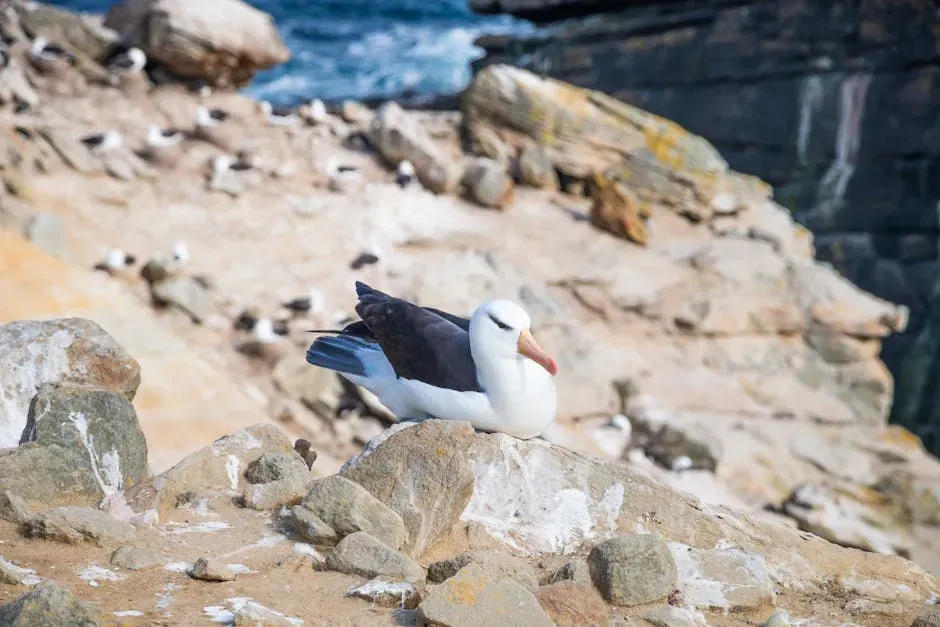
If you like clear-cut answers, this part will challenge you a bit, because research on albatrosses and infrasound is still unfolding. You will find experiments showing that some birds can detect low-frequency sounds and may change their flight paths in ways that line up with the distribution of infrasound produced by storms and waves. Tracking studies have also revealed that albatross routes often seem to hug storm belts and energetic wind corridors, which fits neatly with the idea that infrasound could be informative. But you should see these as pieces of a puzzle rather than final proof.
When you read about this topic, keep in mind that much of what you encounter is careful inference drawn from movement data, sound models, and what is known about bird hearing in general. Scientists cannot easily ask an albatross what it hears, and they have to be cautious about separating the effects of wind, smell, magnetism, and infrasound. So you should treat the “voice of the sea” explanation as a well‑motivated, plausible part of the story, not as a solitary, all-powerful sense. You are looking at a best-fit picture that will keep changing as more detailed experimental work and better biologging devices reveal what these birds are actually experiencing in flight.
Why this matters for conservation and for your view of the ocean
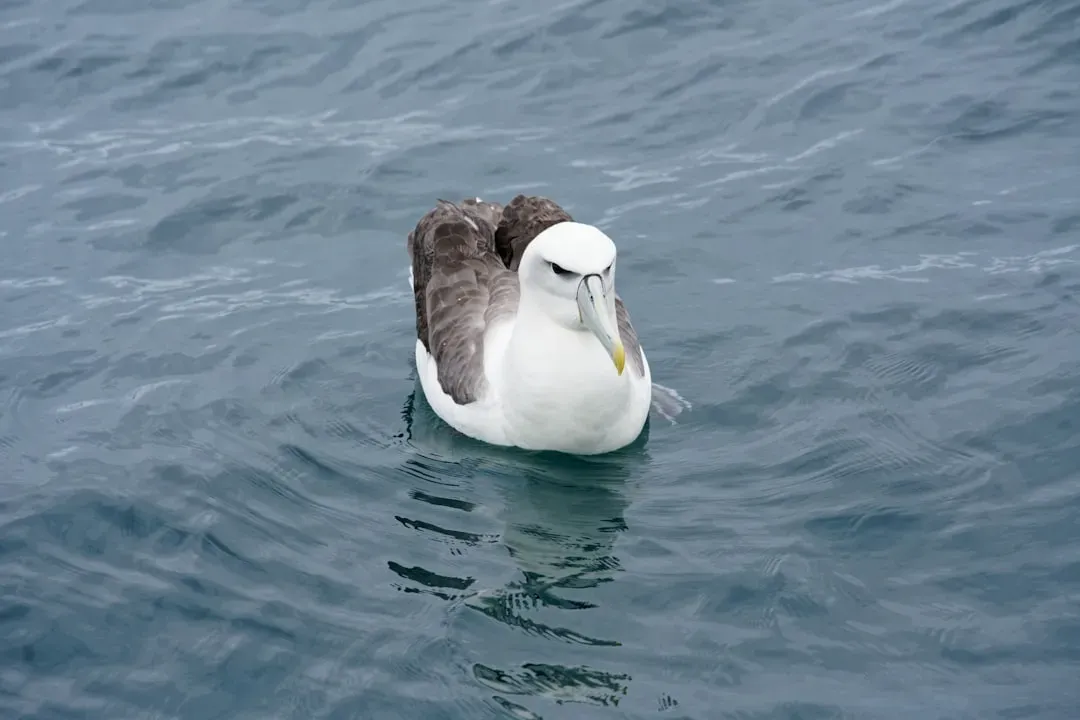
You might wonder why any of this matters beyond pure curiosity, but understanding how albatrosses navigate touches directly on how you protect them. If these birds rely on a subtle layered mix of cues, including infrasonic information, then changes in atmospheric circulation and wave climates could alter the “sound” of the sea they depend on. Human activity, such as shifting storm patterns due to climate change, large-scale noise from shipping, or offshore construction, might reshape that hidden acoustic environment in ways you do not yet fully grasp. Knowing what cues an albatross is actually using helps you anticipate which changes are likely to be most disruptive.
On a more personal level, learning about invites you to see the ocean as less empty and more alive with signals, even when it looks flat and silent from the shore. You may start to imagine that each gust of wind and distant swell is part of an enormous low‑frequency conversation that you simply are not wired to hear. When you follow news about seabird declines, bycatch, or marine protected areas, this richer picture of how an albatross experiences its world might make the stakes feel more real. You are not just talking about birds and waves; you are talking about the integrity of a sensory universe they have evolved to read over millions of years.
How you can mentally “tune in” to the sea’s deeper voice

Even though you cannot hear true infrasound unaided, you can still train yourself to think a bit more like an albatross when you are near the ocean. Next time you stand on a beach or a cliff, try closing your eyes and paying attention not only to the obvious crash of waves but also to the slower patterns: the distant boom of heavy surf, the change in feel when a large swell set arrives, the directionality of the sound. You are not suddenly becoming sensitive to infrasonic waves, but you are starting to notice the coarse, low‑frequency side of the soundscape that usually fades into the background for you.
You can also look up maps of wave height, storm systems, and swell direction before a visit to the coast, then match what you see on the map to what you feel and hear on site. That little exercise helps you grasp how the physical energy in storms and swells translates into the acoustic world above the sea. When you map that idea onto an albatross gliding overhead, you begin to appreciate that the bird is probably doing its own version of this, but at a scale that covers entire oceans. You might never experience the full infrasonic “voice of the sea” directly, but you can still cultivate a more layered, three‑dimensional sense of what that phrase actually means.
Conclusion: Seeing the ocean through an albatross’s ears

When you pull everything together, you end up with a picture of the albatross as an extraordinary ocean navigator that uses more than one hidden trick. You see a bird that reads wind fields, smells distant productive waters, senses the planet’s magnetic lines, and may also tap into to locate storms, coastlines, and energetic feeding zones. The magic is not in any single sense, but in the way they are layered, cross‑checked, and refined through lifelong experience crisscrossing the same vast seascapes. Once you appreciate that, the bird’s apparently effortless journeys feel even more impressive.
For you, the real takeaway is not just that the ocean is louder and more structured than you thought, but that your own senses give you only a thin slice of reality. The next time you see an albatross or even a distant seabird silhouette against the horizon, you can imagine it surfing on winds and tuning into a deep, planet‑spanning rumble you will never hear. That kind of perspective shift can make any simple walk along the shore feel richer, as if you are briefly sharing space with a traveler from another sensory world. If you could borrow that bird’s ears for a day, what do you think the sea around you would sound like?