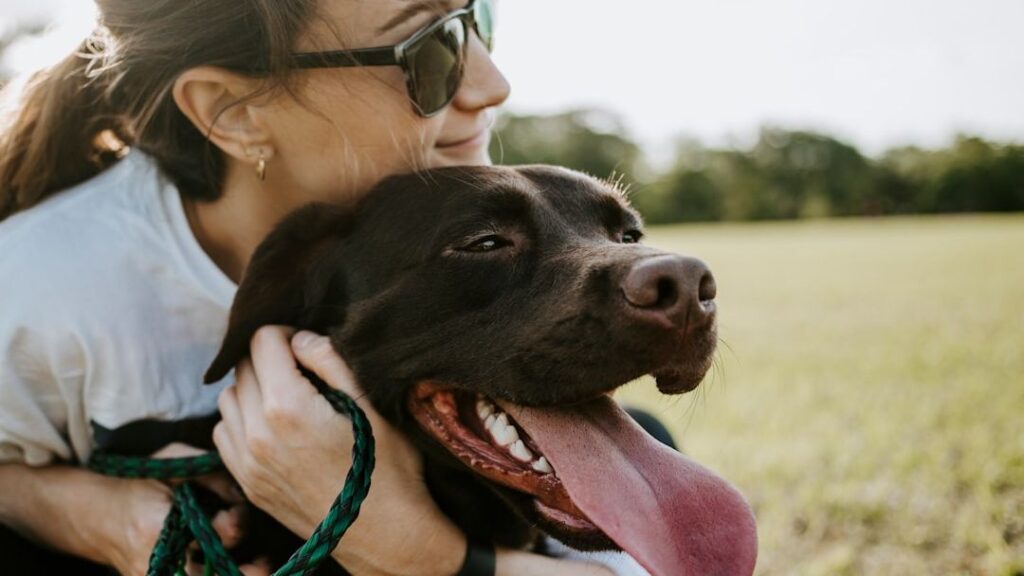
You probably think your dog is focused on what you do: picking up the leash, opening the treat jar, grabbing the car keys. But psychology research paints a more surprising picture: your dog is constantly scanning how you feel, not just what you do. Your posture, the tension in your shoulders, the sound of your voice, even the way you exhale after a long day all become emotional signals your dog quietly tracks. To your dog, your inner world is just as real and important as the outer one.
Once you see this, it changes how you relate to your dog. You stop thinking of them as a little robot reacting to commands and start seeing them as an emotional partner reading the room through you. That shift can make your training clearer, your bond deeper, and everyday life calmer for both of you. Let’s break down how this actually works, what science suggests, and how you can use it in a practical way at home.
Your Dog Reads Your Face, Voice, and Body Like a Story
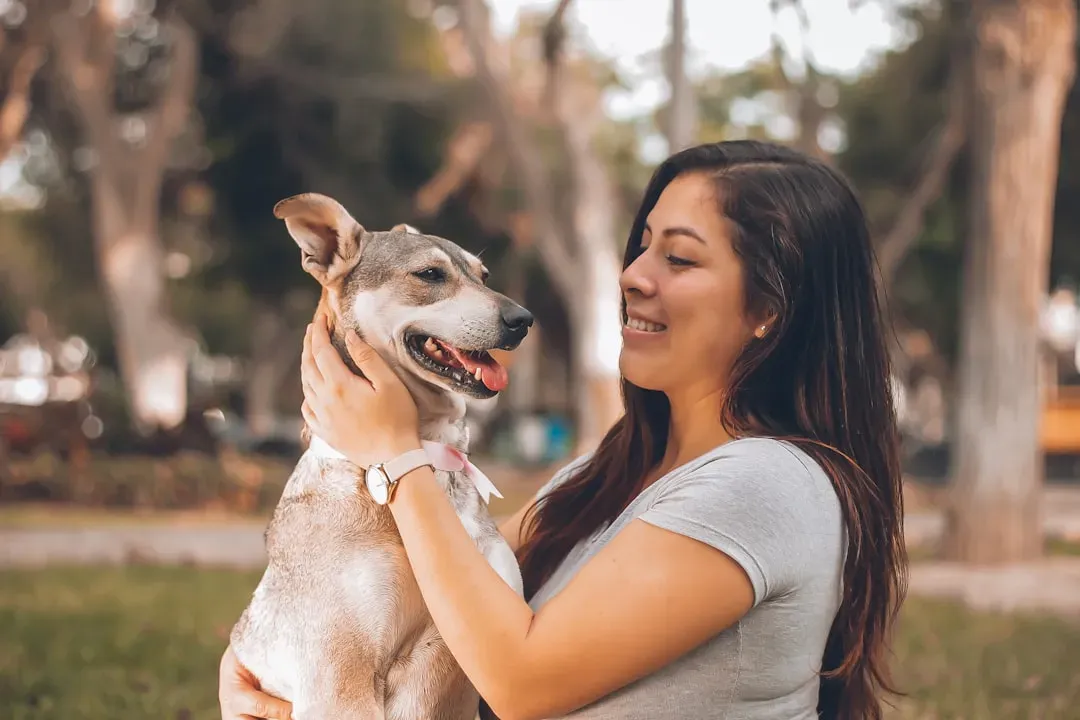
You might assume your dog only understands obvious cues like sit, stay, or walk. But research suggests your dog pays close attention to your face, voice, and body language, even when you are not speaking directly to them. You have probably noticed how your dog appears out of nowhere when your tone turns sharp in an argument or when your shoulders slump after a bad day. They are not just reacting to noise; they are responding to the emotional “story” your body is telling.
Your dog learns, over time, that a relaxed smile and light voice usually predict safety and affection, while a flat expression and clipped tone might signal tension or conflict. You may think you are hiding how you feel, but your dog catches those tiny changes you barely notice in yourself. In a way, your dog treats your face and voice like a weather forecast: sunny, cloudy, or stormy, and then chooses how to act accordingly.
Emotions First, Instructions Second
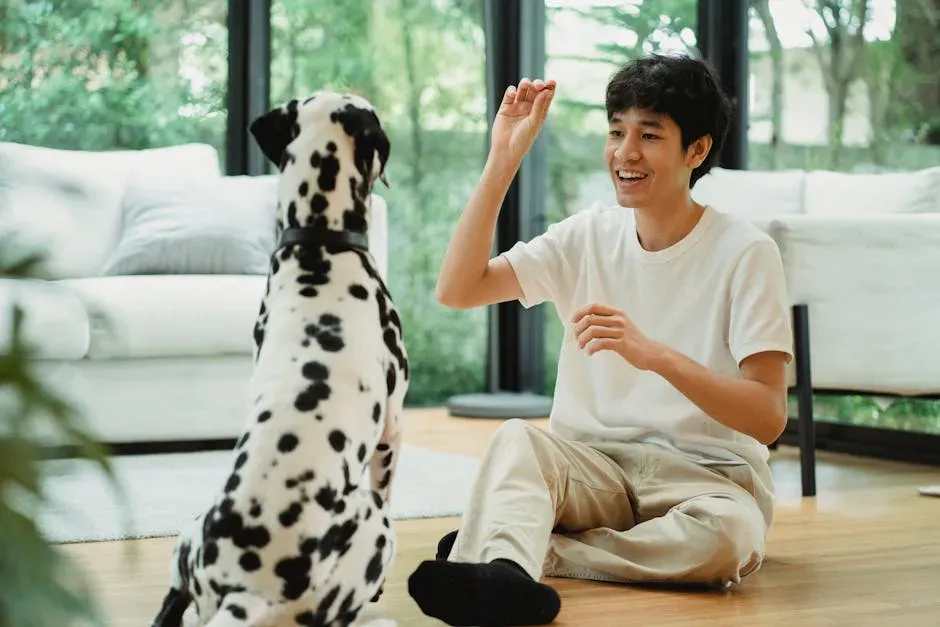
When you give a command in a frustrated or anxious tone, your dog does not just hear the word; they feel the emotion behind it. You may be saying “come,” but your body is yelling “I’m stressed.” Your dog often cares more about that emotional message than the literal instruction. That is why you might see your dog hesitate, slink, or ignore you when your mood is tense, even if you are using the right cues.
On the flip side, when your emotional state is calm and confident, your dog usually responds faster and more willingly, even if your timing or technique is not perfect. To your dog, clarity is not just about the action you show – it is about the emotional “signal” you send with it. If you think of your emotions as the background music and your cues as the lyrics, your dog will always follow the music first.
Your Dog Can Tell Happy from Angry – Even in Photos and Recordings

Studies suggest that dogs can distinguish between happy and angry human faces, including in pictures they have never seen before. When you look at a smiling face, your dog tends to be more relaxed and curious; when you look at an angry or fearful face, your dog can show signs of stress or caution. The remarkable part is that they can do this even when the emotion is not directed at them, which means they are tracking emotion itself, not just what it means for treats or punishment.
Your dog also reacts to emotional tone in recorded voices, not only live speech. That means when you hear laughter or yelling on TV or over the phone, your dog may key into that emotional tone and adjust their behavior. You may notice your dog leaving the room when a tense show comes on or perking up when they hear warm, friendly voices. You are constantly surrounded by emotional cues, and your dog is quietly sorting them like a radar device tuned to human feelings.
Stress Travels from You to Your Dog Like a Smell

You may feel like your stress is your own private burden, but your dog often shares it without you saying a word. When you are anxious, your breathing gets shallow, your movements get sharper, and your routine gets more frantic. Your dog reads that emotional “static” and can become restless, clingy, or reactive in response. In some research, dogs and owners have even shown roughly similar stress patterns over time, as if they are emotionally syncing with each other.
You might notice that on chaotic days, your dog barks more, startles more easily, or has a harder time settling down. That does not mean you are doing something wrong on purpose; it just means your emotional state is part of your dog’s environment, like temperature or noise. When you find small ways to regulate your own stress – stepping outside for a breath, speaking a bit slower, unclenching your jaw – you often give your dog a calmer “emotional climate” to live in.
Your Dog Learns What Your Emotions Predict

Your dog does not just sense your emotions in the moment; they also learn what usually comes next. If your raised voice often leads to slammed doors or arguments, your dog may start to hide or leave the room as soon as you sound irritated. If your joyful laugh usually leads to playtime or cuddles on the couch, your dog may come running the second they hear it. They build a little map in their mind that links your emotional shifts to future events.
Over time, that map can shape your dog’s personality and behavior. A dog living with mostly predictable, calm emotions from you tends to feel safer exploring, learning, and resting. A dog living with frequent, intense emotional swings might become hypervigilant, always waiting for the “other shoe” to drop. When you see it this way, your moods and reactions are not just private experiences; they become part of how your dog understands the world.
Why Calm, Consistent Energy Makes Training Easier
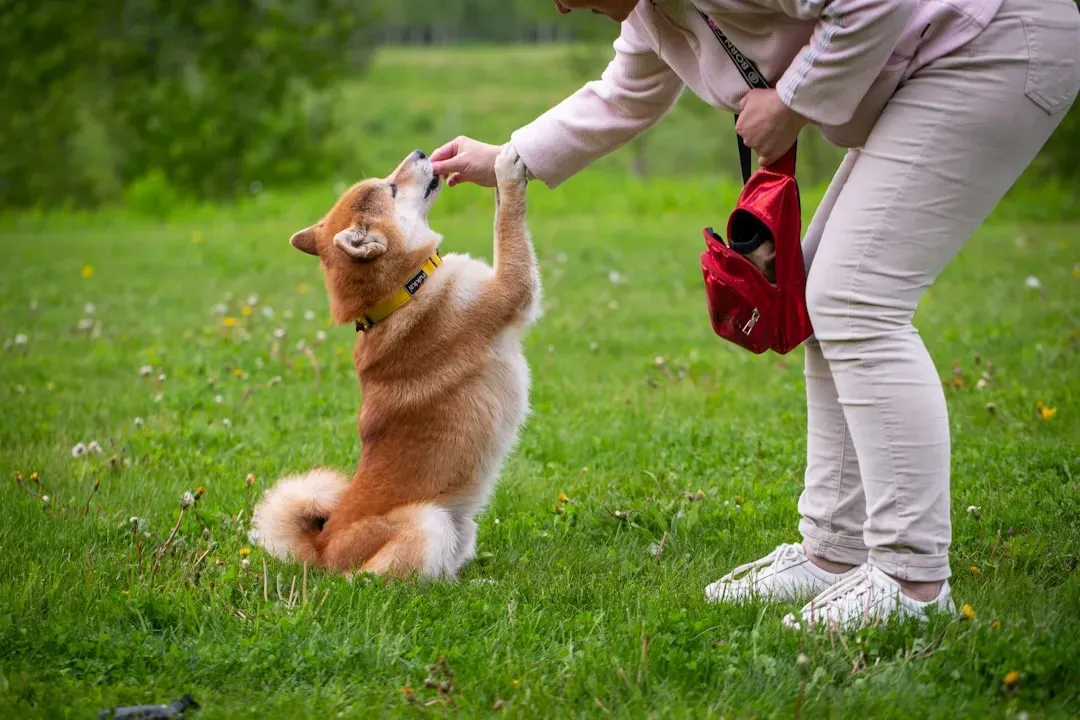
You can have the best treats, the clearest cues, and the fanciest harness, but if your energy is frantic, your dog will struggle to focus. When you train while irritated, rushed, or distracted, your dog senses that mismatch and may respond with confusion or stress. You might interpret that as stubbornness, but from your dog’s perspective, the emotional environment is too noisy to think clearly. You are asking them to solve a puzzle while the room is on emotional fire.
When you approach training with calm, patient, and consistent energy, your dog usually starts to catch on much faster. You become predictable, your signals feel safer, and your dog can actually concentrate on what you are asking. That does not mean you must be perfectly zen all the time; it just means that a quick reset – taking a breath, softening your shoulders, lowering your voice – can be the difference between a frustrating session and a breakthrough moment.
How to Use Your Emotions as a Communication Tool
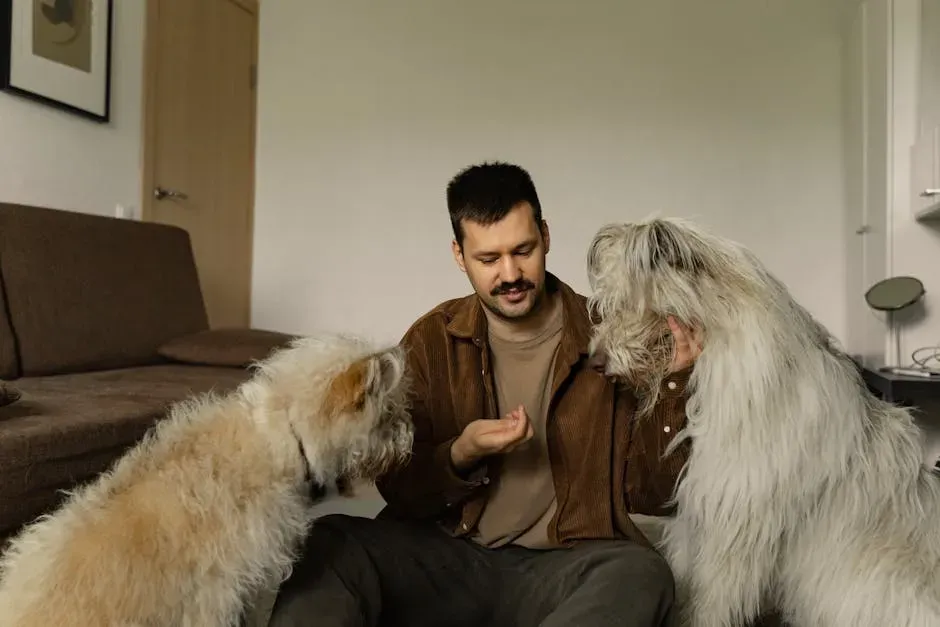
Once you accept that , you can start using that fact instead of fighting it. You can lean into clear emotional cues: a genuinely warm tone when your dog tries something right, a neutral and steady voice when you are redirecting a mistake, and a calm silence when you feel yourself getting overwhelmed. You are allowed to pause training or walk away for a minute; your dog will not be offended, and both of you will likely do better when you return.
You can also build little emotional rituals your dog can count on, like a soft greeting when you come home instead of a chaotic burst of noise and movement. That predictable emotional pattern helps your dog know what to expect and how to behave. Think of it like setting an emotional language: your feelings become signals your dog can read, trust, and respond to, instead of random background noise that keeps them on edge.
Supporting Your Dog When Your Emotions Are Heavy
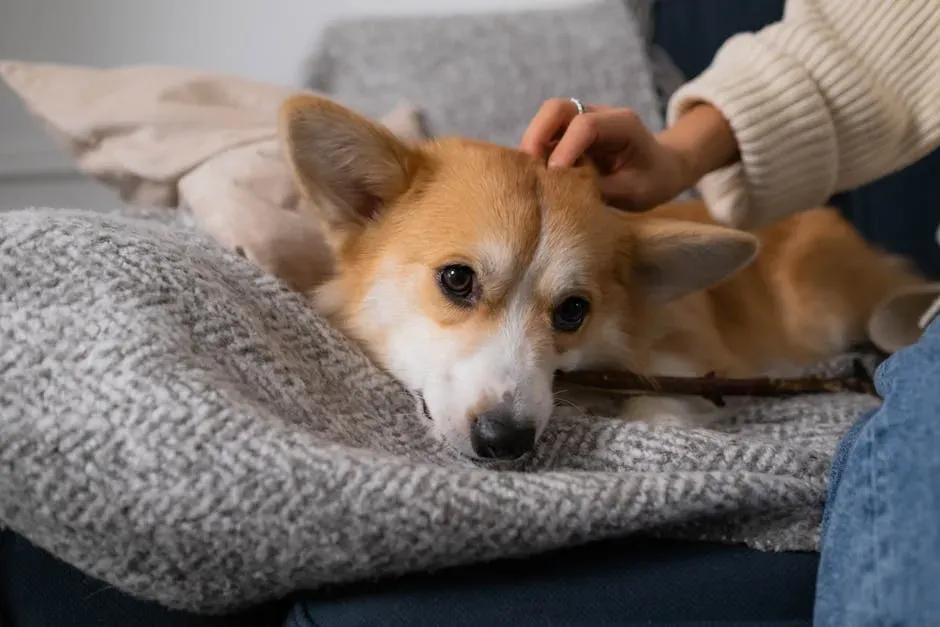
Life is not always calm, and you are not a robot. There will be days when you are sad, worn out, or furious at something that has nothing to do with your dog. Instead of pretending those emotions are invisible, you can acknowledge that your dog is picking up on them and give them a bit of structure. You might keep routines simple on hard days, stick to basic familiar cues, and avoid intense new training or busy environments that ask a lot of your dog’s emotional bandwidth.
You can also watch how your dog responds to your heavier emotions. Some dogs become velcro shadows, sticking closer as if they are in caretaker mode; others give you more space, moving to the edge of the room but keeping you in sight. When you notice and respect those patterns, you turn your rough days into chances to build trust instead of confusion. You are not required to be endlessly upbeat; you are just invited to be aware that your inner world is part of your dog’s reality too.
Conclusion: Your Dog Is Watching Your Heart More Than Your Hands
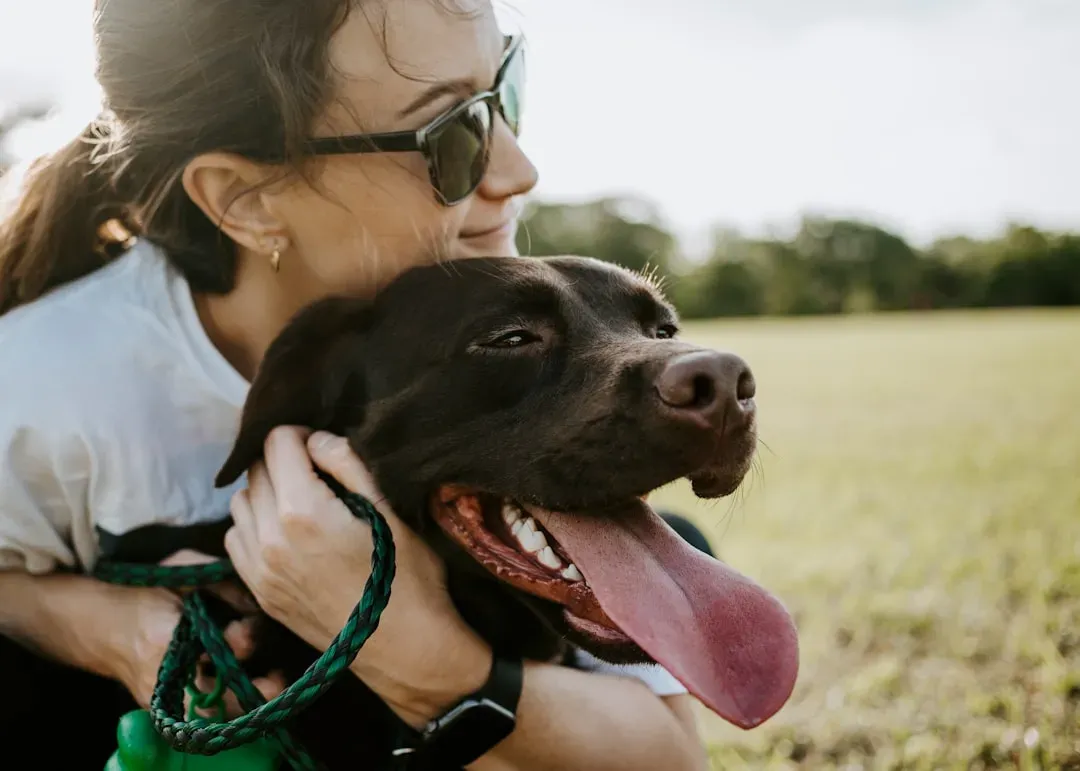
When you look at your dog now, you can assume they are not just watching what you do, but how you are. Your moods, expressions, and tone are not background details; they are the main channel your dog is tuned into. Once you treat your emotions as part of the message you are sending, your relationship shifts from pure command-and-response to something closer to a partnership built on mutual awareness. You start to shape not only how your dog behaves, but how safe and understood they feel living alongside you.
You do not have to become a perfect person to be a better communicator for your dog – you just have to be a little more honest and a little more intentional with the emotional signals you already send. The next time your dog tilts their head, studies your face, or quietly moves closer when you are upset, you can see it for what it is: your dog reading you like their favorite book. Knowing that, what kind of story do you want them to feel when they look at you?