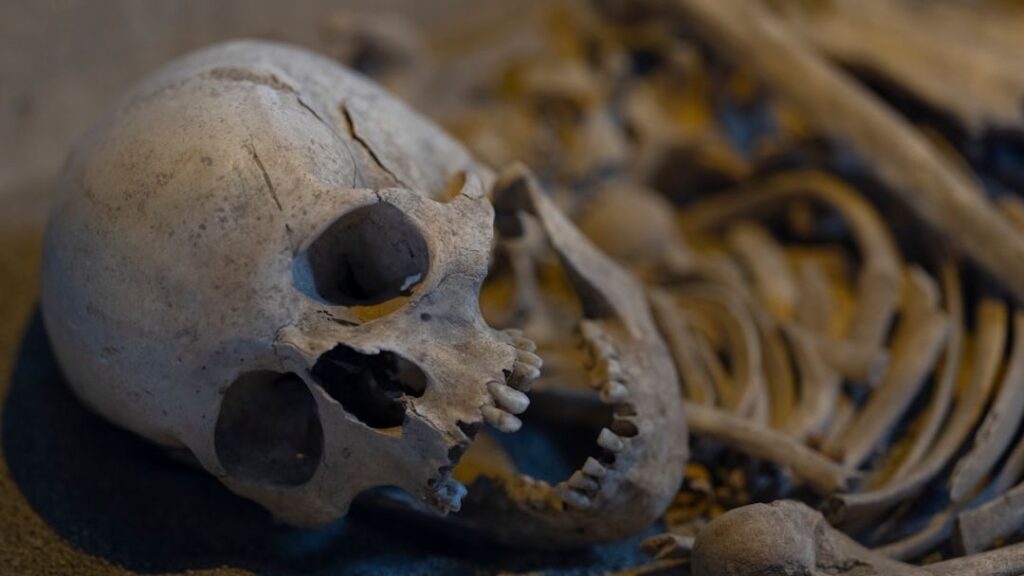
Death may seem like a single moment, but inside the human body, it is actually the beginning of a strange and surprisingly active biological process. The instant the heart stops beating, billions of cells are suddenly cut off from oxygen and nutrients, yet not all of them die immediately. In fact, some cells continue functioning for minutes, hours, and in certain cases even days after a person has passed away. While the body itself can no longer survive as a whole, deep inside tissues and organs, tiny microscopic battles for survival are still unfolding in silence.
What happens next is both unsettling and fascinating. Cells begin breaking down, chemical reactions spiral out of control, and the body slowly starts turning against itself in a process known as autolysis — essentially self-digestion. At the same time, bacteria that once peacefully lived inside you begin spreading through the body, accelerating decomposition from within. Scientists studying these post-death cellular changes have uncovered incredible discoveries about how the human body shuts down, how long different cells survive, and what this reveals about life itself. The science of death is far more complex, mysterious, and active than most people realize.
The Moment the Heart Stops: A Quiet but Radical Switch
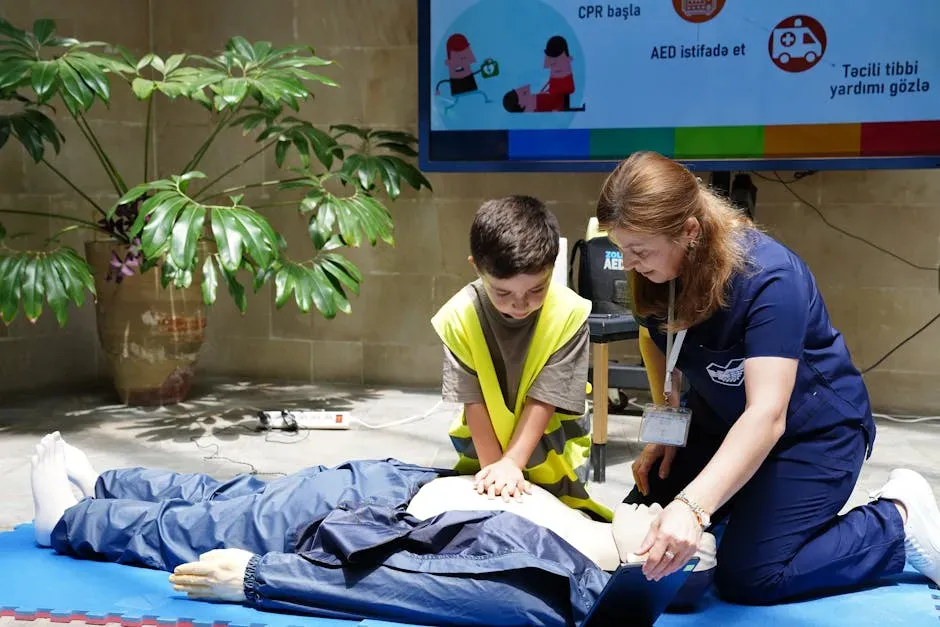
One of the strangest truths about death is that when a doctor pronounces someone dead, most of the cells in that body are still very much alive. The big shift at the moment of death is not an instant shutdown, but a brutal change in conditions: the heart stops, blood stops flowing, and oxygen delivery comes to an abrupt halt. Cells that depended on a continuous supply of oxygen and nutrients suddenly find themselves stranded, like a city whose power grid has just gone down without warning. For a few minutes, they keep trying to run on the last scraps of energy they have left, burning what remains of their fuel reserves in a kind of panicked survival mode.
Without fresh oxygen, cells shift from efficient energy production to emergency, low-yield pathways that generate a lot of acid and waste. This is like trying to keep a mansion lit with a few candles after losing connection to the electrical grid: it works for a short while, but everything is running dirty, dim, and unstable. Nerve cells in the brain are the first to fail because they are incredibly energy-hungry and sensitive to oxygen loss. Other tissues, like skin, connective tissue, and some organ cells, can hang on much longer. In those first minutes after the heart stops, the body is in a strange limbo where the person is gone, yet much of their microscopic world is still fighting to stay alive.
How Long Cells Survive: A Race Against Time in Different Tissues
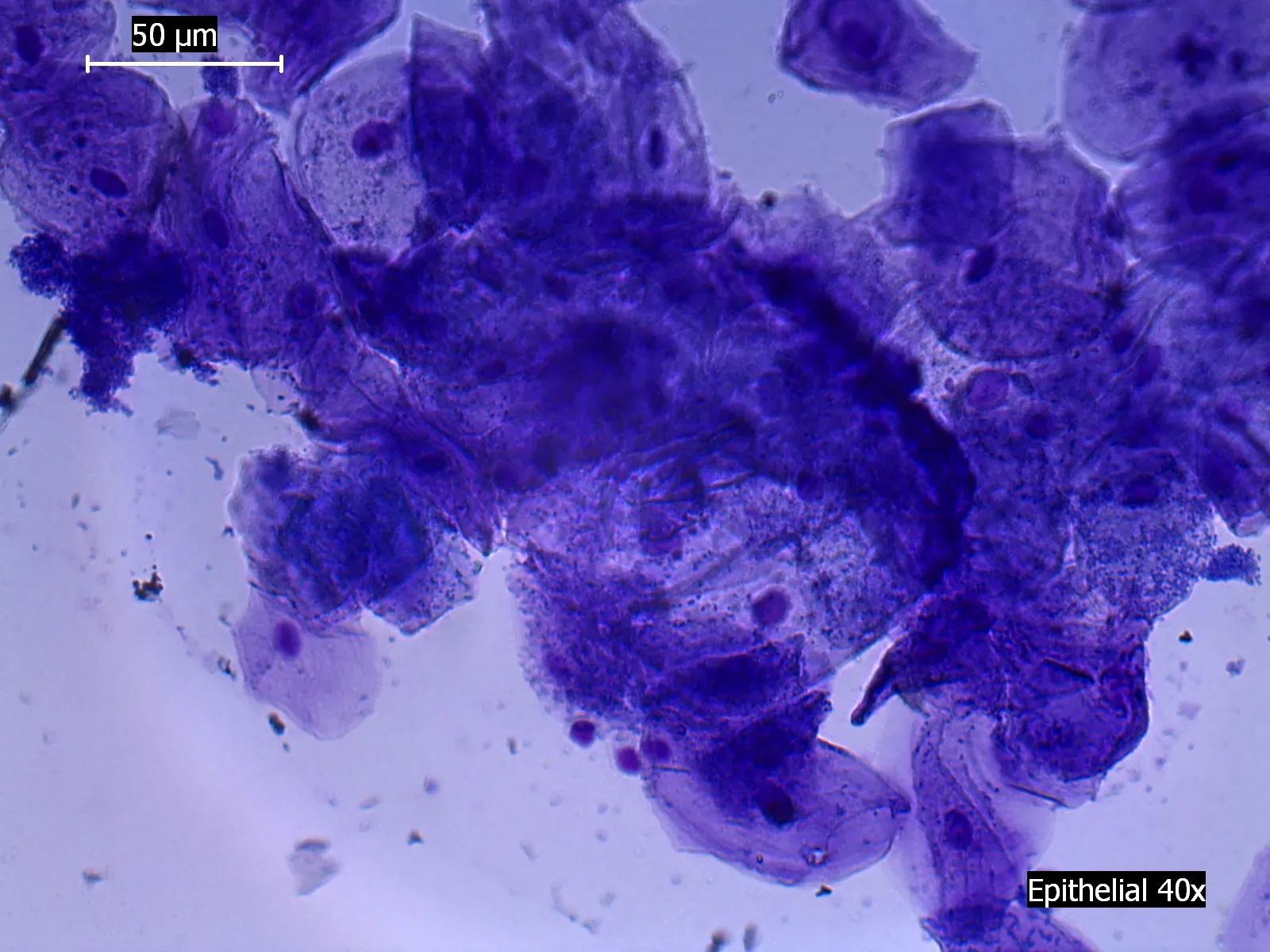
Not all cells die on the same schedule, and this timeline matters a lot more than most people realize. Brain cells, which rely heavily on constant oxygen and glucose, start suffering damage within a few minutes and can become irreversibly injured after around ten minutes without circulation in normal conditions. By contrast, skin cells, bone cells, and some connective tissue cells can remain viable for hours, sometimes even longer under the right circumstances. This uneven timeline is why organs can be transplanted after a person is legally dead, yet still function in another body if they are cooled and preserved quickly enough.
In a way, the body after death is like a shutdown factory where some departments instantly go dark while others keep quietly working with leftover supplies. The heart, lungs, and brain stop their coordinated activity, which defines clinical death, but local cellular life lingers in pockets and layers. Corneal cells in the eye, for example, can stay usable for transplantation for many hours if stored correctly. Muscle cells can also persist for quite some time before completely losing their integrity. This staggered timeline of cellular survival after death is one reason science can still study tissues, collect samples, and even culture cells from bodies that have been dead for a while, as long as conditions are carefully controlled.
Energy Collapse and Autolysis: When Cells Start Digesting Themselves
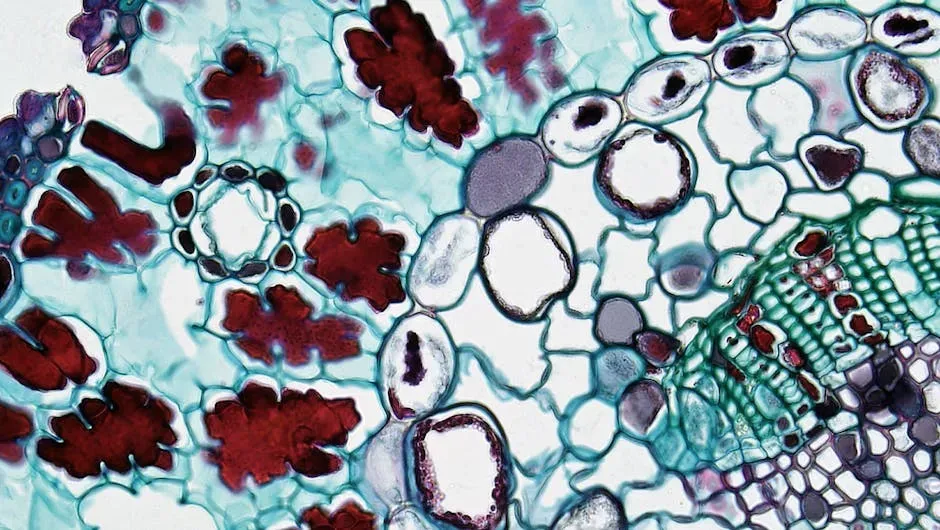
Once oxygen is gone and the last molecules of usable fuel are spent, cells run into a catastrophic problem: they can no longer maintain their internal balance. Living cells constantly pump ions in and out to keep precise conditions, a bit like an aquarium with filters working nonstop to keep water clean and stable. When the energy supply fails, ion pumps shut down, sodium and calcium ions rush across membranes in the wrong directions, and water follows, causing cells to swell and lose their carefully controlled structure. The cell membrane, once selectively permeable and actively managed, becomes leaky and disordered.
Inside many cells are tiny sacs full of digestive enzymes that are normally contained and tightly regulated. After death, as membranes break down and pH levels shift, these enzymes leak out and start chewing through the cell’s own proteins, lipids, and nucleic acids. This internal self-digestion process is called autolysis, and it is one of the earliest microscopic hallmarks of death at the cellular level. In practical terms, autolysis means that tissues gradually soften, lose their normal architecture, and become more amorphous over time. If you have ever seen fruit that seems to melt from the inside after it goes bad, you have seen a similar principle at work: structure gives way to a kind of internal collapse driven by the organism’s own chemistry.
Rigor Mortis and Structural Breakdown: From Stiffness to Softening
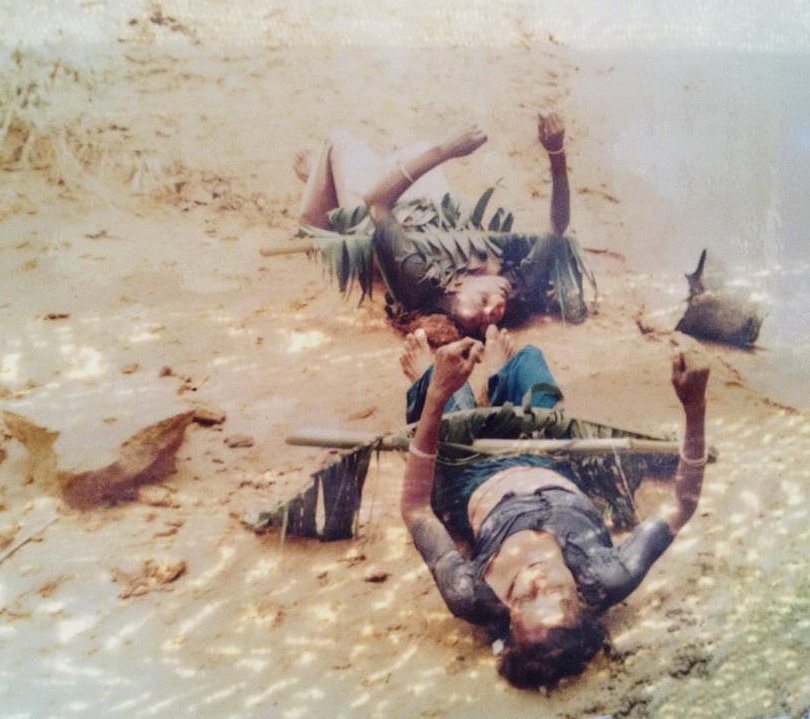
Rigor mortis, the familiar postmortem stiffness, is a direct consequence of what is happening inside muscle cells as their energy systems fail. In living muscle, contraction and relaxation depend on a molecule called ATP, which allows the microscopic filaments inside muscle fibers to grab and release one another in a cycle. After death, ATP production stops, but calcium leaks into the muscle fibers and triggers contraction. Without ATP, the filaments become locked together and cannot separate, which produces the characteristic stiffness that appears a few hours after death. This stiff phase eventually passes because the underlying proteins and membranes degrade.
As autolysis and later bacterial activity progress, muscle proteins are broken down and the rigid structure loses integrity. The body moves from this temporary state of stiffness into a gradual softening, like a rope slowly fraying until it can no longer hold tension. Connective tissues loosen, collagen begins to lose its organized structure, and joints that were locked by rigor become flexible again. Microscopically, what you see is a slow shift from highly ordered arrangements of fibers and cells to a more chaotic, degraded mixture. The visible changes in texture, posture, and flexibility are really just a large-scale reflection of countless tiny structural failures at the cellular and molecular levels.
Bacteria, Microbiome, and Putrefaction: When Other Life Takes Over
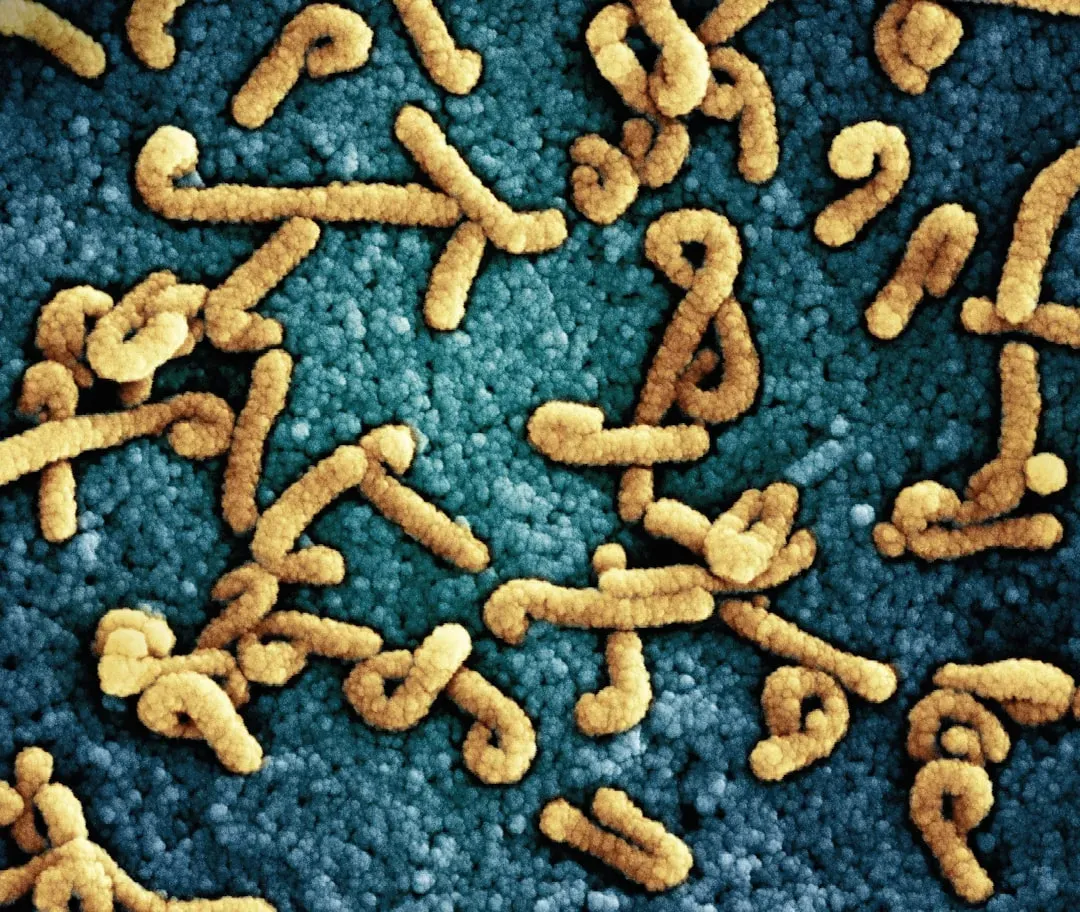
Even while our own cells are shutting down, other cells are just getting started. The body is home to enormous communities of bacteria, especially in the gut, which do not die simply because the host’s heart stops. As the immune system fails and barriers inside the body weaken, these bacteria gain access to new regions and begin breaking down tissues. They feed on proteins, fats, and carbohydrates, releasing gases and byproducts that contribute to the characteristic odors and visual changes of decomposition. The process is called putrefaction, and it is essentially the body being recycled by its own resident microbes and by environmental organisms that join in.
Different bacterial species and fungi thrive at different stages, creating a shifting ecosystem over hours, days, and weeks. In the early period after death, gut bacteria are especially active, spreading from the intestines into surrounding tissues. Later, environmental microbes from soil, insects, and the air help continue the breakdown, adding their enzymes and metabolic processes to the mix. Under the microscope, this looks like a battlefield where human cells are increasingly outnumbered and overshadowed by bacterial colonies and fungal growth. In a broader sense, though, it is less a battle and more a handoff: the body’s matter is being transferred from one form of life to many others in a deeply biological form of recycling.
DNA, Organs, and the Limits of Revival: How Far Can Cells Come Back?
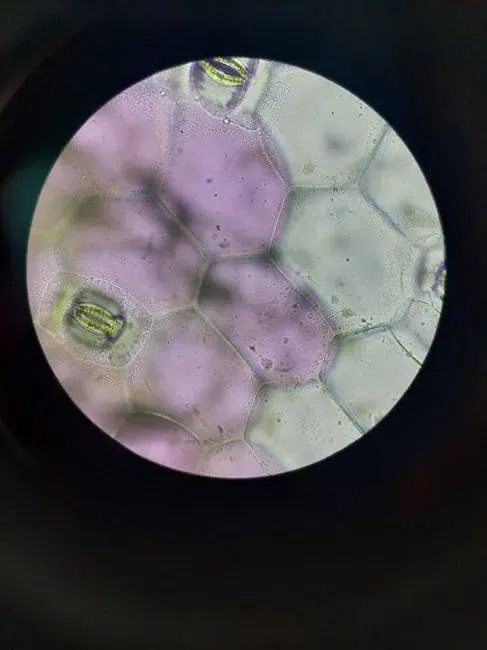
One of the most unsettling and fascinating questions is how long after death anything can still be rescued or revived. In recent years, experiments in animals have shown that some cellular functions in organs like the brain, liver, and kidneys can be partially restored hours after circulation stops, if blood-like solutions and oxygen are carefully pumped back in. This does not mean bringing a person back to life, but it does suggest that many individual cells can hang on in a damaged, dormant state longer than we used to think. Their DNA can remain intact for quite a while, their membranes can be patched up, and some basic functions can flicker back under ideal laboratory conditions.
At the same time, there is a hard limit: once structures are too degraded, proteins too denatured, and membranes too destroyed, no amount of clever engineering can rebuild what was lost. Some cells, such as those in bone marrow or certain stem cell niches, can stay viable long enough to be harvested and used, which is why donated tissues and organs must be collected and cooled quickly. DNA can be extracted and studied from bodies that have been dead for days, months, or even longer under special conditions, but this is information, not life. The idea of whole-body reversal after prolonged death stays firmly in the realm of science fiction. What we are actually learning is more nuanced: there is a narrow but fascinating window where parts of the cellular machinery can be coaxed back into action, yet the integrated person is gone.
Final Transformation: From Living Tissues to the Cycle of Nature
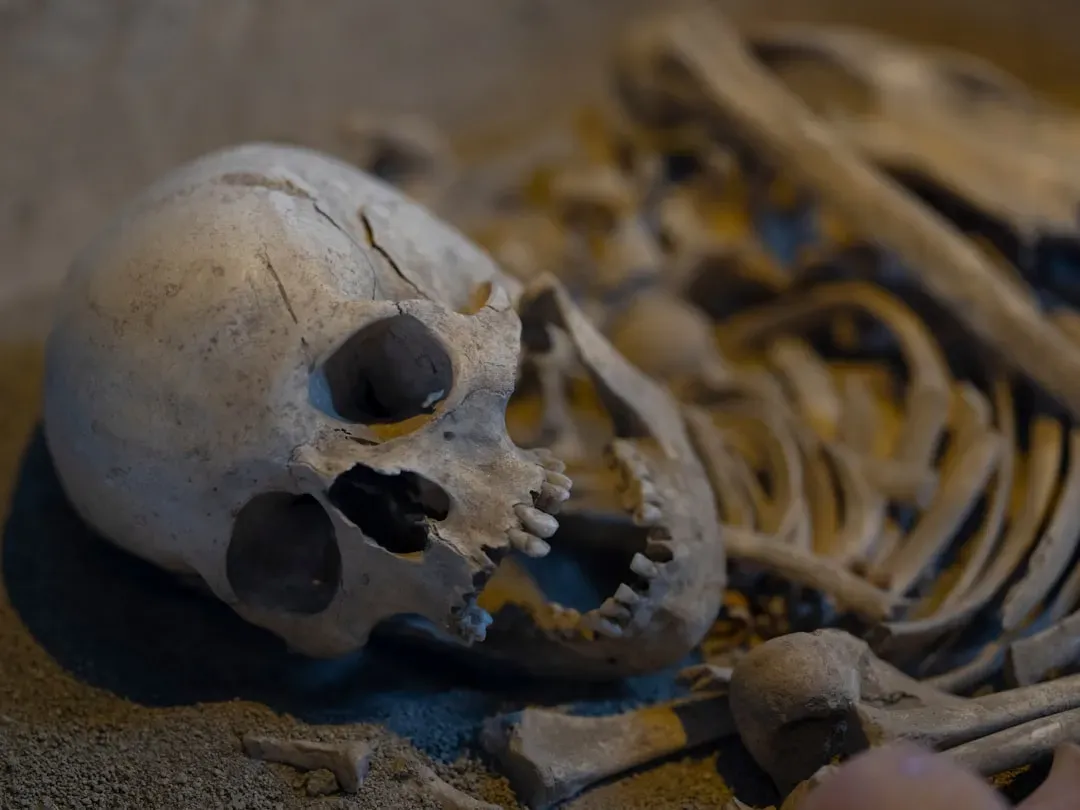
As time passes, the combined effects of autolysis, microbial activity, and environmental forces push cells further along the path from living units to scattered molecules. Proteins are broken down into amino acids, fats into fatty acids and glycerol, and complex carbohydrates into simpler sugars. Eventually, even these smaller molecules are consumed, transformed into gases, salts, and organic compounds that disperse into soil, water, and air. Calcium from bones can linger for a very long time, but even that will ultimately be repurposed by plants, microorganisms, and other animals. In the end, the body that once was a coordinated community of trillions of cells becomes part of countless other living systems.
In my view, this is one of the most grounding, almost comforting truths about what happens after we die. Our cells do not just vanish; they change ownership. They feed bacteria, enrich soil, and quite literally nurture new life. For all our cultural fear of decomposition, what is happening at the cellular level is not some grotesque failure, but a deeply natural transition back into the broader ecosystem. You could say that the ultimate fate of our cells is to stop working for us and start working for the planet. That perspective does not erase the sadness of loss, but it does raise a powerful question: if our cells are destined to rejoin the world in this way, how might that change the way we think about being alive right now?