
You live in a world where death is quietly hidden in hospitals, retirement homes, and behind euphemisms, but the fear of it has been shaping human behavior for thousands of years. Long before modern medicine and life-extension startups, your ancestors stared up at the night sky, buried their dead with care, and spun stories of afterlives and second chances because they couldn’t accept that everything simply ends. That urge you sometimes feel to leave a mark, have children, or just be remembered a little longer is part of an ancient psychological pattern, not a personal quirk.
When you look closely at old myths, tombs, and rituals, you start to see the same theme repeating like a chorus: you are not meant to disappear. Different cultures wrapped that hope in different symbols and beliefs, but underneath it all, the obsession is the same – find some way, any way, not to vanish forever. Once you recognize this thread, history stops being a list of kings and battles and turns into a long, very human story about people like you trying to negotiate with the one thing they could never bargain away.
You Can See The Fear Of Death In The Earliest Graves
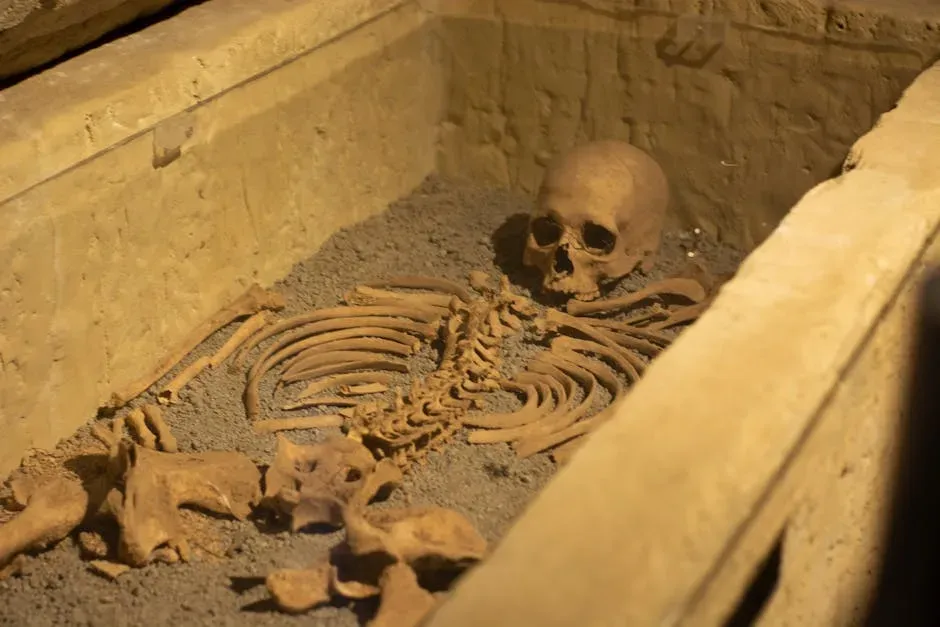
If you want to understand how deeply this obsession runs, you have to go back to some of the oldest human burial sites. Archaeologists have found graves from tens of thousands of years ago where bodies are carefully arranged, sprinkled with red ochre, and surrounded by tools, food, ornaments, and even flowers. When you bury someone with their favorite possessions, you’re not just disposing of a body; you’re acting as if they’ll somehow need those things again, as if there’s more to their story than a final breath.
When you imagine a small group of hunter-gatherers spending limited time and energy to bury one of their own with care, it tells you something powerful: even when survival was a daily fight, people still made room for ritual. You probably do something similar today without noticing it – leaving objects at a grave, saving a voicemail from someone who died, or holding on to their clothes. Those early graves show that from almost the beginning, humans like you were not satisfied with the idea that death is just lights out; they treated it as a transition, a doorway, or at least a mystery worth honoring.
Myths Of Immortality Let You Argue With Death
As societies became more complex, you started to see elaborate myths about immortal gods, resurrected heroes, and magical objects that promise eternal youth. Whether you look at stories of divine gardens, elixirs of life, or sacred fruits that keep you young, you’re really looking at humanity arguing with reality through storytelling. When you tell or hear a myth like that, you’re not just entertaining yourself; you’re rehearsing the idea that your life could mean more than a brief moment between two vast silences.
These myths also give you a script for how to live with mortality. Many stories warn that trying to literally escape death can go wrong – people who chase immortality often pay a heavy price or lose their humanity along the way. At the same time, the tales reward courage, loyalty, or wisdom with some form of lasting presence, whether in memory, in a spiritual realm, or in the favor of the gods. When you internalize these stories, you start to believe that while you might not dodge death, you can shape how and why you are remembered, and that feels like a small victory against oblivion.
Religions Turn Death Into A Doorway, Not A Wall
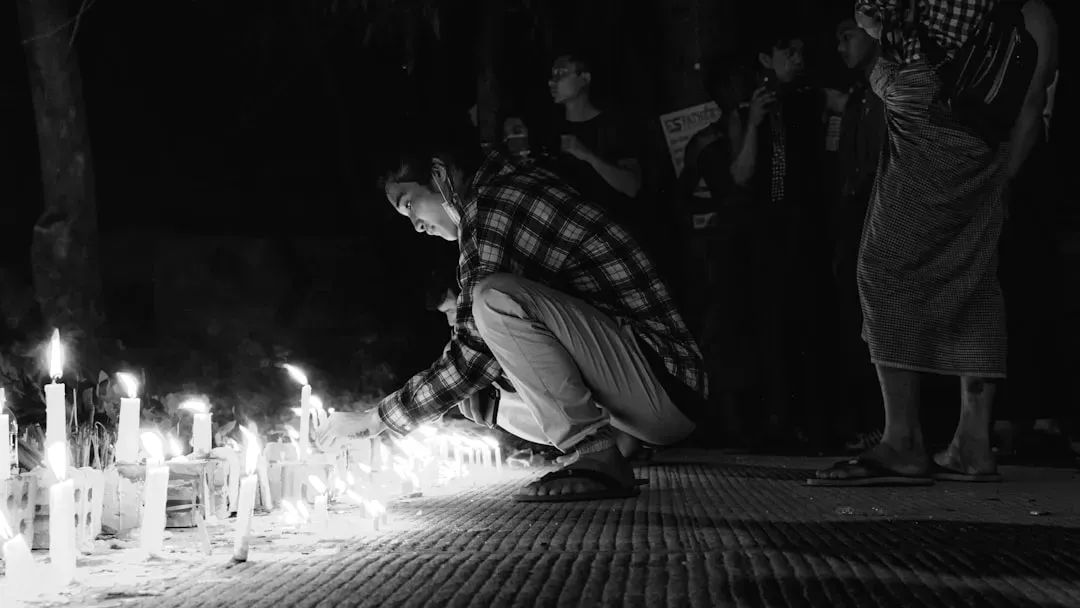
When you look at major religions, one of the strongest shared themes is that death is not the end, just a crossing point. Whether it is an afterlife, reincarnation, resurrection, or a return to some ultimate reality, you are offered a path where your existence doesn’t simply stop. This does more than comfort you; it rewires how you handle grief, risk, sacrifice, and morality. If you truly believe you will meet your loved ones again or face a cosmic judgment, the way you live today starts to feel like part of a longer story, not a one-off episode.
Religious traditions also give you rituals to manage the terror of loss. Funerals, prayers for the dead, ancestor worship, memorial days – these all function as bridges between the living and the dead, reinforcing the idea that the relationship is not totally broken. You may feel that when you speak to someone who has died, light a candle, or visit a shrine, you’re not just talking into the void. In practice, religion lets you carry on a relationship across the boundary of death, and in doing so, it softens that boundary so it seems less like a brutal cutoff and more like a change of address.
Monuments And Memory Let You Live On Through Other People
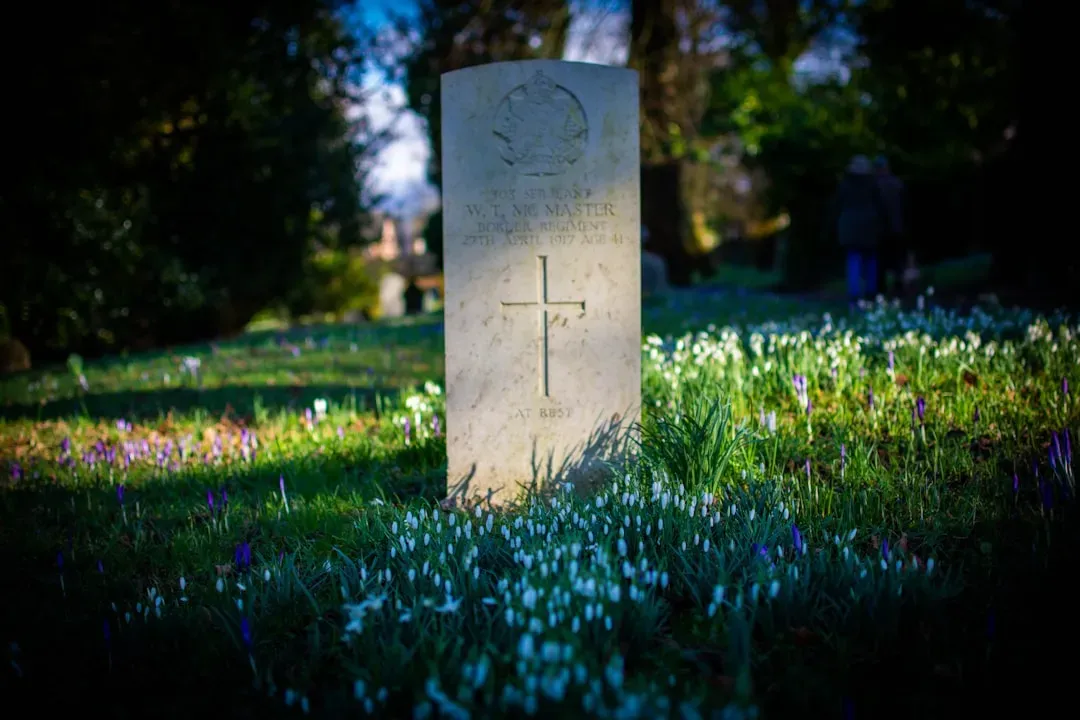
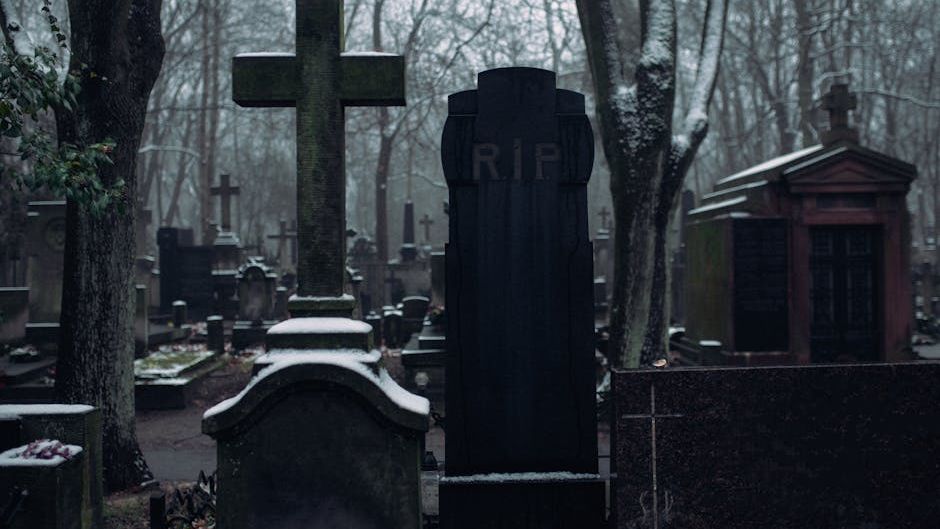
Even if you don’t believe in an afterlife, you almost certainly care what people will say about you when you’re gone. From giant pyramids and royal tombs to humble gravestones and family photo albums, humans have always tried to carve their names into time. When you donate to a building fund, put your name on a bench, write a book, or even just obsess over your social media archive, you’re reaching for what some call symbolic immortality – the hope that part of you will continue to exist in the minds and stories of others.
This drive can be surprisingly strong. You might find yourself daydreaming about how your grandchildren will talk about you, or what colleagues will say after you retire or die. It shows up in art, in careers, in parenting, and even in gossip. If you think about it, reputations are like small, portable monuments built out of words instead of stone. Long before anyone talked about psychological theories, your ancestors understood this instinctively and built statues, carved inscriptions, and told stories precisely so that no one would vanish without a trace.
Philosophers Taught You To “Defeat” Death By Changing Your Mindset

Not every response to mortality is dramatic or mystical; some are intensely practical and philosophical. Ancient thinkers in several cultures tried to help you live in such a way that the fear of death shrinks, even if death itself never moves. Some argued that you fear death mainly because you misunderstand it – treating it as a giant monster instead of a natural part of the cycle of life. If you reframe it as something universal, inevitable, and not personally hostile, the panic starts to loosen its grip.
Other philosophies urged you to defeat death not by outliving it, but by making your life feel so meaningful that the length matters less than the depth. You see this whenever you hear ideas like living in the present, accepting what you cannot control, or focusing on virtue instead of longevity. In that sense, you “win” against death by refusing to let it dictate your choices. You still die, but you don’t live as if you’re already half-dead from anxiety, and that shift in attitude might be one of the most powerful psychological tools your ancestors ever developed.
Modern Science Continues An Ancient Dream In A New Language

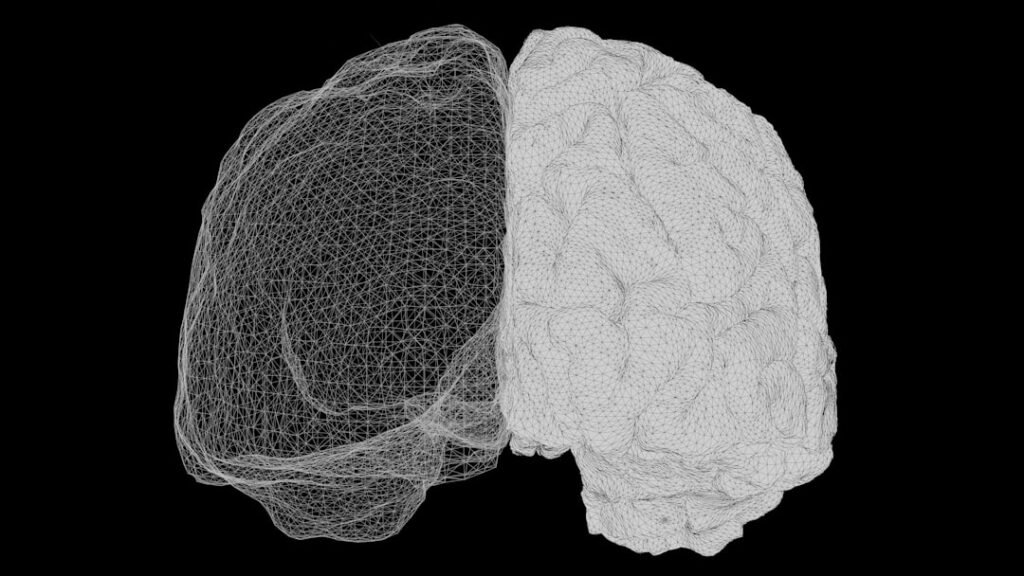
When you read about anti-aging research, gene editing, organ replacement, or brain preservation, you might feel like you’re seeing something completely new. But underneath the lab coats and technical jargon, the impulse is very old: stretch your time, repair your body, and maybe, if technology advances far enough, slip past the usual limits altogether. You see it in calorie-restriction experiments, in drugs that target aging cells, in attempts to grow organs in the lab, and in bold speculation about merging your mind with machines someday.
At the same time, modern science forces you to face hard questions that earlier ages could blur with myth. If you could live for several centuries, would you actually want to? What would it do to your relationships, your sense of urgency, or your ability to care about the future? You might already feel that as medicine improves and lifespans grow, people around you sometimes treat aging like a personal failure instead of a shared fate. In that tension – between wanting more life and wondering how much is too much – you can feel the ancient obsession with defeating death collide with the modern need to stay realistic, ethical, and sane.
What This Obsession With Death Really Says About You
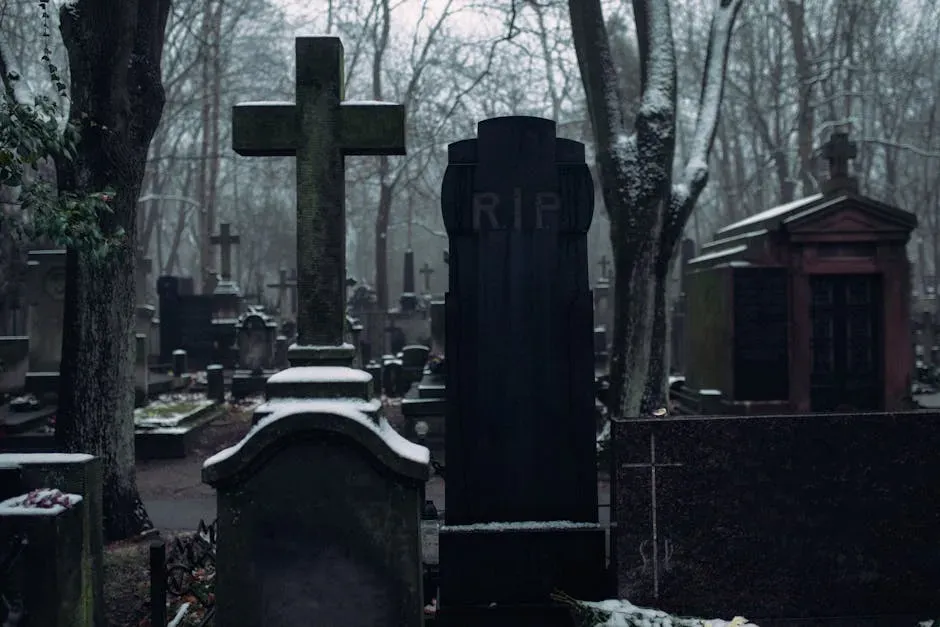
When you connect all these pieces – graves, myths, religions, monuments, philosophies, and cutting-edge science – you start to see a clear pattern. You are the kind of creature that cannot easily tolerate the idea of absolute disappearance. Whether you reach for heaven, for fame, for wisdom, or for technology, you are really reaching for continuity, for some assurance that your existence matters beyond a single fragile body. That doesn’t make you weak; it makes you profoundly human.
Once you see that, you can make more conscious choices about how you respond to your own mortality. Maybe you lean into faith, or pour yourself into your work, or focus on relationships, or simply try to live each day with a little more presence and honesty. You may never defeat death in the literal sense, and history suggests that this final boundary is stubborn. But you can decide what kind of mark you leave behind, how you carry your dead with you, and how you use the time you have. In the end, the real question is not just how long you live, but what you do with the ancient fear that lives in you – does it shrink your world, or push you to live more fully than you otherwise would?