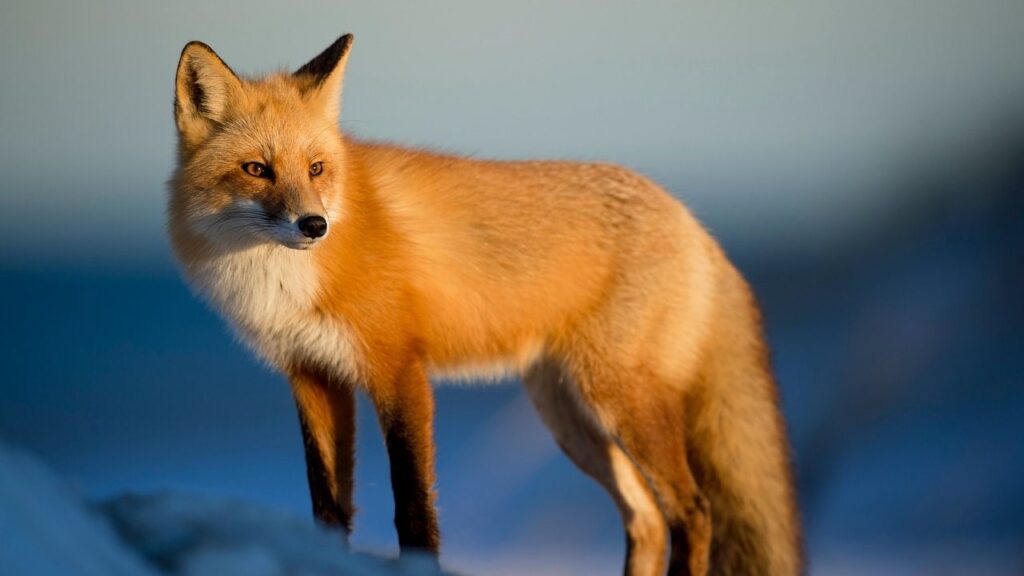

If you’ve ever caught a glimpse of a fox slipping through the trees or trotting down a quiet street at night, you know there’s something almost magical about them. They look like a cross between a cat and a dog, move like a shadow, and somehow always seem to know more than they’re letting on. But the more you learn about foxes, the more you realize they’re not just pretty faces with fluffy tails – they’re incredibly tough, clever survivors.
As you go through these ten facts, you’ll see how foxes have quietly mastered forests, farmlands, deserts, cities, and even the Arctic. You’ll find out how they communicate, what makes that famous “fox scream” so unsettling, and why they might be living closer to your house than you think. By the end, you might never look at that flash of red (or white, or gray) in the distance the same way again.
1. Foxes Are World-Class Adapters, Living Almost Everywhere
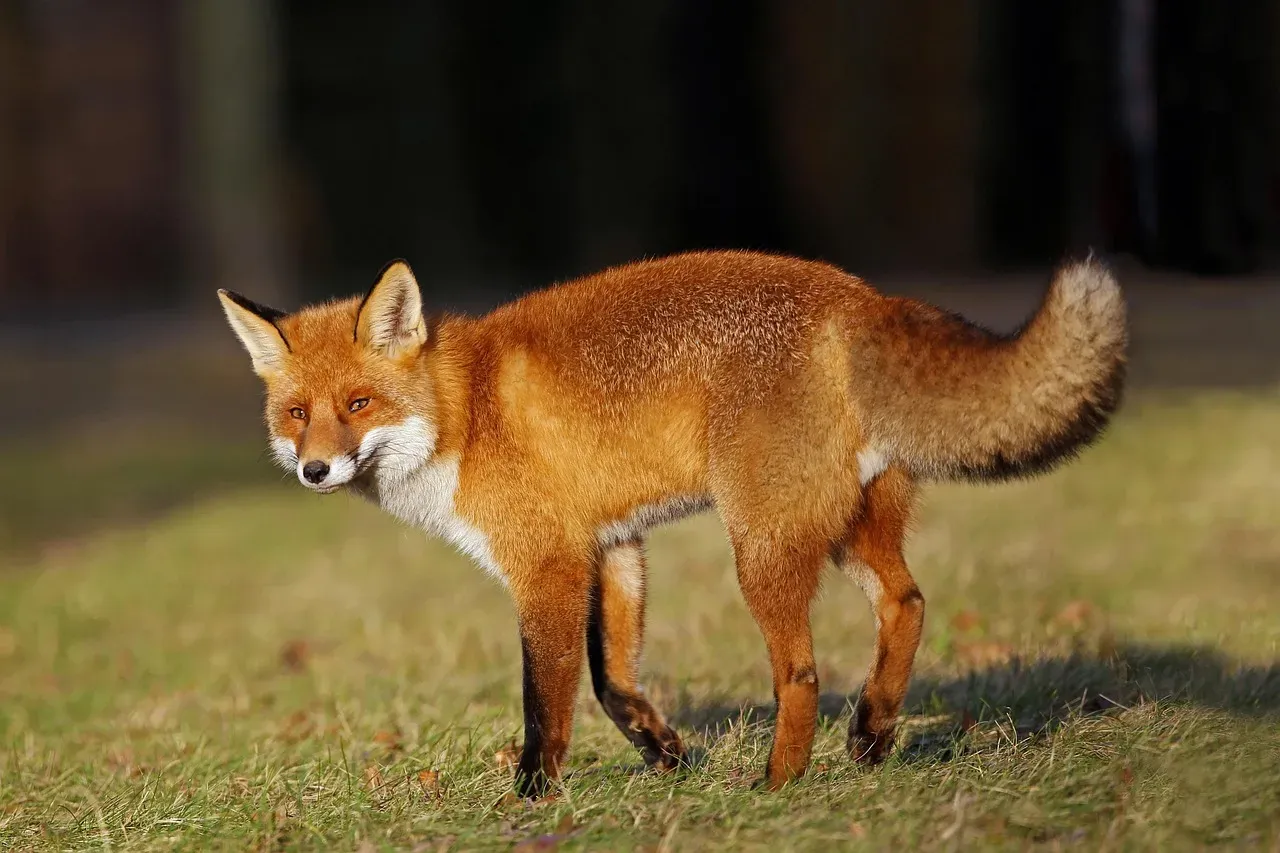
You live in a world where foxes have basically said, “Challenge accepted” to almost every habitat on the planet. The red fox alone ranges across much of the entire Northern Hemisphere, from North America and Europe to parts of Asia, thriving in forests, grasslands, deserts, mountains, and farmlands. Instead of specializing in just one kind of place, foxes get by through flexibility, constantly adjusting what they hunt, where they rest, and how they raise their young to match local conditions. ([nationalgeographic.com](https://www.nationalgeographic.com/animals/mammals/facts/red-fox?utm_source=openai))
That adaptability is so strong that you’ll even find foxes in places heavily shaped by humans, like suburbs and big cities. When natural habitat gets fragmented or altered, many animals struggle, but foxes often find new opportunities in the gaps we create. They slip into edge habitats along roads, fields, and backyards, using hedgerows, empty lots, and drainage ditches as travel corridors. When you think about it, it’s pretty astonishing that the same type of animal can patrol a snowy field in Canada at night and raid a chicken coop in rural France or trot past streetlights in London.
2. You’re Looking at a Carnivore That Eats Like an Opportunist
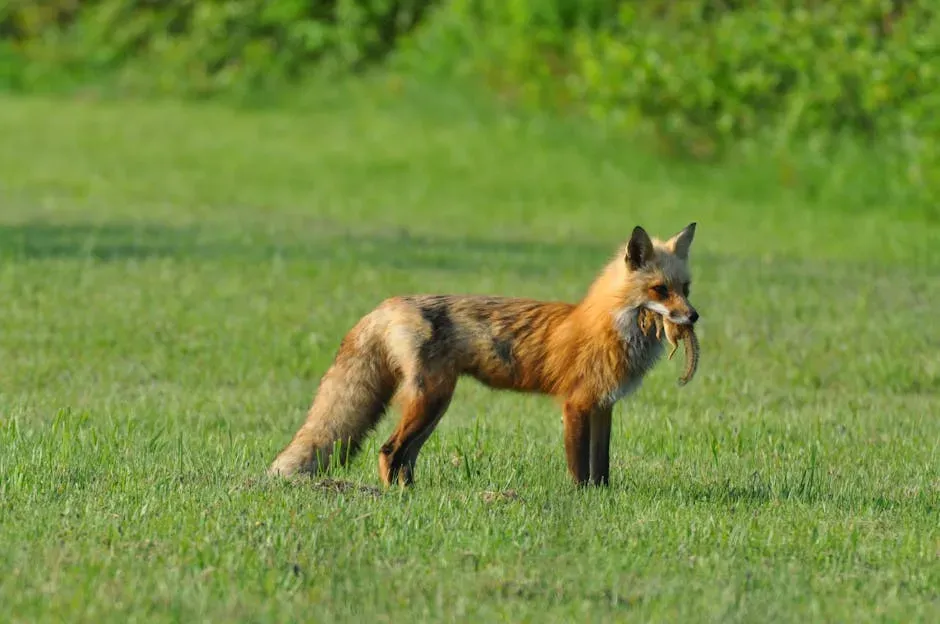
When you picture a fox hunting, you probably imagine it pouncing on mice in a field, and that’s absolutely one of its signature moves. Red foxes in many regions get a large share of their calories from small mammals like voles, mice, and rabbits, especially in colder months when insects and fruits are scarce. But here’s the twist: foxes are omnivores, not strict meat-eaters, and their menu is one of the most flexible in the dog family. They’ll happily switch between rodents, birds, insects, fruits, berries, eggs, and even carrion, depending on what’s easiest to find at the time. ([research.fs.usda.gov](https://research.fs.usda.gov/feis/species-reviews/vuvu?utm_source=openai))
In summer and fall, you might be surprised how much plant material a fox puts away, nibbling on wild fruits and seeds almost like a little forest gardener. In cities, that “opportunist” label gets even more obvious: urban foxes can get a big portion of their diet from human sources such as garbage, compost, pet food left outdoors, or dropped fast food. Recent research in some urban areas has found that human-derived food can make up a substantial chunk of what city foxes eat, especially for females. ([phys.org](https://phys.org/news/2025-03-human-derived-food-accounts-diet.pdf?utm_source=openai))
3. Their Famous Pounce Uses Supercharged Hearing (and Maybe Magnetism)
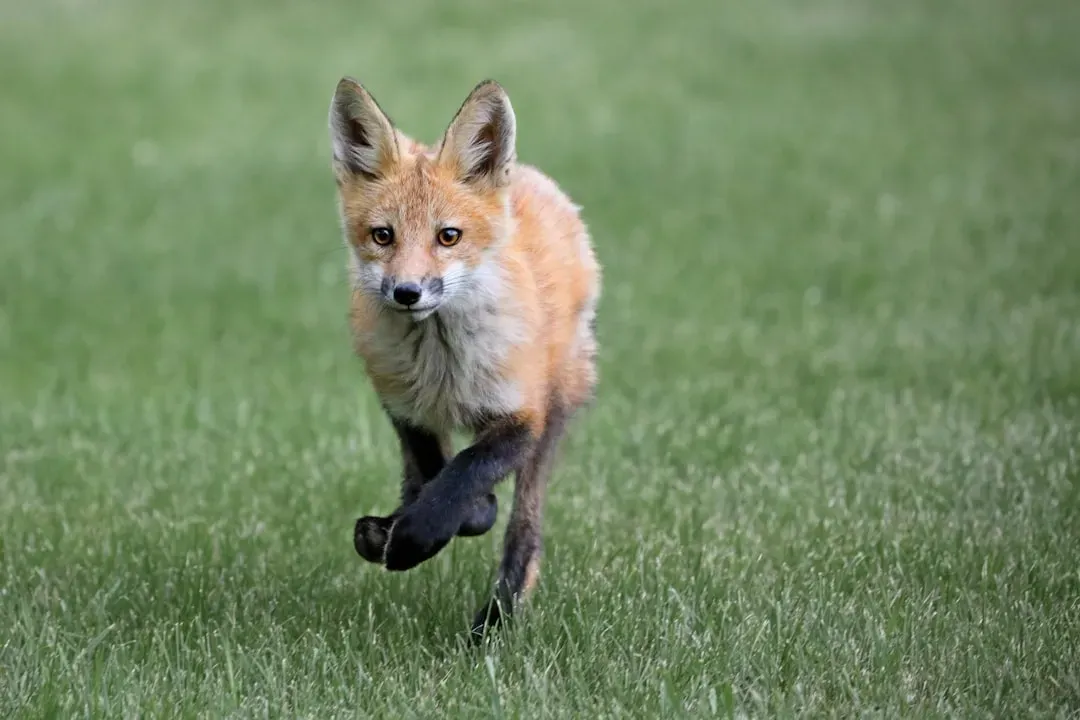
If you’ve ever seen slow-motion footage of a fox leaping into the snow, you know it looks almost theatrical: a high, arcing jump, a straight dive, then an explosion of powder as it vanishes face first and pops back up with a rodent. You might assume that foxes rely mostly on eyesight for this trick, but their real superpower is hearing. A fox can detect tiny sounds, such as a mouse moving under several inches of snow or grass, and then calculate the perfect angle and distance for that dramatic plunge. Biologists have measured how often foxes nail their target on the first attempt, and the success rate is impressively high. ([naturalresources.extension.wisc.edu](https://naturalresources.extension.wisc.edu/uw-urban-canid-project/fox-and-coyote-ecology/?utm_source=openai))
Some researchers even suspect that foxes might be using Earth’s magnetic field as a kind of built-in targeting system, because they tend to be most successful when pouncing in a particular compass direction. Whatever the exact mechanism, you’re looking at a hunter that can combine sensory information and movement in a way that feels almost like a magic trick. Next time you step outside on a still winter night, imagine being able to hear mice under the snow the way you hear someone whispering in the next room – that’s the world a fox lives in.
4. A Fox’s Tail Is a Blanket, a Rudder, and a Signal Flag
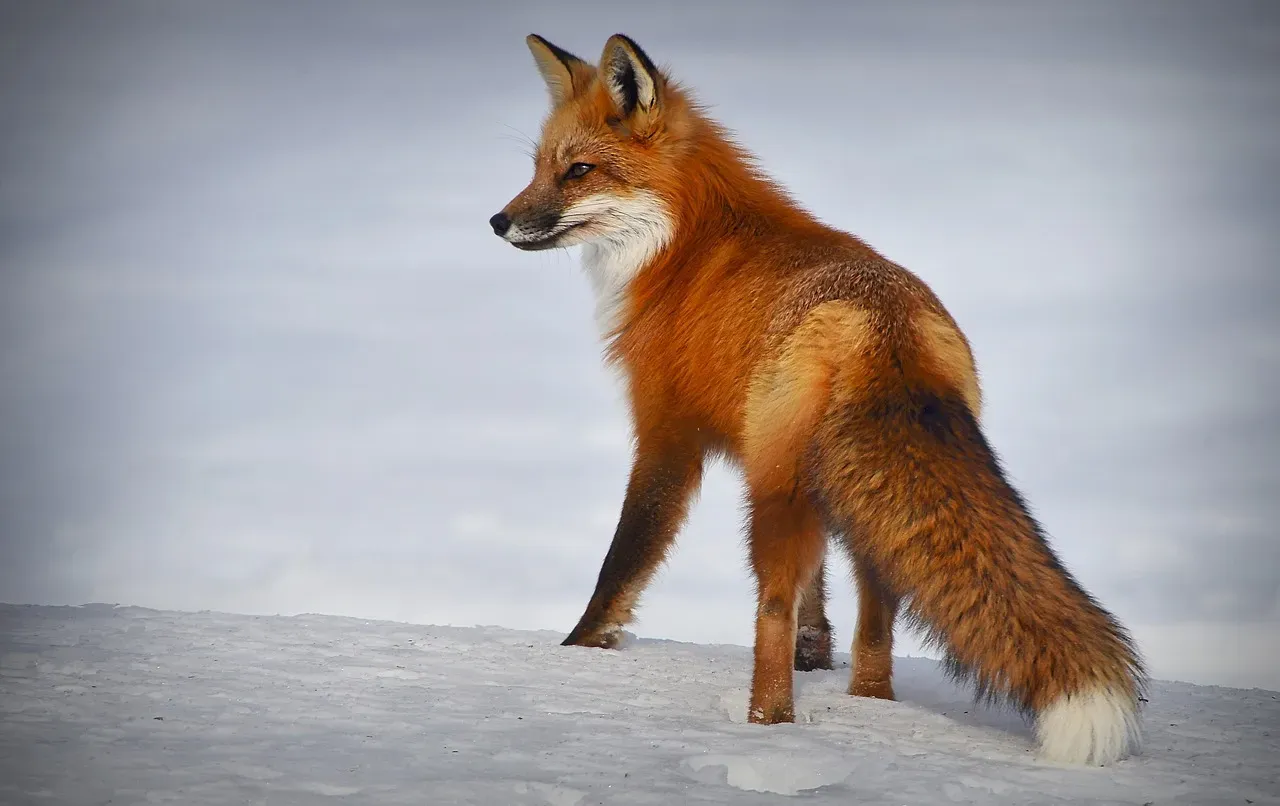
You probably already adore the fox’s tail on looks alone, but it’s far more than decoration. That big, bushy brush plays a crucial role in balance, helping a fox make sharp, agile turns while running or weaving through tangled undergrowth, much like a tightrope walker uses a pole. In cold climates, the tail becomes a portable blanket; a fox will curl up tightly and wrap it over its nose and paws, trapping warmth and shielding itself from biting wind and snow. For an animal that spends most of its life outdoors, that built-in scarf can make the difference between comfort and hypothermia. ([nationalgeographic.com](https://www.nationalgeographic.com/animals/mammals/facts/red-fox?utm_source=openai))
The tail also works as a visual signal to other foxes. A raised or flicking tail can broadcast alarm or excitement, and subtle tail postures help communicate mood and intent during encounters. When you see a fox slipping through tall grass with just the tip of its tail visible, you’re not just seeing a pretty outline – you’re watching a piece of equipment that handles balance, insulation, and body language all at once. It’s like having a Swiss army knife attached to your spine.
5. Fox Communication Is a Whole Drama Series of Sounds and Scents
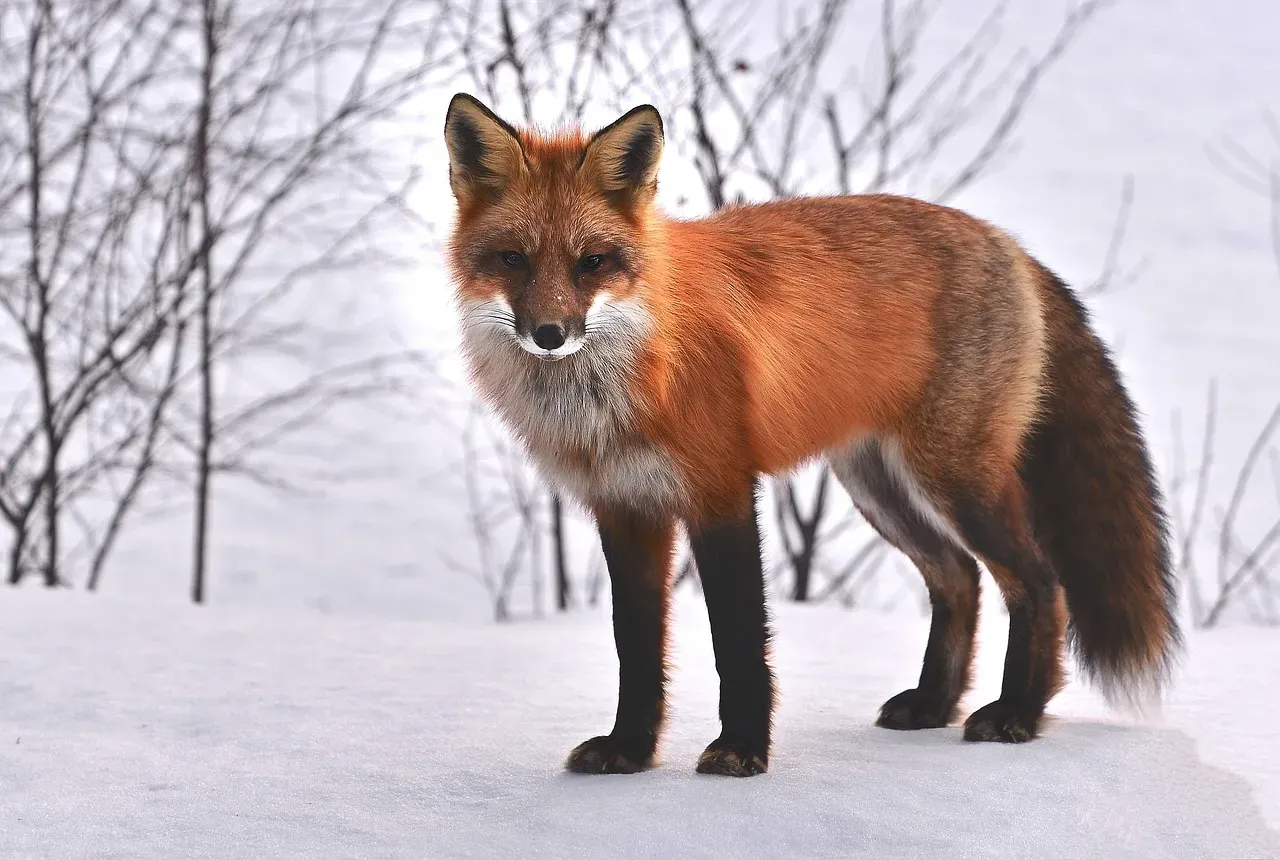
If you’ve ever heard an eerie scream in the middle of the night and wondered if it was a fox, there’s a good chance you were right. Foxes are famously vocal, producing a surprising range of sounds that includes barks, screams, yips, growls, and strange, chattering noises sometimes called “gekkering.” Researchers have documented more than a dozen distinct vocal sounds in adult foxes and several more in youngsters, spanning multiple pitches and tones. Each sound type can carry specific messages about aggression, fear, location, or mating. ([newworldencyclopedia.org](https://www.newworldencyclopedia.org/entry/Fox?utm_source=openai))
But you shouldn’t think of fox communication as just an audio show; it’s heavily chemical as well. Foxes rely on scent marking with urine and feces to outline territories, signal their presence, and even indicate sex and breeding status. You can picture a landscape layered with invisible billboards that only foxes can read. When a fox pauses to sniff a post, rock, or path, it’s essentially checking its messages, figuring out who has been there, how recently, and what their intentions might be. That makes the everyday walk through the woods a lot more social than it looks.
6. They’re Often Solitary Hunters, but Not Lonely Hermits
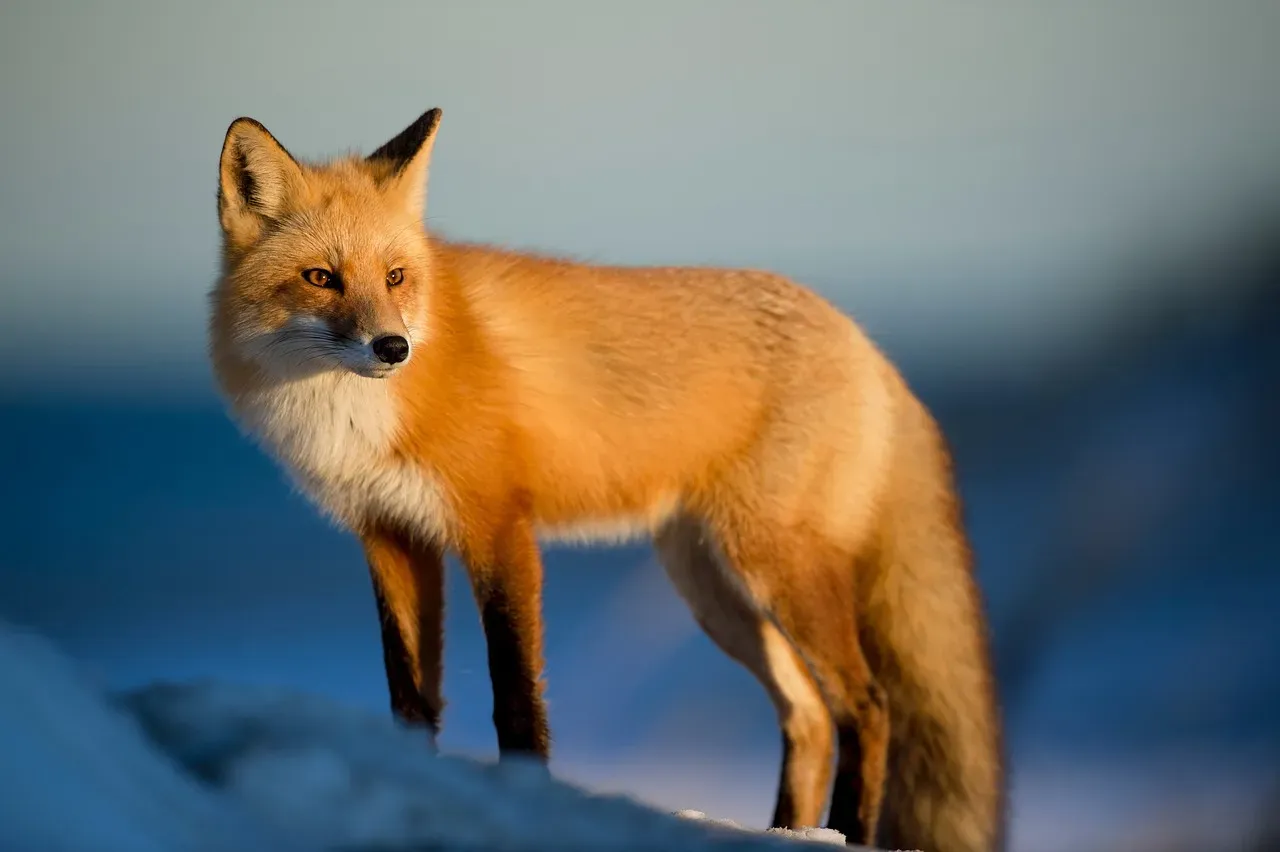
Popular wisdom says foxes are loners, and compared to wolves or African wild dogs, that’s mostly true when it comes to hunting. A red fox typically hunts alone, moving quietly and covering a lot of ground as it searches for small prey. In many areas, you’ll see just one fox trotting across a field or slipping down a hedgerow at a time, and that solitary approach suits a predator whose main targets are tiny animals that don’t require a group to take down. ([esf.edu](https://www.esf.edu/aec/adks/mammals/red_fox.php?utm_source=openai))
But if you zoom out from the hunt itself, the social life of a fox is more complicated and more interesting. Many red foxes form family groups centered around a breeding pair and their young, sometimes with extra adults (often daughters from previous years) helping to raise the next litter. These helpers may babysit, bring food to the den, and join in territorial defense. You could think of fox society as a loose, flexible family system, rather than a rigid pack. That mix of independence and connection feels weirdly relatable: they like their space, but they still come home to family.
7. Arctic Foxes Turn Color and Wear One of Nature’s Warmest Coats
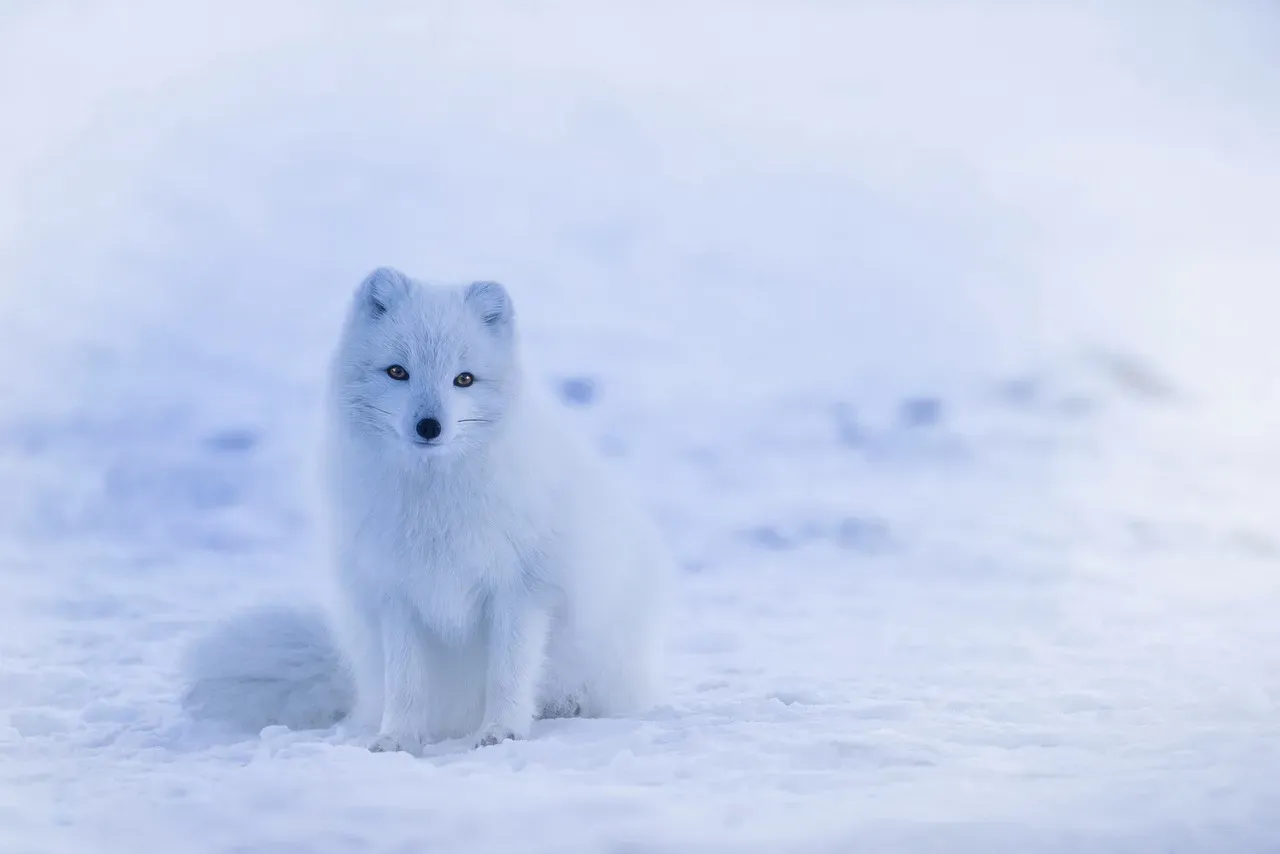
If you travel in your mind from temperate forests to the frozen Arctic, you meet one of the most impressive foxes of all: the Arctic fox. This small predator survives in places where winter temperatures can plunge far below freezing, thanks to an incredibly dense, multi-layered coat. A huge share of that coat is made up of fine underfur that traps air and insulates the body so efficiently that the fox can withstand brutal wind and cold that would chill many other mammals to the bone. Some studies point out that the Arctic fox’s fur ranks among the warmest of any animal on Earth. ([en.wikipedia.org](https://en.wikipedia.org/wiki/Arctic_fox?utm_source=openai))
On top of that insulation, you get one of nature’s most stunning wardrobe tricks. In winter, the Arctic fox’s fur turns white, giving it near-perfect camouflage against snow and ice. When the snow melts, the coat molts to a brown or gray tone, blending in with rocks and tundra vegetation. That seasonal color change does more than keep the fox hidden from prey – it also helps it avoid larger predators like wolves and birds of prey. Imagine being able to swap your coat with the seasons, not just for fashion, but for survival.
8. Foxes Are Surprisingly at Home in Cities (Thanks to You)
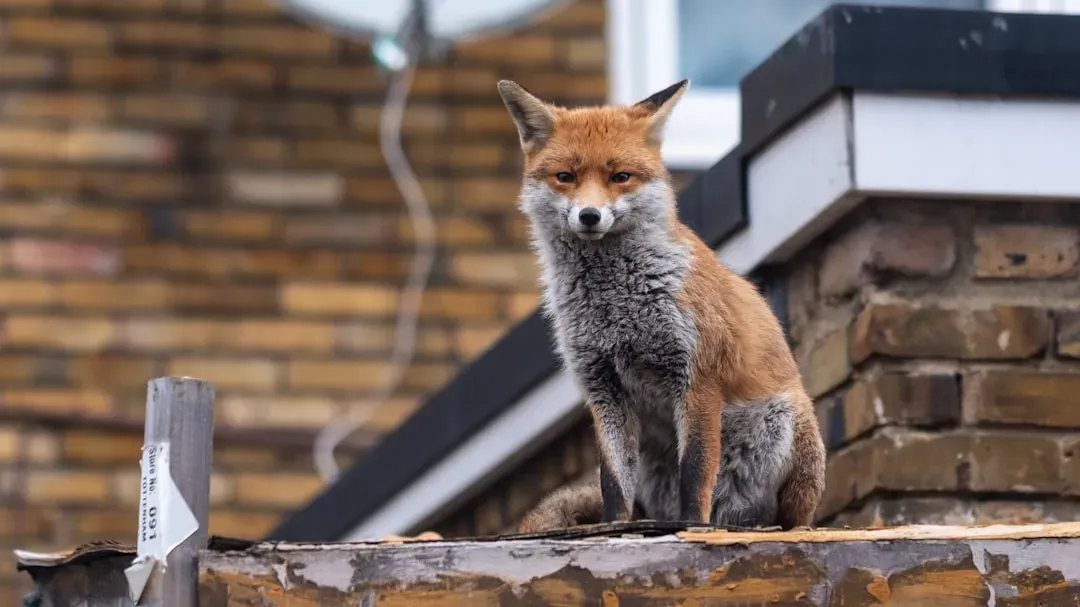
You might think foxes belong strictly in wild places, but in many parts of the world, they’ve become some of the most successful urban wildlife around. In cities like London and other large towns, red foxes live in surprisingly high densities, using gardens, parks, railway lines, cemeteries, and alleys as their pathways. Instead of dens in remote forests, they dig burrows under sheds, patios, and overgrown corners of lots, quietly raising their families just a few fences away from people who may never see them. ([mass.gov](https://www.mass.gov/service-details/learn-about-foxes?utm_source=openai))
The main reason they can do this is simple: you and your neighbors provide a buffet. Trash bags, compost, unsecured chicken coops, overflowing bird feeders, and pet food left outside all combine into a dependable food source. Studies have shown that a significant portion of the diet of urban foxes can come from human-derived food, and over time that can shape their behavior, making some foxes bolder around people. That doesn’t mean they’re domesticated – they’re still wild animals – but it does mean you share your city with a silent, furry scavenger who knows your habits better than you might guess. ([phys.org](https://phys.org/news/2025-03-human-derived-food-accounts-diet.pdf?utm_source=openai))
9. Fox Families Cache Food and Run on a Tight Survival Budget
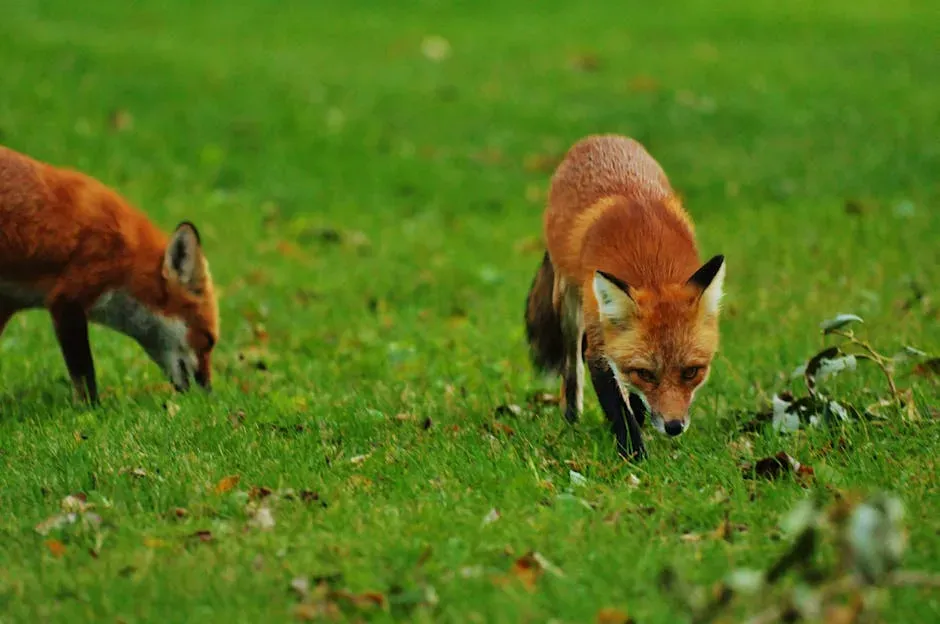
Life as a fox is risky, and even though they look sleek and confident, they live closer to the edge than you might realize. In the wild, many foxes only survive a few years, even though their potential lifespan can be much longer, because of threats like cars, disease, trapping, and larger predators. To cope with this, a fox has to be efficient about energy and food. When it finds more than it can eat, it often caches the extra, burying it or hiding it under leaves and debris for later. You can picture a mental map of buried snacks scattered across its territory, each one marked with scent so it can be found again. ([esf.edu](https://www.esf.edu/aec/adks/mammals/red_fox.php?utm_source=openai))
That caching behavior helps smooth out the feast-or-famine nature of hunting. On lean days, a fox can revisit stored food instead of burning precious energy searching for new prey. Families with pups rely heavily on this strategy, because adults may need to bring food back to the den many times a day. When you see a fox trotting with something in its mouth, it might be dinner for hungry mouths or a future meal tucked away for a rainy day. There’s something very human about that instinct to save for tomorrow.
10. You’re Sharing the World With a Wild Neighbor That Wants to Avoid You
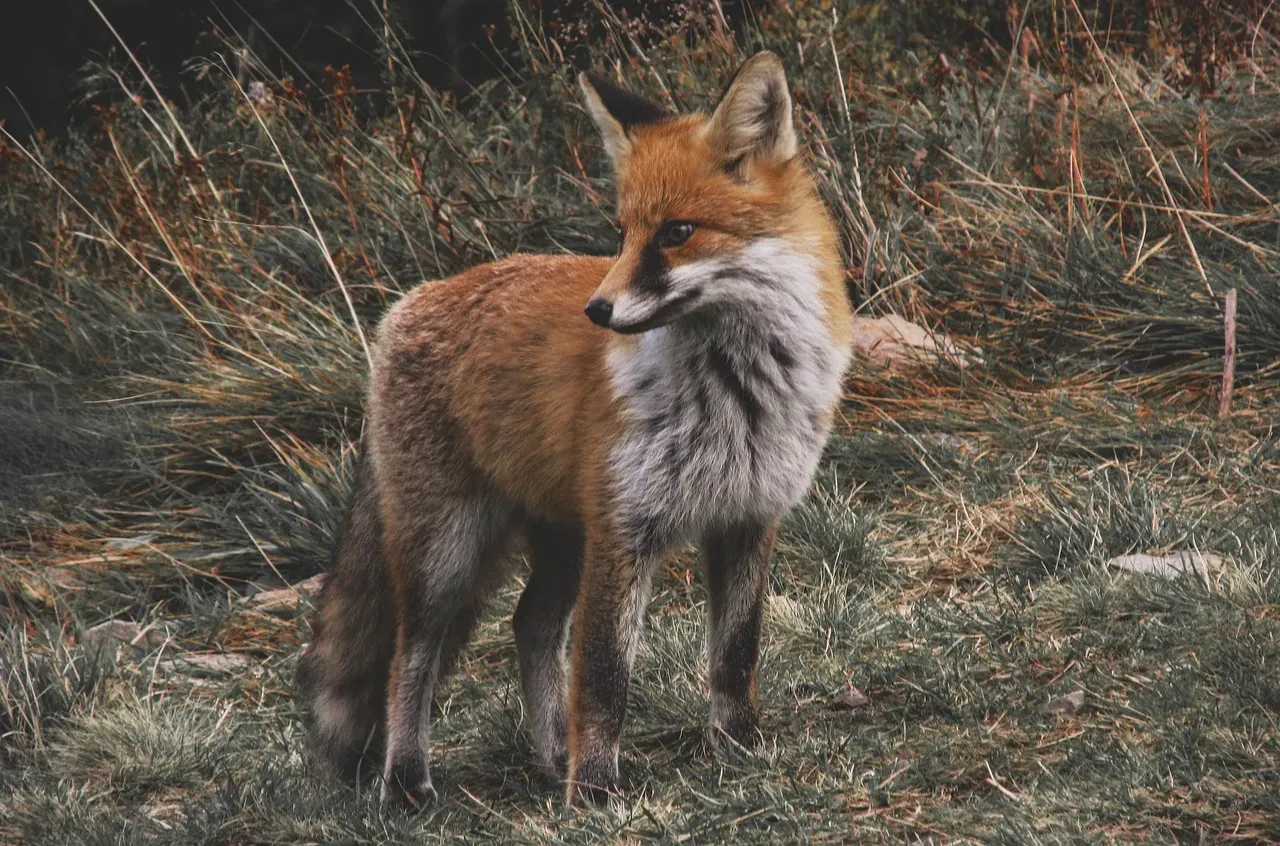
Because foxes are so good at living near humans, you might assume they are fearless, but most wild foxes are naturally wary of people. In many regions, they’ll avoid direct contact and do their best to stay out of sight, slipping away if you get too close. Wildlife agencies consistently point out that foxes are generally timid and would rather retreat than confront a person, especially if they have not been deliberately fed or habituated. When conflicts happen, it’s often because a fox has learned that yards, porches, or farms provide easy pickings, or because someone has intentionally encouraged close contact. ([gov.mb.ca](https://www.gov.mb.ca/nrnd/fish-wildlife/pubs/fish_wildlife/wildlife/wildlife-human/ws-coexisting-with-red-foxes-fs-en-acc-v01.0.pdf?utm_source=openai))
That means you actually have a lot of power over how your relationship with local foxes develops. By securing trash, picking up fallen fruit, keeping pet food indoors, and protecting small pets at night, you reduce the chance of bold, problem behavior while still letting foxes do their quiet work controlling rodents and cleaning up carrion. It’s a kind of unspoken agreement: they get to be wild, and you get the benefits of having a small predator keeping certain pests in check. Once you see them this way, not as villains or as pets, but as intelligent neighbors doing their best to survive, it’s hard not to feel a little respect every time you spot that russet shape in the twilight.
Conclusion: A Clever Survivor Hiding in Plain Sight
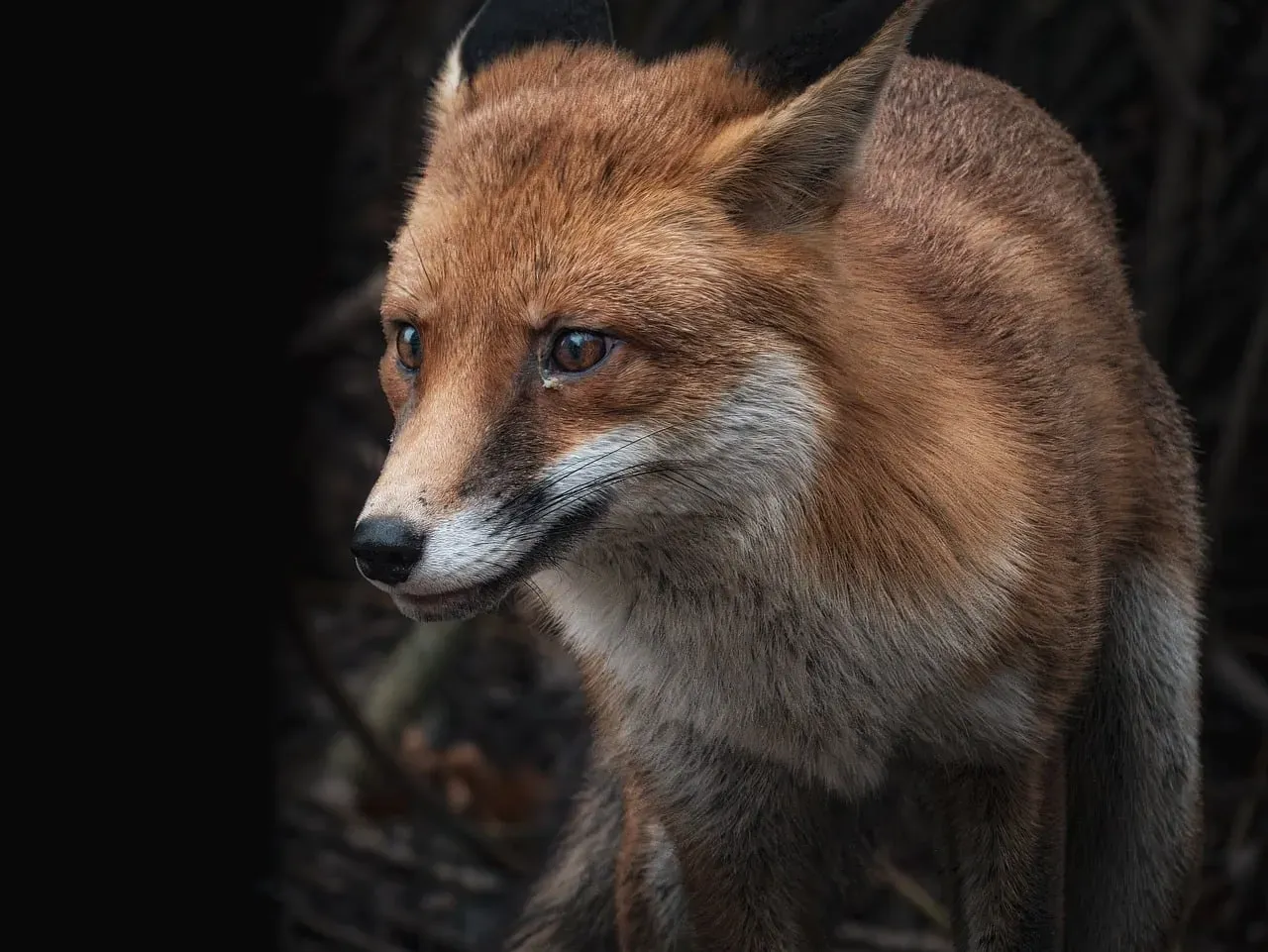
By now, you’ve seen that a fox is much more than a mischievous character in a children’s story. You’re looking at an animal that can read a landscape through sound and scent, switch diets with the seasons, raise complex family groups, and even build a life in the middle of a busy city without you noticing. From Arctic tundra to suburban lawns, foxes have turned adaptability into an art form, balancing shyness with boldness just enough to carve out a place alongside you.
The next time you hear a distant bark at night or catch a glimpse of a fluffy tail vanishing into the dark, you’ll know a lot more about the life being lived just beyond the circle of your porch light. Maybe you’ll close the trash can lid a little tighter, or maybe you’ll just pause for a moment to appreciate the wild intelligence moving through your neighborhood. Now that you know what’s really going on behind those bright eyes, does a fox seem a little more extraordinary than you expected?