You have probably felt it: that strange, dreamy calm when you sit in a hot bath, float in the ocean, or listen to rain hitting the window. Time softens, worries fade, and your inner world suddenly feels louder than the outer one. It can feel almost like you slipped into a light trance without even trying. You might have shrugged it off as simple relaxation, but a growing body of research suggests something deeper is going on in your brain and body when you surround yourself with water.
Scientists, psychologists, and contemplative traditions all converge on a similar idea: water can reliably nudge you into altered states of consciousness. Not wild, hallucinatory states, but gentle, focused, trance-like modes where your brain waves shift, your sense of self softens, and your awareness turns inward. You do not need mystical beliefs to tap into this. You just need an open mind, a curious attitude, and access to something as ordinary and miraculous as water.
The Quiet Science Behind Why Water Changes Your State Of Mind

When you immerse yourself in water or simply sit near it, your nervous system tends to move from fight-or-flight into rest-and-digest. Researchers measuring heart rate variability and stress hormones have found that being near natural water can reduce physiological stress, which makes it easier for your brain to slip into calmer, more trance-compatible states. As your stress response dials down, your prefrontal cortex relaxes its constant problem-solving grip, and you become more open to drifting, daydreaming, and internal imagery.
You also process sensory information differently around water. The sound of waves, rain, or flowing rivers is typically predictable and low in sudden changes, which gives your auditory system a simple, repetitive pattern to lock onto. Your brain loves rhythm, and steady, repetitive sounds make it easier to enter what feels like a light hypnotic state. In this sense, a shoreline can function like a natural sound machine, effortlessly guiding you into the kind of soft-focus awareness that meditation and hypnosis often try to create on purpose.
Blue Spaces: How Oceans, Lakes, And Rivers Nudge You Toward Trance
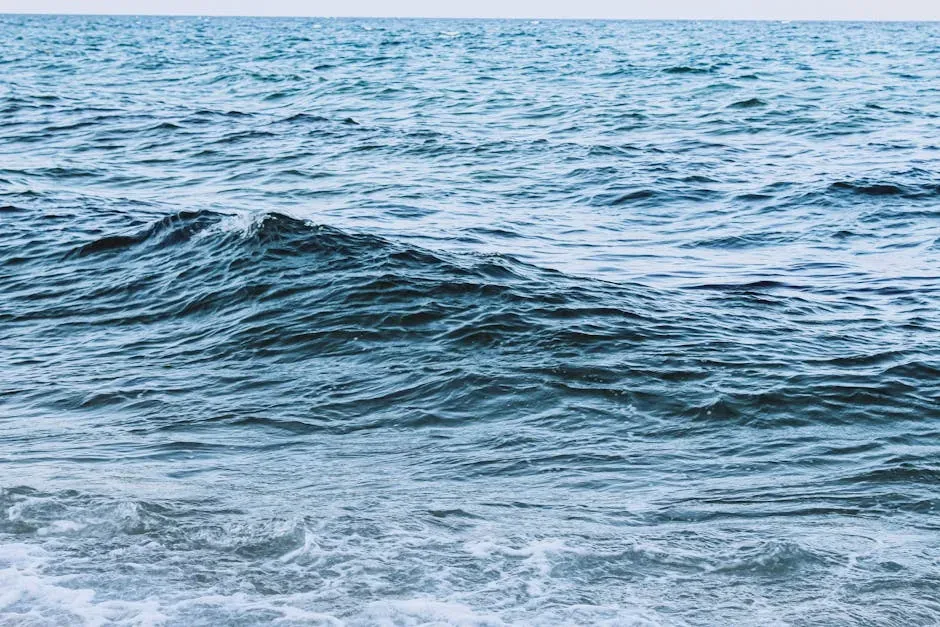
Researchers studying “blue spaces” have found that people who spend time near oceans, lakes, and rivers often report better mood, higher feelings of restoration, and a sense that their minds are clearer. When you stand and stare at waves or watch ripples move across a lake, you are giving your attention a moving target that never fully resolves but also never fully surprises you. That in-between quality, not too boring and not too stimulating, can naturally draw you into a contemplative, trance-like focus where your thoughts slow and your awareness widens.
You might notice that when you walk by water, you tend to drift into reflection, replaying memories, imagining future possibilities, or simply zoning out. This is not laziness; it is your brain shifting from hard-task mode into a more associative, free-flowing state. Therapists and coaches sometimes even recommend walking near water because it seems to help you access insights and emotions that are harder to reach in busy, visually cluttered environments. In a way, the open horizon and gentle motion of water give your mind permission to wander deeper.
Floating And Sensory Deprivation: When Water Becomes A Gateway Inward
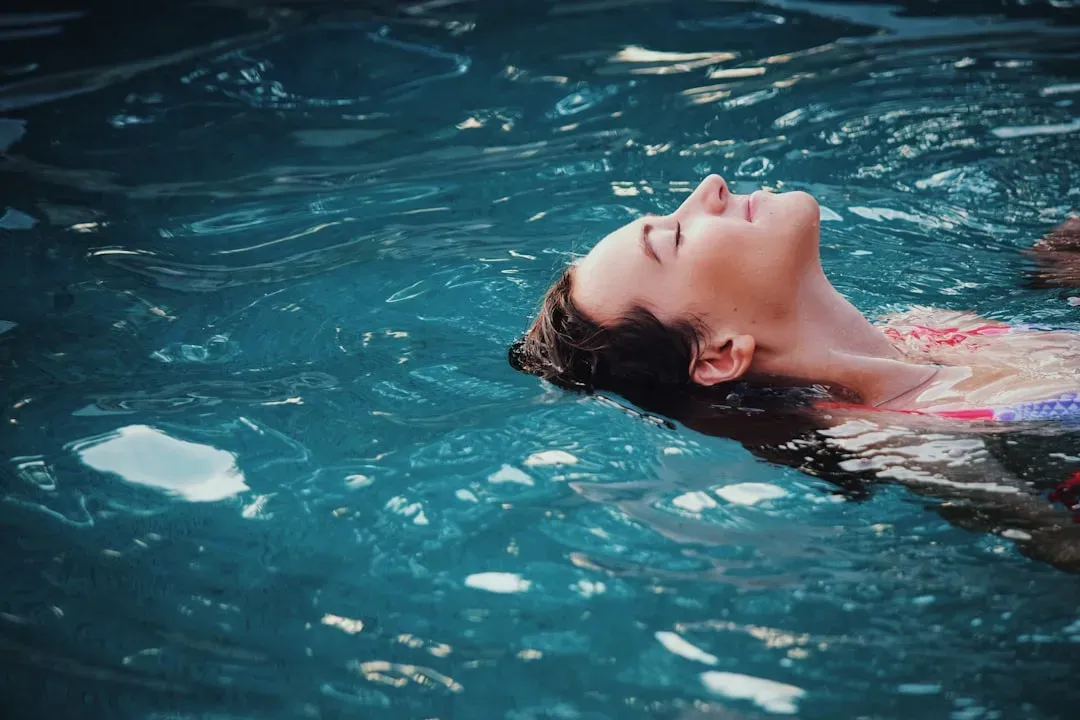
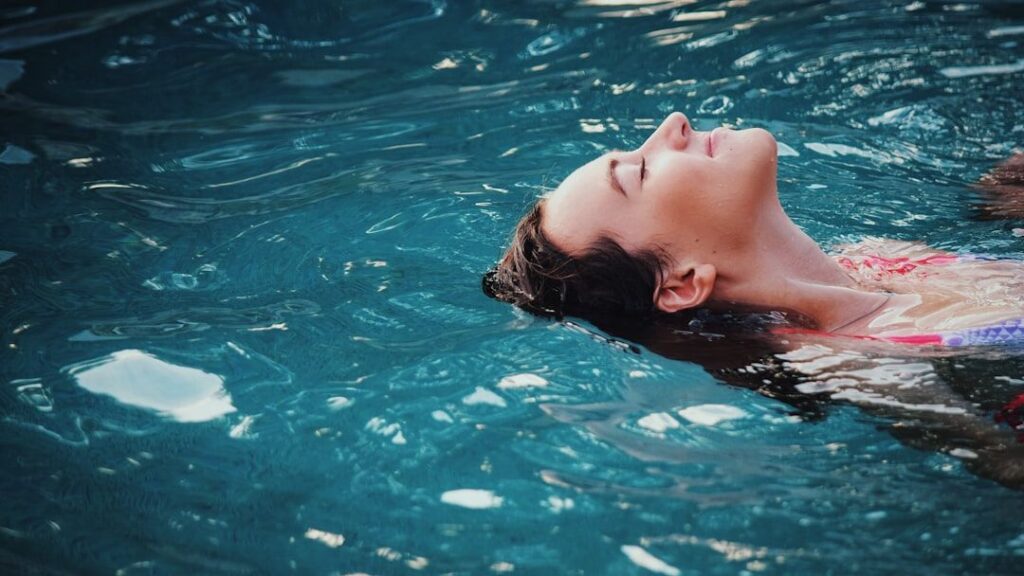
If you have ever floated on your back in calm water, you know how quickly the world seems to fall away. Your body feels supported from every direction, gravity loses its edge, and your sense of where you end and the water begins starts to blur. Studies on flotation tanks, where you float in warm, salty water in near darkness and silence, show that this kind of environment can shift your brain activity toward patterns associated with deep relaxation, creativity, and altered states of consciousness. Many people report vivid imagery, time distortion, and a strong sense of being in a trance.
What makes floating especially powerful is the radical reduction in sensory input. You are still awake, but there is very little for your brain to process from the outside world, so your attention turns inward almost by necessity. As your muscles let go and your breathing slows, your mind often follows, dropping into slower brainwave patterns similar to those seen in meditation and early sleep stages. You do not have to buy a flotation tank to tap into this; even long, quiet soaks in a bath or pool can offer a mini-version of that inward drift if you give yourself enough time and privacy.
Showers, Baths, And Everyday Water Rituals As Micro-Trances

You might already be using water to alter your state of consciousness every single day without realizing it. Think about how many of your best ideas seem to show up in the shower. You are doing something repetitive and familiar, the warm water is hitting your skin in a constant pattern, and there is usually no phone, no email, and no one asking you questions. In that pocket of sensory simplicity, your mind slips into a mild trance where creative connections can bubble up more easily.
Baths can work in a similar way, especially if you treat them as intentional rituals instead of rushed chores. When you dim the lights, soak in warm water, and slow down your movements, you are sending multiple signals to your body that it is safe to relax deeply. Add rhythmic sounds like a fan, soft music, or even the gentle splash of the water itself, and you have a home-made trance environment. If you bring mindful awareness to your breath or to the sensations of the water, you can turn an ordinary bath into a surprisingly powerful consciousness-shifting practice.
The Rhythm Of Rain And Waves: Natural Soundtracks For Altered Awareness

Your brain is wired to respond to rhythm. Slow, repetitive sounds can guide your nervous system into states that feel dreamy and inward-focused. The sound of rain tapping on a roof or waves rolling onto a shore acts almost like a naturally occurring drumbeat, giving your attention a stable anchor. As you focus on that steady sound, other thoughts tend to fade into the background, and you may find yourself drifting into a light trance without even trying.
This is why so many people rely on recorded rain sounds, ocean tracks, or river noise to fall asleep, meditate, or study. When you listen closely to these sounds, especially with closed eyes, your mind often shifts from sharp, analytical thinking to softer, imaginal awareness. You might start to see mental images, recall memories, or enter a daydream-like state that still feels conscious but less tightly controlled. In practical terms, that means you can use simple audio of water as a tool, anytime and anywhere, to change how awake, focused, or relaxed you feel.
Water, Meditation, And Prayer: Why So Many Traditions Use It
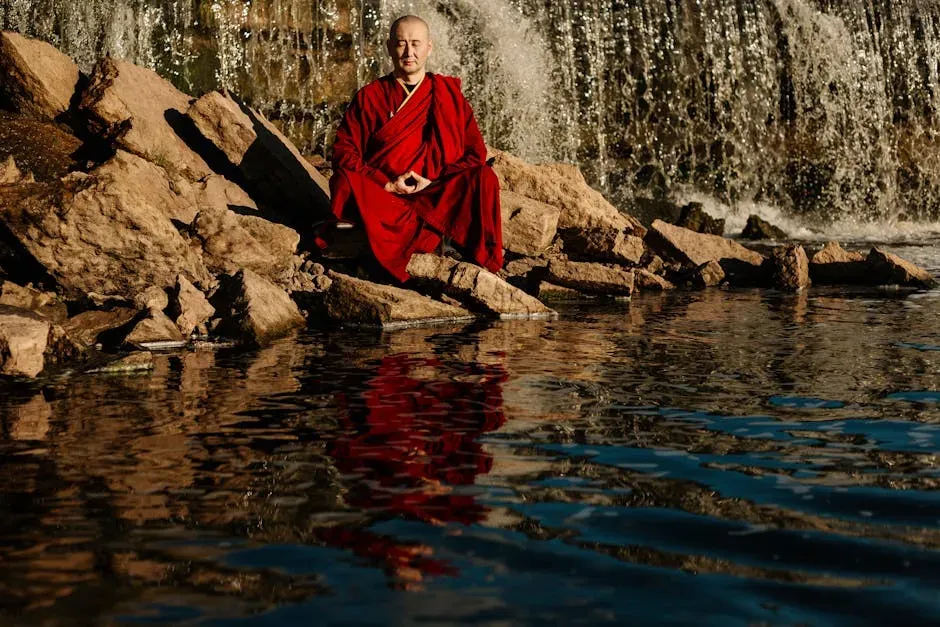
Across cultures and religions, water shows up in rituals of purification, transformation, and spiritual opening. You are often invited to wash, immerse, or anoint yourself before prayer or meditation, not only for symbolic reasons but also because the act itself changes your bodily state. When you slowly wash your hands or face with mindful attention, you are already stepping out of ordinary busyness and into a more focused, reverent mode of being. That subtle shift can feel like crossing a threshold into a different state of consciousness.
Many meditation teachers encourage you to practice near water when you can, precisely because the environment helps. Sitting by a stream, you can sync your breath with the flow or with the sound of each small splash. Over time, you may notice that your inner chatter quiets faster in these settings than in a crowded room or a busy street. You do not have to adopt any particular belief system to benefit from this; you simply tune your attention to water as a living metaphor for the mind itself: constantly moving, sometimes turbulent, but always capable of settling into stillness.
Using Water Intentionally: Practical Ways To Enter Trance Safely
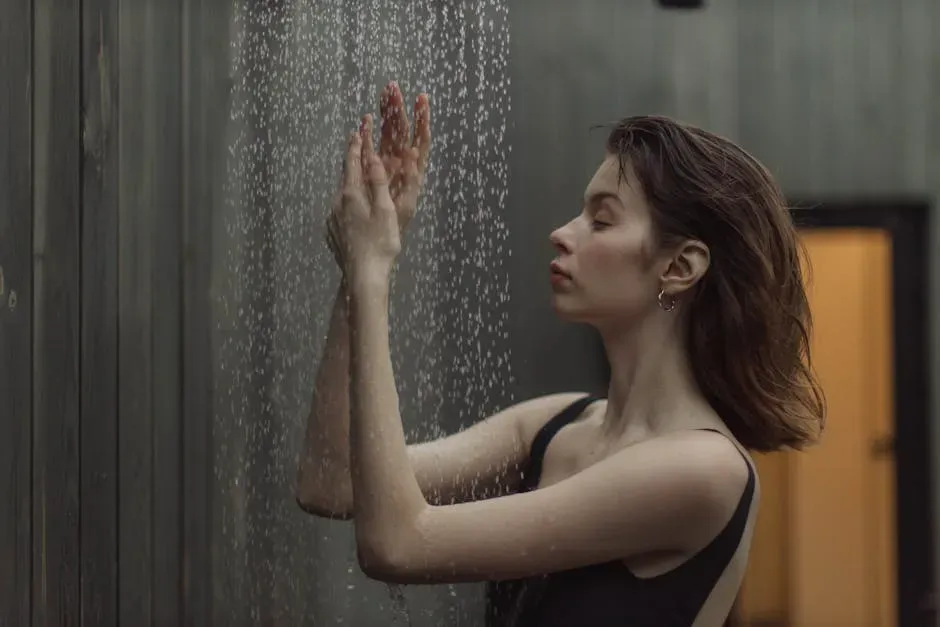
You do not need complex techniques to start using water more intentionally to shift your state of consciousness. You can begin with simple experiments: take a longer shower with the explicit intention of noticing every sensation, or sit by a fountain and devote ten minutes to doing nothing but listening. When you do this, you are training your attention to settle into the present moment, which is the gateway to trance-like states. The key is to give yourself enough time and to minimize interruptions from devices and other people.
If you want to go deeper, you can combine water with breathwork or visualization. For example, while soaking in a bath, you can imagine each exhale flowing out into the water, carrying tension and mental clutter with it. Or you can synchronize your inhalations and exhalations with the rhythm of waves if you are sitting by the sea or listening to a recording. Always keep safety in mind: avoid long hot soaks if you feel dizzy, never practice breath-holding in water without guidance, and respect your limits. Used wisely, water becomes less of a backdrop and more of an active ally in exploring your own consciousness.
What Science Can And Cannot Yet Say About Water And Consciousness
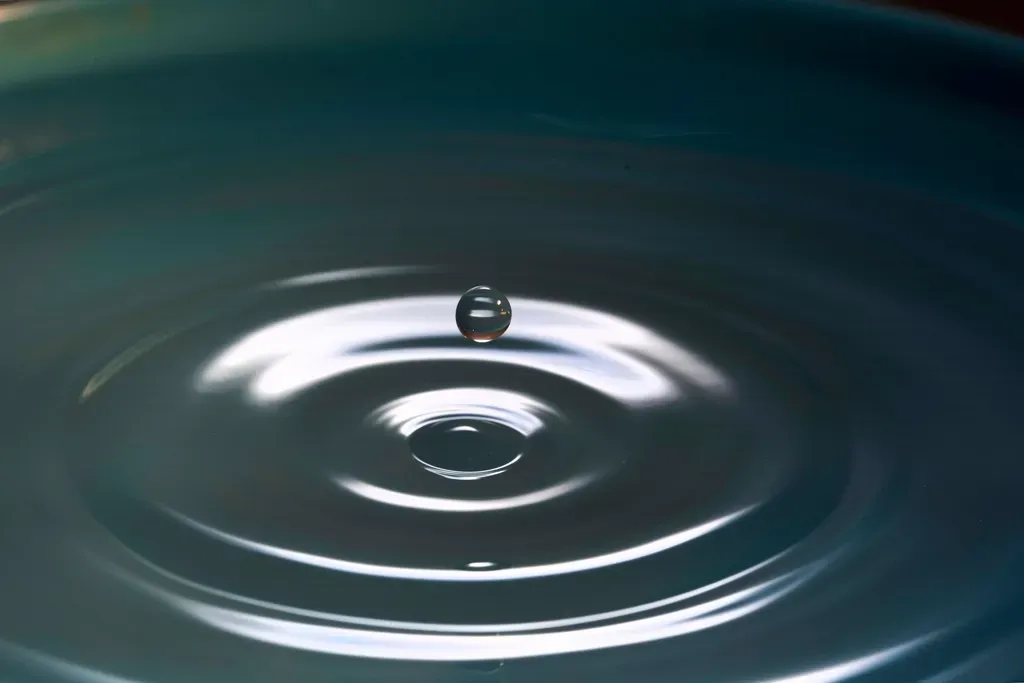
It is tempting to jump to dramatic claims, like the idea that water has mysterious memory or that it can literally store your intentions. At this point, mainstream science does not support strong versions of those claims in any reliable, reproducible way. What research does support, more solidly, is that your brain and nervous system respond very differently in and around water compared to dry land, and those differences can feel like altered states. Changes in stress levels, brainwave patterns, sensory input, and body awareness are enough to explain a lot of what people describe as trance-like experiences.
That does not mean your experiences are less meaningful or profound. It simply means you do not have to rely on speculative physics or mystical explanations to honor what you feel in water. You can appreciate both sides: the grounded, measurable shifts in your physiology and the deeply personal, sometimes spiritual meaning those shifts carry for you. Staying honest about what is known and what is still mysterious keeps you free to explore without getting lost in wishful thinking. In that honest space, your relationship with water can become both more magical and more real at the same time.
Conclusion: Let Water Be Your Everyday Doorway To Deeper States
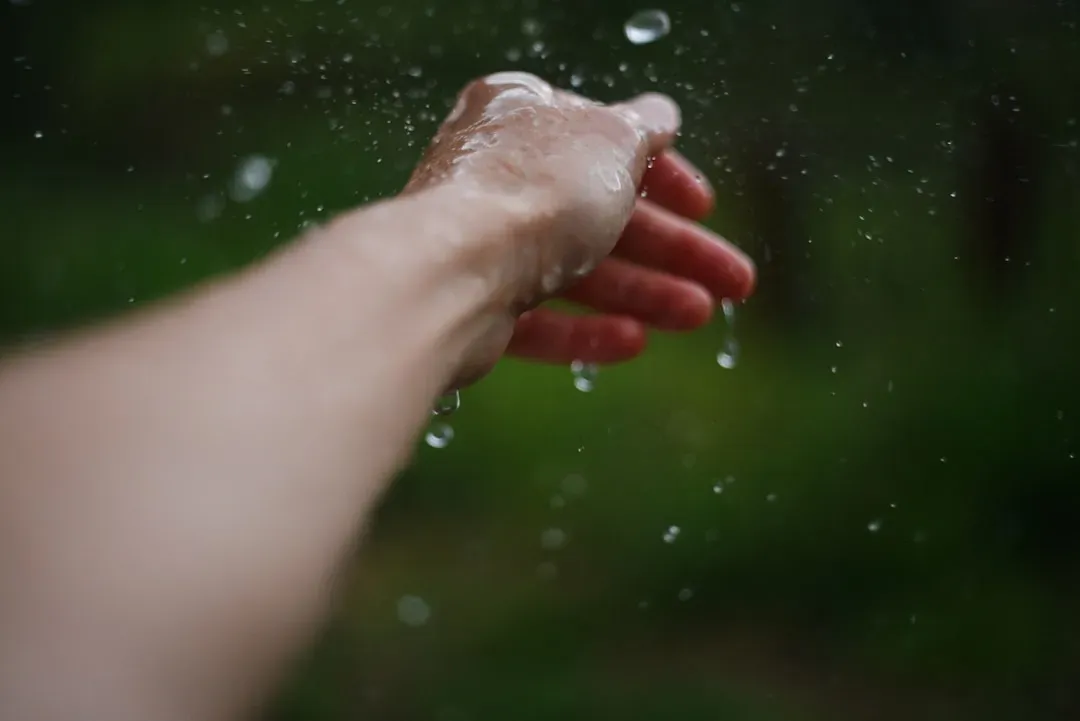
When you look back at your own life, you might notice that many of your quietest, most introspective moments happened near water: staring at a lake at sunset, walking along a rainy street, or sinking into a late-night bath after a hard day. Those were not just breaks from routine; they were spontaneous shifts in consciousness, little doorways where your mind opened and your inner world came to the front. Now that you understand how strongly water can influence your nervous system and attention, you can choose to walk through those doorways on purpose instead of only by accident.
You do not need special equipment, advanced training, or dramatic beliefs. You need curiosity, a bit of time, and some form of water, whether it is a faucet, a tub, a river, or the sea. If you treat water as more than a background element and start relating to it as a partner in your inner life, you may find that trance-like states and deeper awareness are much closer than you thought. The next time you hear rain or feel the shower on your back, you might quietly ask yourself: what kind of consciousness could this moment be inviting you into right now?