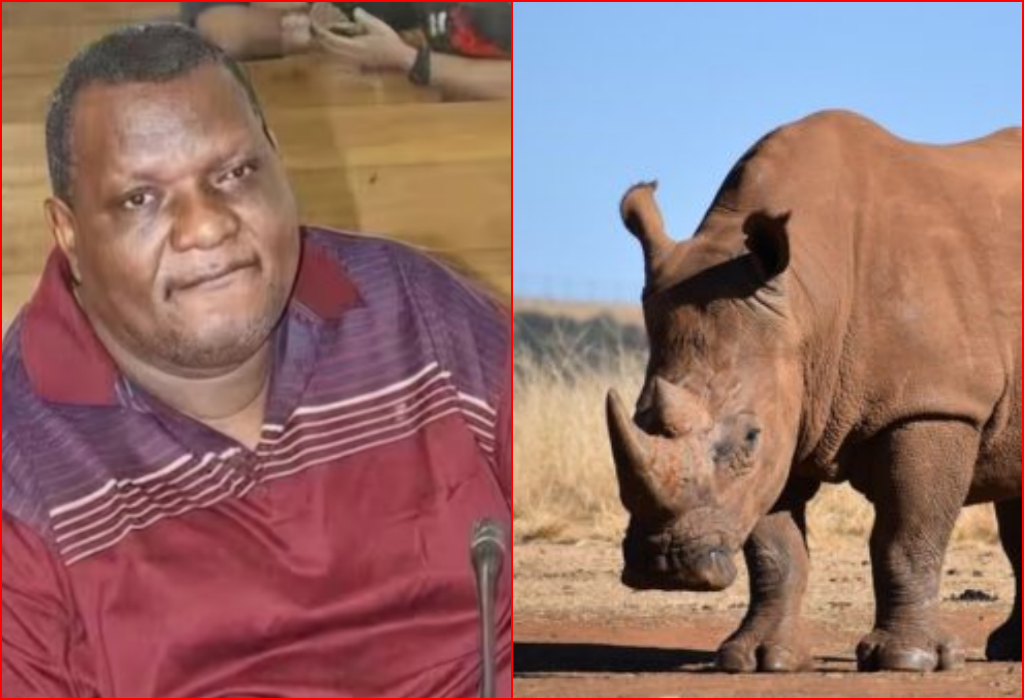

Mpumalanga – In a recent development reported across South African mdeia including World Animal News, Joseph “Big Joe” Nyalungu was shot dead on May 16 in the town of Mkhuhlu. The location lies near the edge of Kruger National Park, a critical stronghold for Africa’s remaining rhinos. Authorities have long linked Nyalungu to the illegal horn trade that continues to threaten wild populations across the continent.
The Shooting and Its Immediate Setting
The incident took place in a region that has seen repeated clashes between law enforcement and those involved in wildlife crime. Nyalungu, known locally by the nickname “Big Joe,” was killed in what officials described as a targeted attack. The timing places the event just days before the current reporting period, adding fresh urgency to ongoing anti-poaching operations.
Local police have not released full details on the circumstances or any suspects. The area around Mkhuhlu serves as a gateway for both tourism and illicit activity connected to the park. Residents and park staff alike have followed developments closely, given the direct overlap between daily life and conservation zones.
Nyalungu’s Alleged Position in the Horn Network
For years, investigators have pointed to Nyalungu as a key organizer in the movement of rhino horn from South Africa into international markets. Investigators in South Africa previously linked him to “Project Broadbill,” a major anti-poaching operation targeting rhino horn trafficking syndicates accused of orchestrating the slaughter of countless rhinos across southern Africa. His activities were said to connect local poaching teams with larger distribution channels. This role placed him at the center of a supply chain that has removed thousands of animals from the wild over the past decade.
Prosecutors had built cases around his suspected coordination of horn collection and transport. The loss of such a figure can create short-term gaps in established routes, though replacements often emerge quickly in this line of business. Conservation groups have tracked similar removals in the past and noted that the underlying demand for horn remains steady.
Stakeholders and Practical Consequences
Several groups now face direct effects from the development. Park rangers must adjust patrol patterns while monitoring for any retaliatory activity. Nearby communities weigh the balance between tourism income and the risks tied to criminal networks. International buyers and middlemen may seek new contacts, potentially shifting pressure to other regions.
Law enforcement agencies gain one less target on their priority lists yet must sustain pressure on remaining operators. Conservation organizations continue their work of habitat protection and community outreach programs. The overall trade shows resilience, with horn prices holding firm despite periodic arrests and seizures.
- Park management teams: increased focus on border security
- Local residents: mixed concerns over safety and economic stability
- Wildlife authorities: renewed calls for cross-border cooperation
- Global conservation bodies: emphasis on demand reduction campaigns
Looking Ahead in the Rhino Protection Effort
The death of a prominent accused player does not end the crisis on its own. Sustained results depend on continued enforcement, stronger penalties, and reduced consumer demand in destination countries. South African officials have signaled they will maintain operations around Kruger and other reserves.
Observers note that each high-profile removal tests the adaptability of the networks involved. The coming months will show whether this event leads to measurable drops in poaching incidents or simply prompts reorganization. The core challenge of protecting rhinos from illegal horn extraction remains unchanged.
Hi, I’m Andrew, and I come from India. Experienced content specialist with a passion for writing. My forte includes health and wellness, Travel, Animals, and Nature. A nature nomad, I am obsessed with mountains and love high-altitude trekking. I have been on several Himalayan treks in India including the Everest Base Camp in Nepal, a profound experience.