
You probably think of tombs as quiet, dusty places where history lies neatly tucked away. Then you hear what archaeologists actually find when they pry open a forgotten grave, and suddenly the past feels anything but peaceful. Some tombs do not just preserve bodies; they freeze entire worlds, expose violent secrets, and overturn what you thought you knew about ancient people.
As you walk through these discoveries in your mind, imagine being the first person in thousands of years to step into those dark chambers. The air is stale, objects are toppled where looters rushed, or miraculously untouched where no one ever came. Each of these nine tombs blindsided experts in a different way, from impossible treasures to eerie mass burials. By the end, you may find yourself looking at human history with a mix of awe, unease, and a strange kind of gratitude that these places were finally found at all.
1. Tutankhamun’s Nearly Intact Tomb In Egypt’s Valley Of The Kings
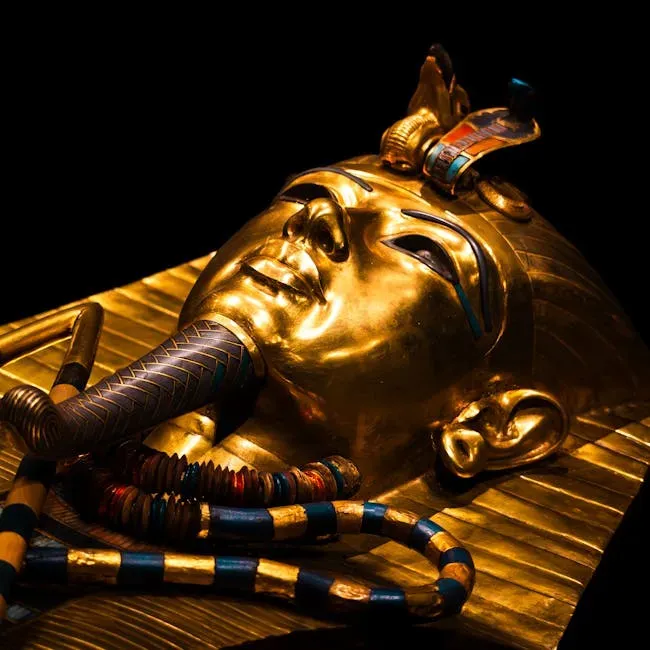
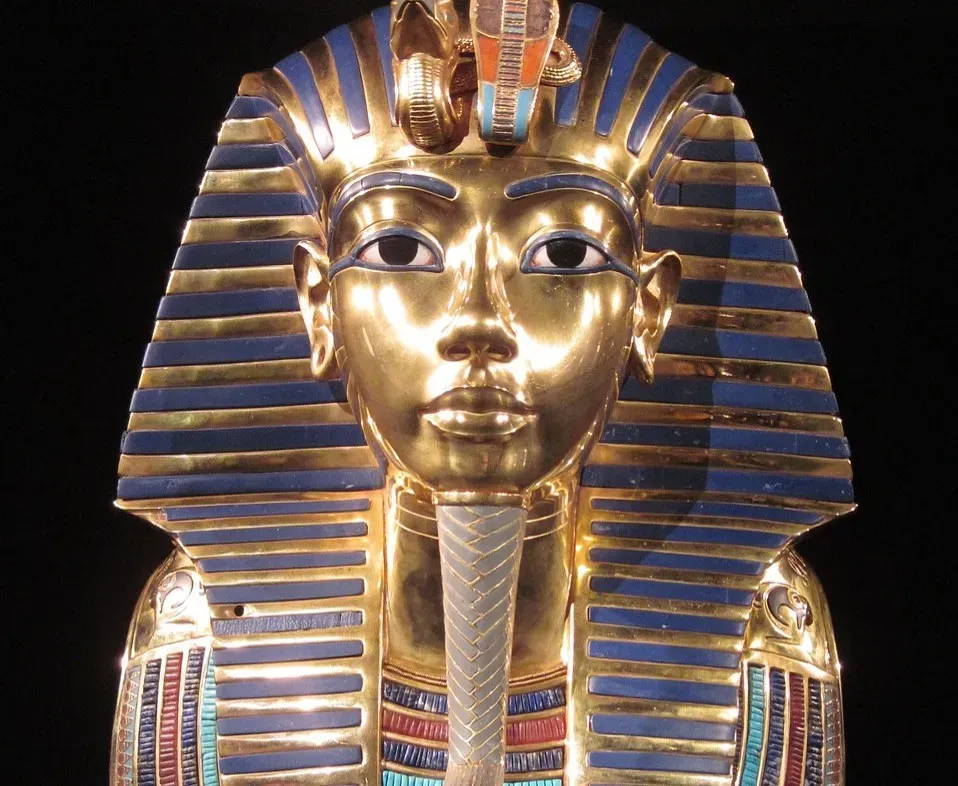
If you could step into a single ancient tomb in all of history, chances are you would pick Tutankhamun’s. When Howard Carter’s team broke through the sealed doorway in 1922, they were not just opening a tomb; they were opening a time capsule that had dodged robbers for over three thousand years. You see the scene in your head: stacked chests, golden shrines jammed wall to wall, chariots leaning like someone parked them in a hurry, and the now-famous gold mask waiting at the heart of it all.
What still shocks archaeologists, and would probably stun you in person, is just how much everyday life is preserved inside all that glitter. You are not just looking at royal regalia; you are looking at beds, linen, board games, walking sticks, cosmetics, and even food meant to sustain a teenage pharaoh forever. The tomb rewires how you think about ancient Egypt because it shows you the practical and the sacred side by side. You watch archaeology itself change with this find, as researchers slowly document, photograph, and conserve every object instead of just grabbing the gold and moving on, setting a new standard for how fragile past worlds should be handled.
2. The Terracotta Army Guarding China’s First Emperor
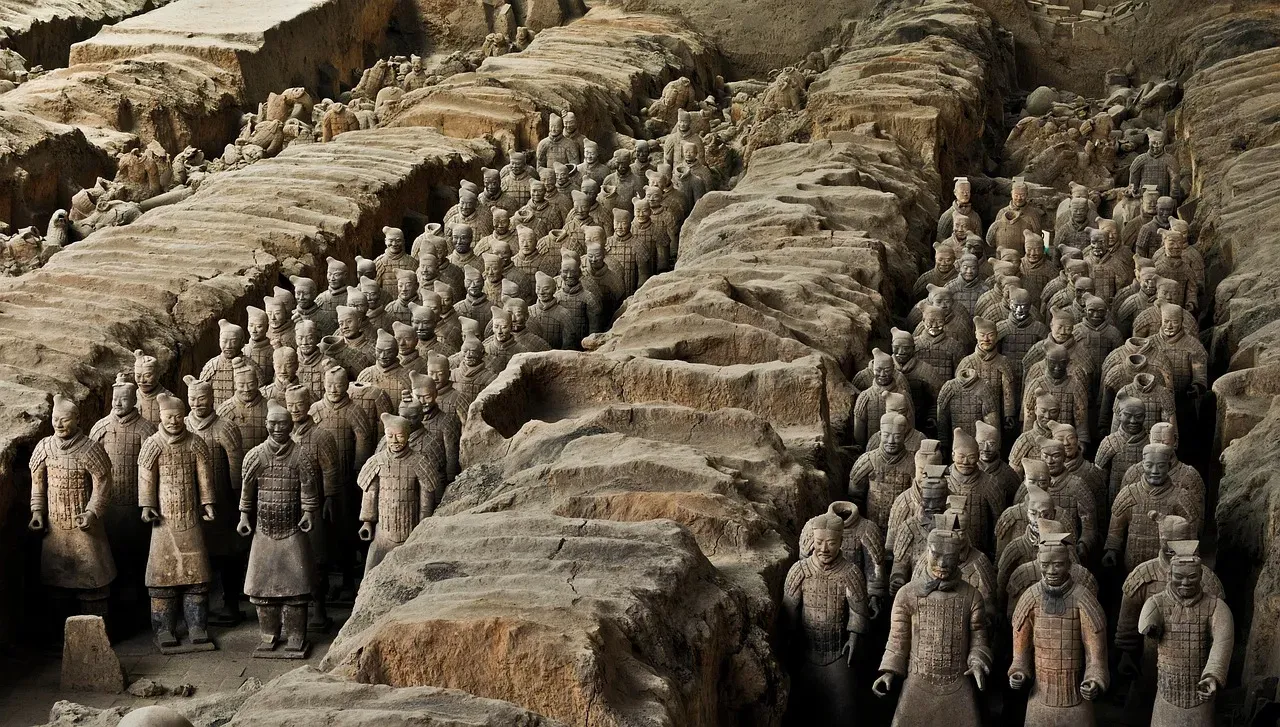
Imagine digging a well in a field and your shovel hits a life-sized clay head. You uncover a torso, then armor plates, then horses. Suddenly you realize you are standing on the edge of an underground army. That is essentially what happened in 1974 near Xi’an, China, when farmers stumbled onto what you now know as the Terracotta Army, the outlying guardians of the vast tomb complex of Qin Shi Huang, the first emperor who unified China in the third century BCE.
As you walk through those pits today, it feels less like a burial site and more like you’ve crashed into an ancient military base frozen mid-muster. Thousands of soldiers, each with slightly different facial features and hairstyles, stand in ranks with chariots and horses, originally painted in bright colors that flaked away when exposed to air. You can see why archaeologists were stunned: this is not a simple grave, but a three-dimensional map of imperial power and paranoia. And eerily, the emperor’s actual central tomb mound still has not been opened, partly because early surveys detected unusually high levels of mercury, echoing ancient texts that speak of rivers of liquid metal flowing through a miniature model of his empire. You are left with the sense that even this staggering army might just be the prelude to something even stranger underground.
3. Sima de los Huesos: A Deep Pit Of Ancient Human Bones In Spain
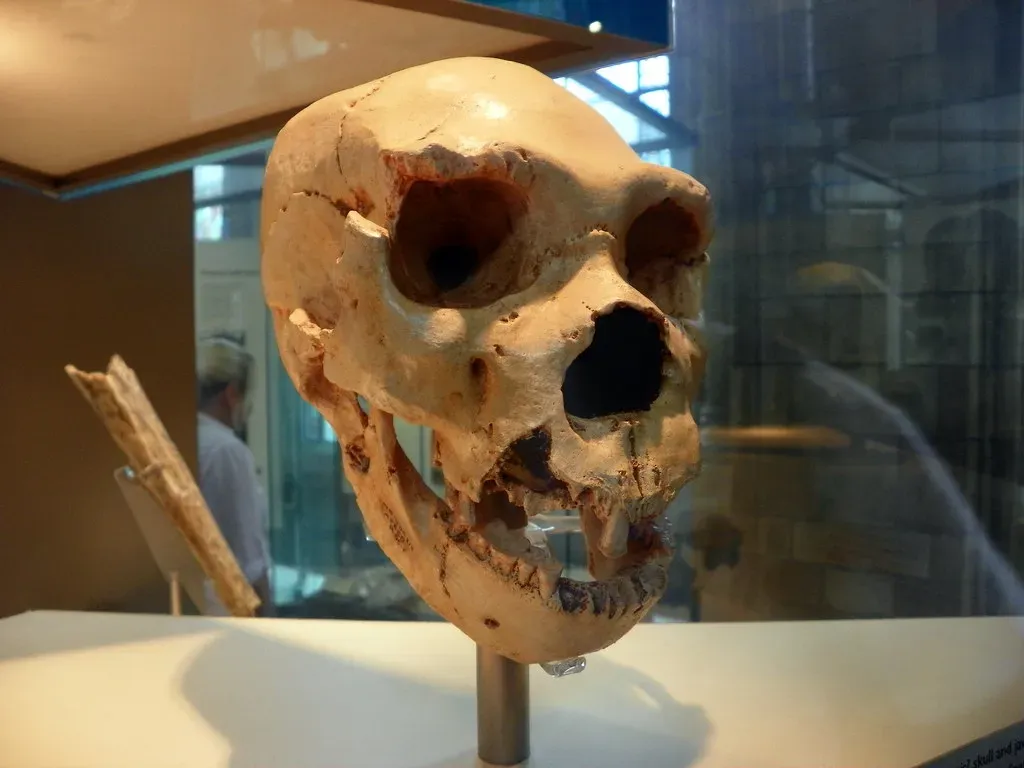
Now switch from gold and emperors to something far rawer: a deep shaft in a cave in northern Spain filled with ancient human bones. At Sima de los Huesos, the “Pit of Bones” in the Atapuerca mountains, you are not looking at a single elaborate burial but at the remains of at least a few dozen individuals from more than four hundred thousand years ago. When you imagine lowering yourself down that narrow passage, you meet skulls, jaws, and limb bones piled together in a way that screams deliberate deposition, not simple accident.
What shocks you here is not opulence but intent. These people were likely early relatives of Neanderthals, long before the classic Neanderthals showed up in Europe. Yet it appears they were already treating their dead in a special, possibly symbolic way, by dropping bodies or bones into this remote chamber. You are forced to rethink when “human-like” behavior starts. Instead of a neat timeline where symbolism and ritual suddenly appear with modern Homo sapiens, you see a long, messy prelude where earlier humans were already grappling with death, memory, and maybe even some sense of the sacred deep underground.
4. The “Silver Pharaoh” Psusennes I And A Tomb Richer Than Expected
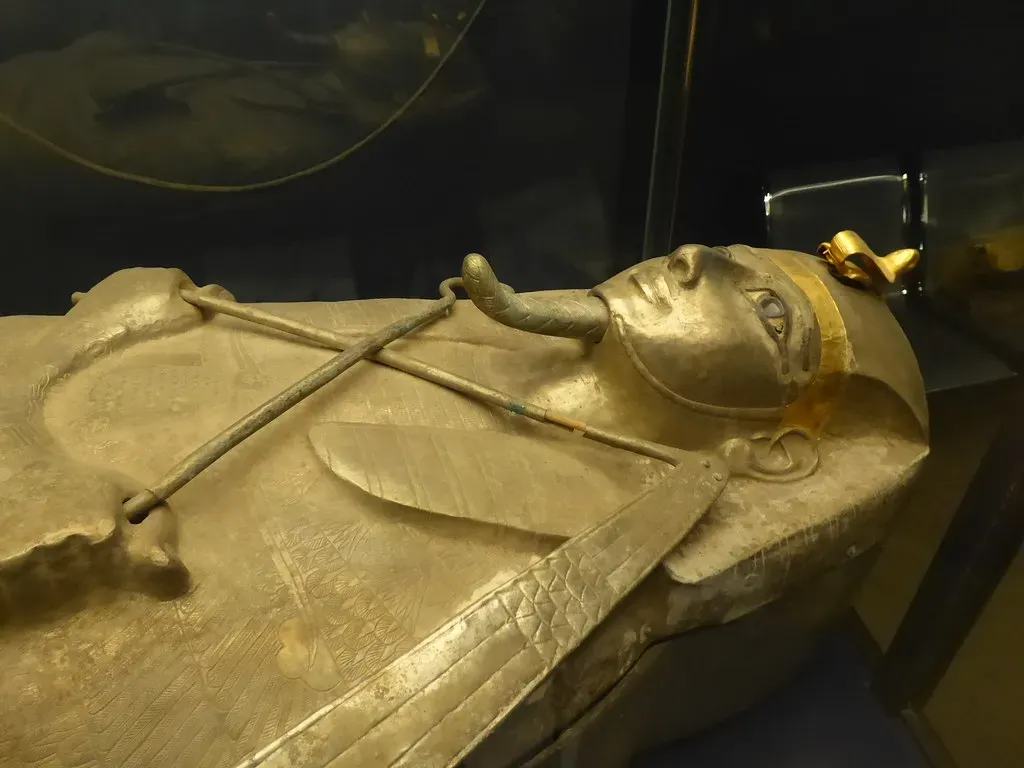
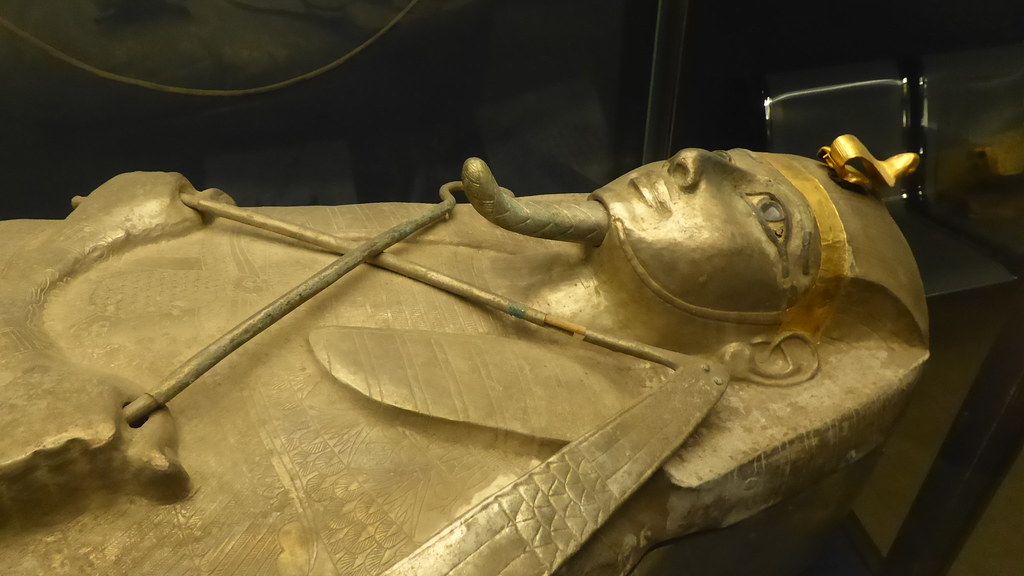
When you think of legendary Egyptian tombs, you probably go straight to the New Kingdom giants like Ramses or Tutankhamun. But in the mid-twentieth century, archaeologists opened a royal tomb at Tanis in the Nile Delta and found something almost no one expected from Egypt’s later, politically fractured years: a burial so lavish it forced experts to reassess that so-called age of decline. You meet Psusennes I, sometimes nicknamed the “Silver Pharaoh,” lying in a solid silver coffin inside nested sarcophagi.
To you, the surprise is double. First, silver was rarer and, in many contexts, more valuable than gold in ancient Egypt, so this coffin screams elite wealth even more loudly than a golden one would. Second, many of the stone sarcophagi around him were clearly recycled from older royal burials in the Valley of the Kings, showing you a world where priests and rulers openly reused sacred materials from past tombs. The discovery hits archaeologists like a plot twist: it proves that even in an era of political fragmentation, temple networks could still concentrate immense resources, and they were perfectly willing to blend reverence, pragmatism, and maybe even a bit of sanctioned tomb-raiding into one complicated package.
5. The Royal Tombs Of Ur And Their Haunting “Death Pits”
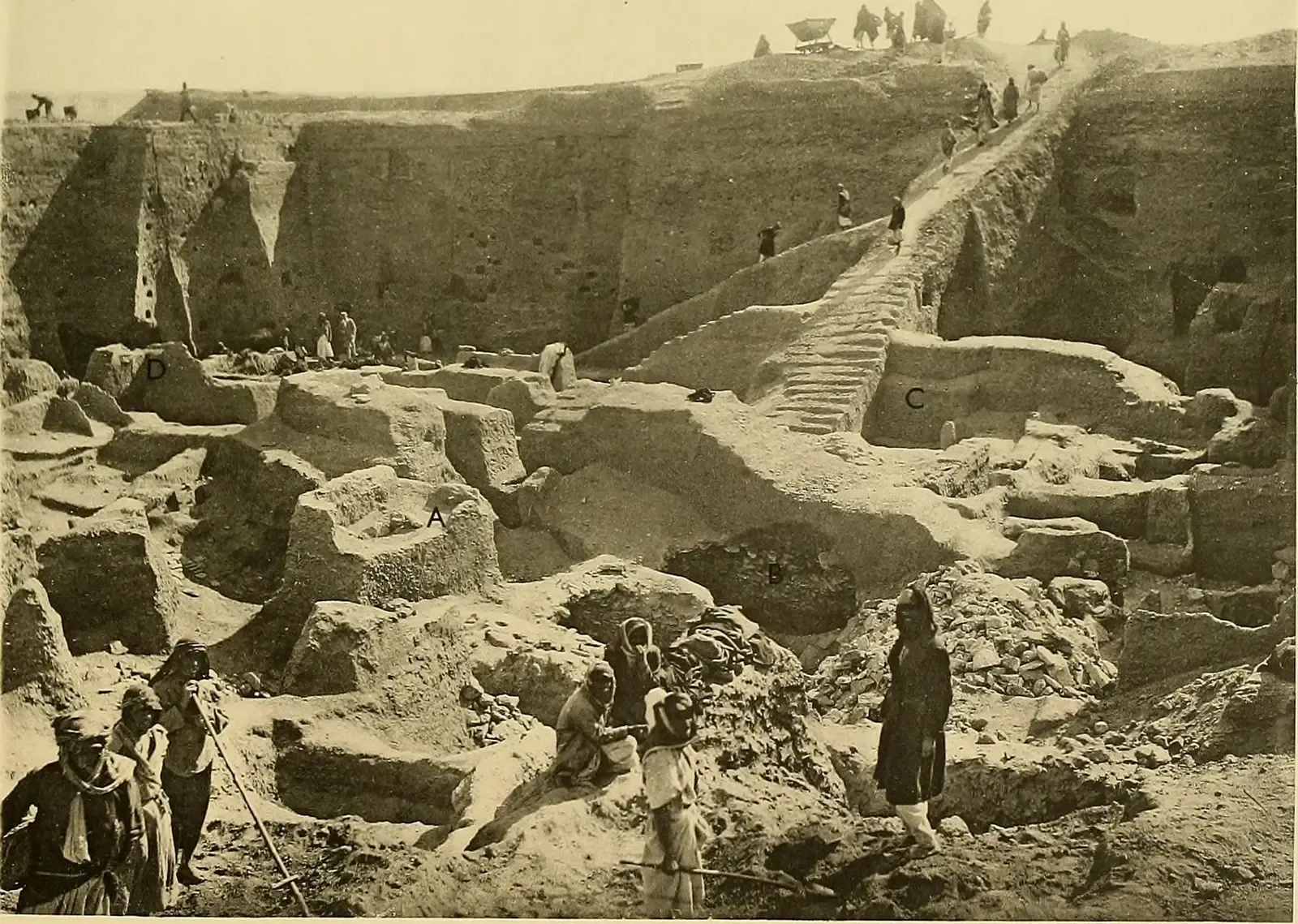
Travel in your mind to ancient Mesopotamia, to the city of Ur in what is now southern Iraq. In the 1920s and 1930s, excavations there uncovered royal tombs that read like the script of a dark epic. As you stand at the edge of one of the so‑called “death pits,” you see ranks of human skeletons arranged in orderly fashion, often with musical instruments, elaborate jewelry, and weapons. It looks less like a natural disaster and more like an organized departure, with attendants apparently accompanying a ruler into death.
For you, the shock lies in the sheer scale of human sacrifice hinted at by these graves. Archaeologists found evidence that these people did not simply collapse randomly; they were laid out, sometimes in ceremonial dress, suggesting they may have willingly or forcibly taken poison or been killed to serve their king or queen in the afterlife. You are forced to confront the intensity of loyalty, coercion, or belief that might lead dozens of people to die for one powerful figure. It raises uncomfortable questions about how early states used ideology and ritual to cement power, and it strips away any romantic notion that grand civilizations were built only on art and innovation, not on the bodies of the expendable.
6. The Tomb Of The “Lady Of Cao” In Peru’s Moche World
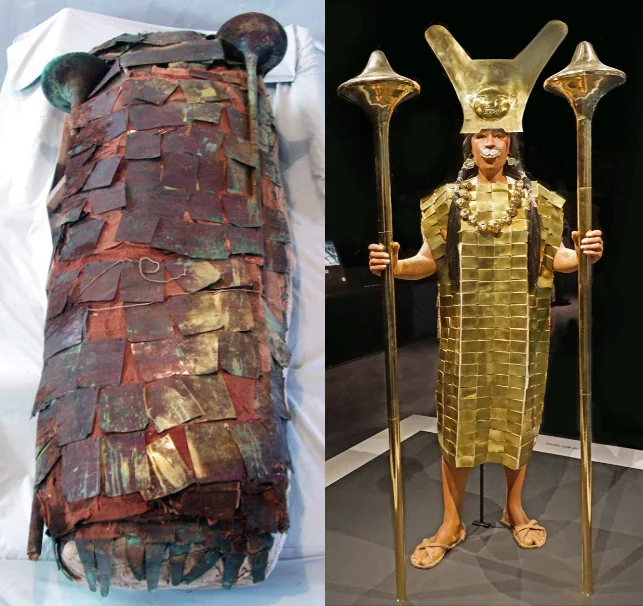
Move now to Peru’s north coast, where the desert hides adobe pyramids and eroded temples. In 2005, archaeologists opened a burial at the El Brujo complex and met a woman who shattered assumptions: the so‑called “Lady of Cao.” As you picture her tomb, you see fine textiles, ceremonial clubs and spears, nose ornaments, and a complex array of jewelry that would usually signal a high-ranking male ruler or priest in this Moche culture.
Her body, tattooed with serpents and spiders, lies as if daring you to rethink who held power in ancient societies. You realize that for years, many researchers unconsciously defaulted to male leadership when interpreting rich warrior graves. This tomb forces you personally to question that bias. The Lady of Cao’s burial suggests that in at least some Moche communities, women could command military and ritual authority. Instead of imagining the ancient Andes as a rigid patriarchy, you start to see a more layered picture where gender roles were flexible, negotiated, and sometimes dramatically different from what you might expect based on later history.
7. The Lavish Thracian Tomb Of Kazanlak In Bulgaria
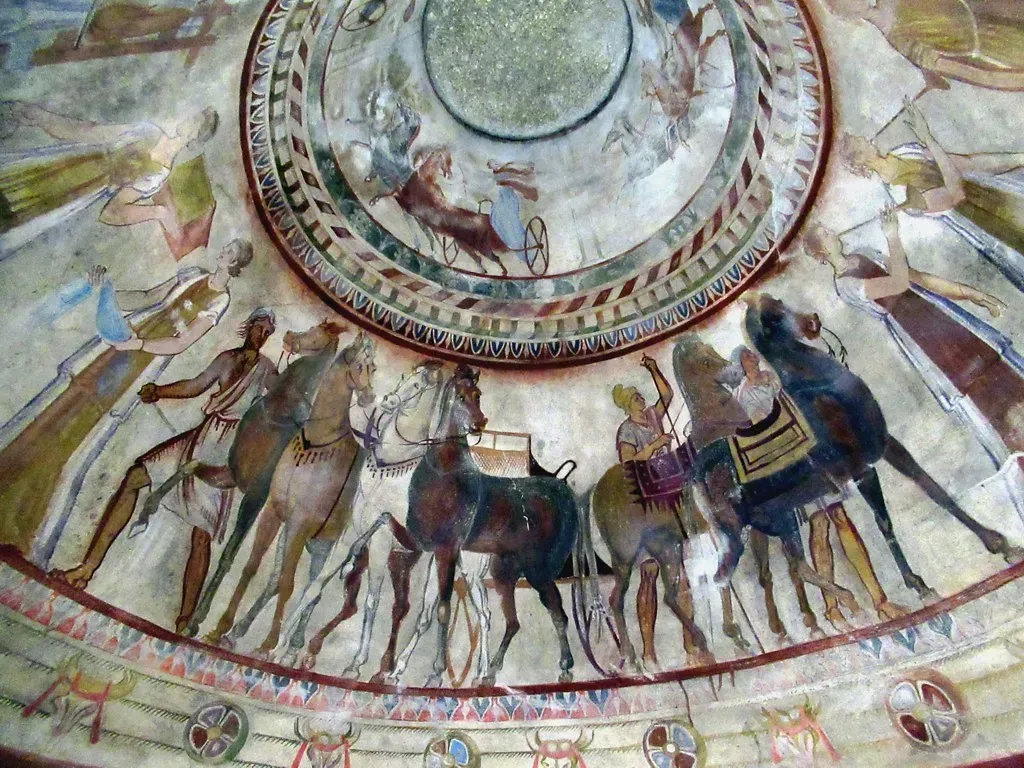
In the rolling hills of central Bulgaria, you might drive past grassy mounds and never guess what is inside. When archaeologists entered the Thracian tomb at Kazanlak in the mid‑twentieth century, they stepped into a painted chamber that looked unnervingly alive. As you let your eyes travel around its circular walls, you see scenes of a banquet, horses, and chariots, all in vivid colors that somehow survived more than two thousand years in the dark.
What hits you is how personal and emotional these images feel. This is not just a generic parade of gods; it feels like a specific elite couple and their companions, captured at a moment of feasting and farewell before the dead journey onward. You get a window into a culture usually overshadowed in your mind by Greek and Roman empires. Suddenly Thracian elites are no longer just footnotes or barbarian neighbors; they are people commissioning sophisticated art that blends local styles with influences from the Mediterranean world. The tomb’s murals force archaeologists, and you along with them, to treat Thrace as a vibrant cultural player in its own right, not just a background stage for someone else’s history.
8. The Tomb Of The First Emperor’s Unopened Chamber Beneath Mount Li
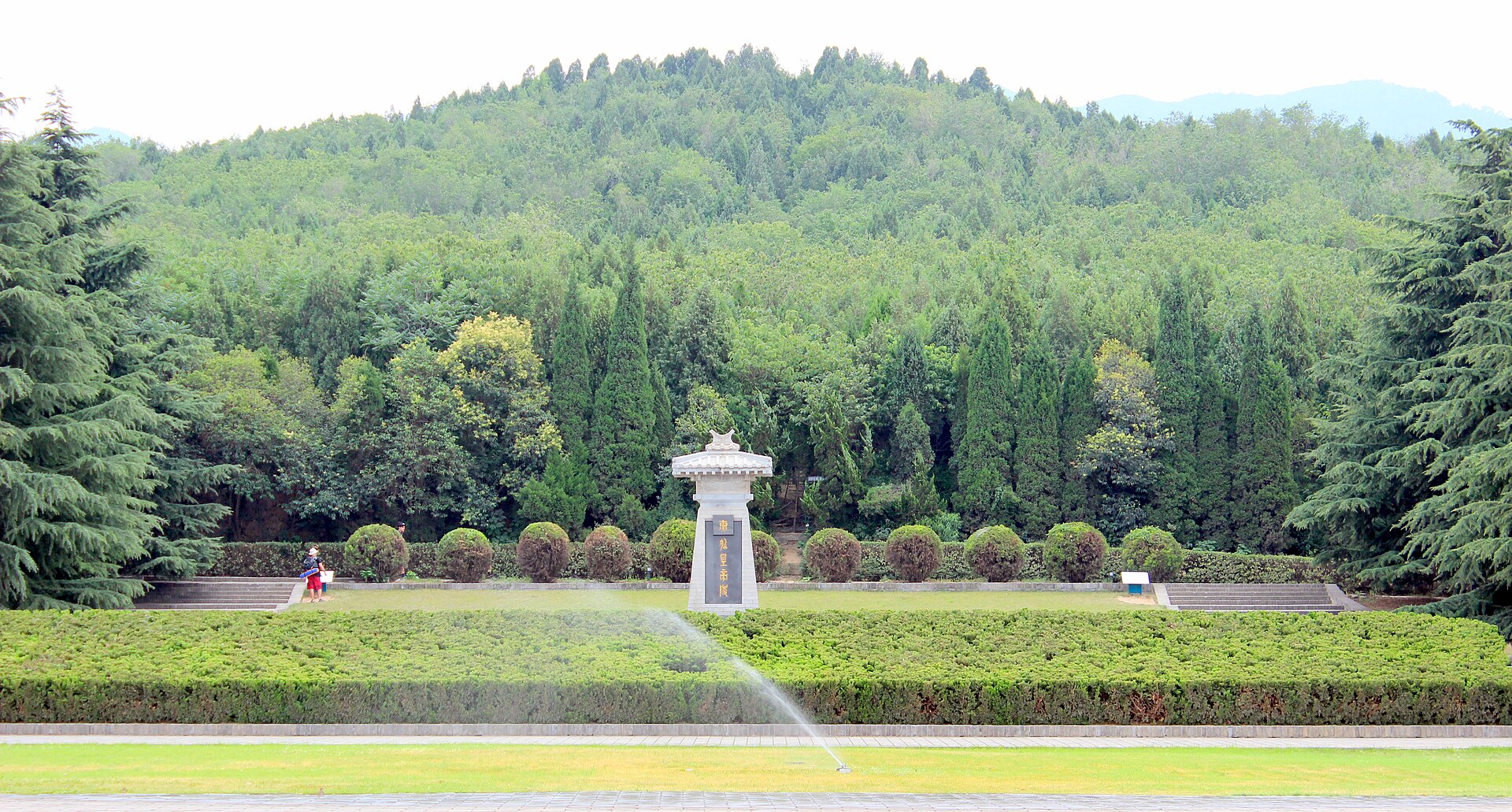
You already met Qin Shi Huang’s terracotta soldiers, but the real shock is what still lies sealed. Under the earthen mound of Mount Li near Xi’an, surveys have mapped a large central chamber widely believed to be the emperor’s actual burial hall. Ancient records describe an underground palace with a model of his empire, complete with rivers and seas of flowing mercury and a ceiling painted like the night sky. When you hear that modern soil studies around the mound show elevated mercury levels, you feel like the legend is breathing down your neck.
Yet, as of today, no one has opened that chamber. You are living at a moment when archaeologists know exactly where one of the most important tombs on Earth is located, but they are holding back because they also know how easily fragile artifacts can be ruined by hasty excavation. The pigments on the Terracotta Army statues faded almost instantly when they first met modern air; you can imagine that whatever waits in the emperor’s core tomb would be even more vulnerable. That tension – between your burning curiosity and the responsibility to future generations – turns this unopened grave into a kind of active mystery, one that keeps reminding you that sometimes the most shocking decision in archaeology is to not dig, at least not yet.
9. The Tomb Of The “Griffin Warrior” At Pylos In Greece
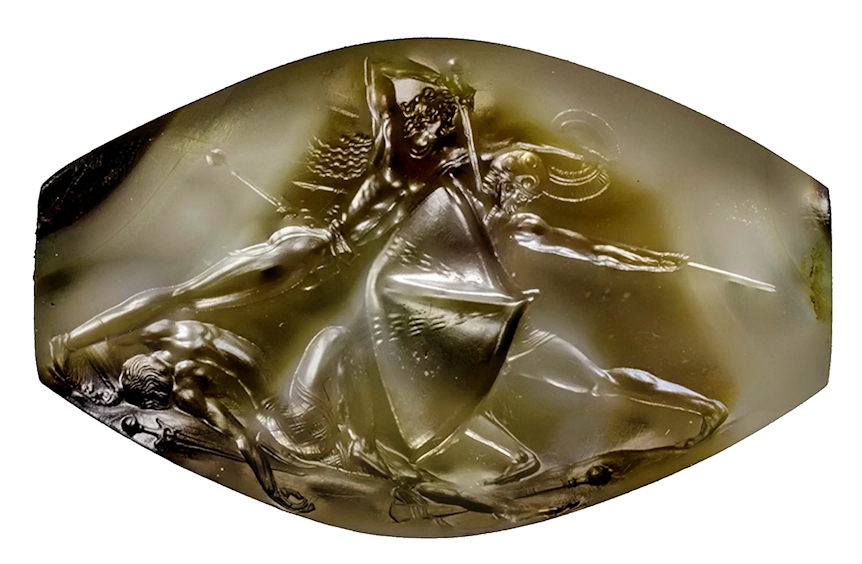
In 2015, near the Palace of Nestor at Pylos in southwestern Greece, archaeologists opened what looked like a modest shaft grave and walked straight into one of the most unexpected finds of recent decades. As you lower yourself into that grave in your mind, you see a man laid out with weapons, bronze armor, and an almost absurd number of finely carved seal stones, some made of imported stones and engraved with scenes so tiny you can barely see them without magnification. Among them, a small agate seal showing a warrior in combat stunned experts with its almost impossibly detailed artistry.
For you, this tomb blows apart the idea that early Mycenaean elites were simple warlords slowly learning from more “advanced” Minoan neighbors. Instead, you watch a person sitting right at the crossroads of cultures, absorbing, commissioning, and perhaps already reshaping high-level art and iconography. The grave goods show deep connections across the Aegean, and they invite you to see Bronze Age Greece not as an isolated step on the way to classical glory, but as a complex world in its own right. In the cramped space of that grave, your sense of ancient craftsmanship, trade, and identity all get pushed several notches higher than you probably expected.
Conclusion: What These Tombs Really Tell You About The Dead – And The Living
When you line up these nine tomb discoveries side by side, a pattern quietly emerges. You see gold masks and silver coffins, yes, but you also see mass sacrifices, hidden armies, women in power, and ancient humans dropping their dead deep into caves long before “civilization” officially began. Each tomb shocks archaeologists in its own way, yet to you they all whisper the same thing: people have always gone to extraordinary lengths to make sense of death, to display status, and to shape how they would be remembered – or feared – after they were gone.
Standing at the edge of each burial, you are really looking at the living more than the dead. You are reading their anxieties, ambitions, tenderness, cruelty, and imagination in the way they arranged bones, painted walls, or forged weapons for a journey no one has ever come back to describe. The next time you hear about a new tomb discovery, you might find yourself wondering less about the treasure and more about what drove an entire community to build that chamber in the first place. In the end, these graves are mirrors: when you peer into them, you do not just meet ancient rulers and attendants – you meet uncomfortable, awe-inspiring versions of yourself. Which of these tombs changed the way you see the ancient world the most?