Some places in the United States look so surreal that, for a second, you almost expect to see a spaceship parked in the distance instead of a rental car. These are the parks where the sky feels bigger, the rocks look impossible, and colors show up in shades you did not realize existed in nature. Step into them and you do not just feel far from home; you feel far from Earth.
This guide dives into eleven national parks that deliver exactly that otherworldly vibe. From deserts that glow like Mars at sunset to steaming volcanic craters pulsing with the heat of the planet, each park has its own flavor of strange. Some are harsh and desolate, others lush and glowing, but all will make you question what you think a “normal” landscape looks like. Let’s go planet-hopping without leaving America.
1. Yellowstone National Park, Wyoming, Montana & Idaho
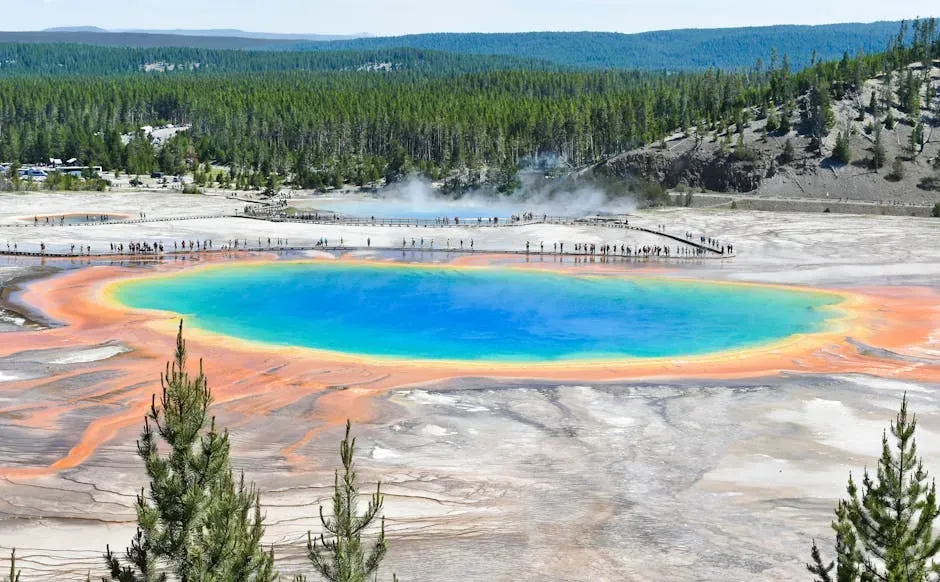
Walk up to Grand Prismatic Spring on a cool morning and it genuinely feels like you have wandered onto an alien research base. The water blazes in rings of deep blue, neon green, bright yellow, and rusty orange, thanks to heat-loving microbes that thrive in different temperature zones. Steaming geysers erupt out of nowhere, mud pots bubble like thick soup, and the ground itself hisses and breathes as if something alive is just beneath the surface.
What makes Yellowstone so otherworldly is how obvious the planet’s power is, right at your feet. You are literally walking over one of the largest active volcanic systems on Earth, and the whole place is venting steam, heat, and strange smells to prove it. One minute you are in a normal forest, and the next you are looking at a boiling river or a calcium-white terrace that looks like a frozen waterfall on some icy moon. It is beautiful, a little unsettling, and a reminder that Earth is not as calm as most of our cities make it seem.
2. Bryce Canyon National Park, Utah
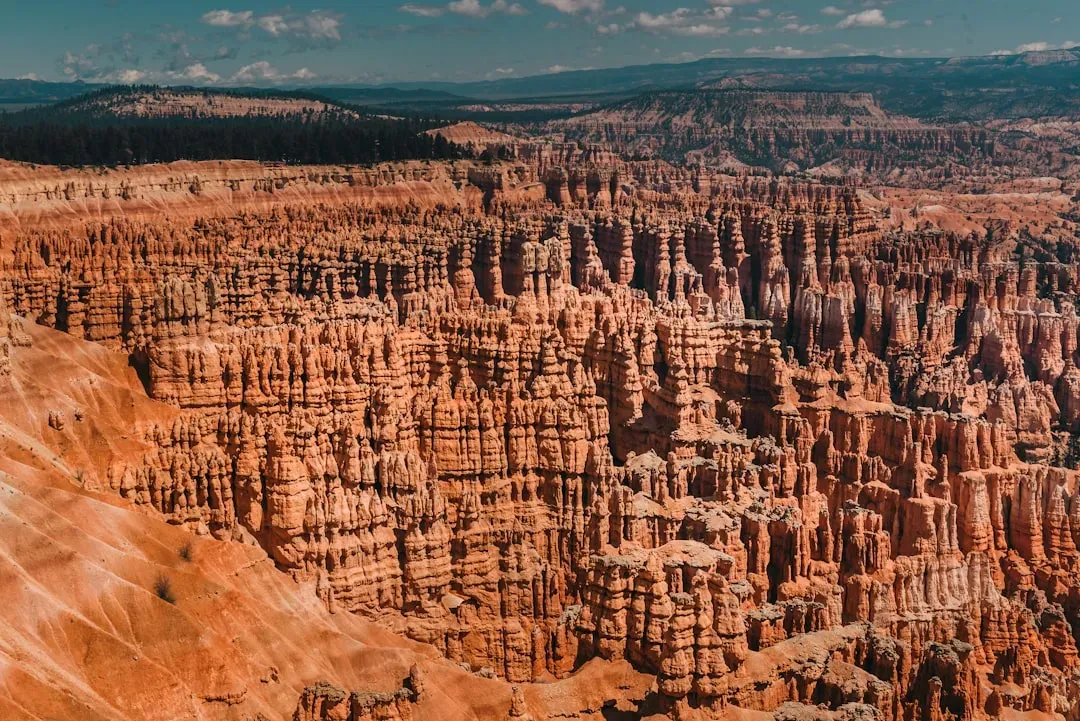
Bryce Canyon is what happens when wind, water, and time decide to get weirdly artistic. Instead of traditional canyon walls, you get an amphitheater full of thin rock spires called hoodoos, rising like an army of stone figures. At sunrise or sunset, these formations light up in layers of red, pink, and orange that look almost painted on. From the rim, you feel like you are staring into a fantasy city carved by some ancient, non-human civilization.
Hiking down among the hoodoos only makes the whole thing stranger. Trails like Navajo Loop and Queen’s Garden take you between towering columns that twist and lean in unexpected ways, like melted candles frozen mid-drip. The air is crisp, the silence is deep, and the scale of everything plays tricks on your sense of distance. It is not hard to imagine Bryce as the set for a distant planet where gravity and erosion follow slightly different rules than they do back home.
3. Death Valley National Park, California & Nevada
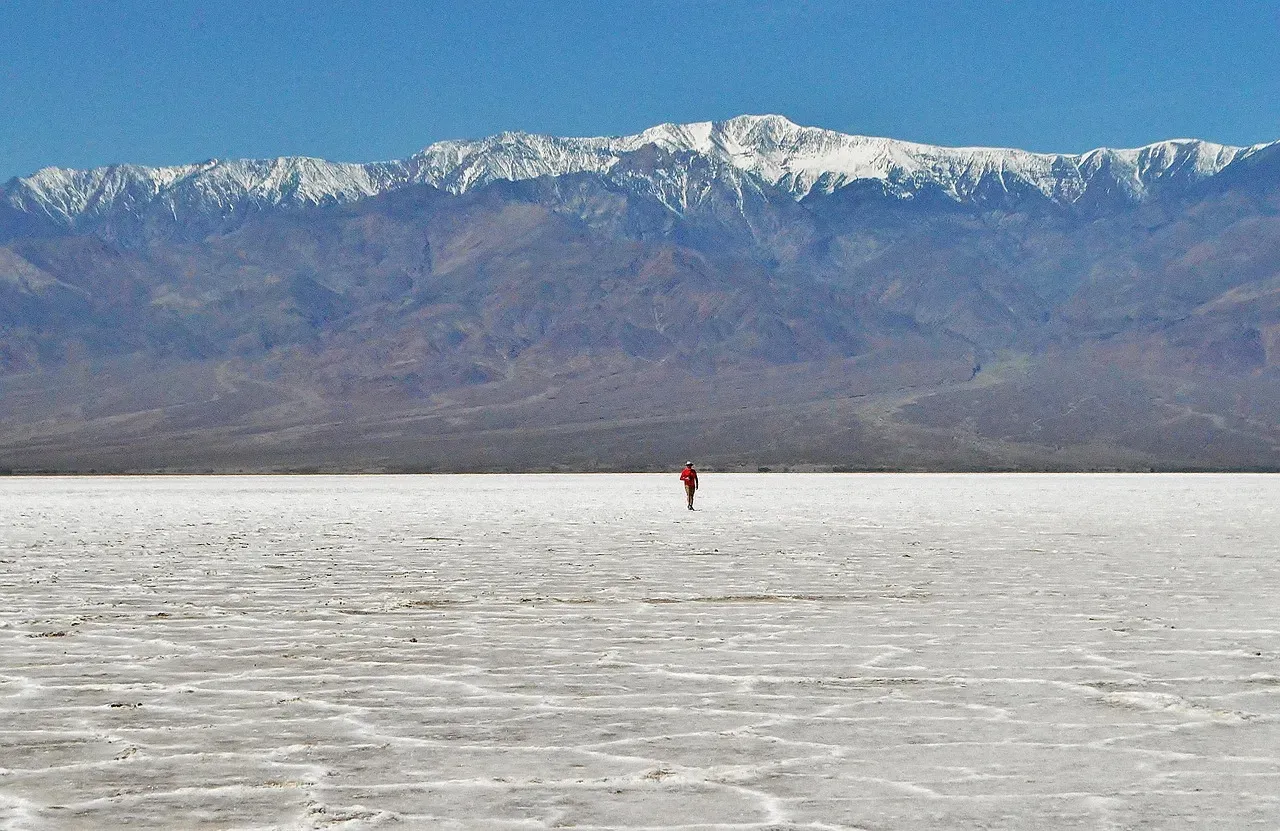
Death Valley looks like it should be hostile to life, and in many ways it is, which is exactly why it feels so un-Earthly. This is one of the hottest, driest places on the planet, with a basin far below sea level ringed by rugged mountains. Stand at Badwater Basin and you are walking across a white salt flat that stretches out like a frozen sea under a merciless sun. On some summer days, the heat radiating from the ground makes the horizon shimmer and warp, as if the entire valley is dissolving.
Yet the shapes and colors here are surprisingly delicate and complex. At Zabriskie Point, rolling hills of tan, gold, and chocolate brown look like they were sculpted out of soft clay. The Mesquite Flat Sand Dunes shift constantly, forming sharp ridges that catch early morning light in a way that feels straight out of a sci-fi movie. It is harsh, silent, and vast, and being there can feel like visiting a test site for human survival on another world.
4. Arches National Park, Utah
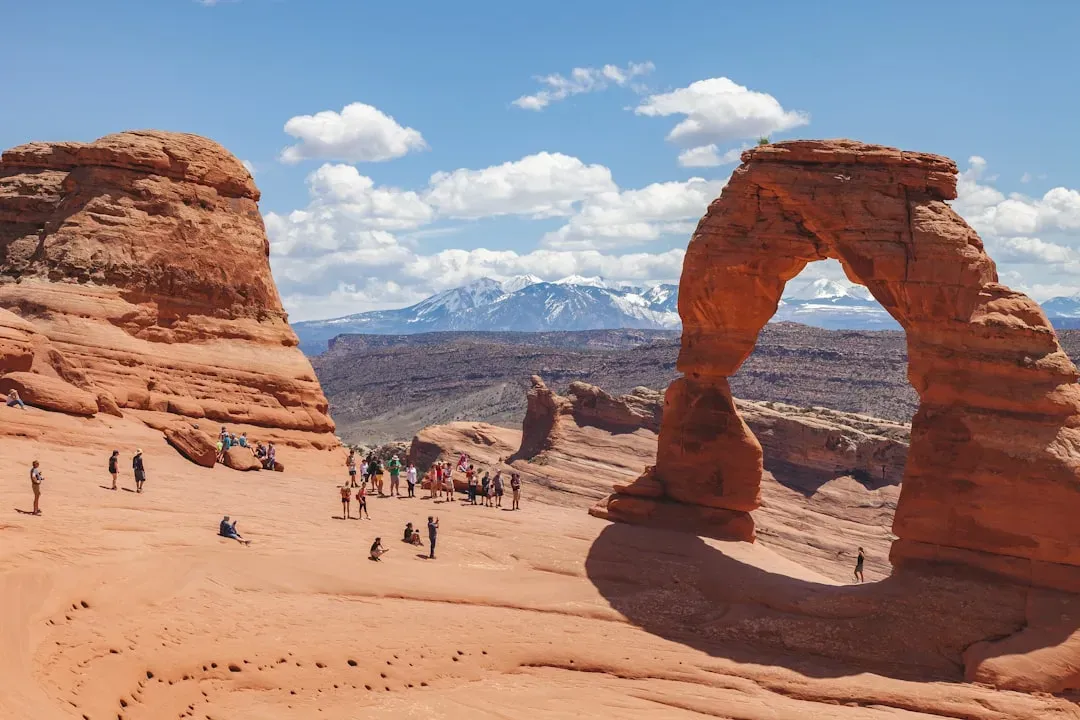
If you have ever imagined wandering around a rocky exoplanet dotted with strange stone loops and windows, Arches is that dream made real. The park is home to thousands of natural sandstone arches, carved over ages by wind, ice, and time. Delicate Arch stands out like a giant reddish-orange sculpture set against distant snowcapped peaks, and seeing it in person at sunset feels almost unreal. The contrast between the smooth curves of the rock and the harsh desert around it adds to that out-of-this-world tension.
But Arches feels alien not just because of its famous icons; it is the everyday landscape that does it. You wander through fins of rock that rise like the ribs of some ancient creature, and you duck under stone spans that frame the blue sky in impossible shapes. Add in dark, star-filled night skies and silhouettes of arches against the Milky Way, and you start to feel like you could step through any rock window and come out on a different planet entirely. I still remember standing under Double Arch at night, half convinced I was inside a giant stone spaceship.
5. Haleakalā National Park, Hawaiʻi (Maui)
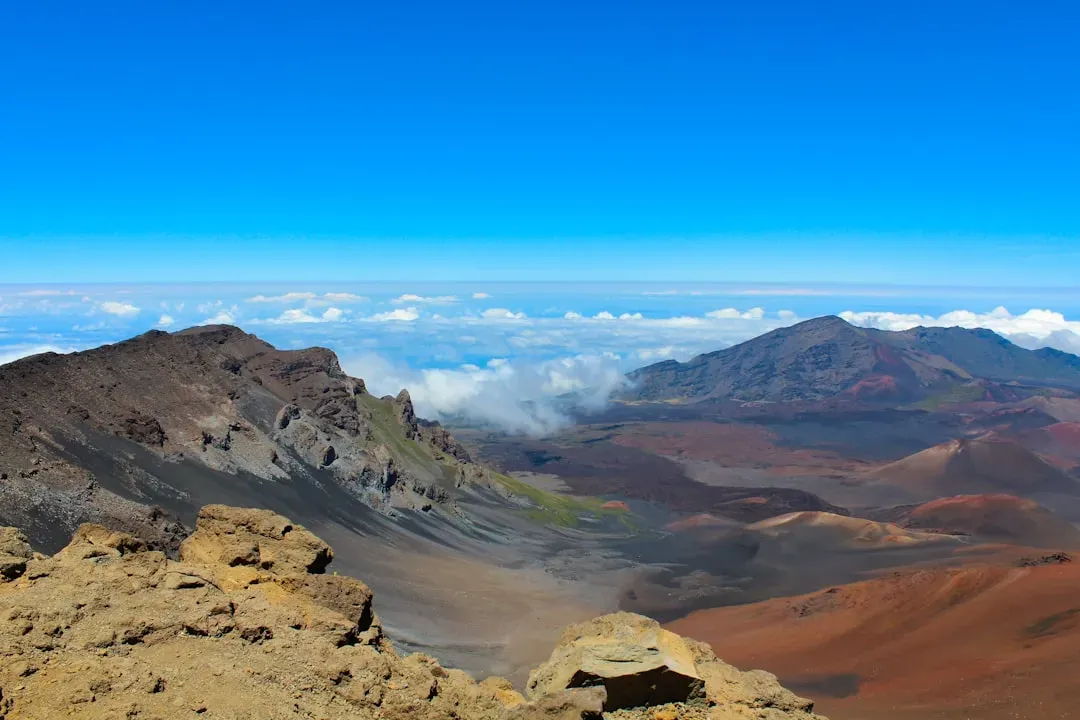
Drive up the slopes of Haleakalā before dawn and you move through cloud layers until the world below disappears. At the summit, you look down into a massive volcanic crater filled with cinder cones in shades of red, brown, and charcoal gray. The whole scene looks like a Martian landscape dropped into the middle of the Pacific, especially when the first light of sunrise paints everything in soft pinks and gold. The air is thin and chilly, and it feels like you have climbed above everyday Earth into some quieter, stranger realm.
What really feels extraterrestrial about Haleakalā is the way life clings to this rugged environment. You can spot rare plants like the silversword, with its metallic-looking leaves that seem more like a sci-fi prop than something that evolved here. Clouds pour over the crater rim like slow-motion waterfalls, erasing and revealing the landscape in waves. It is beautiful, but also oddly detached from the tropical beaches below, like two completely different worlds have been stitched together on one island.
6. Joshua Tree National Park, California
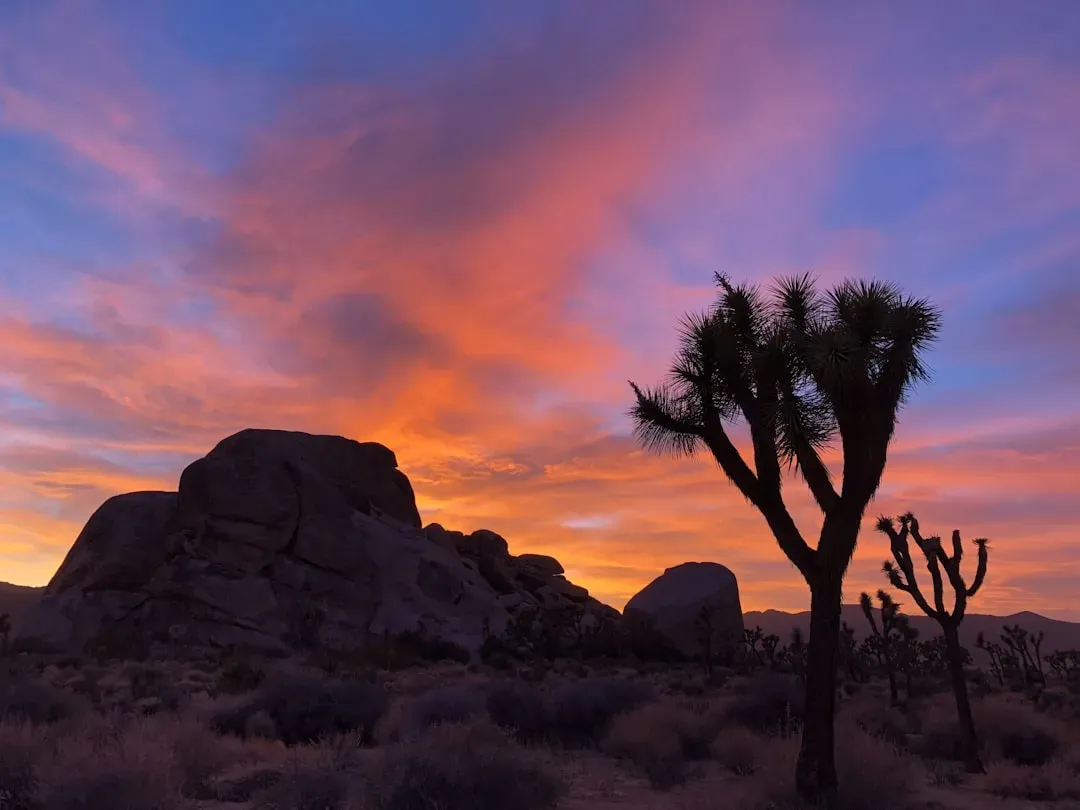
Joshua Tree is the kind of place that makes you question how much caffeine you have had. The namesake trees themselves look like something dreamed up by a cartoonist: spiky branches, twisted trunks, and clumps of dagger-like leaves reaching in all directions. Pair that with massive piles of rounded boulders stacked at bizarre angles, and the result is a desert playground that feels part Dr. Seuss, part distant asteroid. At golden hour, everything glows in soft oranges and purples, and the silhouettes of the trees become even stranger.
At night, the park transforms again as the sky explodes with stars. The desert is so open and dark that the Milky Way feels like a bright river overhead, and the oddly shaped trees look like alien antennae reaching up to meet it. Climbing among the rocks, or just sitting quietly in a wash, you can feel the same silence astronauts describe when they talk about spacewalks: huge, empty, and oddly comforting. It is one of those places where the line between being tiny and being deeply connected to the universe blurs a little.
7. Badlands National Park, South Dakota
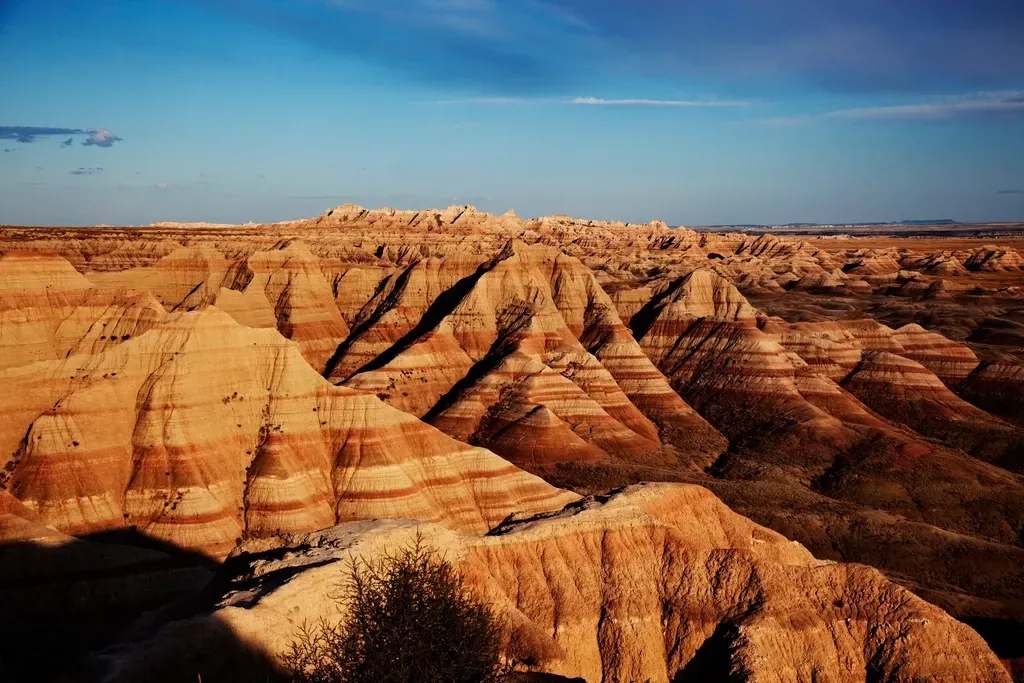
The Badlands look like erosion gone wild. Jagged ridges, broken spires, and striped hills rise out of the prairie in layers of gray, red, and tan, like a stone ocean that has been frozen mid-storm. From a distance, it can look harsh and desolate, almost like a dried-up seabed on some forgotten planet. As you get closer, you start to notice the textures: crumbly surfaces, sharp gullies, and patterns that repeat across the landscape like some giant, natural code.
What adds to the surreal feeling is the collision of past and present. This area is rich in fossils, and scientists have uncovered ancient mammals that once roamed where you are standing now. So you are walking through a landscape that feels futuristic and extraterrestrial, while literally stepping over evidence of Earth’s distant past. In my opinion, that mix is more mind-bending than any special effect; it is a reminder that our planet has reinvented itself many times, sometimes in forms that look almost too strange to believe.
8. Craters of the Moon National Monument and Preserve, Idaho
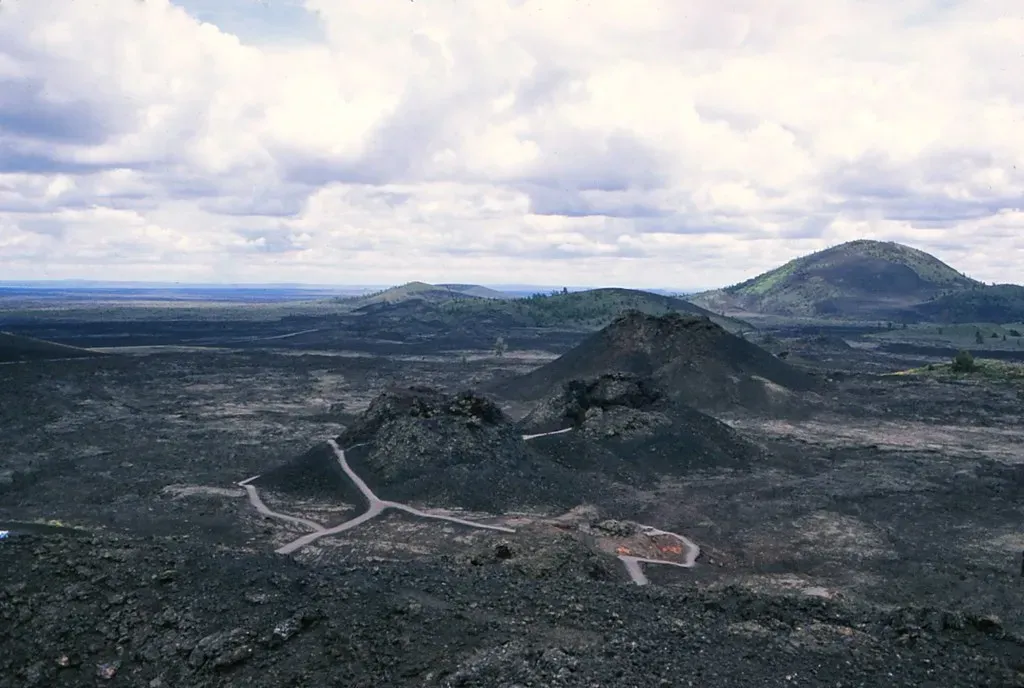
With a name like Craters of the Moon, the place has a lot to live up to, and it absolutely does. This region is a vast expanse of dark lava flows, cinder cones, and twisted rock formations that stretch to the horizon. The ground under your feet is rough, jagged, and often black or deep rust-red, absorbing heat and making the whole area feel a bit like a giant stove. Looking across the landscape, you could easily imagine an astronaut training mission happening just out of sight.
The weirdness is not just visual, it is physical. Lava tubes form caves you can carefully explore, where the air suddenly turns cool and the light drops off fast. Sparse, stubborn plants cling to cracks in the lava, adding tiny shocks of green to an otherwise stark world. It is exactly the kind of place that makes you realize why planetary scientists use it as an analog for volcanic terrain on other worlds. If someone told you this was a field test site for a Mars rover, it would honestly make perfect sense.
9. Great Sand Dunes National Park and Preserve, Colorado
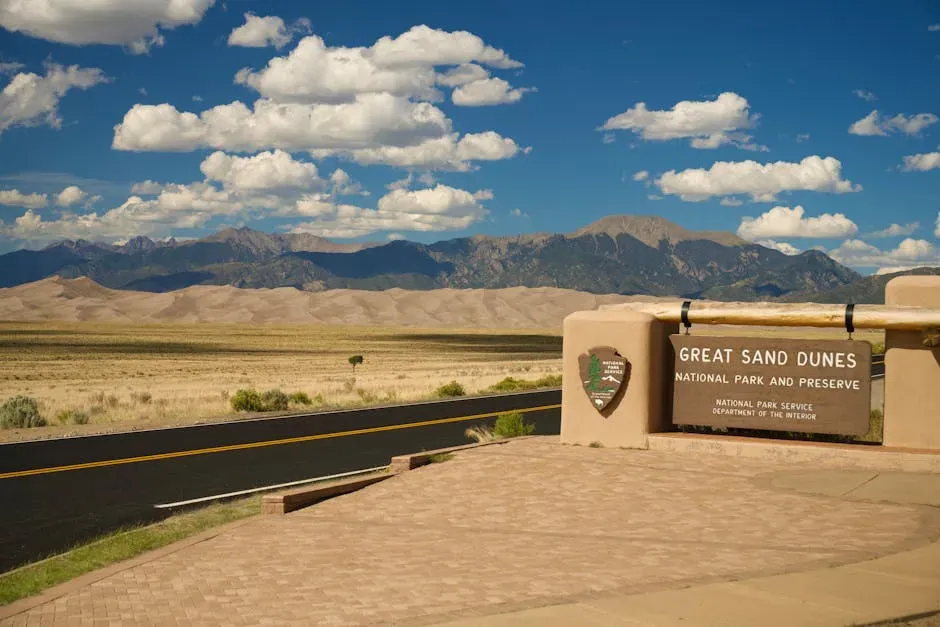
Great Sand Dunes feels like a glitch in the landscape. You are surrounded by typical Colorado scenery – forests, mountains, big sky – and then suddenly, there are enormous dunes rising like golden waves. Some of these sand dunes tower higher than many city buildings, and climbing them is a workout that makes you respect gravity all over again. From the crest of a ridge, you look out on rolling sand framed by snow-capped peaks, and it is hard to find a familiar mental box to put that image in.
On windy days, grain by grain, the dunes shift and reshape themselves, giving the impression of a landscape in constant, slow-motion movement. At sunrise or sunset, the shadows stretch dramatically, carving deep lines between light and dark and making the dunes look even more surreal. In spring and early summer, a shallow creek can appear at their base, so you might find yourself splashing in water at the foot of what looks like a small Sahara. It feels like a desert from another planet accidentally dropped onto a mountain world.
10. Carlsbad Caverns National Park, New Mexico
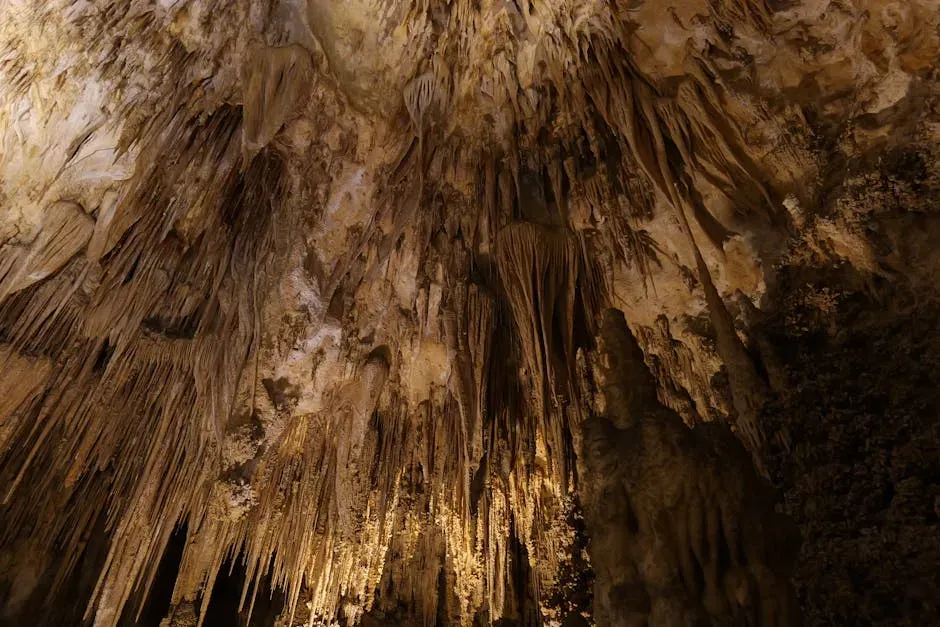
Most of the parks on this list feel like other planets under open skies, but Carlsbad Caverns takes the alien experience underground. Descending into the caverns, you leave daylight behind and enter a world of towering stalagmites, delicate stalactites, and strange formations with names that barely do them justice. The Big Room is so vast it almost feels like an underground cathedral built by geology, complete with stone columns and shimmering mineral draperies. The scale is disorienting, and the quiet is deep enough that every footstep feels amplified.
What really makes it feel extraterrestrial is how completely separate it is from the surface world. Down here, temperature and humidity stay surprisingly stable, and ecosystems have evolved that depend on darkness and subtle chemical clues instead of sunlight. Your headlamp or the park lights pick out shapes that could pass for alien coral or frozen stone waterfalls. Walking the trails, you get the sense of exploring the inner skeleton of a planet, like stepping into the hidden levels of a world you thought you already knew.
11. Glacier Bay National Park and Preserve, Alaska
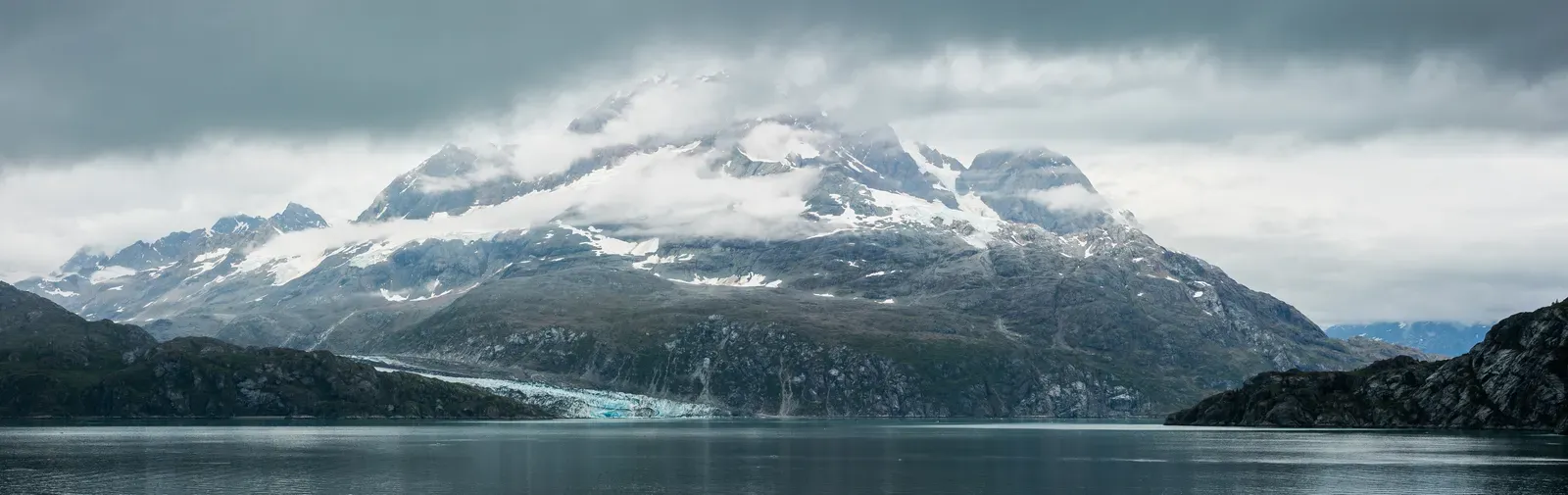
Glacier Bay feels like the edge of a very old, very powerful planet slowly reshaping itself. You move through a maze of deep fjords surrounded by steep, forested mountains and massive glaciers that slide down to the water. Some of these ice giants crack and calve with thunderous roars, sending fresh icebergs drifting into the bay. The scale is so huge that your sense of distance warps; what looks like a small wall of ice can be hundreds of feet tall when you get closer.
The combination of shifting ice, milky-blue water, and low clouds gives the whole place a ghostly, almost primordial feel. Wildlife here – whales, seals, sea birds – moves through this icy world like it is the most normal thing in the universe, while humans feel like temporary visitors. In foggy conditions, the landscape appears and disappears in layers, making you feel like you are drifting through an unfinished world still being rendered. If another planet had cold oceans and active glaciers, this is exactly the sort of wild, raw coastline you would expect to find.
Conclusion: Earth’s Wildest Corners Are Weird Enough
When people talk about alien worlds, they often point their curiosity straight up to the sky, but the truth is that Earth already has landscapes that feel just as strange and mysterious. These eleven national parks are living proof that you do not need a rocket ship to feel like you have stepped off your home planet. From volcanic craters and color-splashed hot springs to fossil-filled badlands and quiet underground palaces of stone, each place bends your expectations of what “normal” nature looks like. Personally, I think these parks are some of the best reminders that our planet is still wild, restless, and full of surprises.
There is an easy mistake we all make: assuming the familiar equals the ordinary, and the faraway equals the exotic. The more time I spend in parks like these, the more convinced I am that the opposite is often true. The truly alien does not always live in distant galaxies; sometimes it is just a long drive, a sturdy pair of boots, and a stepped-out-of-your-comfort-zone mindset away. The real question is not whether other planets hold wonders, but whether we are willing to let Earth amaze us first. Which of these “other planets” are you going to land on next?