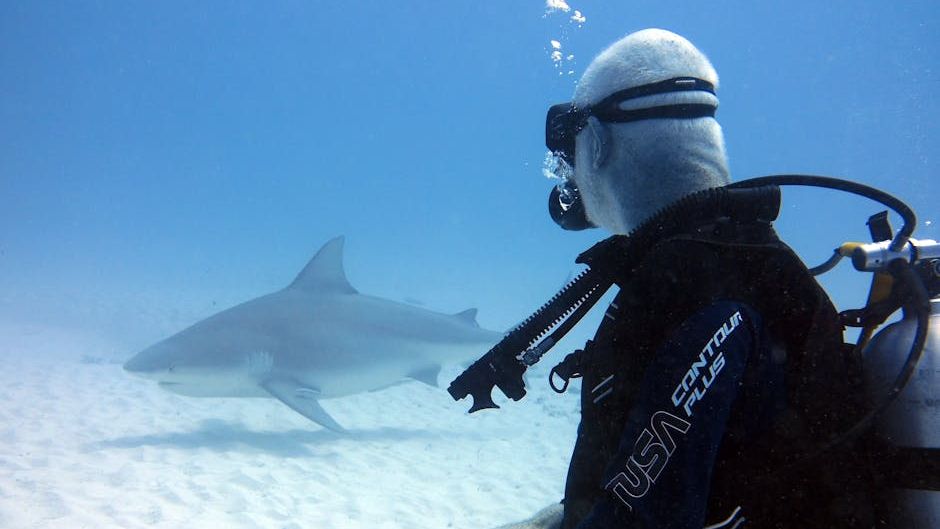
You are waist‑deep in warm Florida water, the sun is doing that perfect late‑afternoon glow thing, and then you see it: a dark shape cutting through the waves, closer than feels comfortable. Your brain flashes the word “shark” and suddenly the whole ocean feels different. That rush of icy fear is completely human, but what you do in the next few seconds matters far more than the fact that a shark is there at all.
Bull sharks have a bit of a bad‑boy reputation, especially in Florida, where they share the coastline, inlets, and murky shallows with millions of swimmers every year. But here’s the surprising part: serious incidents are still extremely rare compared with the number of people in the water. The goal is not to turn every beach day into a panic drill, but to understand how bull sharks behave, what actually draws their attention, and the exact steps to take so you get out of the water calm, safe, and with a story worth telling later.
Understanding Bull Sharks: Why They Feel So Close To Home

Bull sharks are like the SUV of sharks: stocky, tough, and built for all kinds of conditions, from clear offshore water to murky river mouths. Unlike many other sharks that prefer deeper or cooler water, bull sharks are comfortable in shallow, warm coastal zones, which just happens to be the same place humans love to splash around. In Florida, they are especially common near river outflows, estuaries, inlets, and channels where the water can be a bit cloudy and full of fish activity.
What really sets bull sharks apart is their ability to tolerate brackish and even freshwater, so they may travel surprisingly far up rivers and canals. That adaptability is one reason they pop up in stories so often. But it does not mean they are constantly cruising through the swim zone hunting people. Most of the time, they are focused on mullet, baitfish, stingrays, and other natural prey, and they often avoid direct contact with humans. Understanding this can take some of the edge off your fear and help you respond with your head instead of just your adrenaline.
First Rule: Stay Calm Even When Your Heart Is Screaming
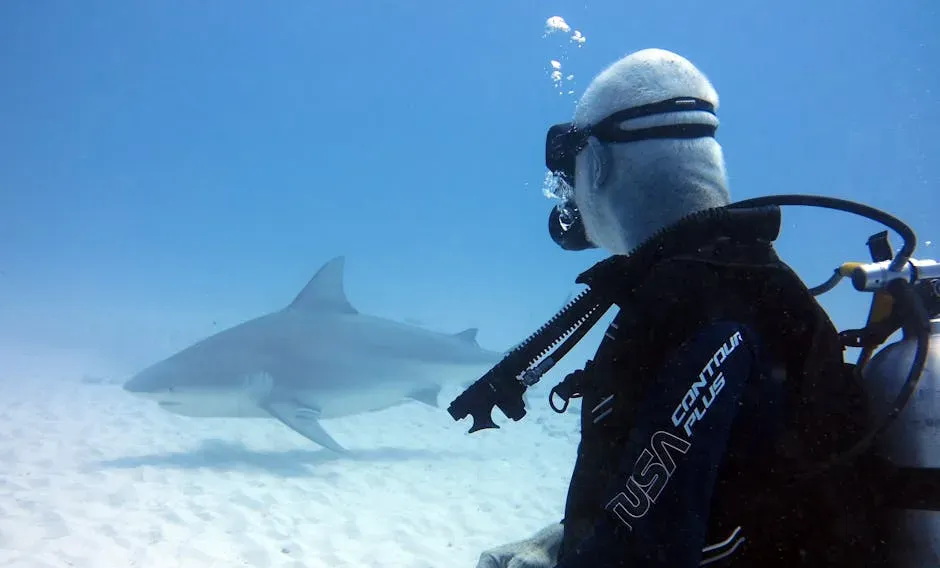
When you realize you might be looking at a bull shark, your body tends to go into automatic overdrive: your heart rate spikes, your breathing speeds up, and the urge to thrash your way to shore feels overwhelming. The problem is that chaotic, splashing movement can look exactly like an injured fish, and that is the kind of signal sharks are wired to notice. Panic also wrecks your ability to think clearly and make good decisions in those crucial few seconds.
Staying calm is not about pretending you are not scared; it is about controlling what your body does with that fear. Take one deliberate breath in and out, focus on keeping your limbs close to your body, and remind yourself that you have a plan. I still remember the first time I thought I saw a shark shadow under me in Florida; my instincts screamed “run,” but forcing myself to slow down actually made everything feel less out of control. Calm in this context is a skill, not a personality trait, and practicing it mentally before you ever get in the ocean makes it easier to access when it counts.
How To Exit the Water Safely Without Triggering Curiosity
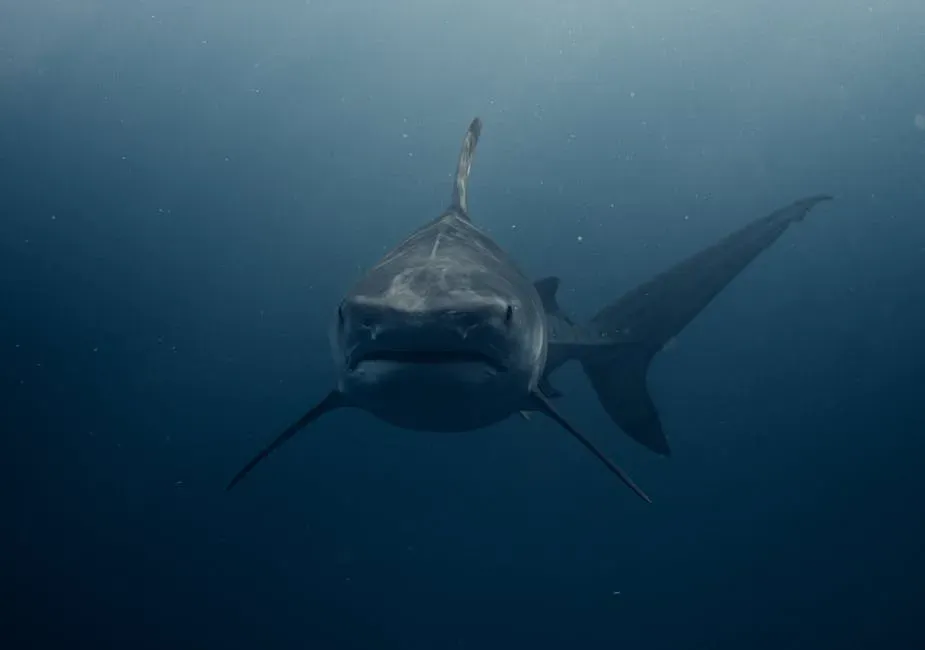
Once you spot what you think is a bull shark, your main goal is simple: get out of the water, but do it like you are trying not to draw attention. Turn your body so you are generally facing the shark as much as you reasonably can, and begin to move toward shore using slow, smooth strokes. Avoid flailing or sprinting; think “steady and controlled” rather than “escape scene from a movie.” Keeping the shark in your field of vision when possible helps you avoid accidentally moving closer.
If you are in deeper water where you cannot stand, use calm breaststroke or sidestroke instead of frantic freestyle kicks. If there are other swimmers near you, speak in a firm but level voice, telling them to head to shore calmly as well. It is tempting to yell and point, but mass panic can cause more danger than the shark itself as people bump into each other, drop children, or lose sight of what is actually happening. Your quiet, focused exit sends a signal that something is serious, but manageable.
Reading the Shark’s Behavior: Passing By vs Potential Threat
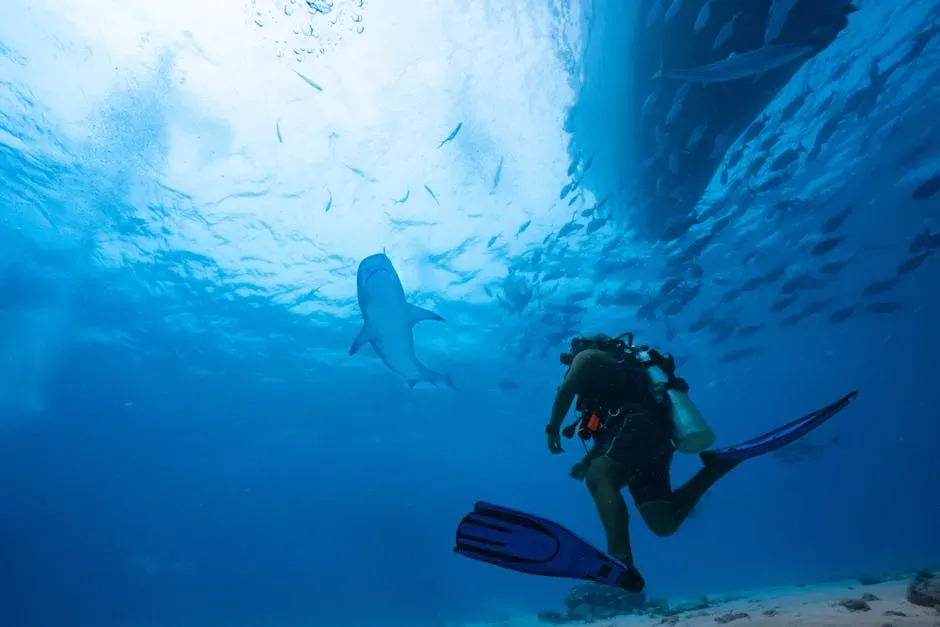
Not every shark you see is interested in you, and that is especially true for quick, single passes where the animal keeps its distance. If the bull shark is simply cruising parallel to the shore or gliding past outside your group, chances are high it is just on its regular patrol. A shark that does not change speed or direction because of you is usually treating you like background noise. In that situation, you still get out, but you can be even more deliberate and less dramatic about it.
On the other hand, you should treat certain behaviors as stronger warning signs. Repeated close passes, sudden changes in direction toward you, quick bursts of speed, or exaggerated side‑to‑side “zigzag” approaches can signal curiosity or agitation. If a bull shark lifts its head or snout higher than usual or hunches its back slightly, that can also indicate it feels challenged. You do not need to decode every nuance like a marine biologist, but you should interpret a shark that keeps circling or keeps narrowing the distance as a clear cue to leave the water immediately and as calmly as you can.
What To Do If a Bull Shark Comes Uncomfortably Close

In the rare situation where a bull shark comes within very close range, your mindset shifts from “get out smoothly” to “make yourself a bad target.” Turn to face the shark as much as possible, keep your body vertical in the water, and do not curl up or turn away completely. Sharks are more likely to investigate something that looks weak or unaware. Maintaining eye contact and a squared posture sends the message that you notice it and will not be easy to test.
If the shark makes a tentative bump or brushes past, which is usually exploratory rather than a full attack, you defend yourself with focused, sharp actions, not wild thrashing. Use any solid object you have – board, snorkel, camera, even a swim fin – to push or jab toward the sensitive areas like the snout or gills. If you have only your hands, aim for the nose, eyes, or gill slits with quick, strong strikes. Then resume that controlled, steady movement toward shore. I know this sounds terrifying, and it is, but it is also one of those scenarios where a few prepared moves in your mental toolbox can turn total helplessness into at least a fighting chance.
Protecting Kids and Others in the Water With You
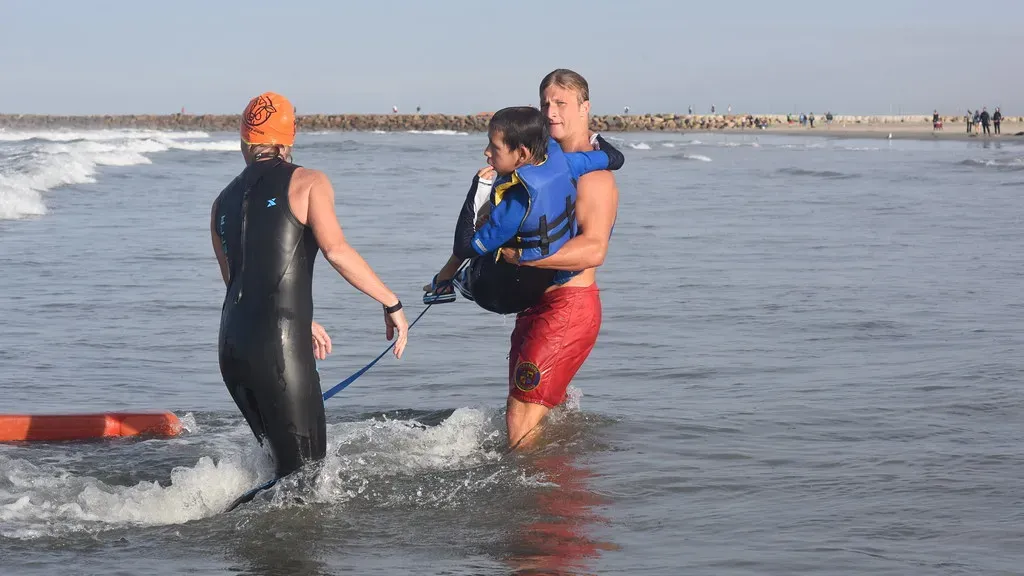
If you are a parent or the “responsible adult” of the group, your instinct will be to grab your kids and bolt, which is understandable but can quickly turn chaotic. Instead, draw children or weaker swimmers close to you, placing them slightly in front of you as you move toward shore so you stay between them and the shark’s general direction. Encourage them to float or kick gently rather than thrash, and speak in short, calm instructions: “Hold onto me. Slow kicks. We are going in now.” Your tone often matters more than your exact words.
In a group of adults, resist the urge to scatter in all directions. Staying relatively clustered (without climbing on each other) makes it easier for lifeguards or people on shore to track what is happening, and it reduces the random splashing that comes with people fleeing solo. If someone panics, get close enough to steady them by the arm or hand and match your strokes to theirs, guiding them without yanking or dunking them. The hidden reality of many shark‑related incidents is that human panic, disorganization, and trampling injuries can cause more actual harm than the animal that started the alarm.
Preventing Shark Encounters Before You Even Get In

The smartest move you can make about bull sharks in Florida often happens long before you see a fin. Avoid swimming near river mouths, inlets, fishing piers, and bait‑heavy areas, especially when the water is cloudy or choppy. Bull sharks love those spots because that is where their prey congregates, which also means there is more scent, more activity, and more risk of mistaken identity. Early morning and late evening, when light is low and contrast is poor, are also times when you are harder to distinguish from a struggling fish.
You can also stack the odds in your favor with some basic personal choices. Skip swimming with open cuts or shiny jewelry that flashes like fish scales. Try not to wear high‑contrast outfits that make you stand out like a neon sign in murky water. Whenever possible, swim near staffed lifeguard towers rather than remote stretches of coastline; lifeguards are usually the first to notice shark activity and call people out of the water. These steps do not guarantee you will never see a bull shark, but they tilt the risk heavily in your favor in a way that quietly adds up over years of beach days.
Listening to Lifeguards, Flags, and Local Knowledge
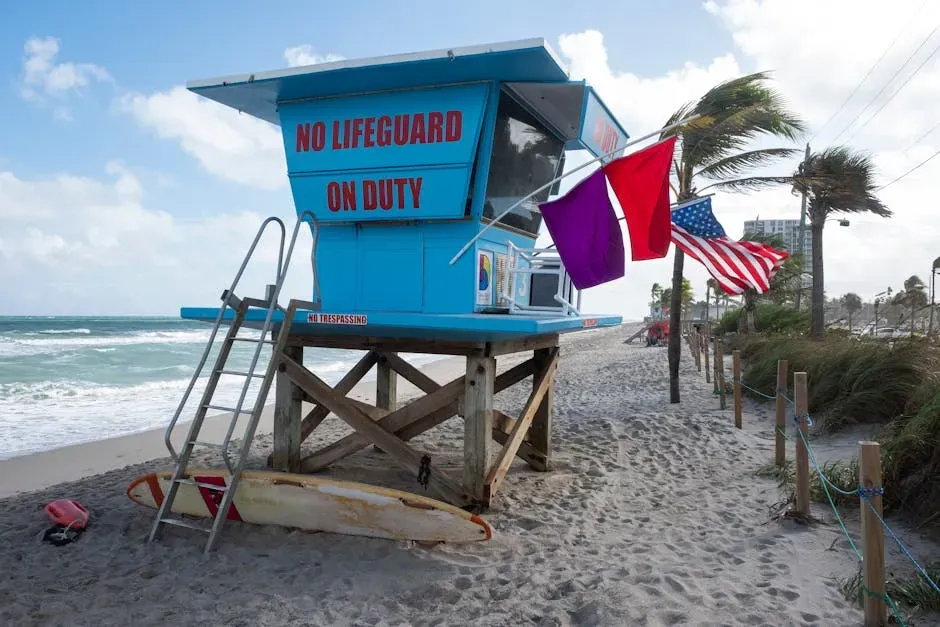
One underrated shark safety tool at Florida beaches is the colored flag system and the people who raise those flags. A purple flag, for example, often signals the presence of dangerous marine life, which can include sharks, stingrays, or jellyfish. If lifeguards clear the water or advise caution because of recent sightings, they are not trying to ruin your vacation; they are leaning on patterns they have watched unfold day after day that you cannot see from a single afternoon’s visit. It is worth respecting that experience, even if the water “looks fine” to you.
Local surfers, anglers, and long‑time residents also carry a kind of informal ocean database in their heads. They know which inlets tend to be sharky at certain tides, when bait runs happen, and which sandbars hold more fish (and therefore more predators). Striking up a casual conversation – asking when and where they feel safest swimming – can give you practical, real‑world intel that no tourist brochure covers. In my experience, these chats not only make you safer, they also make you feel more connected to the place you are visiting rather than just skimming along the surface of it.
Why Fear Bull Sharks Less but Respect Them More

It is easy to let bull sharks live rent‑free in your head, especially when headlines and stories highlight every dramatic encounter. But when you zoom out and compare the number of people who enter Florida waters every year to the tiny portion who are ever seriously harmed by a shark, the picture changes. The real story is not that bull sharks are lurking everywhere waiting for you; it is that humans and sharks share busy coastal spaces constantly, usually without incident. That alone suggests these animals are not mindless villains, but apex predators doing their job in an ecosystem we have chosen to visit.
My own view is a bit blunt: we should fear bull sharks less in a movie‑monster way, and respect them more in a neighbor‑with‑power kind of way. If you walk into a power plant, you do not panic every second, but you do follow safety rules and respect the systems around you. The ocean deserves that same attitude. Knowing how to react if you spot a bull shark – stay calm, exit smoothly, protect your group, heed local signals – turns a potentially terrifying moment into a manageable one. And maybe that is the real question to carry with you: instead of asking whether the ocean is completely safe, ask whether you are as prepared as you could be to share it with what lives there.