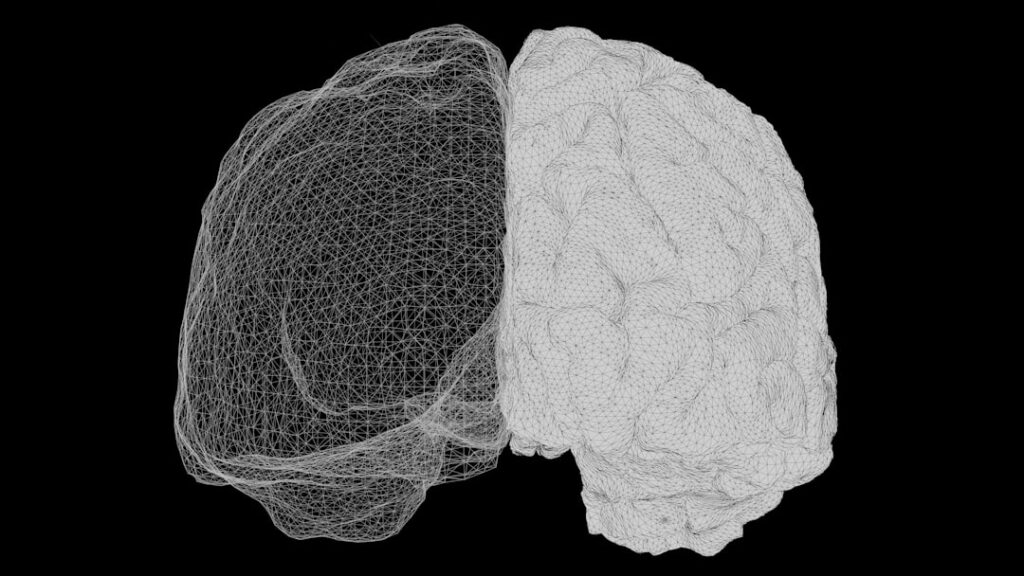
There is something quietly shocking about the idea that your awareness, the feeling of being you, might not switch off like a light but fade, flicker, and possibly surge in strange ways as the brain begins to fail. People who have been resuscitated talk about vivid scenes, a powerful sense of peace, or watching their own body from above, and yet, from a medical point of view, they were flatlined. That tension between experience and biology raises a haunting question: what is the mind actually doing in the final minutes of life?
In this article, we’ll walk through what science knows so far about the dying brain and the awareness that seems to cling on longer than you’d expect. We’ll look at what monitors pick up in hospitals, what people recall after near-death experiences, how oxygen and electricity shape consciousness, and where speculation begins. Along the way, I’ll add some personal reflections and analogies, because this isn’t just about neurons; it’s about what might happen in your own final moments. It’s a heavy topic, but understanding it can oddly make life feel more urgent, more meaningful, and less ruled by fear.
The First Cracks: How the Brain Starts to Fail Before Death
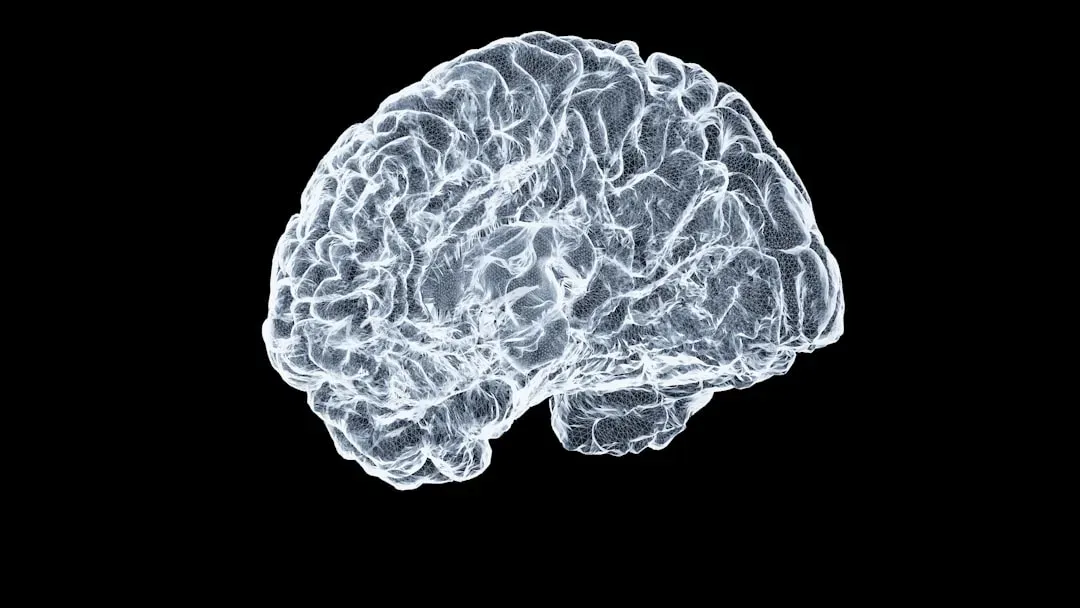
When the brain begins to die, it rarely happens all at once; it is usually a staged collapse where different systems fail at slightly different times. Circulation drops, blood pressure falls, and the brain receives less oxygen and glucose, the two main fuels that keep neurons firing and networks humming. At first, people often drift into confusion, agitation, or a hazy state where they fade in and out of lucidity, like a radio station sliding in and out of static. This is the period where awareness is still present but increasingly unstable.
As oxygen levels keep dropping, some brain regions become “offline” sooner than others, especially higher-order areas in the cortex that support complex thought, language, and self-awareness. The brainstem, which keeps breathing and heart rate ticking along, is a bit more rugged and can continue for a while even as thinking and memory structures are struggling. This mismatch can create a strange in-between state where basic reflexes still work but the rich inner world of the person is fragmenting. From the outside, that might look like sleep, but from the inside, awareness might feel like a glimmer behind thick fog.
Flatlines and Flickers: What Hospital Monitors Actually Show
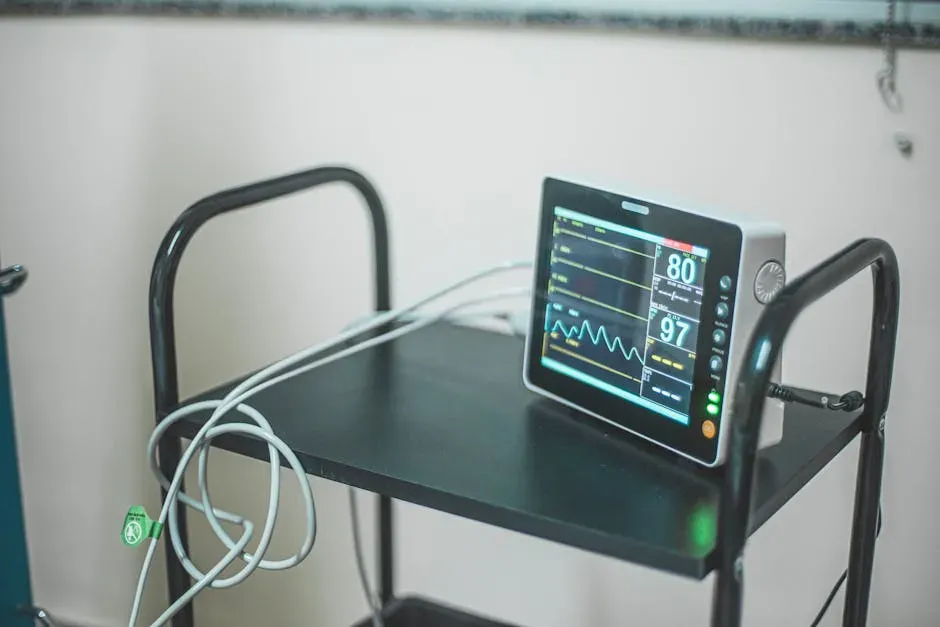
One of the biggest myths is that when a heart monitor goes flat or a brain scan looks quiet, awareness must already be gone. In reality, the tools we use at the bedside are rough snapshots of a massive, intricate system and they can miss short bursts of activity. Electroencephalograms, or EEGs, capture patterns of electrical activity on the surface of the scalp, and in some dying patients they’ve shown brief surges of organized activity just as circulation stops. These bursts can look oddly similar to patterns seen in dreaming or waking states in healthy people.
That doesn’t mean the person is definitely having vivid experiences, but it strongly suggests that the brain, even in its last moments, is not always a dull fade to black. Instead, it can show a final, intense storm of coordination before going quiet. When doctors declare someone clinically dead, they are talking about measurable functions like heartbeat, breathing, and detectable electrical patterns, not a guaranteed absence of any inner experience. So from a purely technical point of view, there is a small “gray zone” where our instruments say “no obvious signal,” but the question of awareness is still not fully settled.
Near-Death Experiences: Clues or Wishful Thinking?

Near-death experiences, or NDEs, are some of the most emotionally charged pieces of this puzzle. People report leaving their bodies, moving through tunnels, meeting deceased relatives, or feeling intense peace and acceptance. What makes these reports hard to dismiss outright is that many come from individuals who had no detectable heartbeat for a short time and needed to be resuscitated. They describe detailed scenes in the operating room or emergency department that they seemingly should not have been able to witness in a normal way.
There are several scientific theories that try to make sense of NDEs without jumping to supernatural conclusions. One idea is that when the brain is under extreme stress, certain chemicals surge, networks misfire, and perception becomes distorted, producing bright lights, tunnel vision, or a sense of detachment. Another is that the memory of events before and after the arrest gets stitched together in a way that feels continuous, even if there were gaps. Personally, I think NDEs are real experiences that people genuinely have, but that does not automatically prove anything about life after death; it does, however, strongly hint that awareness can be vivid at the very edge of biological collapse.
The Dying Brain Wave: The Final Electrical Storm
In recent years, researchers have recorded what looks like a final wave of electrical activity sweeping across the brain just as it loses blood flow. This wave, sometimes compared to a kind of massive depolarization, marks neurons dumping their stored charge as they can no longer maintain normal energy balances. From a cellular point of view, it is like the last chaotic exhale of an entire city’s power grid failing in slow motion. After this wave passes, the chances of meaningful recovery of function drop dramatically unless blood flow is restored very quickly.
The intriguing part is that just before or during this wave, some brains show a temporary increase in organized rhythms, almost like a final rally. Animal studies and rare human recordings suggest that the brain might briefly become hyper-synchronized, which could theoretically create a short, intensified window of awareness or vivid internal experiences. We do not know exactly what those experiences would feel like from the inside, and it’s important not to romanticize them without evidence. Still, the idea that consciousness might flare up one last time before dissolving adds a surreal twist to how we imagine our own ending.
Oxygen, Blood Flow, and the Shrinking Island of Awareness
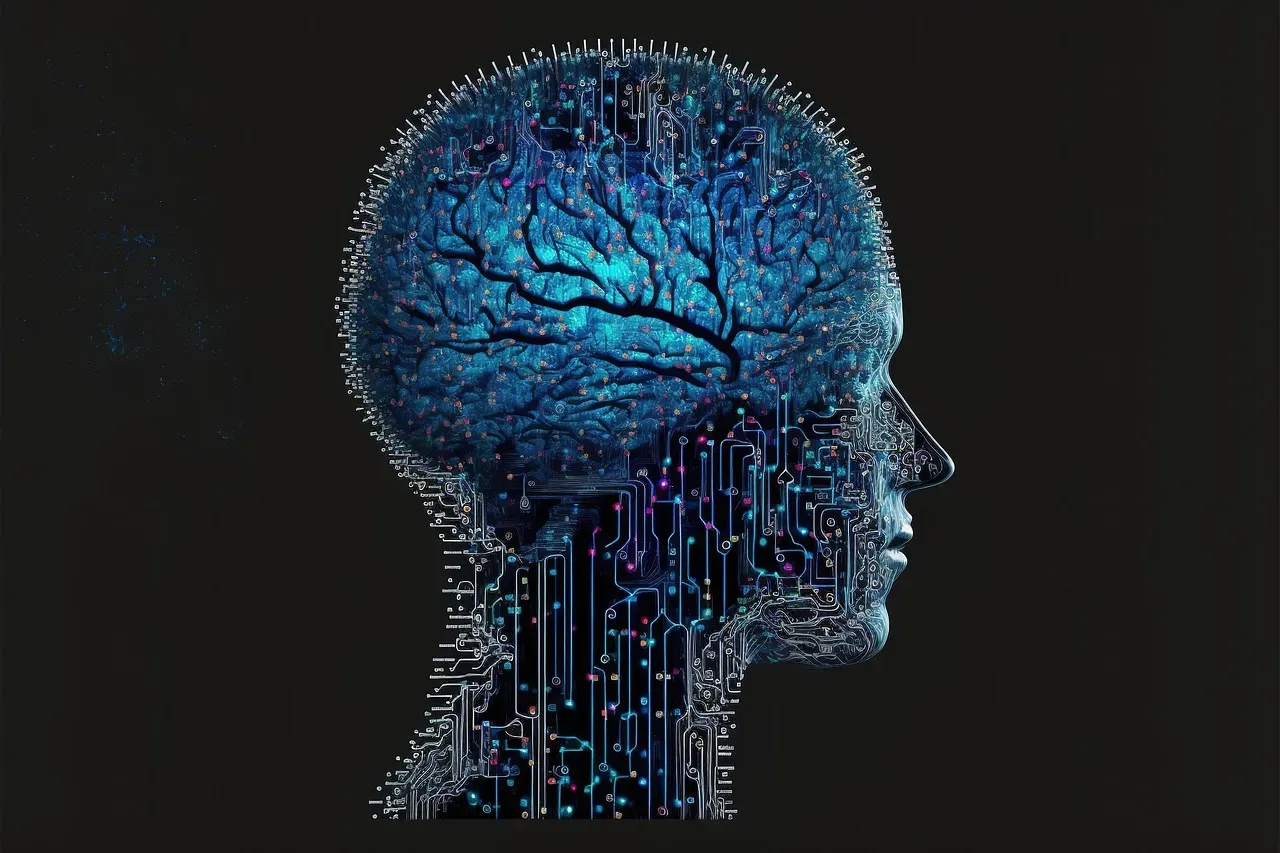
All of this machinery runs on something basic: oxygen delivered by blood flow. When blood flow drops below a certain threshold, regions of the brain begin to fail at different speeds; areas most hungry for energy, like parts of the cortex and hippocampus, suffer first. Awareness is thought to depend on widespread communication across many regions, so as those connections break down, consciousness likely becomes more fragmented. You can imagine it like a city at night where neighborhoods lose power one by one until only a few streets are lit.
In intensive care units, clinicians constantly track things like blood pressure, oxygen saturation, and intracranial pressure because they know that small improvements can keep that “island” of functioning brain tissue alive a bit longer. When these supports are withdrawn, such as during end-of-life decisions, the brain’s last chance to sustain awareness fades quickly. The subjective experience might feel like slipping into a deeper and deeper sleep, or it might feel like a rapid, disorienting collapse; we do not have precise data here. What we do know is that without oxygen and blood flow, the biological basis for ongoing awareness disappears in minutes, not hours.
Memory, Time, and Why Final Moments Can Feel Stretched
A fascinating twist is that what we later call our “final moments” might not be a real-time recording of the actual seconds before the brain shuts down. Memory is a reconstruction, and intense emotional events are encoded differently than routine ones. In emergencies, people often report that time slows down, colors sharpen, and small details stand out in almost absurd clarity. This is likely because stress hormones and arousal systems in the brain crank up, tagging certain fragments of experience for strong storage.
When someone survives a cardiac arrest or traumatic event, the brain pieces those tagged fragments together into a story that feels continuous and meaningful, even if, in reality, there were blank spots or scrambled order. That means what someone remembers as their “last seconds” before blacking out may in fact be a stitched-together highlight reel from before and after the worst moment. So when we ask what happens to awareness as the brain begins to die, we also have to accept that our access to that story comes through a storyteller that edits, compresses, and occasionally invents transitions. The raw experience and the later memory are not identical twins.
The Emotional Side: Fear, Peace, and Letting Go

It is easy to talk about neurons and blood flow and forget that there is a person living through this slow shutdown. For many people, the idea of brain death triggers a primal fear of fading into nothing, of having their inner voice silenced forever. Interestingly, many reports from those who have approached death and come back describe not terror, but an unexpected calm or sense of acceptance. That does not prove anything mystical, but it suggests that the brain might have built-in ways to soften the edges of the experience, much like it can dampen pain or blunt traumatic memories.
In hospice settings, family members often notice that a dying loved one becomes less focused on details and more on simple presence, touch, and familiar voices in the room. Even when they no longer respond with words, subtle changes in breathing or facial expression seem to show that something in them still registers comfort and connection. I remember sitting by a grandparent’s bed, talking into what felt like a void, and yet feeling strongly that on some level they still recognized the sound and tone of my voice. If the brain is slowly dimming the lights, it often leaves the emotional circuits burning just a little longer, which is strangely merciful.
Where Science Ends and Mystery Begins

Right now, science can describe many of the physical steps of brain death with impressive detail, but it still struggles with the core mystery: what it is like to be inside that process as a conscious subject. We can chart waves, blood levels, and survival timelines, but awareness itself is not something that appears neatly on a monitor. That gap breeds a lot of speculation, from spiritual explanations to elaborate brain-based models of consciousness. Personally, I think it is honest to say that we have strong clues but not a complete map, and anyone presenting a perfectly certain answer is overreaching.
At the same time, the evidence we do have points in a clear direction: awareness depends on an active, integrated brain, and when that brain loses oxygen and connectivity beyond a certain point, sustained consciousness is no longer biologically plausible. There might be brief bursts, strange transitions, and powerful final experiences as networks fail, but not an endless continuation without a working organ. To me, that makes life feel less like a dress rehearsal and more like a one-time performance worth showing up for fully. If the end is a fade-out rather than a sudden cut, maybe the real question is not what happens in the last thirty seconds, but what we choose to be aware of in all the minutes leading up to them.
Conclusion: A Fiercely Finite, Deeply Valuable Awareness
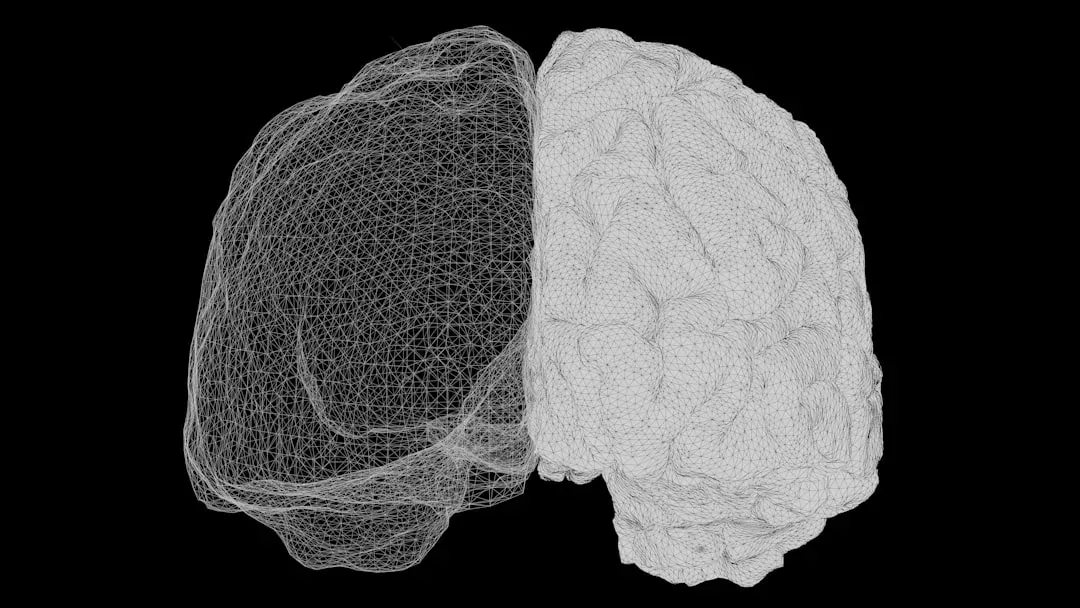
When you put all the pieces together, the story of human awareness as the brain begins to die is sobering but not hopeless. The brain does not simply switch off; it stumbles, fights, and sometimes flares with a final burst of organized activity before going dark. Near-death experiences, last waves of brain activity, and emotional quiet near the end all hint that our final chapters of awareness might be more complex and, in some cases, gentler than our worst fears. Yet the bulk of the evidence still says that when the brain’s energy supply and networks fail beyond rescue, the awareness we know ceases with it.
My own opinion is that this finiteness is not a flaw but a feature that gives our experiences their sharpness and meaning. Knowing that your inner world is tied to a fragile, biological organ makes every clear morning, every shared laugh, and even every hard conversation feel less disposable. Instead of clinging to the hope of endless awareness after the brain dies, I think the more honest and powerful move is to honor the awareness we have right now and use it well. In the end, the real mystery might not be what happens in the last flicker, but what we choose to notice while the lights are still fully on; what will you decide is worth paying attention to while you are here?