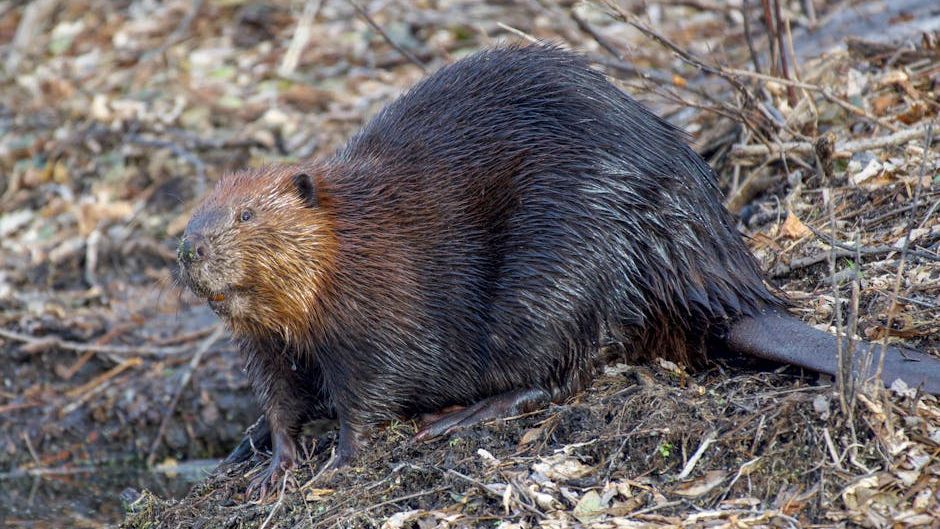
Imagine the forest waking up earlier each year, not because the sun changed, but because the climate did. That is essentially what scientists are seeing in beavers: as temperatures rise, you watch these tireless builders clock in days earlier than before, quietly reshaping streams and wetlands ahead of schedule. You are not just looking at a quirky animal story here; you are staring straight at a living, furry indicator of how fast the natural world is adjusting to a warming planet.
In new research, scientists found that for roughly every one degree Celsius increase in spring temperatures, which is about every one point eight degrees Fahrenheit, beavers begin their construction season close to six days earlier. When you think about that shift multiplied across many years, it adds up to a dramatic change in timing. And because beavers are ecosystem engineers, their new schedule nudges whole landscapes, from the water table to the plants and animals that depend on their dams.
The Surprising Link Between Warmer Springs and Earlier Beaver Labor
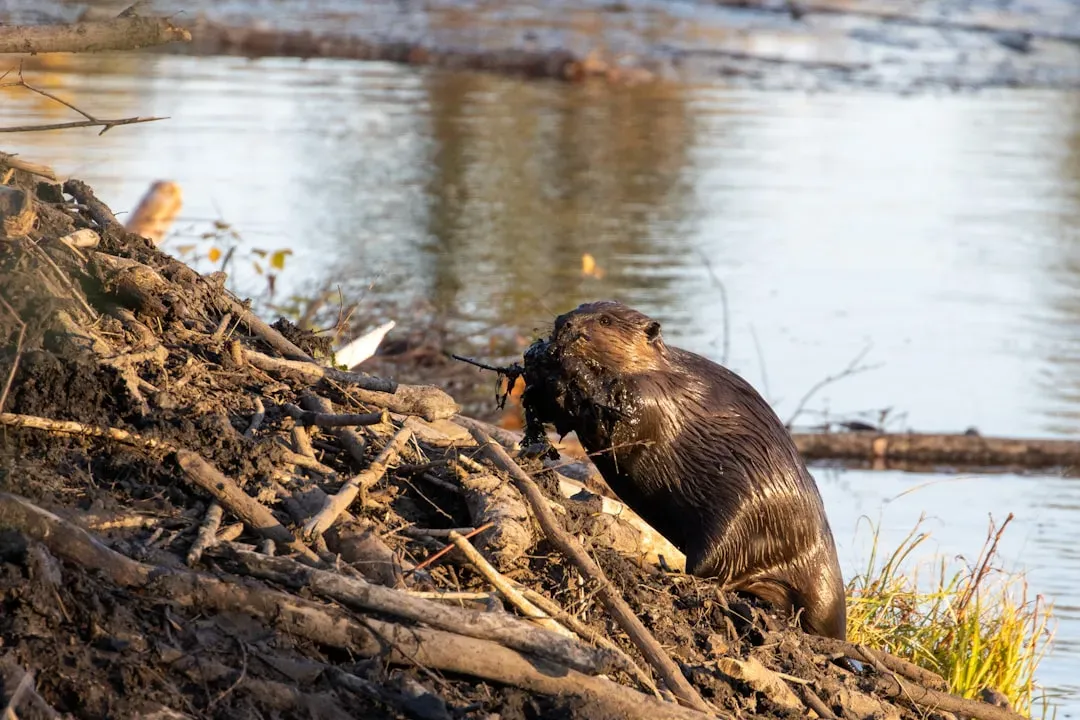
You might assume that beavers just follow some hardwired internal calendar, but you actually see them responding very directly to temperature. As springs get milder, snow melts earlier, ice breaks up faster, and rivers open sooner, and that means the moment when a beaver can safely move and haul wood without battling thick ice arrives ahead of the old schedule. In practical terms, a warmer spring becomes an earlier green light for them to start repairing old dams and building new ones.
What grabs your attention is how consistent this pattern looks over time and across different study areas. When scientists compare long-term observations of beaver activity with local temperature records, you see a clear trend: roughly every one point eight degrees Fahrenheit of warming is associated with about six days of earlier work. You are not talking about a random good year or bad year; you are watching climate steadily slide the start of the beaver work season further toward winter’s edge.
Why Six Days Earlier Actually Matters More Than It Sounds
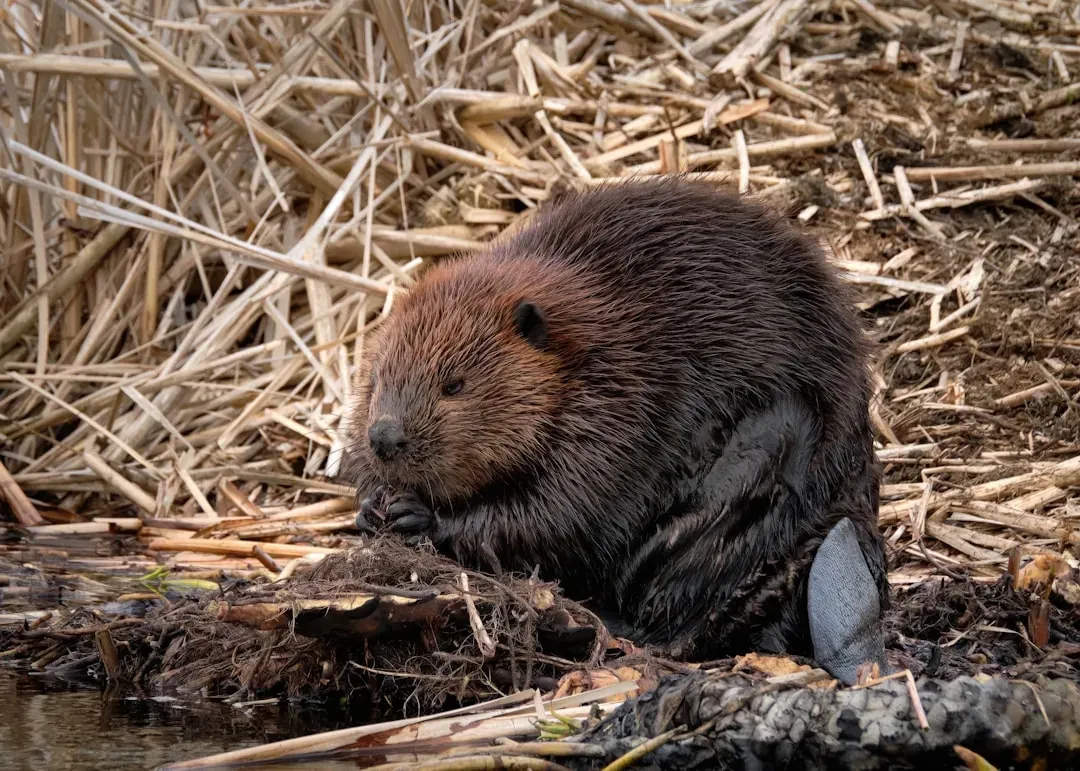
At first, six days probably sounds tiny to you, almost like a rounding error in the big picture of climate change. But when you zoom out over multiple decades, you realize those six days can stack into weeks of shift in seasonal timing. If your local springs are a couple of degrees warmer now than they were in your grandparents’ youth, you are looking at beavers starting crucial ecosystem work many days, maybe even a couple of weeks, earlier than the historical norm.
That earlier kick-off gives beavers extra time to alter watercourses, deepen ponds, and flood small valleys before the heart of the growing season. You end up with wetlands that form sooner, hold water longer, and change the way soil thaws and plants sprout. To you, this might just look like a pond that appears a bit earlier each year, but for insects, amphibians, birds, and fish, it can completely rearrange the timing of breeding, feeding, and migration.
How Beavers Use Temperature Cues to Time Their Engineering
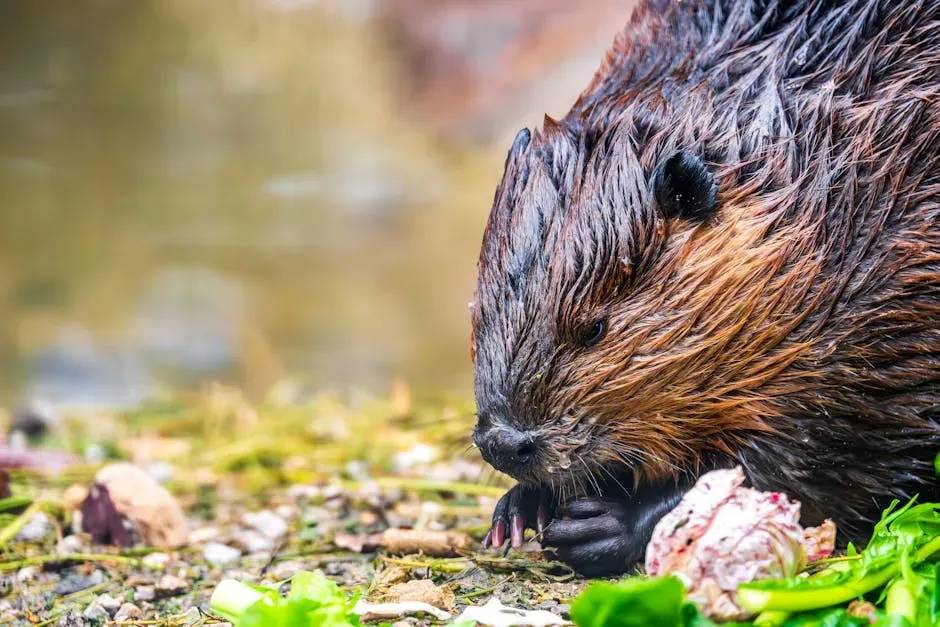
When you watch a beaver colony over the course of late winter and early spring, you notice that they are not responding to a calendar date; they are responding to conditions. You see them expand activity when ice thins enough to swim freely, when water levels rise from snowmelt, and when overnight lows stay just warm enough to ease their movements. Rising temperatures act almost like a signal to you turning off the heating and opening your windows; everything just becomes easier, and that is when they get to work.
Instead of picturing beavers checking a clock, think about them as reading a complex set of natural hints: water flow, ice thickness, daylight, and the feel of the air. When those hints consistently arrive earlier because springs are warmer than before, you watch their behavior shift earlier too. You could say the climate is rewriting the beavers’ work schedule, not through conscious choice, but through the changing environment that surrounds them every single day.
What Earlier Beaver Dams Mean for Streams, Ponds, and Wetlands
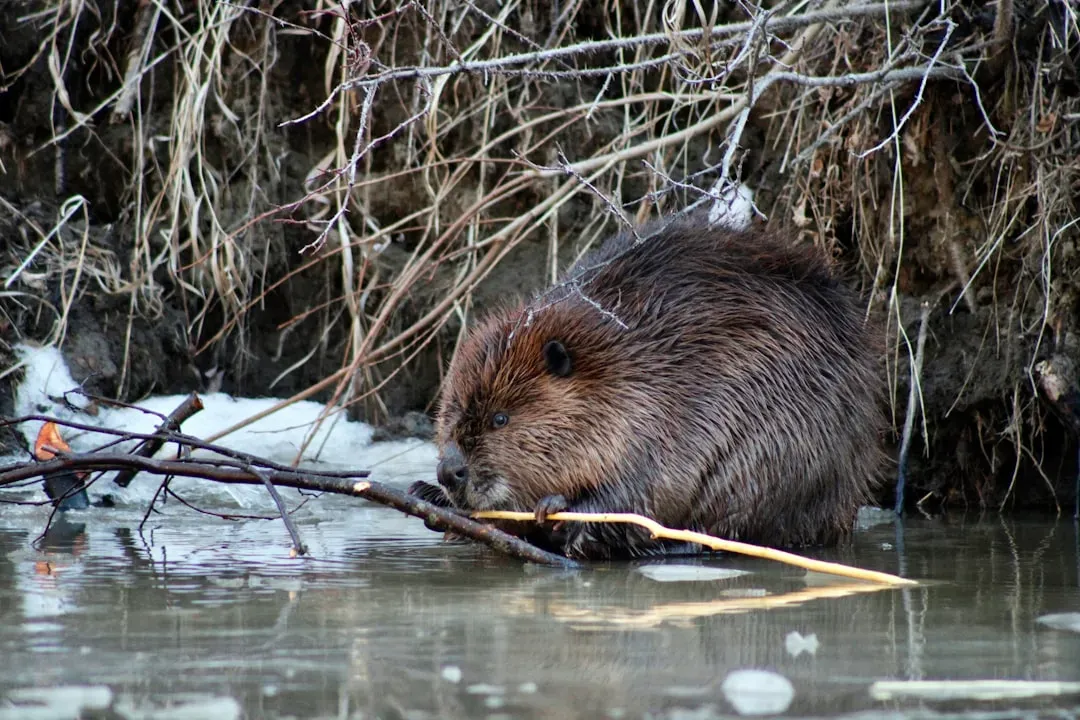
Every time a beaver builds or repairs a dam, you watch a chain reaction unfold through the landscape. Water slows, pools form, sediment settles, and side channels can flood, transforming what might have been a simple stream into a patchwork of ponds and marshy edges. When that transformation starts earlier in the year, you give these watery habitats a longer season to shape which plants grow, how insects hatch, and where other animals can find shelter.
If dams go up earlier because of warmer weather, you also see earlier changes in how water is stored and released in a watershed. Instead of spring runoff just racing downstream, more of it gets trapped behind these living walls of wood and mud. For you, that can mean creeks that hold more water into the dry months, but it can also mean altered flood patterns and shifting erosion along the banks. Earlier beaver labor does not just rearrange twigs; it quietly redraws water maps.
Climate Change, Beavers, and Shifting Ecological Calendars
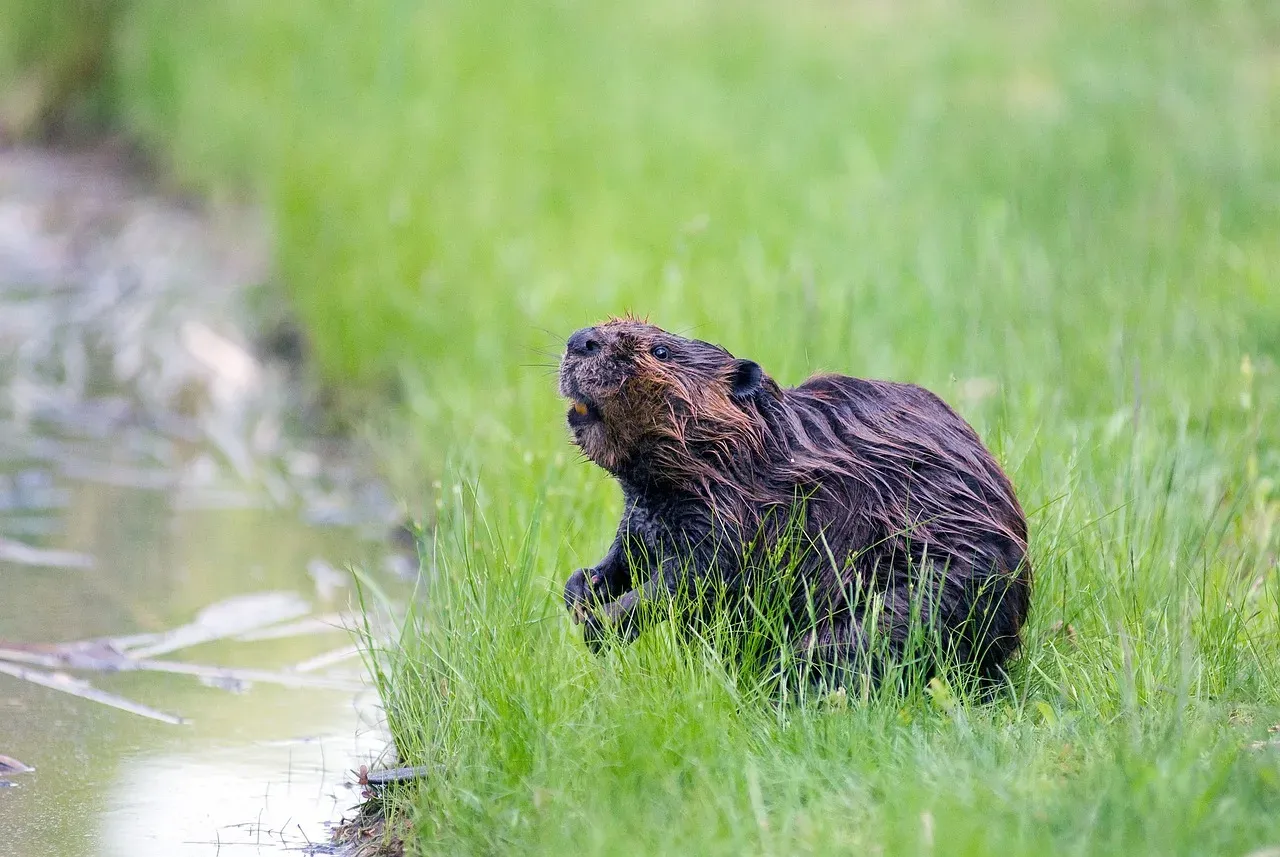
When you think about climate change, you probably picture melting glaciers or rising seas, but what you are seeing with beavers is another side of the same story: shifting ecological calendars. Scientists call this phenology, the timing of seasonal events like flowering, migration, and breeding. Beavers starting work six days earlier for every one point eight degrees Fahrenheit of warming fits right into a broader pattern where plants leaf out sooner, insects emerge earlier, and birds adjust their arrival dates.
The tricky part for you is that not every species speeds up in sync. If beavers advance their schedule while other species lag, you get mismatches. For example, ponds created earlier might favor some insects or amphibians that can take advantage of longer wet conditions, while others that still follow older timing could find habitats already changed when they arrive. When you look across a whole ecosystem, these little timing gaps can ripple out into new winners and losers in the landscape.
Beavers as Climate Sentinels You Can Actually Observe
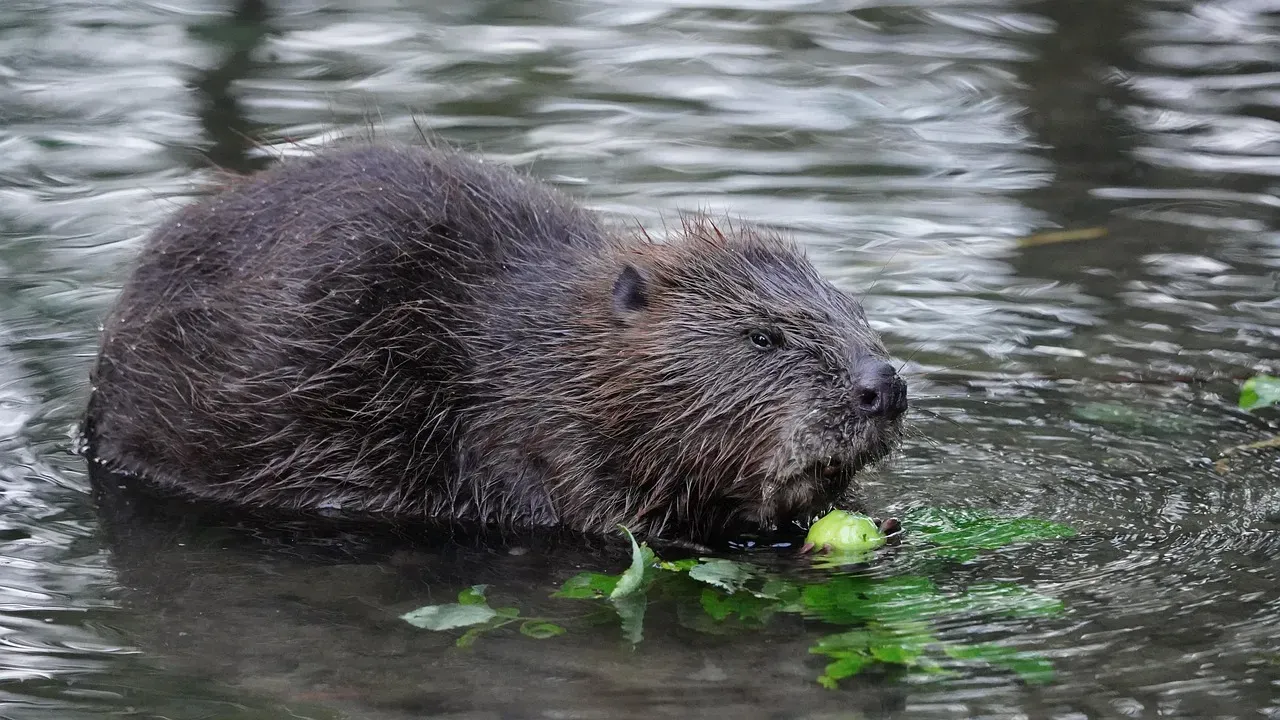
One reason beavers are so fascinating to you in this context is that they are big, visible, and leave unmistakable signs of their labor. You do not have to be a scientist to spot gnawed stumps, fresh mud-packed dams, or new lodges appearing in a pond. As their work season creeps earlier, you can literally walk along a stream near your home and see the evidence with your own eyes, like nature leaving sticky notes about a warming world.
Because their engineering is so dramatic, researchers often treat beavers as sentinels, the way miners once used canaries. Changes in their timing, locations, or construction intensity can help you flag where and how climate pressures are reshaping land and water. Instead of just reading about climate trends on a chart, you can think of beaver-built ponds, new wetlands, and shifting dam patterns as three-dimensional graphs etched into forests, valleys, and mountain foothills.
How Earlier Beaver Activity Can Help and Sometimes Hurt
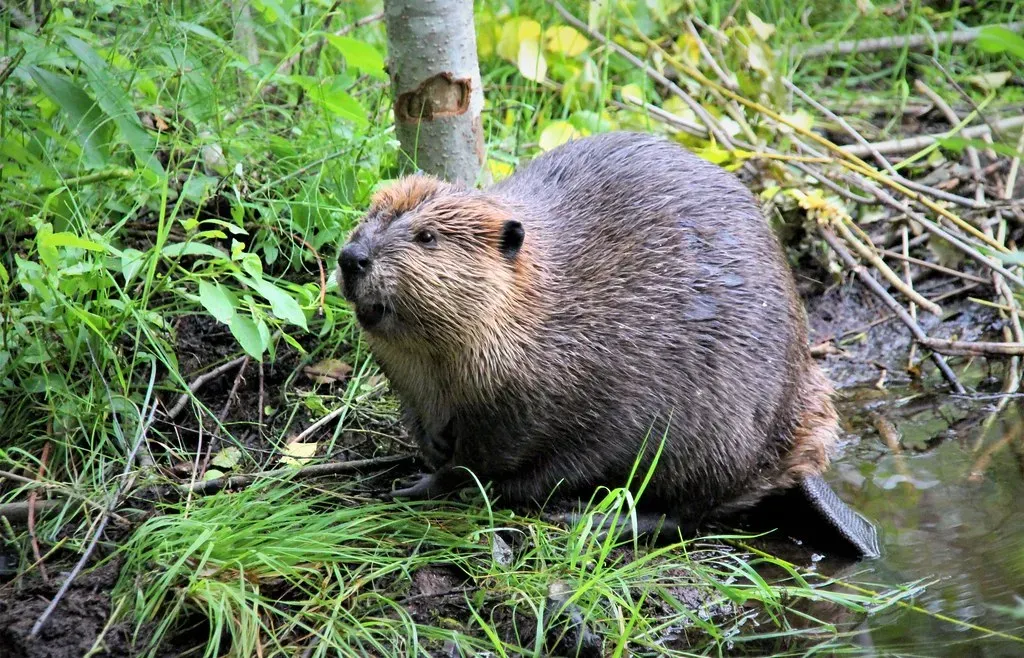
Beavers have a reputation for being both heroes and headaches, and earlier activity sharpens both sides of that story for you. On the helpful side, when beavers start sooner, their ponds can store more water before summer hits, strengthening natural resilience to drought and lowering downstream fire risk in some landscapes. Their wetlands can filter water, support diverse wildlife, and even cool local temperatures by increasing evaporation and shading.
On the challenging side, if you live near agricultural land, roads, or infrastructure, earlier and more extensive beaver work can flood fields, undermine culverts, and cause costly damage. When their calendar moves forward due to warmer temperatures, that means conflicts can start earlier in the year too, sometimes before maintenance crews or land managers are prepared. So while you can value their ecological benefits, you also need to think about smarter coexistence strategies as their seasonal rhythm shifts.
What This Discovery Tells You About the Future of Wild Landscapes
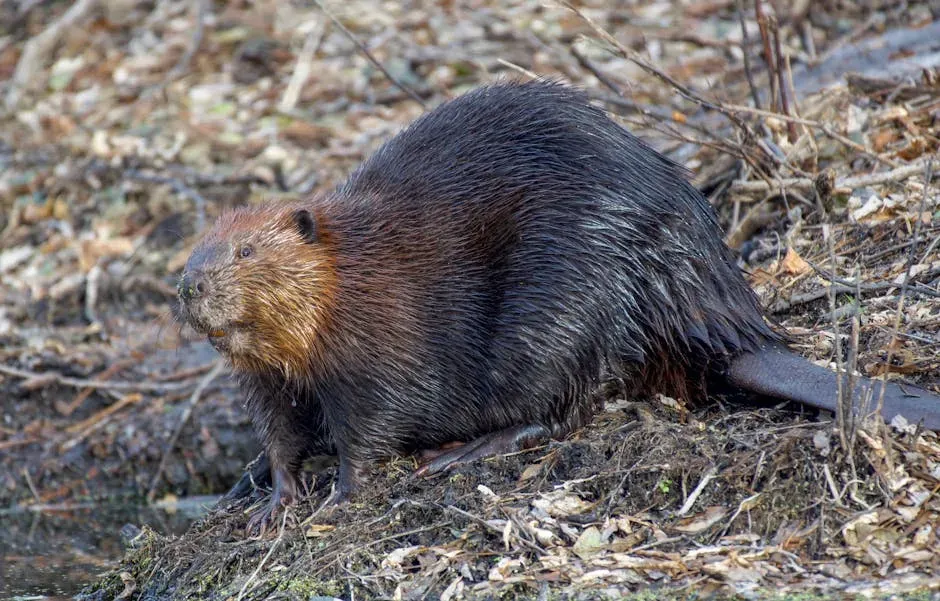
When you put this all together, the idea that beavers start work roughly six days earlier for every one point eight degrees Fahrenheit of warming stops being just a quirky finding and becomes a glimpse into your future environment. It tells you that as temperatures climb, the living systems around you will not stand still; they will reorganize their timing, behaviors, and relationships in ways you can already measure. Beavers are simply one of the clearest, most hands-on examples of that reshuffling.
This discovery invites you to think differently about climate change, not just as an abstract global issue, but as a daily shift in when and how life around you gets things done. If even a sturdy, hardheaded engineer like a beaver is starting its building projects earlier because the world is warmer, you can expect thousands of subtler changes playing out quietly in forests, grasslands, rivers, and cities. The real question for you is whether you will pay attention to those signals and adapt as thoughtfully as the beavers seem to be doing.
Conclusion: Reading the Climate Story Written in Wood and Water
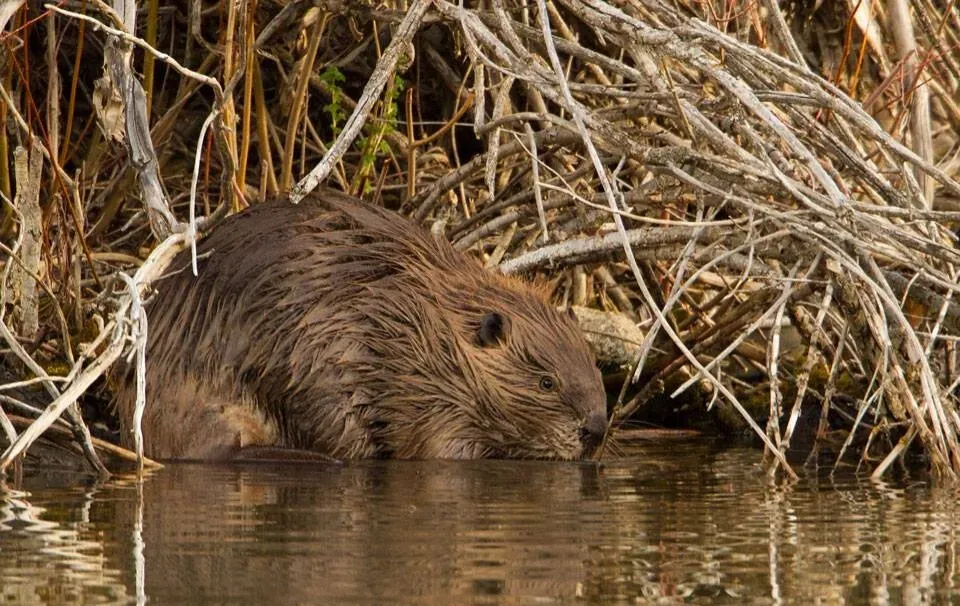
As you picture beavers pushing into their busy season nearly a week earlier for every small rise in temperature, you are really watching climate change translated into wood chips and ripples. Their dams, ponds, and lodges become a kind of handwriting across the landscape, showing you how warming nudges the natural world into a new schedule. Instead of thinking of climate change as something distant, you can see it right there in the earlier splash of tails, the fresh mud on dams, and the ponds spreading across once-dry channels.
If you start treating beavers as guides rather than background characters, you gain a clearer sense of how quickly and deeply your environment is shifting. Their earlier work is a reminder that time itself in nature is being rewritten, day by day, degree by degree. So the next time you pass a beaver pond or notice fresh chew marks on a riverside tree, you might ask yourself: if these animals are already changing their plans, how will you change yours?