The Universe’s Biggest Black Holes Aren’t Born, They’re Built – Image for illustrative purposes only (Image credits: Unsplash)
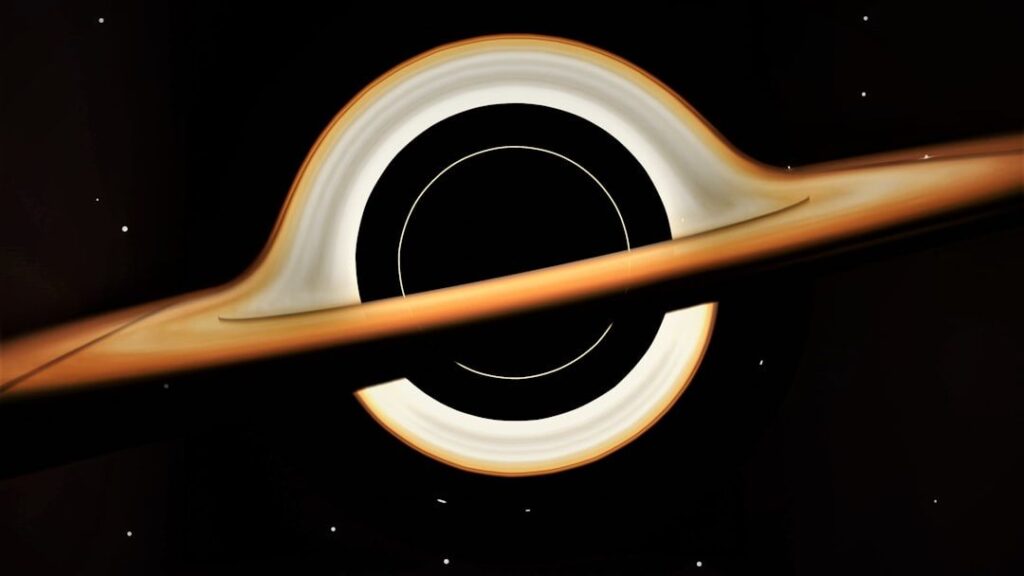
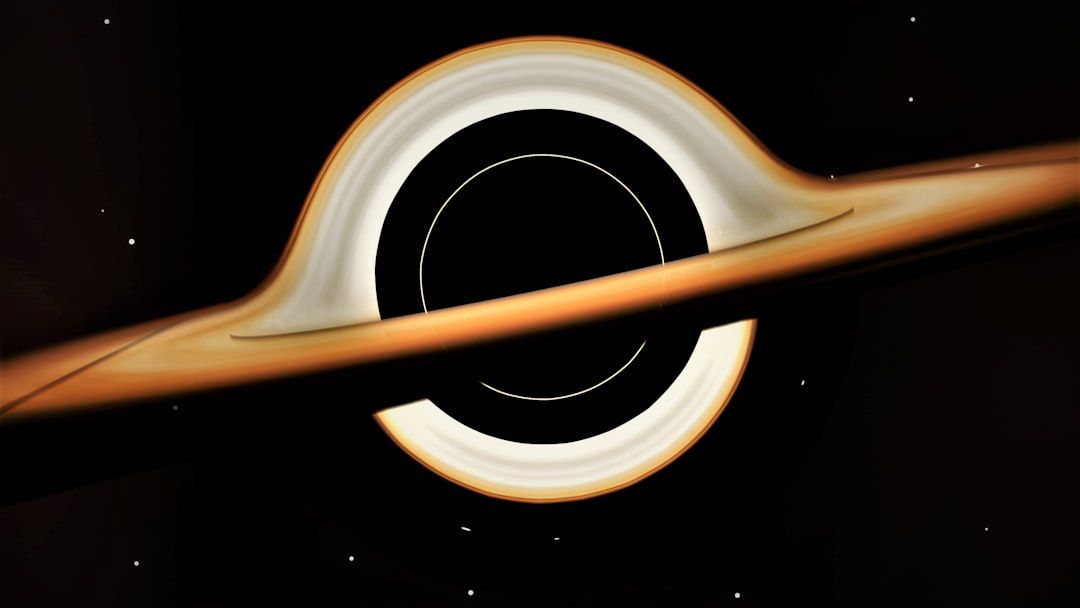
Most black holes form when a single massive star exhausts its fuel and collapses under its own gravity. That process produces objects of modest size. Yet the heaviest black holes detected so far, identified through the faint gravitational waves they emit, appear far too large to have arisen in isolation. New research from Cardiff University indicates these giants grow instead through repeated mergers inside the densest star clusters.
Why Single-Star Collapse Falls Short
Stellar evolution sets a firm upper limit on the mass of a black hole created by one star. Once a star reaches the end of its life, the remnant it leaves behind rarely exceeds roughly fifty times the mass of the Sun. Anything heavier requires additional mass to be added after the initial collapse. Without a mechanism to supply that extra material, the largest observed black holes remain difficult to explain through ordinary stellar death alone.
Observations of gravitational-wave events have repeatedly shown mergers involving objects well above this threshold. These signals point to black holes that must have assembled their mass over multiple generations rather than in a single event.
How Dense Clusters Enable Growth
Star clusters packed with thousands of stars create the right conditions for repeated encounters. In such environments, black holes can capture companions, merge, and then capture new partners in quick succession. Each merger adds mass while the cluster’s gravity keeps the objects from escaping. Over time, this chain of collisions produces black holes several times heavier than any single star could form.
The process is inefficient in sparse regions of space, where black holes drift apart after forming. Only the highest-density clusters supply the frequent close encounters needed for sustained growth. Models show that a handful of such clusters can account for the heaviest events recorded to date.
Cardiff University Findings on Hierarchical Mergers
The Cardiff study examined how black-hole populations evolve inside realistic cluster simulations. Researchers tracked the outcomes of successive mergers and found that the heaviest objects emerge only after several generations of collisions. The work highlights that the final mass depends less on the initial stars and more on the number of mergers a black hole experiences before the cluster disperses.
| Formation Route | Typical Mass Range | Key Requirement |
|---|---|---|
| Single-star collapse | Up to ~50 solar masses | One massive progenitor star |
| Repeated cluster mergers | 100+ solar masses | High stellar density and multiple encounters |
What Remains Unclear
While the simulations demonstrate that cluster mergers can produce the observed heavy black holes, the exact fraction of such events in the universe is still uncertain. Not every dense cluster survives long enough for multiple mergers to occur, and the rate at which clusters form varies across cosmic time. Future gravitational-wave detections will help narrow these uncertainties by revealing how often the heaviest mergers take place.
The Cardiff results also leave open questions about the role of gas and other cluster members in speeding or slowing growth. Additional observations and refined models will be needed to determine whether this channel dominates or merely supplements other formation pathways.
Understanding these assembly processes changes how astronomers interpret the black-hole population across cosmic history. It shows that the most extreme objects are products of their environments rather than isolated stellar endpoints, offering a clearer picture of how gravity shapes the universe’s most massive inhabitants.