You have probably had that awkward moment: you walk past a pigeon or a flock of sparrows, and they explode into the air like you are some kind of monster, yet a moment later they barely move when a man strolls by. It feels personal, almost insulting, like the birds have secretly singled you out. The idea that birds might fear women more than men sounds bizarre, but it captures a real and unsettling feeling many people experience when they start to pay attention.
Right now, you will not find solid scientific proof that birds, as a rule, fear women more than men. What you do find are scattered observations, a lot of personal stories, some broader research about how birds respond to humans, and a huge pile of unanswered questions. That gap between what you feel in your daily life and what science can currently explain is exactly where this topic becomes so gripping, slightly uncomfortable, and worth digging into.
The Strange Feeling Of Being Singled Out By Birds
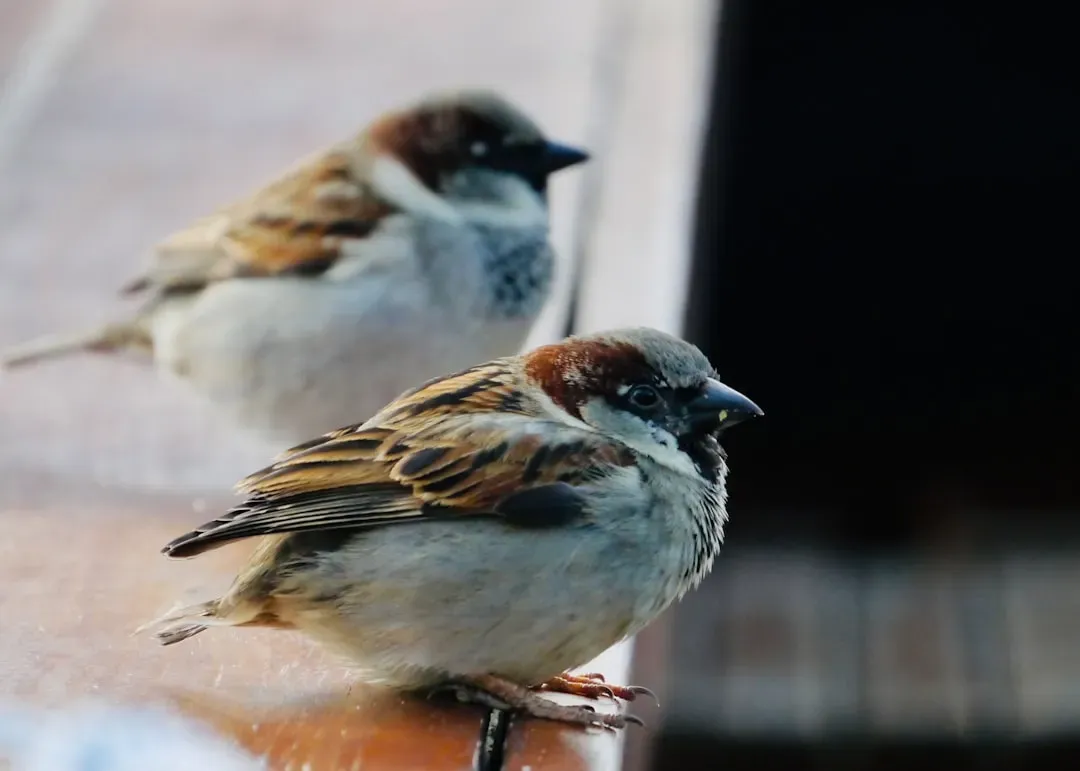
If you have ever felt like birds are especially jumpy around you, you are not imagining how intense that moment can be. You step outside with your coffee, a bunch of house sparrows are pecking peacefully on the sidewalk, and the second you get close, they scatter like you set off a firecracker. Then someone else walks by, moving about the same speed, and the birds hardly bother to move. It can make you wonder if they know something about you that you do not.
This sense of being oddly targeted taps into a deeper human tendency: you are wired to look for patterns, especially in how other living things react to you. When animals respond differently to you than to someone else, your brain automatically turns it into a story. Maybe you decide you are unlucky, or that you give off a nervous vibe, or that birds just do not like women. Even if the actual explanation is more boring or more complicated, that gut-level feeling of being treated differently is very real for you in the moment.
What Science Actually Knows About Birds And Human Faces
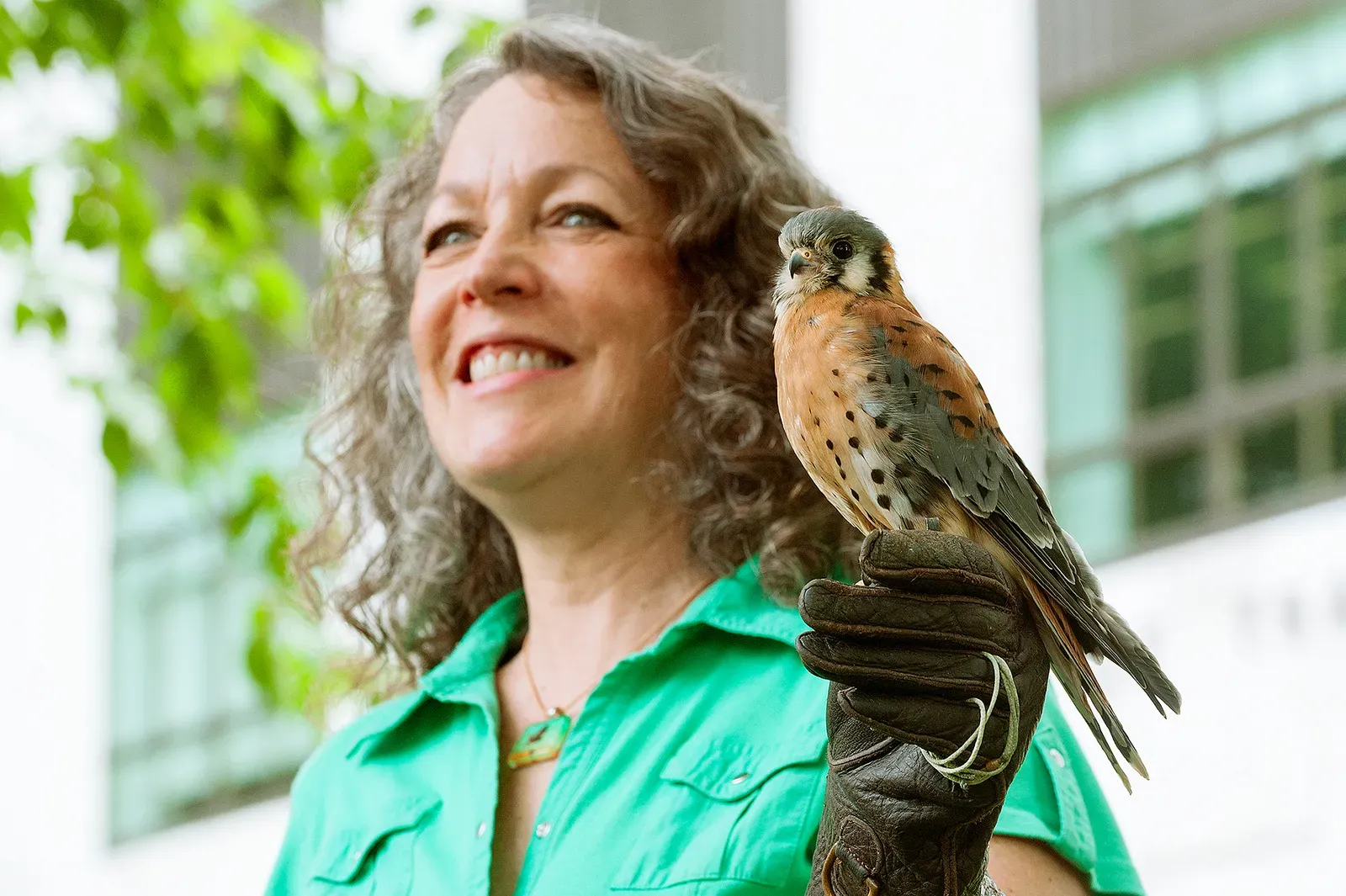
When you look at what scientists have actually studied, you find something both fascinating and limited. Researchers have shown that several bird species can recognize human faces and even remember which individuals were threatening or safe. That means a crow, pigeon, or magpie is perfectly capable of picking you out of a crowd and reacting based on past experience. You are not just a random human blur to many birds; you are a specific person in their mental file system.
But here is the twist: these studies mostly focus on differences between specific individuals, not on broad categories like women versus men. You get solid evidence that a bird can remember that one person who chased it away from a nest, or the person who regularly feeds it, yet you do not get a clear, consistent pattern that says birds fear all women more than all men. When you dig into the data, the research simply does not back up that sweeping claim, even if your day-to-day impressions sometimes do.
Could Clothing, Movement, Or Voice Be Confusing The Picture?
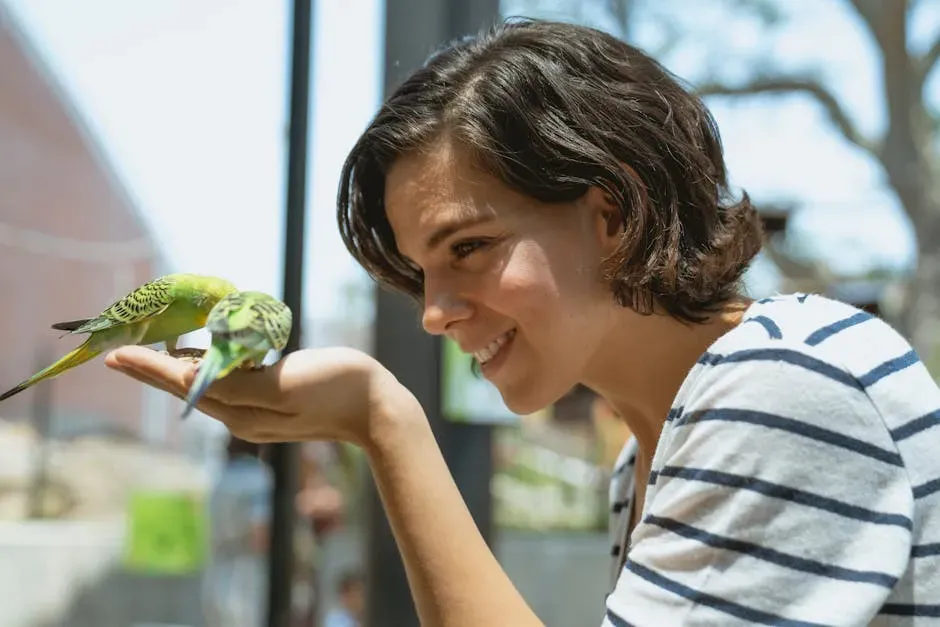
One underappreciated angle is how much birds rely on more than just your face to decide how to respond to you. You might wear brighter colors, softer fabrics, or looser clothing than the men around you, and all of that changes your outline and the way you move. Birds are ultra-sensitive to sudden motion, unusual shapes, and anything that breaks the pattern of their environment, so slight differences in your outfit or bag could be the real trigger, not your gender itself.
Your voice and the way you walk might also shape how birds react to you. If you tend to talk more, laugh louder, or move your arms while chatting, you create more motion and sound in the space around you. From a bird’s perspective, that can look like potential danger approaching. Meanwhile, someone who moves more stiffly or more quietly might feel less threatening even if they are bigger or technically more capable of harm. So what feels like birds “hating women” could sometimes be birds reacting to subtle style and movement differences that just happen to show up more often in women.
How Past Experiences Might Train Birds To React Differently
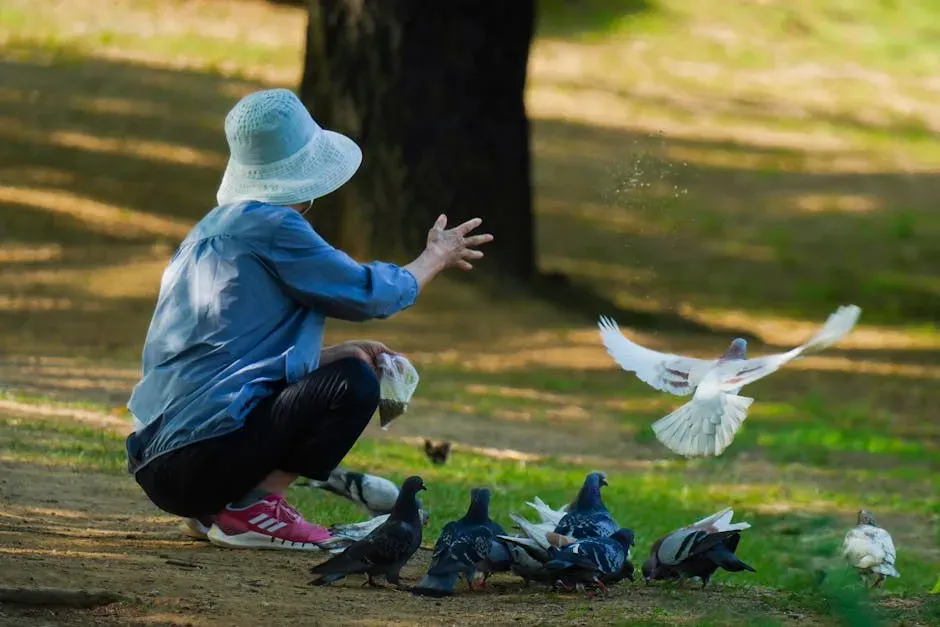
You know from your own life that past experiences shape what you expect and how you react, and birds are no different. In busy cities, rural farms, and public parks, birds constantly watch who feeds them, who chases them, and who ignores them. If in a particular place one gender more often approaches birds aggressively, throws things, or disturbs nests, then over time those birds might become more wary of people who look or move like that group. It is less about gender as a concept and more about learned association.
At the same time, you may live or work in an environment where the patterns of human behavior around birds are skewed in complicated ways. Maybe more women in your area jog past certain trees at dawn when birds are on high alert, while more men stroll by at calmer times of day. Maybe children who chase pigeons happen to be with one parent more often than the other, and the birds pick up on that pattern. You see the end result in how they fly or freeze around you, but you do not see the slow, messy history of thousands of tiny interactions that trained them to respond that way.
Why Your Brain Loves A Simple Story (Even When Reality Is Messy)
Your mind absolutely craves tidy explanations. When you notice that birds seem to flee from you more than from the men in your life, your brain leaps straight to a simple conclusion: birds fear women more than men. It is satisfying, dramatic, and easy to remember, especially when it taps into wider feelings about being underestimated, judged, or treated unfairly. The story crystallizes into something that feels like a hidden truth about the world, even when the actual evidence is incomplete.
The reality, though, is usually a tangled mess of tiny variables: time of day, distance, clothing, noise, light, local history of bird harassment, species differences, and sheer coincidence. You might vividly remember the three times birds freaked out when you walked past, and barely remember the ten times they did not react at all. This uneven memory creates a powerful illusion of a pattern where the data is not actually that clear. Once you notice that bias in yourself, it becomes much easier to step back and say, you know what, maybe this story is more complicated than it first looked.
What Existing Bird Research Does Not (Yet) Explain
Here is the frustrating part: even though scientists have spent years studying bird behavior, fear responses, and recognition of individual humans, you still do not have a neat, evidence-backed answer to the headline question. There are no large, well-controlled studies that clearly show birds consistently reacting with more fear to women than to men across multiple locations and species. What you mostly have are human impressions, scattered reports, and data that touches on related topics without fully answering this one.
This does not mean your experience is false; it means science has not caught up with your question. Research tends to focus on problems that are straightforward to measure or obviously important for conservation or ecology. Whether birds fear women more than men slips into an odd grey area: intriguing, socially loaded, but methodologically tricky and not clearly linked to survival or habitat management. So you end up living with a question that sits on the fringe of current knowledge, nagging at you precisely because the experts cannot yet give you a confident explanation.
How You Can Test Your Own Mini Experiments With Birds
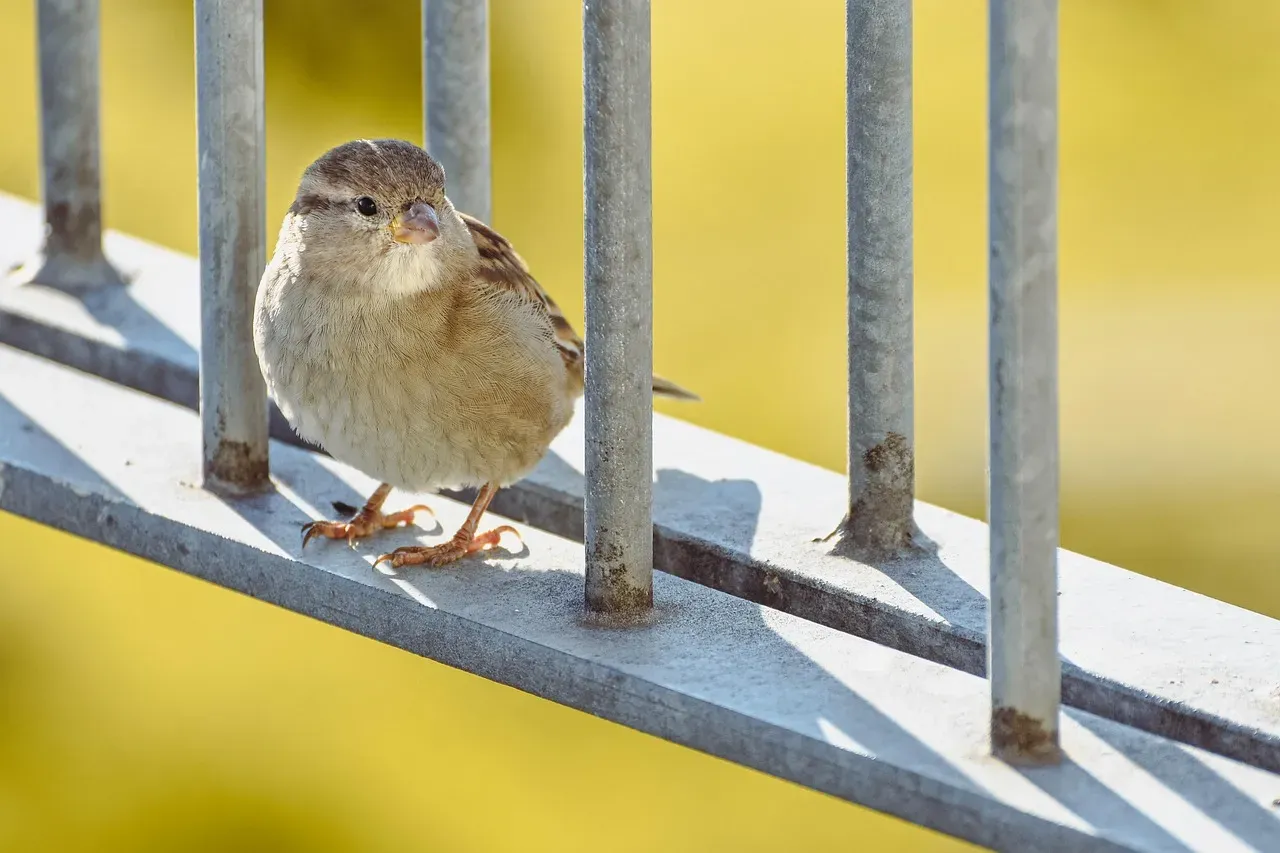
If this topic keeps poking at your curiosity, you do not have to just shrug and give up; you can play scientist in your own quiet way. You might start by paying closer attention to the context: what species are you near, how close do you get, how fast are you walking, what are you carrying, and what time of day is it? You can compare how birds respond when you slow your pace, soften your movements, lower your voice, or approach from a different angle. You may be surprised by how much of their fear response you can change by tweaking your behavior instead of assuming it is all about who you are.
You can also involve a trusted friend or partner and turn it into a casual experiment. Alternate who walks first toward a cluster of birds, swap jackets or hats, or have one of you stand still while the other moves. If you repeat this a few times in different places, you might start spotting patterns that are more nuanced than your original hypothesis. Maybe birds react more to movement than to gender, more to color than to voice, or more to distance than to anything else. In the process, you shift from feeling judged by birds to actively exploring how they experience you.
What This Question Reveals About You, Not Just About Birds
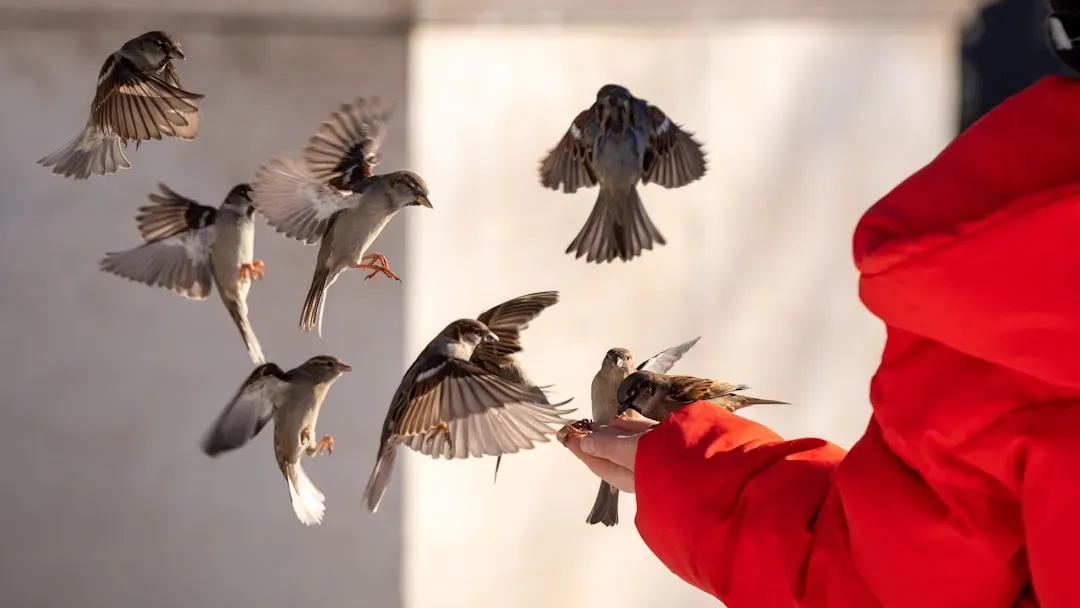
When you zoom out a bit, this whole question quietly exposes something deeper about how you see yourself in the world. If you are quick to believe that birds fear you more because you are a woman, it may be because you are already used to being treated differently in countless human spaces. Birds become one more mirror, one more reminder that you do not always get the benefit of the doubt. That emotional undercurrent gives this seemingly quirky topic real weight and staying power in your mind.
It also nudges you to reflect on how easily you assign meaning to the reactions of others, human or animal. You might catch yourself thinking, if even the birds seem wary of me, then maybe I really am too loud, too big, too much. But once you recognize that these interpretations rest on thin scientific ground and messy perception, you can loosen your grip on that story. Instead of taking it as another verdict on who you are, you can treat it as a strange little puzzle that reminds you how limited your perspective can be and how much is still unknown.
Living Comfortably With Unanswered Questions
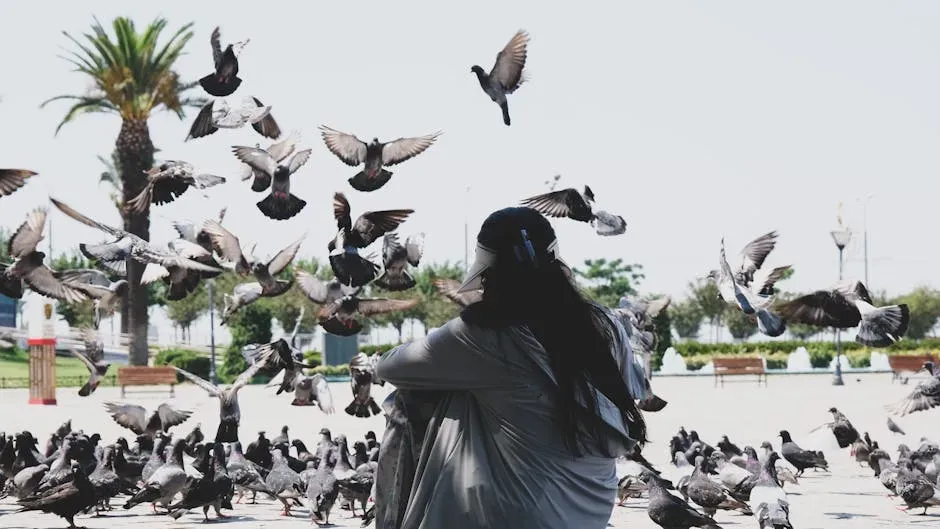
Right now, the honest answer is that you do not have a solid, research-backed explanation for the idea that birds fear women more than men. You have hunches, anecdotes, related studies, and many plausible factors, but not the kind of clean, replicable data that would let scientists stand up and say, yes, this is what is happening and here is why. In a world obsessed with quick takes and instant certainty, that kind of unresolved mystery can feel strangely unsettling.
If you let it, though, this mystery can also be oddly freeing. You get to walk through your neighborhood or local park knowing that you share space with creatures whose perceptions and judgments are still partially beyond your understanding. Instead of taking every startled wingbeat as a personal insult, you can see it as part of a complex, half-decoded language between species. The next time a flock bolts at your footsteps while ignoring someone else, you might feel a flash of curiosity rather than frustration and quietly ask yourself: what tiny detail did they notice this time that I never even saw?