If you have a soft spot for underappreciated animals, is going to completely flip how you see “ugly scavengers.” You’re not just looking at a bird that cleans up carcasses; you’re looking at a soaring, long‑lived, hyper‑social giant that quietly keeps entire landscapes healthy. The more you zoom in on its life, the more you realize this bird is closer to a sky‑gliding monk with a stomach of steel than a mindless trash collector.
As you walk through these ten facts, you’ll see why ecologists obsess over griffon vultures and why conservationists in Europe, the Middle East, and parts of Africa are fighting to bring them back. You’ll learn how they fly for hours without flapping, how they can spot death from several miles away, and how a single poisoning incident can wipe out a whole flock in one tragic afternoon. By the time you reach the end, you may find yourself rooting for this bird more than you ever expected.
1. You’re Looking At One Of Europe’s Largest Flying Predators (Even If It Rarely Kills)
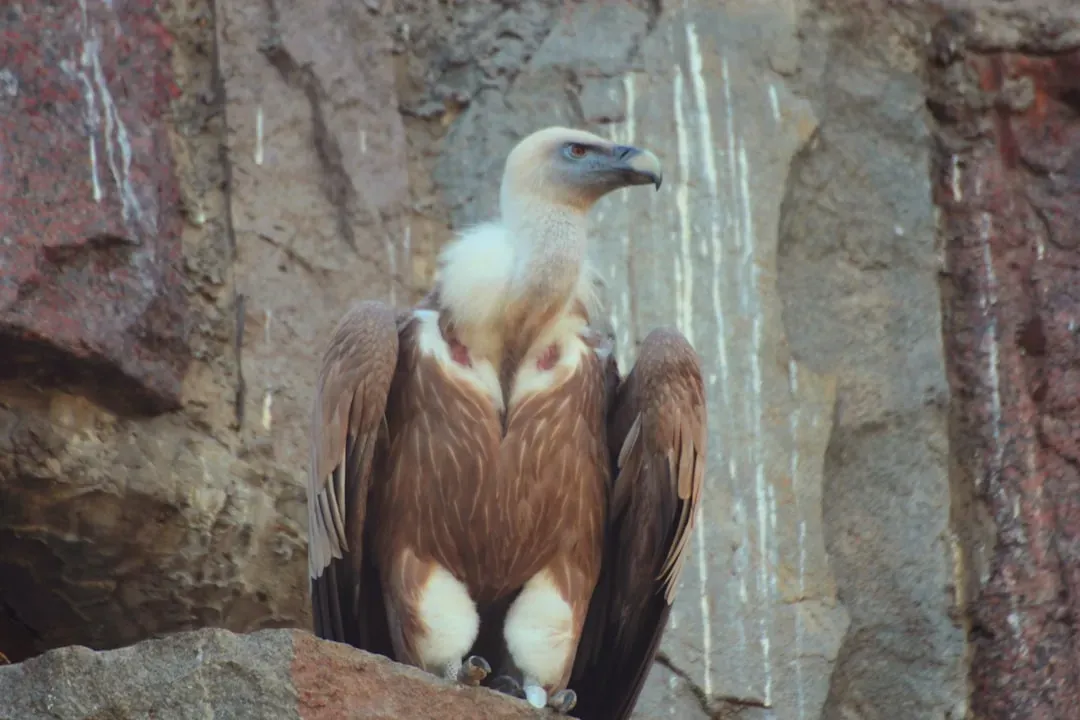
When you see a griffon vulture for the first time, its size hits you before anything else. You’re talking about a bird that typically stretches close to a meter from head to tail and can unfold wings that reach roughly two and a half meters across, sometimes even a bit more. Add a body weight often in the range of several kilograms, and you suddenly realize this is not just a big bird; it’s an airborne heavyweight designed for long‑distance soaring, not quick flits between trees.
Yet, despite that intimidating bulk, you’re not dealing with a classic predator that chases live prey at high speed. Instead, has become a specialist in eating what is already dead, and that specialization shows in its body: a powerful hooked beak to tear meat, strong neck muscles to pull apart tough tissue, and broad wings that trade sprinting speed for almost endless endurance in the air. You could think of it like a slow, heavy cargo plane rather than a fighter jet, built to stay up forever while quietly doing the essential job no one else wants.
2. You’re Sharing The Sky With A Champion Soarer That Rides Invisible Highways
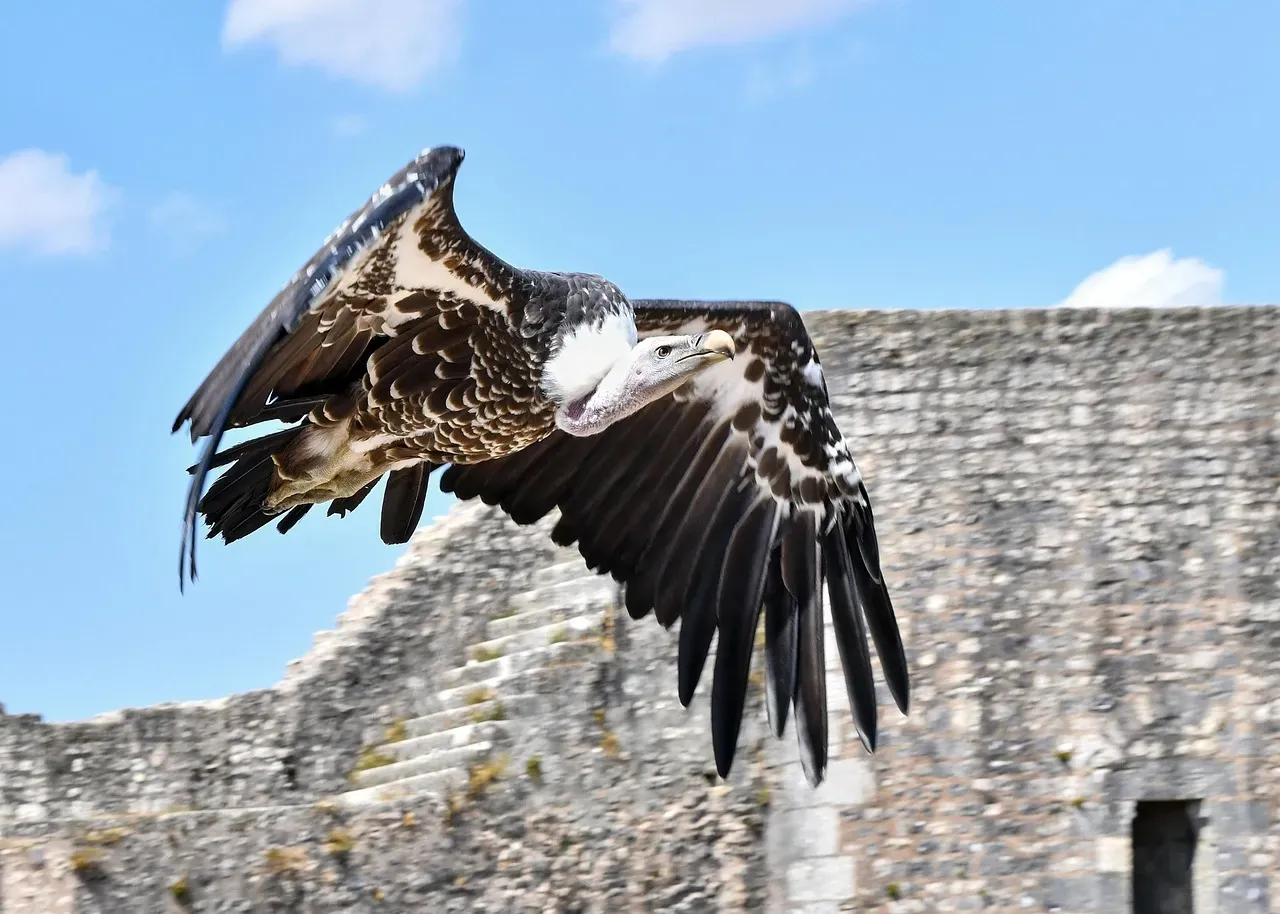
If you ever watch a griffon vulture in the wild, you’ll notice something strange: it barely seems to flap. Instead, it circles upward on invisible columns of warm rising air called thermals, then glides away for kilometers, repeating the process again and again. You’re essentially watching a master of free, solar‑powered flight, converting sunlight‑warmed ground into lift in a way human glider pilots try hard to copy.
Because of this skill, a griffon vulture can cover enormous distances in a single day while spending very little energy, scanning huge stretches of countryside for carcasses. It’s like a long‑haul trucker that never has to stop for fuel, just slipping from one invisible highway of air to the next. Next time you see footage of them spiraling high above cliffs or open plains, you can remind yourself that you’re looking at one of the most efficient flight strategies evolution has ever produced.
3. You’re Dealing With Vision So Sharp It Turns The Landscape Into A Moving Map
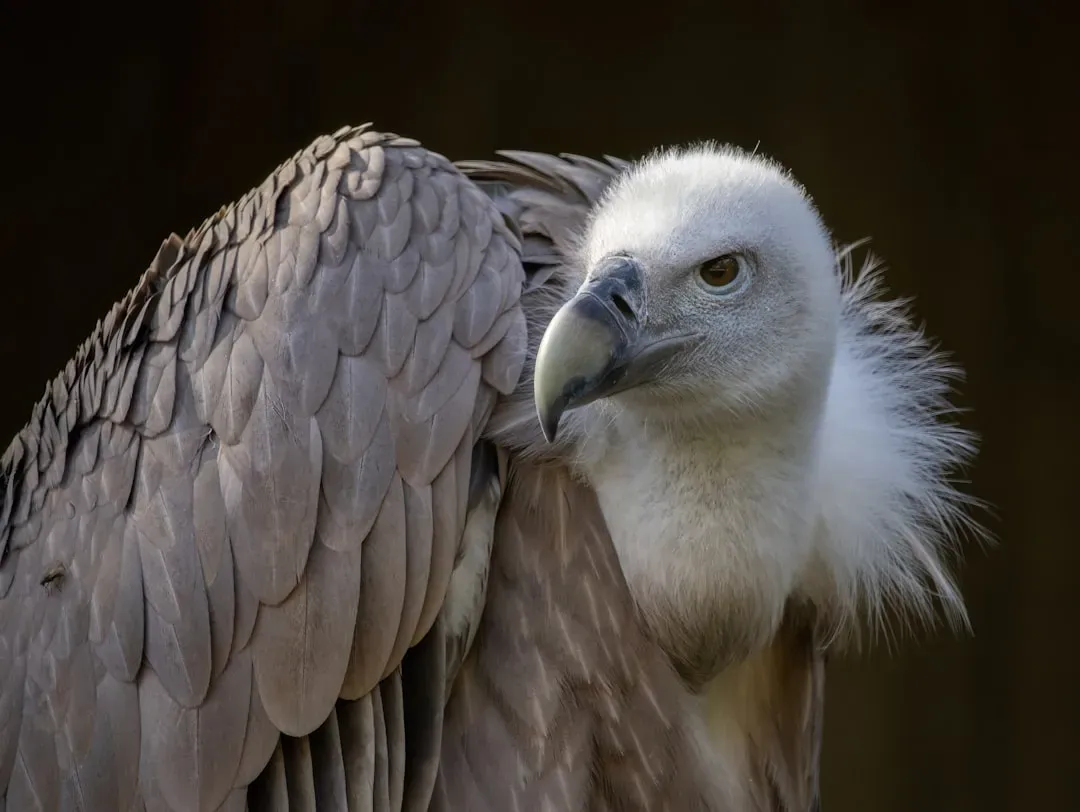
When you imagine searching for a carcass in rugged mountains or across semi‑desert plains, it sounds almost impossible. Yet makes it look easy because your eyes could never compete with what this bird sees. From several kilometers away, it can pick out the subtle shapes and colors of a dead animal or even the movements of other scavengers gathering around one. While you might look up and see a dot, the vulture sees a full‑color, detailed scene.
The real magic is that griffon vultures also watch each other. When one bird begins circling and descending over a carcass, others spot that change in behavior and head in the same direction, turning individual vision into a kind of shared search network. You’re watching an information cascade play out in the sky: one sharp‑eyed scout finds the opportunity, and within minutes a whole flock converges. It’s social networking, but done with eyesight and wingbeats instead of phones and notifications.
4. You’re Looking At A Bird Designed To Stay Clean While Doing The Dirtiest Job
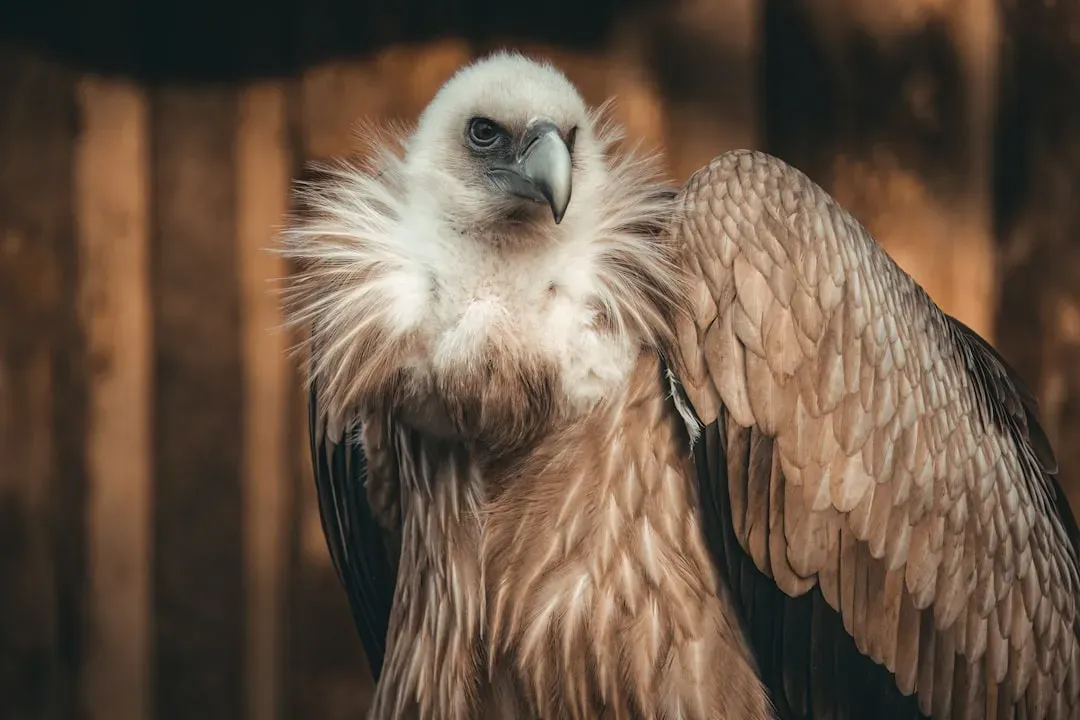
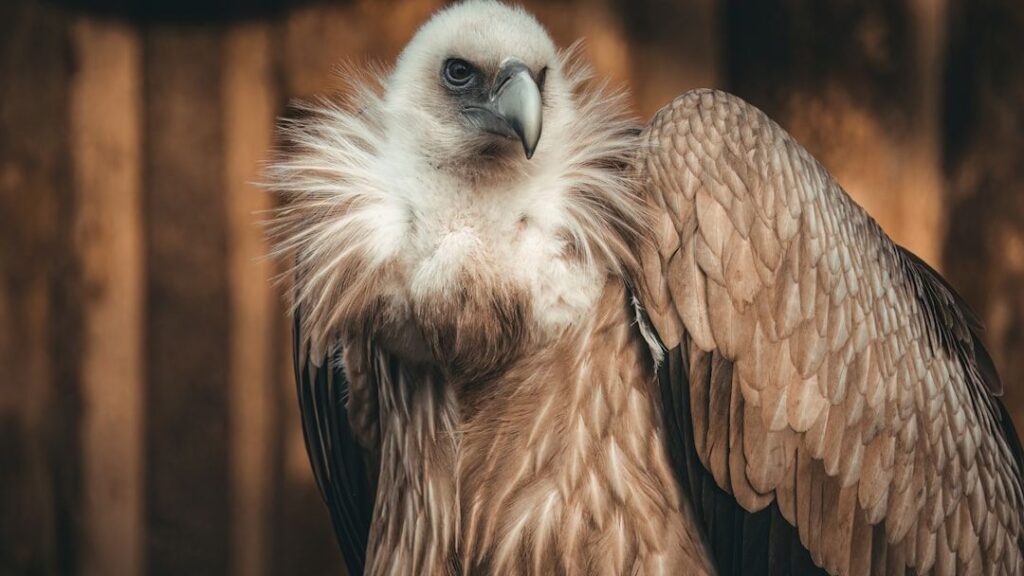
At first glance, ’s bald, pale head and scruffy neck ruff might strike you as ugly or even a bit unsettling. But if you’ve ever tried to wash greasy dishes with a fluffy towel, you already understand why this look makes perfect sense. If this bird had a fully feathered head and neck, every deep plunge into a carcass would leave it caked with blood and bacteria, turning grooming into a nightmare and infection risk into a constant threat.
Instead, you see a largely bare head and neck covered with short, easy‑to‑clean down, plus that collar of feathers at the base of the neck that acts a bit like a bib. After feeding, the bird can simply clean off, let the sun’s ultraviolet light help kill microbes, and be ready for the next meal. In a way, is dressed like a professional butcher instead of a dinner guest: less glamor, more practicality, and a design that lets it do revolting work without getting sick all the time.
5. You’re Meeting One Of The Most Social Vultures On The Planet
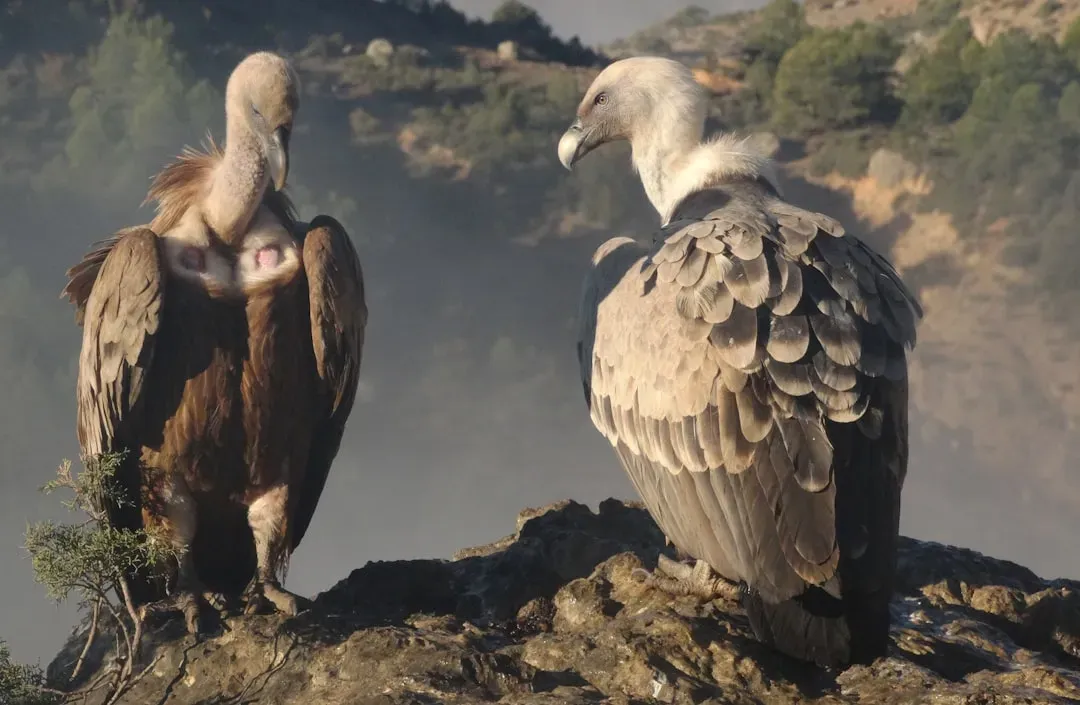
If you imagine vultures as lonely silhouettes perched on dead trees, will surprise you. This species is famously social: it breeds in colonies on cliffs that can hold dozens or even hundreds of pairs, and it often roosts and feeds in large groups. When you watch a whole colony swirling above a valley like a living storm of wings, you see that this bird has built its life around being part of a crowd rather than flying solo.
That social lifestyle runs deep. You’ll find pairs that stay together for years, each bird taking turns incubating a single egg and caring for the chick, while neighbors on the cliff raise their own young just a few meters away. At feeding sites, there’s a strict pecking order, with older and stronger birds dominating the best positions, but everyone still benefits from the group’s ability to find food. For you, it means that when one griffon vulture passes overhead, there are probably many more in the same landscape, sharing information and survival in a way that feels closer to a village than a scattered set of individuals.
6. You’re Watching A Slow, High‑Investment Parenting Strategy In Action
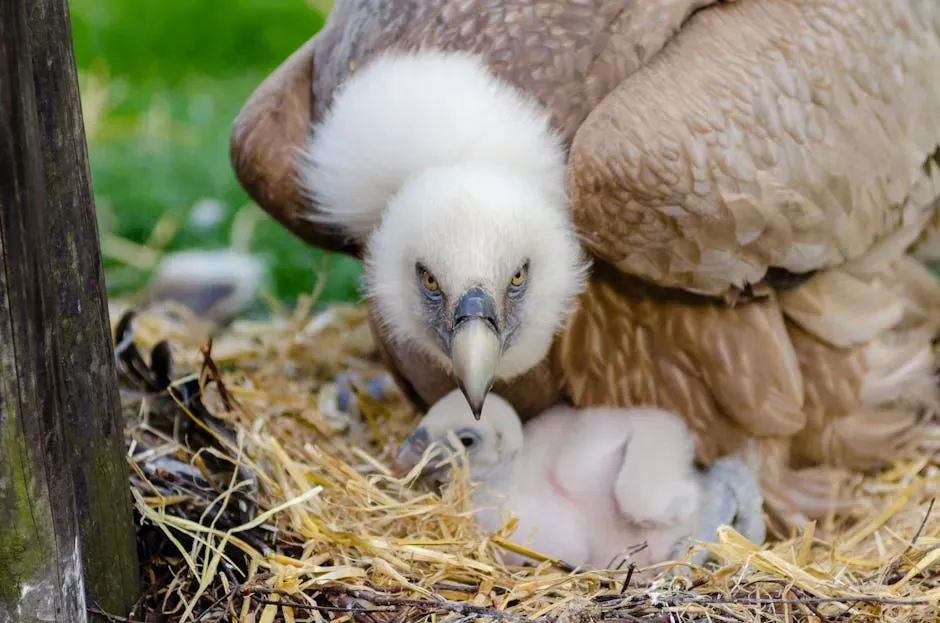
In a world where some birds lay large clutches and hope a few chicks survive, takes the opposite approach. Typically, a pair will raise just a single chick per breeding season, committing months to incubating the egg and then feeding and protecting the youngster. You’re looking at a strategy that bets everything on quality over quantity, like parents pouring all their time and energy into one child rather than spreading themselves thin across many.
The nest itself is usually a chunky platform of sticks built on a cliff ledge or in a shallow cave, far from ground predators and human disturbance. Inside that nest, the chick grows slowly, fed on regurgitated meat – food the adults carried in their crops after long foraging flights. Because each young bird takes so long to raise, populations can’t bounce back quickly if many adults are lost, which is why conservationists get nervous when they see sudden die‑offs. From your perspective, every adult you see circling overhead represents years of careful, time‑intensive investment by its parents.
7. You’re Benefiting From A Free Sanitation Service That Protects People And Wildlife
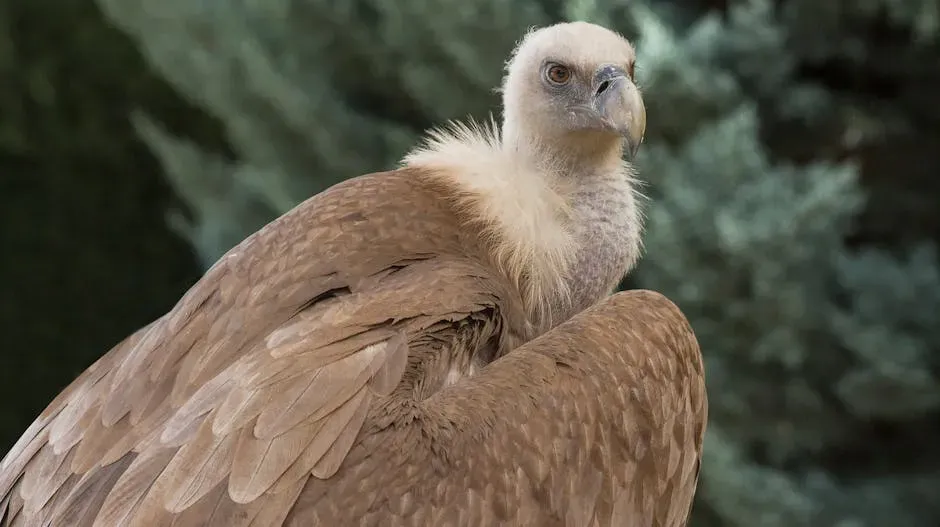
It’s easy to overlook just how much disease‑prevention work does for you without sending a bill. When livestock or wild herbivores die, their bodies become potential breeding grounds for dangerous bacteria and parasites. By stripping a carcass quickly – often down to clean bone in a remarkably short time – these vultures dramatically reduce the window in which diseases can spread to other animals or even to humans. You could think of them as nature’s emergency cleanup crew arriving long before anything festers.
Inside their bodies, griffon vultures carry an extraordinary set of adaptations for this risky diet. Their stomach acid is incredibly strong, powerful enough to neutralize many pathogens that would make other animals gravely ill. Instead of amplifying disease, they often act as dead ends for it, breaking down dangerous microbes and safely recycling nutrients back into the ecosystem. When you hear people call them “health police of the landscape,” it isn’t just a poetic phrase; it’s a literal description of the invisible service you rely on more than you might realize.
8. You’re Seeing A Species That’s Technically “Least Concern” But Locally Very Vulnerable
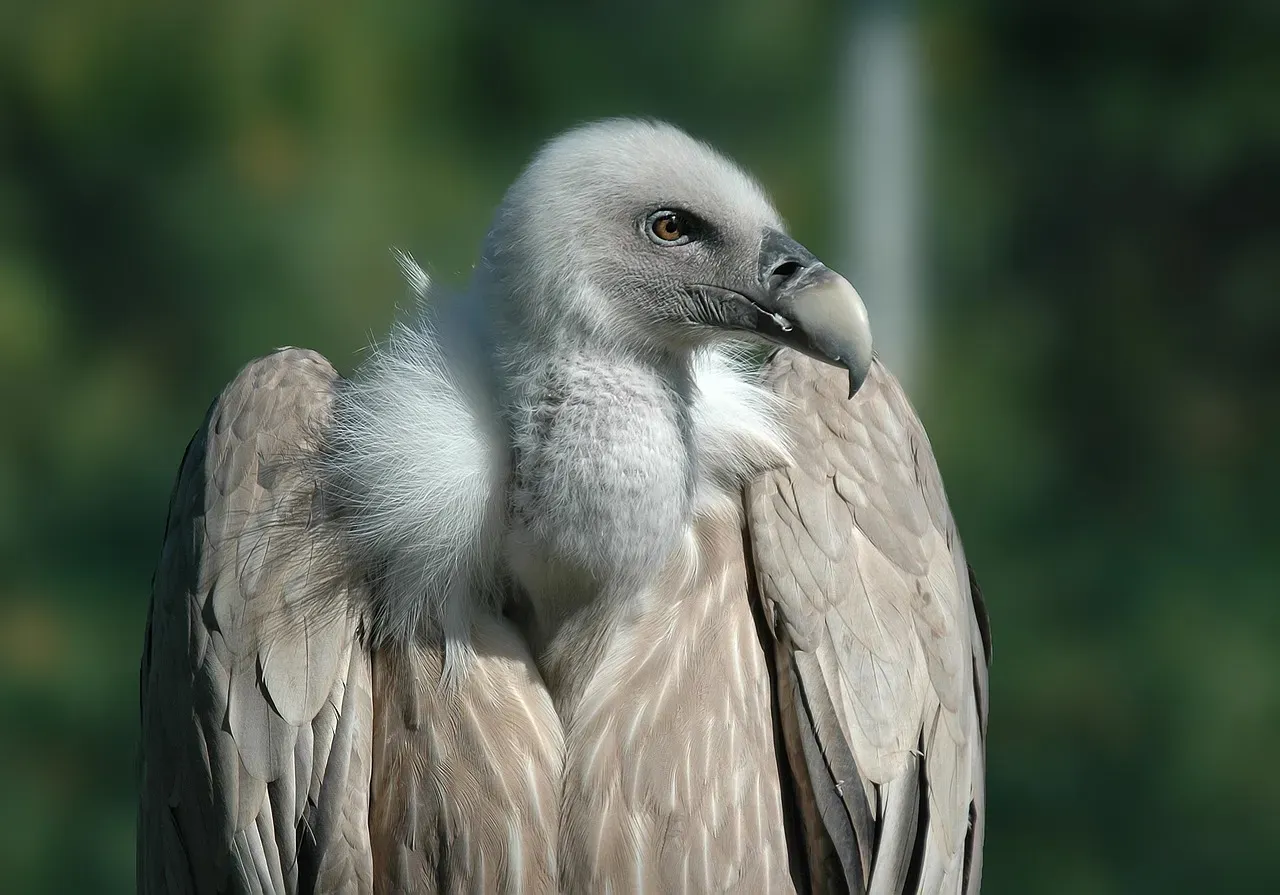
On paper, is listed globally as a species of relatively low extinction risk, thanks in part to strong populations in regions like Spain and some other parts of southern Europe. That label can tempt you to relax, but it hides a more complicated reality on the ground. In many areas of its range, from parts of the Balkans to stretches of the Middle East, this bird has vanished or hangs on in much smaller numbers than it once did. Local declines can be sharp even while the overall picture looks decent from far away.
The main threat you need to know about is poisoning, often unintentional. When people put out poisoned baits to kill predators like wolves or stray dogs, a whole flock of griffon vultures can arrive first and die together after feeding on the same carcass. Add risks from collisions with power lines, electrocution on poorly designed pylons, and loss of safe food sources as farming practices change, and you get a species that can crash quickly if you stop paying attention. So while the global status sounds reassuring, you’re still dealing with a bird that depends heavily on smart, ongoing conservation work.
9. You’re Watching A Rare Conservation Comeback Unfold In Real Time
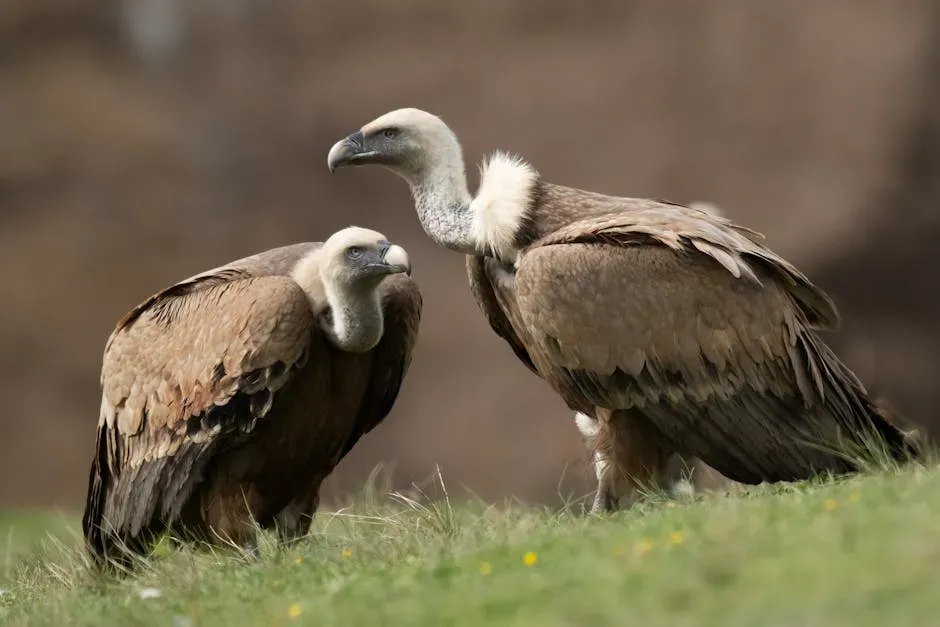
Here’s the hopeful twist: where people decide matters, you can actually watch the species rebound. Across Europe and parts of the Mediterranean, governments, NGOs, and local communities have launched projects to reintroduce vultures to mountains where they disappeared decades ago, protect cliff nesting sites, and create safe “vulture restaurants” where carcasses free of harmful drugs are provided. When you see news about vultures returning to old haunts after half a century, that’s the result of years of careful planning and cross‑border collaboration.
These efforts show you that big birds with slow reproduction are not doomed by default. By tackling key threats – like banning especially toxic veterinary drugs, improving the design of power lines, and working with farmers to dispose of carcasses safely – you can create a landscape where griffon vultures not only survive but expand. Each new colony that appears on a cliff and each juvenile that fledges from a rewilded area is a sign that thoughtful human action can reverse damage instead of just causing it. In a conservation world full of grim headlines, this species offers one of the brighter stories.
10. You’re Looking At A Living Symbol Of Life, Death, And Wild Openness
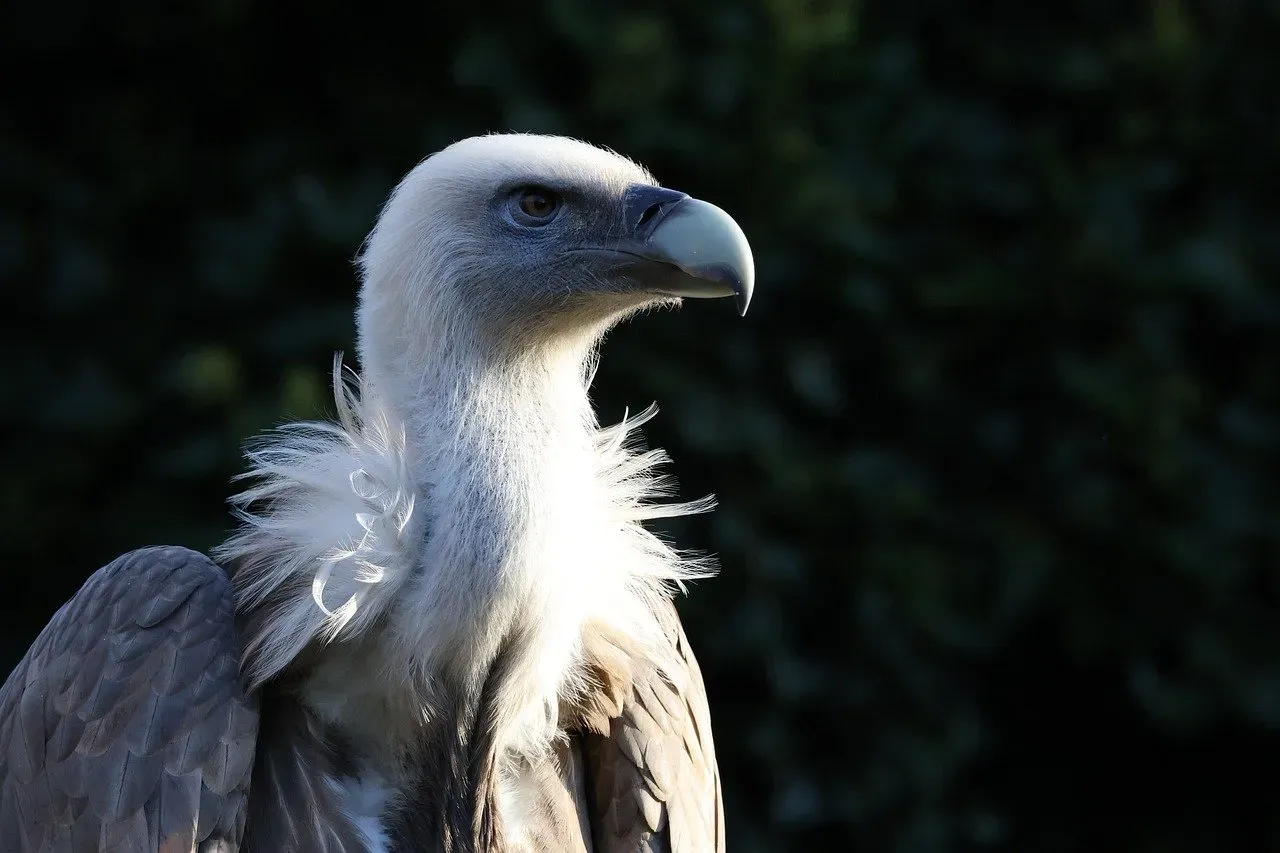
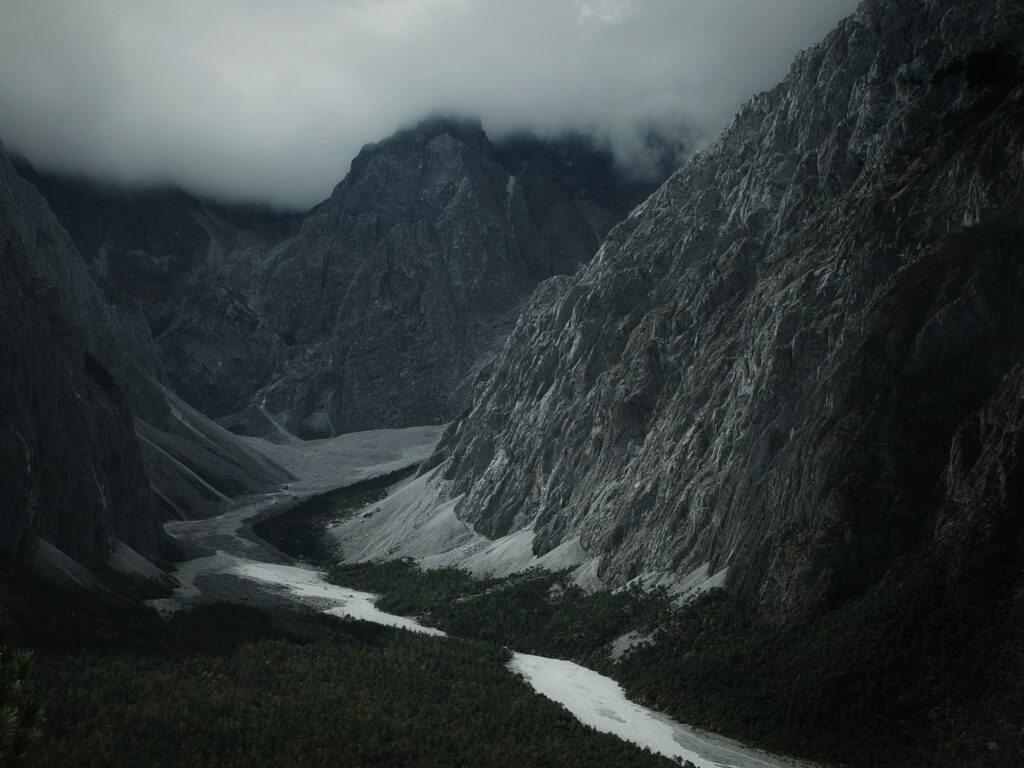
Beyond biology and conservation, carries a surprising weight in human culture. In many regions, people have seen vultures as messengers between life and death, present at that stark moment when one body ends and another set of creatures is fed. When you stand on a cliff and watch them circling over a valley, it’s hard not to feel that symbolism: huge, calm shapes gliding on invisible currents, quietly dealing with what the rest of nature leaves behind. They turn something we usually avoid thinking about into just another part of a functioning system.
For you personally, getting to know this bird can change how you feel about wildness in general. Instead of seeing a scavenger to be feared or despised, you start to see an engineer of cleanliness, a master pilot of mountain air, and a sign that big, open landscapes still exist somewhere beyond the suburbs. The next time you glimpse a large, pale‑brown shape riding the thermals, you’ll know you’re not just looking at a bird that eats dead things – you’re looking at a symbol that the cycle of life is still running properly, with its most misunderstood caretaker right where it belongs.
In the end, forces you to admit that beauty in nature is often about function, not glamour. This bird is enormous, efficient, social, and essential, quietly holding together the messy edges of life and death while most people ignore it or recoil. Maybe the real mindblowing fact is not any single detail about its wingspan or eyesight, but the simple realization that your world would be a lot dirtier, sicker, and poorer without it. Knowing that, how can you look at a circling vulture the same way again?