If you’ve ever stared at cheap flights, saved itineraries, or dreamy TikTok travel videos and still not hit “book,” you’re not lazy or broken – you’re probably scared. Under all the excuses about money, time, or “maybe next year,” there are usually a handful of very human fears quietly running the show. And they’re a lot more common than you think.
I remember the first time I flew alone: I spent the night before imagining every possible disaster, from lost luggage to getting hopelessly stuck at immigration. None of that happened, of course. What did happen was this strange, electric feeling of “Oh, I can actually do this.” You can get there too – but first you have to name what’s holding you back. Let’s unpack ten of the biggest fears that keep you home and look at how you can move through them instead of letting them silently call the shots.
1. Fear of Flying and “What If the Plane Crashes?”
When you picture yourself travelling, do you immediately imagine turbulence, news headlines, and worst-case scenarios at thirty thousand feet? You’re not alone; fear of flying is one of the most common travel blockers. Your brain is wired to overreact to rare but dramatic events, so even though air travel is statistically far safer than driving, your emotions don’t care about numbers – they care about survival. That’s why a tiny bump in the air can feel like a huge threat, even when the pilots see it as routine.
The thing that helps most people isn’t pretending you’re not scared, but learning how the process actually works. When you understand what that engine sound means, why turbulence isn’t dangerous in normal situations, and how many safety checks happen before take-off, the mystery shrinks and so does the fear. You can also ease into flying: start with short flights, choose daytime routes, and sit over the wings where motion often feels more stable. Breathing exercises, noise-cancelling headphones, and offline movies help shift your attention from “what if” to “what’s happening right now,” which is usually a lot less dramatic than your imagination.
2. Fear of the Unknown and Being Out of Your Comfort Zone

Sometimes it’s not the plane you’re afraid of – it’s everything that comes after you land. New language, new rules, new food, new currency… it can feel like stepping into a movie where everyone knows their lines except you. Your comfort zone might be small, but it feels safe, familiar, and predictable. Leaving it means admitting you won’t be in control of every detail, and that uncertainty can be deeply uncomfortable, especially if you like routines and clear plans.
The twist is that your comfort zone doesn’t actually stay comfortable when you never stretch it; it quietly shrinks until almost everything feels intimidating. You don’t have to become an adrenaline junkie to change this. Start with smaller unknowns: take a weekend trip somewhere nearby, stay in a neighborhood you don’t know, or try a country where you at least recognize the alphabet. As you collect tiny “I handled that” moments – navigating the metro, dealing with a small delay, ordering food in another language – your brain starts to update its story about you: not “I can’t cope,” but “I can figure things out as I go.”
3. Fear of Getting Sick or Injured Far From Home

Health worries are one of the most practical fears you can have about travel. Maybe you live with a chronic condition, take regular medication, or you’ve just seen one too many stories about food poisoning or mysterious tropical bugs. The thought of getting sick somewhere unfamiliar, without your usual doctor or pharmacy, can be enough to make staying home feel like the only rational option. Your body is your primary home, and the idea of it failing you in a strange place can feel like a double vulnerability.
What often changes this fear is turning vague dread into concrete preparation. When you talk with your doctor before a trip, gather enough medication (plus a bit extra), and learn what basic vaccines or precautions are recommended, your risk becomes something you’re actively managing instead of passively fearing. Simple steps like travel insurance, saving emergency numbers, and keeping a small health kit with painkillers, rehydration salts, and bandages can shift your mindset from “What if something happens?” to “If something happens, I have a plan.” You may still feel cautious – and that’s healthy – but you won’t be stuck in paralysis.
4. Fear of Crime, Scams, and Personal Safety

If you scroll headlines long enough, it can start to feel like danger lurks behind every corner, especially in places you’ve never been. You might worry about being robbed, scammed, harassed, or worse. Maybe you’ve heard terrifying travel stories from friends or online, the kind that stick in your mind much more than the millions of uneventful trips that never get posted anywhere. Your brain, trying to protect you, takes those stories and turns them into a general rule about “over there is unsafe” while ignoring the risks you already live with at home.
The reality is that safety is not a simple “yes or no” but a spectrum, and there’s a lot you can do to slide yourself toward the safer end. Learning about common local scams, using money belts or hidden pouches, avoiding obviously risky areas at night, and sharing your location with someone you trust are basics that help in almost any country. You can choose well-reviewed accommodations, read recent traveler comments, and stick to busy, well-lit streets when you’re getting a feel for a place. When you treat safety like a skill you’re actively developing rather than a random lottery, you start to feel more capable, not just more scared.
5. Fear of Language Barriers and Looking Stupid

One of the sneakiest travel fears is not about danger at all – it’s about embarrassment. You might dread the moment you try to ask for directions and the other person just stares, or you mispronounce a word and accidentally say something ridiculous. For many people, the idea of seeming clueless, slow, or “like a typical tourist” is more terrifying than a bumpy bus ride. It taps straight into that old school feeling of being the only one who didn’t understand the assignment.
The funny thing is, once you’re actually on the road, you realize that most people are just as nervous about communicating with you as you are with them. Locals are often patient and kind when they see you genuinely trying, especially if you learn a few simple phrases like greetings, please, thank you, and “Do you speak English?” Translation apps can bridge big gaps, and pointing, maps, and screenshots do the rest. When you let go of the idea that you must express yourself perfectly and accept that travel conversation is a mix of words, gestures, and improvisation, your fear of “looking stupid” gradually turns into stories you end up laughing about later.
6. Fear of Running Out of Money or “Wasting” It

Money fears run deep, and travel puts them right under a spotlight. You may worry that you’ll underestimate your budget, get hit with hidden fees, or face an emergency you can’t afford. On the flip side, you might feel guilty spending on what some people still see as a luxury, especially if you’ve worked hard to save or come from a background where every dollar counts. The question “What if I need this money for something more important later?” can hang over every attempt to plan a trip.
The key shift is to stop seeing travel as a single expensive decision and start seeing it as a series of manageable, informed choices. You can set a realistic budget, research typical daily costs for food and transport, and choose destinations that match your current financial reality instead of Instagram’s. Many people discover that slower travel, staying in apartments, and eating like locals (instead of like tourists) actually costs less than a flashy weekend getaway closer to home. When you decide ahead of time what you’re willing to invest in experiences and what you’re happy to skip, you’re not “wasting” money – you’re spending it on purpose.
7. Fear of Being Lonely or Not Fitting In

You might imagine travel as constant fun with new friends, but if you’re honest, the picture in your head might be you, alone, sitting in a hostel common room where everyone else seems effortlessly social. Or maybe you’re in a couple or a group but still feel like you won’t connect with anyone because you’re older, introverted, or not “adventurous enough.” The fear of loneliness on the road can be strong enough that you decide it’s safer not to go at all rather than risk feeling like an outsider somewhere far away.
What often surprises people is that travel tends to create its own social glue. When you’re lost, confused, or delighted by the same view as someone else, conversations start much more easily than they do in your usual routine at home. You can choose your level of interaction: social hostels, walking tours, classes, language exchanges, and group day trips make it almost effortless to meet others without forcing you to be “on” all the time. And if you’re more of a quiet observer, travel also gives you permission to sit at a café, people-watch, and soak things in without needing to perform. Fitting in on the road usually has less to do with personality type and more to do with being open to small moments of connection.
8. Fear of Leaving Responsibilities Behind
Sometimes the thing pinning you down isn’t fear of what happens out there, but fear of what might fall apart back home. You may worry about your job, your kids, your pets, your aging parents, or just the never-ending list of tasks you usually handle. Travel can feel almost selfish in that context – as if stepping away for a week or two means you’re abandoning everyone and everything that depends on you. That guilt is powerful, and it can make you quietly sabotage your own plans.
The truth is, responsible people tend to underestimate how replaceable they are in the short term and overestimate how irreplaceable they are in the long term. You can set things up: speak with your employer, arrange backups, share clear instructions, and choose dates that minimize disruption. Often, people around you handle more than you expected, and systems continue to function without you hovering over them. Far from being selfish, taking time away can make you come back with more energy and perspective, which usually benefits the very people you were worried about. You’re allowed to be a person, not just a support system.
9. Fear of Things Not Going “Perfectly”
If you’re a planner, perfectionism might be what secretly keeps your passport in the drawer. You want the ideal weather, the perfect itinerary, the best hotel, the smoothest connections – and the thought of delays, closed attractions, or disappointing restaurants makes you feel like the whole trip could be “ruined.” Underneath that is often a deeper fear: that if you invest your time and money into something, it has to be flawless to justify the effort. Anything less feels like failure.
Travel, of course, has other plans. Trains are late, museums close unexpectedly, the highly rated café is just average, and sometimes it rains for three days straight. When you loosen your grip on perfection and treat these hiccups as part of the story instead of evidence that you did it wrong, your stress level drops dramatically. You can build flexibility into your schedule – leave buffer days, avoid packing every hour, and have a backup list of things you’d enjoy if Plan A falls through. Often, the memories you love most later are the ones that came from detours you never planned.
10. Fear That Travel Will Change You (or Your Life) Too Much
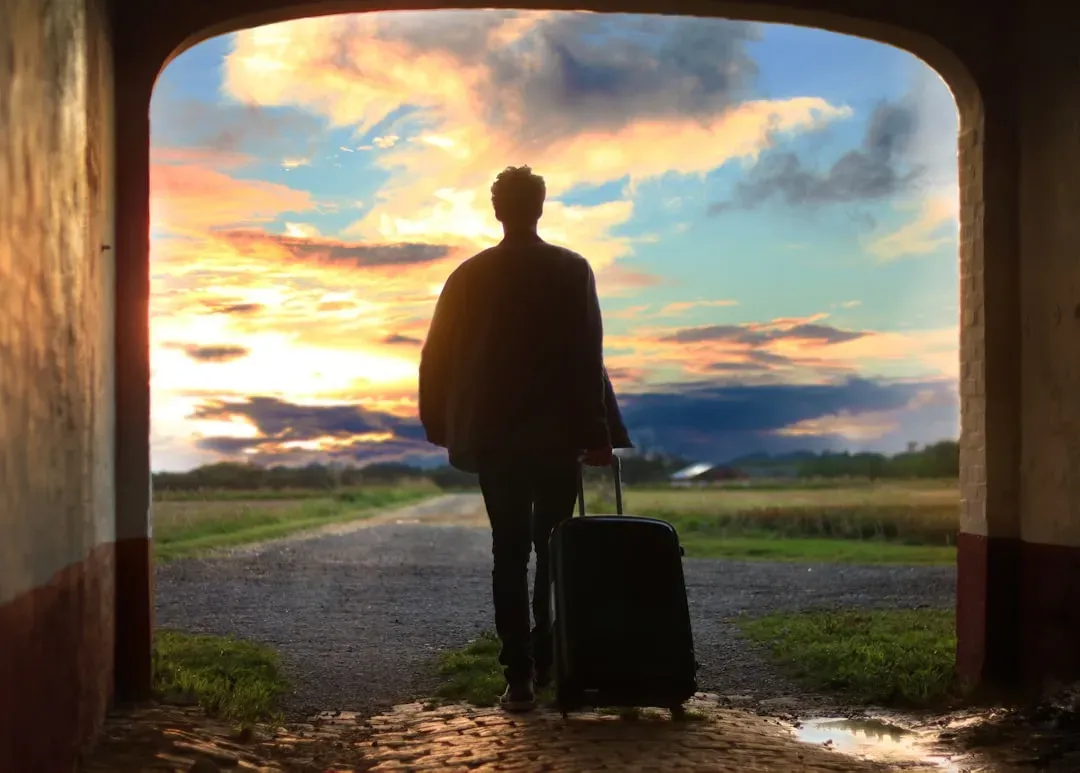
This fear is rarely named out loud, but it’s there: what if you go away and come back different in a way you can’t easily fit into your old life? Maybe you worry you’ll hate your job afterward, or that your relationships will feel off, or that you’ll see your hometown with restless eyes. Change can be exciting in theory, but in practice it threatens the delicate balance you’ve built, especially if you’ve spent years constructing stability after a difficult period.
Travel does change you, but usually in quieter ways than the dramatic stories suggest. You might come back with more confidence in your ability to navigate problems, a broader sense of what “normal” looks like in other cultures, or a sharper awareness of what you truly value. That doesn’t automatically mean you’ll burn your life down; sometimes it just nudges you to make small adjustments, like carving out more free time, learning a language, or prioritizing experiences over things. Instead of viewing change as something to fear, you can see travel as a mirror that reflects parts of you that were already there, just waiting for a different background.
Conclusion: Let Your Curiosity Be Louder Than Your Fear
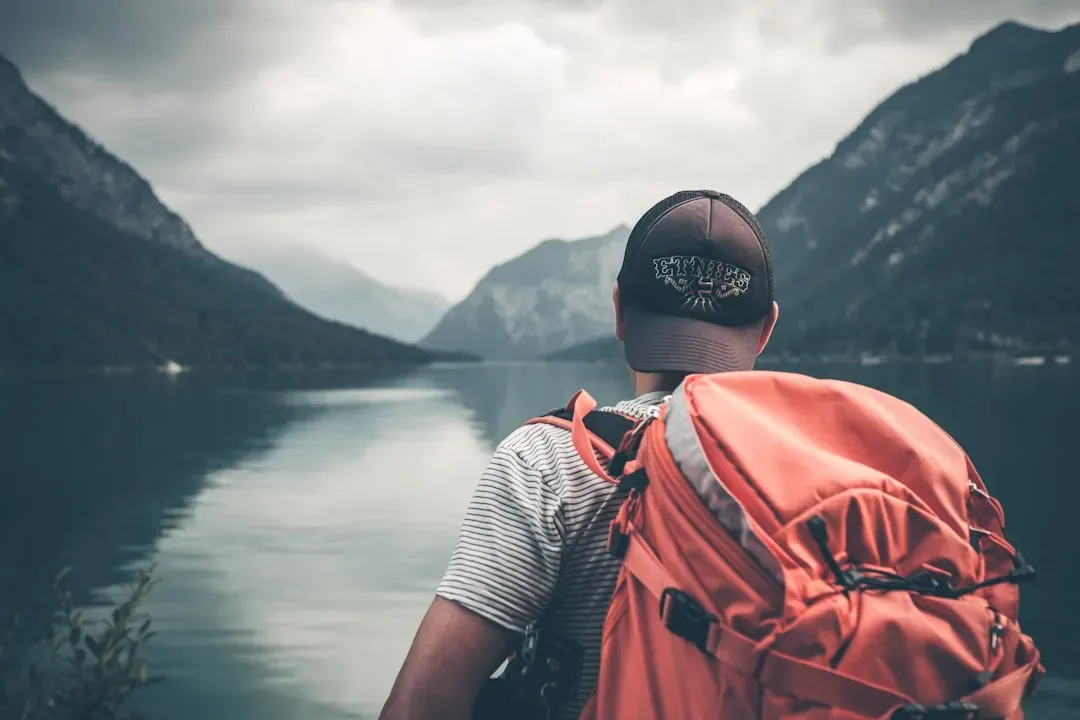
When you lay them out like this, your travel fears stop feeling like mysterious forces and start looking like what they really are: protective instincts that sometimes go too far. You’re not weird for worrying about planes, money, safety, health, or awkwardness; you’re human. The real question isn’t whether you can erase fear – that’s not realistic – but whether you’re willing to gently walk with it instead of letting it quietly run your life from the back seat. Every traveler you admire once stood where you’re standing now, debating whether to stay comfortable or take the first small step.
You don’t need to book a year-long round-the-world trip to prove anything; you just need to pick one concrete fear, make a simple plan to manage it, and test yourself with a trip that feels one notch outside your usual routine. Over time, each journey becomes evidence that you’re more capable than your anxious brain insists. So next time you catch yourself saying “Maybe someday,” ask yourself this: what would change if you let your curiosity be just a little bit louder than your fear?