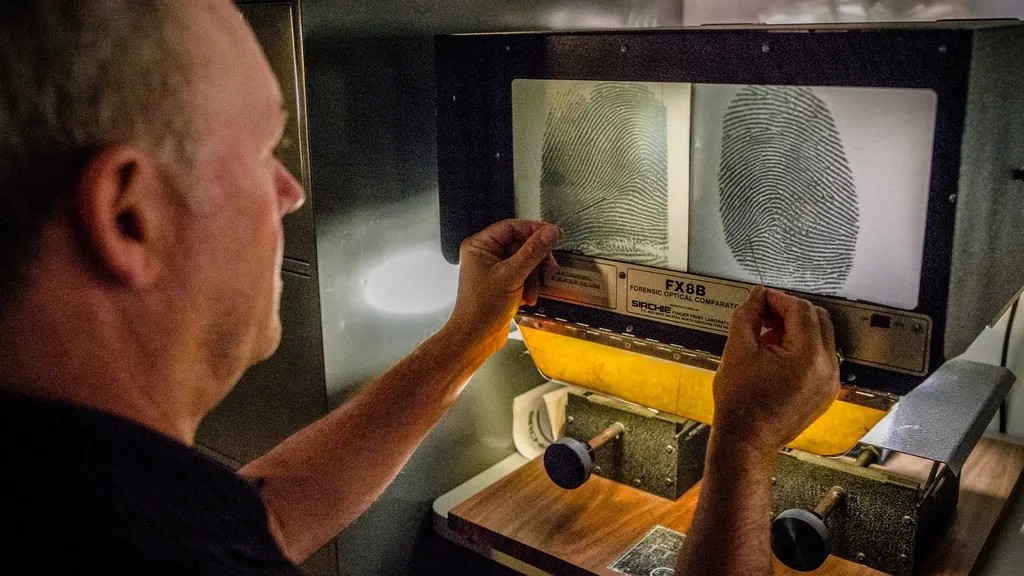
History loves a clean story: brave discoverer, dramatic find, neat moral at the end. Science, on the other hand, almost never plays along. Every time researchers point a new tool at an old mystery – DNA testing, radiocarbon dating, high‑resolution scans – parts of the story fray, twist, or unravel completely. The result can be both unsettling and thrilling: artifacts move from sacred relics to clever fakes, or from national treasures to objects of bitter international dispute.
What makes this especially fascinating is that the discoveries themselves rarely change. The bones are the same, the manuscripts are the same, the ruins are still there in the ground. What changes is our confidence in the story wrapped around them. As you read through these twelve cases, you might notice an uncomfortable pattern: the closer our tests get to the truth, the more fiercely people argue about what that truth actually means. That tension – between evidence, belief, pride, and politics – is where history really gets interesting.
1. The Shroud of Turin: Medieval Relic or Miraculous Cloth?
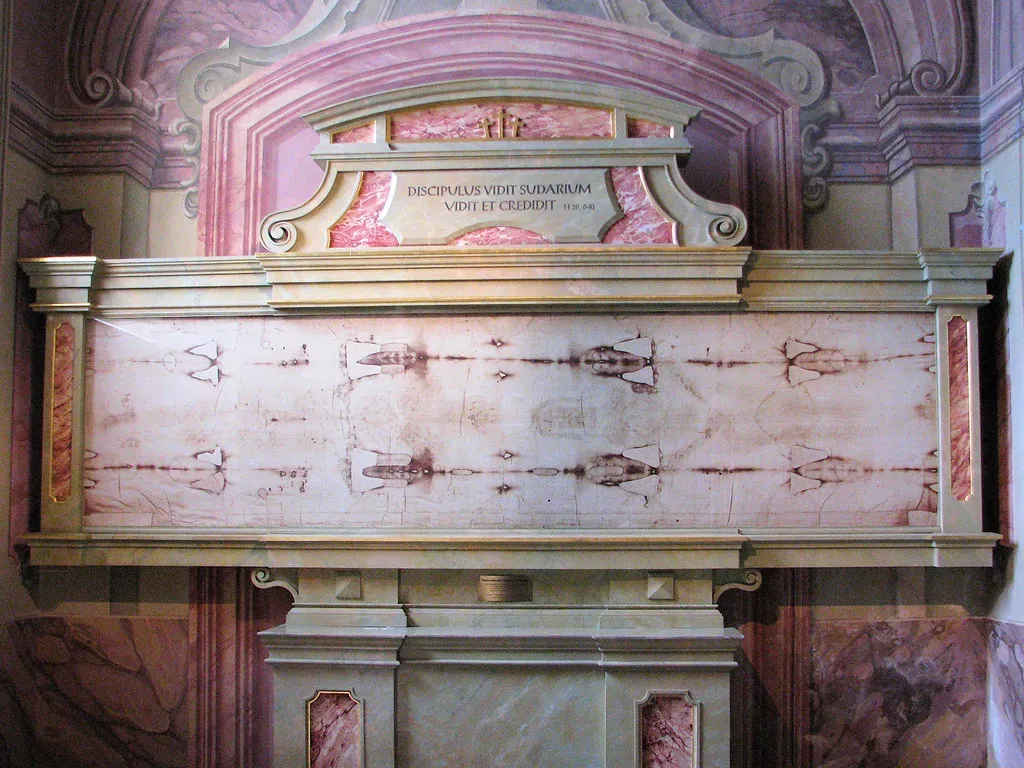
Few objects have been poked, scanned, photographed, and argued over as much as the Shroud of Turin, the linen cloth many believe wrapped the body of Jesus. For centuries it was treated as a near‑untouchable relic, venerated by pilgrims and defended by theologians. Then came modern science. Radiocarbon dating tests performed in the late twentieth century suggested the cloth’s fibers were from the medieval period, roughly between the thirteenth and fourteenth centuries, not the first century as tradition claimed. That single result turned quiet reverence into global controversy almost overnight.
Instead of settling the debate, the tests opened a new front: critics argued that the sample was contaminated, or taken from a repaired section, or altered by centuries of handling, fires, or conservation work. New imaging studies, chemistry analyses, and pattern comparisons have each been championed as proof, then challenged by the other side. I remember reading about this as a teenager and being struck by how people clung just as tightly to the mystery after the testing as before. The Shroud has become less a yes‑or‑no question and more a mirror for how we handle doubt, especially when faith, identity, and science collide.
2. The Vinland Map: Proof of Viking America or Sophisticated Forgery?
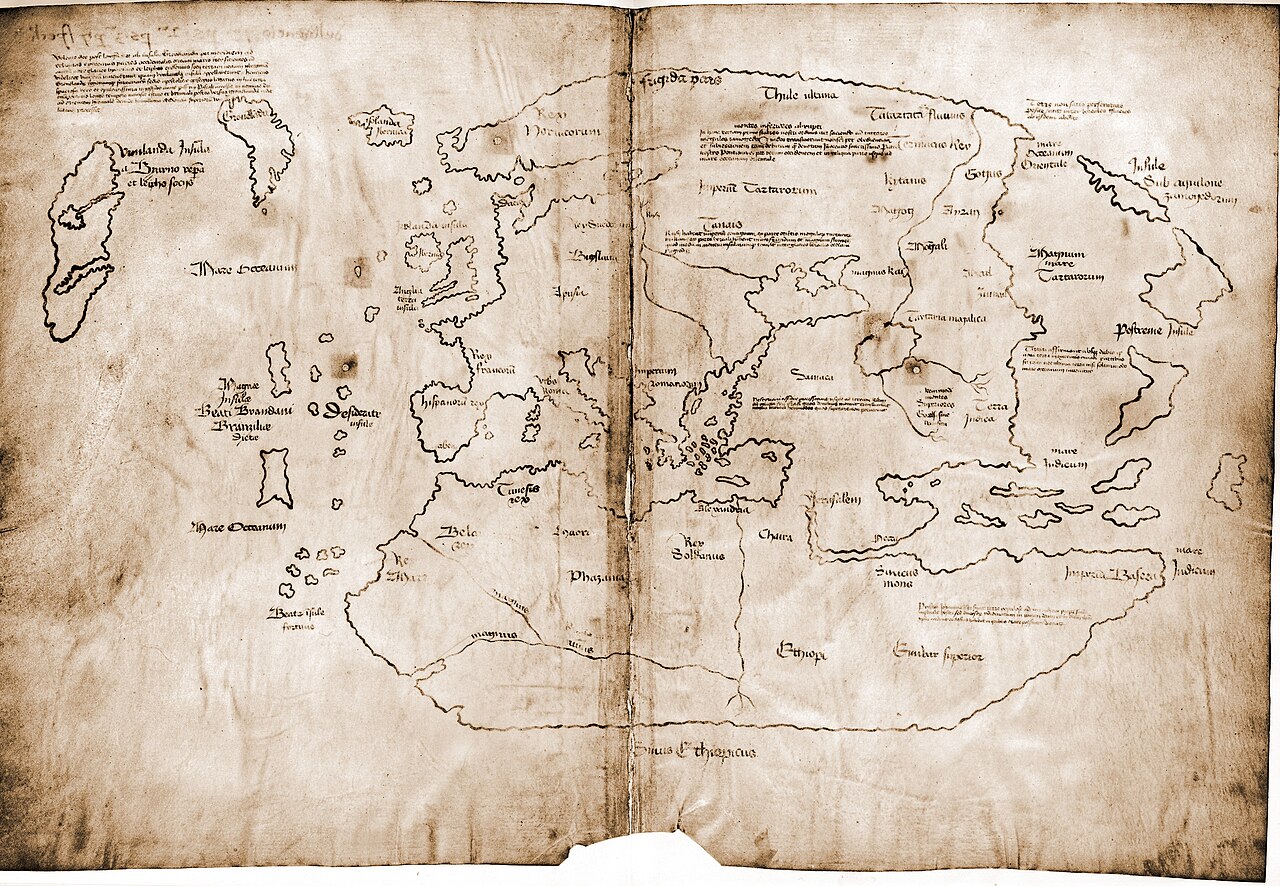
When the Vinland Map first surfaced in the twentieth century, it seemed to rewrite the story of European exploration. The map appeared to show part of North America – labeled as “Vinland” – drawn decades before Columbus’s voyages. It was a perfect headline: evidence that medieval Europeans knew of the New World long before 1492. For a while, some historians cautiously treated it as a potentially explosive piece of cartographic history, even though its origins were murky and its chain of custody suspiciously thin.
Then the labs went to work. Chemical analyses of the ink found modern compounds, particularly titanium‑based pigments that only became widespread in the twentieth century. That pushed the pendulum heavily toward the forgery explanation and triggered bitter debates about academic embarrassment, gullibility in the rare‑manuscripts market, and the pressures that come with a “too good to be true” discovery. What fascinates me most is how the map still gets brought up as if it were almost real – people want that story of hidden medieval knowledge so badly that even detailed testing hasn’t fully killed the romance. It’s a reminder that scientific evidence can be clear, but letting go of a seductive narrative is anything but.
3. Piltdown Man: The Fossil That Fooled the World
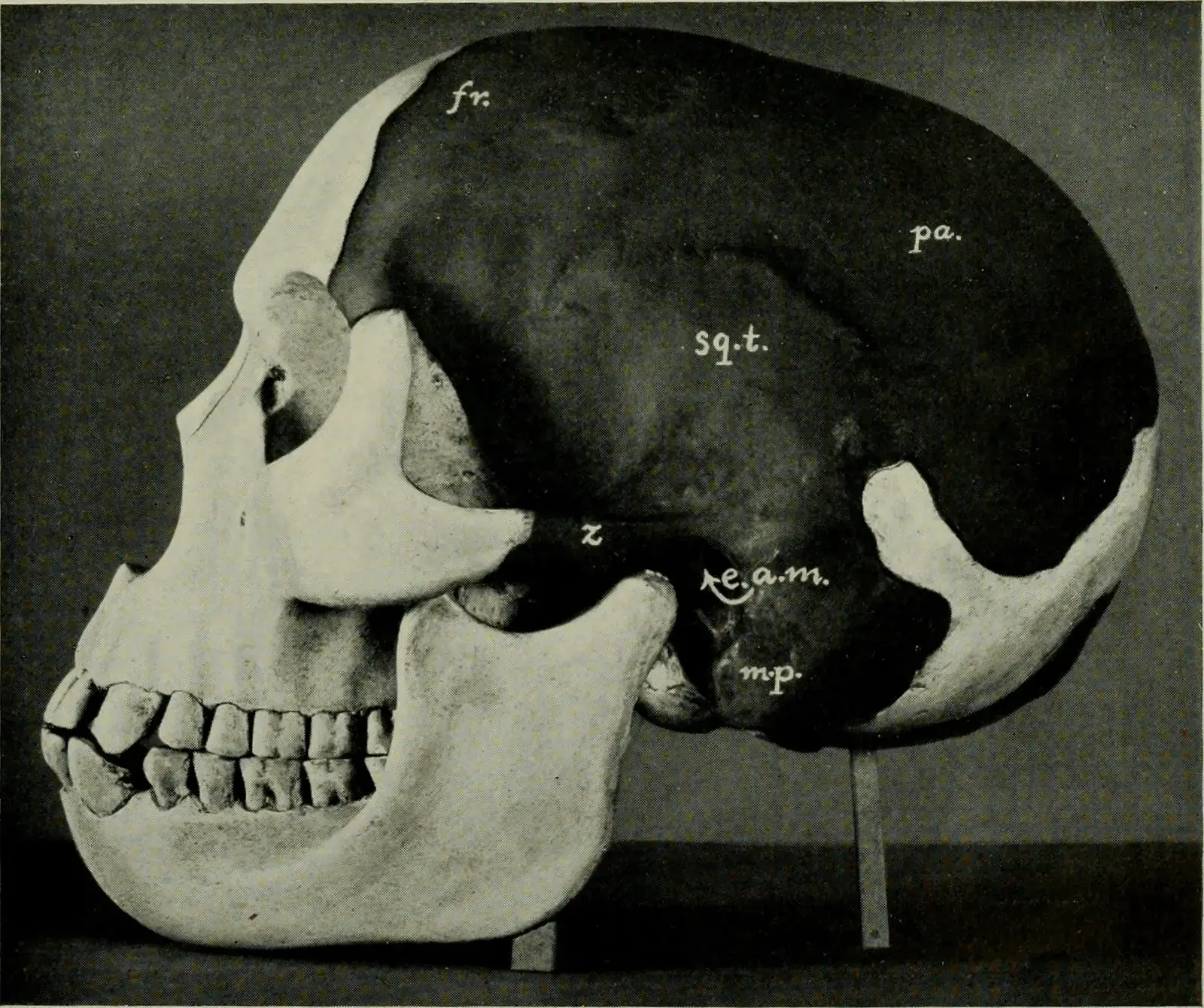
Piltdown Man is the cautionary tale every archaeology student hears early on. In the early twentieth century, bones found in an English gravel pit were hailed as the “missing link” between apes and humans: a human‑like skull paired with an ape‑like jaw. The discovery pleased everyone who wanted human evolution to have a proud, English center of gravity. For decades, textbooks and museum displays treated Piltdown as a cornerstone of human origins, even as some researchers quietly pointed out inconsistencies and anatomical oddities that did not fit with other hominin fossils emerging from Africa and Asia.
Only when more rigorous chemical and anatomical testing was applied did the façade crumble. The skull and jaw turned out to be a deliberate forgery: a medieval human skull, an orangutan jaw, and animal teeth, all artificially stained and modified to look ancient. Modern techniques like fluorine dating and microscopic analysis exposed the tricks. What made the revelation extra controversial was not just the hoax itself, but how long the scientific establishment had accepted it. To me, Piltdown is less about one fake fossil and more about how bias, nationalism, and wishful thinking can steer even clever people away from obvious questions – until the data finally force everyone to look again.
4. The Dead Sea Scrolls Forgeries: When New Fragments Raise Old Doubts
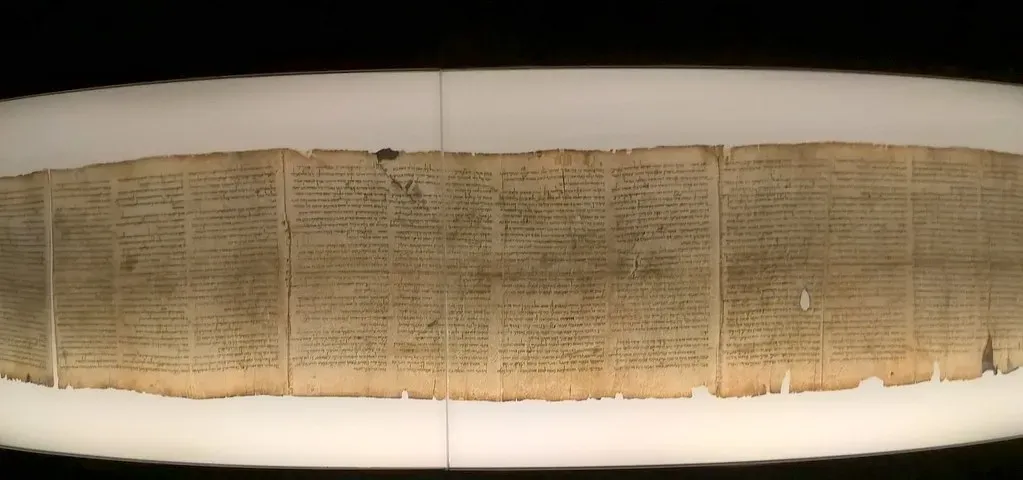
The original Dead Sea Scrolls, discovered in the mid‑twentieth century in caves near Qumran, are among the most important finds in biblical archaeology. They’ve been studied with every technique imaginable: paleography, radiocarbon dating, multispectral imaging. That deep testing, while occasionally adjusting dates or scribal attributions, mostly strengthened their authenticity. The real controversy exploded later, when a wave of previously unknown “scroll fragments” started appearing on the antiquities market in the early twenty‑first century, often accompanied by dramatic claims and very high price tags.
Scientific testing turned those new pieces into a scandal. Microscopic and chemical analyses showed modern ink on ancient leather, artificial aging treatments, and suspiciously convenient text selections that matched famous biblical passages almost too perfectly. Several museums and private collections were forced to admit that some prized fragments were modern forgeries stuck onto genuine ancient material. The backlash has been fierce: tighter scrutiny of all unprovenanced artifacts, accusations about who should have known better, and growing mistrust between scholars and collectors. It is a good example of how scientific testing can actually deepen the credibility of older discoveries while making newer, flashier finds look like risky bets.
5. The James Ossuary: A Biblical Link or Marketplace Fake?
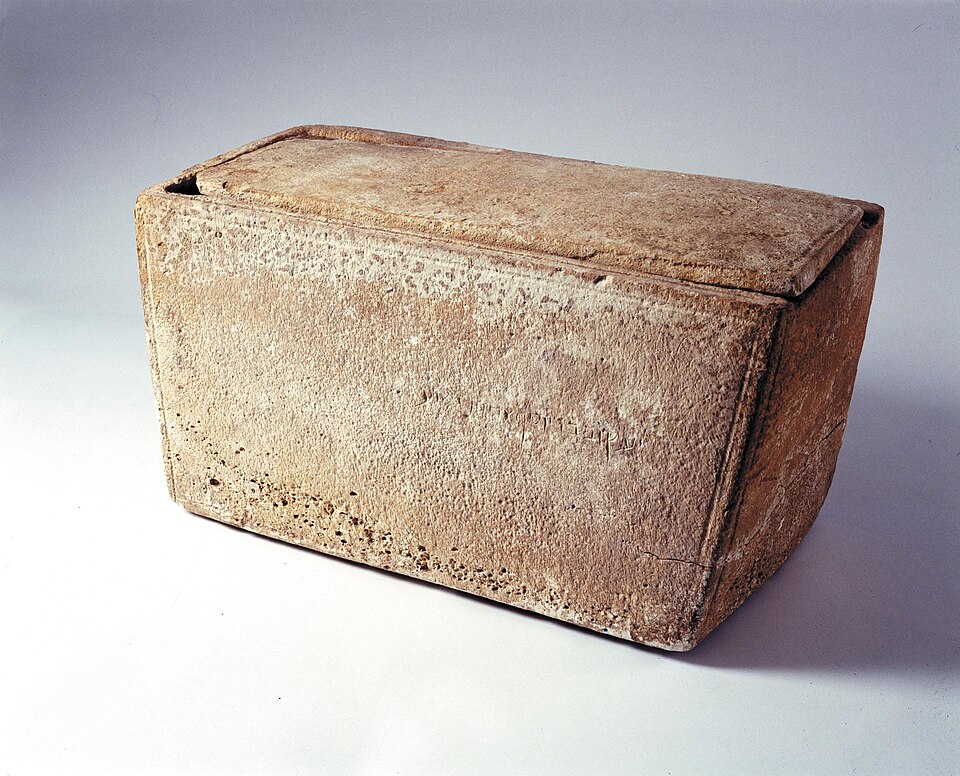
The James Ossuary – a stone bone box inscribed with a line naming “James” as the son of Joseph and brother of Jesus – burst into public view with the promise of being a tangible link to the family of Jesus of Nazareth. For many, it felt almost too intimate: not a grand relic, but something that could have stood quietly in a first‑century tomb. Early analyses confirmed that the limestone box itself was ancient, consistent with ossuaries used in the region during that period, which initially seemed to support the sensational claim.
Then experts turned their attention to the inscription. Detailed studies of the patina, the weathering patterns, and the microscopic tool marks suggested that at least part of the text was carved more recently onto an older box. Scientific panels and legal proceedings in the early twenty‑first century turned the ossuary into a courtroom exhibit, with epigraphers, chemists, and geologists arguing over every groove and mineral deposit. The result is a limbo where the artifact is old but the text may be tampered with, leaving the public caught between faith, skepticism, and a high‑stakes antiquities market. Personally, I find it a perfect example of how scientific testing can move something from inspiring relic to uncomfortable question mark.
6. The Kensington Runestone: Viking Record or American Tall Tale?
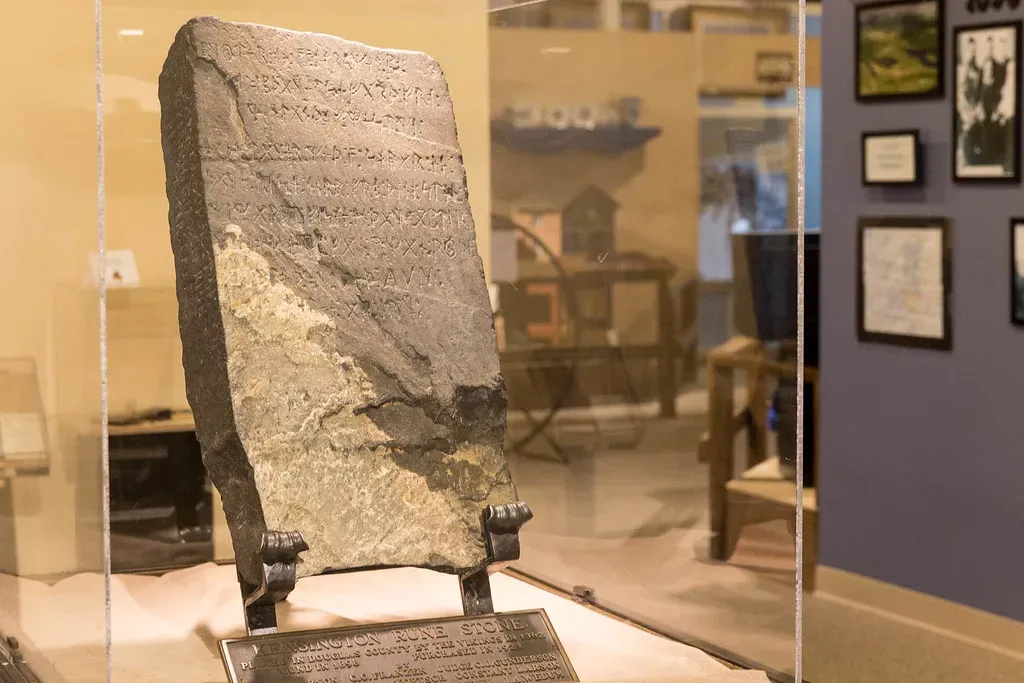
The Kensington Runestone, allegedly discovered in Minnesota in the late nineteenth century, tells a dramatic story in runic script about Scandinavian explorers in the fourteenth century penetrating deep into North America. For communities proud of their Scandinavian roots, the stone became almost a cultural icon, a physical claim that Vikings had been there centuries before other Europeans. Yet from very early on, linguists and historians were uneasy: the language on the stone looked oddly modern, and the story seemed conveniently aligned with local legends and pride.
Scientific and linguistic testing only made things messier. Analyses of weathering, carving technique, and the specific rune forms have suggested a relatively recent origin, while detailed studies of the vocabulary point to influences that would be unusual, if not impossible, in the fourteenth century. Supporters counter with alternative explanations about preservation conditions and obscure dialects. The result is an ongoing tug‑of‑war between regional identity and critical scholarship. Every time a new study comes out, it either reaffirms the hoax narrative or reignites hope among believers, turning a single carved stone into a long‑running argument about who gets to own the story of the American past.
7. The Grolier Codex (Now the Maya Codex of Mexico): Ancient Book Under a Microscope
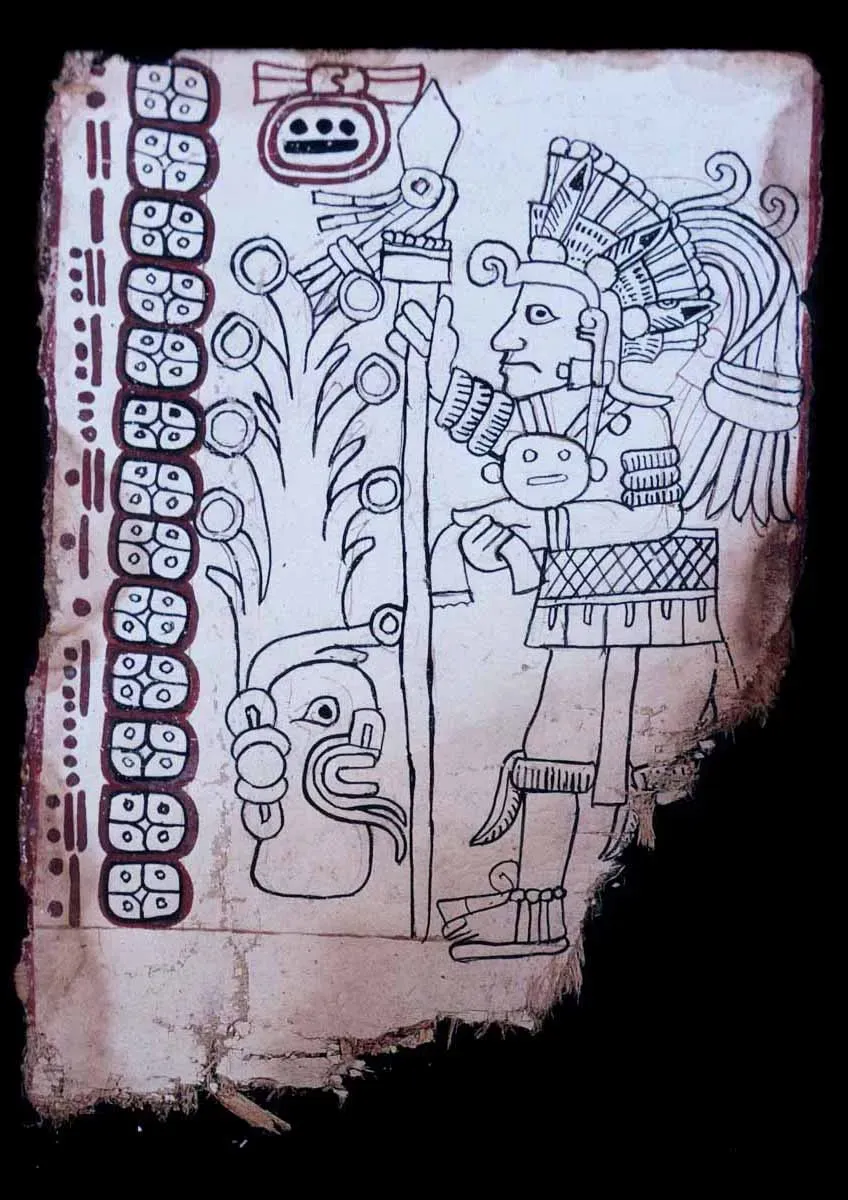
The so‑called Grolier Codex, a painted Maya book that surfaced in the twentieth century, instantly attracted suspicion. Unlike the three other widely accepted Maya codices, it had no secure archaeological context and a murky trail through private hands. For years, many scholars dismissed it as a clever modern fake designed to exploit collector demand. The colors, the simplified style of the figures, and the unusual content all raised red flags in an academic world rightly wary of too‑perfect finds emerging from the shadows of the antiquities trade.
Then came a wave of scientific testing that complicated the story. Radiocarbon dating of the bark paper pointed to a genuinely pre‑Columbian origin, and detailed analysis of pigments and iconography showed patterns consistent with known Maya practices, even if the style was somewhat atypical. Eventually, an in‑depth multidisciplinary study concluded that the codex was likely authentic, and it was rebranded as the Maya Codex of Mexico. The controversy did not vanish, though; instead it shifted into debates about how to balance technical data with stylistic judgment. To me, this case is a good reminder that scientific testing can rescue a discovery from the “probably fake” bin, but it rarely erases the doubts that grew up around it.
8. The Antikythera Mechanism: Ancient Computer That Keeps Getting Stranger
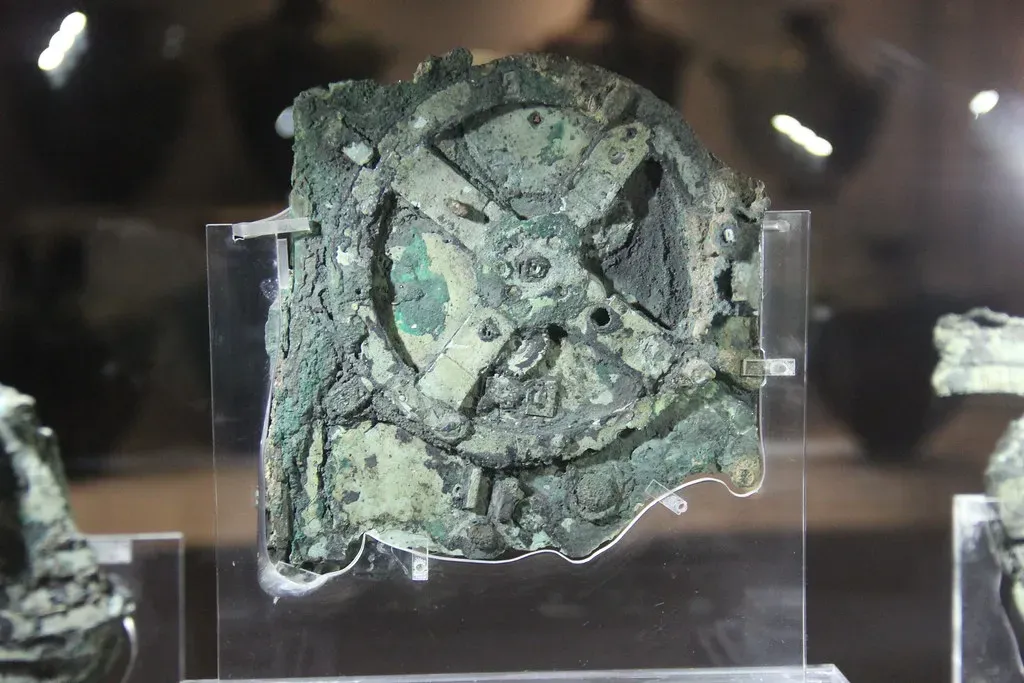
When sponge divers recovered a corroded lump of bronze from a shipwreck off the Greek island of Antikythera in the early twentieth century, nobody realized they were holding a machine that would upend assumptions about ancient technology. X‑rays and later high‑resolution scanning revealed a complex system of gears capable of tracking celestial motions, predicting eclipses, and modeling the cycles of the heavens. Early testing already stunned historians, who had believed such mechanical sophistication only appeared more than a thousand years later. The story could have ended as a simple tale of lost genius, but every new scan has made the find more controversial in subtle ways.
As imaging has improved, researchers have reconstructed increasingly detailed models of how the device worked and what it displayed. That has triggered fierce debates: Was this a one‑off masterpiece or part of a broader, now‑lost tradition? Did it come from a known philosophical school, a particular workshop, or an unknown inventor? The controversy is not about whether it is authentic – it clearly is – but about how far we are willing to stretch our picture of ancient science and craftsmanship. When I read about the mechanism today, I get the feeling of watching the curtain lift inch by inch on a civilization that may have been far more mechanically ambitious than our schoolbook diagrams suggested.
9. The Kennewick Man (The Ancient One): Bones, DNA, and Indigenous Rights
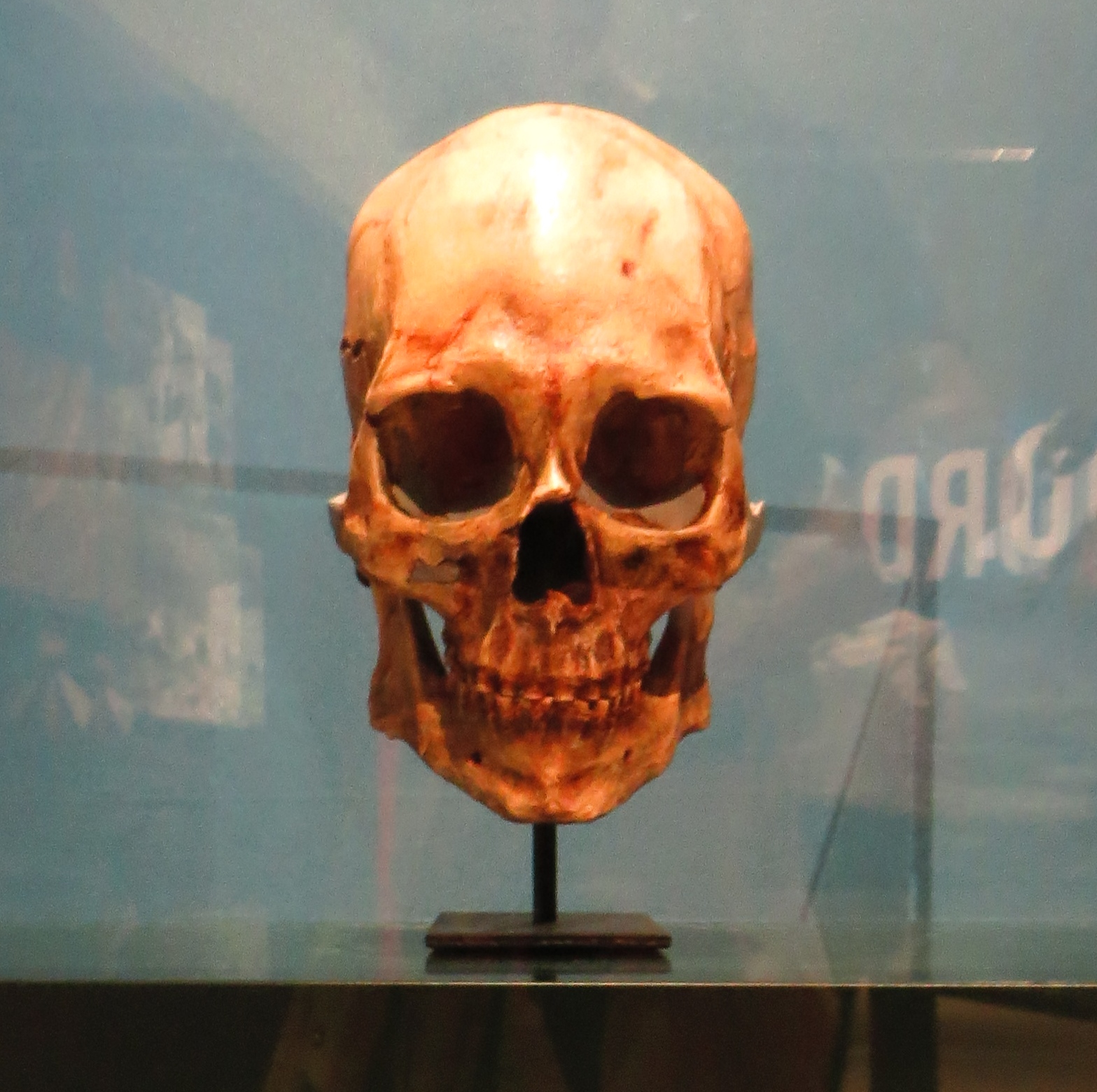
The skeleton known as Kennewick Man, or the Ancient One, was discovered in Washington State in the 1990s and quickly became one of the most contested human remains in North America. Initial analyses of skull shape led some researchers to suggest that the individual might not be closely related to modern Native American populations, which had huge implications for how early peopling of the Americas was understood. At the same time, Indigenous nations in the region asserted cultural and spiritual ties to the remains and sought reburial under repatriation laws, creating a direct clash between scientific curiosity and Native sovereignty.
Advances in DNA testing brought the controversy into sharper focus. Genetic studies eventually showed a close relationship between the Ancient One and contemporary Native American groups in the area, reinforcing Indigenous claims and undercutting earlier interpretations based mainly on cranial measurements. The scientific narrative shifted, but the damage from years of legal battles and public disputes lingered. To me, this case shows how scientific testing can both clarify ancestry and, if used without sensitivity, deepen mistrust. The fact that the remains were ultimately repatriated and reburied only underlines that data alone does not resolve whose stories take precedence when history, science, and living communities collide.
10. Ötzi the Iceman: From Silent Mummy to Forensic Crime Scene
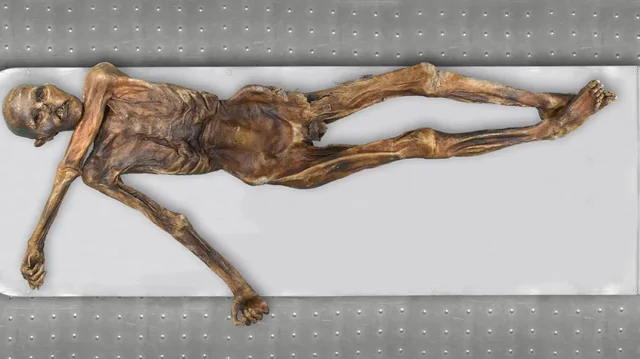
When hikers discovered a naturally mummified body in the Alps in the early 1990s, it at first seemed like a tragic but relatively recent death. Scientific dating quickly flipped that assumption: the man, now called Ötzi, had died more than five thousand years ago. That should have been the end of the surprise, but as researchers applied CT scans, isotope analysis, and genetic testing, the calm image of a peaceful prehistoric shepherd gave way to something far more dramatic – and controversial. Evidence of an arrow wound, head trauma, and blood from other individuals on his gear led some to describe the find almost like a cold‑case murder investigation.
Each new test added another twist. Studies of pollen in his gut, isotopes in his teeth, and DNA in his clothing painted an incredibly detailed, almost cinematic reconstruction of his last days, but they also sparked disagreement about how to interpret the clues. Was he ambushed or caught in a feud? Was the violence ritual, political, or purely personal? Add in debates about his genetic profile, possible health conditions, and even tattoos, and Ötzi goes from a simple archaeological marvel to a lightning rod for competing theories about Copper Age life. The science does not make him less mysterious; it makes him more vividly human – and that, in turn, fuels argument about what kind of story we want this ancient man to tell.
11. The Rosetta Stone’s Siblings: The Ptolemaic Decrees and Who Owns the Past
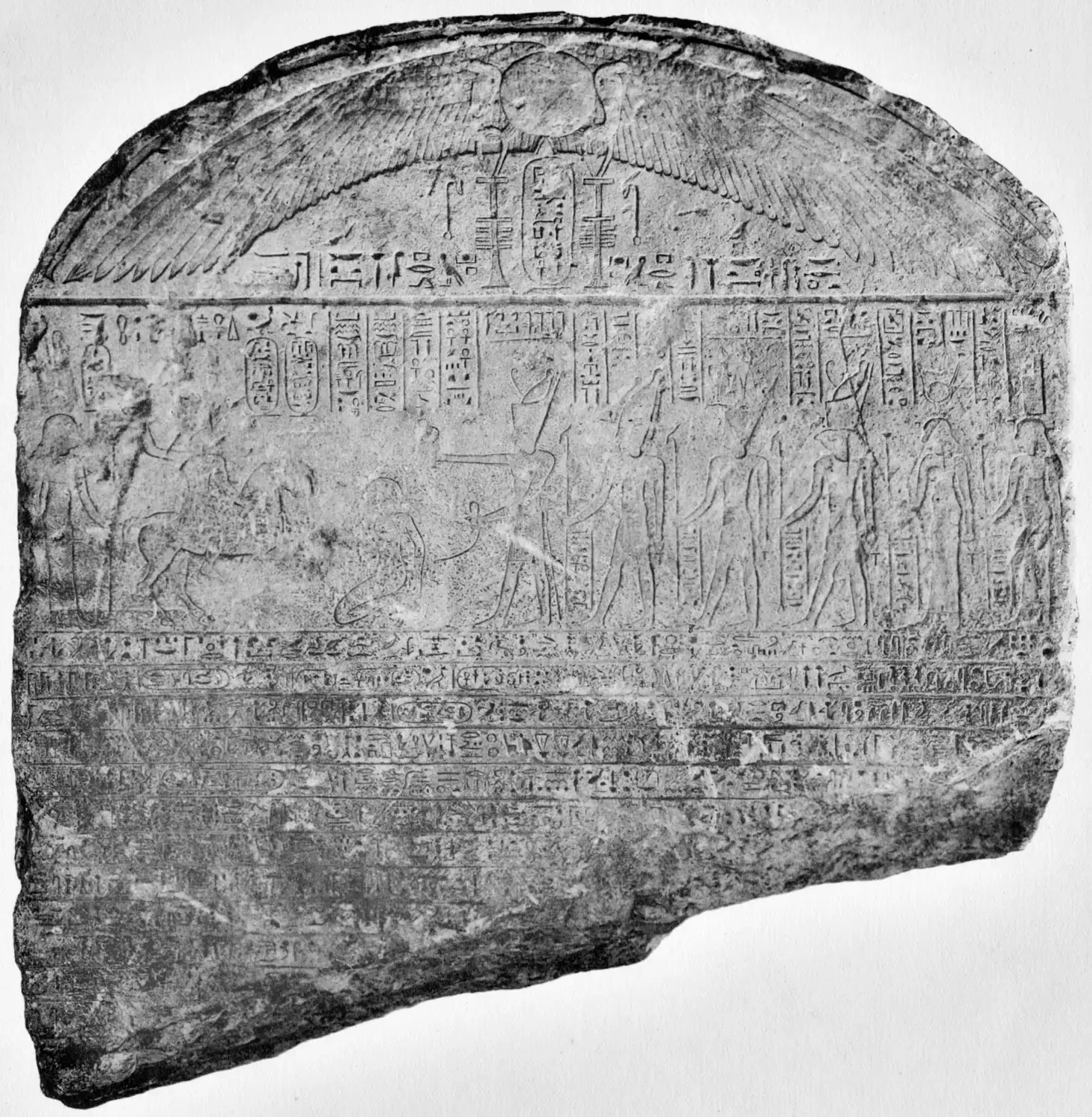
The Rosetta Stone is famous for unlocking Egyptian hieroglyphs, but its lesser‑known counterparts – the other copies of the same decree carved in stone and found in Egypt – have taken on a different kind of controversy as testing and documentation improved. High‑resolution imaging, pigment analysis, and careful epigraphic comparison have identified subtle differences between the versions, raising questions about how official texts were copied, adapted, and distributed under Ptolemaic rule. Instead of a single, authoritative decree, the evidence points to a more flexible, negotiated process of inscribing power in multiple languages and scripts.
At the same time, scientific work clarifying the stones’ provenance and original settings has intensified disputes over cultural ownership. As we learn more about the stones’ Egyptian context and the processes by which they left the country during the colonial era, calls for repatriation have grown louder. The controversy has shifted from technical questions of dating and authenticity – which are largely settled – to political and ethical questions about where such objects belong and who gets to use them as symbols of identity. For me, this is where scientific testing reveals its double edge: the more precisely we can trace an artifact’s journey, the harder it becomes to ignore the uncomfortable parts of its modern history.
12. The Nebra Sky Disk: Bronze Age Star Map or Modern Myth Magnet?
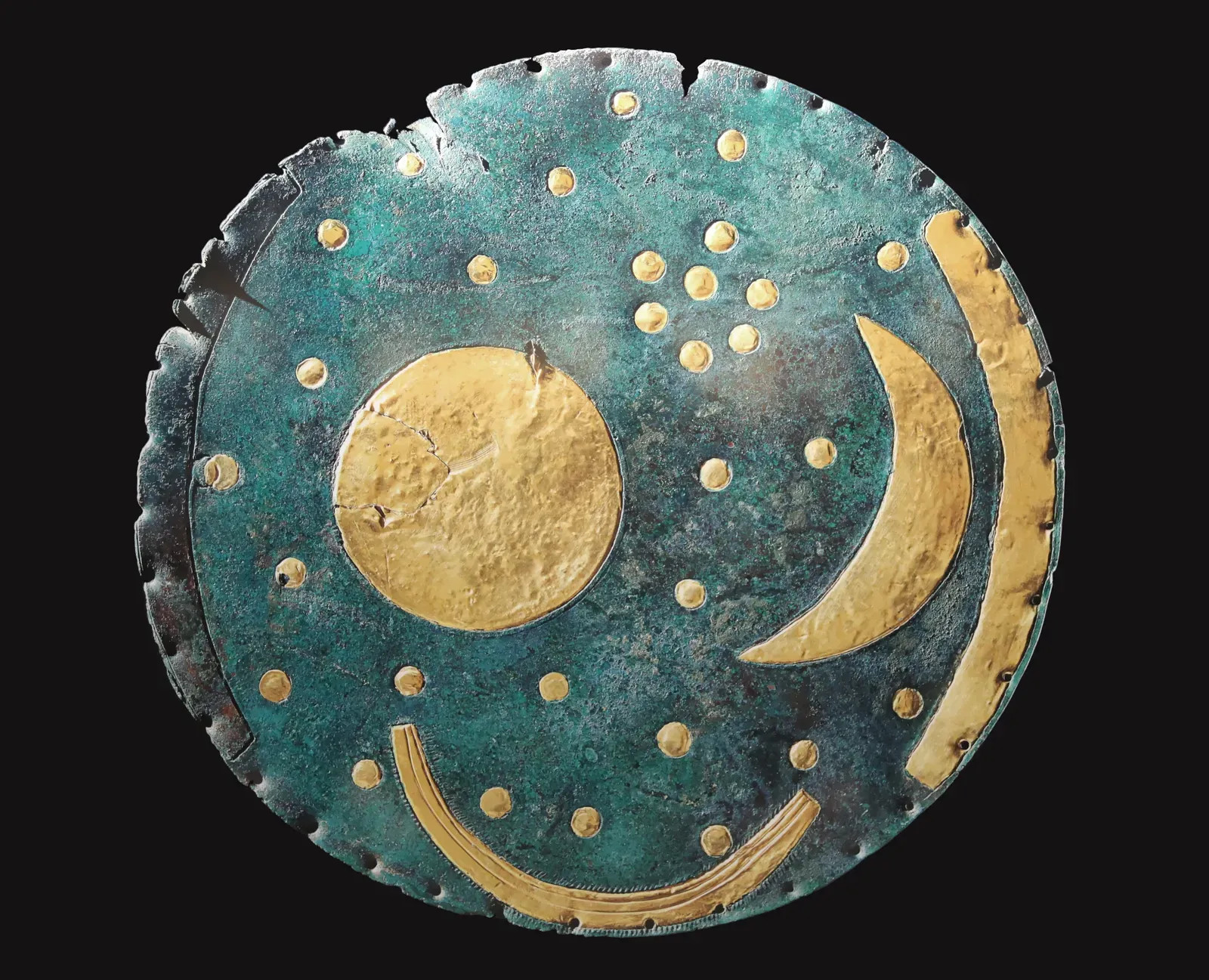
The Nebra Sky Disk, a bronze plate inlaid with gold symbols of the sun, moon, and stars, emerged from illegal digging in Germany in the late twentieth century and immediately captured the public imagination. Scientific testing – metallurgical analysis, radiocarbon dating of associated finds, and studies of corrosion – placed it in the Bronze Age, making it one of the earliest known realistic depictions of the night sky. For a while, it was hailed almost as a prehistoric astronomical textbook, evidence of sophisticated celestial knowledge in central Europe long before written records from the region. Predictably, that bold story line did not survive unchanged for long.
As more data accumulated, scholars began arguing over almost every aspect: the precise date of manufacture, the original arrangement of the gold inlays, whether some elements were added or altered centuries later, and how much astronomical meaning we can safely read into the design. Some see it as a highly accurate representation of specific constellations and cycles; others warn that such interpretations lean more on modern wishful thinking than on solid evidence. The disk is authentic, but the narrative wrapped around it keeps shifting with each new test and model. To me, it captures the whole theme of this article in one object: a beautiful artifact that grows more controversial, not less, the more closely science looks at it.
Conclusion: When Evidence Sharpens the Mystery Instead of Solving It
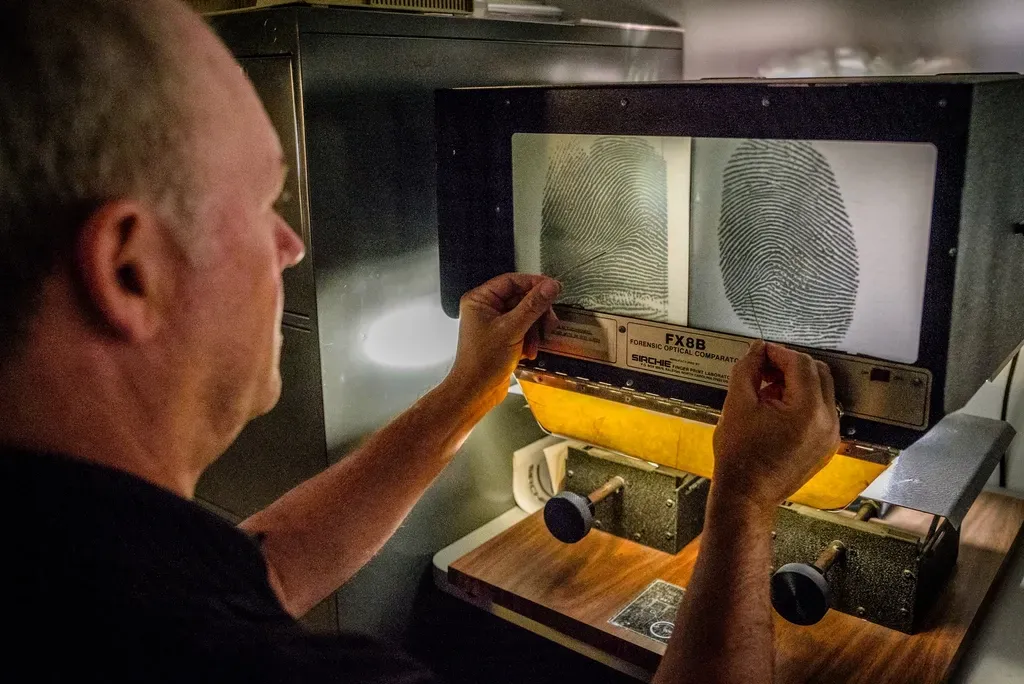
Looking across these twelve cases, a pattern jumps out: scientific testing almost never delivers the neat, courtroom‑style verdict people hope for. It can expose outright frauds, like Piltdown Man or modern Dead Sea Scrolls forgeries, and it can vindicate suspicious finds like the Maya Codex of Mexico. But more often, it does something messier: it chips away at comforting stories, complicates motives, and forces us to juggle hard data with human emotions, politics, and belief. The Shroud of Turin still inspires devotion even after radiocarbon results; the Kennewick Man saga shows that DNA can confirm ancestry yet leave deep wounds about how that knowledge was pursued and used.
My own bias, if I am honest, is to welcome that mess. I think history is healthiest when it is under pressure, when cherished narratives have to survive contact with new tools and skeptical questions. At the same time, it is naïve to pretend that more data automatically means more agreement; in practice, it usually means more arguments, just at a higher resolution. Maybe that is the real takeaway: every test we run on the past is also a test of ourselves – of what we are willing to change our minds about, and what we are determined to protect no matter what the evidence says. When the next sensational “discovery” makes headlines, the better question might not be “Is it real?” but “What are we hoping it will prove about us?”