If you enjoy history that behaves badly – artifacts that stubbornly refuse to fit in neat timelines – you’re in the right place. Scattered across the archaeological record are objects that seem too old, too advanced, or just too weird for the layers of earth they were found in. Some of them probably have ordinary explanations buried under decades of hype. Others remain awkward, nagging questions that keep both serious scholars and curious amateurs up at night.
What follows is a tour of ten of the most talked‑about “out of place” objects: things that, at first glance, look like they have no business existing where and when they appear. We’ll look at what they are, why they’re so controversial, and – crucially – what mainstream science actually says about them today. Think of it as sitting in a dim bar with a very nerdy friend who loves old mysteries but hates nonsense. You might walk away less certain that ancient people were time travelers, but more impressed by how clever they really were.
The Antikythera Mechanism: The Bronze “Computer” That Came Too Early
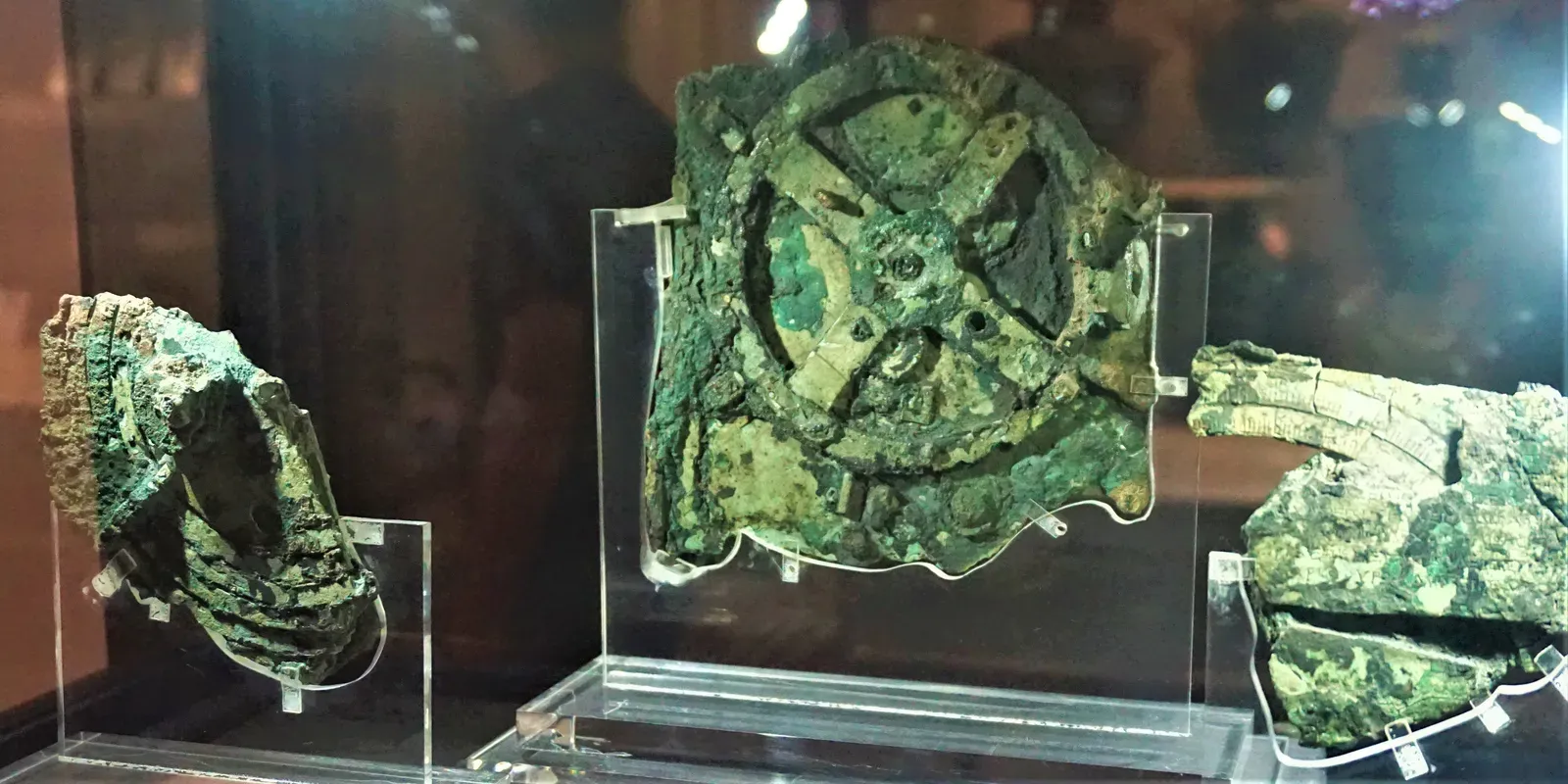
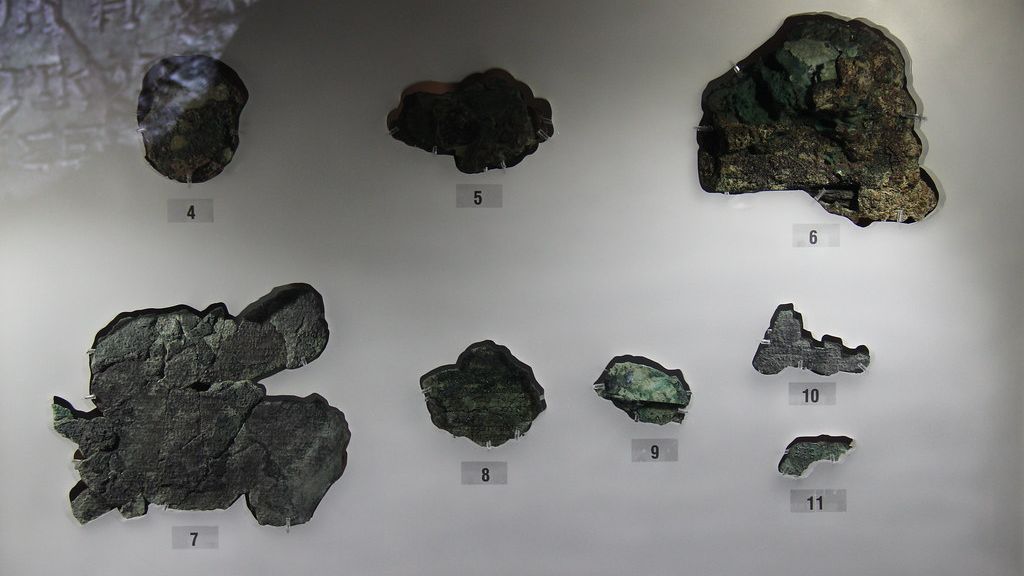
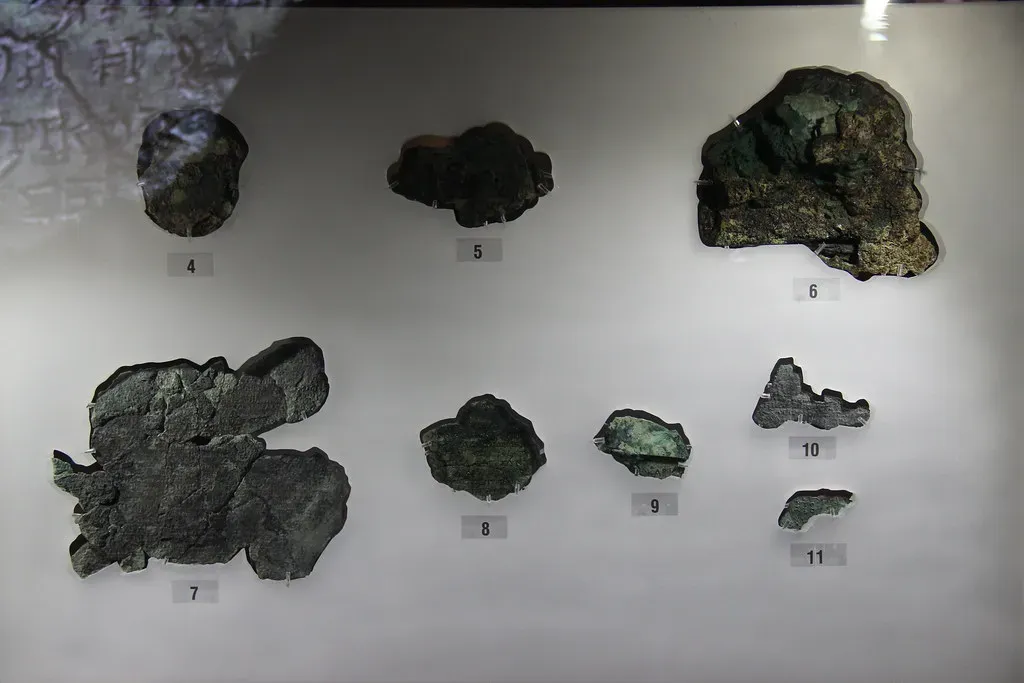
The Antikythera Mechanism feels almost like a prank history played on modern technology. Pulled in 1901 from a Roman‑era shipwreck off the Greek island of Antikythera, this corroded lump of bronze turned out to be a geared machine so sophisticated that it stunned early twentieth‑century scholars. Inside its broken casing are dozens of interlocking bronze gears, used to model the motions of the sun, moon, eclipses, and possibly the known planets. For something dated roughly to the second or first century BCE, that level of mechanical precision looks wildly anachronistic.
For a long time, textbooks basically jumped from simple Greek water clocks to medieval European clockworks, with a technological dark hole in between. The Antikythera Mechanism punches a big hole in that story. X‑ray imaging and 3D reconstructions suggest it was a portable astronomical calculator, complete with dials, pointers, and inscriptions acting like an instruction manual. Some researchers see it as proof there must have been a whole tradition of high‑precision gearmaking in the Hellenistic world that has largely vanished, probably because fragile bronze machines were melted down. The mystery isn’t whether the Greeks could build it – they clearly did – but how many other devices like it existed that we’ve never found.
Baghdad “Batteries”: Ancient Power Sources or Misunderstood Jars?
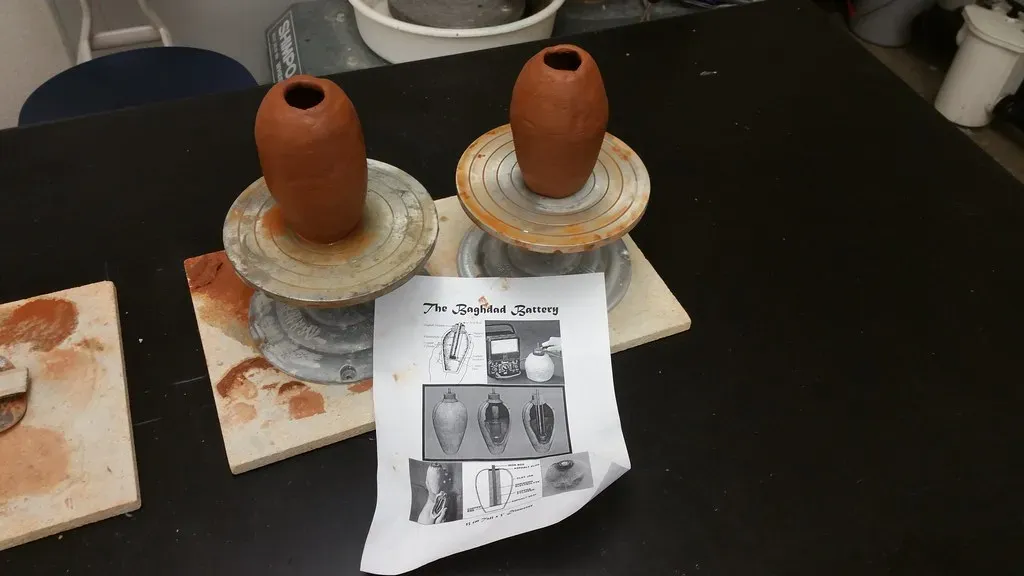
Few artifacts have fueled as many sensational headlines as the so‑called Baghdad Batteries. Discovered in the 1930s near modern Baghdad and dating somewhere between the centuries just before and after the Common Era, these small clay jars contain a copper cylinder and an iron rod sealed with bitumen. When early researchers poured an acidic solution inside, they produced a tiny electrical current, leading to the claim that ancient Mesopotamians had invented primitive batteries thousands of years before the modern age.
It’s a tantalizing idea: did ancient craftspeople electroplate jewelry, run electrotherapy, or play with electricity just for fun? The uncomfortable truth is that we have no written description of such a use, and many archaeologists argue the jars were probably mundane ritual or storage objects rather than power cells. Replication experiments show they can work as batteries, but just because they can doesn’t prove that was the actual intent. I lean toward a cautious middle ground: they remain odd enough to warrant curiosity, but the evidence that they’re genuine “batteries” in the modern sense is much weaker than the hype suggests.
The Phaistos Disc: A Printed Message from Nowhere
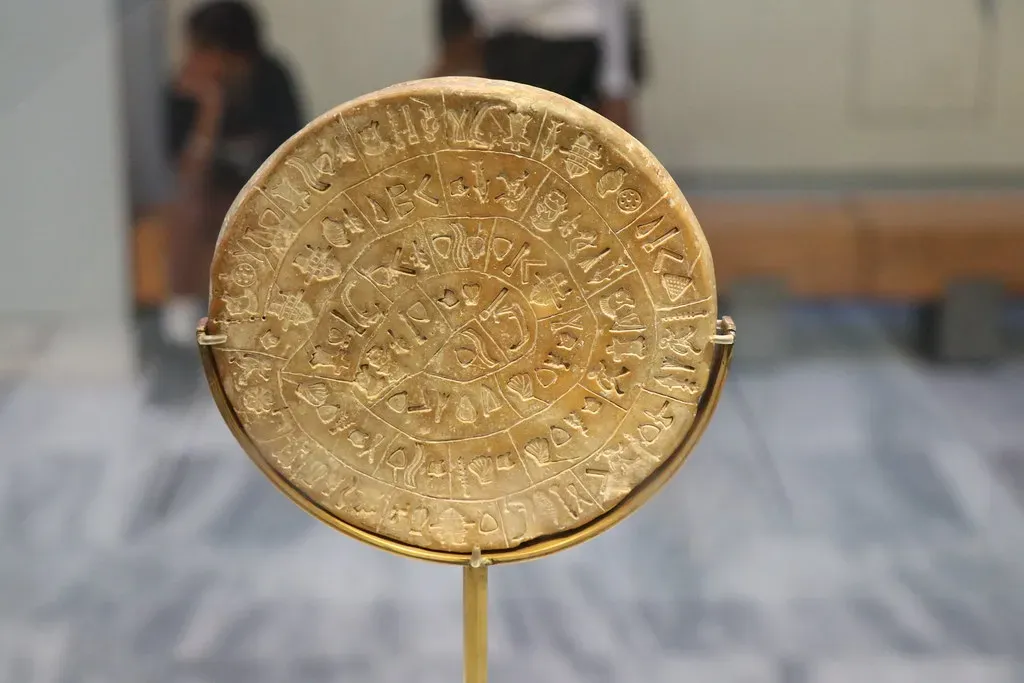
The Phaistos Disc looks like something a bored game designer might have cooked up, not an artifact more than three thousand years old. Unearthed in 1908 at the Minoan palace of Phaistos on Crete, it is a circular clay disc imprinted with spiraling lines of tiny symbols. Unlike carved inscriptions, these symbols were repeatedly stamped with reusable seals before the clay was fired, making the disc one of the earliest known examples of something that feels dangerously close to printing.
The real headache is that whatever language the disc encodes has never been conclusively deciphered, and the symbol set appears nowhere else in securely dated contexts. That has led to everything from sober linguistic attempts to wild theories about extraterrestrial scripts and lost civilizations. Most scholars place it comfortably in the Bronze Age, yet its apparently unique “mass production” style and unknown script make it feel alien even on a shelf full of Minoan artifacts. Until another text in the same system turns up, the disc will stay what it is now: a single, stubborn message from a voice we just cannot hear.
The Nebra Sky Disk: Bronze Age Star Map That Shouldn’t Be So Accurate
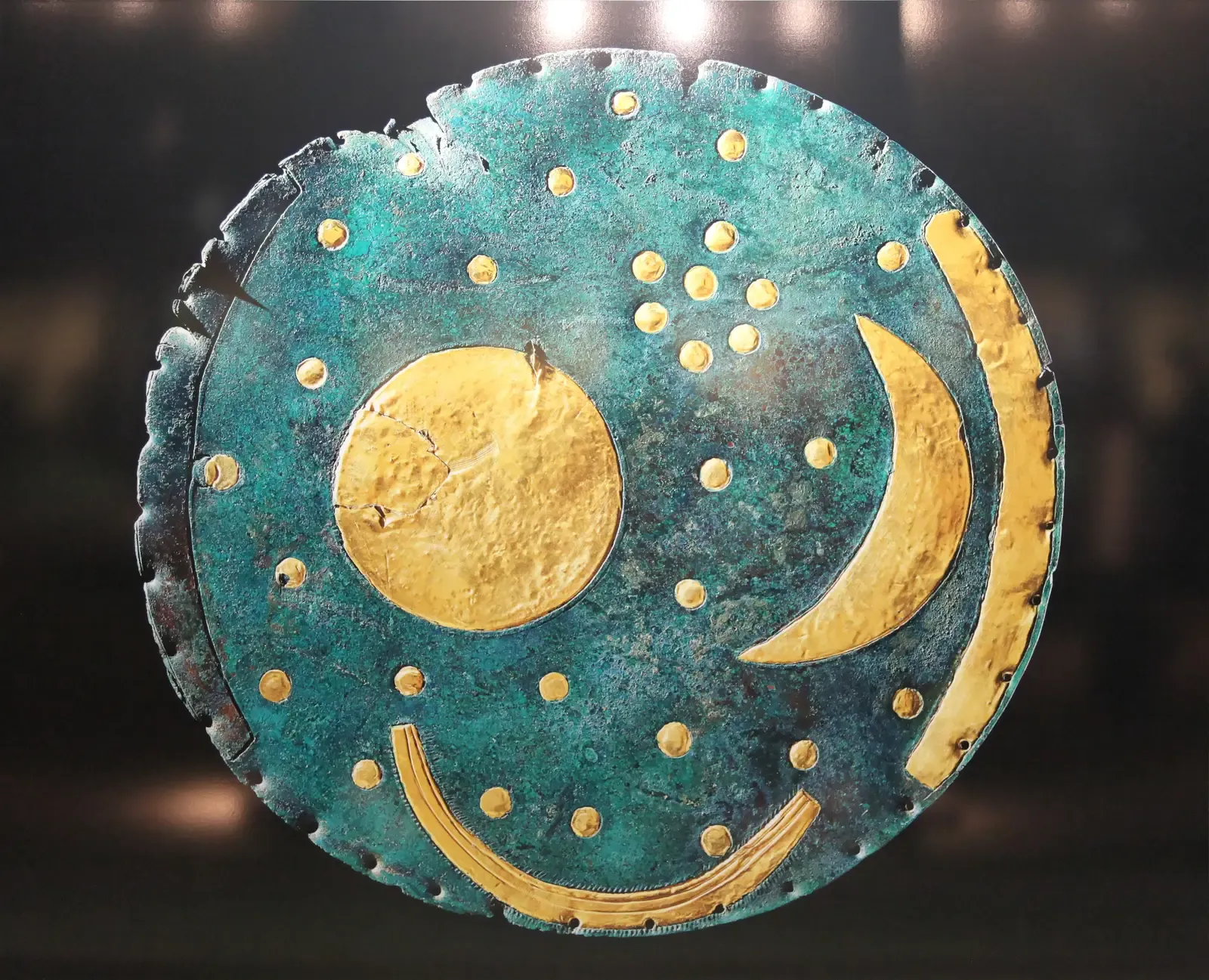
The Nebra Sky Disk, discovered in Germany and dated to around the early second millennium BCE, looks at first like a decorative bronze plate inlaid with gold. Upon closer inspection, those gold inlays form a sun or full moon, a crescent, and a cluster of stars that closely resembles the Pleiades. Additional gold arcs along the edges appear to mark the range of the summer and winter solstice sunsets at the disk’s latitude, which implies a solid grasp of astronomical observation in Bronze Age central Europe.
When the disk first hit the academic world, some scholars doubted its authenticity because it seemed too advanced and symbolically dense for its supposed time and place. It threatened the tidy narrative that complex sky knowledge belonged mainly to the Near East or Mediterranean. Over time, detailed scientific analyses of patina, corrosion, and excavation context have convinced most experts it is genuinely ancient. To me, the Nebra disk is a humbling reminder that our picture of what “should” be possible in a given era is often built on gaps in our evidence, not limits in their intelligence.
The Dendera “Light Bulbs”: Ancient Lamps or Misread Symbolism?
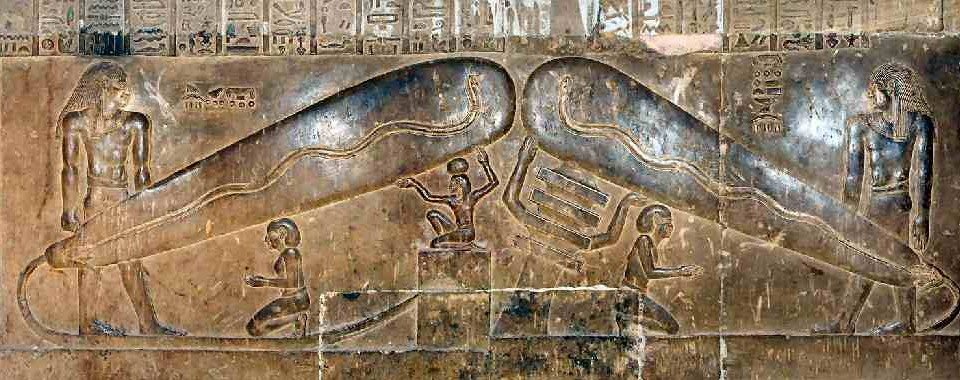
In the crypts beneath the Temple of Hathor at Dendera in Egypt, there are reliefs that have launched a thousand fringe documentaries. They show elongated oval shapes, sometimes with a serpent inside, connected to something that looks vaguely like a plant or stand, accompanied by priests and other symbols. To modern eyes raised on Edison and neon, these carvings resemble giant light bulbs with trailing cables, which has inspired claims that the ancient Egyptians used electricity to illuminate their temples.
Professional Egyptologists, however, interpret these scenes very differently: as mythological representations of the emergence of the world, with the serpent symbolizing creative force within a sacred “egg” or lotus. There’s no supporting physical evidence – no wires, fixtures, or power infrastructure – that you’d expect if genuine electric lighting had been in everyday use. My take is that this is a clear case where modern technological bias colors what we see. The carvings look eerily familiar to us, but that says more about our brains spotting patterns than about Egyptian engineers secretly wiring up the Nile temples.
Roman Dodecahedra: Multi‑Faceted Mysteries with No Manual
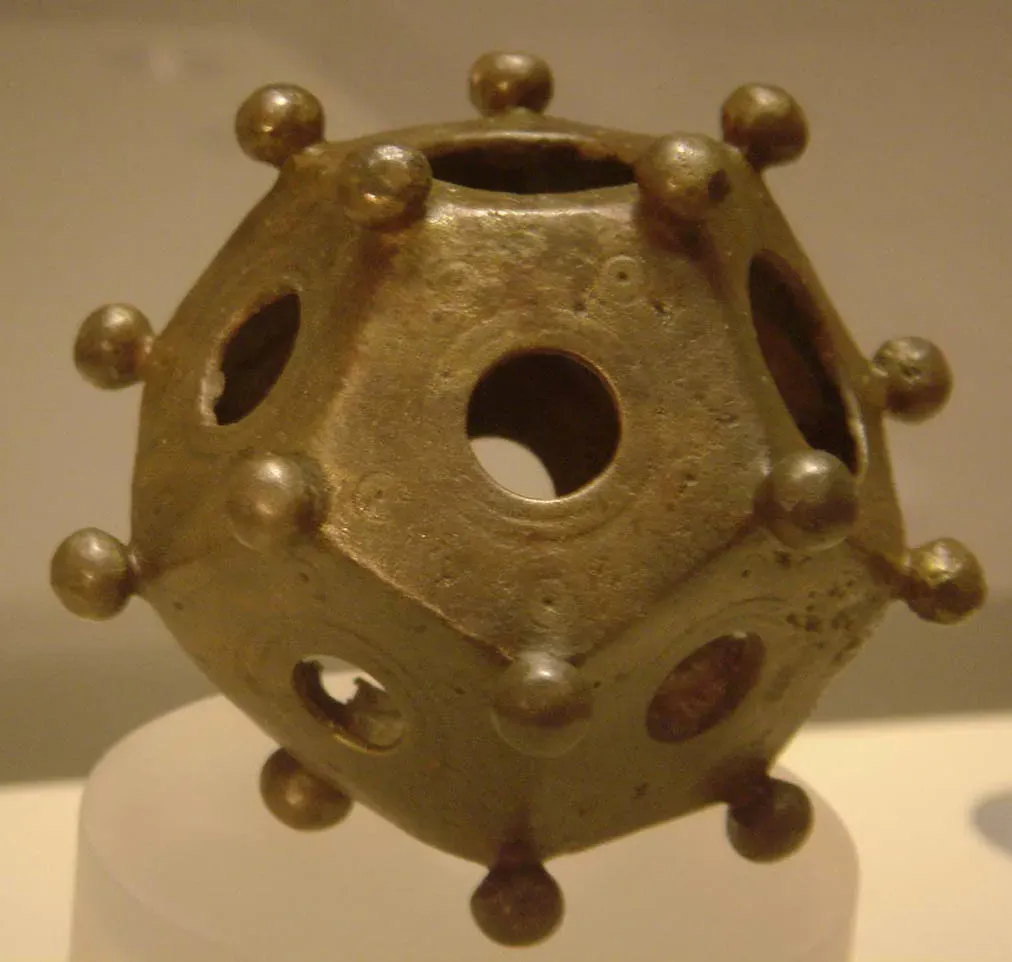
Imagine a small bronze object shaped roughly like a hollow twenty‑sided die, with a different‑sized hole on each face and little knobs at the corners. Now imagine more than a hundred of them turning up across the former Roman Empire, especially in northwestern provinces, with no surviving texts explaining what they were for. That’s the situation with Roman dodecahedra, artifacts dated mostly between the second and fourth centuries CE that seem to defy easy classification.
Proposed functions range from candlesticks and surveying tools to knitting aids, calendar devices, or even children’s toys. Experimental archaeologists have shown you can use them to gauge distance or produce consistently sized fabric or glove fingers, which is neat but not definitive. What feels “out of time” here isn’t advanced technology so much as our total ignorance in a civilization we usually think we understand pretty well. For a culture that left us miles of inscriptions and practical manuals, the silence around these odd little gadgets is almost provocative.
The London Hammer: Modern Tool Trapped in Ancient Rock?
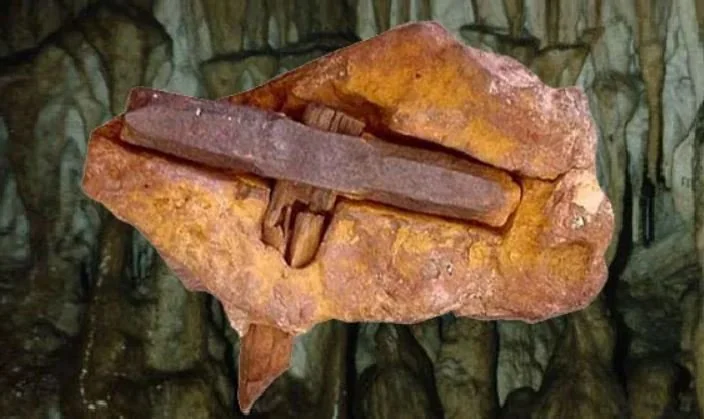
The so‑called London Hammer, found in Texas in the 1930s, is a small iron hammerhead partially encased in what appears to be ancient rock. At first glance, it looks like an impossible fossil: a modern‑looking tool imprisoned in rock layers that some claim are many millions of years old. Photos of the hammer have been used endlessly in arguments that human technology is far older than mainstream science allows, or that geological dating is fundamentally broken.
Geologists who have examined the object offer a much less fantastic explanation. The hammer itself is almost certainly from the nineteenth century, matching the style of tools miners and settlers used. The surrounding material is not solid ancient bedrock but a concretion – minerals that have slowly hardened around the hammer over time, which can happen relatively quickly in the right conditions. To me, this case perfectly shows how an unexamined assumption (“rock must equal great age”) can make an ordinary object look impossibly out of place. Once you separate the hammer from the hype, the time‑travel element basically evaporates.
The Coso Artifact: Spark Plug from the Age of the Dinosaurs?
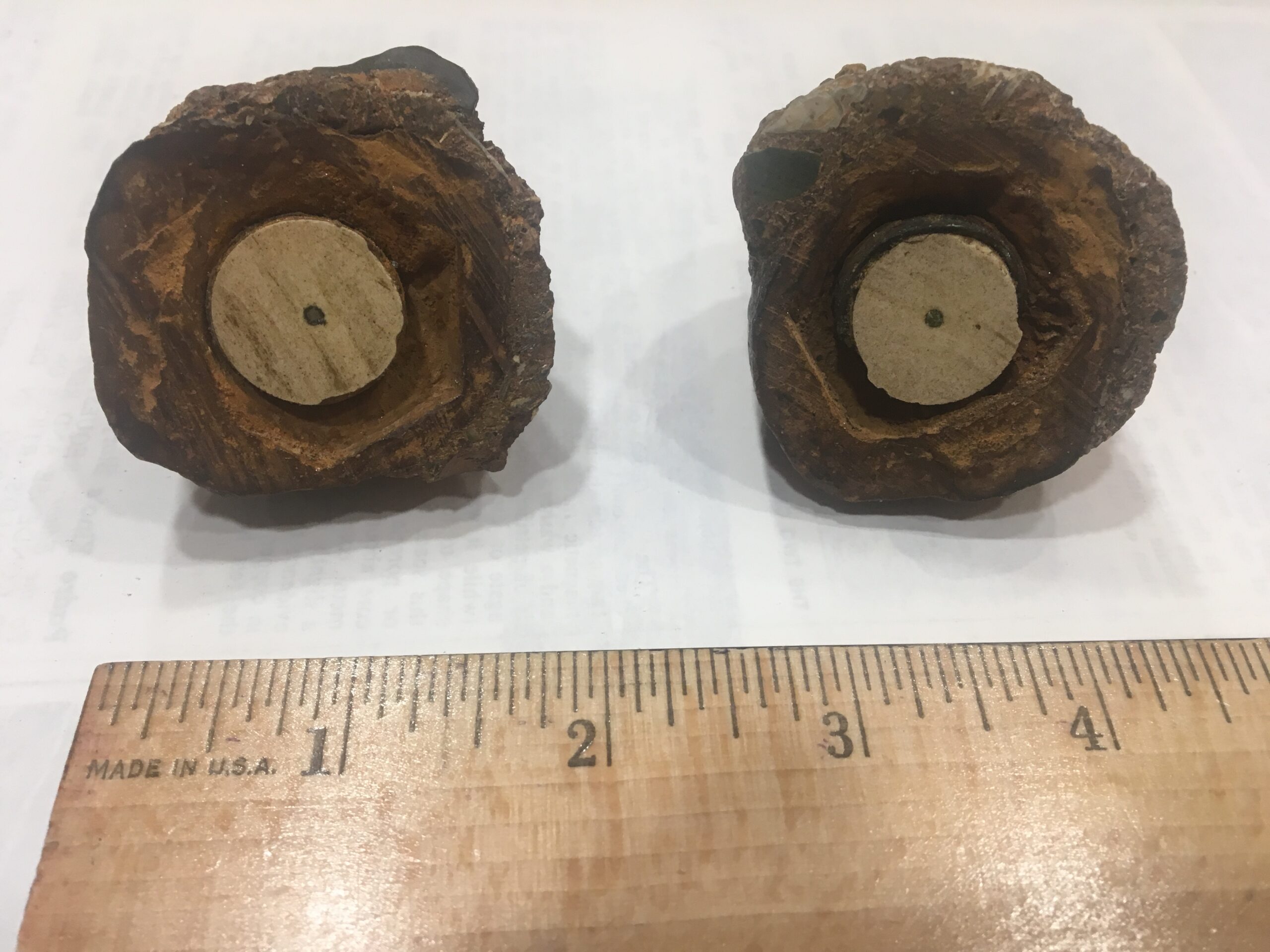
The Coso Artifact story almost sounds like a parody of out‑of‑place claims. In the 1960s, a group of rockhounds cracked open a strange nodule found in California and discovered inside what looked like a manufactured object with a metal core. Early descriptions framed it as a spark plug or mechanical part inexplicably sealed within geologic material supposedly hundreds of thousands of years old. For proponents of extreme alternative history, it was an instant icon.
Later investigations, including comparisons with vintage automotive parts, strongly suggest the object is indeed a twentieth‑century spark plug that became encased in a natural concretion similar to the London Hammer’s case. The “ancient rock” surrounding it is not primordial crust but hardened sediment and minerals that can form around debris within decades. I’ll be blunt here: this is one of those artifacts that survives mostly because the myth is more exciting than the mundane explanation. Its continued appearance in sensational lists says less about ancient technology and more about how reluctant people are to let a good story go.
The Stone Spheres of Costa Rica: Precision or Pretty Good Guesswork?

Scattered across Costa Rica are hundreds of near‑spherical stone balls, some small enough to roll with your hands, others massive enough to require machinery to move today. Attributed to the pre‑Columbian Diquís culture and likely carved between roughly a thousand and several hundred years ago, these spheres have sparked claims that ancient artisans achieved mathematically perfect shapes rivaling modern machine work. In some retellings, they’re presented almost as proof of lost high‑tech tools or mysterious energy grids.
Careful measurements, though, show a more nuanced picture: many spheres are impressively round, especially considering the tools available, but not flawless. They seem to have been shaped using pecking, grinding, and polishing, which is time‑consuming but entirely within the realm of human perseverance and skill. Their placement near important settlements, mounds, and pathways hints at social or ritual significance, possibly symbolizing political power or cosmological ideas. Rather than being impossible artifacts, they’re a striking reminder that patience, organization, and craftsmanship can produce results that feel almost supernatural to us.
The Shroud of Turin: Medieval Relic or Impossible Image?
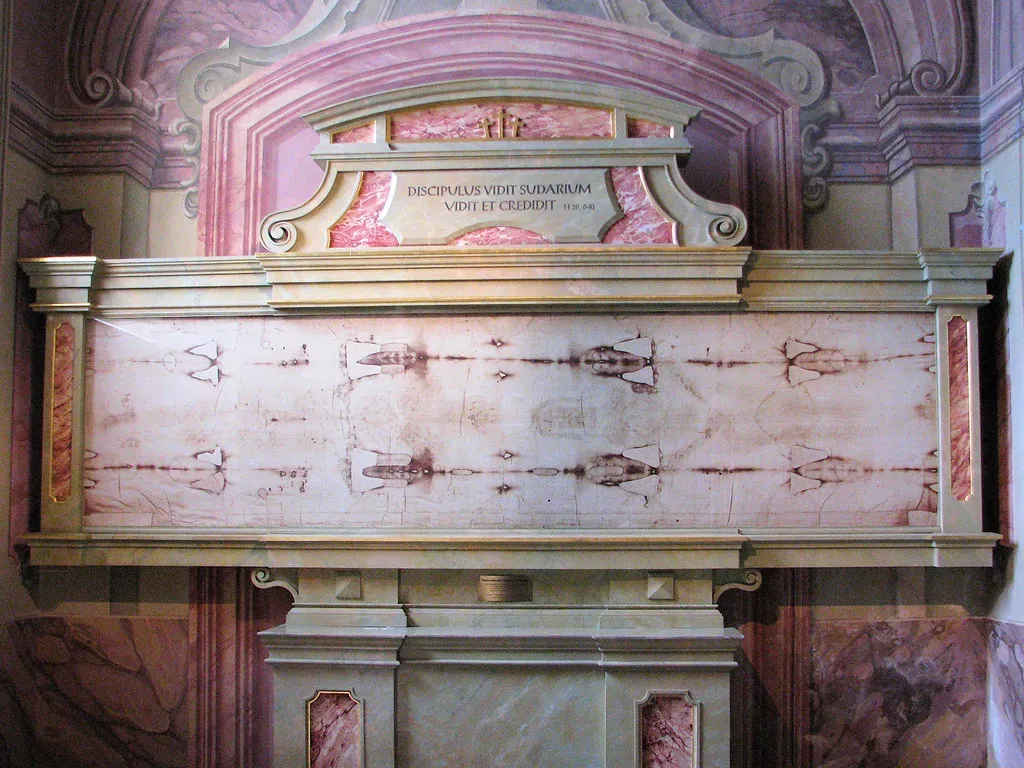
The Shroud of Turin is a linen cloth bearing the faint front‑and‑back image of a man who appears to have been crucified, and it has long been venerated within Christianity as the burial cloth of Jesus. From a strictly chronological standpoint, there is a core tension: radiocarbon tests in the late 1980s dated the fabric to the medieval period, while proponents point to the image’s unusual characteristics and argue that no known technique from any period fully explains how it was formed. This combination of a medieval date with what some see as a technologically baffling image keeps it hovering awkwardly between archaeology, faith, and fringe science.
Researchers have proposed everything from artistic methods and chemical reactions to bursts of radiation or unknown natural processes to account for the shroud’s image. None of these explanations has achieved universal acceptance, and arguments over possible contamination of the dated samples further cloud the picture. What makes the shroud emotionally powerful is that it sits at the crossroads of belief and empirical analysis; people rarely approach it neutrally. In my view, as long as the key questions about its formation remain open, it will continue to be treated by some as an object out of time, even if its fabric ultimately proves to be no older than the cathedrals that once displayed it.
Conclusion: When “Impossible” Objects Force Us to Rethink the Past
Looking across these ten artifacts, you start to see a pattern that has less to do with time travelers and more to do with our own blind spots. Whenever we find something that seems too advanced, too polished, or too mysterious for its assigned date, our first instinct is often to declare it “impossible” rather than admit that our mental timeline might be oversimplified. Ancient people were not naive background characters waiting around for modern engineers to show up; they were tinkerers, observers, problem‑solvers, and sometimes just as weird and imaginative as we are. In that light, a “Bronze Age computer” or finely carved stone spheres stop looking like glitches in reality and start looking like missing chapters in a story we only half know.
Personally, I think the most honest attitude is a mix of skepticism and wonder. Many famous out‑of‑place objects shrink back into ordinary history once geologists, materials scientists, and historians have a proper look, yet a few – like the Antikythera Mechanism or Nebra Sky Disk – genuinely challenge old assumptions and force rewrites of what we thought entire cultures could do. That tension is where the real magic lives: not in disproving science, but in watching science adjust to better evidence. Maybe the real question is not whether these artifacts “should” exist, but how many equally remarkable objects are still lying in the ground, waiting to remind us that the past was never as simple as we were taught.