You probably imagine archaeology as a slow, methodical science that patiently clears up the fog of the past. Brush away some soil, catalogue a few potsherds, and tick one more question off humanity’s to‑do list. But sometimes, when you dig into the earth expecting clarity, you get the exact opposite: the story refuses to behave, the evidence contradicts itself, and things grow more confusing the deeper you go. Those are the moments where history feels less like a textbook and more like a thriller you literally trip over in the dirt. As you move through these thirteen cases, you’ll see a pattern that is both frustrating and weirdly comforting: the past does not owe you neat answers. Excavation can reveal phenomenal detail while still hiding the punchline. You can have bones, buildings, weapons, scripts, even entire engineered landscapes – yet no agreed‑upon explanation. And that might be the real lesson you carry with you: some of the most honest stories history tells you are the ones that end with a shrug and the word “maybe.”
1. The Leicester Cathedral Shaft Packed With 123 Bodies
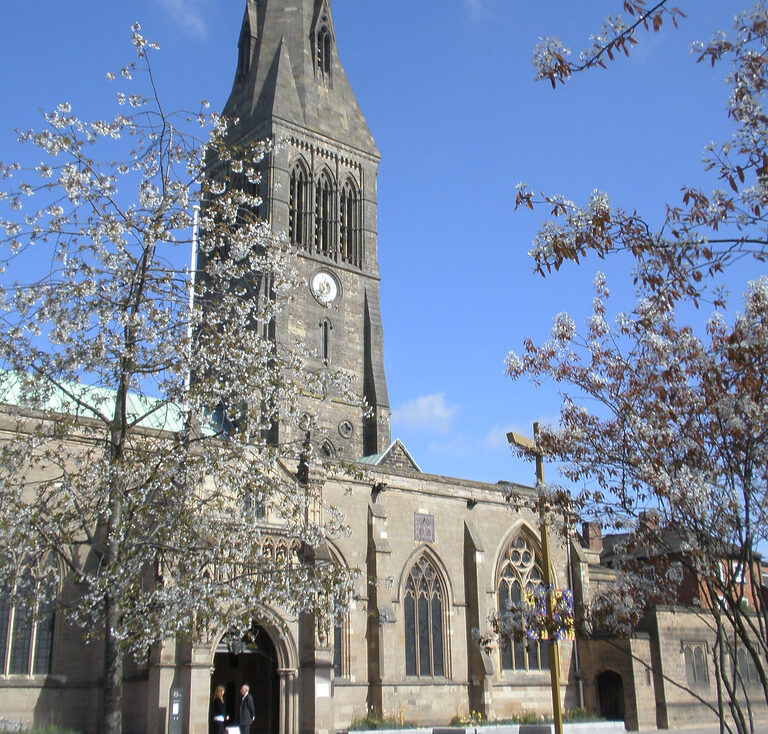
Imagine watching archaeologists dig in a quiet garden beside an English cathedral and suddenly exposing a narrow vertical shaft crammed with more than a hundred skeletons. That’s what happened at Leicester Cathedral, where a seemingly routine survey after the famous Richard III discoveries revealed an eight‑hundred‑year‑old pit containing men, women, and children packed tightly together. You’d probably expect clear signs of battle or plague to jump out at you, but the bones do not line up neatly with any single catastrophe, and there’s no obvious marker screaming what went wrong.
Instead, you’re left juggling possibilities that all feel half‑right. You can point to medieval epidemics, local conflict, or undocumented crises, yet the careful placing of the bodies and the reuse of a narrow shaft hint at some deliberate, perhaps emergency, decision you cannot quite decode. When you look at photos, it feels less like a battlefield grave and more like a desperate vertical filing system for the dead. Excavation solved the question of “is something unusual here?” with a resounding yes and then left you hanging on the harder part: why did anyone in the twelfth century think this was the best solution?
2. The Phaistos Disk: A Fired‑Clay Message You Still Can’t Read
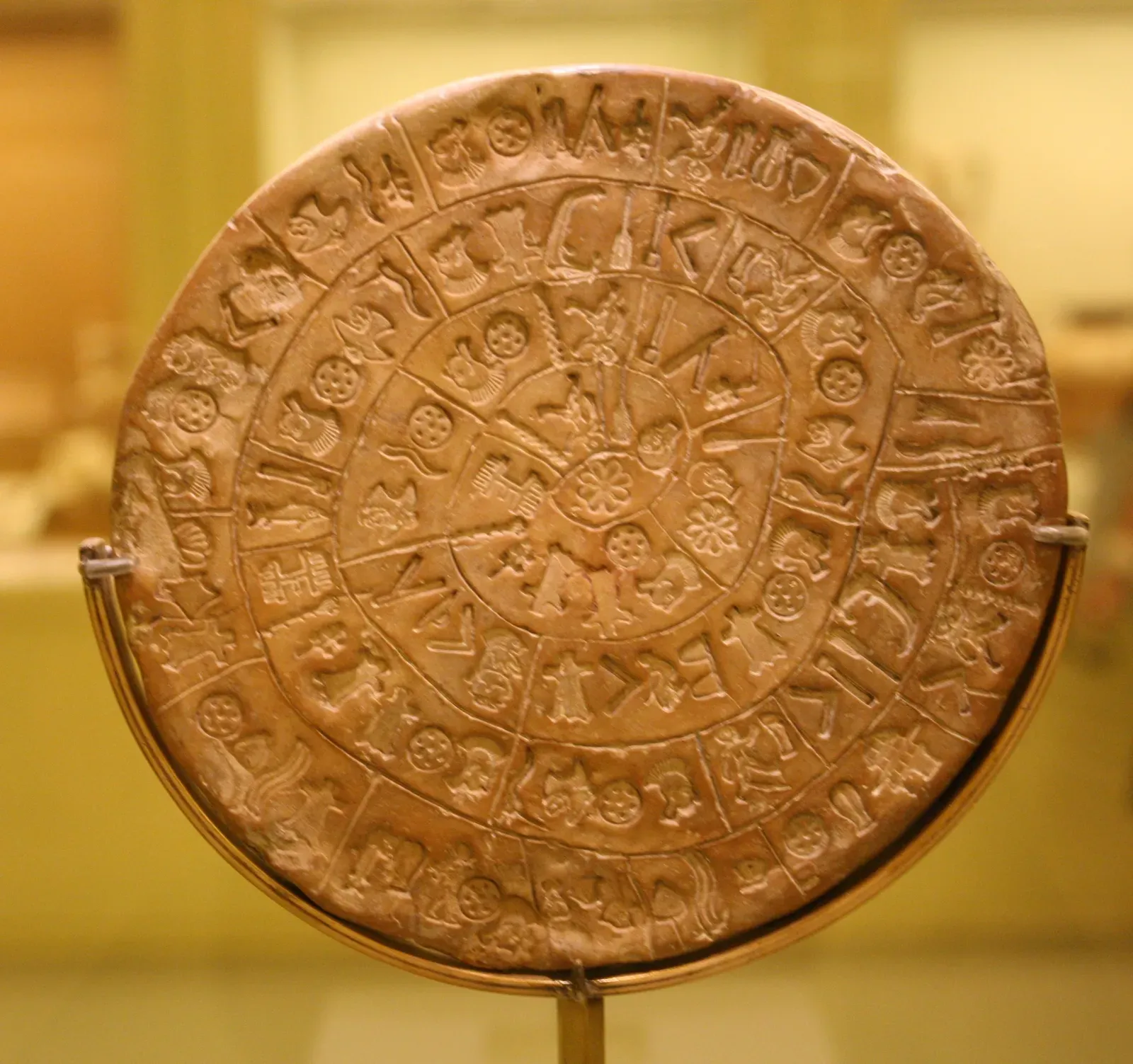
If you ever wanted proof that digging something up does not guarantee understanding, you only have to look at the Phaistos Disk from Crete. Archaeologists uncovered it in 1908 in a Minoan palace complex, expecting yet another clay object they could quietly catalogue. Instead, you get a palm‑sized disk stamped on both sides with a spiral of strange pictographs – heads, tools, plants, shapes – unlike anything else you’ve seen from the Bronze Age Mediterranean. Even the way it was made is odd: the symbols were pressed into the wet clay using reusable stamps, a kind of prehistoric movable type.
Over a century later, you still cannot confidently say what language it records, where that language came from, or even whether you’re looking at a prayer, a game board, a curse, a hymn, or something completely unexpected. Scholars argue fiercely over every pattern, and some have even floated the uncomfortable possibility that it could be a very early, very clever forgery from the time of its discovery. You, standing in front of it in a museum case, get the strangest feeling: this object is clearly meaningful to someone in the past, yet to you it is a mute, stubborn riddle that excavation turned from nonexistent into permanently unsolved.
3. Göbekli Tepe: A Monument That Shouldn’t Exist So Early
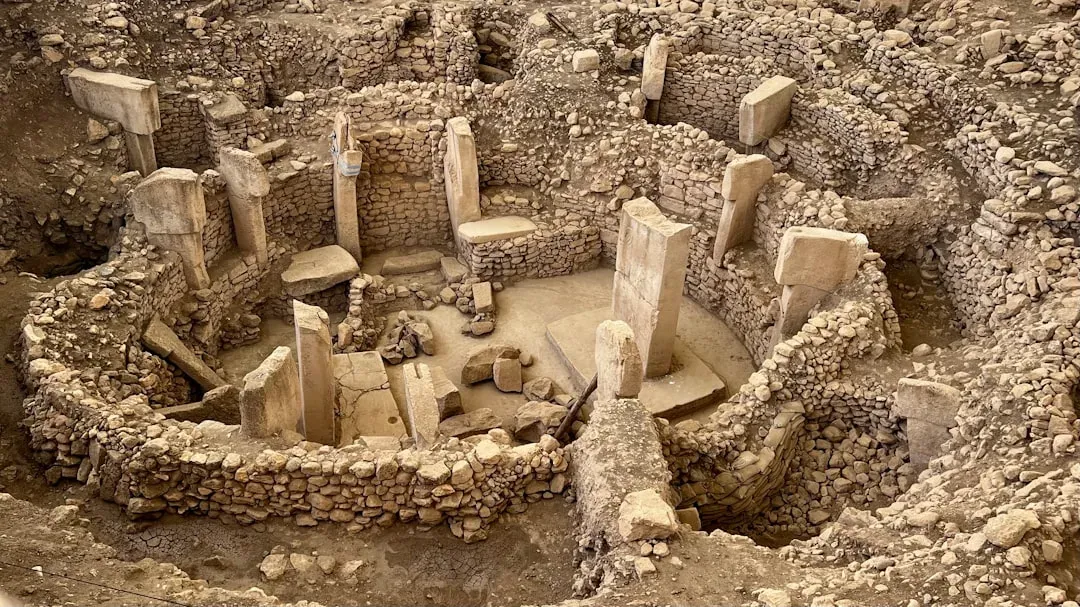
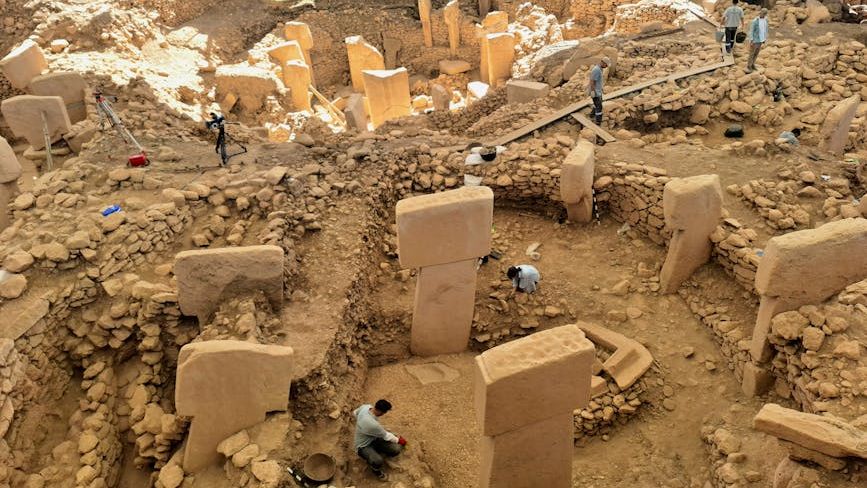
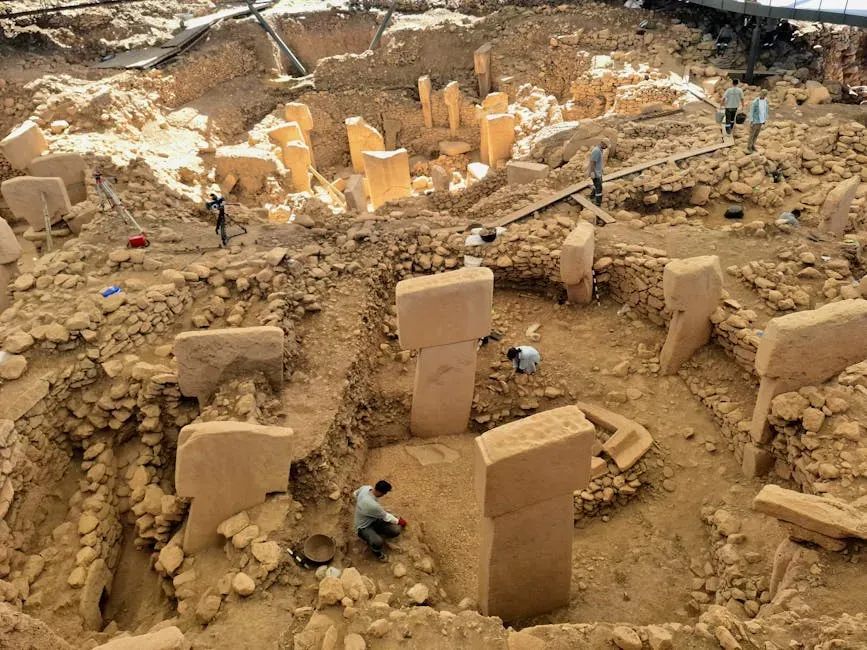
Picture yourself on a dusty hill in southeastern Turkey, expecting maybe some Neolithic huts, and instead you watch as enormous T‑shaped stone pillars emerge, some weighing many tons, arranged in circles and carved with foxes, vultures, and abstract symbols. That is Göbekli Tepe, a site older than agriculture in many regions, older than pottery in that area, and older than the famous stone circles you usually think of when you hear about prehistoric monuments. You grew up with the idea that farming led to surplus, surplus led to specialists, and specialists led to temples; here, that tidy ladder suddenly snaps.
The more archaeologists excavate, the less this place fits your expectations. You see monumental architecture with no nearby evidence of settled villages to “justify” it in the conventional model. You see a hunter‑gatherer world that somehow coordinated massive labor projects, animal carvings that may encode myths you cannot reconstruct, and a deliberate burial of the whole complex under earth in antiquity, as if the community wanted to hide or retire it. Excavation gave you exquisite stone art and stratigraphy but left your big questions dangling: did ritual gatherings spark the need for farming, instead of the other way around, and what belief system was powerful enough to make people drag pillars uphill without the payoff of cities or kings?
4. Dismembered Vikings in an English Chalk Pit
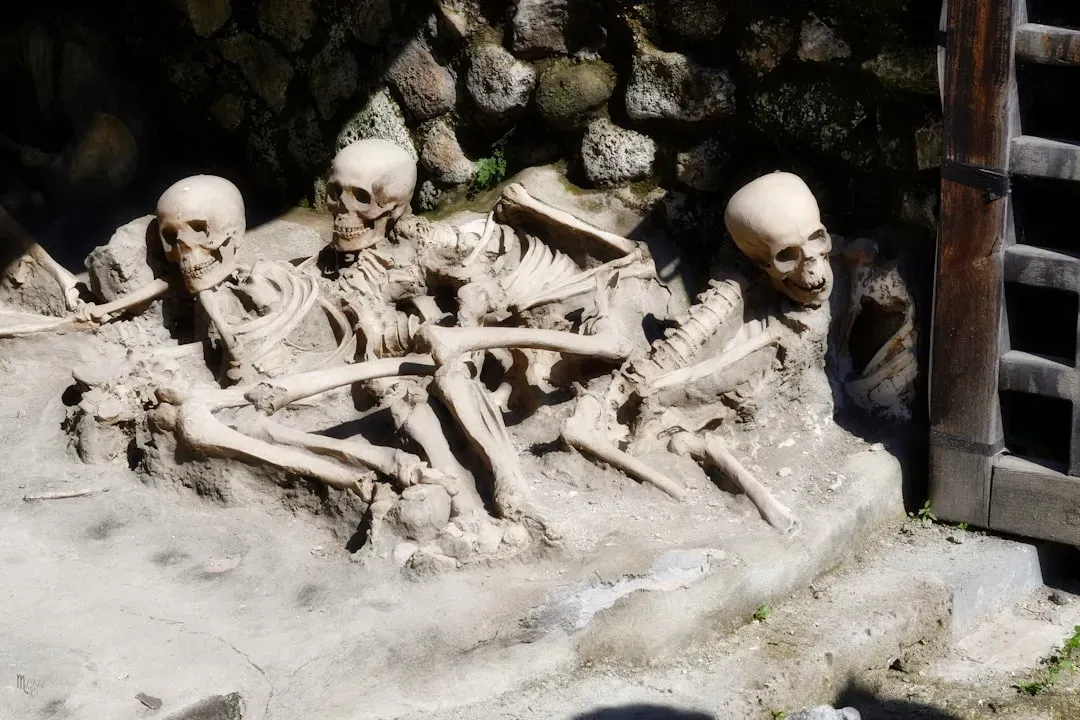
When a team in Dorset, England, opened a chalk pit expecting prehistoric traces and instead found a jumble of decapitated male skeletons, you step into a story that feels brutal even by early medieval standards. The bodies belonged to young men, many identified as Scandinavian by isotope analysis and weapon style, stripped of their possessions and tossed into a mass grave. Nearby, you find a separate pile of skulls, some with cut marks that tell you execution rather than fair combat took them down. You wanted routine settlement data; you got a frozen scene of violence and humiliation.
What really twists the knife, historically speaking, is that the more physical detail you collect, the more competing narratives bubble up. Maybe you’re seeing captured Viking raiders executed by local Anglo‑Saxons, a hidden counter‑punch in the long saga of raids and reprisals. Or maybe these men were mercenaries or even victims of internal Scandinavian conflict who somehow ended up on English soil. Without inscriptions or written records tied directly to the pit, you are forever reconstructing motives around silent bones and sword cuts. The excavation turned an abstract idea – “people fought here” – into a visceral crime scene, then denied you the confession.
5. The Sutton Hoo “Bromeswell Bucket” and Its Second Life
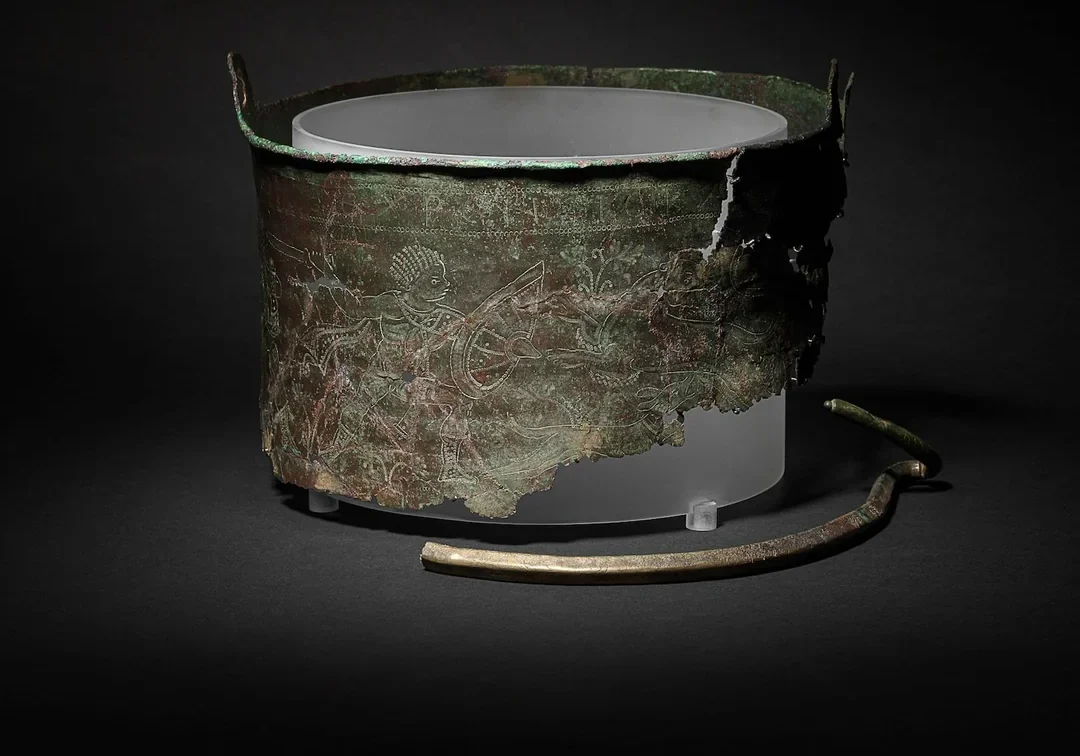
At the famous Anglo‑Saxon burial site of Sutton Hoo, you expect impressive grave goods, and you get them in spades: helmets, shields, gold fittings. Tucked among them, though, archaeologists uncovered an ornate bronze bucket that looked more Byzantine than English, complete with fine decoration and craftsmanship from the eastern Mediterranean. For decades you might have filed it mentally under “imported luxury item” and moved on. Then modern micro‑excavation and analysis pulled the rug out from under that simple label.
When researchers carefully removed the soil plug from inside the bucket, they did not find wine residue or food traces; they found cremated human and animal remains. Suddenly, an object likely made in a city like Antioch centuries earlier looked less like a party vessel and more like an improvised urn repurposed for a royal‑level burial in seventh‑century England. You now have to picture this bucket living a double life: once part of some Byzantine elite banquet culture, later reimagined by Anglo‑Saxons as a deeply symbolic container for the dead. Excavation answered what was in it but left you speculating why this specific foreign artifact carried such emotional or ritual weight that it was chosen to cradle a powerful person’s ashes.
6. Oak Island’s Flooded Shafts and the Treasure That Never Materializes
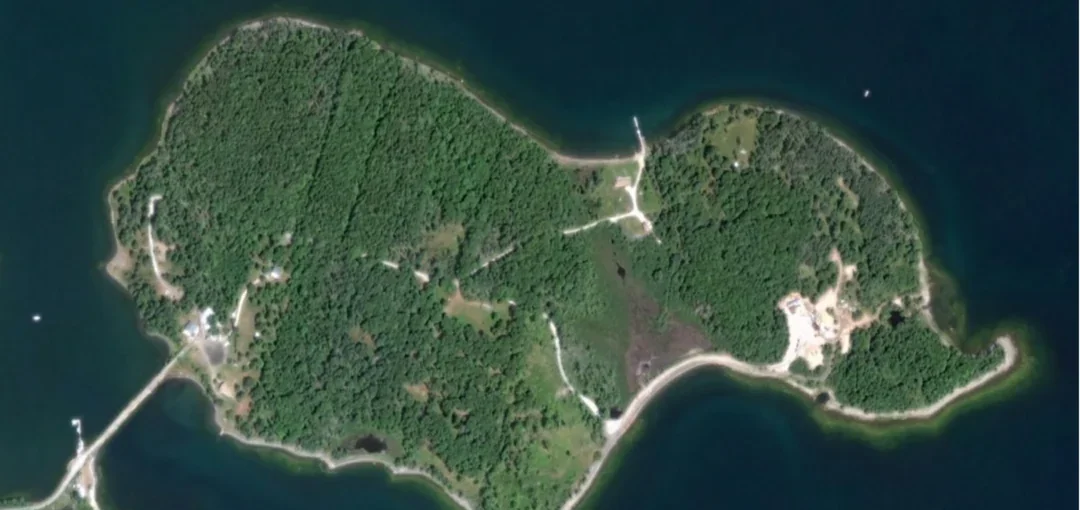
If you have ever fallen down a late‑night rabbit hole about cursed treasure pits, you know Oak Island in Nova Scotia, where people have been digging since the nineteenth century. Early excavators found layers of logs, charcoal, and clay in a deep shaft that looked deliberately engineered, plus reports of a stone carved with mysterious characters. Every excavation campaign you read about seems to promise that the next few feet will finally reveal pirate gold, Templar hoards, or royal jewels. Instead, over and over, the shafts flood, collapse, and generate nothing but debris, speculation, and ruined equipment.
Archaeologically, you are left in an especially uncomfortable limbo. Some layers really do suggest human intervention; others look a lot like natural sinkhole deposits that just happen to mimic purposeful construction. The stone with “inscription” has long since disappeared and survives only in secondhand descriptions, which means you cannot test whether it ever carried meaningful text at all. Excavation here did not simply fail to reveal treasure; it created a feedback loop of half‑finds and engineering disasters that made the original mystery more baroque. You are forced to separate what the ground actually shows from what generations of treasure hunters wanted it to show, an exercise in skepticism that rarely satisfies your narrative cravings.
7. America’s Stonehenge and the Battle Over Who Built It
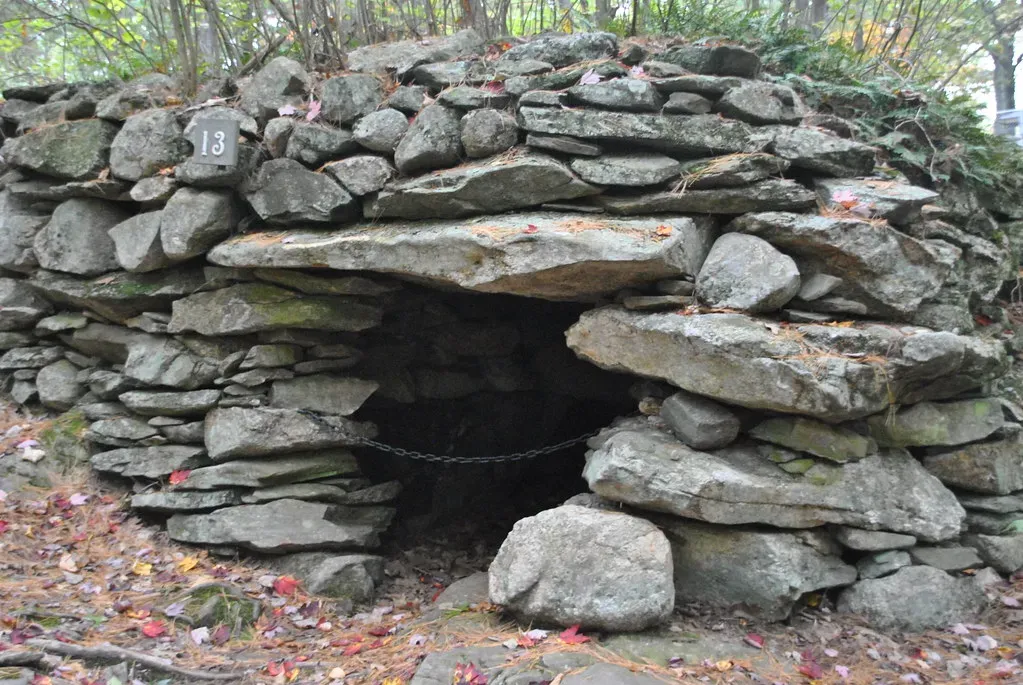
Drive through New Hampshire and you might stumble on a cluster of stone chambers, standing slabs, and alignments marketed as “America’s Stonehenge.” When archaeologists and enthusiasts first documented the site, some people rushed to declare it evidence of ancient Celts, Phoenicians, or other transatlantic visitors beating Columbus by millennia. Excavation uncovered more stone features, drainage channels, and possible astronomical lines, which to a hopeful eye look like iron‑clad proof of a mysterious pre‑Native civilization. The name itself nudges you to see druids where you might otherwise see farmers.
But as you dig – both in the soil and in the scholarship – you find a much messier picture. Radiocarbon dates, tool marks, and regional context nudge you toward a far more mundane, though still interesting, explanation involving historic‑period land use, quarrying, and local agricultural practices. The trouble is, the stones do not come with tags saying “built in 1820 by so‑and‑so,” so every excavated posthole or artifact becomes another round in the debate between archaeologists and fringe theorists. Excavation here made the physical evidence harder to ignore, but it also hardened the lines between careful interpretation and romantic pseudo‑history, leaving you as the visitor to decide whose story you trust.
8. The Lead Sarcophagus Below Notre‑Dame’s Floor
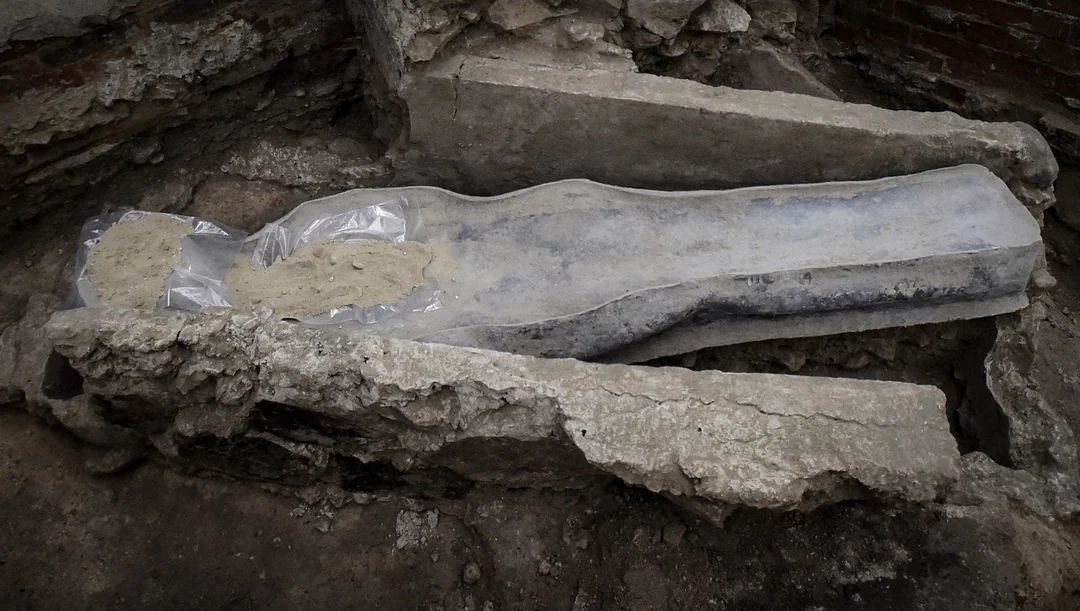
After the 2019 fire at Notre‑Dame in Paris, you might picture restoration crews and scaffolding, not archaeologists peeling back the cathedral floor. But that is exactly what happened, and in the process they exposed a lead sarcophagus beneath the transept crossing, an area reserved historically for very important burials. When you first hear the news, your imagination jumps to kings, saints, or forgotten geniuses entombed in silence for centuries. The reality that emerges from careful study is subtler and, in some ways, more intriguing.
Analyses of the bones, the burial context, and the nearby records point to a high‑ranking cleric from the seventeenth century, likely a cathedral canon or dignitary whose remains might even have been moved there from another grave. You can establish sex, age at death, signs of disease, and approximate dates, but you still cannot affix a name with total certainty in the way a thriller novel would demand. Excavation gave you an exquisitely preserved coffin and a fleshed‑out profile of a real human being, then stopped just short of satisfying the desire to say, “This is absolutely this one documented person.” You are reminded that even in one of Europe’s best‑recorded cathedrals, the dead can quietly slip through the cracks of memory.
9. Earth Rings in Australia and Histories That Outrun the Records
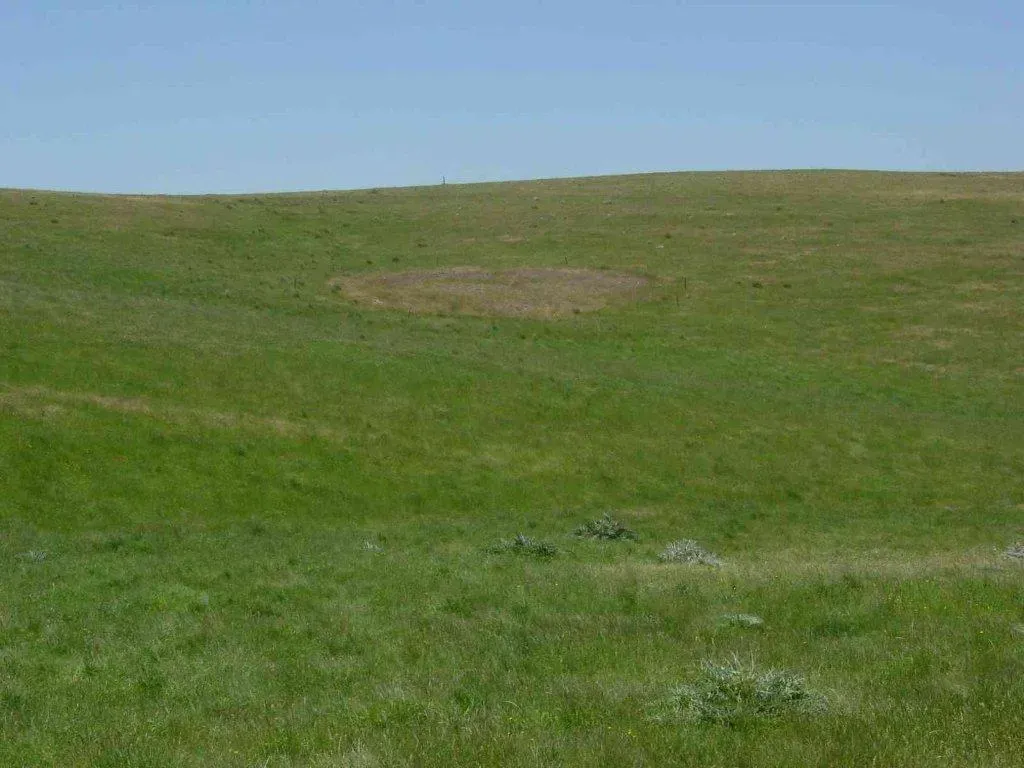
Across parts of southeastern Australia, you find low circular earthworks – so‑called earth rings – sitting in landscapes that have been occupied by Aboriginal peoples for tens of thousands of years. For a long time, many of these features were minimally documented and poorly understood, sometimes brushed off as natural or “mysterious” without much investment in Indigenous perspectives. Recent excavations guided by Wurundjeri Woi‑wurrung Traditional Owners have started to expose postholes, layered soils, and cultural materials that show deliberate construction and long‑term significance. The more carefully you look, the more complexity appears.
Yet even with trenches carefully cut and sediments sifted, you do not get a neat caption like “this was a school” or “this was a council chamber.” Instead, you’re told, rightly, that these places tie into ceremonial practices, social gatherings, and cultural systems that colonial records barely touch, and that not everything is meant for public decoding. Excavation, in this case, makes the mystery richer in a different way: you see that the past here is not a puzzle left unguarded, but a living heritage where some meanings are shared and others remain intentionally held within the community. You walk away not with answers to pin on a signboard, but with a deeper sense that your usual archaeological hunger for complete explanations is not always the point.
10. Roman Grange Farm and the Building That Defies Easy Labels
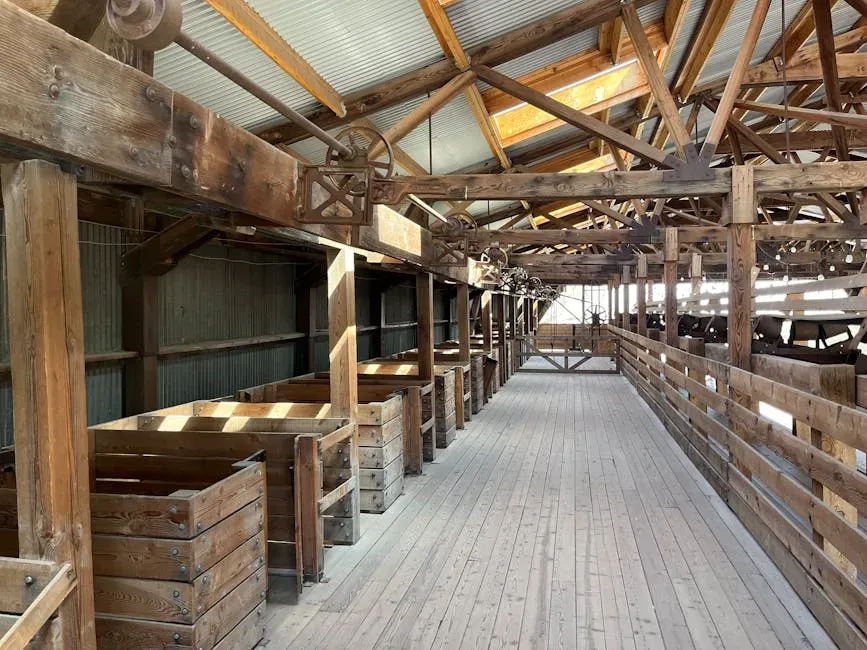
In rural Britain, at a site known as Grange Farm, archaeologists peeled back layers spanning from the late Iron Age through the Roman and into the medieval period. Among the discoveries was a rectangular timber building divided internally by aisles, something halfway between a house, a barn, and a hall in appearance. You can map its postholes, estimate its size, and slot it into a changing landscape of fields, trackways, and smaller structures. On paper, it ought to be straightforward: you have enough data to draw tidy plans.
The trouble comes when you try to tell someone, in one sentence, what this building was for. Was it a purely agricultural barn, a mixed‑use space for storage and gatherings, or a specialized structure linked to some local cult or administrative function? Artefacts and wear patterns give hints but not verdicts, and successive phases of rebuilding blur the lines even further. Excavation here multiplies your knowledge of daily life on a Roman‑period farm but also reminds you that past people did not design their spaces to fit your modern categories. You are forced to sit with ambiguity: a big timber building that was clearly important to its community, but whose exact role refuses to collapse into a single label.
11. The Newark Holy Stones and the Hoax That Wouldn’t Die
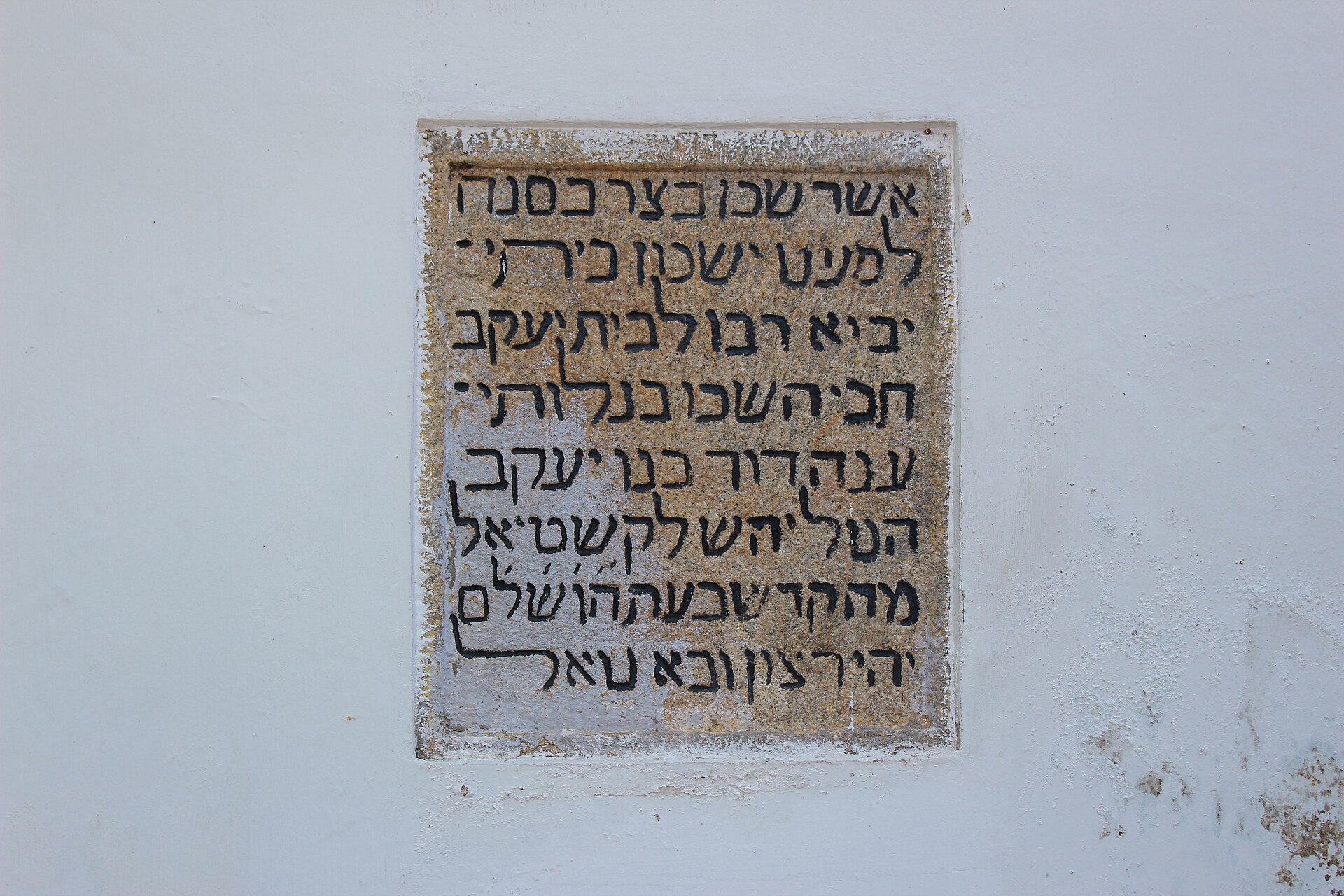
In nineteenth‑century Ohio, excavators working in Native American earthworks reported finding inscribed stones bearing Hebrew text, including one carved with what looked like the Ten Commandments. If you had seen illustrations at the time, you might have believed you were looking at proof that ancient Israelites had reached North America long before Europeans, a story that conveniently matched certain religious and political agendas. Digging these stones out of burial mounds gave them an aura of scientific legitimacy, as if the very soil were endorsing a cherished myth.
But as archaeologists and linguists have reexamined the finds, a very different picture has emerged. Tool marks, linguistic anachronisms, and the suspicious way the stones seemed to appear just when certain settlers wanted them most have led most specialists to treat them as deliberate forgeries planted within real Indigenous sites. Excavation, instead of confirming a bold new chapter of transoceanic contact, exposed how easily you can weaponize the authority of the trench to prop up fantasies about “lost tribes” and erase the achievements of the actual mound‑building cultures. You are left with a mystery that shifted shape: from “who were these ancient Hebrews?” to “who faked these stones, and why did so many people want to believe them?”
12. Leicester’s Richard III Dig and the Ripple of Unexpected Finds
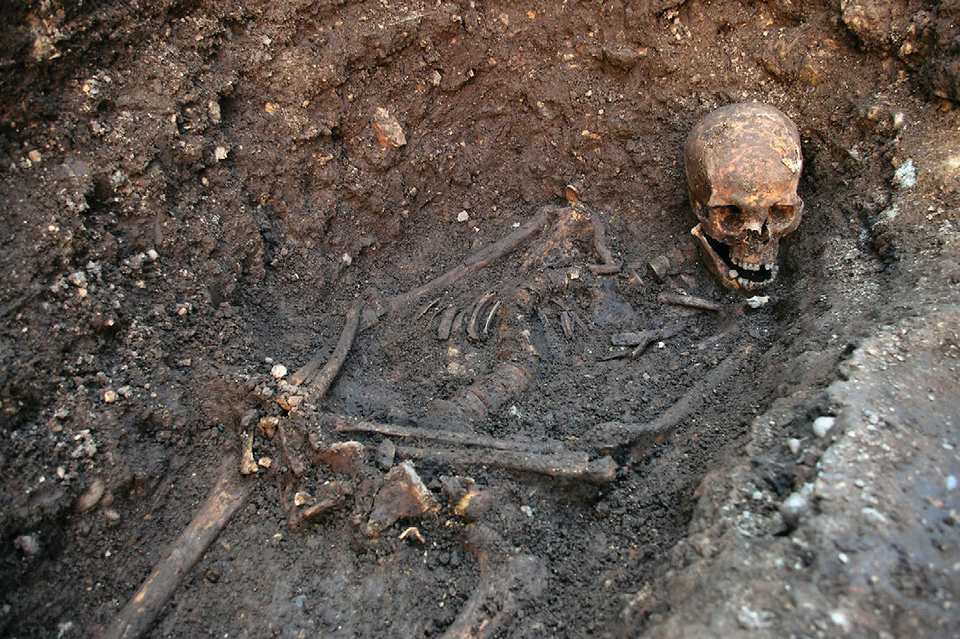
When a parking‑lot excavation in Leicester famously turned up the remains of King Richard III, you probably remember the dramatic DNA matches and spine curvature photos that flooded the news. What you might not realize is that this very success set off a cascade of further digging around the cathedral precinct, including the work that revealed that eerie shaft of 123 bodies. As trenches multiplied, so did the puzzles: overlapping graveyards, reused burial grounds, and layers of civic construction all jostling in a small urban footprint. You get the sense of a city rewriting itself vertically over centuries.
For you as an observer, it is a reminder that one spectacular discovery rarely stands alone. The more archaeologists peeled back the tarmac and garden soil, the more they ran into burials that did not fit neatly into church records, structural traces that resist straightforward dating, and evidence of crises that never made it into chronicles. Excavation answered a high‑profile whodunit – where is Richard III buried? – and then immediately confronted you with quieter, stranger questions about ordinary people whose names you will never know. The dig site goes from a single, tidy royal story to a crowded, layered human mosaic that defies a clean ending.
13. Göbekli Tepe’s Cousins and the Problem of Vanishing Context
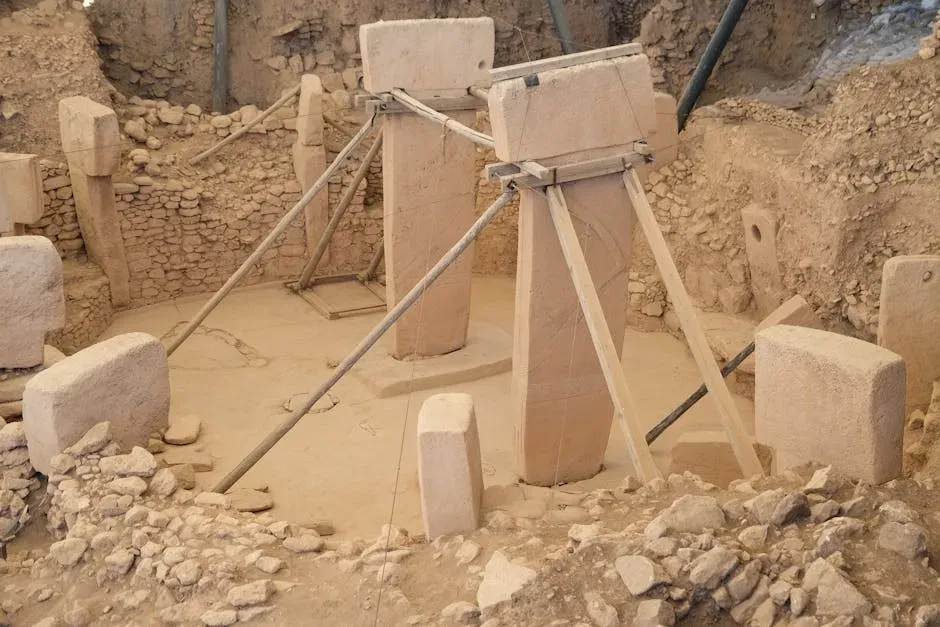
Once Göbekli Tepe burst into the public imagination, archaeologists began looking harder at other sites across the region, turning up more T‑shaped pillars and carved stones that might be part of the same broader tradition. Each new excavation adds data points – different animal reliefs, slightly altered layouts, hints of domestic activity nearby – but also strips away your ability to treat Göbekli Tepe as a one‑off anomaly. Suddenly you have to grapple with the idea that there may have been a whole network of early monumental centers, many now eroded or buried, tied together by beliefs you cannot reconstruct. The mystery scales up instead of shrinking.
At the same time, every trench risks destroying more of the very context you need to answer your biggest questions. Once you remove a pillar from its fill or scrape away a floor, that original arrangement is gone forever, preserved only in plans and photos. You are caught in a paradox: to know more, you must irreversibly alter the evidence. The result is that after years of excavation, you can say far more about how these places were built and less than you’d like about why they were ultimately abandoned and buried. The ground has spoken in incredible detail, but it has not given you the full story line you keep hoping will appear.
Conclusion: When Digging Deeper Means Knowing Less
When you step back from these thirteen cases, a theme hits you in the gut: excavation is not a magic key that unlocks tidy truths, it is more like prying open a door to a room you can never fully light. You walk in expecting solutions – this is the mass grave of X, that building is clearly Y, this object obviously did Z – and instead you keep bumping into half‑answered questions and doubled meanings. The Leicester shaft gives you bodies without a clear story; Oak Island gives you engineering drama without confirmed treasure; inscribed stones in Ohio give you a lesson in how easily people can manufacture “evidence” to fit what they want the past to say. You gain texture and lose simplicity at the same time.
In a strange way, that should make you feel more connected to the people who lived these histories. They, too, moved through landscapes full of things they did not completely understand – old monuments whose builders they only half remembered, religious objects whose meanings had already shifted, graves reused in ways later generations found puzzling. When you read about these digs, you are not just learning facts; you are joining an ongoing argument between the earth and your imagination, one that may never end in a neat verdict. Maybe that is the real treasure here: the permission to sit with mystery and still keep asking better questions. If someone handed you a trowel tomorrow, would you be hoping more for clear answers, or for the thrill of not knowing what you’ll find next?