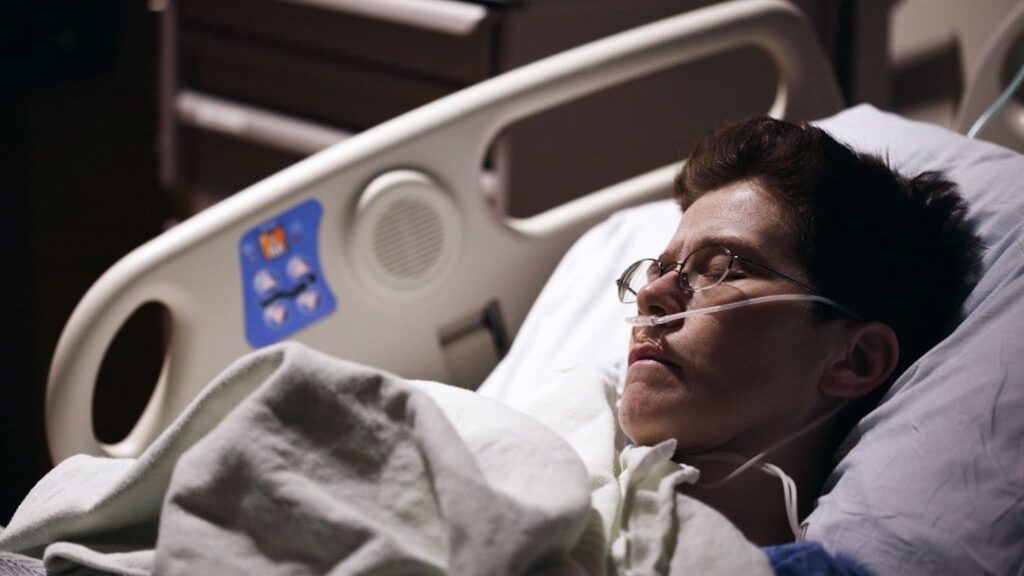

Death feels like the ultimate mystery you are never allowed to come back and explain. Yet over the last few decades, doctors, neuroscientists, and intensive-care teams have quietly pieced together a surprisingly detailed picture of what probably happens in those final minutes. As unsettling as it sounds, understanding the science of dying can actually make the whole idea less terrifying and more grounded in reality.
Instead of imagining death as a sharp on–off switch, you can think of it as a complex, carefully choreographed shutdown. Different systems in your body fail at different times, some parts going quiet while others briefly flare with one last surge of activity. When you see it this way, your last moments look less like a horror scene and more like a strange, deeply biological transition your body has been wired for since the day you were born.
The Moment Your Body Starts To Let Go

In the last minutes of life, your body is usually already in a long, slow decline, even if the final event looks sudden from the outside. Your heart often starts to pump less effectively, blood pressure drops, and your organs receive less and less oxygen-rich blood. You might notice your hands and feet getting cold, your skin turning slightly mottled or patchy as blood is pulled toward your vital organs instead of your limbs.
Breathing typically becomes irregular and shallow, sometimes with long pauses in between breaths that can be frightening for loved ones to watch. You are not failing; your body is simply prioritizing, sending its remaining resources toward the brain and heart as they fight to stay online. In a way, it is like a city shutting down power block by block to keep the hospital running just a little bit longer.
What Your Brain May Experience As Oxygen Fades
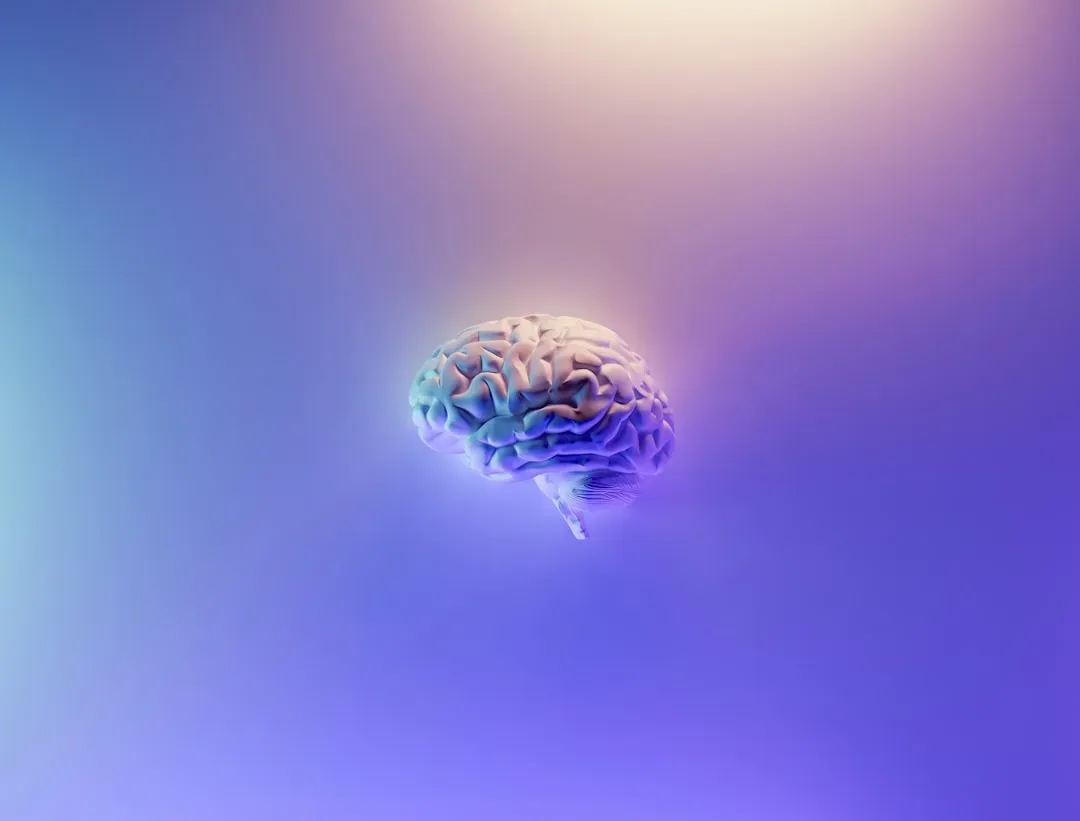
Your brain is the most oxygen-hungry organ you have, and in your final minutes, it feels the shortage quickly and dramatically. As blood flow falls, your brain cells begin to malfunction, firing in disorganized bursts that can trigger strange perceptions, flashes of memory, or dreamlike scenes. That is one reason people who almost die sometimes report vivid tunnel visions, intense colors, or a sweeping sense of life review when they are resuscitated.
At the same time, the organized communication between different brain regions starts to break down. Networks that normally give you a stable sense of reality can fragment, which may blur the line between what is outside you and what is inside your mind. From the outside, you might seem unresponsive or confused, but from the inside, your experience could feel oddly rich, compressed, or timeless, more like a vivid dream than a blank nothing.
Pain, Fear, And Why Dying Often Looks Worse Than It Feels
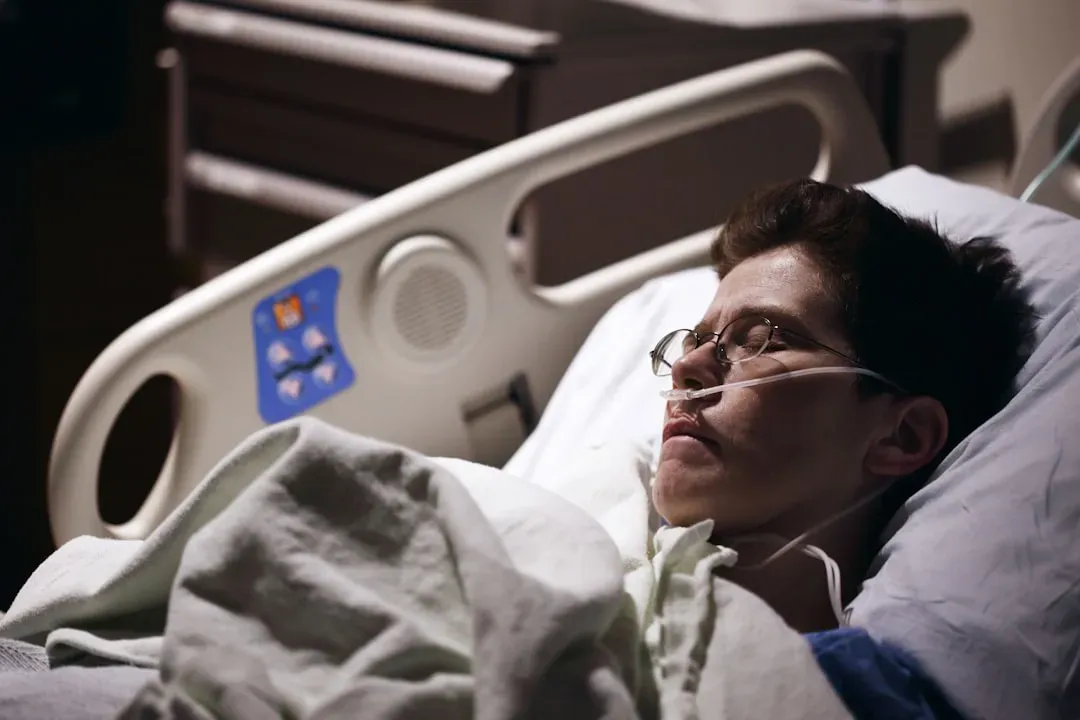
One of the biggest fears you probably have about dying is pain. The science suggests that in the final minutes, especially when death is expected and managed, pain and fear are often far less intense than you imagine. As oxygen levels drop, your brain’s ability to process pain signals weakens, and many people become drowsy, detached, or fully unconscious before the very end. In medical settings, pain is usually treated aggressively as death approaches, which further softens what you actually feel.
From the outside, the process can look disturbing: strange breathing patterns, slack muscles, or small twitches that make loved ones think you are suffering. Yet those signs are often automatic reflexes rather than evidence that you are in agony or terror. You may be far more shielded from the worst of it than your family suspects, wrapped in a kind of biological anesthesia your own body helps create as it powers down.
Your Senses On The Edge: Hearing, Vision, And Touch
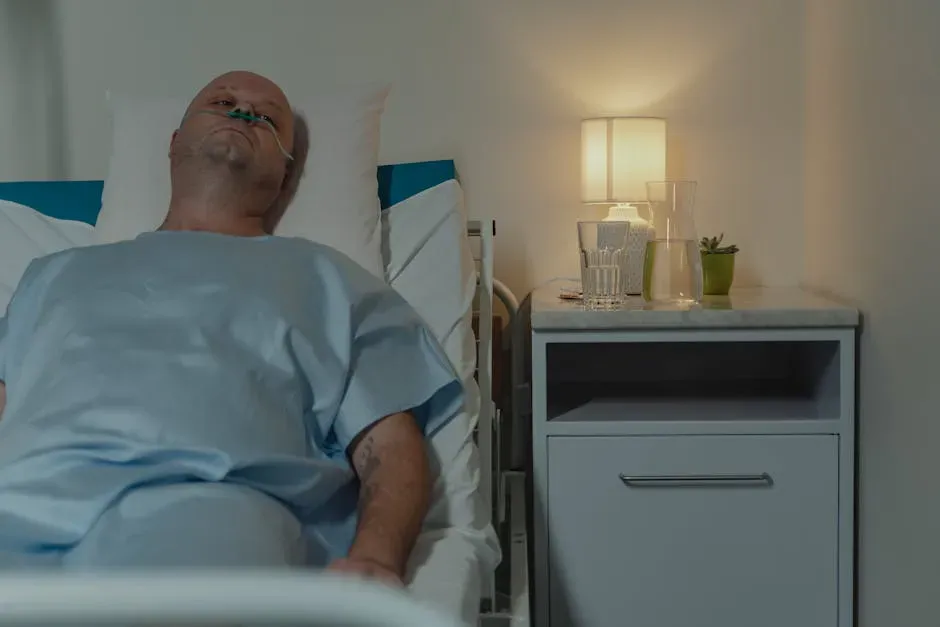
In your final minutes, your senses do not all fade at once; they thin out in layers. Vision often goes first or becomes blurred, dim, or tunneled, so the room may look shadowy and distant even if your eyes are open. Touch can become dull or uneven, so you might feel a hand on yours as a vague warmth rather than a clear pressure. At the same time, many clinicians and families notice that hearing tends to linger surprisingly long.
This is why you often hear advice to keep speaking calmly and gently to someone who is dying, even when they seem deeply unresponsive. Your auditory system and certain emotional circuits can remain active enough that a familiar voice, soothing words, or a simple “We’re here with you” may still reach you. You might not be able to answer, but your brain may still register those sounds and respond with subtle shifts in heart rate or expression that loved ones sometimes notice without knowing why.
The Final Heartbeat: Cardiac Arrest And Cellular “Afterlife”
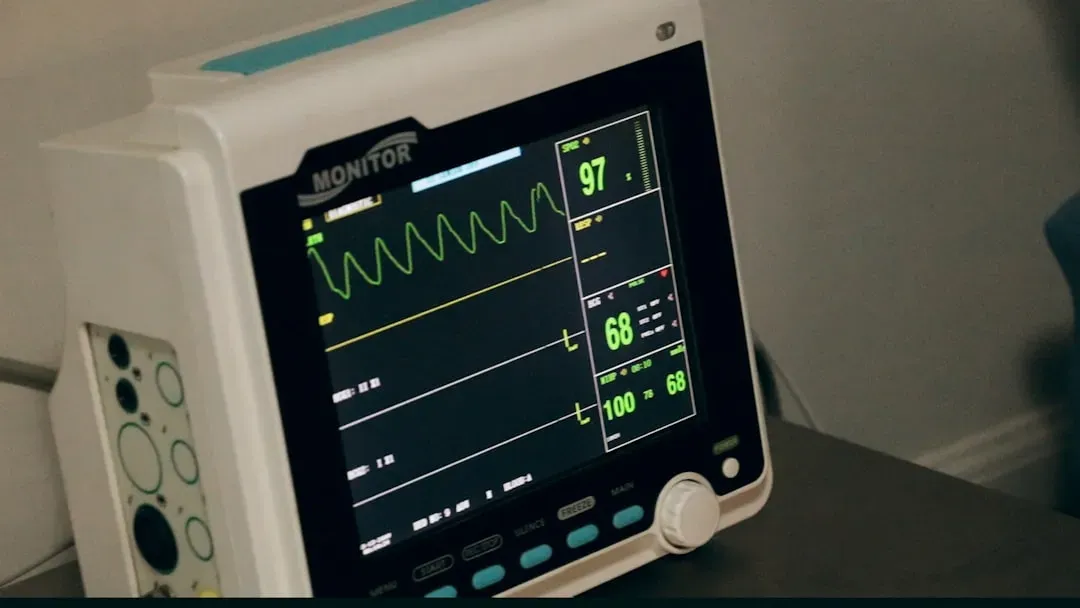
When your heart finally stops beating, that moment is what doctors often mark as the official time of death. But inside your body, things do not just flick off instantly. Your cells still hold some stored energy, and for a short time, tiny islands of activity can go on in organs and tissues even after circulation has halted. That is one reason emergency teams sometimes can still restart a heart or revive a person several minutes after a flatline, especially with rapid, skilled intervention.
On a microscopic level, your cells gradually shift from normal metabolism into stress mode, trying to survive without fresh oxygen. Chemical balances collapse, membranes leak, and eventually the internal structures that keep cells alive begin to fail. If you could zoom in, you would not see a single dramatic explosion, but rather a quiet cascade of little breakdowns, like an elaborate machine gently winding to a stop once the power has been unplugged.
Near-Death Experiences: Brain Storm Or Glimpse Beyond?
When your brain is on the very edge between life and death, unusual experiences seem to become more likely. Many people who come close to dying describe moving through a tunnel, seeing bright light, feeling an overwhelming sense of peace, or perceiving deceased loved ones. From a scientific viewpoint, these experiences may arise from a mix of oxygen loss, surges of certain brain chemicals, and the way your brain tries to make sense of chaos as its networks destabilize.
You might find that explanation comforting or disappointing, depending on what you hope is waiting beyond death. The truth is that science can track the timing and patterns of brain activity, but it cannot fully say what those moments mean to you or whether they open into anything more. What you can say for sure is that your brain is not going quietly; it appears to fight to maintain some kind of coherent inner world, even when your body is almost done.
The Role Of Peace, Presence, And Meaning At The End

Beyond the biology, your last minutes are shaped powerfully by the environment around you. If you are in a setting where pain is controlled, your wishes are respected, and loved ones are nearby, your body’s shutdown can feel less like a battle and more like a surrender you are allowed to make in your own way. Hearing a familiar laugh, feeling a hand in yours, or sensing that unfinished business has been forgiven can color your final experience just as strongly as any medication.
You are not just a heart rate and a brain wave pattern; you carry your whole story with you into that final chapter. The memories that surface, the faces your mind chooses to revisit, and the beliefs you hold about what comes next all shape how those last minutes feel from the inside. In that sense, the science of dying is not only about cells and organs shutting down, but also about the meaning you have given your life up to that point.
After You Die: What Lingers And What Fades

Once your heart has stopped, your brain has gone quiet, and your cells are finally done, the strictly biological part of you is over. Your body begins its return to the elements, first through subtle changes in temperature and color, then through the familiar, gradual processes of decay. Nothing in that is abnormal or shameful; you are following the same natural path every living thing has always followed, whether you are a human being, a tree, or a tiny insect in the grass.
What lingers is not your heartbeat or your breath, but the impact you have had on people who are still alive. The stories they tell about you, the habits they picked up from watching you, the comfort they feel when they remember something kind you once did – that is the part of you that continues to move through the world long after your body has finished its work. Even if you are unsure what you believe spiritually, it is hard to deny that some part of you keeps rippling outward in ways you will never fully see.
Conclusion: Facing The Last Minutes Without Turning Away

When you pull back the curtain and look at the science of dying, you find something more complex and less monstrous than the images that probably haunted you as a child. Your last minutes are shaped by falling oxygen, changing brain activity, fading senses, and a body that is quietly doing what it was always going to do someday. Yet alongside that biology lives your history, your relationships, and the meaning you have made of your time here.
Understanding what likely happens at the end does not erase the sadness of losing life, but it can replace some of the raw fear with a sense of familiarity, even a kind of respect for the body that carries you all the way to the boundary. You may not get to choose the exact moment or manner of your death, but you do have some say in how you prepare your mind, your relationships, and your story before you reach it. Now that you know a little more about what those last minutes probably look like, what will you choose to do with the ones you still have?