You probably think of space as this silent, distant backdrop where planets calmly orbit and stars just twinkle away. The reality is far weirder, more violent, and much more surprising than most science fiction. When you start looking closely, you find boiling metal oceans, diamond rain, invisible monsters that eat light, and even a real edge to the observable universe.
As you go through these , you’ll notice something: the universe does not care what seems “normal” to you. It bends your intuition, breaks your sense of scale, and constantly forces you to admit you’ve been underestimating it. By the end, you might look up at the night sky and feel a mix of awe, unease, and a strange kind of comfort in knowing you are part of something this wild.
1. There’s a giant cloud in space that could fill your glass with alcohol
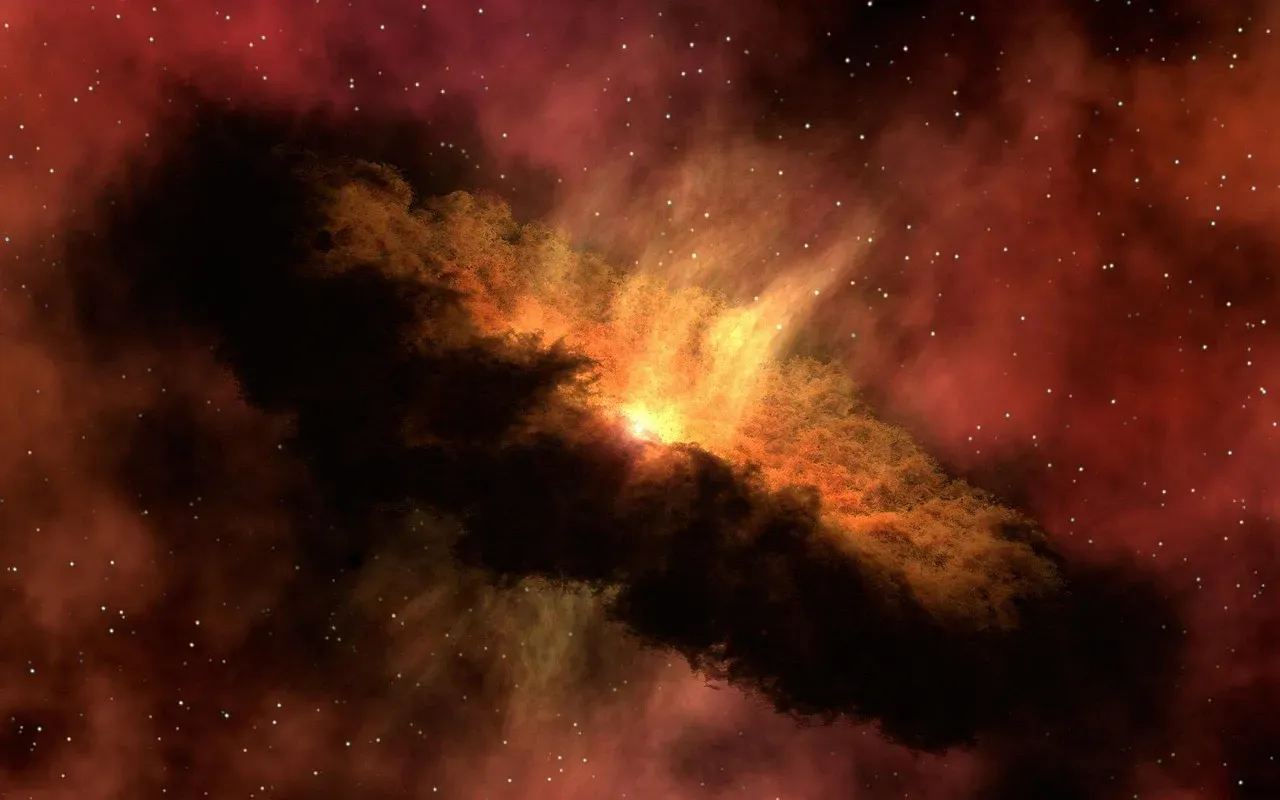
Right now, there’s a massive cloud of gas and dust floating in space that actually contains alcohol molecules. You are not talking about a cosmic cocktail you could just scoop up and drink, but chemically speaking, there’s enough ethanol in one famous cloud near the center of our galaxy to make an unimaginable number of drinks. Astronomers detect these molecules by looking at the specific fingerprints they leave in radio waves coming from the cloud.
Here’s the twist: this cloud is also mixed with things like methanol and other toxic chemicals that would absolutely ruin your night and your life. It is freezing cold, incredibly diffuse, and spread over light‑years, so you couldn’t just fly a tanker there and pump it full. Still, the idea that a cloud the size of a stellar neighborhood is quietly harboring more alcohol than humanity could ever consume is one of those that makes the universe feel oddly playful and absurd.
2. On some planets, it literally rains glass sideways
If you think bad weather is a thunderstorm or a hurricane, imagine standing on a planet where it rains shards of glass driven by supersonic winds. There is a scorching-hot exoplanet, often used as the poster child for extreme worlds, where temperatures are so high on one side that silicate particles can condense and fall like glass rain. At the same time, winds whip around the planet at several times the speed of sound, blasting those particles sideways.
Now picture what that really means: if you could stand there (you can’t), you’d be shredded instantly by high‑velocity glass dust, like being sandblasted by a broken mirror. The day side is a blazing furnace facing the star, while the night side is comparatively cooler, driving a constant violent circulation of gas and particles. Next time you complain about bad weather where you live, you can remind yourself you don’t have horizontal glass storms trying to peel your skin off.
3. Space smells like seared steak and hot metal (if you could smell it)
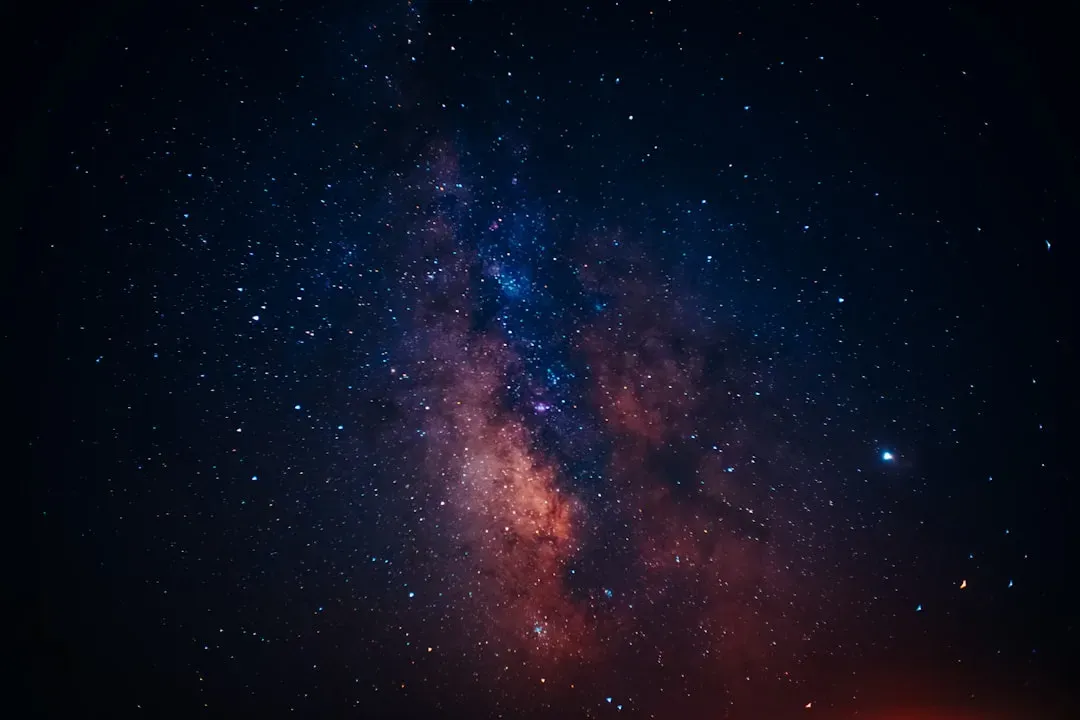
You might assume space smells like nothing at all, and technically, in a vacuum, you cannot smell anything. But astronauts have reported that when they come back inside the airlock and remove their helmets, their suits and equipment carry a distinct odor. If you were there, you’d hear them describe something like hot metal, welding fumes, or meat that has been seared on a grill. The smell seems to come from high‑energy particles interacting with materials and creating new molecules that cling to the surfaces.
Of course, you never want to take off your helmet in actual space to test this, because you’d be unconscious in seconds. The fact that you can even talk about the scent of space at all is already strange. It is like the universe left a faint chemical aftertaste on anything you send outside, a reminder that the vacuum is constantly blasting your equipment with radiation and microscopic particles, even though your eyes see only darkness and stars.
4. Neutron stars are like city‑size atomic nuclei from hell
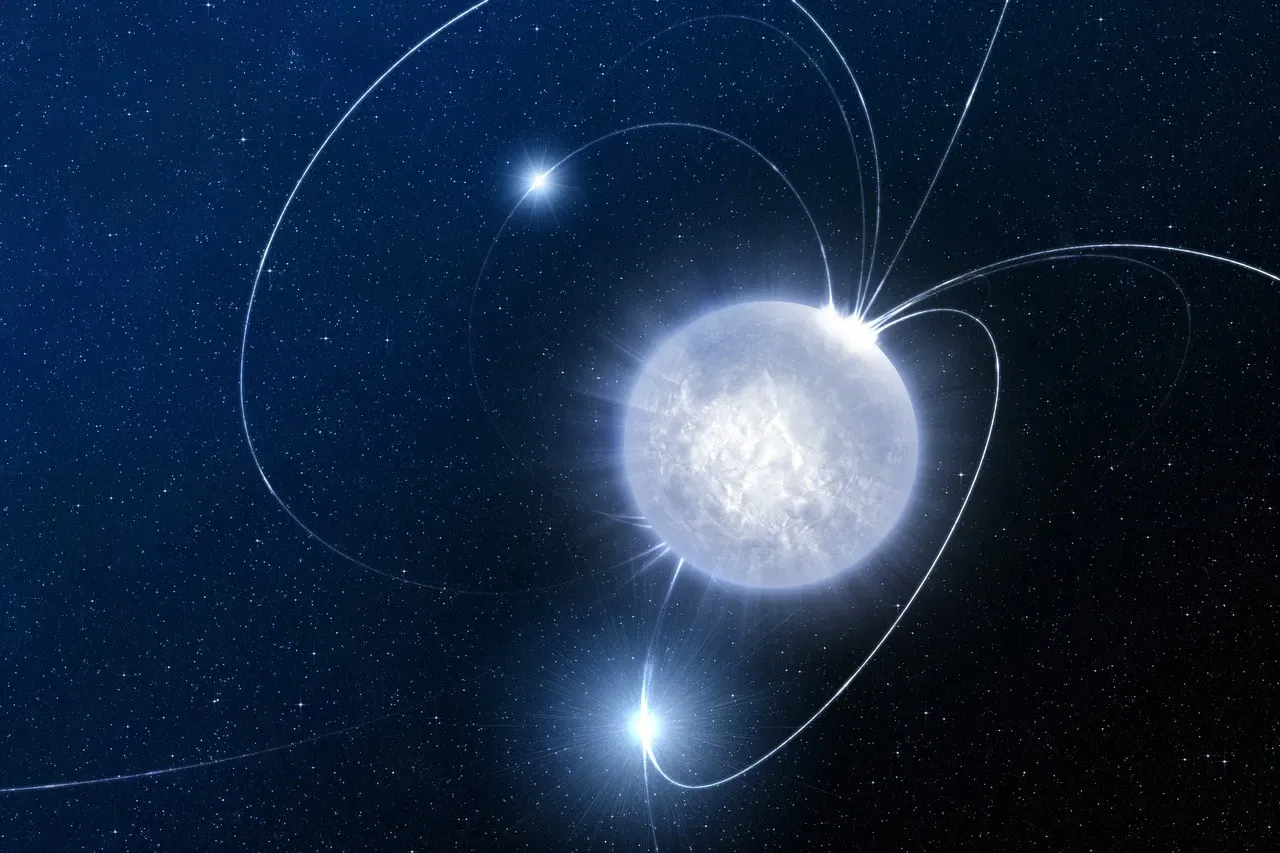
Imagine compressing a star larger than the Sun down to the size of a city. That is roughly what you’re dealing with when you talk about a neutron star. If you could somehow scoop up a teaspoon of this material and bring it to Earth, it would weigh more than a mountain. The gravity is so extreme that atoms get crushed and electrons and protons are squeezed together into neutrons, turning the entire star into almost pure nuclear matter.
When you picture this, you’re essentially looking at a gigantic atomic nucleus floating in space, spinning rapidly and sometimes beaming intense radiation like a cosmic lighthouse. If you were anywhere close to such an object, you’d be torn apart by gravity and fried by radiation. These stars are the dead, hyper‑compressed cores left behind when bigger stars explode, and their very existence reminds you how fragile your familiar version of matter really is under the right conditions.
5. Some planets may have oceans of liquid metal and rain made of rocks
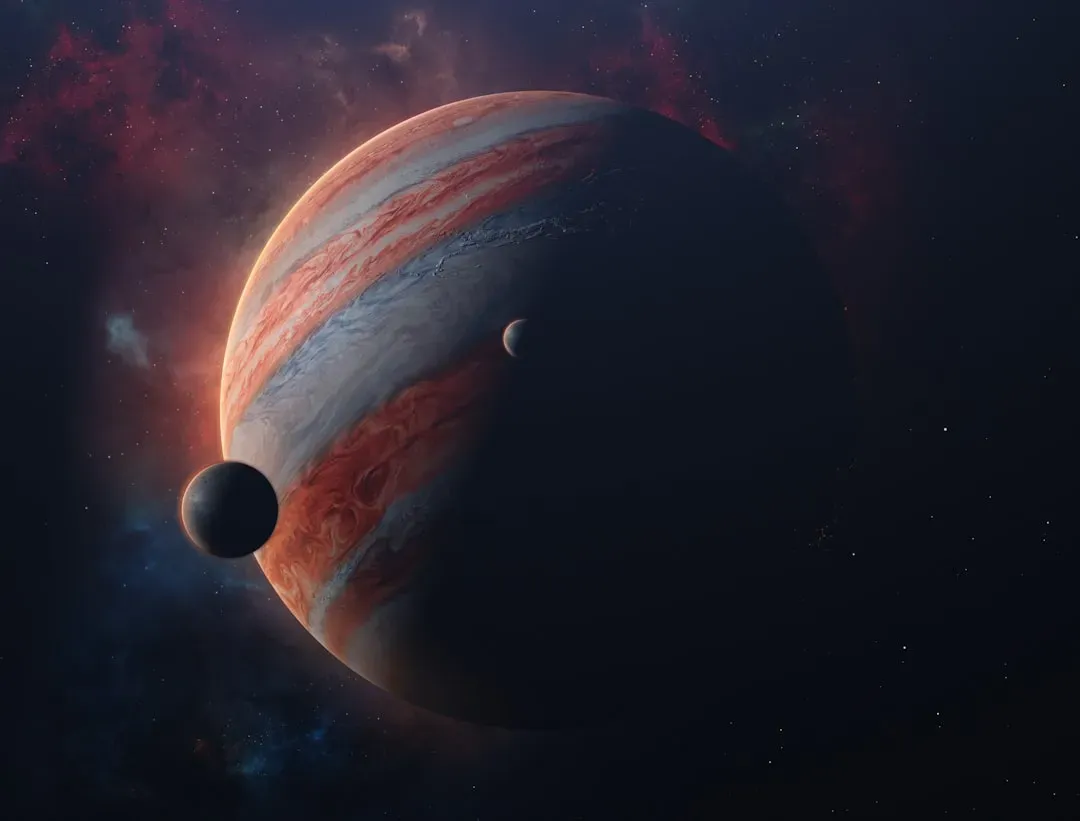
You are used to thinking of oceans as water, maybe mixed with some salt and life. In space, you have to let go of that idea. There are planets and moons where temperatures and pressures are so extreme that metals like iron or sodium can behave like fluids, forming hypothetical seas of molten metal. On other worlds, substances you think of as solids, such as rock or glass, can vaporize on the star‑facing side, drift in the atmosphere, and then condense and fall as a kind of rocky rain.
On a hot exoplanet close to its star, for example, conditions can be brutal enough that you’d see rock evaporate on the day side, then solidify and precipitate on the night side. Picture standing on a coastline not of water but of glowing, metallic liquid, with the sky darkened by mineral clouds. You live on a planet where rain is liquid water and oceans are mild enough for fish and swimmers; meanwhile, out there, there are worlds where a storm could literally melt your ship.
6. Black holes can spin so fast they drag space and time around
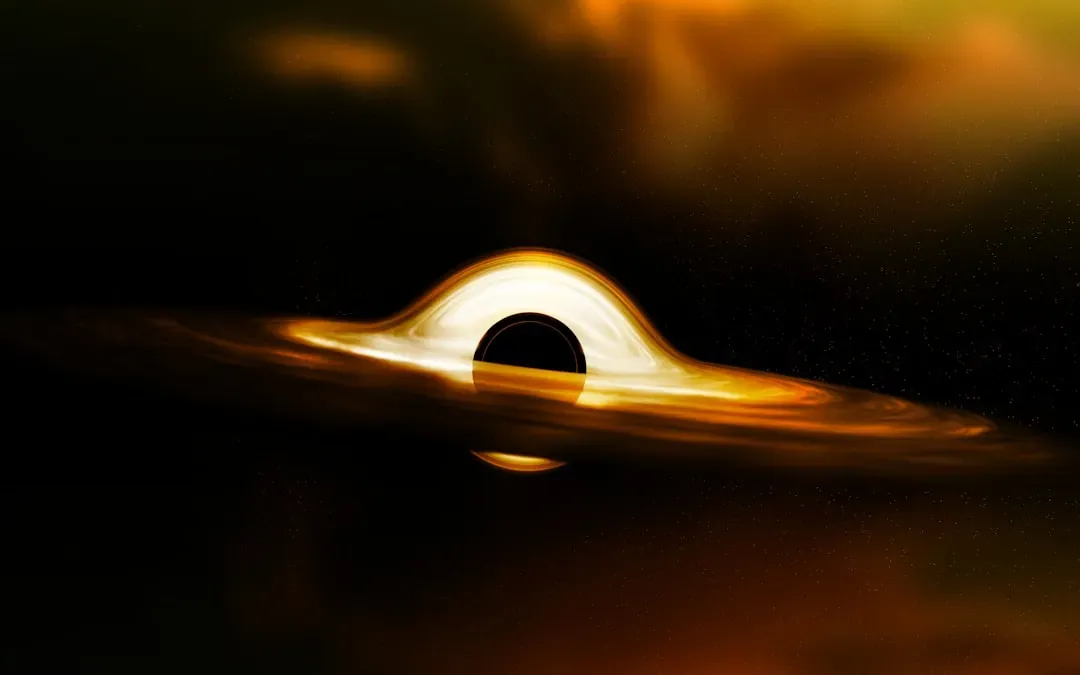
When you think of a black hole, you probably imagine a bottomless pit that just sucks everything in. The reality is even stranger: many black holes spin at enormous speeds, and when they do, they do not just rotate matter; they twist the fabric of space‑time itself. If you could watch from a safe distance, you’d see nearby matter being whipped around and forced to follow the spinning geometry, almost like water spiraling in a drain that takes the pipes with it.
This effect, sometimes called frame dragging, means that space and time are not static backgrounds but can be yanked around by something massive and fast enough. If you orbited near a rapidly spinning black hole, your sense of direction, time, and even which paths are possible would be warped beyond anything your intuition can handle. It is not just that the black hole traps light; it is that it reshapes the rules of where “straight ahead” even is.
7. There is a huge void in space that’s almost creepily empty
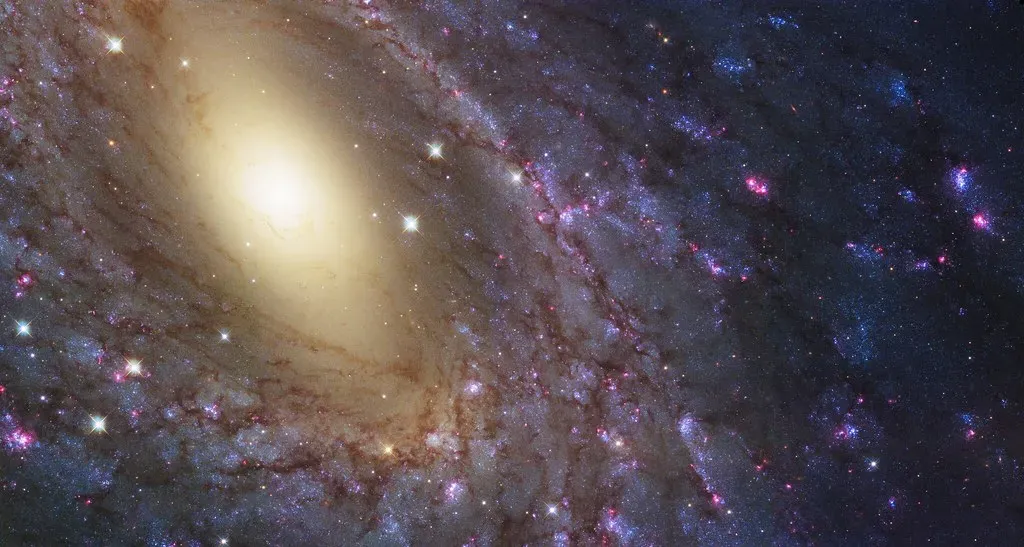
The universe on large scales looks like a cosmic web, with galaxies forming filaments and clusters. Between some of these filaments, you find enormous cosmic voids: regions of space that are surprisingly empty even by cosmic standards. One of the more famous examples is a vast area spanning hundreds of millions of light‑years with very few galaxies in it, a kind of intergalactic desert. If you traveled through it, you would see almost nothing for unbelievable stretches of time.
That kind of emptiness feels unsettling because you already think of space as empty, and yet this is emptier than the emptiness you are used to. It challenges your picture of galaxies being sprinkled everywhere; instead, they clump along invisible threads, leaving vast gaps. If the night sky from Earth feels lonely to you sometimes, imagine a sky where almost no galaxies appear at all, where the universe seems to have simply forgotten to put anything.
8. Time really does pass differently in space (and your head ages slower than your feet)

Einstein’s relativity sounds abstract until you realize your own body proves it every day. Because gravity affects the flow of time, the parts of you that are closer to the center of Earth experience time slightly more slowly than the parts farther away. In practice, your head ages a tiny bit faster than your feet over your lifetime, because it is experiencing slightly weaker gravity. The difference is so small you will never feel it, but precise clocks can measure it.
When you move this idea into space, the effect becomes dramatic. If you orbit near a massive object, or travel at a significant fraction of the speed of light, you really can come back having aged less than people who stayed behind. This is not science fiction; it is something satellites and astronauts already need to account for because their clocks drift compared to clocks on Earth. Your experience of time is not absolute; it depends on where you are and how you move through the universe.
9. You are made of stardust, and that’s literally true
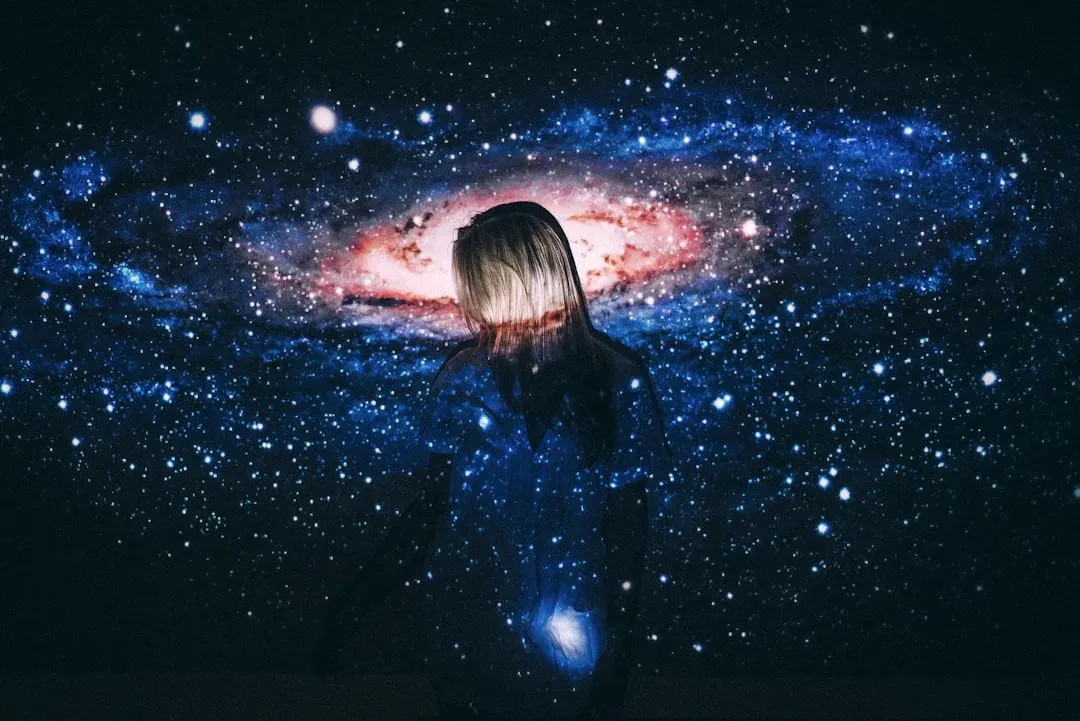
The phrase that you are made of stardust sounds poetic, but it is physically accurate. The heavier elements in your body, from the calcium in your bones to the iron in your blood, were forged in the hearts of stars and in the explosions that ended their lives. When those stars died, they blasted this enriched material into space, where it later condensed into new stars, planets, and eventually you. You carry the chemical fingerprints of ancient stars in every cell.
Once you really let that sink in, your relationship with the night sky changes. You are not a visitor looking up from the outside; you are a local. The atoms that make up your brain once sat in stellar cores under immense pressure and heat. In a very real sense, when you look at a star, part of you recognizes home, because you are built from the ashes of older generations of stars that lit up the early universe.
10. There might be more rogue planets than stars in your galaxy
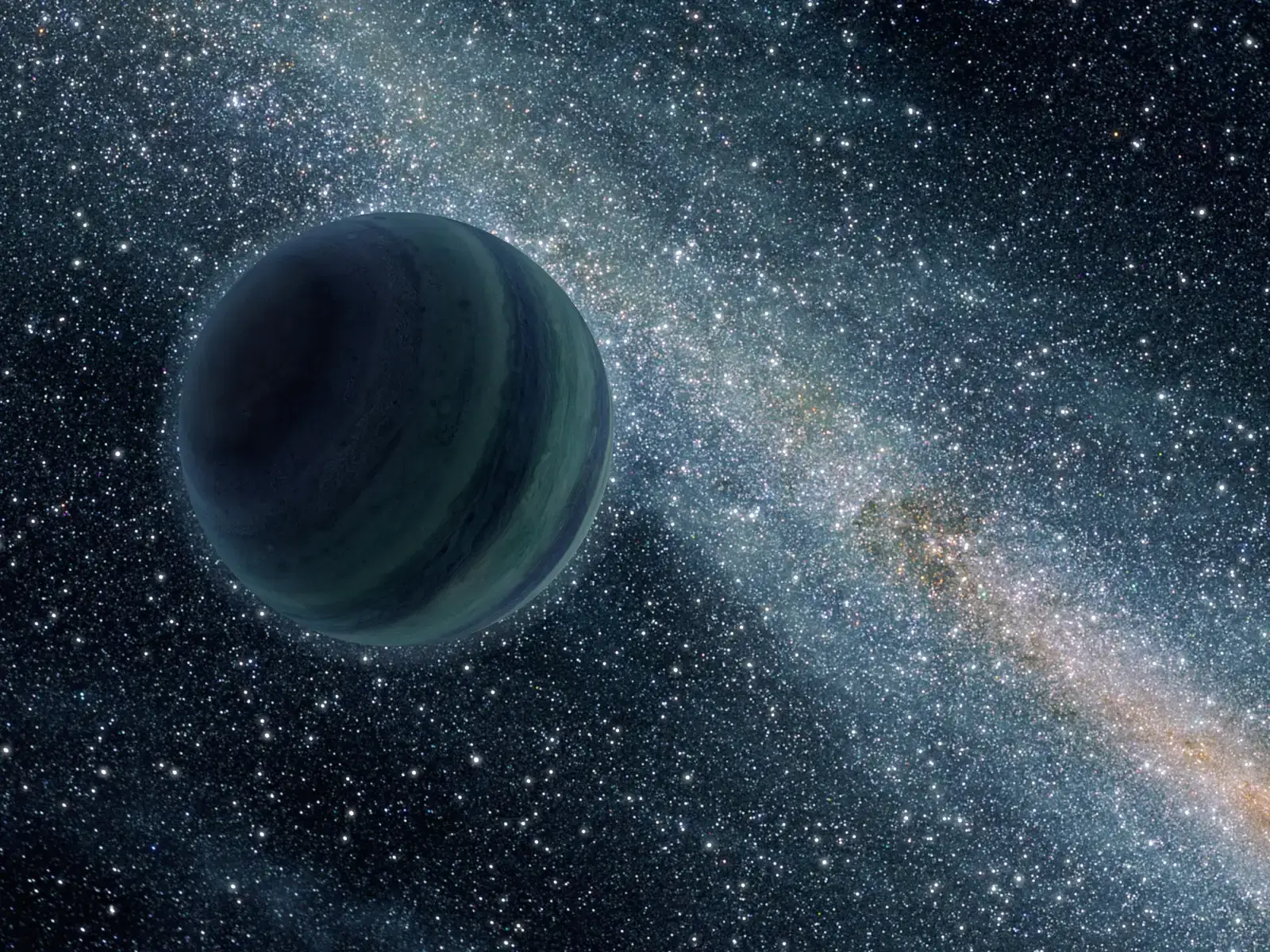
You probably think of planets as loyal companions to stars, endlessly orbiting around them. But there are worlds that roam the galaxy alone, not bound to any star at all. These so‑called rogue planets may have been kicked out of their original systems or formed in isolation, and some estimates suggest there could be an enormous number of them, possibly rivaling or even exceeding the number of stars. They drift in the dark, illuminated only faintly by surrounding starlight and any leftover internal heat.
If you tried to imagine standing on one, you’d see a sky with no sun, only distant stars, like a permanent deep night. Life on such a world would be incredibly challenging, but not necessarily impossible if there were internal heat sources and thick atmospheres. The idea that your galaxy might be full of invisible, homeless planets slipping silently between the stars makes the Milky Way feel wilder and less orderly than the tidy textbook diagrams you grew up with.
11. The observable universe has an edge you can describe – but not touch
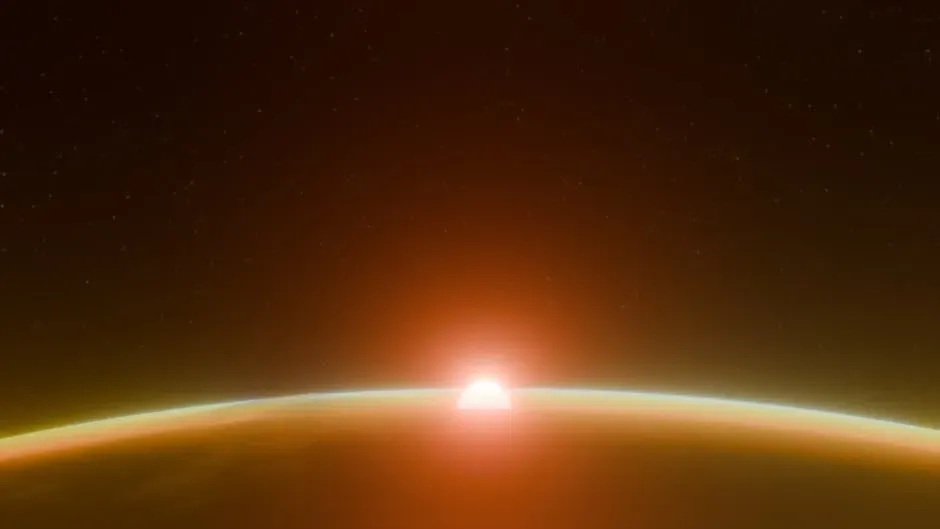
When you look out into space with powerful telescopes, you are also looking back in time. Because light takes time to travel, the most distant objects you can see are showing you the universe as it was billions of years ago. There is a limit, though: beyond a certain distance, light has not had enough time since the beginning of the universe to reach you. That limit forms the boundary of what you can observe, a kind of horizon for your cosmic vision.
It is tempting to think that edge is a physical wall or barrier, but it is really more like the edge of what your past light can touch. The universe may continue well beyond it, possibly even infinitely, but you will never see those regions because information from them can never arrive. You live inside a bubble of visibility that grows as time passes, yet always leaves some parts of the cosmos forever out of reach, no matter how good your technology becomes.
12. There are stars so big they would swallow your entire solar system
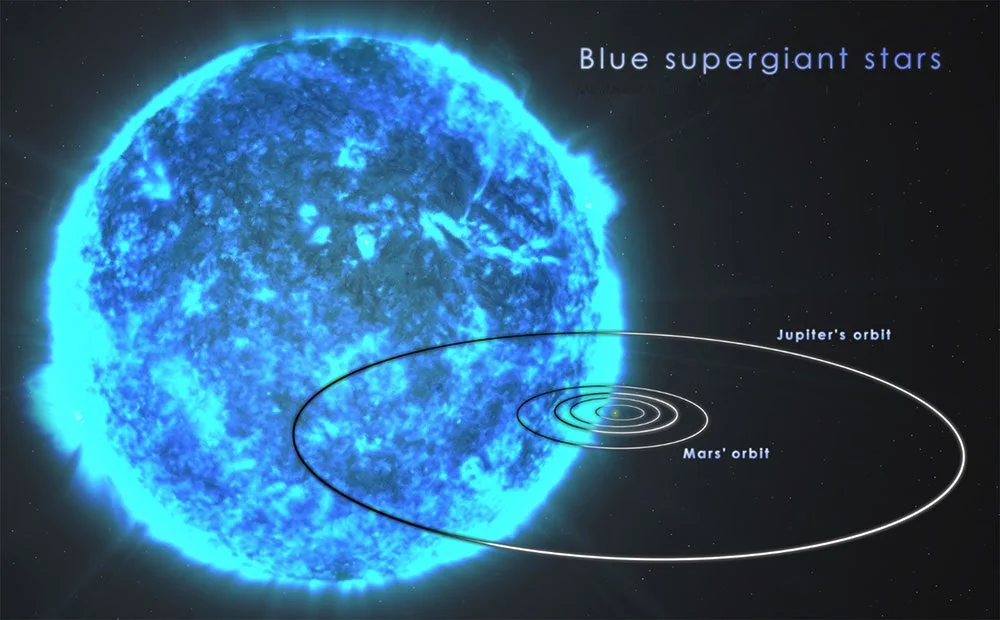
The Sun feels enormous to you, and compared to Earth it truly is. But some stars are so huge that if you replaced the Sun with them, their outer layers would extend beyond the orbit of Earth, and in some extreme cases, beyond the orbit of Jupiter or even farther. These monster stars are bloated, unstable giants near the ends of their lives, shedding mass and glowing with tremendous luminosity. If you could see one up close, it would look more like a swollen, churning cloud than the neat dot you see in the sky.
When you run the mental comparison, your whole solar system suddenly feels tiny, like a small ring around a campfire that turns out to be a bonfire the size of a city. These giant stars do not last long on cosmic timescales; they burn through their fuel quickly and often end in spectacular supernova explosions. Still, while they exist, they serve as a humbling reminder that your Sun, for all its importance to you, is just a mid‑range star in a universe packed with extremes.
Conclusion: Living in a Very Weird Neighborhood
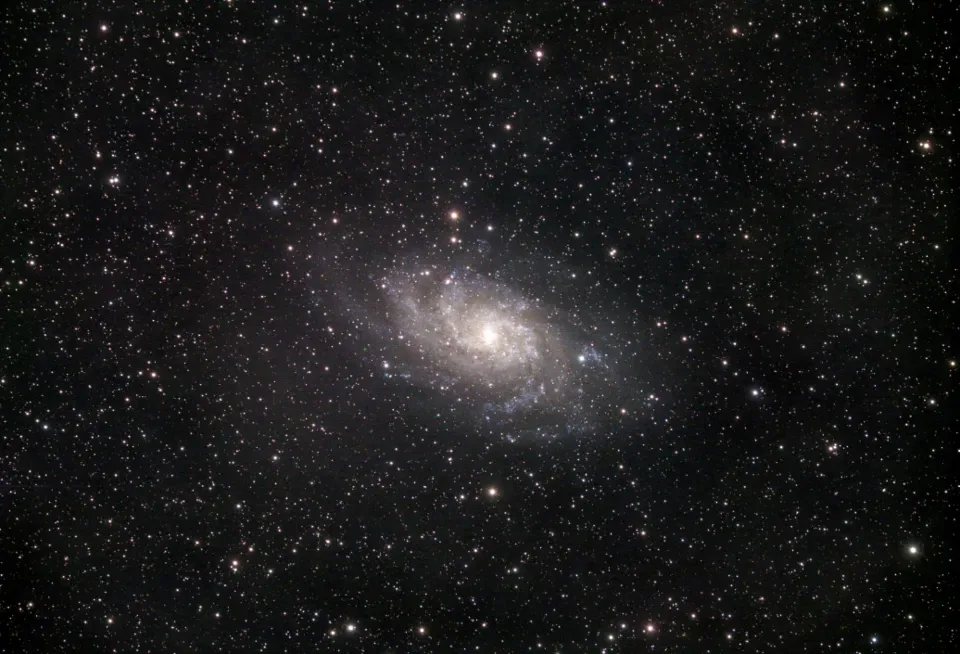
When you put all these together, you realize you are living in a universe that is far stranger than it looks from your backyard. Alcohol clouds tens of light‑years across, glass rain on distant planets, city‑size stellar corpses, and rogue worlds wandering between the stars all exist in the same reality as your morning commute and your grocery list. You are not just in a big universe; you are in a bizarre one where your everyday sense of what is normal barely applies.
At the same time, you are directly connected to all this weirdness through the atoms in your body and the physics that quietly affects your time and gravity every second. Space is not just an abstract backdrop; it is the wild, dangerous, beautiful context you were born into. The next time you glance up at the night sky, maybe you will feel less like a spectator and more like a participant in an enormous, ongoing story of chaos and wonder – what part of that story do you want to explore next?