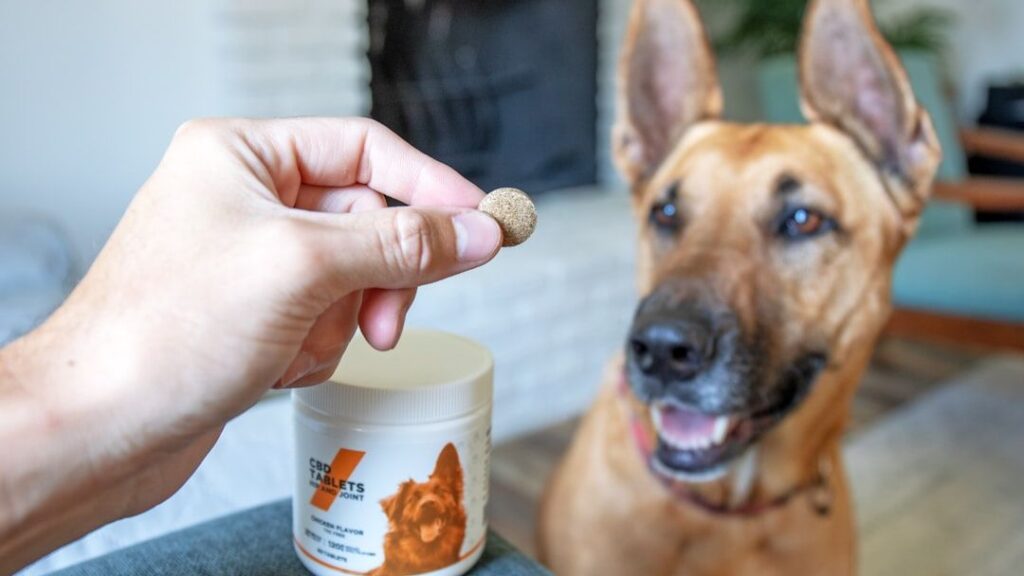

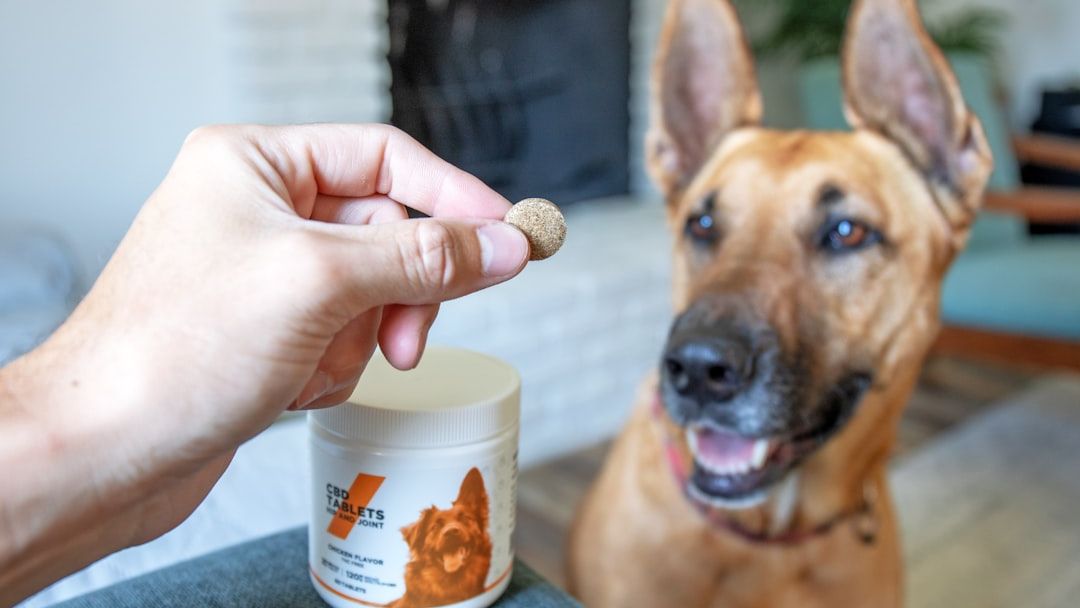
Complete Guide to Dog Multivitamins – Image for illustrative purposes only (Image credits: Unsplash)
Many dogs across India consume a mix of commercial kibble and home-cooked meals, yet this common approach often leaves measurable gaps in essential nutrients. Cooking processes destroy heat-sensitive vitamins, while rice-heavy or vegetable-dominant plates frequently fall short on minerals such as zinc and iron. The result is a quiet mismatch between what owners intend to provide and what a dog’s body actually receives each day.
The Nutritional Reality Behind Mixed Feeding
Commercial dog food is formulated to meet complete nutritional standards when fed exclusively. Once owners add home-prepared items, however, daily intake becomes variable. Protein digestibility drops when rice or roti forms the bulk of the meal, and repeated boiling reduces B-complex vitamins and vitamin C content. Mineral shortfalls appear most often in calcium, zinc, and iron because these elements are not consistently present in typical Indian kitchen scraps or vegetable preparations.
These inconsistencies matter most for dogs whose diets shift with family leftovers or seasonal availability. A single well-formulated multivitamin supplies a steady baseline without replacing the primary diet. Veterinary guidance remains essential, because blood panels can confirm whether a specific deficiency exists before supplementation begins.
How Individual Nutrients Support Canine Health
Each vitamin and mineral performs distinct tasks that interact with one another. Vitamin A maintains vision and skin barriers, while the B-complex group drives energy metabolism and red-blood-cell formation. Vitamin D aids calcium absorption, and vitamin E protects cell membranes from oxidative stress. Zinc supports immunity and coat quality, yet it ranks among the minerals most commonly low in home-cooked Indian meals.
Calcium and phosphorus must remain in precise ratios, especially during growth. Iron assists oxygen transport and becomes relevant after parasite treatment or blood loss. Because these nutrients work together, a balanced multivitamin generally outperforms isolated single-nutrient products for general wellness support.
Life-Stage Differences That Influence Supplement Choice
Puppies, adults, and seniors require different nutrient concentrations. Using one formula across all ages can either under-serve or over-supply certain elements.
| Life Stage | Primary Focus | Caution |
|---|---|---|
| Puppies (2–12 months) | Higher DHA, precise calcium-phosphorus ratios, B-complex for rapid growth | Excess calcium in large-breed puppies can cause skeletal issues |
| Adults (1–7 years) | Maintenance levels of B vitamins, zinc, vitamin E, and omega-3 | Healthy dogs on complete commercial diets rarely need daily addition |
| Seniors (7+ years) | Antioxidants, joint support, probiotics, cognitive nutrients | Reduced absorption requires careful dosing |
Matching the product to the dog’s current life stage therefore reduces the chance of unintended imbalance.
Reading Labels and Avoiding Over-Supplementation
Quality products list exact amounts of each nutrient rather than vague “proprietary blends.” Bioavailable forms such as chelated minerals or methylcobalamin absorb more efficiently than oxide or cyanocobalamin versions. Serving size must scale with body weight; a single dose suitable for both a small Pomeranian and a large Labrador signals poor formulation.
Over-supplementation carries documented risks. Excess vitamin A can accumulate in the liver, while too much vitamin D elevates blood calcium to harmful levels. Stacking multiple supplements without veterinary oversight can double or triple certain nutrients. Human multivitamins are unsuitable because they often contain iron or sweeteners toxic to dogs.
Practical Steps for Safe Introduction and Storage
Begin at half the recommended dose for the first week and administer with meals to improve absorption. Introduce only one new supplement at a time and monitor stool quality, appetite, energy, and coat condition over four to six weeks. Any vomiting, diarrhoea, or lethargy warrants immediate cessation and veterinary consultation.
Indian climate conditions accelerate degradation. Store tablets and chews in airtight containers away from heat and sunlight. Refrigerate liquids after opening and discard any product showing clumping or colour change. Smaller purchases during monsoon months help maintain potency.
Results appear gradually. Coat improvements typically emerge within three to five weeks, while energy and immune changes require six to eight weeks of consistent use. When no measurable benefit appears after ten to twelve weeks, the chosen product or underlying diet may need re-evaluation with a veterinarian. A thoughtfully selected multivitamin serves as a targeted tool rather than a universal solution.