Some ruins seem mysterious from the outside. Others only become truly baffling once archaeologists start digging and realize nothing fits the script they expected. That moment when careful science crashes into the unknown is where history suddenly feels alive, messy, and strangely personal. You can almost picture a team brushing away soil, pausing, and thinking: this makes no sense at all.
What follows is a tour of historical sites that grew more confusing the deeper the experts dug. In some cases, the discoveries shredded neat textbook timelines. In others, they raised unsettling questions about who built what, and why entire cities vanished without leaving the kind of clues we normally rely on. None of these places offer tidy, movie-style answers. Instead, they remind us how much we still do not understand about our own species. As you read, ask yourself: if this is what we have found in just the last century or so, what is still hiding under our feet?
#1 Göbekli Tepe: The Temple That Should Not Exist
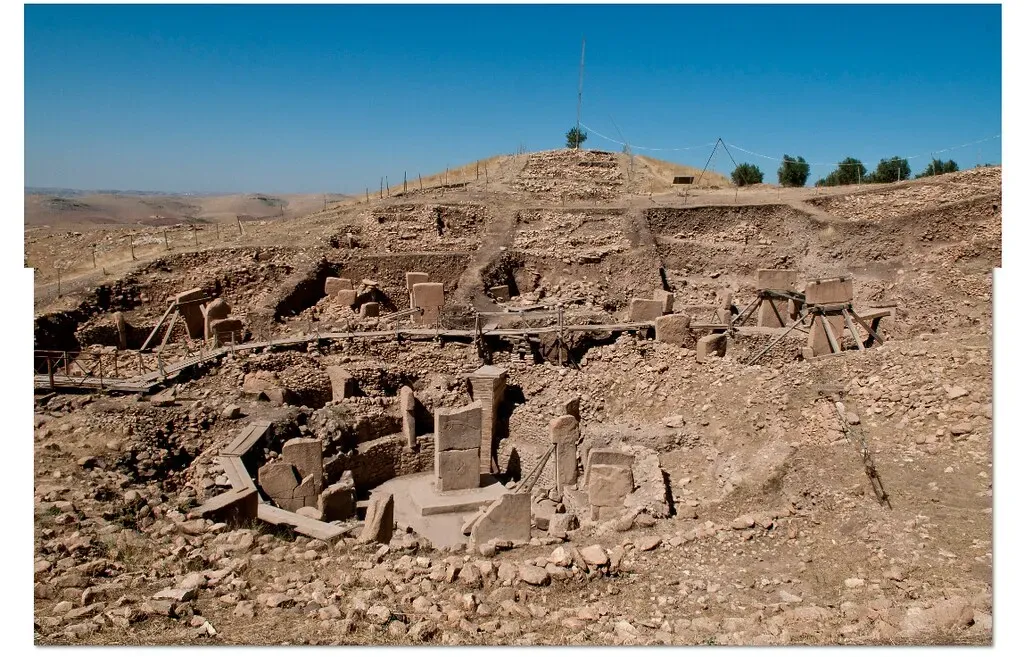
Imagine digging into a dusty hill in southeastern Turkey and finding huge carved stone pillars older than the pyramids, arranged in circles like some prehistoric cathedral. That is Göbekli Tepe, a site that has been dated to roughly about eleven thousand years ago, thousands of years before agriculture and cities are supposed to have appeared. The pillars carry reliefs of animals and abstract symbols, and the entire layout suggests careful architectural planning rather than a casual campsite.
The real mystery began when archaeologists realized the site seems to have been deliberately buried by the people who built it. This is not the normal pattern of abandonment; it looks almost like a ritual act of closure, as if a community hid its own sacred place from the future. Even more frustrating, there is no clear evidence of permanent houses or farms around it, challenging the classic idea that temples come after settled life. It is as if hunter-gatherers somehow skipped ahead and built the world’s first known monumental sanctuary, then walked away without leaving a clear explanation.
#2 Pompeii: Everyday Life Frozen, But Not Fully Explained
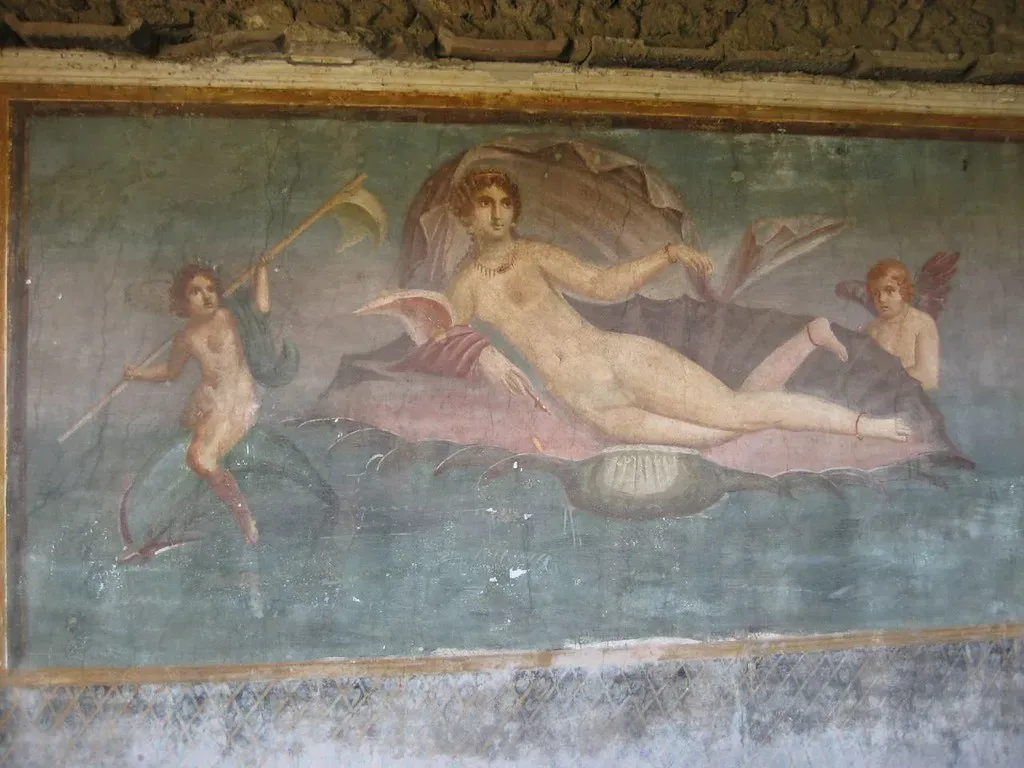
Pompeii in Italy was already infamous as the city destroyed by the eruption of Mount Vesuvius, but systematic excavations turned it into something stranger: a time capsule that feels almost too intimate. Archaeologists uncovered frescoes, graffiti, bread in ovens, and people frozen in their final moments, their bodies later cast from the voids left in the ash. Instead of giving us a simple snapshot, though, the details often complicate our understanding of Roman life.
For example, the graffiti ranges from crude insults to election slogans and romantic notes, suggesting a more chaotic, noisy social world than the polished marble statues in museums would have you believe. Some lavish villas had paintings that modern viewers find surprising or unsettling, showing how differently people once thought about morality and beauty. On top of that, evidence of repairs from earlier earthquakes and status-obsessed building projects hints that Pompeii was already struggling before the final disaster. The more we see, the less the city fits into a clean story of “prosperous Rome suddenly buried by nature.”
#3 Stonehenge: A Monument That Keeps Changing Shape
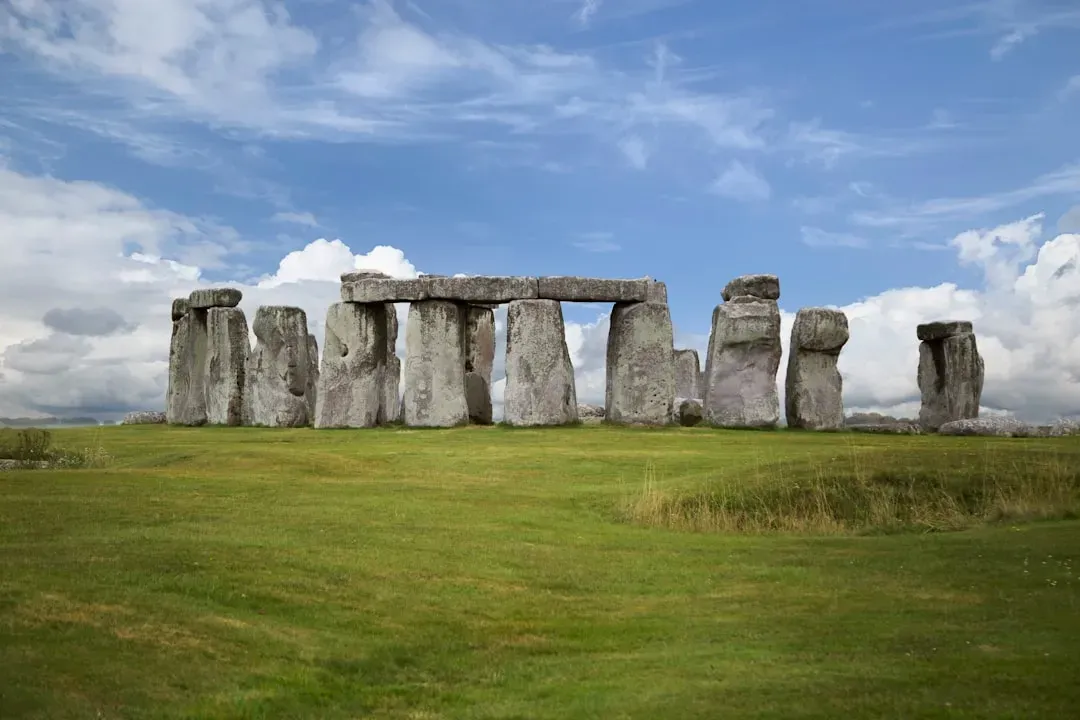
Stonehenge in England is one of those places people think they know, mostly from postcards and drone shots. Yet continuing excavations around the wider landscape have turned it from a single monument into a sprawling, mysterious complex. Nearby earthworks, timber circles, burial mounds, and processional avenues suggest that Stonehenge was only one part of a huge ritual zone evolving over many generations, not a one-off piece of ancient engineering.
What really threw researchers off was the realization that some of the smaller “bluestones” seem to have been moved from stone circles in Wales, implying a kind of prehistoric recycling or even relocation of sacred places. Combined with isotope analysis of human remains showing long-distance movement of people, the picture that emerges is far more dynamic than the image of local villagers dragging stones across fields. Instead, Stonehenge starts to look like the outcome of complex regional politics, shifting beliefs, and maybe even a form of spiritual tourism, and we are still piecing together what story that arrangement was meant to tell.
#4 The Nazca Lines: Giant Drawings You Can Only See From Above
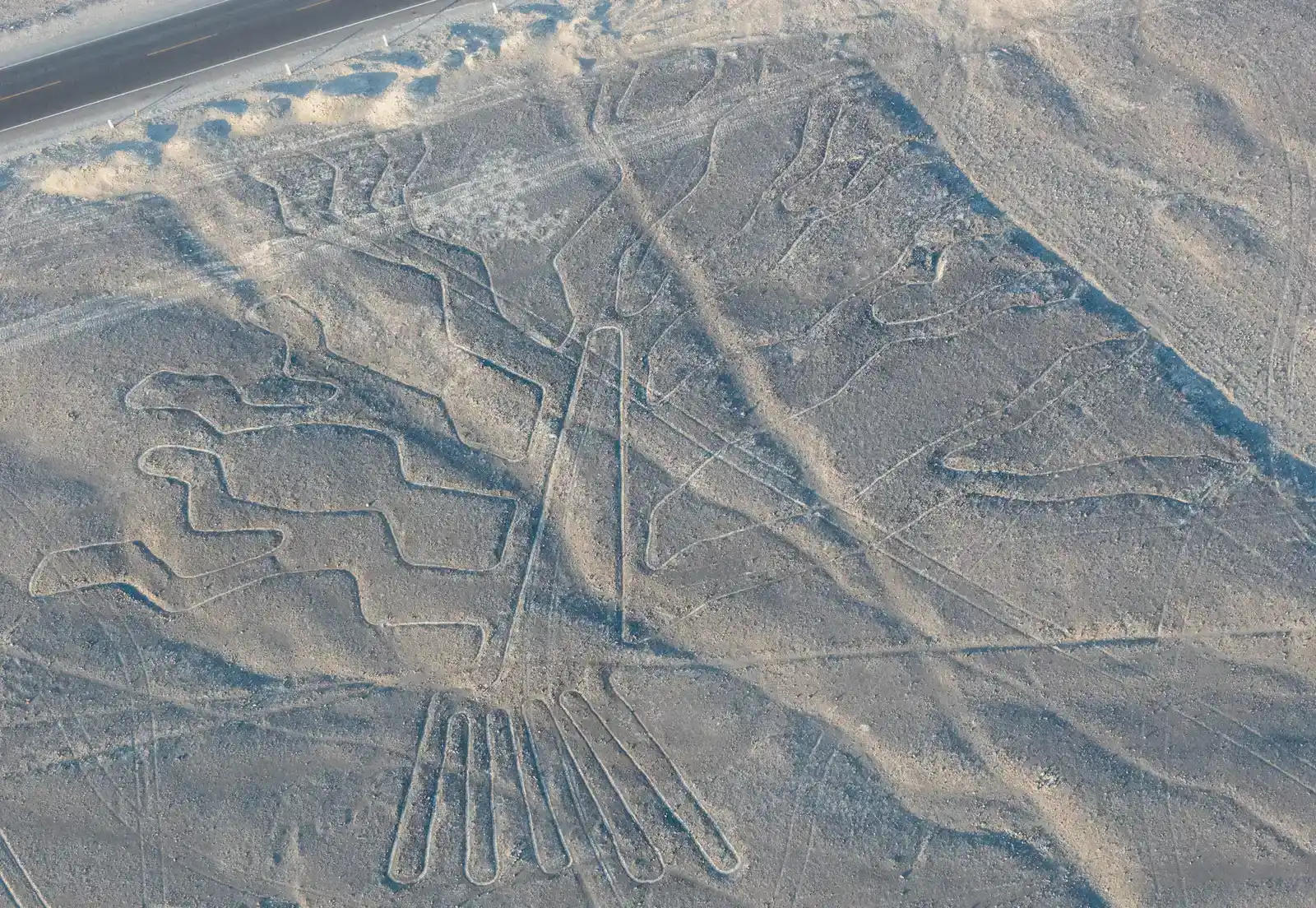
From ground level, the Nazca desert in Peru is just a dry, rocky plain, but from the air it turns into an open-air gallery of gigantic shapes and figures etched into the soil. The famous geoglyphs include animals, plants, straight lines, and geometric patterns stretching for kilometers. Excavations and careful mapping raised more questions than answers, especially when researchers noticed how different sets of lines overlap, as if various groups over time reused and reworked the same desert canvas.
Initially, some thought the lines were simple paths or purely astronomical markers, but the diversity of figures and their sheer scale makes any single explanation feel thin. Studies of the soil and pottery fragments suggest ritual activity and offerings nearby, yet there is no grand temple or palace tying it neatly to a ruling elite. Instead, the Nazca Lines seem like a blend of pilgrimage route, ceremonial space, and symbolic art project on a landscape scale. We can describe what they are, and how they were made, but the why still hovers just out of reach.
#5 Machu Picchu: Not Quite the Lost City People Expected
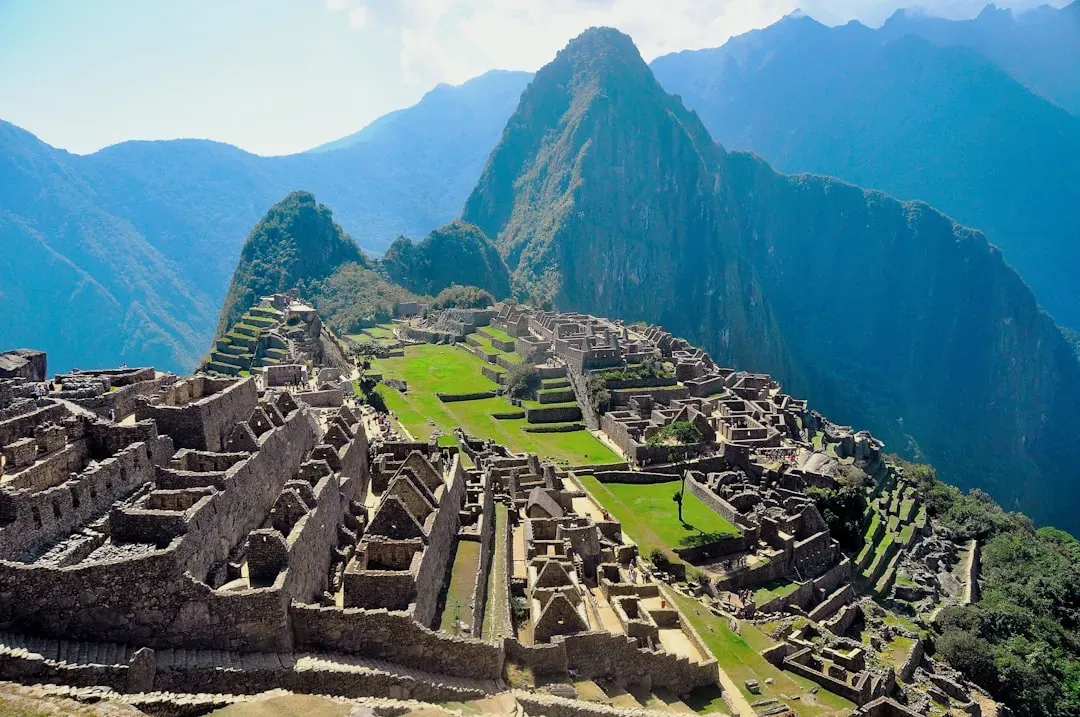
When Machu Picchu in Peru was brought to international attention in the early twentieth century, it was quickly labeled a “lost city,” a dramatic phrase that stuck in popular imagination. Excavations, however, painted a more nuanced and frankly weirder picture. The site appears to have been an Inca royal estate or retreat, with finely crafted stone buildings, agricultural terraces, and ritual spaces seamlessly integrated into the mountain ridge.
Archaeologists found that Machu Picchu was neither a massive urban center nor a simple outpost. Burial analysis and artifacts suggest a carefully selected population, including craftspeople and attendants, rather than a standard farming town. The choice of location, perched between high peaks and prone to constant clouds, seems spiritually charged rather than purely practical. In a way, digging there turned the mystery on its head: Machu Picchu was not “lost” because people forgot it; it was never a mainstream city to begin with, and that limited, almost secretive role raises fresh questions about how the Inca balanced power, ritual, and landscape.
#6 The Terracotta Army: An Empire’s Afterlife Gone Overboard
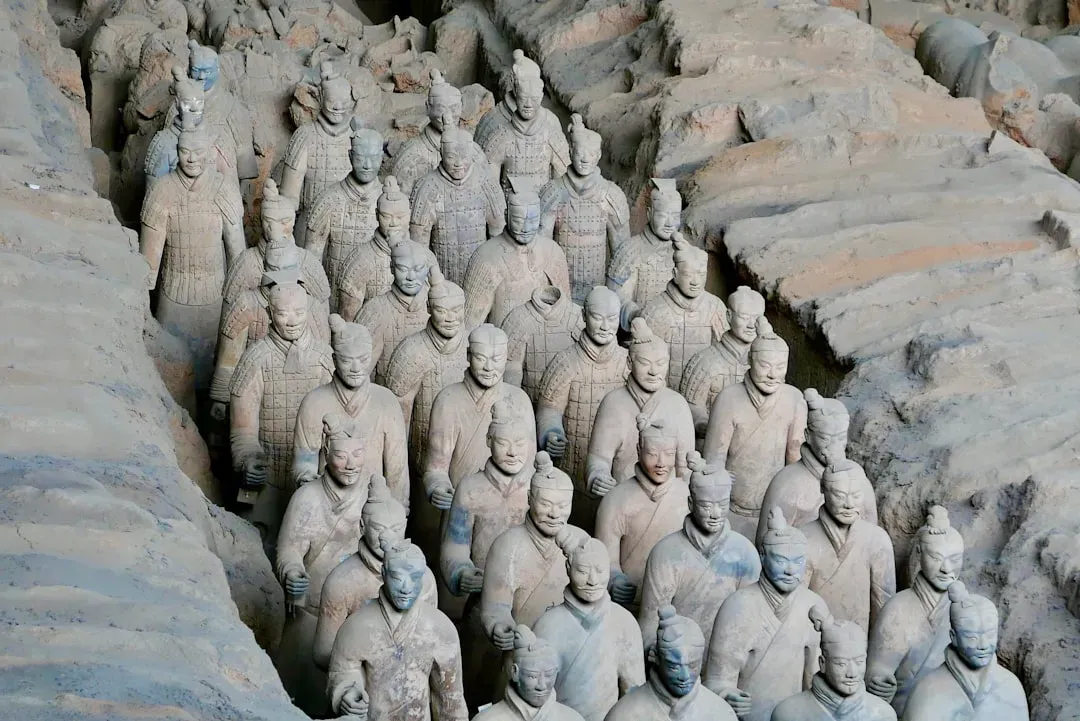
Near Xi’an in China, farmers digging a well in the 1970s stumbled onto fragments of life-sized clay soldiers, which turned out to be only a tiny part of a vast buried army. Excavations revealed thousands of individualized terracotta warriors, horses, and chariots guarding the tomb complex of China’s first emperor. The scale is overwhelming, but the more archaeologists mapped the area, the more it became clear that the visible pits are just a fraction of a gigantic funerary landscape.
What makes it especially mysterious is how much remains intentionally unexcavated, including the central burial mound believed to contain the emperor’s tomb. Ancient texts describe rivers of mercury and elaborate palaces underground, and modern soil tests even hint at unusually high mercury levels, yet concerns about preservation have slowed direct exploration. Around the main pits, smaller burials, workshops, and sacrificial pits suggest a whole hidden world crafted to function in the afterlife. Instead of simply confirming ancient accounts, the new finds complicate them, revealing a funerary program so vast and meticulously organized that it still stretches our understanding of early imperial power.
#7 Easter Island’s Moai: Heads With Buried Secrets
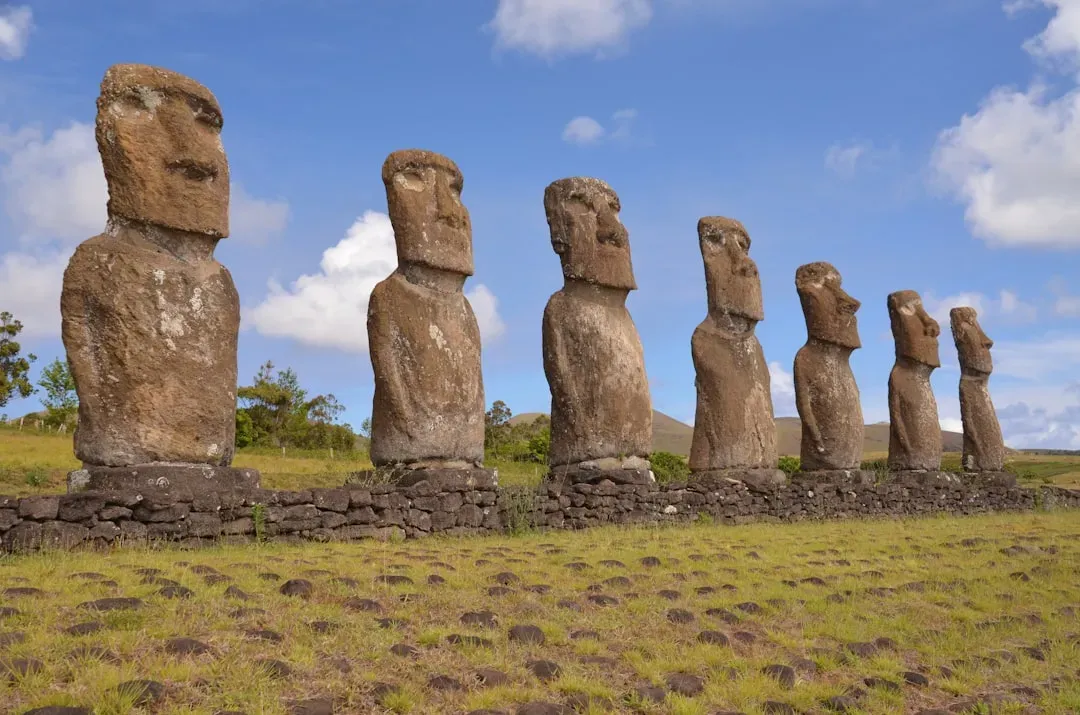
For a long time, the moai statues on Easter Island (Rapa Nui) were popularly imagined as just huge stone heads staring out to sea. Excavations around several of them, though, revealed that many have long torsos and even carvings on their backs buried deep in the soil. That single realization turned them from isolated sculptures into parts of more complex ceremonial platforms, anchored in ritual spaces rather than randomly scattered idols.
As researchers dug deeper, they found evidence of quarry roads, partial statues, and sophisticated engineering solutions, challenging the myth that only crude methods were used. At the same time, analysis of pollen and soil layers pointed to dramatic environmental change, possibly tied to deforestation and overuse of resources. The big mystery is how a society capable of organizing such impressive work ended up facing population decline and social stress. The moai, instead of being simple symbols of lost wisdom, became evidence of both cultural brilliance and the dangers of ecological imbalance, and the full story is still debated.
#8 Çatalhöyük: A City With No Streets
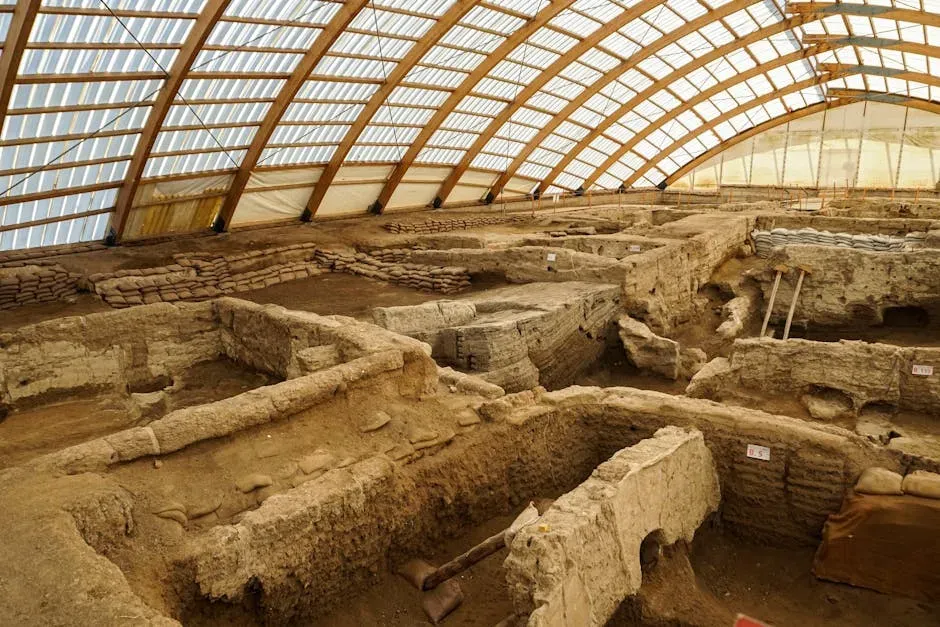
When archaeologists began excavating Çatalhöyük in central Turkey, they expected a typical early settlement with streets, public squares, and some hierarchy between homes. Instead, they uncovered a dense cluster of houses packed tightly together, with people apparently entering through rooftop openings rather than doorways at ground level. There were no clear streets at all, just a honeycomb of adjoining rooms forming a kind of architectural puzzle.
Even stranger, many houses contained burials under the floors and elaborate wall paintings, as if everyday life and ritual were mixed together instead of separated into temples and cemeteries. Animal horns and symbolic objects were integrated into home decor in ways that blur the line between art and worship. This layout forces researchers to rethink how early large communities organized themselves, because it does not fit the usual idea of a city with obvious leaders and official religious buildings. Çatalhöyük feels like a social experiment from nine thousand years ago that we still do not fully understand.
#9 The Antikythera Shipwreck: A Laptop From The Ancient World
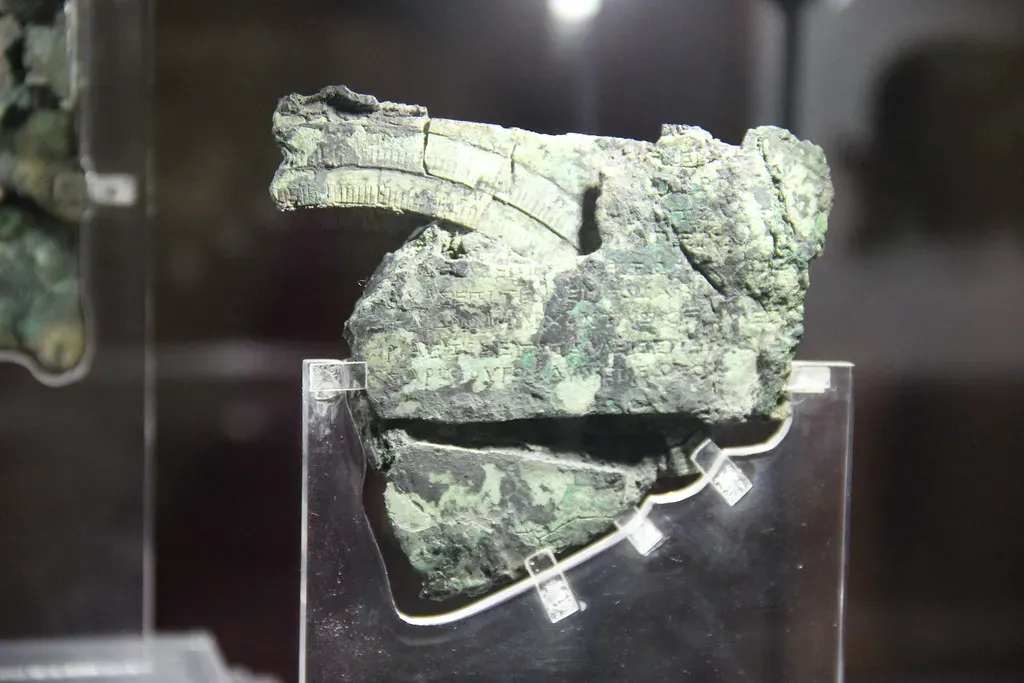
Off the coast of the Greek island of Antikythera, divers exploring a shipwreck pulled up a corroded lump of bronze that later turned out to be something astonishing: a complex mechanical device with interlocking gears. Excavations and underwater surveys around the wreck added more statues, luxury goods, and fragments of the mechanism itself, making it clear this was no ordinary cargo. The so-called Antikythera mechanism appears to have been an advanced astronomical calculator, shockingly sophisticated for its time.
The deeper mystery is not just how it worked, which modern reconstructions attempt to answer, but why such a high level of mechanical knowledge is barely visible in the surviving record. If artisans could build a device capable of tracking celestial cycles with that level of precision, where are all the other examples? The shipwreck feels like a glitch in the timeline, a sudden glimpse of a technological tradition that either vanished or has been mostly lost to decay and chance. Every new dive brings hope for more fragments, but also a growing sense that we are only seeing the edge of something we may never fully reconstruct.
#10 Petra: A Rose-Red City Hiding in the Rock
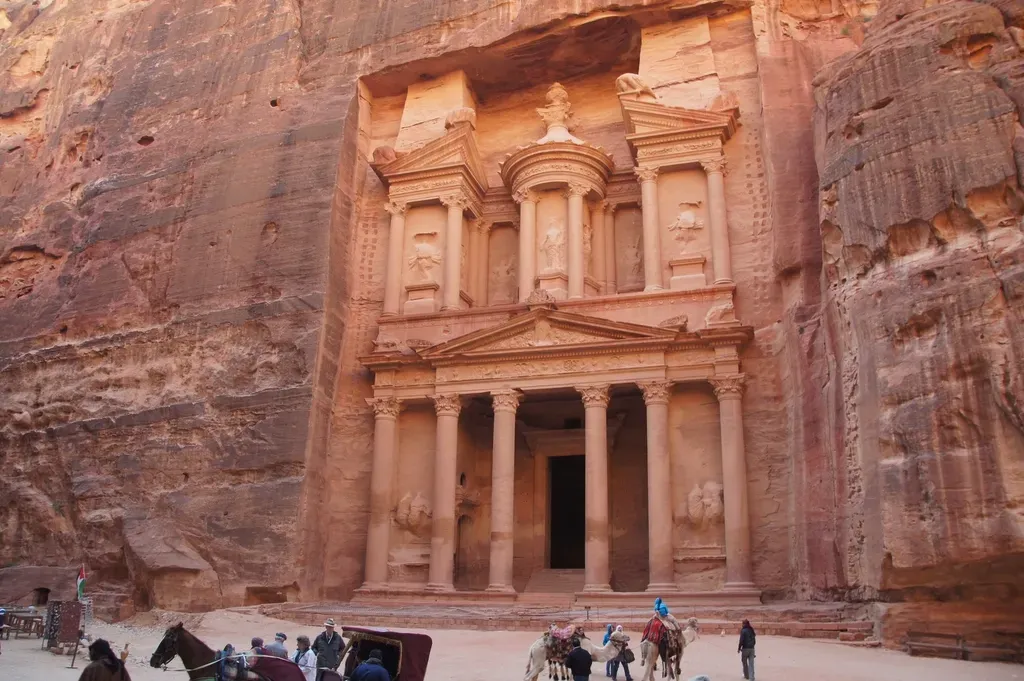
Petra in Jordan is famous for its rock-cut facades, especially the iconic structure carved into a cliff face that has become a travel poster staple. Yet once archaeologists moved beyond the photogenic tombs and ceremonial buildings, they realized Petra was much more than a carved stone backdrop. Excavations uncovered sophisticated water systems, hidden channels, and reservoirs that allowed a large population to thrive in an arid environment that should have been hostile to urban life.
What complicates the story is how the Nabataeans, the people who built Petra, left behind impressive architecture and infrastructure but relatively few detailed texts. We can trace their trade routes in spices and incense and see their city planning in the rock, but their internal political debates and religious beliefs remain frustratingly opaque. The city seems to oscillate between being a secret fortress and an open trade hub, and its gradual decline was driven by a mix of changing trade patterns, earthquakes, and imperial politics. Each excavation season tends to add yet another layer of complexity to a place that already looked improbably sophisticated.
#11 Angkor: A Jungle Temple That Turned Into a Megacity
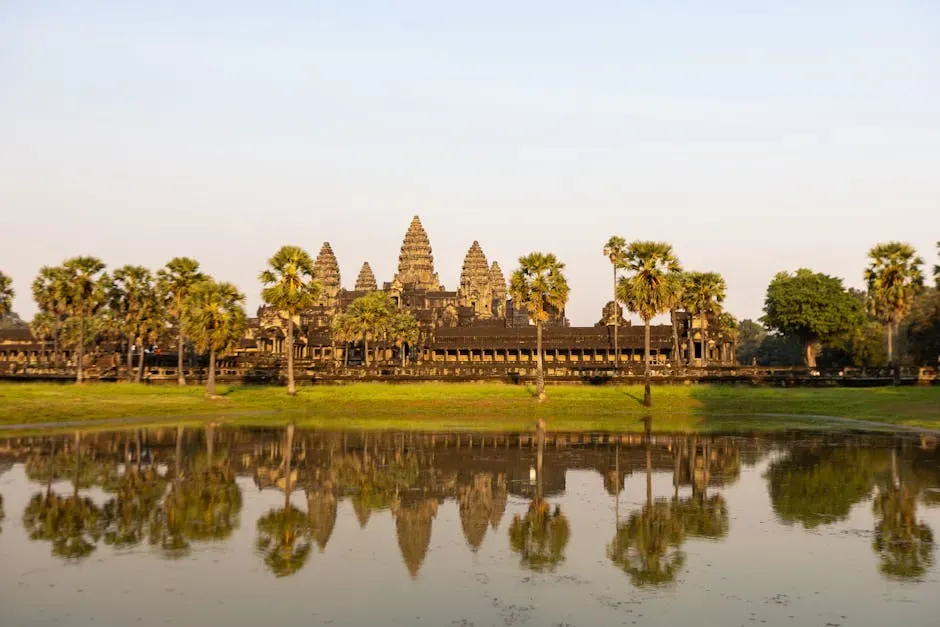
For a long time, Angkor in Cambodia was presented mainly as a huge temple complex, with Angkor Wat as the crown jewel wrapped in jungle myth. Excavations and, later, airborne laser scanning completely changed that picture, revealing a vast, low-density urban network hidden under forest cover. It turns out Angkor was not just a religious center but the heart of a sprawling city, with reservoirs, canals, neighborhoods, and agricultural fields organized on an astonishing scale.
This discovery pushed scholars to reconsider why such a massive system eventually faltered. Evidence of sediment in reservoirs, shifting water channels, and periods of drought paint a picture of a city struggling to manage a fragile environment. Yet there are also signs of adaptation and rebuilding, suggesting the story was not a simple collapse but a long, uneven transformation. The more we excavate, the more Angkor becomes a cautionary tale about how ambitious infrastructure can both sustain and strain a civilization over centuries.
#12 The Pyramids of Giza: Worker Villages That Changed the Narrative
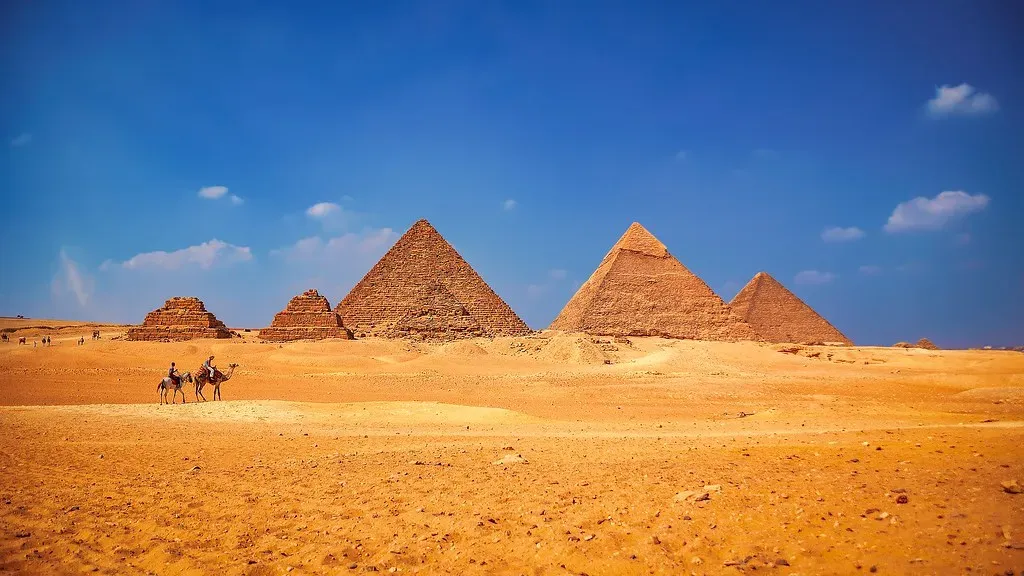
The pyramids of Giza in Egypt have long been magnets for wild theories, from alien builders to lost super-technologies. What actually made them more mysterious in a serious way was not the pyramids themselves but the worker settlements discovered nearby. Excavations revealed barracks-style housing, bakeries, breweries, and medical facilities feeding and supporting a massive labor force that appears to have been organized, well supplied, and likely seasonal rather than enslaved in the simplistic way earlier stories claimed.
These findings deepen, rather than erase, the mystery because they show how coordinated and bureaucratic Old Kingdom Egypt must have been to manage such logistics. Written records from the time are limited, so archaeologists have to piece together pay systems, social status, and labor rotation from broken jars, cattle bones, and graffiti on blocks. Instead of a straightforward picture of rulers forcing suffering masses to haul stones, the evidence points to a more complex society where participation in pyramid projects may even have had prestige. In other words, answering the “who built the pyramids” question properly opens up a much bigger puzzle about everyday life in that world.
#13 Mohenjo-daro: An Urban Mystery Without a Rosetta Stone
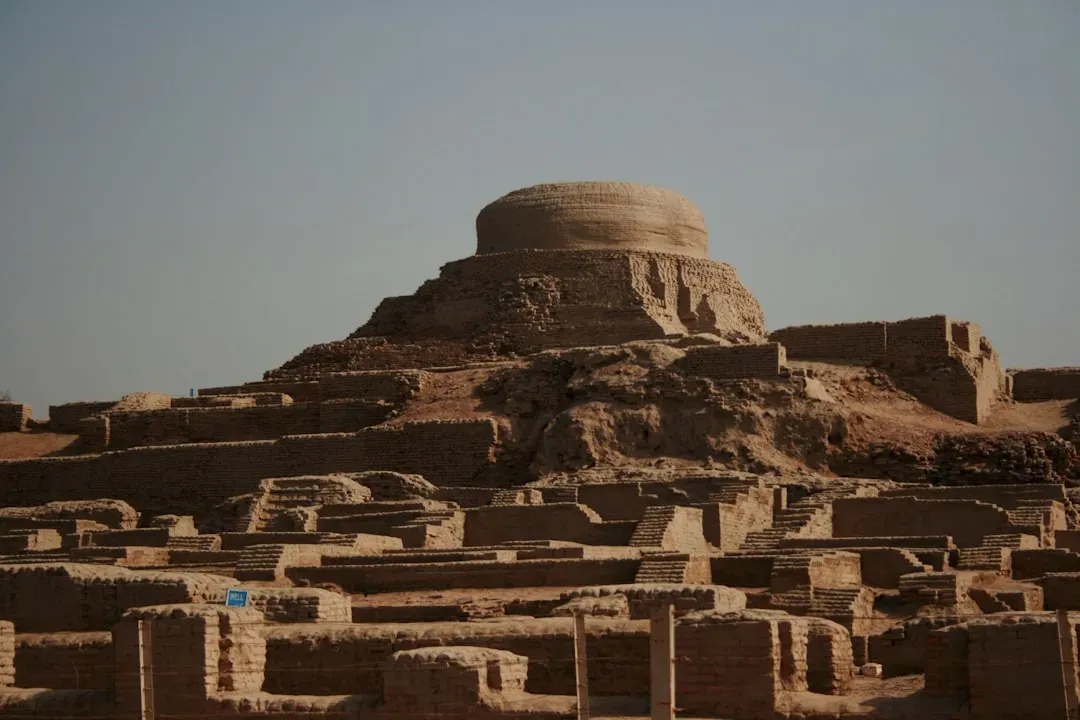
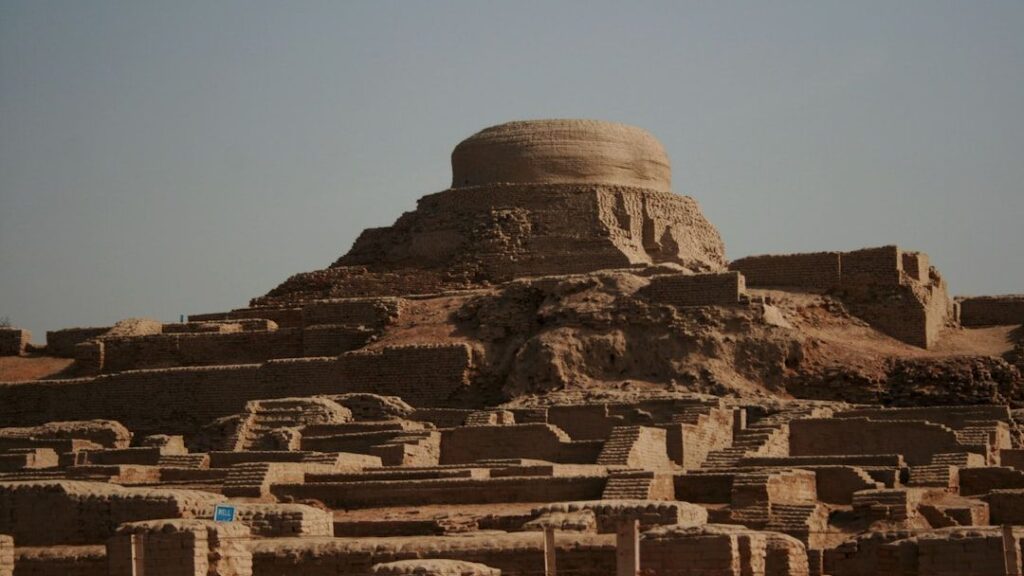
The ruins of Mohenjo-daro in modern Pakistan reveal a remarkably well-planned ancient city: straight streets, standardized brick sizes, drainage systems, and what look like public baths. Excavations uncovered a civilization, the Indus Valley or Harappan culture, that clearly understood urban planning and hygiene at a high level. Unlike Egypt or Mesopotamia, however, this culture left behind a script we still cannot confidently read.
Seals, short inscriptions, and symbolic motifs appear everywhere, but without a bilingual key, they remain silent. That means researchers must infer social hierarchy, religion, and even political structure mostly from architecture and artifacts. There is no obvious palace or massive central temple dominating the city, which is puzzling for a complex society of that scale. Mohenjo-daro feels like an early urban experiment that succeeded on the ground yet slipped through history’s written net, forcing us to guess more than we would like.
#14 The Shroud of Turin: A Relic That Refuses a Simple Label
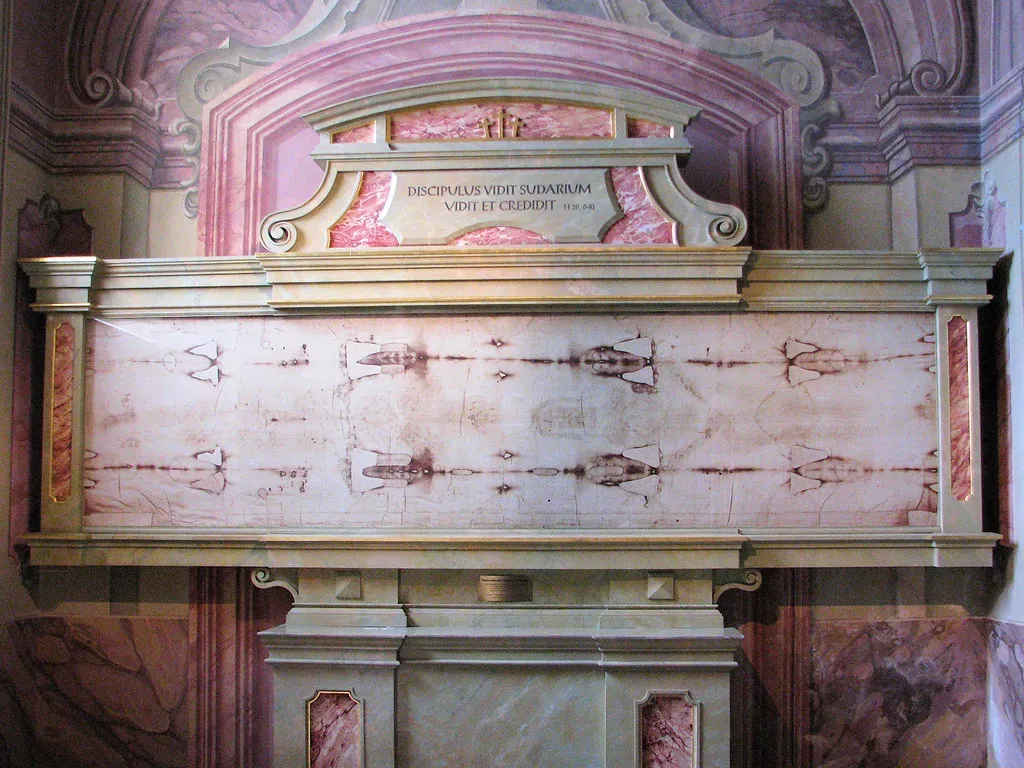
In a cathedral in Turin, Italy, a linen cloth bearing the faint image of a man has drawn fascination for generations. When scientific teams were finally allowed to study it more directly in the late twentieth century, many expected a quick answer: either ancient or medieval forgery. Radiocarbon dating pointed to the Middle Ages, but subsequent debates over contamination, sample choice, and image formation made the story far less tidy than anyone hoped.
Microscopic analyses, chemical tests, and image processing opened up as many questions as they answered, especially around how such a detailed negative image could be formed without obvious pigments in the expected concentrations. While the mainstream scientific view leans toward a medieval origin, the combination of conflicting data and strong emotional investment from many sides keeps the mystery alive. The Shroud is a good reminder that archaeology and science can describe materials, ages, and methods with great precision, yet still run into the limits of what can be known about intention and belief. It sits at the uneasy frontier between history, faith, and forensic curiosity.
#15 Sutton Hoo: A Burial Ship That Rewrote Early English History
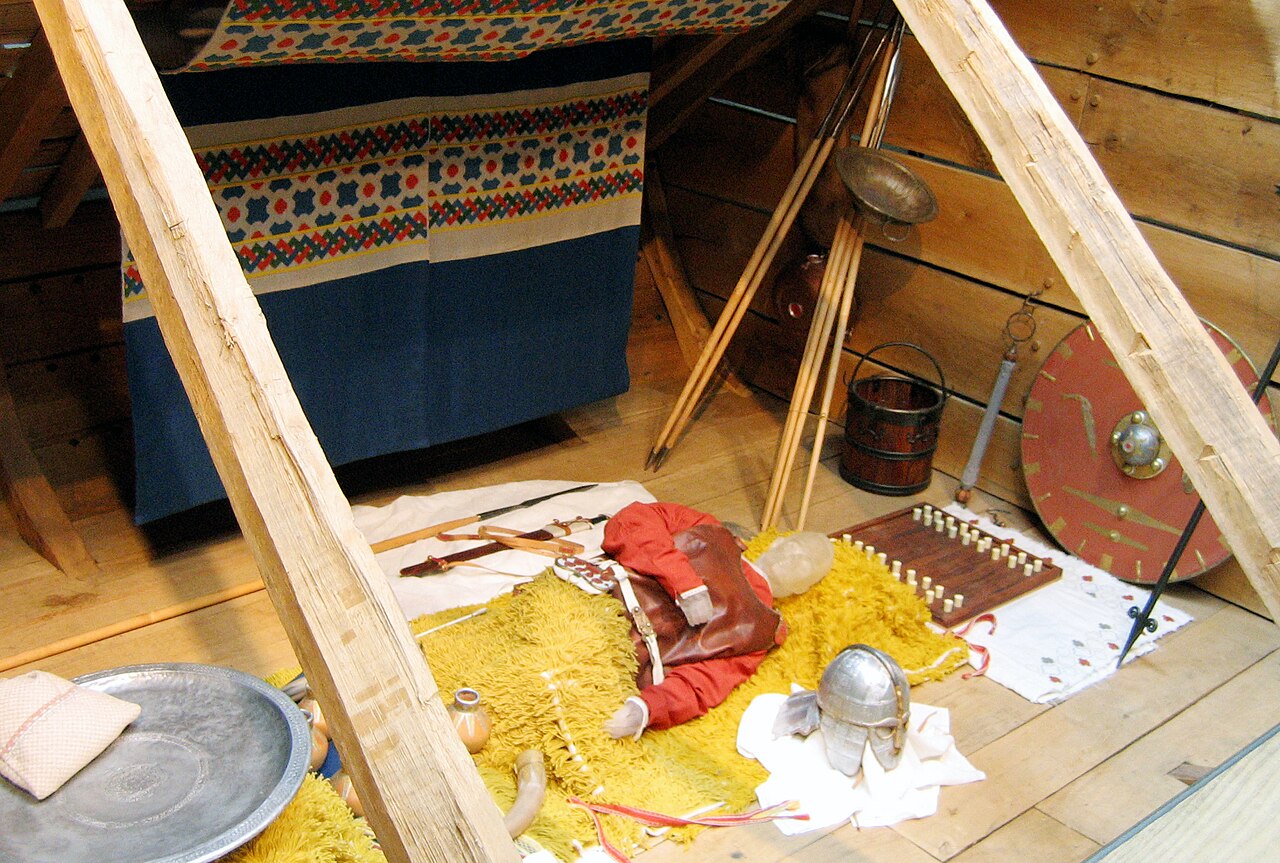
When mounds in Sutton Hoo, England, were excavated in the twentieth century, one of them revealed the imprint of a massive ship burial packed with grave goods. The finds included finely crafted metalwork, a famous helmet, and imported objects hinting at far-reaching connections. Before this, the period was often labeled a cultural backwater after the Roman withdrawal, but Sutton Hoo forced scholars to admit that early medieval England was plugged into a much wider and more sophisticated world.
The lack of a preserved body in the main ship burial adds to the mystery: was the person buried there and later decayed beyond recognition, or was this a symbolic cenotaph? The combination of pagan motifs with hints of Christian influence suggests a society in religious transition, negotiating identity through lavish funerary displays. Each artifact, from coins to weapon fittings, is a clue in a larger detective story about kingship, diplomacy, and belief in a time that left few written records. Instead of closing the case, Sutton Hoo turned that era into fertile ground for new debates.
#16 Olduvai Gorge: Where Human Origins Got Much Messier
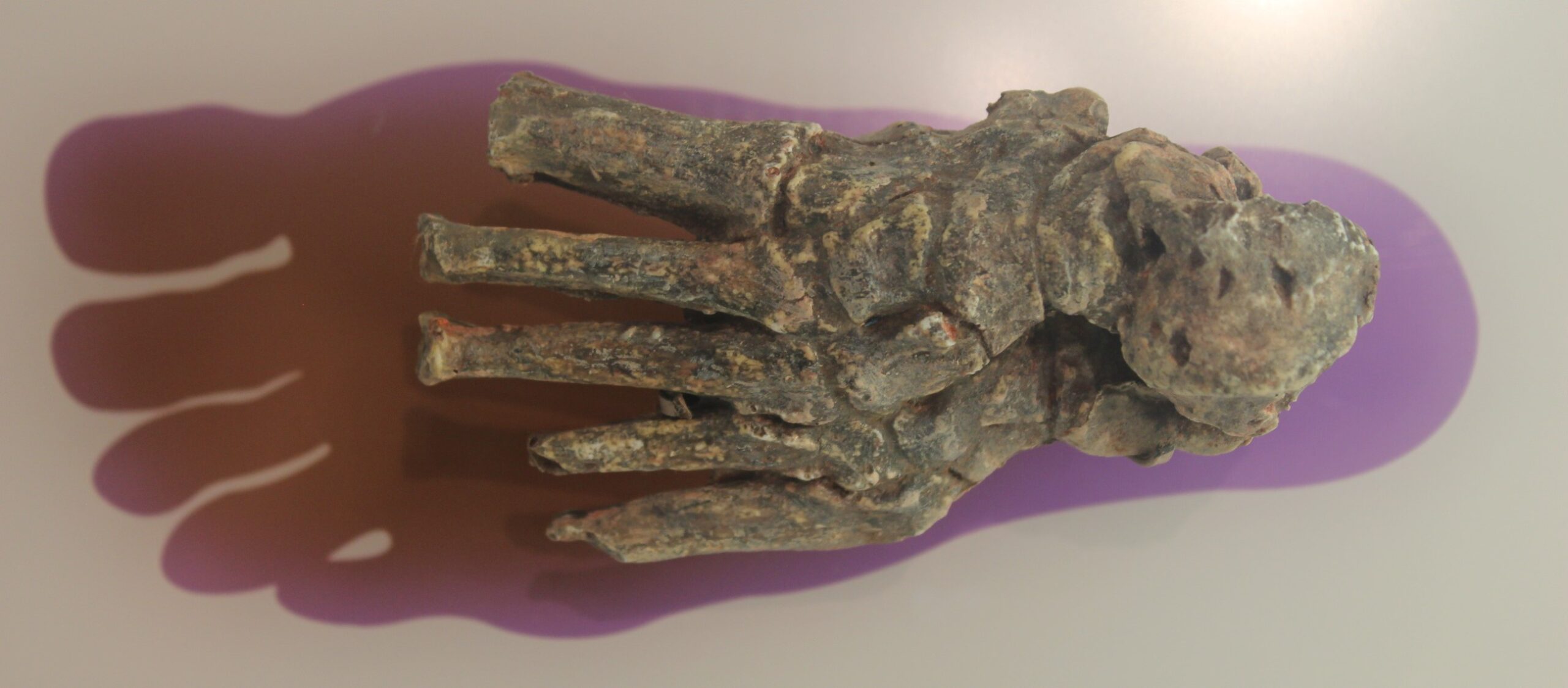
Olduvai Gorge in Tanzania started as a promising site for early human fossils, but as excavations continued, it became something even more confounding. Layers of stone tools, animal bones, and hominin remains revealed not a single, neat line of human evolution, but a branching, overlapping tangle of different species and technologies. Rather than a simple staircase from primitive to advanced, Olduvai showed a crowded stage where multiple kinds of early humans and relatives coexisted and experimented with different survival strategies.
The pattern of cut marks on bones, the diversity of tool types, and the changing environment over time all suggest a highly flexible, sometimes chaotic process of adaptation. This makes our own story far less like a heroic march toward modernity and more like a long, uncertain struggle with many dead ends. Olduvai’s ongoing excavations continue to adjust dates, species names, and behavioral theories, reminding us that even the origin story of our entire lineage is still under revision. In a sense, the more precisely we dig, the less we can cling to simple narratives about what it means to be human.
#17 Mystery Hill (America’s “Stonehenge”): An Enigma Close to Home
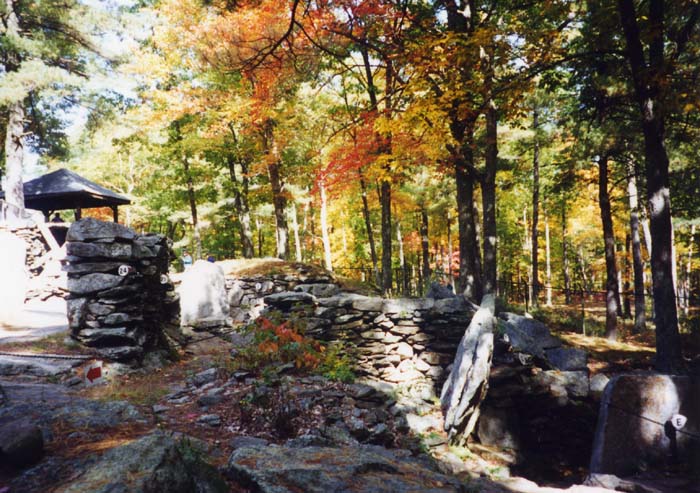
In New Hampshire, a site often nicknamed “America’s Stonehenge” features stone chambers, standing stones, and alignments that have fueled arguments for decades. Excavations and surveys have uncovered evidence of Native American use as well as later colonial activity, making the site a historical palimpsest rather than a clean, single-period monument. This overlapping use is precisely what keeps it controversial and surprisingly mysterious.
Some alignments do line up with solar events, but researchers disagree over whether these were intentional ancient observatories or coincidences shaped by later modifications. The lack of extensive written records for local ceremonial practices leaves plenty of room for speculation while serious archaeologists urge caution. What is clear is that people have been reshaping that hillside for a long time, leaving behind dry-laid walls and stone spaces whose functions are not always obvious. In a way, it shows that you do not need to travel to far deserts or exotic jungles to find a puzzle; sometimes the hardest sites to interpret are sitting in ordinary-looking woods near modern highways.
#18 Chavín de Huántar: A Sound-and-Light Temple Labyrinth
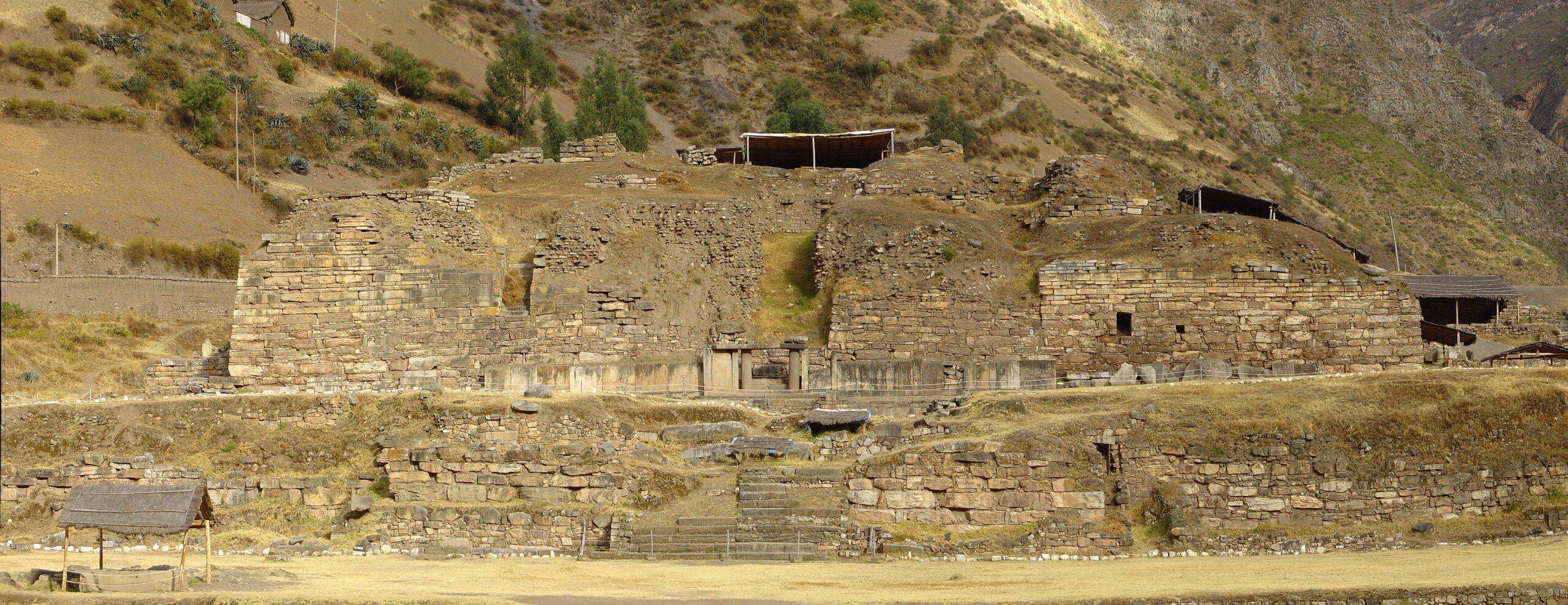
High in the Peruvian Andes, Chavín de Huántar was long recognized as an early ceremonial center with striking stone art. Excavations inside the temple complex exposed a network of interior galleries, narrow corridors, and hidden courtyards that turned it into something far stranger. Archaeologists realized that water channels, stairways, and carved features were arranged in ways that could dramatically manipulate sound, light, and even the movement of visitors during rituals.
Experiments showed how conch shell trumpets echoed through the stone passages, while strategic openings created sudden shafts of light or disorienting darkness. Combined with fierce-looking stone carvings and transformative imagery, the entire complex starts to look like an engineered psychological experience. Instead of a simple static temple, Chavín appears to be an ancient experiment in controlling perception and emotion, the kind of place where a ritual might feel like walking into another reality. That insight shifts how we think about religious architecture in the ancient Americas and underlines how sophisticated their understanding of human senses really was.
#19 Derinkuyu: An Underground City With Unknown Triggers
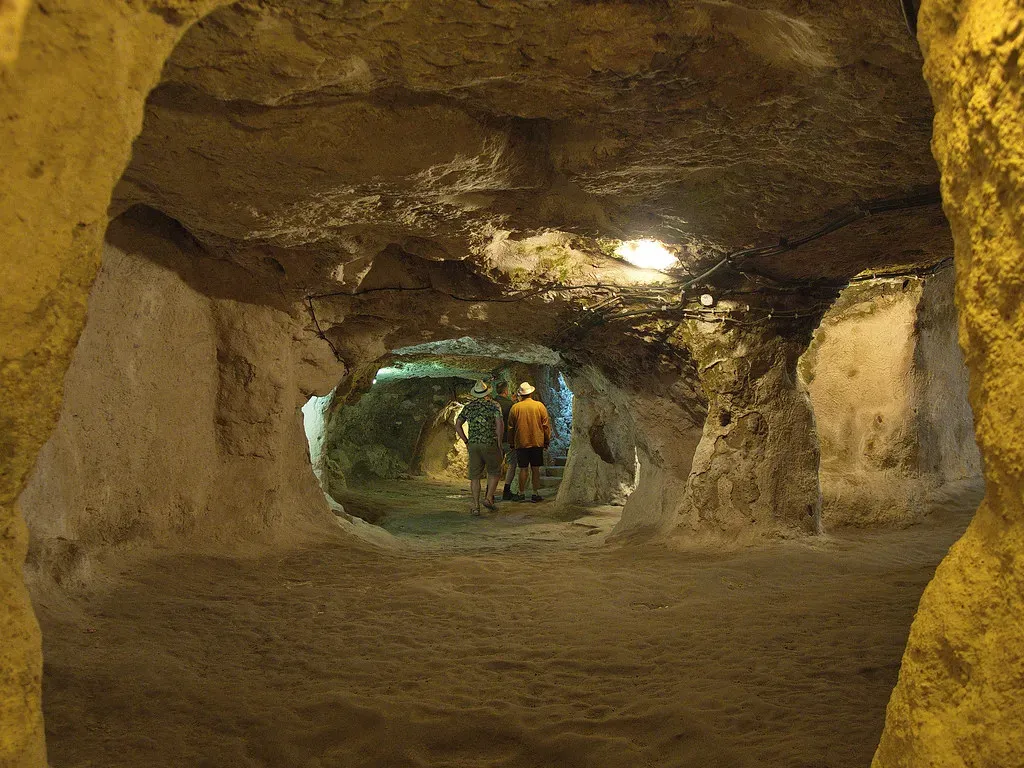
Beneath the region of Cappadocia in Turkey lies Derinkuyu, an underground city carved into soft volcanic rock, stacked across multiple levels. When locals and archaeologists began to properly explore it, they found living quarters, storage rooms, wineries, ventilation shafts, and stone doors that could seal corridors from the inside. This was not a simple hideout but a fully planned subterranean settlement capable of sheltering thousands of people along with their animals and supplies.
The big unanswered question is what pressures drove people to move so much life underground. Theories range from protection against raids to refuge from harsh winters or even religious motives, but the evidence does not clearly privilege one explanation. Linked tunnels between multiple underground complexes hint at regional coordination and shared threats, but the historical records are surprisingly thin. Derinkuyu is a reminder that even in relatively well-studied regions, entire worlds can remain hidden just a few meters below modern streets, their original fears and dreams sealed behind stone doors we are only beginning to reopen.
Conclusion: When Answers Make the Past Stranger, Not Simpler
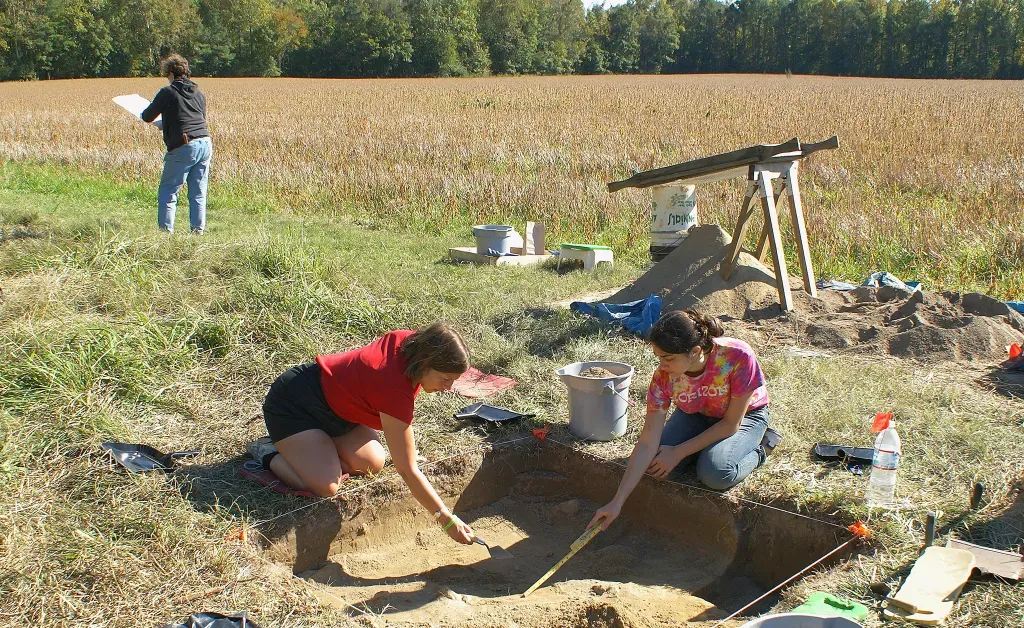
Looking across these nineteen sites, a pattern emerges that is almost the opposite of what we grow up expecting. We like to think science steadily erases mystery, turning legends into neat bullet points. In reality, careful excavation often deepens the shadows: temples appear before cities, desert drawings stretch beyond obvious meanings, early cities avoid palaces, and high-tech devices rust quietly at the bottom of the sea. The more honestly we look, the more past lives refuse to fit into tidy timelines or comforting progress stories.
Personally, that makes me trust these mysteries more, not less. When archaeologists admit uncertainty and revise old ideas, it feels much closer to real life, where people are messy, inconsistent, and endlessly creative. These sites are not just exotic postcards; they are mirrors showing how limited our assumptions can be and how quickly “everyone knows” can turn out to be wrong. Maybe the most thrilling part is realizing that this list is inevitably incomplete, because new digs and new tools will keep rewriting the script. If we have already found this much strangeness in just a few scattered places, what else is still hiding, waiting for someone to pick up a trowel and be surprised?