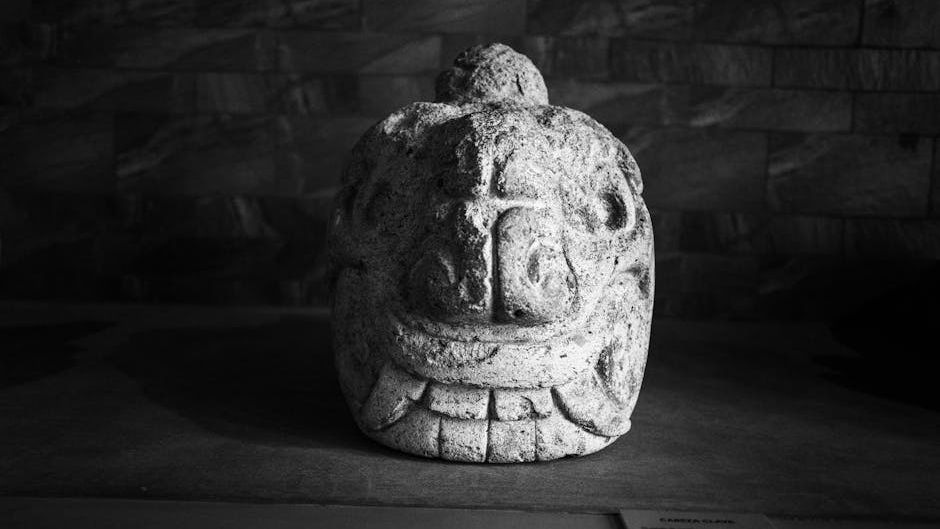
Every now and then, archaeology serves up something so strange that even the experts roll their eyes and assume it must be fake. A bronze “computer” at the bottom of the sea. A star map that looks like fantasy movie prop art. Clay tablets that appear to rewrite entire timelines. For a surprising number of famous artifacts, the first reaction from scholars was not wonder, but suspicion: this has to be a modern hoax.
That gut reaction makes sense. Forgery has haunted archaeology for as long as people have collected antiquities, and the more spectacular the find, the higher the chance someone faked it for fame or money. Yet many pieces once doubted, mocked, or dismissed have survived decades of testing, critique, and re-examination, emerging as genuine windows into the ancient world. Below are sixteen such artifacts whose journeys from “obvious fake” to “serious evidence” are as dramatic as anything in a thriller.
#1 The Antikythera Mechanism: An Ancient “Computer” That Looked Too Advanced To Be Real
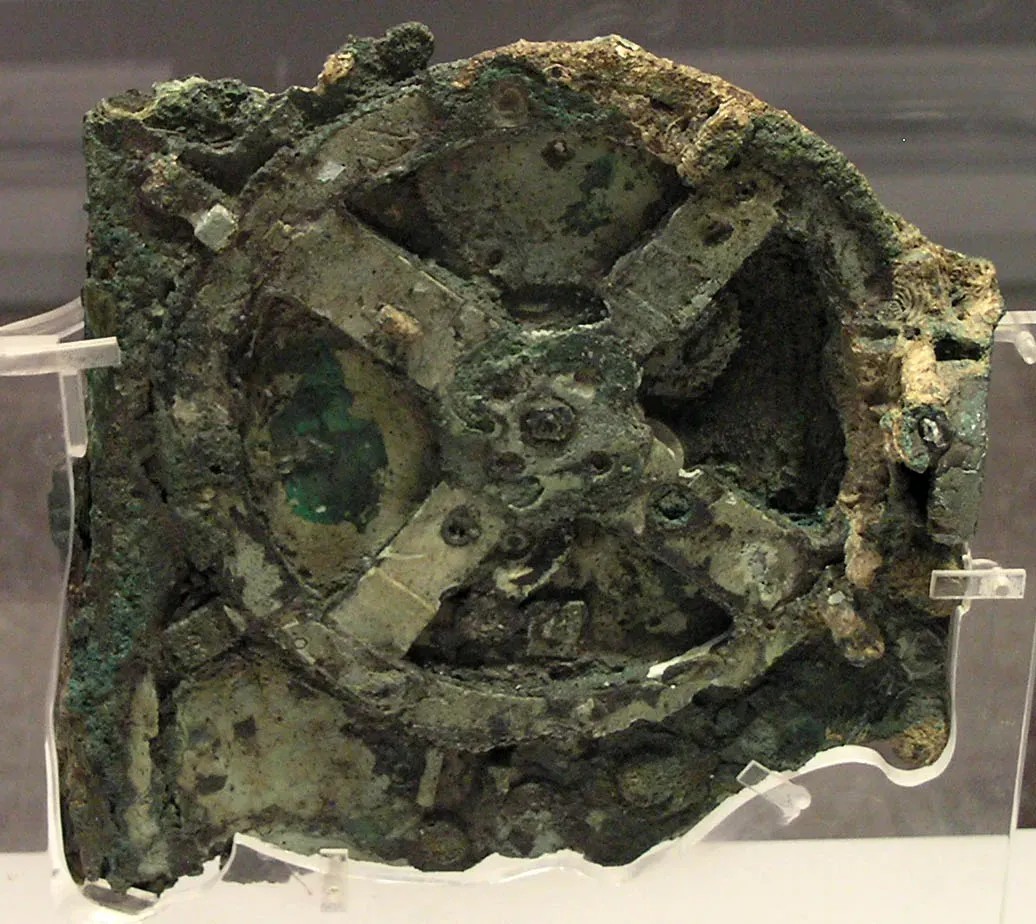
When corroded bronze lumps raised from a Roman-era shipwreck off the Greek island of Antikythera cracked open in the early 1900s, museum staff saw delicate gears inside and did not quite know what to make of them. Precision toothed wheels in a second-century BCE context felt wrong, almost like finding a smartphone in a medieval castle. For decades, many scholars quietly assumed the object’s complexity had been exaggerated, or feared it might even be a modern mechanism that somehow slipped into the assemblage. It simply did not match the standard story of ancient technology as slow and primitive.
Only in the late twentieth and early twenty-first centuries, with high-resolution X‑ray tomography and painstaking mechanical reconstructions, did the scale of everyone’s miscalculation become clear. Researchers showed the mechanism was a sophisticated gear-driven device that predicted eclipses, modeled lunar motion, and tracked cycles like the Metonic calendar. The corrosion layers and tool marks fit an ancient origin, not a modern trick. In my view, the real scandal was not that it might be fake, but that our picture of ancient science was so limited that the genuine article looked impossible.
#2 The Nebra Sky Disc: A Cosmic Tablet That Sounded Like a Fantasy Prop
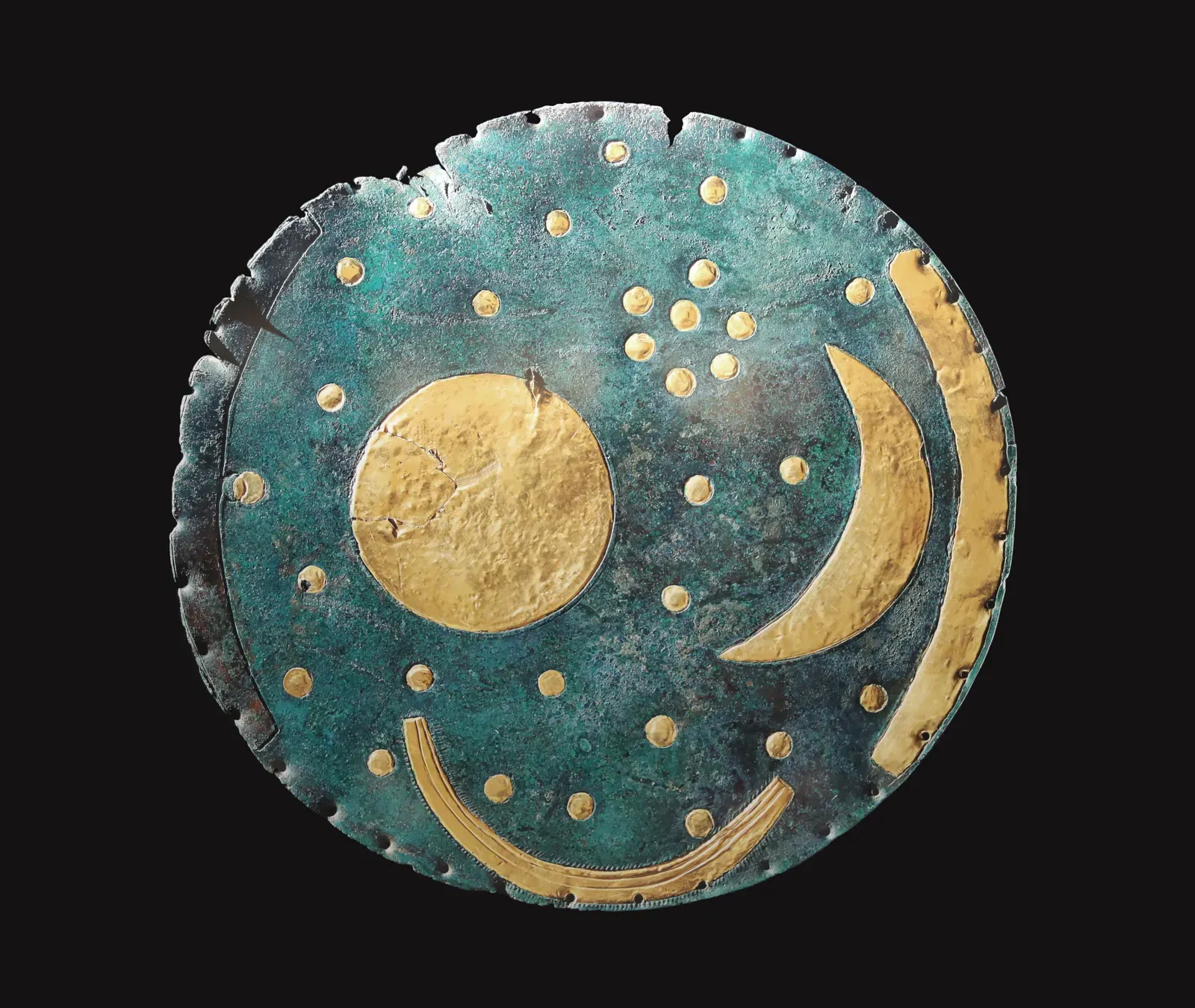
When news broke in the early 2000s that looters in Germany had dug up a bronze disc inlaid with gold symbols of stars, a crescent moon, and a sun-like circle, many archaeologists and historians rolled their eyes. A perfectly composed “star map” with mystical overtones, supposedly from the Bronze Age and conveniently found by treasure hunters, sounded exactly like the sort of modern forgery dealers love. Some experts said, quite bluntly, that they first assumed the object was a joke.
But metallurgical studies, microscopic analysis of corrosion crystals, and comparisons with other Bronze Age metalwork have steadily pushed the disc into the “very likely real” category. The composition of the bronze and gold, the way the metal was hot-forged through multiple heating cycles, and the patina structures are extremely hard to fake convincingly. Debate continues over its precise date and meaning, but the general consensus today is that the Nebra Sky Disc is genuinely ancient. To me, the whole saga shows how badly we underestimate the symbolic and astronomical sophistication of so‑called “prehistoric” Europeans.
#3 The Phaistos Disc: A Spiral Script So Unique It Screamed “Forgery”
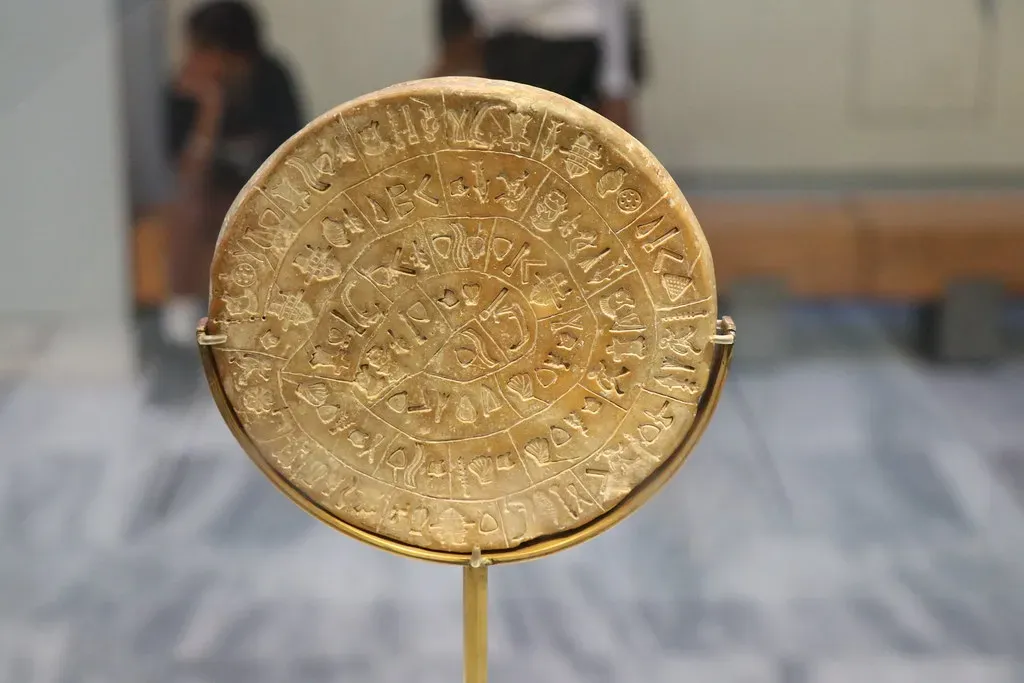
The clay Phaistos Disc, unearthed in 1908 in a palace on Crete, is one of those artifacts that does everything wrong from a forgery‑skeptic standpoint. Its text runs in a neat spiral stamped with individual pictographic signs never seen anywhere else, creating a one‑off script with no close parallels. The disc was in unusually good condition, its find circumstances were not documented with the rigor we expect now, and the whole thing looked almost too clever. Unsurprisingly, some scholars quickly floated the idea that it was a modern hoax planted in the excavation.
Over time, that skepticism has softened as more careful work has accumulated. Subtle corrections by the original scribe, the firing characteristics of the clay, and the aging of the surface and pigments point toward genuine antiquity rather than a staged fake. A few researchers still raise doubts, and we still have not deciphered the text, but most archaeologists today treat the disc as a real Minoan-era document. Personally, I think the lingering discomfort with it says more about our discomfort with mystery than about the object itself.
#4 The Baghdad “Battery”: Ancient Science or Modern Myth?
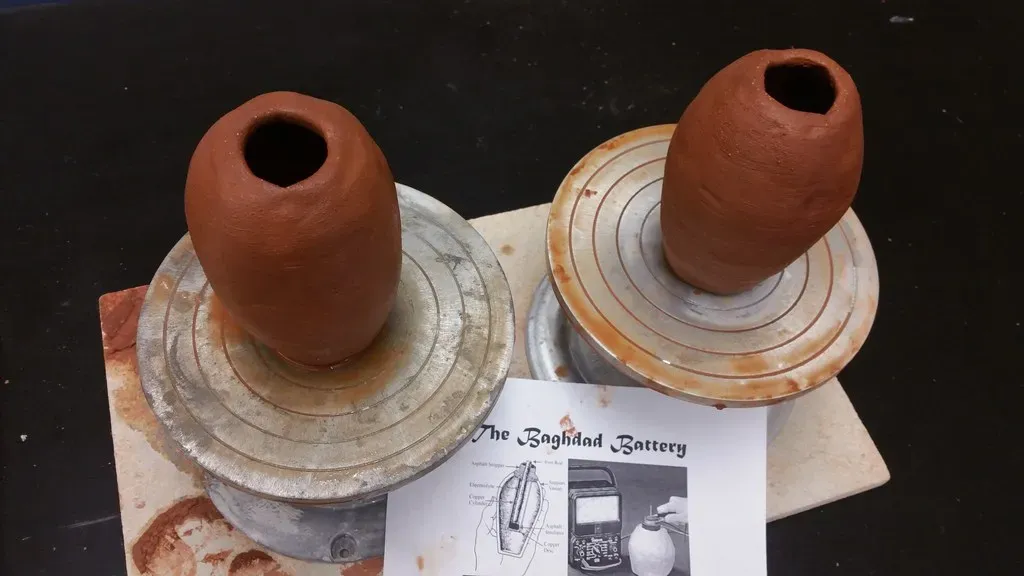
In the mid-twentieth century, small ceramic jars from near Baghdad, with an iron rod and copper cylinder inside, were famously interpreted as ancient electric batteries. This claim exploded in popular media. For some scholars, though, that very sensationalism triggered skepticism: here was a perfect story for television, combining electricity and ancient empires, with almost no contextual excavation data. Many quietly wondered if someone had assembled modern parts to create a hoax that would dazzle gullible audiences.
Closer technical examination has shown that the jars, copper, and iron really are ancient and date to the Parthian or Sasanian periods. Whether they were used for electrochemical experiments, medicinal rituals, or something entirely mundane is still debated, but the materials and corrosion layers line up with real antiquity, not a twentieth-century trick. My take is that the “battery” label may be overconfident, yet the rush to call it fake was just as hasty. Sometimes the truth is more ambiguous and, frankly, more interesting than either extreme.
#5 The Shroud of Turin: A Medieval Relic That Looked Suspiciously Crisp
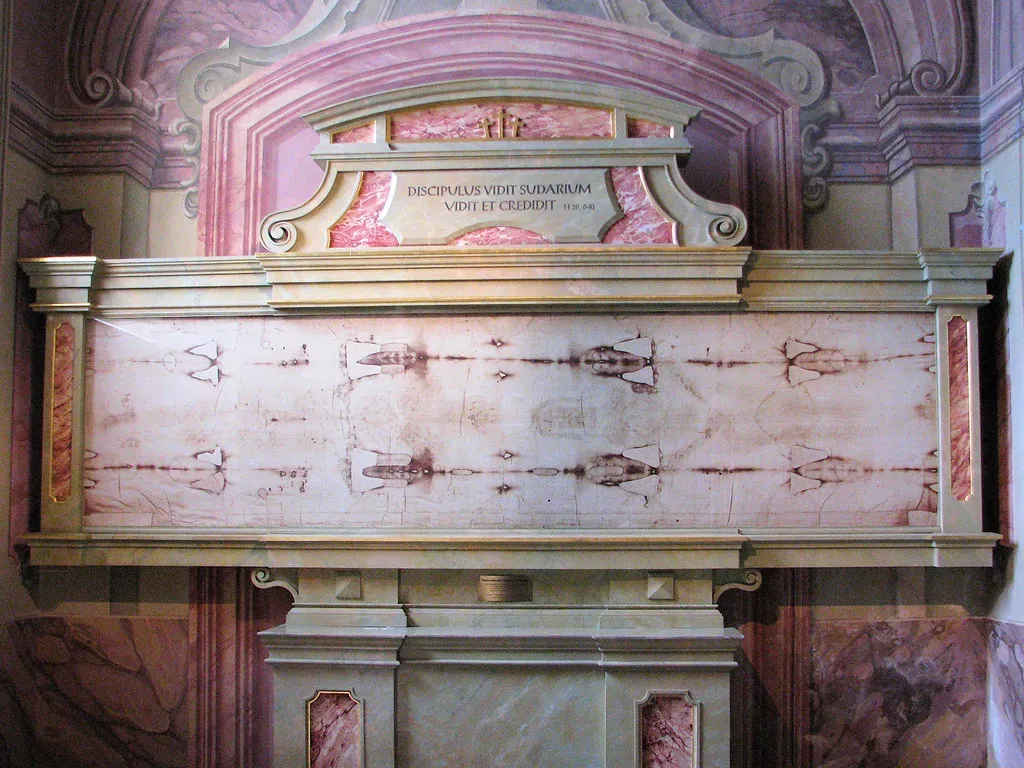
From the beginning, the Shroud of Turin raised eyebrows. A linen cloth bearing the faint image of a crucified man suddenly appearing in the historical record in late medieval Europe looked, to many historians, exactly like the sort of object a clever artisan could produce to draw pilgrims and donations. When radiocarbon dating in the late 1980s suggested a medieval origin, the “forgery” verdict seemed settled in many minds, and the idea of it being an ancient burial cloth looked increasingly like wishful thinking.
Yet subsequent work on contamination, patching, pollen grains, and the physics of the image formation has complicated that neat story. The shroud is still deeply controversial, but very few serious researchers now dismiss it as an obvious modern hoax created with simple pigments. Instead, there is a messy debate about sample selection, possible repairs, and whether any known painting or scorching technique can reproduce all its properties. I am not convinced we have a final answer, but I do think the early confidence that it was just a crude fake looks badly overstated in hindsight.
#6 The Glozel Tablets: A French Farm That Seemed Too Good To Be True
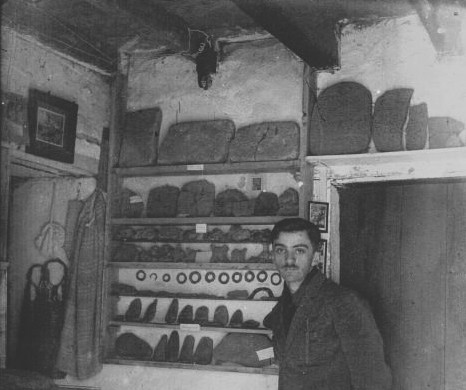
In the 1920s, a teenager and his grandfather digging on a farm near Glozel, France, reported finding a strange mix of inscribed clay tablets, ceramics, bones, and glass. The pieces appeared to span multiple periods and included mysterious scripts that did not fit neatly into known systems. Leading academics visited, some denouncing the whole thing as an absurd fabrication, others defending the finds as revolutionary. Accusations of fraud, personal attacks, and even legal battles turned the site into a bitter academic soap opera.
Over the decades, more systematic dating of the ceramics and bones has shown that at least part of the assemblage is genuinely ancient or medieval, while some pieces may have been disturbed or even tampered with. The current view is nuanced: the site is real, but the original mix of materials and the possibility of additions make it hard to interpret. In that sense, Glozel is a cautionary tale about how quickly scholars labeled something a hoax when it challenged neat chronological boxes, and how reality turned out to be stubbornly complex.
#7 The Vinland Map: From Smoking Gun To Structural Lesson
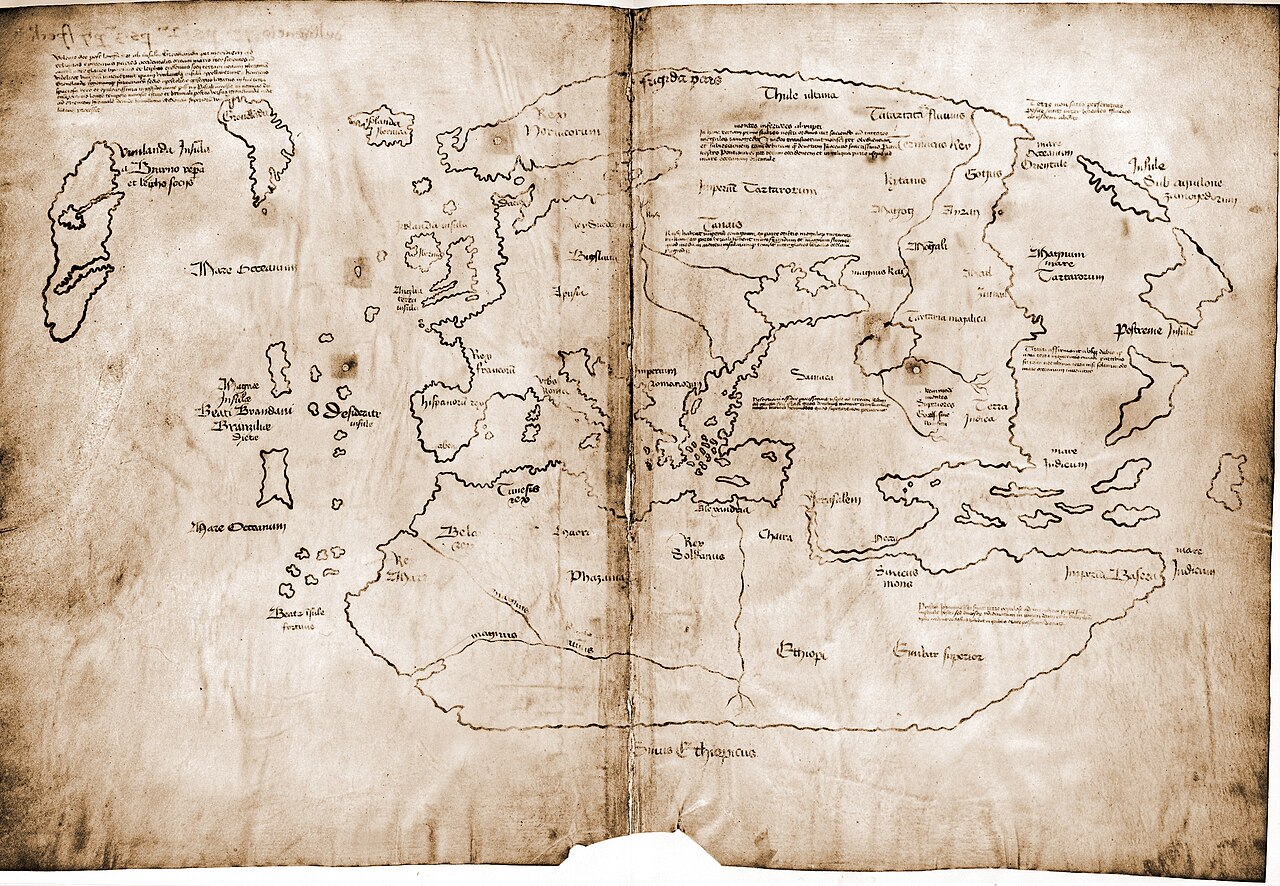
When the so‑called Vinland Map surfaced in the 1950s, purporting to show parts of North America drawn by Europeans long before Columbus, many historians suspected mischief. The map’s timing, its sudden appearance through the rare-book trade, and its too-perfect alignment with modern interest in pre-Columbian transatlantic contact all smelled off. Some experts did tentatively accept it as genuine, but a strong undercurrent of doubt surrounded it from the beginning, and accusations of forgery grew louder over time.
Later scientific analyses of the ink and parchment have largely confirmed that skepticism, pointing toward a twentieth-century forgery drawn on medieval parchment. In a twist, this is one case where initial suspicions that something was a modern hoax seem to have been correct. Yet I still think it belongs in this list for a reason: it dramatically sharpened the methods researchers now use on other controversial artifacts. Every real object that looked “too modern” afterwards was scrutinized with tools perfected on the Vinland Map case, making genuine surprises easier to defend.
#8 The Kensington Runestone: A Farmer’s Find That Riled Scandinavia and America
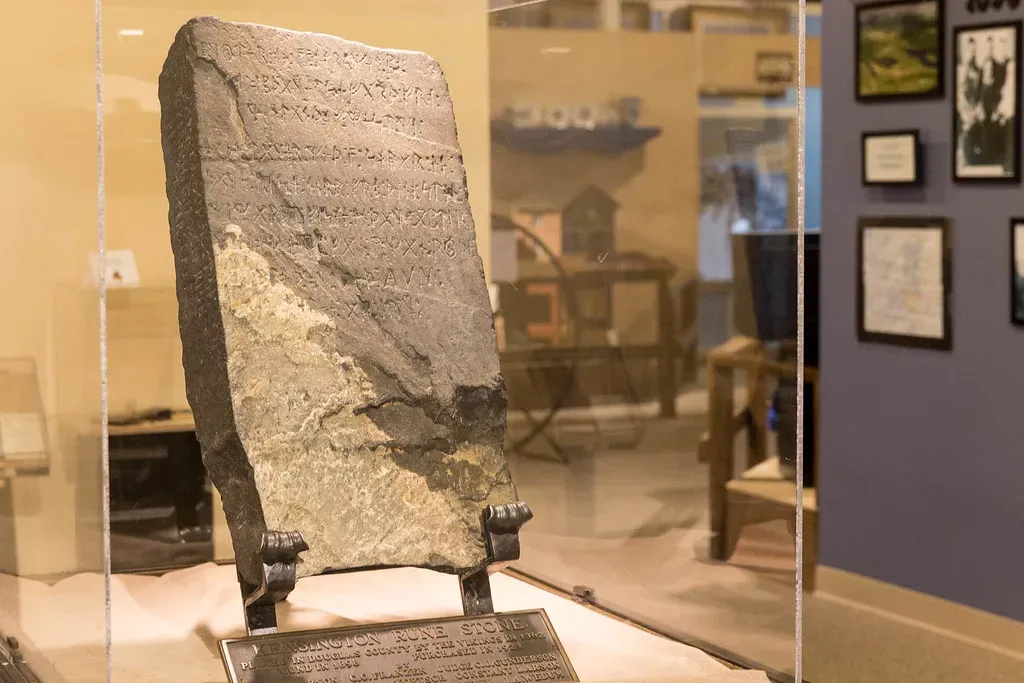
In 1898, a Swedish-American farmer in Minnesota said he had unearthed a large stone carved with runes telling of Norse explorers in the fourteenth century. Right away, many Scandinavian linguists and American historians accused him of fabricating the inscription to claim a dramatic Viking presence in the Midwest. The language on the stone did not match expectations, and its sudden appearance in a region proud of its Scandinavian heritage looked like convenient cultural myth‑making.
Yet over the last century, some runologists and geologists have argued that the weathering on the engraving and certain linguistic features could, in principle, be compatible with a medieval origin. The scholarly consensus still leans strongly toward forgery, but the stone has not been definitively debunked to everyone’s satisfaction. For me, the Kensington Runestone is a fascinating middle case: it reminds us that initial cries of hoax can be rooted in genuine methodological concerns, but also in discomfort with revising familiar national narratives.
#9 The Roman Dodecahedra: Odd Bronze Objects That Felt Like Prank Art
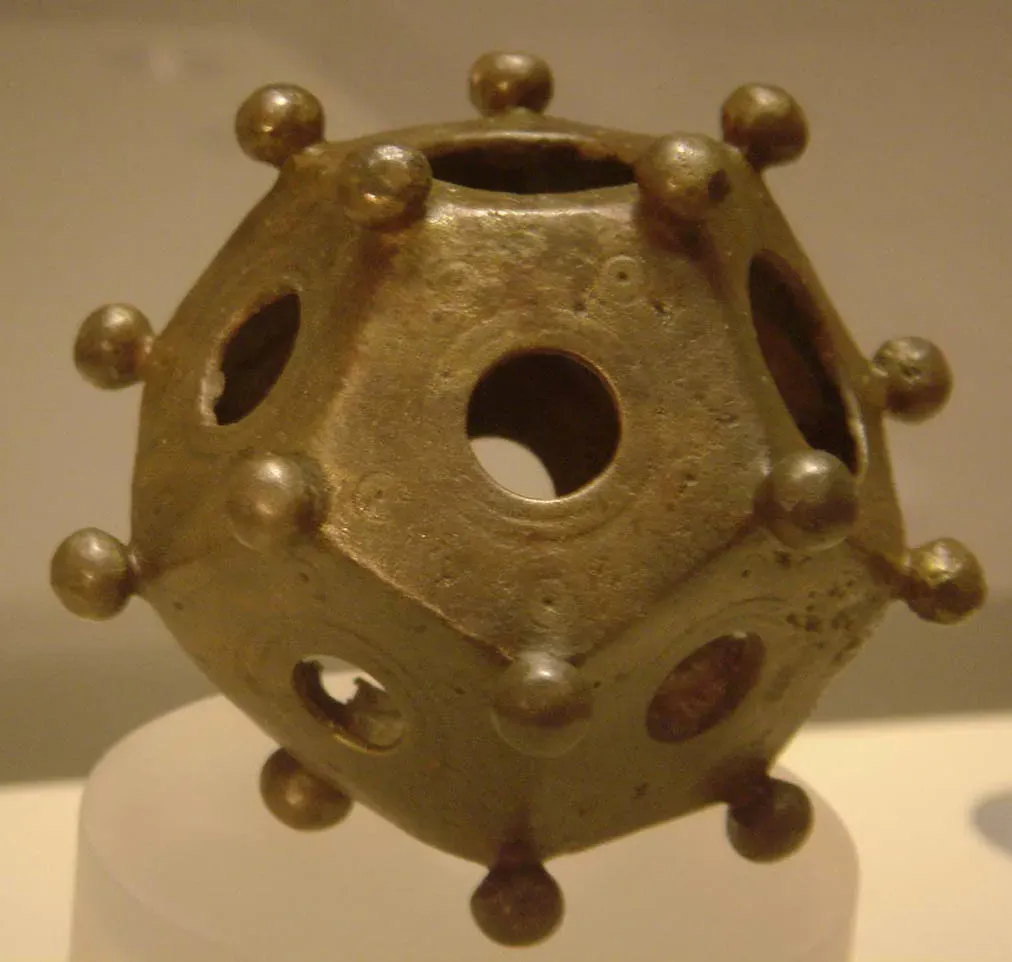
Small hollow bronze polyhedra with round openings and little knobs, dating to the Roman period, have been found across Europe. When the first few entered museum collections in the nineteenth century, some scholars thought they might be modern creations slipped into digs, perhaps as jokes or as later intrusions. Their bizarre geometry and lack of inscriptions or literary references made them look more like Victorian curiosities than ancient tools or ritual objects. The fact that each one is different only added to the feeling that they were too whimsical to be real Roman artifacts.
As more examples were unearthed from secure archaeological contexts, however, the idea of them being modern hoaxes became untenable. We now know they are authentically Roman, though their function – measuring devices, candle holders, religious instruments, or something else – is still debated. I love these objects because they show how easily our own aesthetic expectations color judgments about authenticity: when something looks more like contemporary art than ruins, we instinctively distrust it, even when the soil layers say otherwise.
#10 The Saqqara Bird: A Wooden “Glider” That Sparked Wild Claims
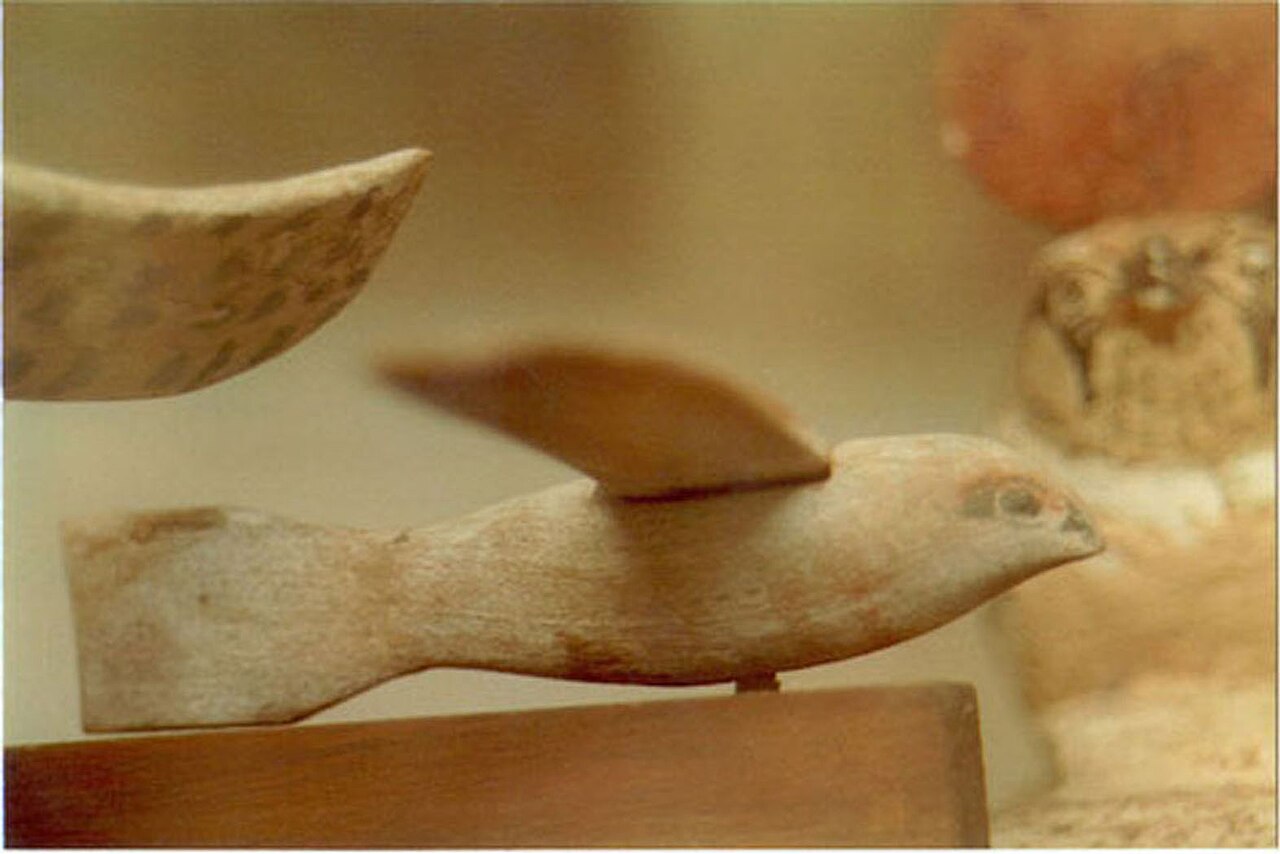
A small carved wooden object from an Egyptian tomb at Saqqara, shaped somewhat like a bird with straight wings, has been seized upon by enthusiasts as evidence of ancient aeronautical knowledge. Some fringe writers even argue that it proves the Egyptians experimented with gliders, while mainstream Egyptologists have typically classified it as a simple toy or ritual object. Early on, a few experts reportedly suspected the piece might be a modern insertion, crafted to feed the appetite for sensational finds in the nineteenth and early twentieth centuries.
Conservation studies and careful examination of the wood and pigments, though, indicate that the object is genuinely ancient. It is the interpretations layered on top of it that veer into fantasy, not the artifact itself. To me, the Saqqara Bird is a useful reminder: sometimes people accuse items of being fakes not because the physical evidence is weak, but because the stories spun around them sound outlandish. The right fix is not to dismiss the artifact, but to rein in the storytelling and keep the analysis grounded.
#11 The Rohonc Codex: A Mysterious Book That Looked Like a Troll’s Masterpiece
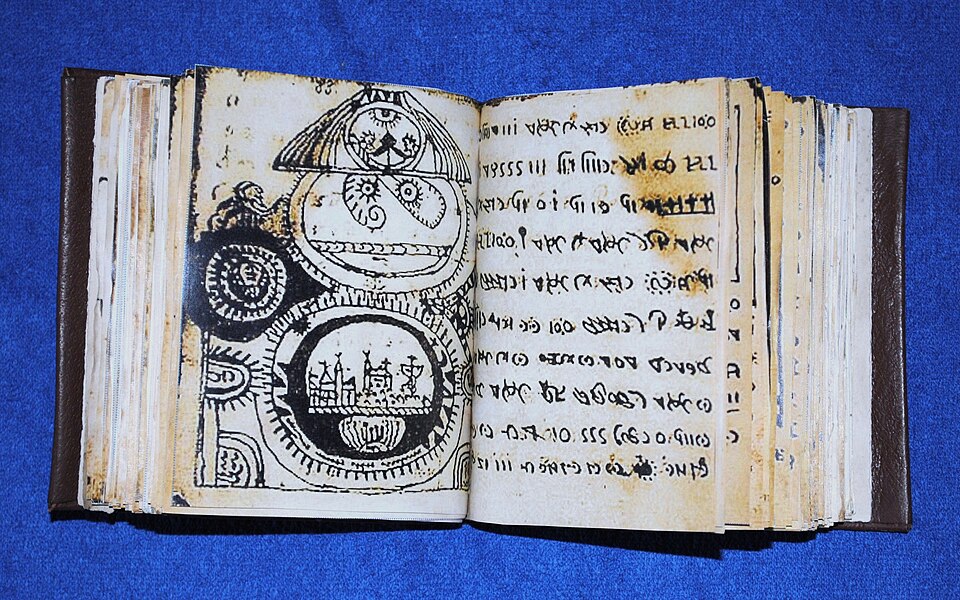
The Rohonc Codex, a manuscript filled with unknown script and strange illustrations that surfaced in Hungary in the nineteenth century, has been called one of the most suspicious-looking documents in European archives. Its text does not match any known language, the iconography mixes apparently Christian scenes with unexpected motifs, and the provenance is frustratingly thin. Understandably, many scholars’ first instinct was to label it a clever forgery, perhaps created to prank or to impress collectors with a “lost” language.
Yet despite intense efforts, no one has conclusively demonstrated how or when it was faked, nor found the smoking gun of modern materials or stylus marks. Paleographic and paper analyses suggest it could plausibly be several centuries old, even if the script itself may be invented. My own opinion is that even if it turns out to be an elaborate early-modern hoax, it is still a remarkable cultural artifact in its own right. The rush to write it off as a recent fake arguably slowed down more nuanced questions about who created it and why.
#12 The Nazca Lines: Geoglyphs That Seemed Too Clean for Antiquity
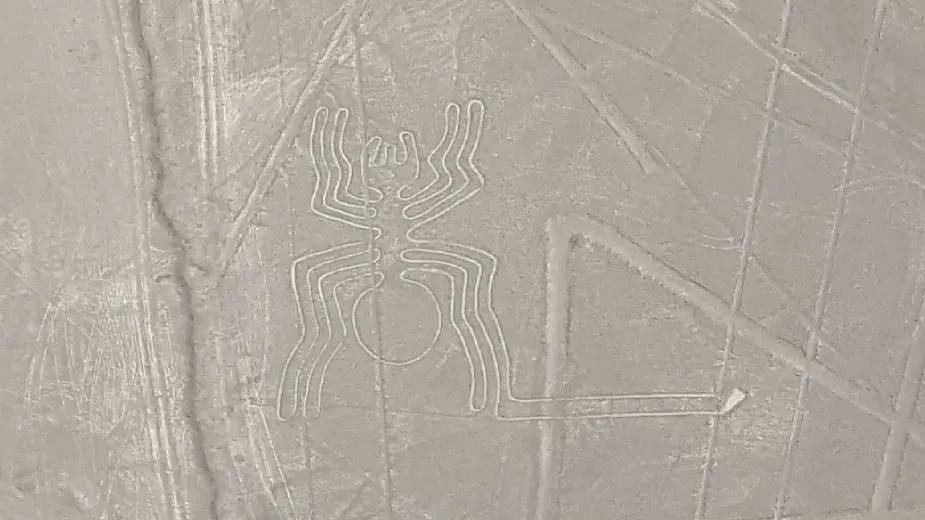
When pilots in the early twentieth century began photographing the enormous geoglyphs etched into the desert near Nazca, Peru, some commentators speculated that at least part of the designs might be modern interventions. The figures looked so sharp from the air and so perfectly composed that it was hard, at first, to imagine ancient people planning them without aircraft or modern surveying tools. A few skeptics even floated the idea that locals, egged on by foreign explorers, might have scraped new lines to attract attention and tourism.
Over time, radiocarbon dating of associated wooden posts, pottery fragments, and soil layers, as well as comparisons with local iconography, have anchored the majority of the lines firmly in the pre-Columbian past. The desert’s extreme dryness preserved the markings far better than many outsiders expected, explaining their crisp appearance. In my view, the Nazca case reveals a recurring pattern: we tend to underestimate what can be done with simple tools, time, and social organization, so when confronted with large-scale precision, we jump to hoaxes or aliens instead of giving ancient engineers their due.
#13 The Voynich Manuscript: So Strange It Was Branded a Clever Scam
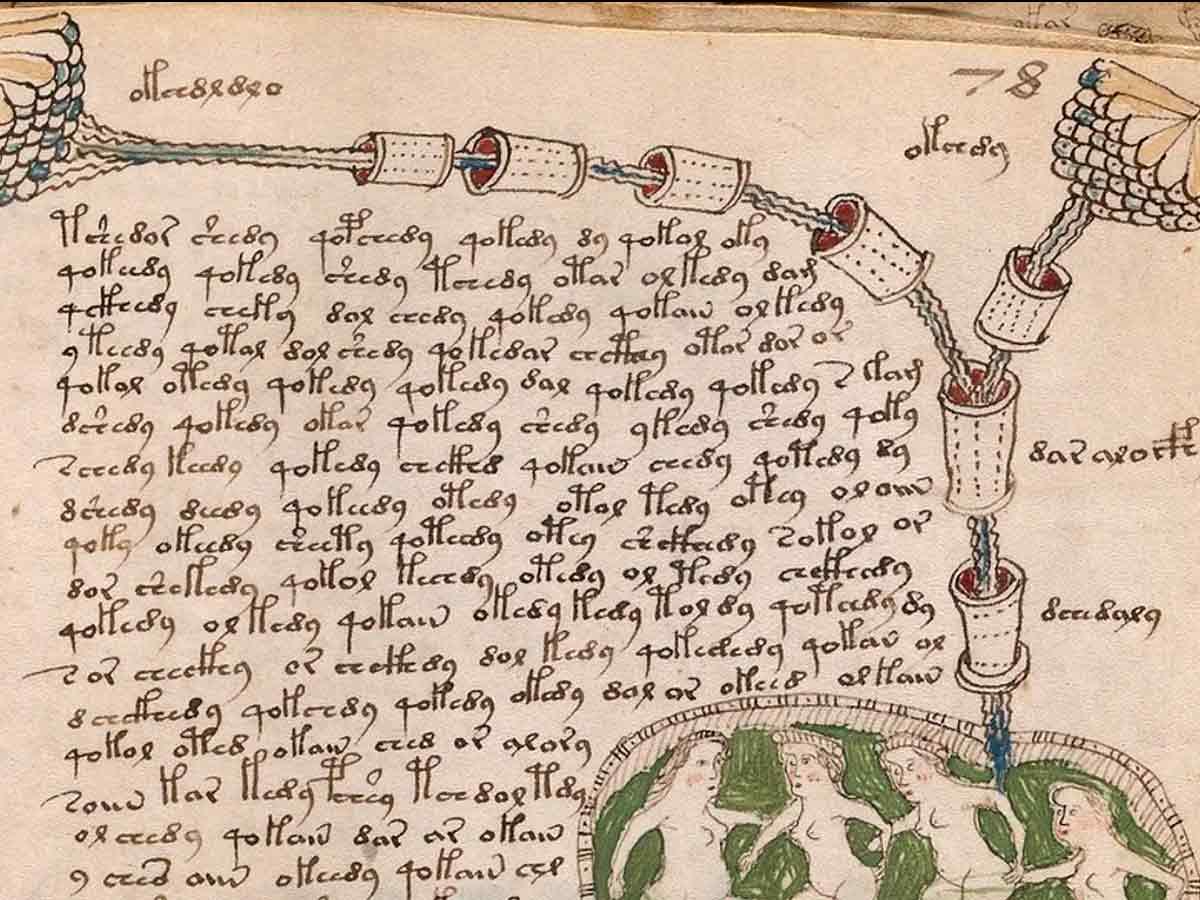
The Voynich Manuscript, acquired by book dealer Wilfrid Voynich in the early twentieth century, is perhaps the most famous undeciphered book in the world. Written in an unknown script with bizarre plant drawings and astronomical diagrams, it immediately prompted suspicions that Voynich himself had fabricated it to sell to a wealthy collector. The timing, the mystery, and the lack of a clear earlier trail all looked suspicious, and for some historians that was enough to drop it in the hoax basket.
Radiocarbon dating of the vellum, however, has placed the material in the early fifteenth century, long before Voynich was born. Detailed imaging suggests the ink and pigments are consistent with that period too, even if the text remains unreadable. Some still argue for a centuries‑old hoax, but the simplistic idea of a recent forgery has largely collapsed. I think the manuscript’s journey from “obvious modern fake” to “genuinely old, still deeply weird” illustrates how scientific techniques can rescue artifacts from the shadow of suspicion without solving all their mysteries.
#14 The Tule Tree Reliefs and “Modern” Graffiti Misread As Forgeries

In several ancient sites around the world, from Mesoamerican temples to Roman walls, archaeologists have occasionally encountered carvings that look surprisingly fresh compared with their surroundings. Early on, some such reliefs were dismissed as modern additions, carved by locals or tourists in recent centuries. In a few well‑publicized cases near sacred trees and shrines in Mexico, bright-looking carvings were even called fraudulent attempts to boost a site’s fame, despite a lack of hard evidence.
Subsequent microscopic analysis of tool marks, lichen growth, and mineral accretion has sometimes vindicated the carvings as genuinely pre‑Hispanic or ancient, their crispness preserved by local microclimates and protective coverings. While not tied to a single named artifact, this pattern highlights a broader issue that keeps recurring: our eyes are terrible dating instruments. Personally, I think this category of “accidental hoaxes” created by misjudgment is just as important as deliberate fakes, because it shows how easily genuine past voices can be silenced by authority figures who trust appearance over data.
#15 The Nok Terracotta Figures: Nigerian Sculptures Initially Brushed Off
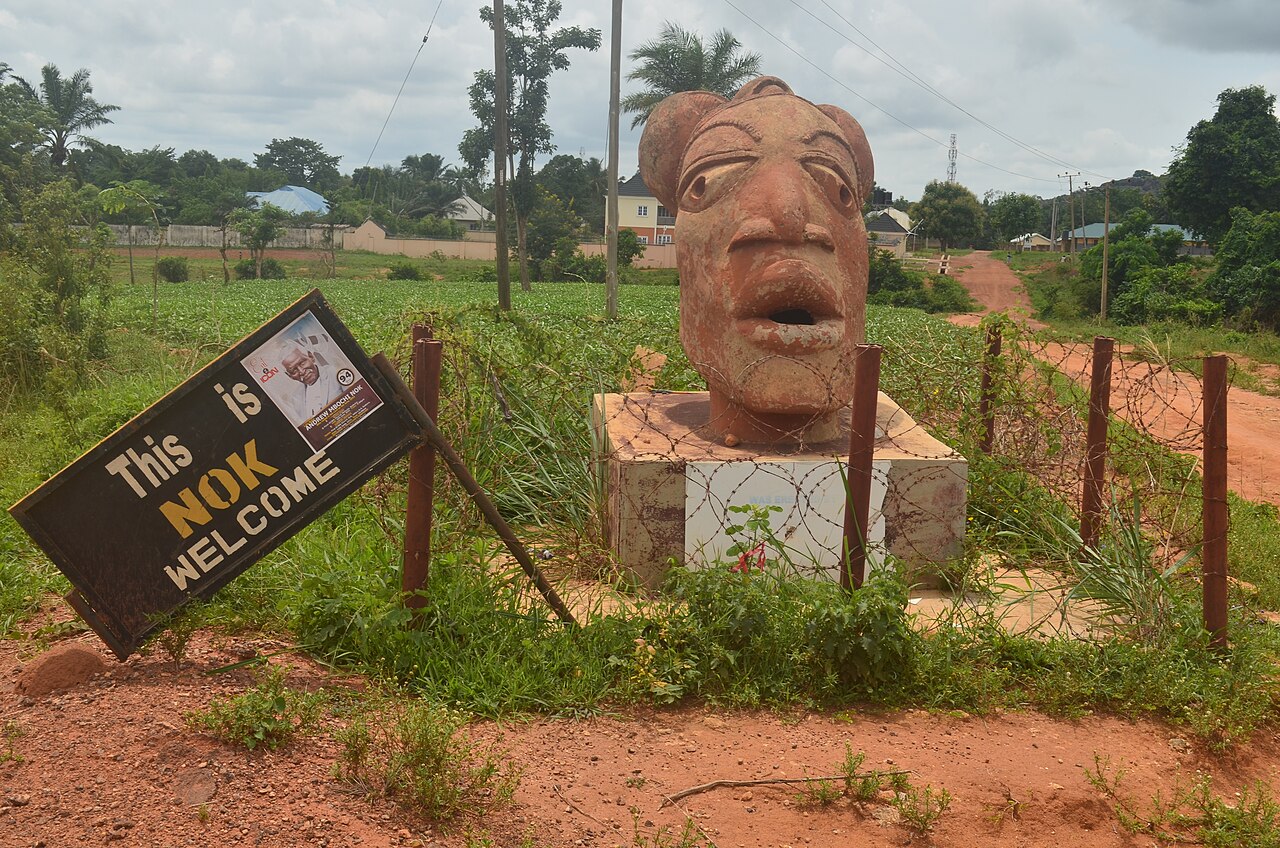
When intricately modeled terracotta heads and figures from central Nigeria began reaching European markets in the mid-twentieth century, many art historians quietly suspected they were workshop inventions. The stylized eyes, elaborate hair, and sophistication of the forms did not match the simplified view many outsiders then held of early West African art, and the lack of controlled excavations fed the idea that dealers were supplying clever fakes to hungry collectors. Some museums were hesitant to acquire them, precisely because they seemed “too good.”
Archaeological work at Nok and neighboring sites later confirmed that these terracottas were genuinely ancient, dating back roughly two and a half millennia. Thermoluminescence dating, stratigraphic excavation, and local oral histories have all reinforced their authenticity. To me, the initial reluctance to accept the Nok figures speaks volumes about bias: when the sophistication of African material culture did not fit European expectations, the default assumption was forgery. The correction of that mistake is one of the more satisfying reversals in recent archaeological history.
#16 The Sanxingdui Bronzes: Sichuan’s “Alien” Faces That Looked Like Studio Props
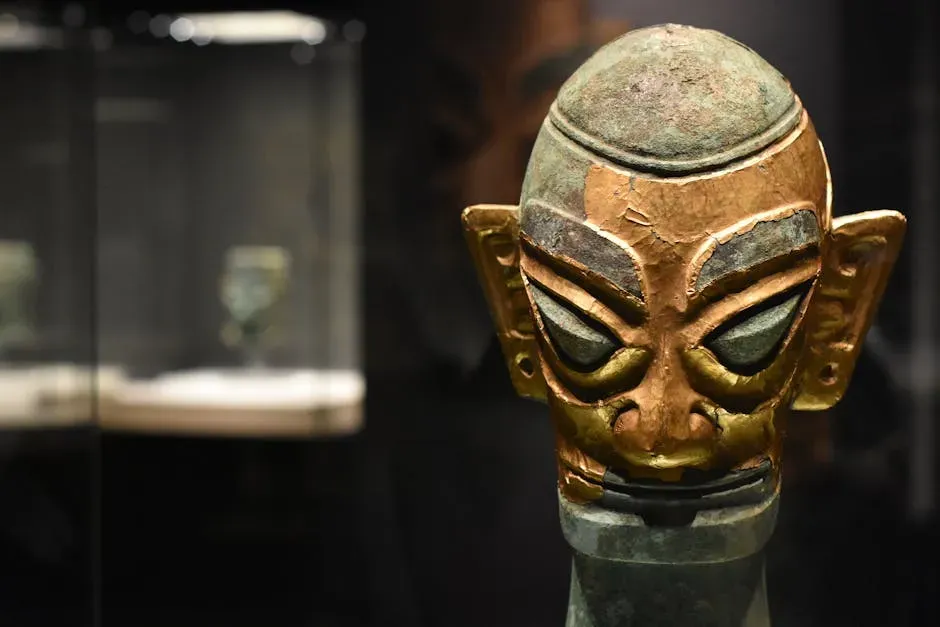
In the 1980s, excavations at Sanxingdui in China’s Sichuan province uncovered massive bronze masks and statues with exaggerated eyes, protruding ears, and surreal features. At first glance, they looked nothing like the better-known bronzes from the Shang and Zhou heartlands. Some onlookers, including a few scholars, quietly floated the idea that at least part of the assemblage might be modern plantings, created to shock and draw attention. The pieces seemed almost tailored to fuel conspiracy theories about lost civilizations and otherworldly visitors.
Subsequent digs, however, revealed entire sacrificial pits filled with similarly styled bronzes, jade, and ivory, all sealed in ways that clearly predated modern disturbance. Radiocarbon dates from associated organics, metallurgical studies, and the sheer volume of material have crushed the idea of a curated hoax. What we are left with is far more exciting: evidence of a complex Bronze Age culture with its own artistic language, coexisting alongside but distinct from early dynastic China. In my opinion, Sanxingdui is one of the best reminders that when something in archaeology feels “too weird to be real,” that is exactly when we should lean in and look closer.
Conclusion: Why We Keep Calling the Past a Hoax
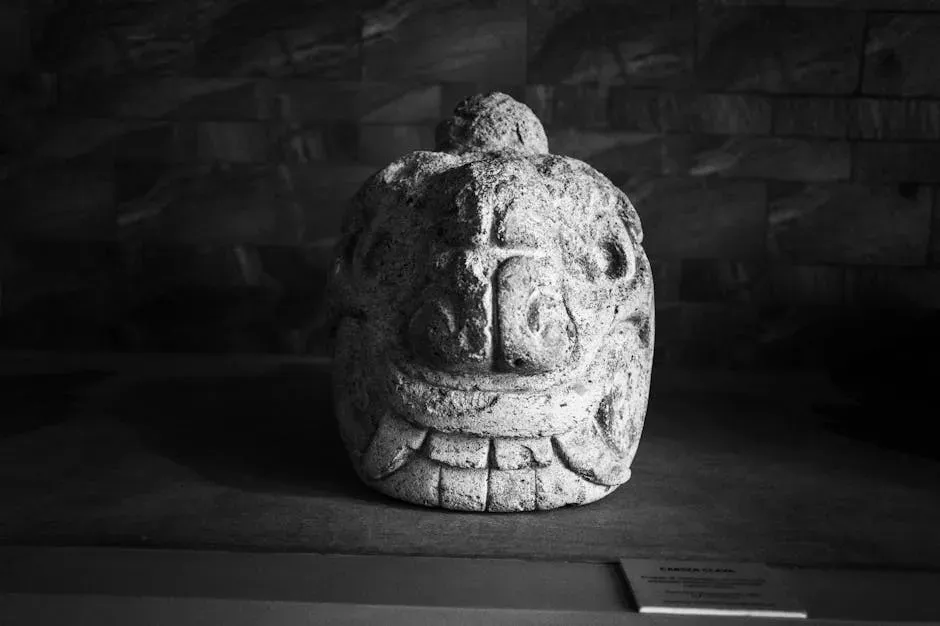
Looking across these sixteen cases, a pattern jumps out: the artifacts most likely to be branded fakes are the ones that challenge our comfort zones. If a device feels too advanced, a map too convenient, a statue too sophisticated, our instinct is to assume trickery rather than update our story of the past. Sometimes, as with the Vinland Map, that instinct saves us from being fooled. But in many other cases – the Antikythera Mechanism, the Nebra Sky Disc, the Nok figures – it turns out we were underestimating ancient people, not exposing modern frauds.
In my view, the healthiest position is a kind of disciplined skepticism: demand hard evidence for spectacular claims, but stay genuinely open to the possibility that the past was stranger, smarter, and more inventive than our textbooks suggest. Every time a “probable hoax” survives decades of tests and debate to emerge as authentic, it forces us to rewrite a little piece of human history – and that, frankly, is the fun part. The real question is this: the next time an artifact looks impossibly advanced or oddly out of place, will we have the courage to doubt our assumptions instead of the object?