
Every so often, archaeologists pull something out of the ground that makes physicists quietly swear under their breath. These are the artifacts that do not fit the neat timelines you learned in school, the objects that seem to say humanity was doing things it simply should not have been capable of at the time. Some of them look strangely modern. Others hint at advanced math, astronomy, or engineering in cultures that supposedly lacked even basic tools.
To be clear, mainstream scientists are not throwing out the laws of physics over a single weird discovery. Most would rather admit that our history is patchy than pretend ancient people literally bent space and time. Still, a handful of artifacts are so odd, so annoyingly ahead of their era, that the only way to make them dull again is to invoke lost knowledge, misidentification, or gigantic coincidences. And that nagging feeling – that something is missing from the story – is exactly what makes them so irresistible.
#1 The Antikythera Mechanism: A Computer Thousands Of Years Too Early
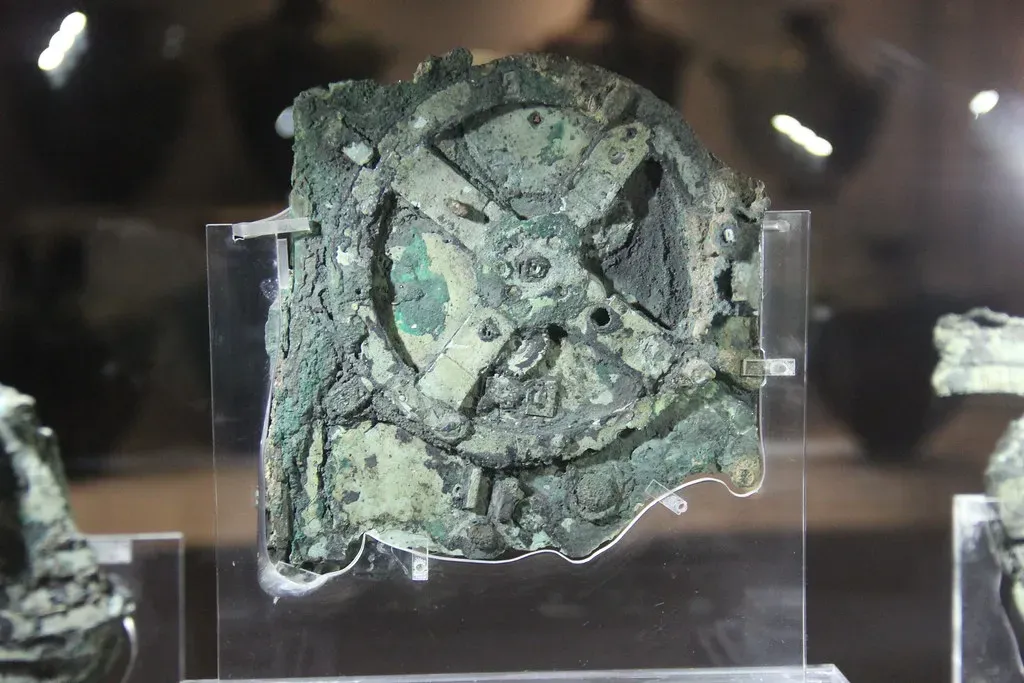
The Antikythera Mechanism is the poster child for “we were not supposed to have this yet.” Pulled from a first‑century BCE shipwreck off a Greek island, it looks like a lump of corroded bronze until you X‑ray it. Inside are dozens of intricate gears, calibrated so precisely they can model the motions of the Sun, Moon, eclipses, and possibly even planets, using advanced Greek math that would not become common again in Europe for well over a thousand years.
What makes it borderline offensive to common sense is not just the craftsmanship, but the context. Devices even half as complex are absent from the historical record until medieval astronomical clocks; there is no known “prototype” phase, no workshop manual, no scattered versions being tested and improved. It is like finding an iPhone in a drawer between flint tools and clay tablets. Most scholars settle on this being a one‑off masterpiece from a lost tradition of Hellenistic engineering, but that answer feels suspiciously like an emergency patch for a much bigger hole in our picture of ancient tech.
#2 The Baghdad “Battery”: Ancient Power Or Misread Pottery?
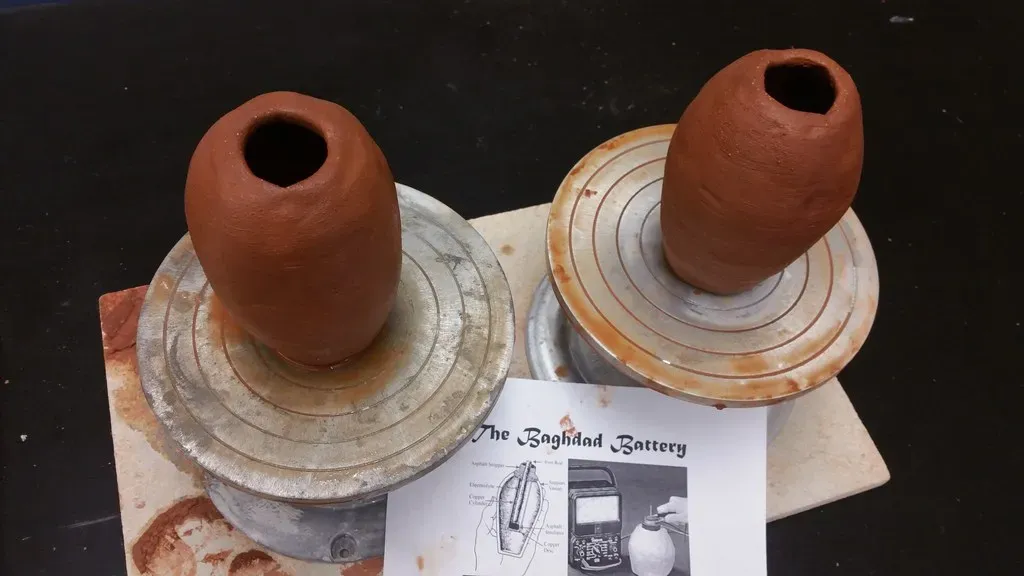
In the 1930s, excavations near Baghdad turned up small clay jars containing an iron rod, a copper cylinder, and evidence of acidic residue. Put those components together and you essentially have a simple galvanic cell – a kind of primitive battery. That possibility has obsessed people ever since, because it would imply knowledge of electrical principles roughly two thousand years before modern science rediscovered them.
Critics argue the objects might have been used for something mundane, like storing scrolls, or that any electrical output would have been tiny and likely accidental. Still, experimental reconstructions show that if you add an acidic liquid like vinegar, the setup can produce a small current. That raises an uncomfortable question: is it really more far‑fetched to accept that some Mesopotamian craftsman stumbled onto electroplating, or that a fully battery‑shaped object is a total coincidence? Until we find one in context with clear wiring or plated ornaments, the “ancient electricity” story sits in a limbo between wild speculation and an unnerving maybe.
#3 The Dendera “Light Bulbs”: Symbol Or Technology?
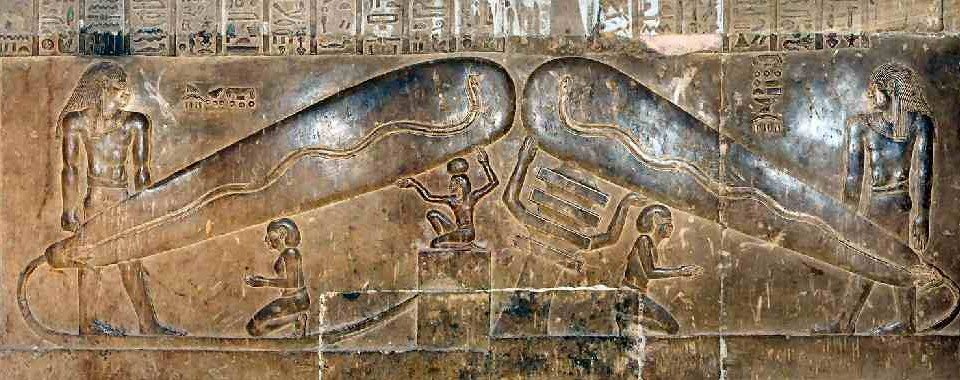
Deep in the Hathor Temple at Dendera, Egypt, carved reliefs show what looks shockingly like a modern glass bulb: an elongated, translucent “bulb” shape with a serpent inside and a lotus‑like base, sometimes connected to a pillar resembling a power source. To people primed by technology, it screams “light bulb,” and that has fueled endless claims that the ancient Egyptians harnessed electricity in closed chambers.
Egyptologists overwhelmingly see it differently, reading the carvings as a mythological scene involving the creation serpent and the lotus of rebirth. From that angle, it becomes pure symbolism, not engineering. But for those who have seen the tight, low‑soot corridors in Egyptian tombs, the idea that they might have experimented with some kind of controlled electrical glow is compelling. The reality is that no physical lamp, no residue of wires, and no unmistakable electrical devices have been found alongside these carvings, which forces any careful thinker to balance rational skepticism with a nagging sense that the imagery is uncomfortably modern.
#4 The Phaistos Disc: A Printed Message From Nowhere
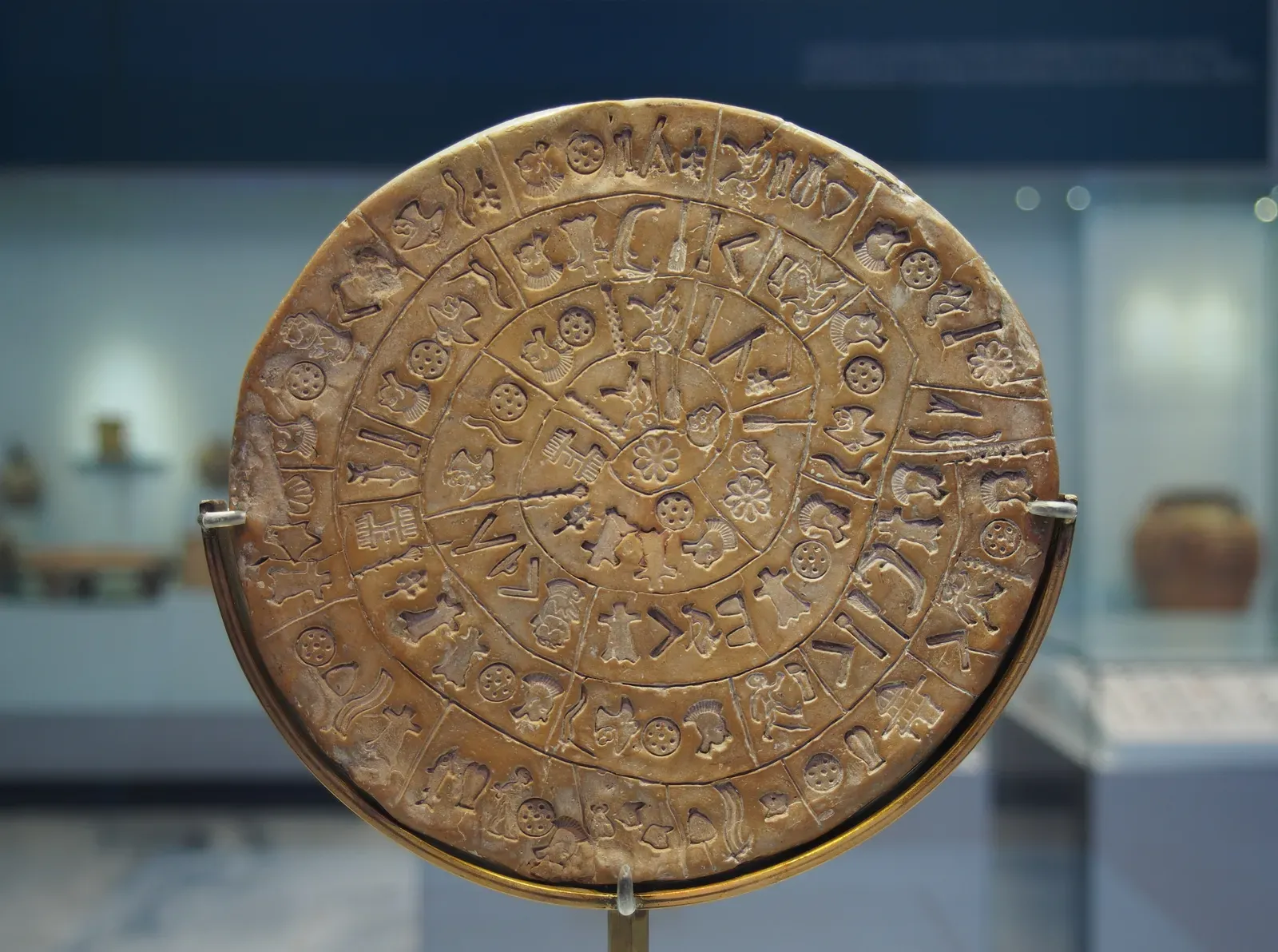
The Phaistos Disc, found on the island of Crete and dating to the Bronze Age, is a palm‑sized clay disc stamped on both sides with spiraling symbols. What makes it so jarring is that the symbols were not carved individually; they were pressed in using reusable stamps, like a form of movable type printing thousands of years before printing presses were supposed to exist.
No other artifact with the same script has ever been found, which is maddening. We do not know what language it encodes, whether it is a prayer, a list, or something more prosaic, and we have no “Rosetta Stone” to cross‑reference. The disc sits in a strange category: technologically, the stamping process suggests a system designed for repeatable production, but historically, it appears to be a lonely one‑off. Some researchers even wonder if it was a ritual object deliberately made to be unique. Others quietly suspect we are staring at the lone surviving paragraph of an entire forgotten written tradition – and that thought alone is enough to make the hairs on your arms stand up.
#5 The Saqqara Bird: Toy, Symbol, Or Glider Prototype?
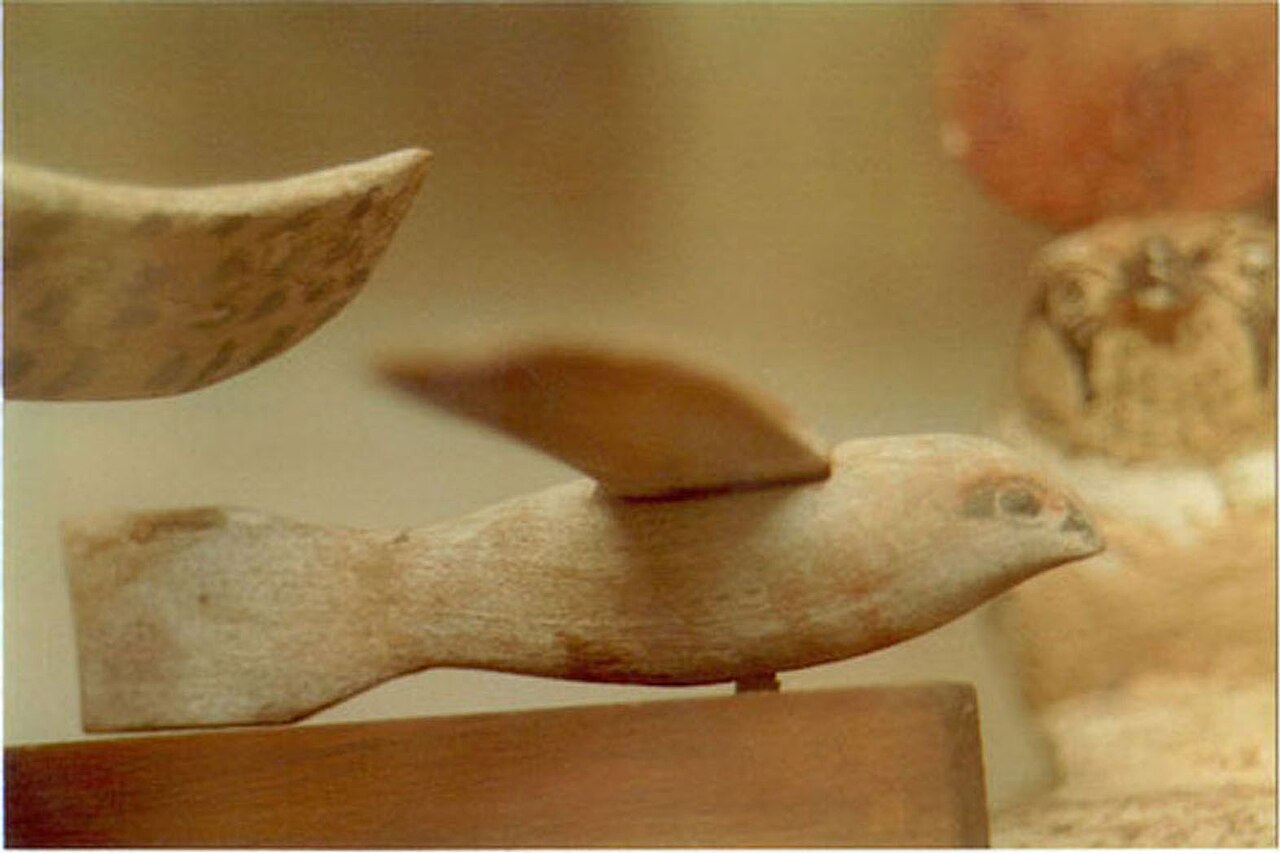
Among the treasures from an Egyptian tomb at Saqqara is a small carved object of sycamore wood shaped roughly like a bird, but with wings and a tail that look suspiciously like an airplane. Dating to more than two thousand years ago, it does not match any known species. The absence of carved feet and the presence of a vertical tail fin have led some to see it as a model of a glider rather than a simple bird figurine.
Aerodynamic tests on replicas have produced mixed results: some versions can glide modestly, others stall and crash. Skeptical archaeologists chalk it up to a ritual object or a child’s toy, arguing that a slight resemblance to modern aircraft is not enough to invoke lost aeronautical science. Yet the combination of form, balance, and design raises an uncomfortable possibility – that at least some craftspeople were experimenting with principles of lift, drag, and stability far earlier than we like to admit, even if their understanding was intuitive rather than mathematical.
#6 Roman Dodecahedra: Precision Tools With No Instructions
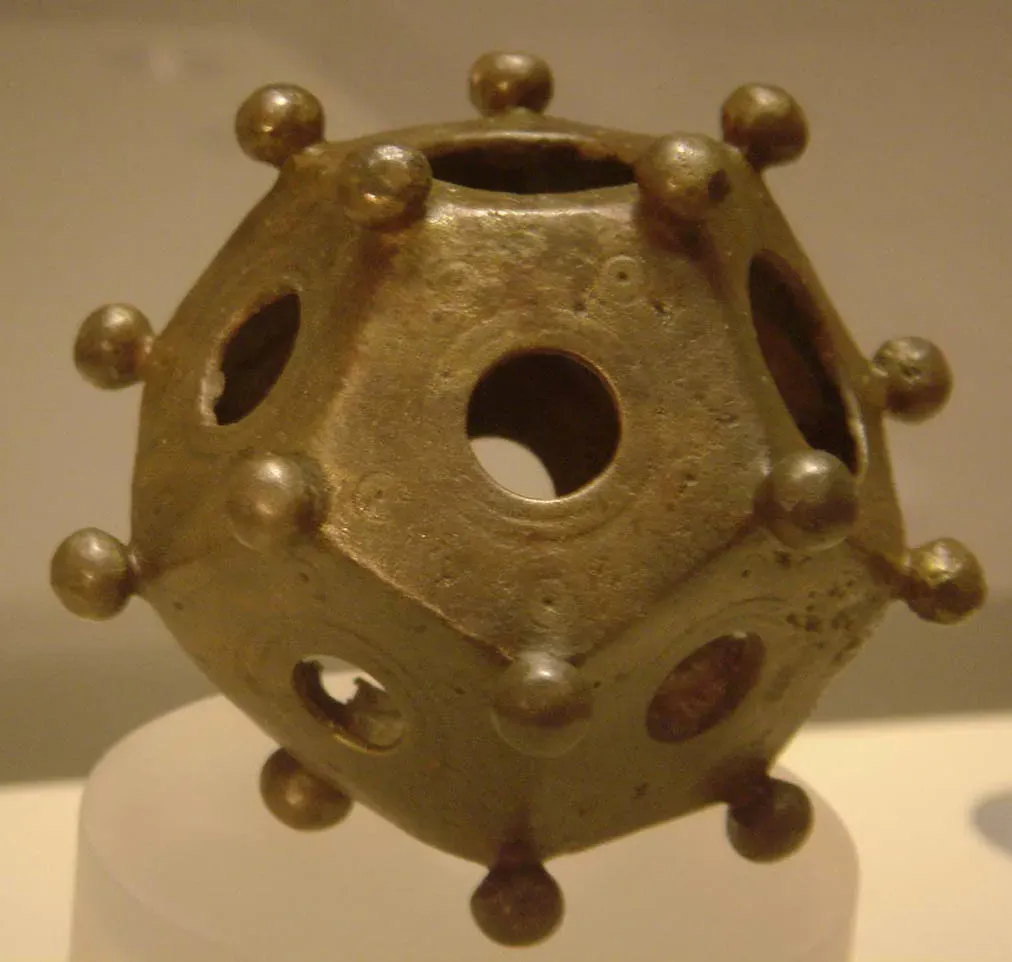
Scattered across what used to be the Roman Empire, especially in northern Europe, are small bronze objects with twelve flat faces, each punched with holes of different sizes and capped with little knobs. They are called Roman dodecahedra, and about a hundred have been found. No ancient author mentions them, no inscription explains them, and their purpose remains gloriously unhelpful to historians.
Modern minds have proposed everything from candleholders to children’s toys, from surveying devices to tools for knitting gloves. The weird part is the consistency: the geometry is deliberate, the hole sizes vary in a patterned way, and the craftsmanship is often excellent. That suggests function, not pure decoration. If they were some sort of measuring device or rangefinder, they hint at a level of practical geometry and field optics that feels more at home in early modern Europe than in a frontier Roman farm – an uncomfortable reminder that everyday scientific ingenuity often leaves no written record at all.
#7 The Voynich Manuscript: An Impossible Book That Should Not Work
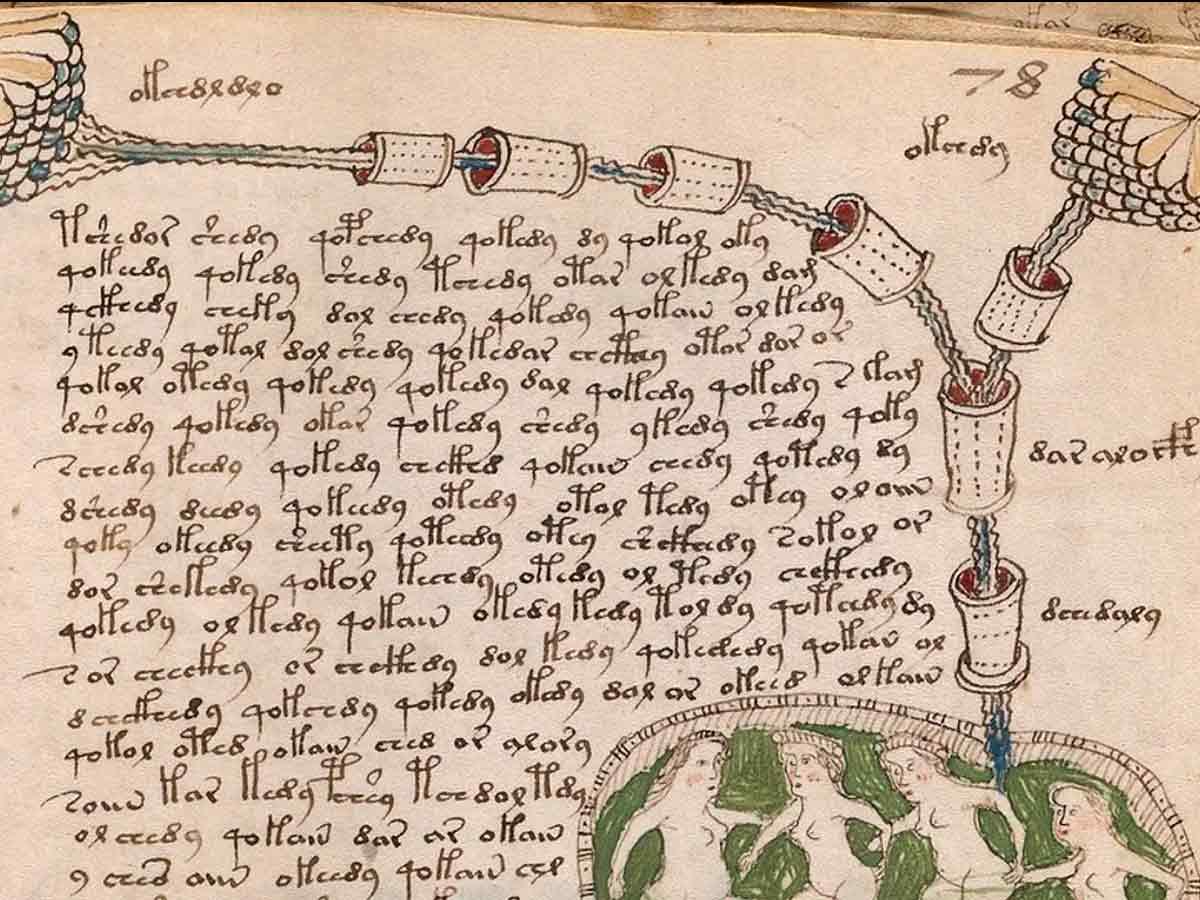
The Voynich Manuscript is a handwritten codex from the early Renaissance, filled with looping script in an unknown language and bizarre illustrations of plants, astrological symbols, and human figures in bath‑like structures. From a physics angle, the real headache is the text itself. Statistical analyses show patterns similar to natural human languages, with word frequencies and structures that behave as if they carry real information, not random gibberish.
That combination – real language‑like structure, utterly unreadable content – creates a paradox. To be a hoax, someone would have had to fake centuries‑ahead linguistic statistics by hand, filling hundreds of pages with convincing pseudo‑language, for no obvious payoff. To be genuine, it implies there was once a real language and intellectual tradition encoded here, one that vanished so thoroughly that no clear relative survives. It does not violate physics, but it does challenge our basic assumption that complex knowledge systems always leave multiple fingerprints in history.
#8 The Stone Spheres Of Costa Rica: Geometric Perfection In The Jungle

Hidden in the jungles and fields of Costa Rica are hundreds of almost perfectly round stone spheres, some small enough to carry and others weighing many tons. They are attributed to pre‑Columbian cultures, created long before modern lathes or precision machinery. Many are astonishingly spherical, fashioned from hard rock that would have demanded long, careful shaping without anything resembling industrial tools.
We do not know how they were made so uniform, what exact techniques were used to smooth them, or why such care went into their geometry. Suggestions range from status symbols to sacred markers aligned with celestial events. From a practical standpoint, grinding stone into a sphere is an energy‑intensive, unforgiving process. These spheres quietly mock the idea that high‑precision geometry demanded metal machine tools; clearly, with enough patience and knowledge of stone, ancient artisans could approach a level of perfection that feels almost machine‑made.
#9 The Sumerian “Astronomical” Tablets: Math Centuries Ahead Of Its Time
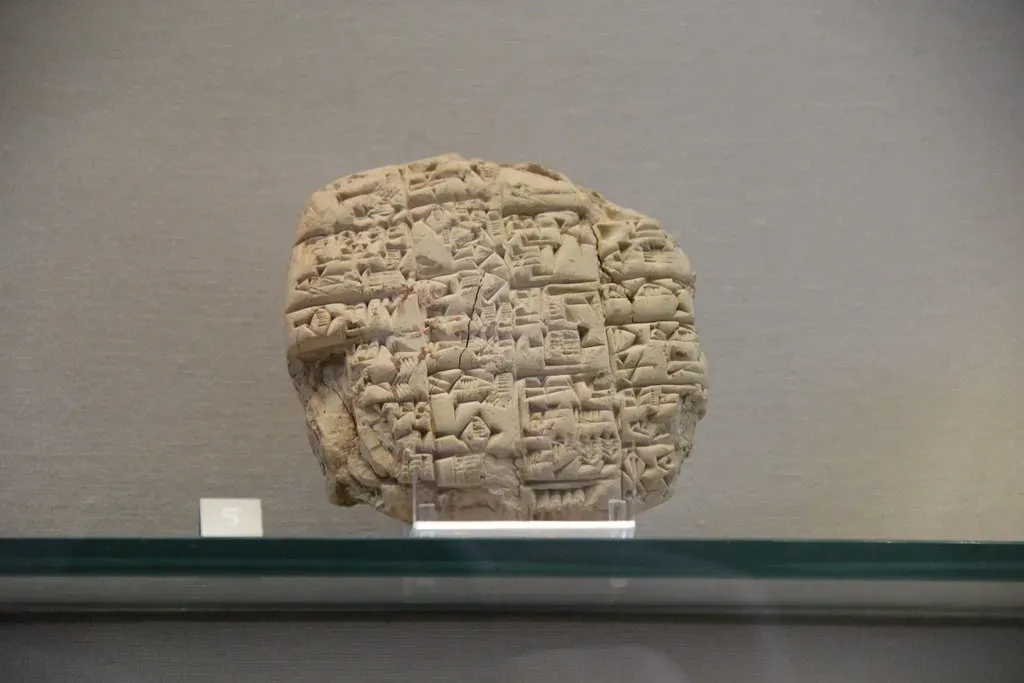
Clay tablets from ancient Mesopotamia, especially from Babylon and earlier Sumerian contexts, sometimes contain what looks at first glance like lists of numbers or mundane records. But when mathematicians and astronomers dig into them, they find precise records of planetary motions, eclipse cycles, and calculations using surprisingly sophisticated geometry and arithmetic. Some tablets appear to use methods that anticipate later trigonometry in ways that feel eerily modern.
This matters because tracking celestial bodies at that level of precision is not trivial physics. It requires a deep, consistent observational program over generations and the willingness to abstract patterns into mathematical rules. Many of us learn that serious mathematical astronomy begins with the Greeks, but these tablets strongly hint at much older, more widespread traditions. In effect, they show that people with clay and reeds were already cracking patterns in the sky that still challenge students in modern physics courses.
#10 The Nazca Lines: Artwork Scaled Like Engineering Projects
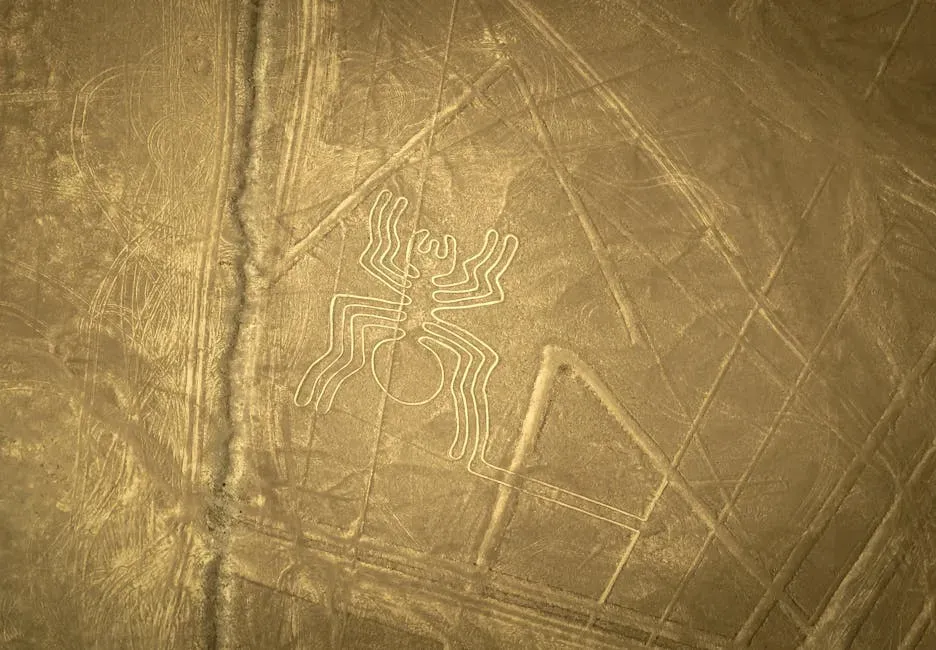
On the high, dry plateau of southern Peru, the Nazca people etched enormous geometric shapes and animal figures into the desert floor. Some lines stretch for kilometers; some figures are so large they are best seen from the air. From a physics and engineering perspective, what stands out is not just the size, but the planning. Maintaining straight lines at that scale, or proportional curves over hundreds of meters, requires a sense of surveying and geometry that goes well beyond casual doodling.
Modern experiments show that with simple tools – stakes, ropes, sightlines – ancient workers could, in principle, design and execute these geoglyphs. But “in principle” does not make it less astonishing that they bothered. Why commit such resources when you cannot climb into a plane to see the full effect? The most grounded explanations involve ritual pathways, astronomical alignments, and social cohesion projects. Even so, the Nazca Lines serve as a quiet rebuke to any assumption that large‑scale, precise outdoor engineering is uniquely modern.
#11 The Longyou Caves: Megastructures With No Blueprint
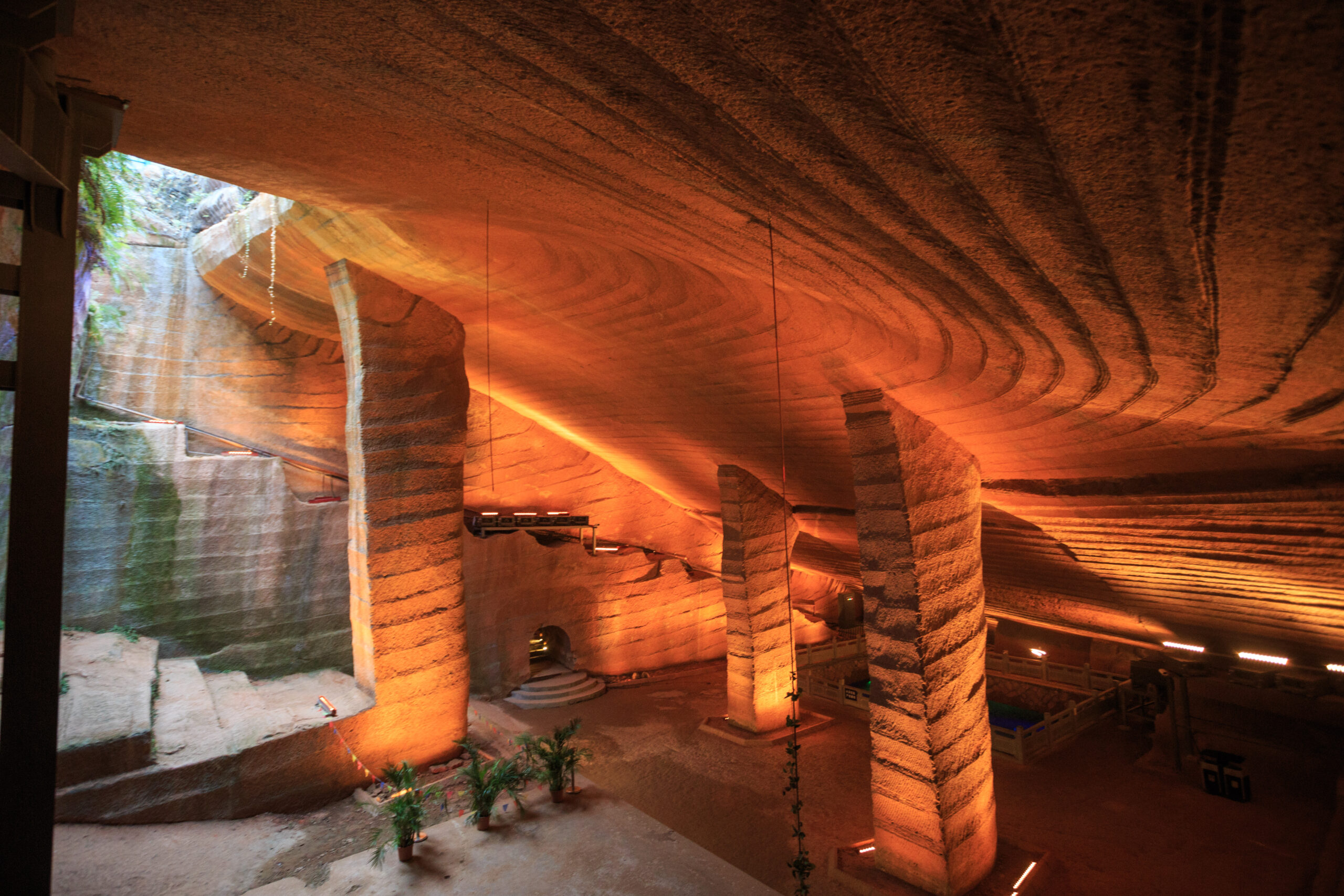
In eastern China’s Zhejiang province, flooded quarries were drained in the 1990s to reveal vast hand‑carved caverns now known as the Longyou Caves. The rock walls are patterned with uniform chisel marks, and the ceilings and pillars are carved with an eerie consistency. Despite their enormous size, there is no clear record of who carved them, why they were made, or how such a large project was organized and sustained.
From a physical standpoint, excavating these caverns without causing collapses takes a real grasp of rock behavior, load distribution, and basic engineering intuition. The sheer volume of stone removed implies tens of thousands of labor days. Yet, unlike famous pyramids or temples, there is no clear monumentality or decoration – just monumental emptiness. It feels like stumbling into the shell of an underground cathedral whose builders erased their own story, leaving behind a physics‑defying riddle in pure labor and geometry.
#12 The Baalbek Trilithon: Stones That Sneer At Modern Cranes
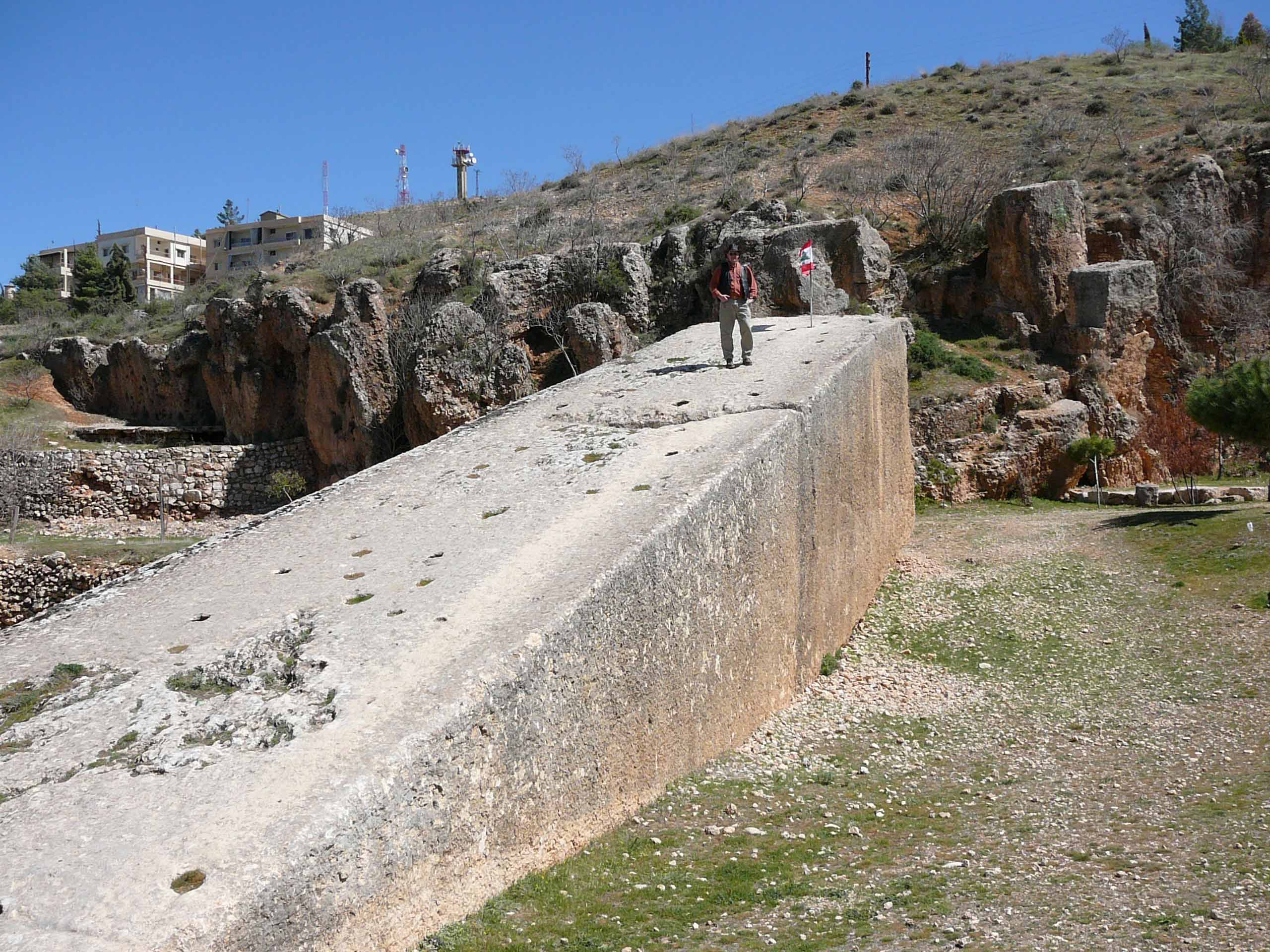
At the ancient site of Baalbek in Lebanon, a Roman temple complex rests on an even older platform of gargantuan stone blocks. The most notorious are the so‑called Trilithon: three fitted stones each weighing hundreds of tons, with additional massive stones nearby, including some among the largest ever quarried by humans. The usual response is to invoke ramps, rollers, and lots of labor, but anyone who has stood next to them feels the scale in their bones.
Modern cranes can move objects that big, but coordinating such feats requires careful planning, machinery, and safety margins. Imagining ancient crews doing it with levers and ropes stretches the intuition, even if it does not literally break the laws of physics. Some engineers argue that where there is enough time and manpower, brute force wins. Others suspect a now‑lost tradition of heavy‑lifting techniques and soil engineering. Either way, these stones quietly expose how little physical trace large‑scale construction methods can leave once the tools rot away.
#13 The Great Pyramid’s Internal Architecture: Precision Beyond Monumental Ego
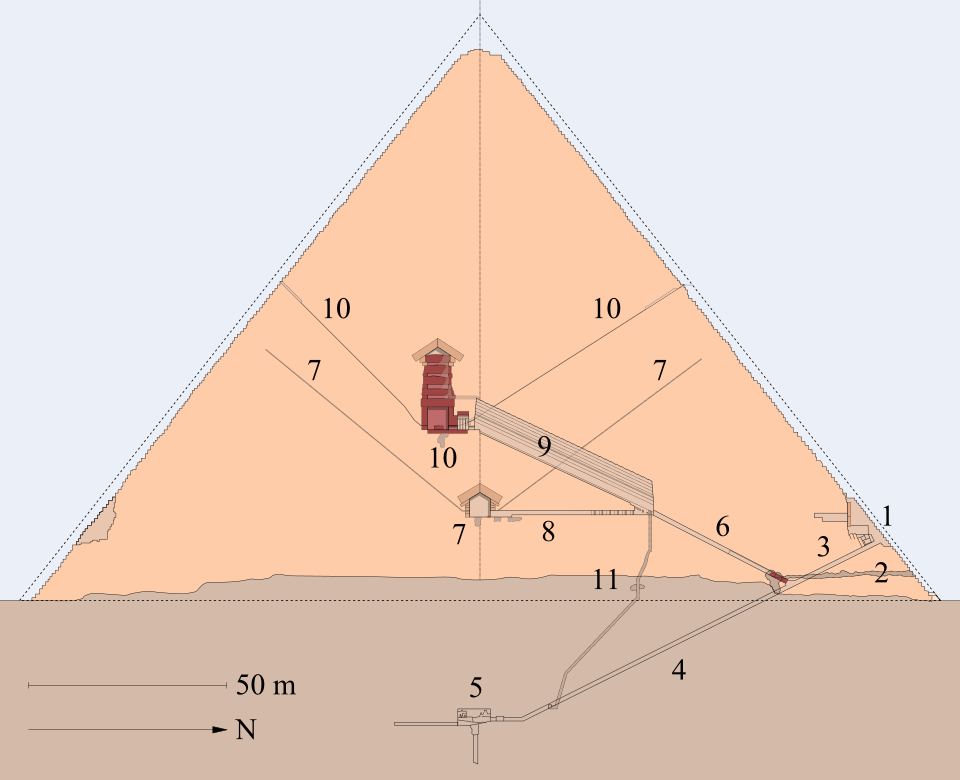
The Great Pyramid of Giza is often discussed for its overall alignment and mass, but what truly irritates modern engineers is its internal layout. Narrow shafts align roughly with specific stars as they rose or set in the ancient sky, and the core blocks and chambers are laid out with tolerances that seem outrageous for copper tools and manual labor. The base is remarkably level given the lack of lasers or modern surveying equipment.
None of this breaks physics; with enough time, skilled labor, and clever techniques, it is achievable. The discomfort comes from the mismatch between the “primitive tools” narrative and the actual numbers. When you realize that its sides deviate from true cardinal directions by only a small fraction of a degree, or that joints are tight enough to make modern mortar look sloppy, the usual picture of rough, stone‑age experimentation starts to fall apart. The pyramid stands as proof that once a society decides to move stone with ruthless focus, our stereotypes about ancient precision simply do not hold.
#14 The Shroud Of Turin: A Ghostly Image With Tricky Physics
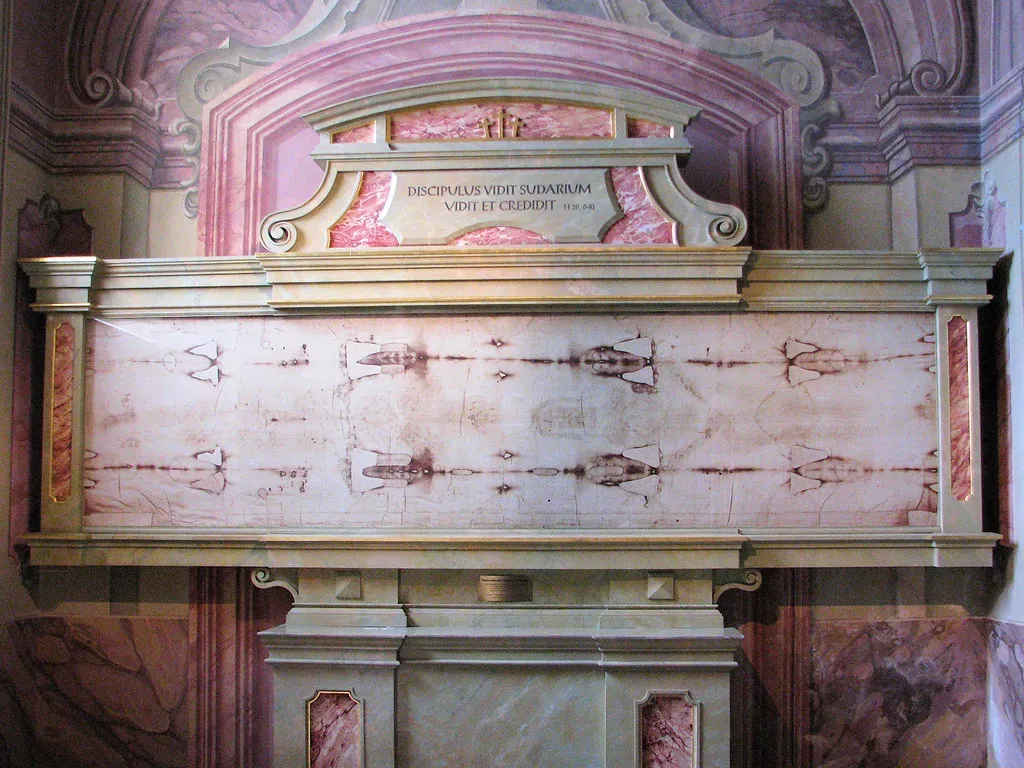
The Shroud of Turin is a piece of linen bearing a faint, full‑body image of a man, along with marks interpreted by some as blood stains. Setting aside religious debates, the physics of the image itself remain problematic. The coloration appears to affect only the outermost fibers of the cloth in a very shallow layer, without soaking through like normal paint or dye. Various teams have tried to reproduce this effect using heat, chemicals, radiation, and other mechanisms, with limited success.
Radiocarbon dating once pointed to a medieval origin, but critics argue about contamination and sampling issues. That leaves the shroud in a liminal place: either an extraordinarily clever medieval forgery that still puzzles modern materials scientists, or a much older artifact produced by a process we do not yet fully understand. For those inclined to skepticism, that ambiguity is uncomfortable. For those open to mystery, it is a rare case where physics and faith end up asking some of the same questions, even if they expect different answers.
#15 The Iron Pillar Of Delhi: Rust‑Resistant Metal From Antiquity

Near a historic mosque in Delhi stands an iron pillar dating back many centuries, perhaps more than a millennium and a half. What draws attention is how little it has corroded, despite being made of wrought iron and exposed to the elements. Modern steels rust and flake unless carefully treated, yet this pillar has maintained its structural integrity with only minimal surface degradation.
Metallurgists studying it have found that high phosphorus content, slag distribution, and a protective iron hydrogen phosphate layer all contribute to its resistance. In other words, there is no magic metal here, just impressively tuned ancient craftsmanship. Still, it raises a pointed question: if pre‑industrial smelters could accidentally hit such long‑lasting recipes, how many other advanced alloys or treatments were discovered, used locally, and then simply lost? The pillar stands as a quiet reminder that “cutting‑edge materials” have a way of disappearing when the people who made them do.
#16 The Nebra Sky Disk: Bronze Age Cosmology In One Object
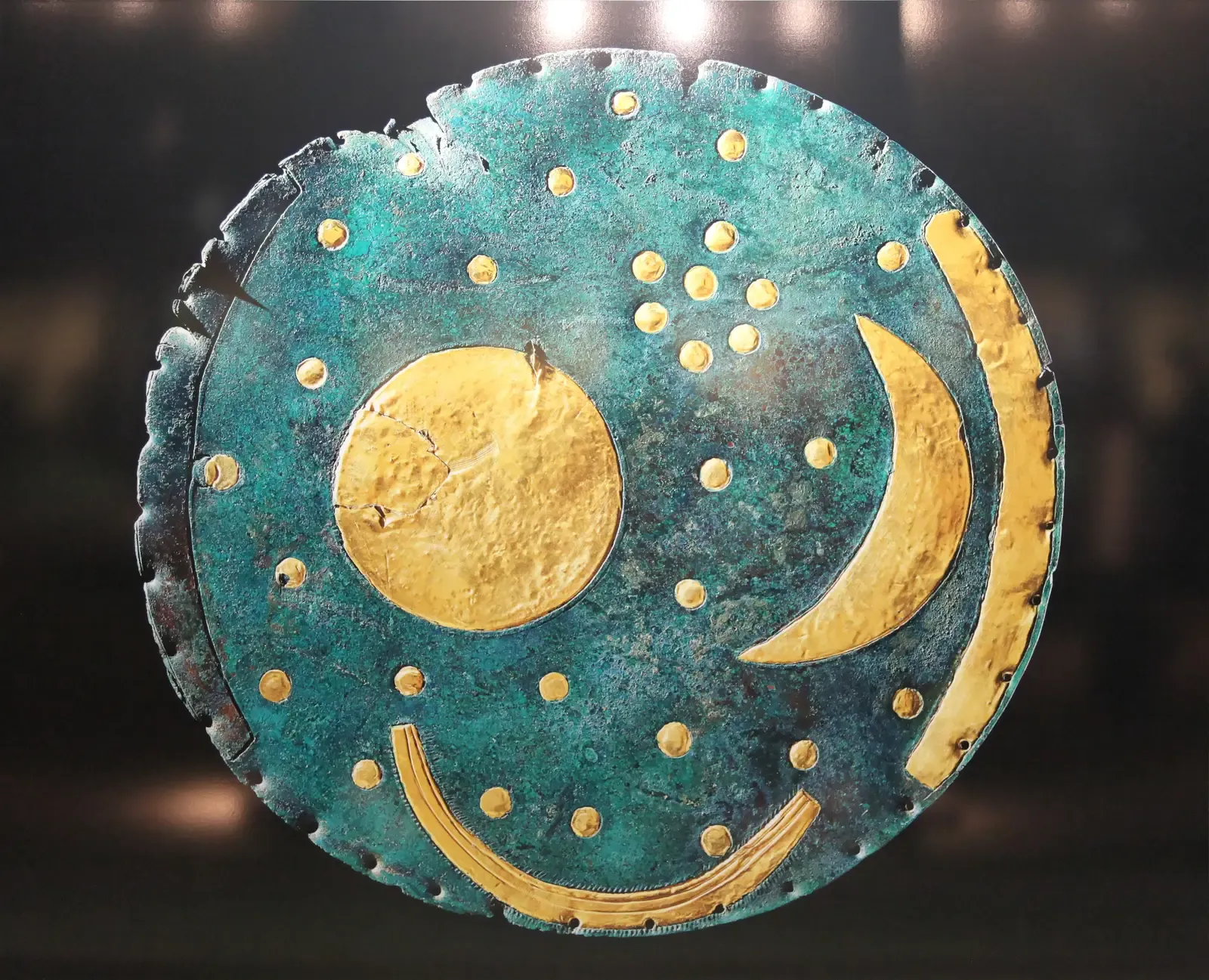
Discovered in Germany, the Nebra Sky Disk is a bronze plate inlaid with gold symbols that appear to represent the Sun, Moon, and stars, including a cluster interpreted as the Pleiades. Dated to the Bronze Age, it seems to encode surprisingly sophisticated astronomical alignments and calendar knowledge in a portable, symbolic form. For a farming society, knowing when to plant and harvest is basic survival physics, but this disk suggests an abstract, almost scientific mindset about the sky.
What makes it unsettling is how advanced it looks compared with other artifacts from the same culture. It compresses observational astronomy, symbolic representation, and metalworking skill into one elegant object. Some interpret it as evidence of a priestly or elite group with a deeper understanding of celestial cycles than their neighbors, perhaps jealously guarding that advantage. It subtly undermines the idea that complex, quantitative sky knowledge was exclusive to a small set of “classic” civilizations like Babylon, Greece, or China.
#17 The London Hammer: A Modern Tool Trapped In Ancient Stone?
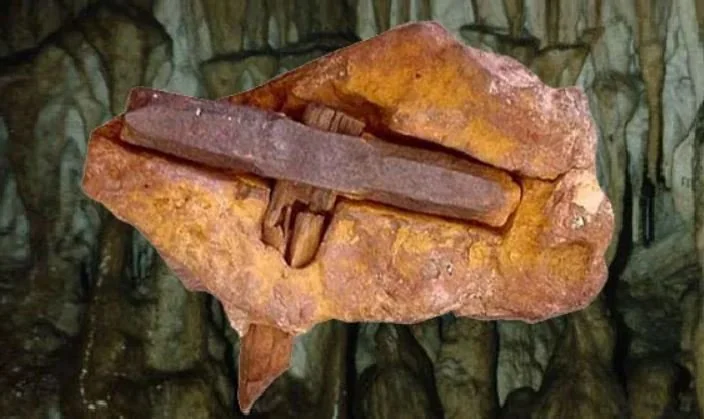
The so‑called London Hammer is a small iron hammerhead with a wooden handle that was reportedly found encased in a concretion of stone‑like material in Texas. On the surface, that sounds like a physics nightmare: how can a clearly modern‑style tool be embedded in rock that some claim is many millions of years old? If that were literally true, it would shred huge swaths of geology and archaeology in one stroke.
However, closer examinations suggest a more grounded explanation. Mineral concretions can form around objects relatively quickly, especially in certain conditions, producing a hardened mass that looks ancient but is geologically young. The hammer itself likely dates to the nineteenth or early twentieth century. Even so, the story refuses to die, partly because it taps into a deeper frustration: when context is lost or poorly documented, ordinary chemistry can create illusions that seem to mock the tidy timelines of science.
#18 The Dropa Stones And Other Dubious “Alien” Discs
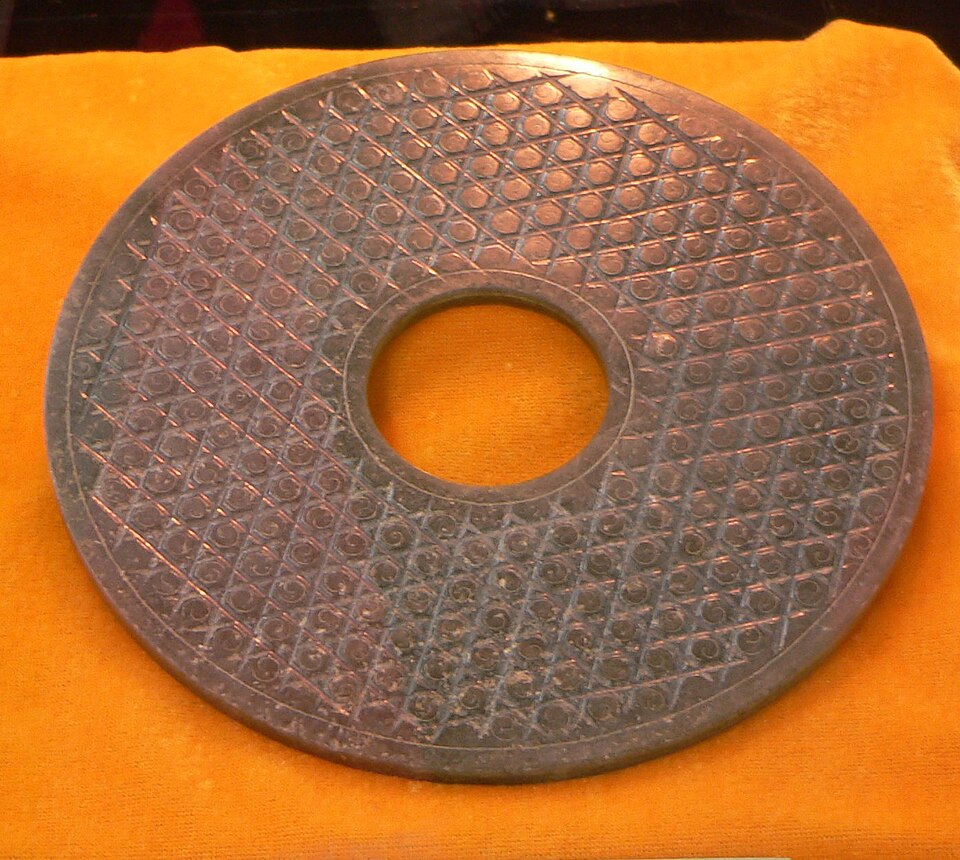
Every few years, stories resurface about carved stone discs, often from remote parts of Asia, allegedly inscribed with tiny spiral writing describing visitors from the stars. The most famous version, the so‑called Dropa stones, claims a remote Chinese excavation uncovered discs that tell of a crashed alien spaceship. These tales travel fast online because they offer a quick, thrilling way to explain gaps in our understanding: if human history looks too advanced, just import extraterrestrials.
When you dig into the evidence, the story largely collapses, with vague sources, vanished artifacts, and conflicting accounts. Yet the persistent appeal says something important about how people react when they hit the limits of conventional explanations. Rather than patiently accept “we do not know yet” or “the evidence is thin,” many prefer the emotional satisfaction of a story that blows open physics and history at the same time. In a way, the mythology around these discs is itself an ancient object in the making: a narrative relic of how our era copes with mystery.
#19 The Ubaid “Lizard” Figurines: Creatures Out Of Place And Time
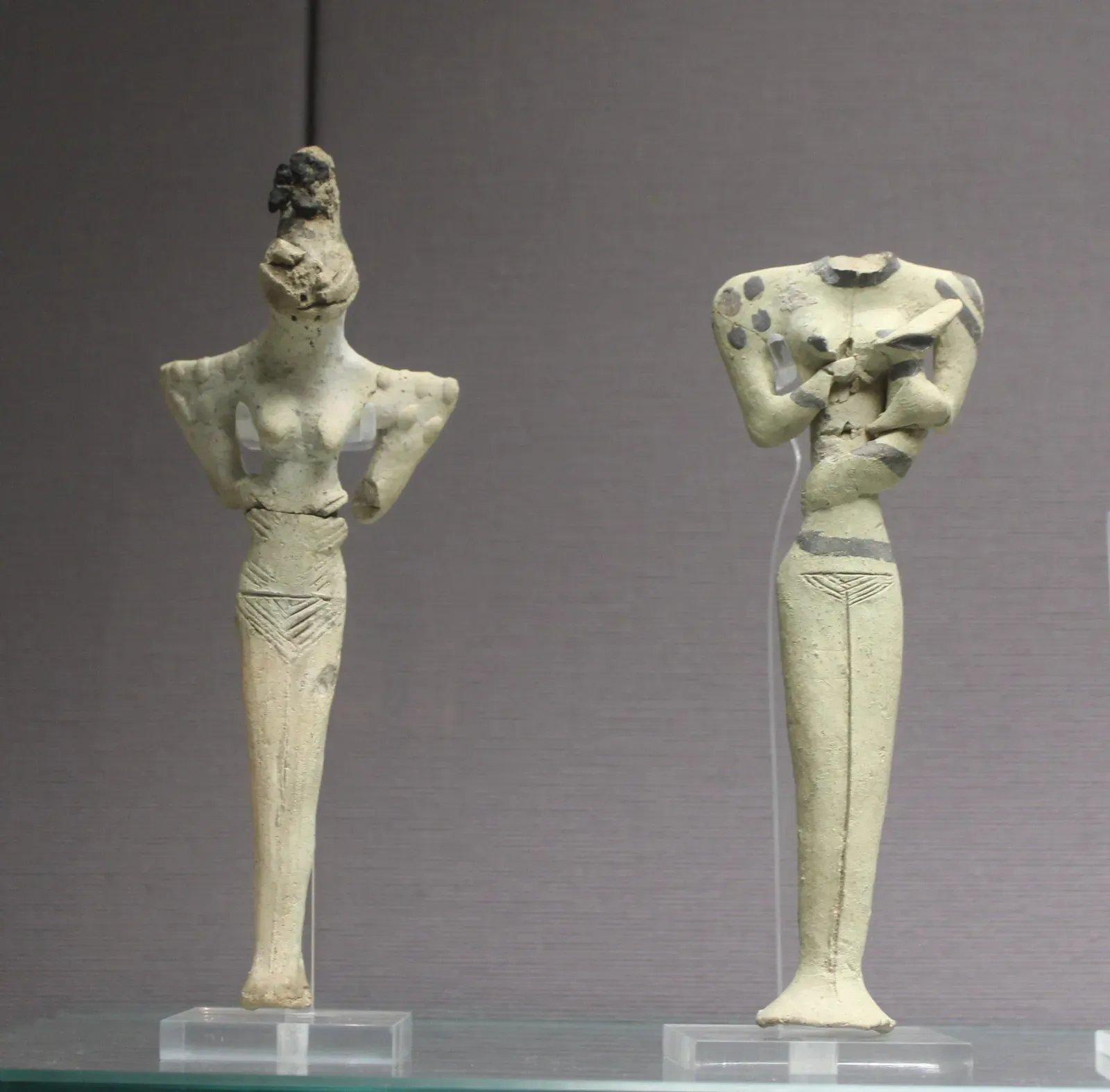
From prehistoric sites in Mesopotamia associated with the Ubaid culture, archaeologists have recovered small clay figurines with elongated heads, large eyes, and sometimes reptilian features. Some hold children, some sit on thrones, and many have an unsettling, otherworldly look. They have become darlings of fringe theorists who see them as depictions of reptilian beings or visitors beyond normal human experience.
Mainstream scholars tend to file them under “stylized art,” noting that cultures often exaggerate features for symbolic reasons. Still, the combination of humanoid bodies and distinctly non‑human faces raises questions about what myths or visions inspired them. They do not break physics, but they do tug at the edges of psychology and culture, hinting that even in deep prehistory, human imagination was busy populating the world with entities that refused to fit clean natural categories, much like our modern aliens and monsters.
#20 The Baghdad Glass Lens And Other Ancient Optics
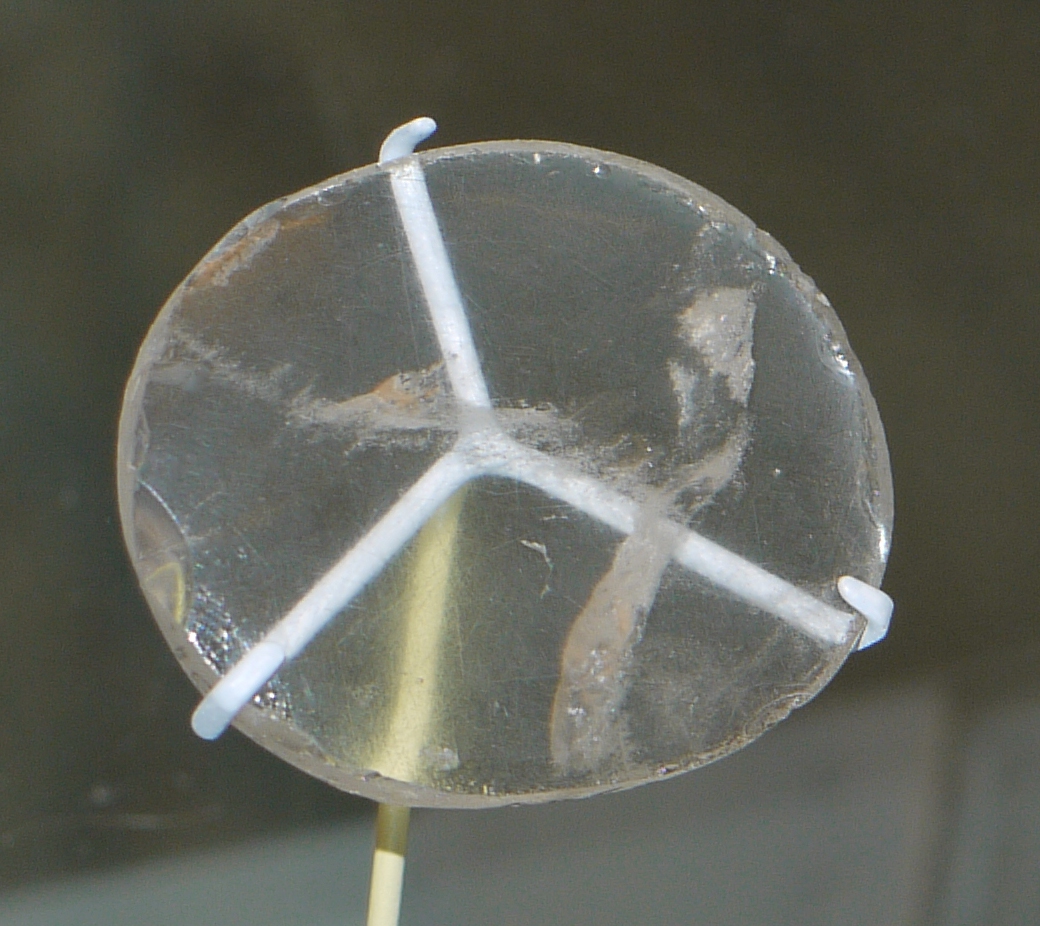
Scattered through museum drawers are objects like the Nimrud lens from Assyria – small pieces of rock crystal or glass, ground into shapes that can magnify or focus light. The idea that people long before modern science experimented with lenses is not far‑fetched; anyone playing with clear stones in sunlight can see their potential. But the presence of crafted, arguably optical shapes raises the stakes: were ancient artisans dabbling in basic microscopy, fire‑starting, or vision correction, centuries earlier than we usually credit?
Some scholars argue these lenses are crude and likely decorative, while others have demonstrated that they can, under the right conditions, work as magnifiers. The physics of refraction and focal length does not care what century you live in; if you polish a certain shape, the light behaves the same way. That universality makes these artifacts quietly powerful. They suggest that once people had transparent materials and enough curiosity, they were capable of stumbling into optical tricks that modern physics later formalized with equations.
#21 The Roman Concrete Of Seawalls: Material Science That Outlasts Us

Remnants of Roman piers and breakwaters still stand in the sea today, often in better condition than many twentieth‑century concrete structures. Analysis has shown that Roman builders used volcanic ash and lime to create a concrete that actually grows stronger over time as seawater reacts with it, forming stable crystals inside the material. It is a clever exploitation of chemistry that many modern engineers are now studying to improve sustainable construction.
The unsettling part is how long it took us to fully notice. For centuries, these ruins were just background scenery, while industrial societies poured vast resources into making concrete that cracks and crumbles faster. It is not that Romans “broke physics”; they just paid close attention to how local materials behaved and locked that wisdom into practice. Then, as empires fell and knowledge shifted, that material science went semi‑dark, reminding us that advanced technology is not just about gadgets, but about quietly brilliant recipes that can vanish almost overnight.
#22 The Paracas Textiles: Colors And Fibers That Should Have Faded
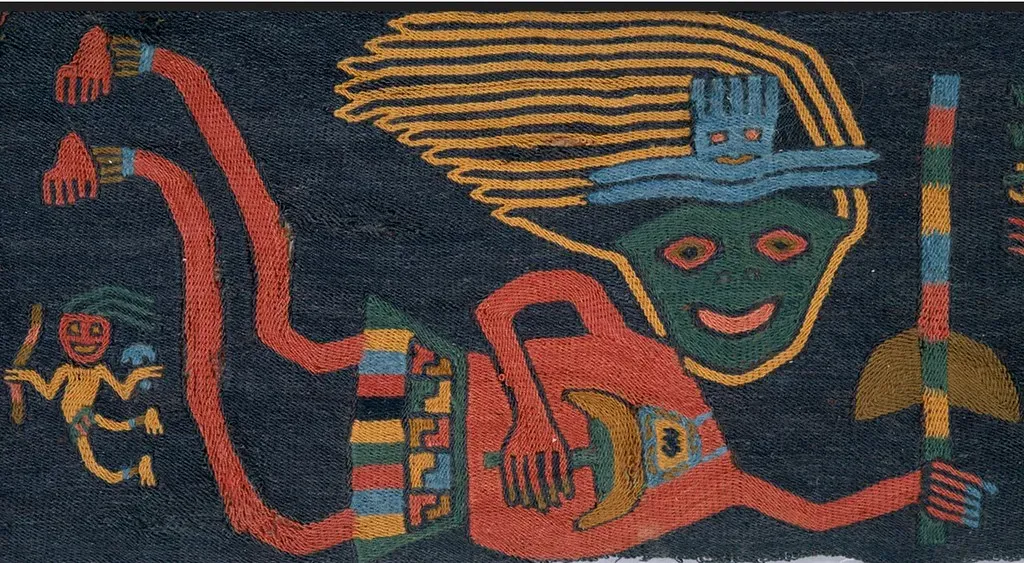
From the Paracas culture of coastal Peru come textiles so vivid and finely woven that they shock modern conservators. Intricate images in bright reds, yellows, and blues decorate cloaks and burial garments that have survived for two thousand years in dry desert tombs. Some of the dyeing techniques and fiber combinations have proven hard to replicate with the same durability using modern synthetic shortcuts.
Physics tells us that light, oxygen, and moisture gradually tear apart pigment molecules and fibers, which is why many old fabrics fade and rot. The Paracas pieces endured mainly thanks to dry conditions, but their original quality and resilience still hint at a sophisticated grasp of plant dyes, mordants, and spinning methods. They suggest that “high tech” can look like a lab coat and beaker, or it can look like a weaver in a simple hut, quietly mastering molecular interactions through generations of trial and error.
#23 The Uluburun Shipwreck Cargo: A Network Too Complex For Its Time

Off the coast of modern‑day Turkey, the Uluburun shipwreck revealed a Late Bronze Age cargo that reads like the inventory of a global trader: copper ingots, tin, glass, luxury items, raw materials, and artifacts from multiple distant cultures. On paper, we know there were trade routes in that era. Seeing it all piled together in one vessel, though, turns dry history into something that feels almost uncomfortably modern, like opening a shipping container from an ancient logistics company.
The physics here is about networks and flows of energy and material. Moving that much metal and luxury goods across rough seas required shipbuilding skill, navigation, and economic coordination that belies any “simple” view of Bronze Age societies. When the Bronze Age collapse followed not long after, it was as if a complex, tightly coupled system overloaded and fell apart. The wreck thus becomes more than a pile of cargo; it is a frozen glimpse into a world where human systems were already flirting with the same complexity and fragility that defines our own global trade – and that parallel is difficult to ignore.
Conclusion: When The Past Bends What We Think Is Possible
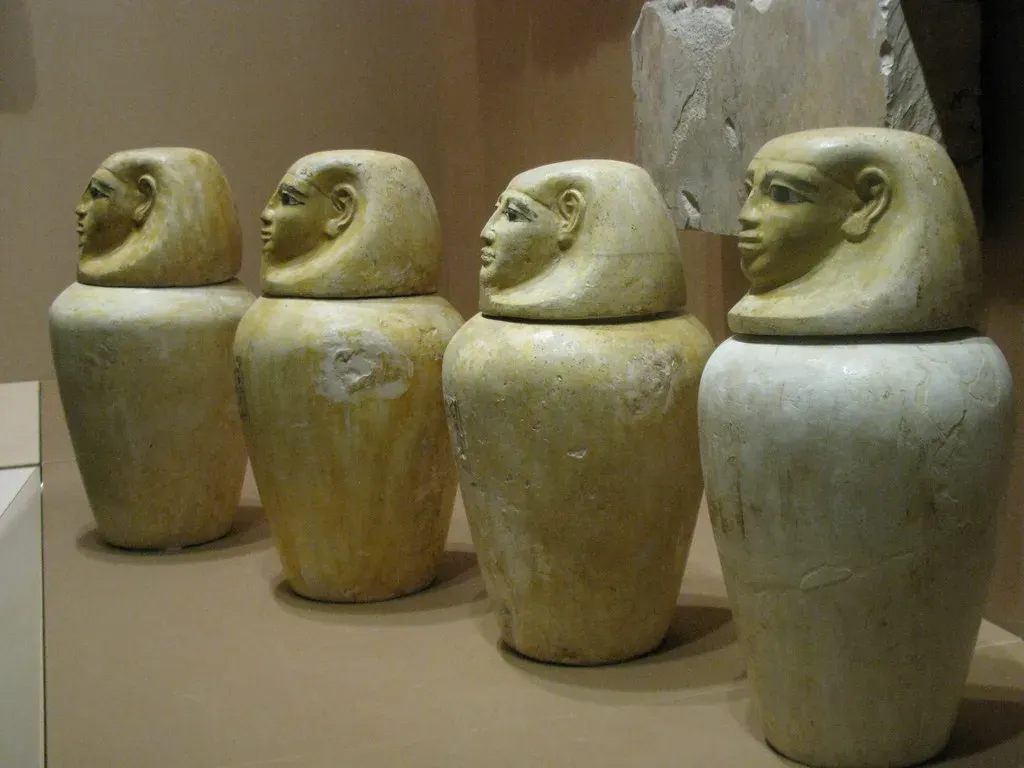
Looking at these objects together, a pattern emerges that has nothing to do with teleporting laptops into cave paintings or aliens carving their Wi‑Fi passwords into stone. The real shock is how often ordinary people, working with stubborn materials and limited tools, wrung results out of physics that we still find impressive today. Whether it is precision stonework, durable alloys, sneaky astronomical math, or materials that quietly resist corrosion, the message is uncomfortable but clear: our ancestors were often much better experimenters than our tidy timelines admit.
My own take is that these artifacts do not break physics; they break our pride. They remind us that knowledge can surge forward, scatter, and vanish, leaving behind a few stubborn puzzles that refuse to fit our neat narratives. It is tempting to reach for dramatic explanations, but there is something far more haunting in the slower, human story: discoveries made, used, and then forgotten, waiting for someone to dig them up and feel that jolt of cognitive dissonance. Maybe the real question is not how ancient people did so much with so little, but how many of our own “obvious” breakthroughs will look just as baffling to archaeologists a few thousand years from now. Would you bet that they will find our story easier to explain than we find theirs?