If you ever felt that school history books only told you a neat, tidy version of the past, you’re not imagining things. Over the last century, archaeologists have dug up finds that raise awkward questions about timelines, migrations, lost technologies, and who really did what first. Many of these discoveries never make it past academic journals and conference halls, and some that briefly hit the headlines quietly fade away without a trace in the next edition of your kid’s textbook.
That doesn’t automatically mean there’s a grand conspiracy. More often, it’s a mix of caution, institutional inertia, and the simple fact that messy, unresolved evidence is hard to squeeze into a clean classroom narrative. Still, when you stack these cases side by side, a pattern emerges: whenever a find seriously challenges the standard storyline, it tends to be sidelined, footnoted, or ignored altogether. Let’s walk through nineteen of the most controversial, fascinating, and quietly downplayed discoveries that have fueled decades of debate.
#1 The Antikythera Mechanism: A Computer Ancient Greece Was Not Supposed To Have
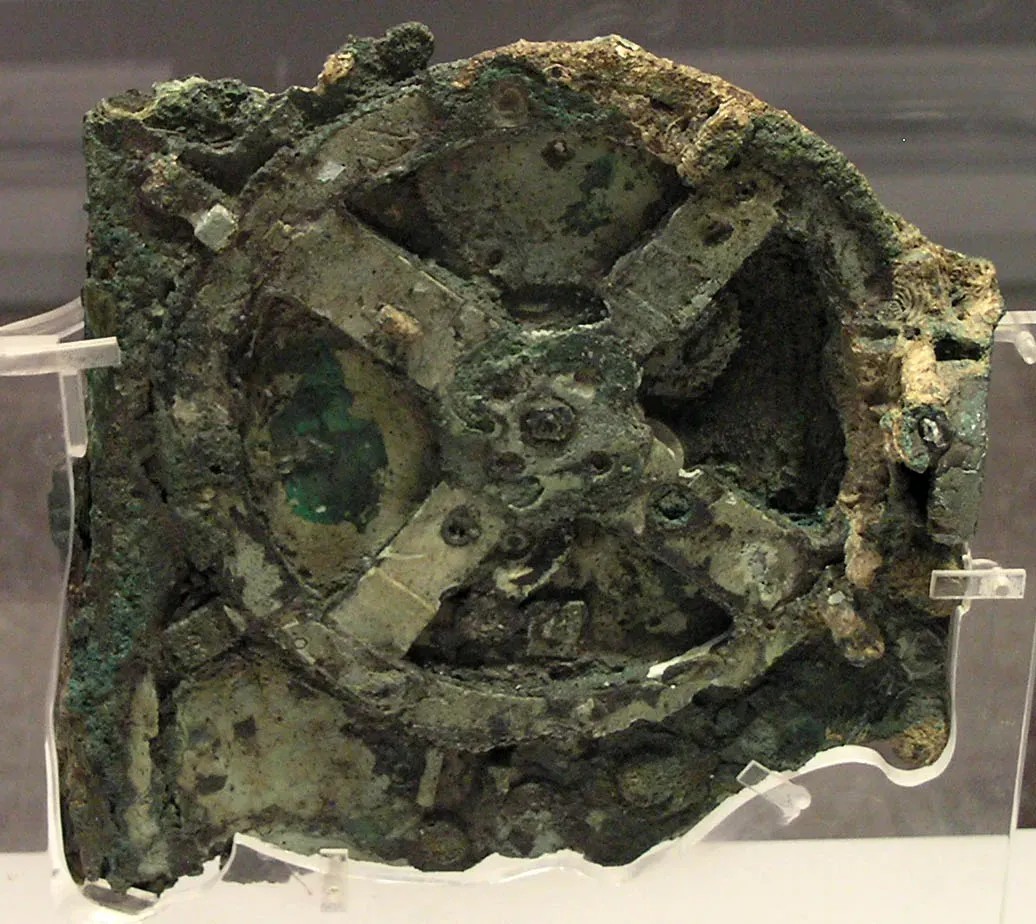
Imagine being told that people over two thousand years ago built a geared machine so sophisticated that researchers today call it the first known analog computer. That’s the Antikythera mechanism, pulled from a Roman-era shipwreck off a Greek island in the early twentieth century. Inside its corroded bronze casing are intricate gears, dials, and inscriptions designed to predict eclipses, planetary movements, and complex astronomical cycles with shocking precision.
For generations, schoolbooks portrayed ancient technology as a simple, linear climb: stone tools, then bronze, then iron, and only in modern Europe do we get real machinery. The Antikythera mechanism blows a hole in that ladder, hinting at a lost tradition of advanced mechanical engineering in the Hellenistic world. Instead of rewriting the story, most textbooks just nod to it as an oddity – if they mention it at all – leaving students with the comforting, but misleading, sense that complex machines only truly begin with the industrial revolution.
#2 Göbekli Tepe: Monumental Temples Older Than Agriculture
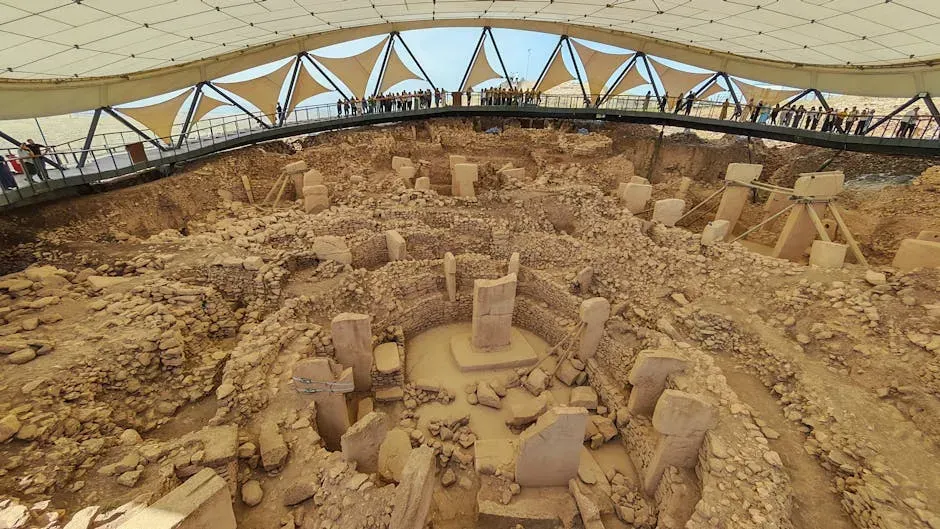
When archaeologists in southeastern Turkey uncovered Göbekli Tepe, they were staring at megalithic stone circles built roughly eleven and a half thousand years ago – long before the first known cities and seemingly before settled farming communities. Massive T-shaped pillars, some weighing many tons, are carved with animals and symbols and arranged in carefully planned enclosures. This is not the kind of architecture you expect from small bands of hunter-gatherers in the conventional story.
Textbooks have long taught that agriculture came first, then villages, then temples and organized religion as a kind of cultural luxury once basic needs were met. Göbekli Tepe flips that logic on its head, suggesting large-scale ritual and cooperation may have actually helped drive people toward more permanent settlement. Because that complicates the tidy “from farm to civilization” narrative, the site is often reduced to a side note, despite being one of the most important discoveries of the last few decades.
#3 The Baghdad “Battery”: Ancient Curiosity Or Misunderstood Tech?
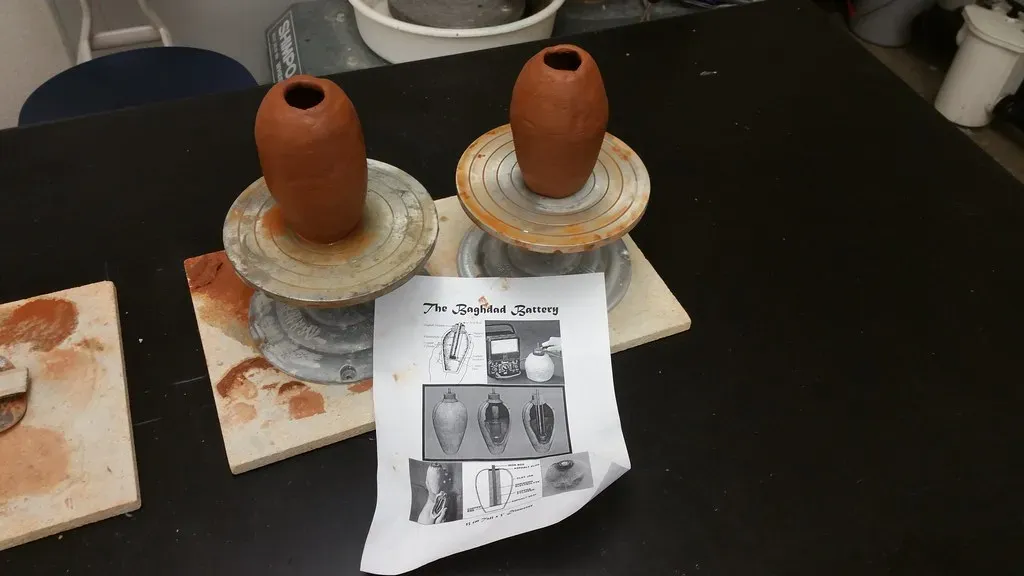
In the mid-twentieth century, a small ceramic jar with a copper cylinder and iron rod inside – found near modern Baghdad and dating to roughly two thousand years ago – sparked wild speculation. Some researchers proposed it could function as a simple galvanic cell if filled with an acidic liquid, producing a low electrical current. Others argued it was just a mundane container, perhaps for scrolls or sacred texts, with no evidence of wiring or large-scale use.
Whatever its true purpose, the so-called Baghdad battery caught public imagination because it hinted that ancient artisans might have stumbled onto basic electrochemistry. Schoolbooks, however, tend to steer clear of this case, in part because it sits awkwardly between solid evidence and sensational claim. Rather than teach students how to thoughtfully weigh such ambiguous finds, curriculum writers usually choose the safest route: they omit it and keep the technological timeline comfortably straightforward.
#4 The Piri Reis Map: Old World Knowledge Of The “New World”?
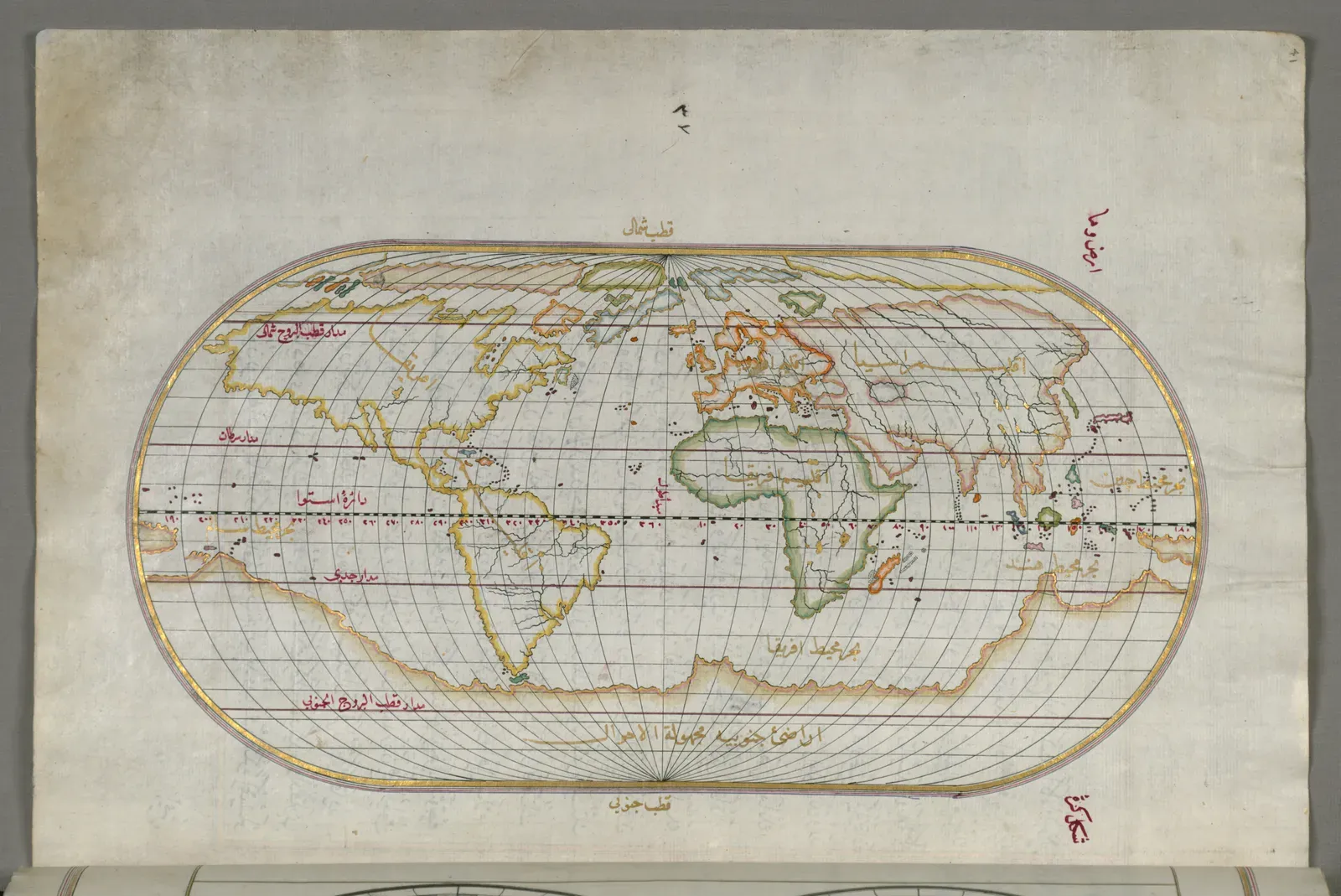
In 1929, scholars examining an old Ottoman chart – now known as the Piri Reis map – noticed something striking. Drawn in 1513 by an admiral of the Turkish fleet, it shows parts of the Atlantic coasts of Europe, Africa, and the Americas with surprising accuracy for its time, and its creator claimed to have drawn on older, foreign maps. Some enthusiasts even argue that southern sections resemble an ice-free Antarctica, though that part remains hotly contested.
Whether or not those bold interpretations stand up, the map clearly suggests early sixteenth-century sailors had access to geographically advanced sources that modern textbooks barely mention. It points to a more complex web of global knowledge sharing, lost charts, and pre-Columbian mapping than the standard discovery timeline admits. Instead of exploring those implications, most school narratives focus on a handful of European explorers and leave students with the impression that detailed world mapping began almost from scratch after 1492.
#5 Oldest Human Footprints In The Americas: Timelines Under Pressure
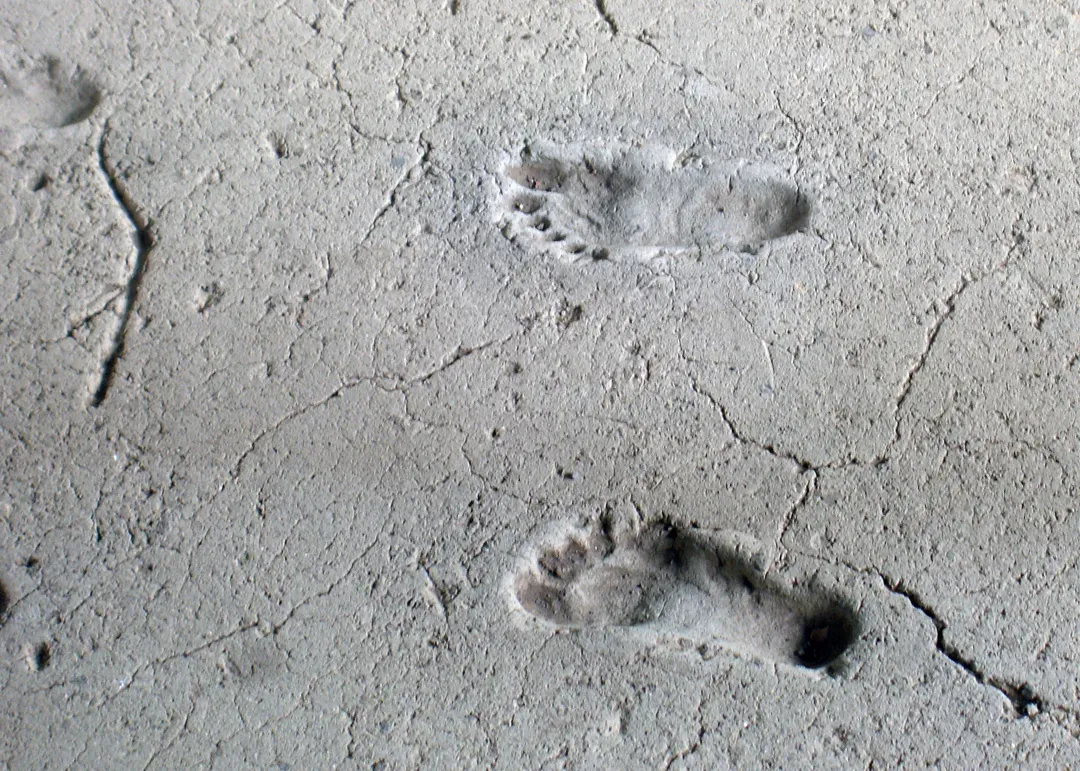
For much of the twentieth century, students were told that humans entered the Americas roughly thirteen thousand years ago via an ice-free corridor, tied to what archaeologists called the Clovis culture. That neat window gave textbooks a clear milestone: before Clovis, empty continents; after Clovis, widespread humans. But discoveries of ancient footprints and tools in various parts of the Americas have pushed that arrival date back, in some cases by thousands of years.
Recent work on fossilized footprints in places like New Mexico has strengthened the case for a much earlier human presence, potentially stretching back more than twenty thousand years. That means people were here during a very different climate context and likely using routes and technologies that do not fit the old story at all. Instead of enthusiastically revising school chapters, many curricula only cautiously allude to “ongoing debate,” sidestepping how deeply these finds undermine the once-confident Clovis-first model.
#6 The Kennewick Man: Ancient Remains And Modern Politics
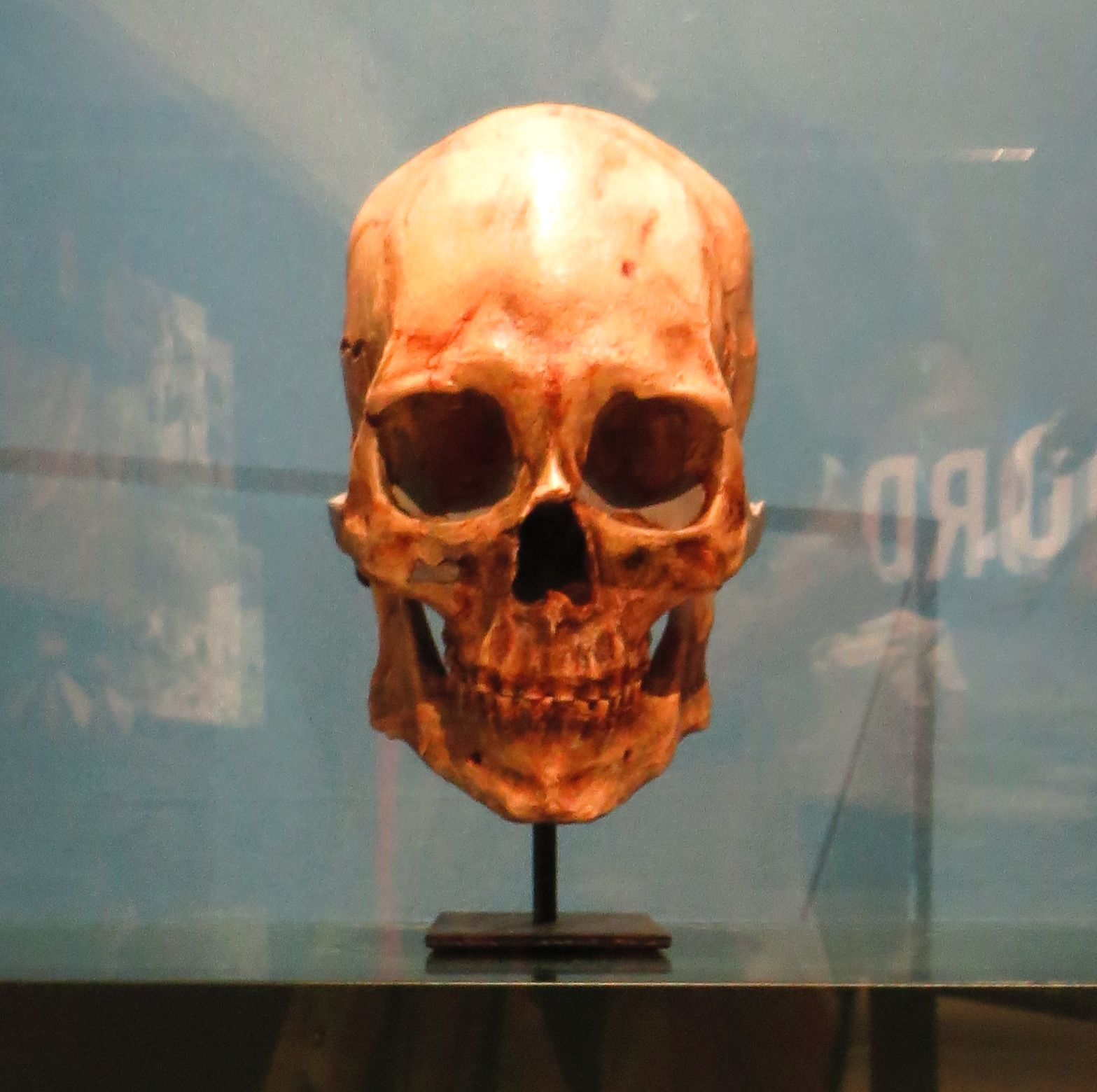
When a nearly complete ancient skeleton was found along the Columbia River near Kennewick, Washington, in the 1990s, the discovery quickly turned into a battle over science, culture, and identity. Radiocarbon dating suggested the remains were roughly nine thousand years old, one of the oldest well-preserved skeletons in North America. Early descriptions led some to compare cranial features to populations outside typical modern Indigenous groups, which inflamed already tense discussions about who the earliest Americans were.
Legal disputes between scientists and Native American tribes over the right to study or rebury the remains stretched on for years, shaping how the public heard about the case. Ultimately, more modern DNA analyses pointed toward clear connections with contemporary Native American groups, and the remains were reburied in a tribal ceremony. Schoolbooks, uncomfortable with the mix of racialization, politics, and changing interpretations, usually avoid the Kennewick story altogether, missing a powerful opportunity to show students how science and ethics collide in real life.
#7 Ancient Submerged Structures Off India’s Coast
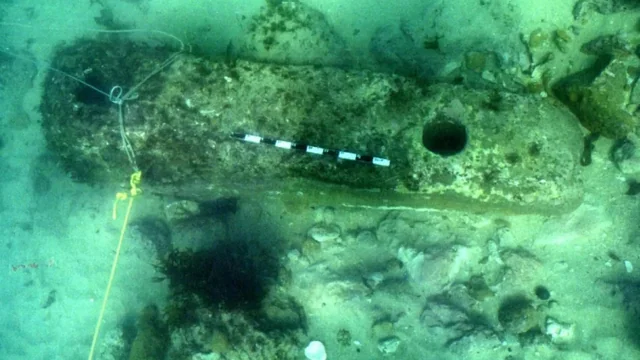
Off the coasts of India, particularly near places like the Gulf of Khambhat and around Mahabalipuram, sonar surveys and dives have revealed submerged structures and geometric patterns on the sea floor. Some researchers interpret these as the remains of ancient settlements drowned by rising sea levels at the end of the last Ice Age, while critics argue many features could be natural or far younger than enthusiasts claim. The result is a contested, murky picture that does not fit easily into standardized timelines.
What is not in doubt is that worldwide sea-level rise after the Ice Age would have flooded coastal areas where early communities lived, erasing entire chapters of human activity beneath the waves. Yet classroom history still treats coastlines as fixed and civilizations as mainly landlocked, ignoring the likelihood of drowned sites that could significantly adjust our understanding of early urbanization. Rather than present students with this open question, most textbooks keep their attention firmly on safe, dry-land ruins.
#8 The Nazca Lines: Ancient Geoglyphs That Refuse Easy Explanations
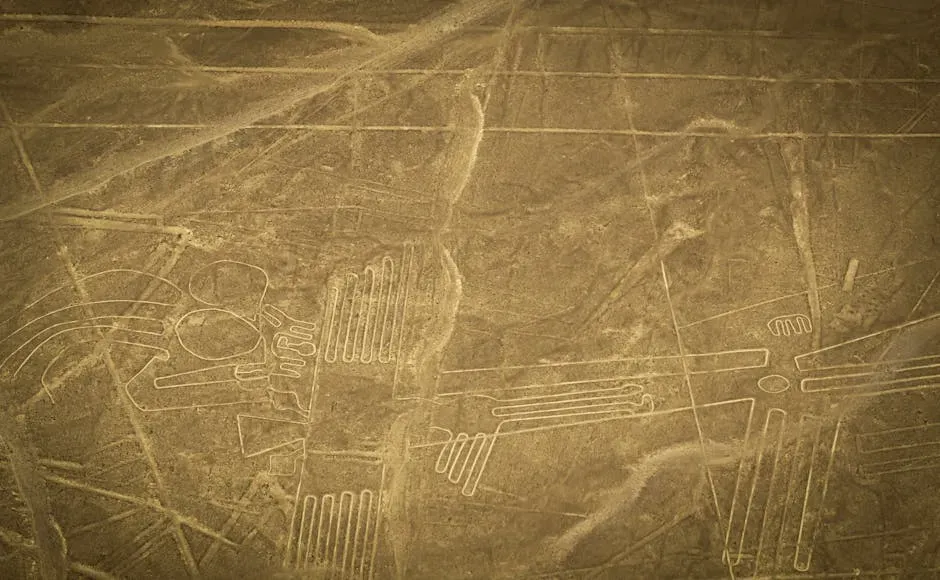
High in the Peruvian desert, straight lines, animal figures, and geometric shapes stretch for kilometers, etched into the earth by removing dark surface stones to reveal lighter soil beneath. These Nazca lines were made by pre-Columbian cultures long before modern aircraft, yet many of the designs are best appreciated from the air. Archaeologists have proposed ritual, astronomical, and social explanations, including processional pathways, water symbolism, and sky-related ceremonies.
Despite active research, there is still no consensus that wraps every geoglyph in a single neat theory, and that ambiguity makes textbook writers uneasy. The lines tend to show up as a quirky side image in world history books, stripped of their deep mystery and complexity. Students rarely learn that ancient people could organize massive, landscape-scale art projects tied to belief systems and environmental challenges in ways that still puzzle experts today.
#9 The Indus Script: A Civilization We Still Can’t Fully Read
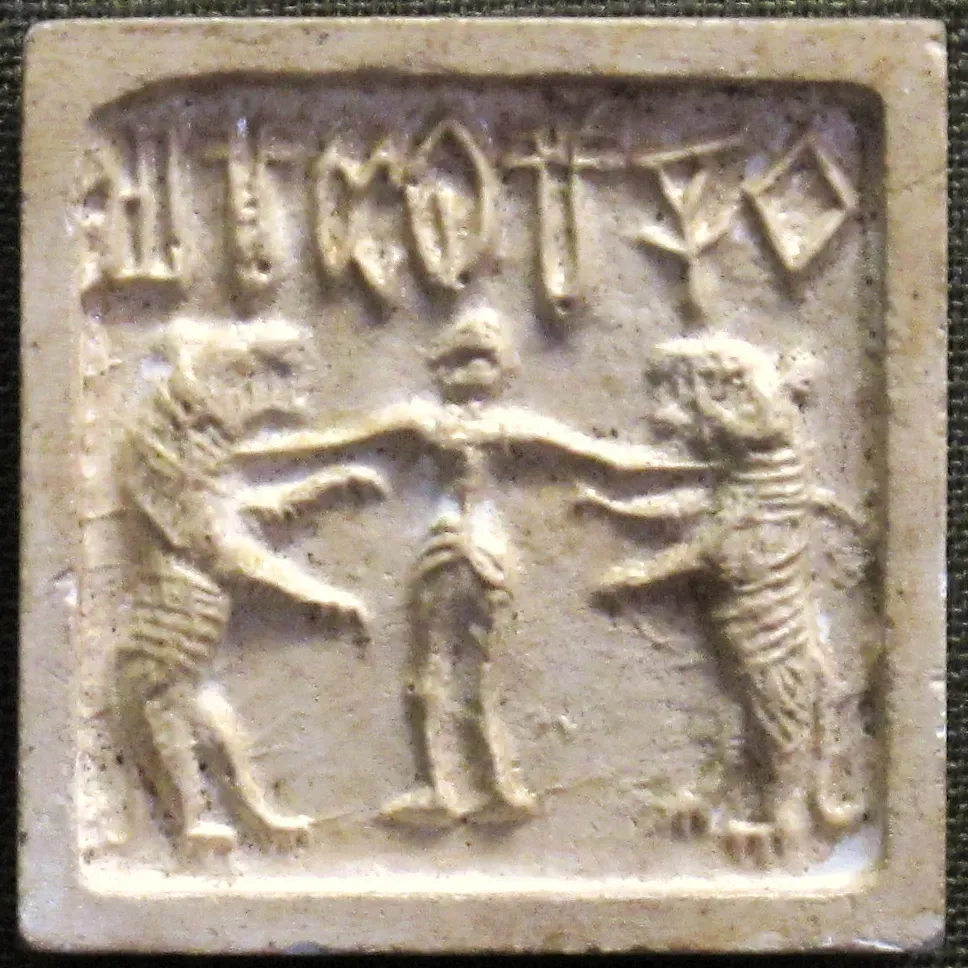
The Indus Valley Civilization, centered in what is now Pakistan and northwest India, once boasted large cities, standardized weights, and sophisticated drainage systems. Seals and pottery shards from its sites carry a compact script of tiny symbols that look tantalizingly like writing. Yet, unlike Egyptian hieroglyphs or Mesopotamian cuneiform, this script remains undeciphered, largely because we lack bilingual texts and long inscriptions that might reveal grammatical patterns.
In most schoolbooks, the Indus culture is reduced to a few paragraphs and neat diagrams of city grids, while its script is brushed off in a sentence or skipped altogether. That leaves learners with the false sense that we know the whole story when, in reality, a major Bronze Age civilization’s inner voice is still locked away. If we ever crack that system of signs, it could rewrite our understanding of early South Asian religion, trade, and political organization – but you would hardly guess that from the average classroom chapter.
#10 The Vinland Site At L’Anse aux Meadows: Vikings In North America Before Columbus
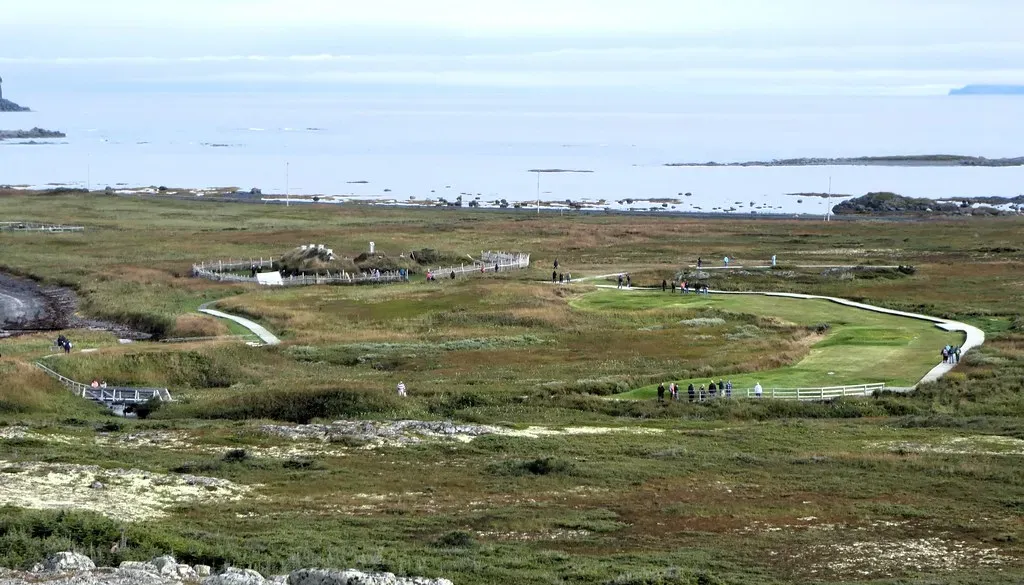
On the northern tip of Newfoundland, archaeologists uncovered the remains of Norse-style buildings, ironworking, and artifacts that convincingly show Viking settlers reached North America around the year 1000. This site, known as L’Anse aux Meadows, confirms that Europeans crossed the Atlantic roughly five centuries before Columbus. The evidence is solid, supported by radiocarbon dating and clear architectural parallels to known Norse settlements in Greenland and Iceland.
Despite that, many school narratives still treat 1492 as the beginning of sustained European contact with the Americas, relegating the Viking presence to a quick footnote if it appears at all. Part of the reason is that the Norse colonies in North America seem to have been short-lived, leaving little direct cultural continuity. Yet the reluctance to integrate this episode properly shows how attached textbooks are to tidy milestones and heroic “firsts,” even when the archaeological record paints a more complex, overlapping story.
#11 The “London Hammer” And Out-Of-Place Artifacts
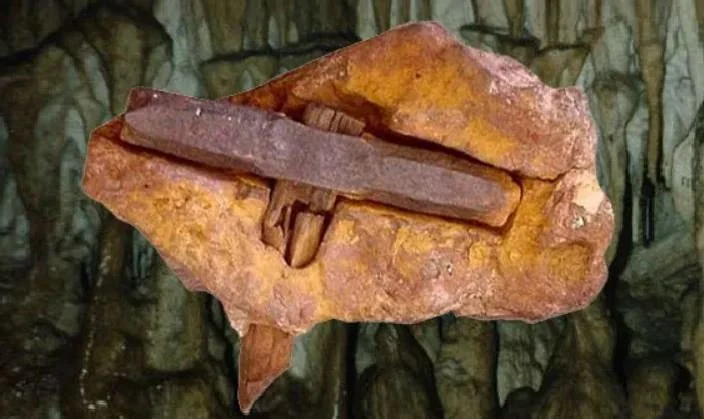
Every few years, photos of a hammer encased in rock – or a metal object in a coal seam – start circulating online as proof that modern tools are millions of years old. The so-called London hammer, found in Texas, is one of the more famous examples. Skeptical geologists argue that mineral concretions can form around relatively recent objects, giving the illusion of deep antiquity, while enthusiasts insist such finds demolish conventional geology and archaeology.
Most professional archaeologists see these artifacts as curiosities or misinterpreted geological oddities, not serious challenges to the timeline of human technology. But the fact that these items never show up in textbooks, even as classroom case studies in how to evaluate extraordinary claims, is telling. Instead of teaching students to dissect the evidence and understand why experts remain unconvinced, curricula often pretend the whole topic does not exist, which leaves the field wide open for sensational online narratives to fill the gap.
#12 The Pyramids’ Construction Techniques: More Than Just Slave Labor And Ramps
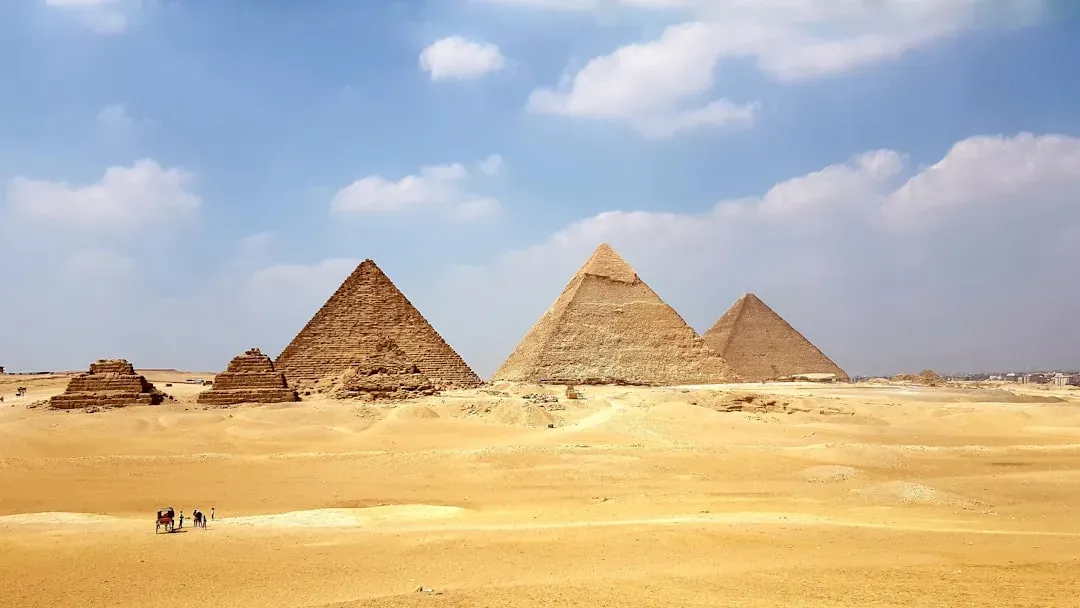
For decades, the popular image of ancient Egypt has been endless lines of slaves hauling stones up huge ramps to build the pyramids. Excavations at workers’ villages near Giza, however, paint a different picture: teams of skilled laborers, housed and fed by the state, organized into work gangs with surprising levels of engineering knowledge. Studies of the blocks and quarries have also led to more nuanced models of how stones were cut, transported, and placed, including clever use of sledges on wet sand and precisely planned alignments.
These details complicate the old cinematic image of brutal, disorganized drudgery and highlight an advanced logistical system that does not fit the simplistic “ancient equals primitive” trope. Yet many textbooks still cling to vague phrases and outdated diagrams rather than embracing the full sophistication of what the evidence suggests. By downplaying how smart and organized these builders really were, we end up underestimating ancient capabilities and oversimplifying one of humanity’s most impressive engineering achievements.
#13 The “Tartaria” Craze And Real Forgotten Empires
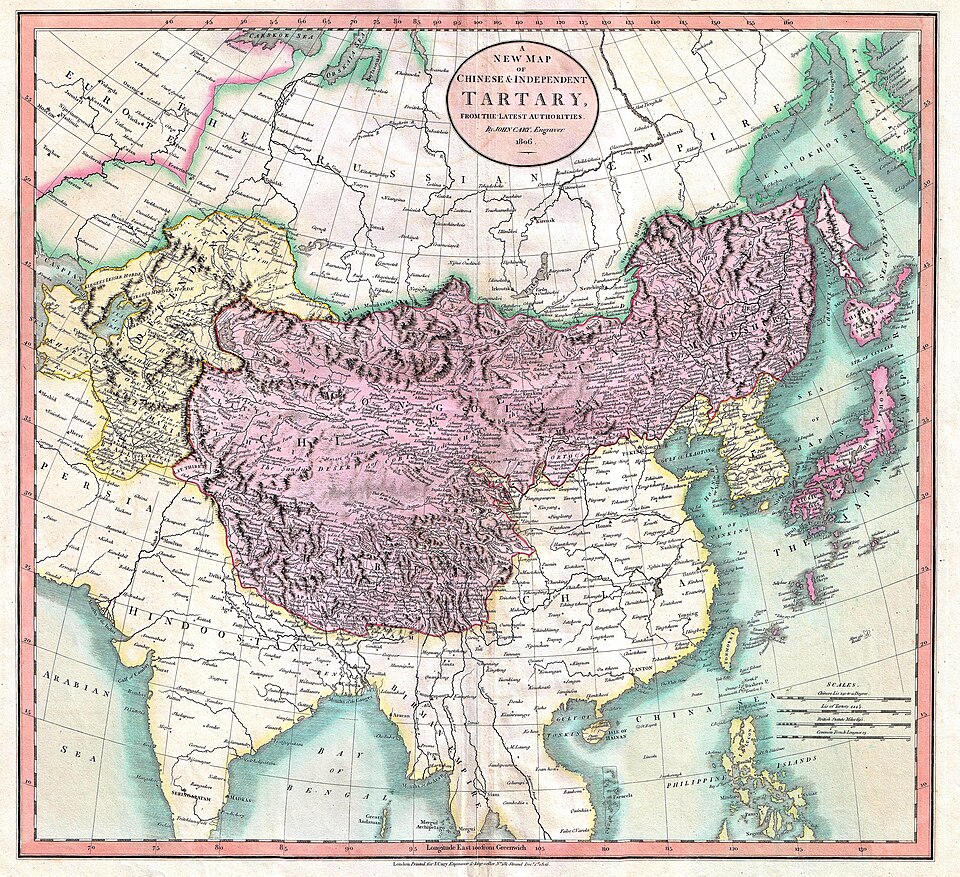
In recent years, social media has revived an old nineteenth-century label, “Tartary” or “Tartaria,” spinning it into a mythic lost global civilization that supposedly built grand architecture all over the world. Historians point out that the term originally referred rather loosely to Central Asian regions and peoples, not to a single unified empire with mysterious technology. Still, the popularity of these claims taps into a very real feeling that major non-Western polities have been minimized or blurred in mainstream history.
While the modern “Tartaria” trend overreaches, there were genuinely powerful and sophisticated steppe confederations and Central Asian states that left fewer stone monuments and more ephemeral traces. Many schoolbooks gloss over these in just a few lines, focusing almost entirely on Europe, China, and the Mediterranean. That vacuum makes it easier for speculative narratives to rush in. Instead of tackling the myth head-on and using it to highlight real, understudied cultures, official curricula often ignore the entire conversation.
#14 The Yonaguni Structures: Natural Formation Or Sunken Megaliths?
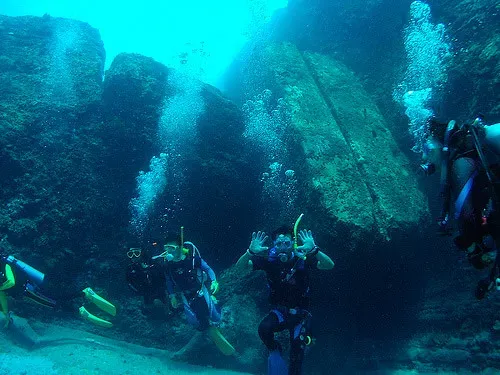
Off the coast of Japan’s Yonaguni Island lies a series of underwater terraces, steps, and flat surfaces that some divers and researchers interpret as the remains of a submerged, man-made complex. Others argue that the shapes are perfectly consistent with natural sandstone fracturing and erosion, especially in a tectonically active region. The debate has dragged on for years without a clear consensus, in part because the site combines regular geometry with features that could plausibly form without human intervention.
This is exactly the kind of ambiguous case that could teach students how to weigh competing hypotheses and understand how geology and archaeology overlap. Instead, it barely appears in mainstream educational materials. The result is that people encounter Yonaguni mainly through documentaries and social media fragments, often presented as either indisputable proof of a sunken civilization or a total hoax, rather than the nuanced, unresolved puzzle it actually is.
#15 Pre-Clovis Stone Tools At Gault And Other North American Sites
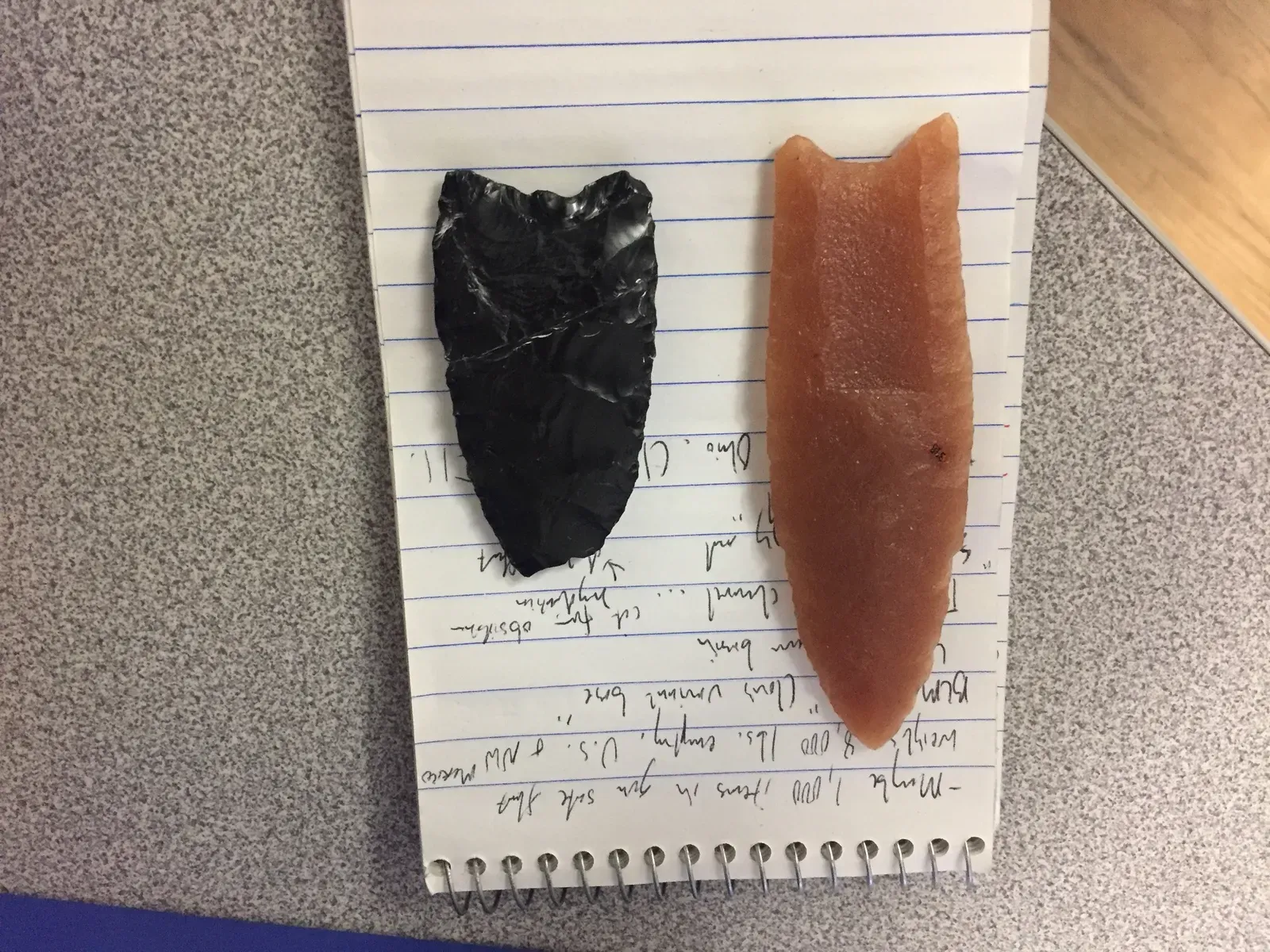
Excavations at places like the Gault site in Texas and Monte Verde in Chile have turned up stone tools, hearths, and other traces that predate the once-sacred Clovis horizon. At Gault, layered deposits show a rich sequence of human activity stretching back beyond the classic big-game-hunting toolkit presented in textbooks as the first American culture. These assemblages look different from Clovis technology, suggesting multiple groups adapted to diverse environments in their own ways.
For years, evidence that contradicted the Clovis-first model was treated skeptically, sometimes dismissed as contamination or misdating. Now that multiple sites support earlier occupation, the field has largely moved on, but school materials lag behind. Many still present Clovis as the starting gun, with only a vague nod to “possible earlier sites,” rather than acknowledging that the entire peopling narrative has been reworked by decades of patient, careful digging.
#16 The Copper Mines Of The Great Lakes: Trade Networks Beyond The Textbook Map

Around the upper Great Lakes, archaeologists have identified ancient copper mining activity dating back thousands of years. Indigenous communities extracted native copper from pits and veins, then hammered it into tools, ornaments, and trade goods. These objects have been found far from the mining regions, indicating wide-ranging exchange networks long before European contact. The scale is impressive, yet you rarely see school maps illustrating the full spread of this metal trade.
Some fringe theories jump from this evidence to sweeping claims about Old World sailors secretly exploiting North American copper, but the actual archaeological record does not require such leaps. What it does show is that complex resource extraction and long-distance trade were not limited to so-called “high civilizations” with writing and monumental stone architecture. By sidelining this story, textbooks miss a powerful example of Indigenous innovation and economic organization across vast territories.
#17 The Saqqara “Bird” And Aerodynamic Curiosities
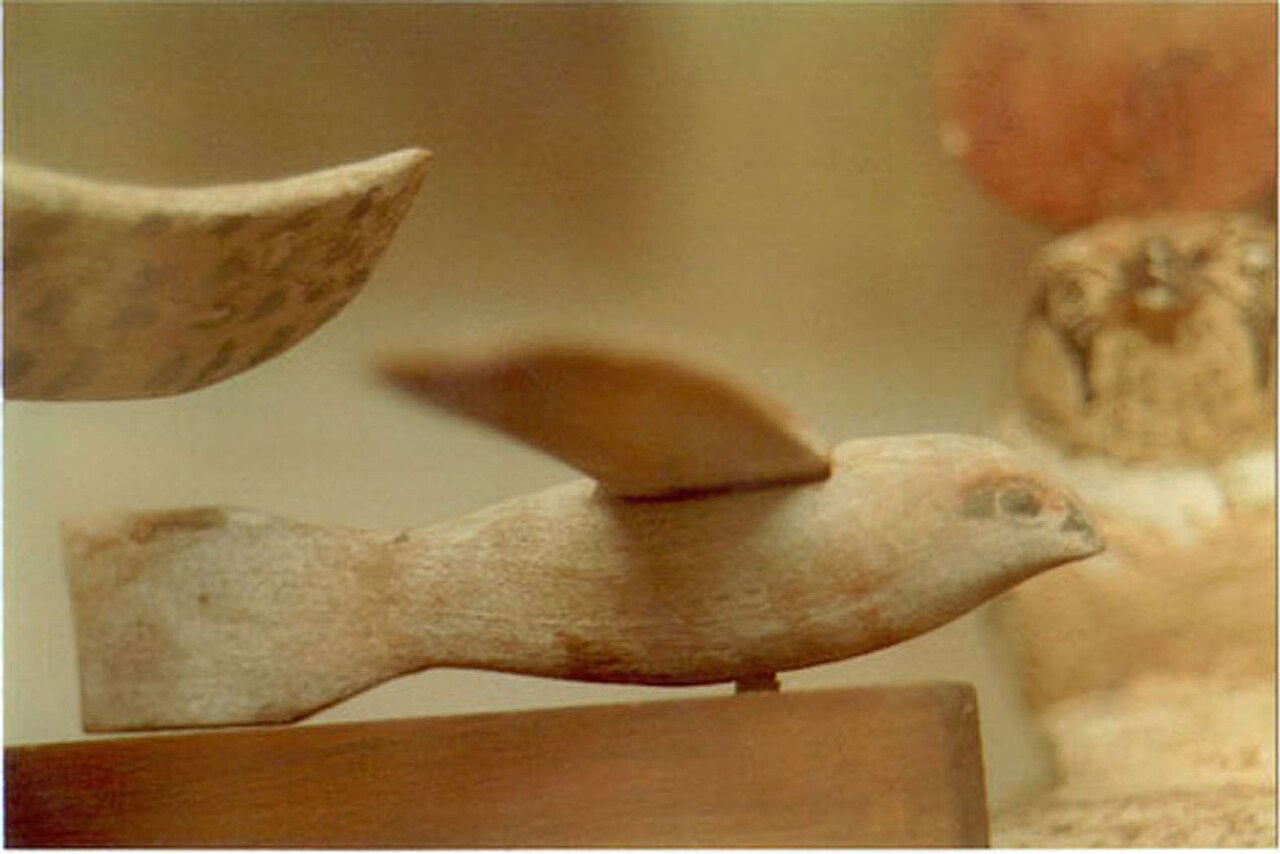
Among the artifacts from ancient Egypt is a small wooden object from Saqqara, shaped something like a bird with stylized wings. Some have argued that its form is surprisingly aerodynamic and could hint at early experimentation with gliding or flight principles. Skeptics counter that it is just a ceremonial or symbolic piece, perhaps representing a bird or a religious concept without any technological intent behind its shape.
Whatever the case, this and similar objects highlight how easily modern observers can project present-day obsessions – like powered flight – onto ambiguous ancient items. Rather than using such debates as teaching tools to explore bias, interpretation, and the limits of evidence, most classroom materials skip them. That silence encourages an all-or-nothing mentality: either ancient people had secret aircraft, or they were entirely oblivious to aerodynamic forms, when the truth is likely somewhere more subtle in between.
#18 The “Shroud Of Turin” As An Archaeological Puzzle
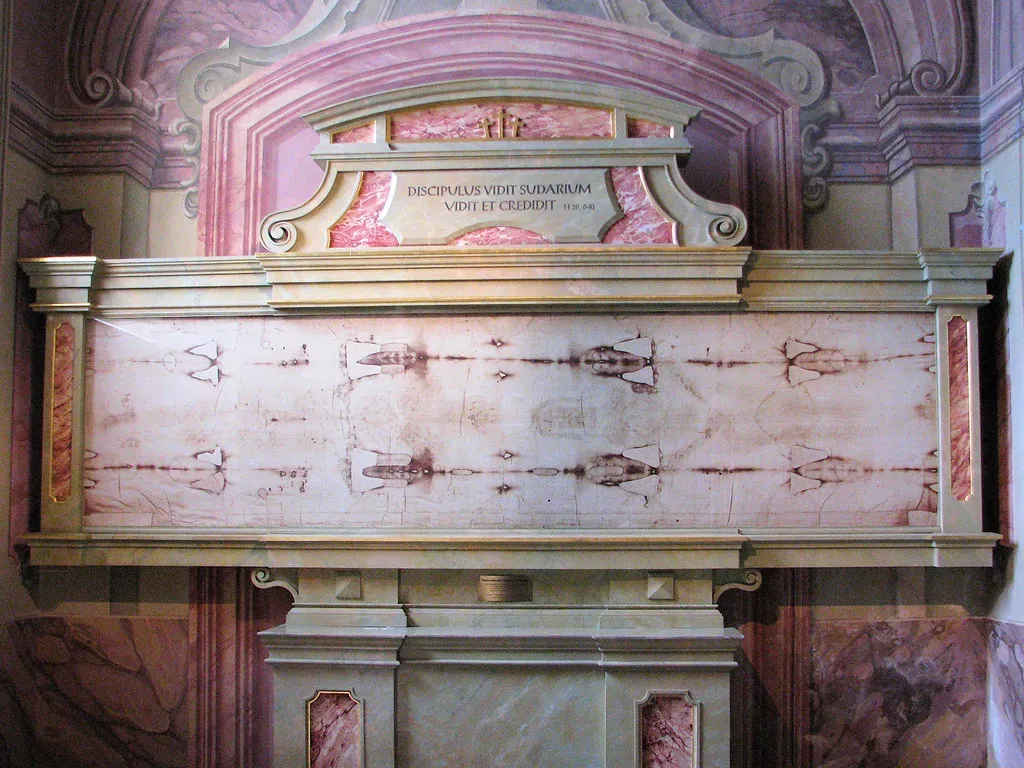
The cloth known as the Shroud of Turin is more often discussed in religious circles than archaeological textbooks, but it raises technical questions that belong squarely in the history of material culture. Radiocarbon dating in the late twentieth century suggested a medieval origin, while later studies argued that contamination or repairs might have skewed the results. Meanwhile, textile experts, imaging specialists, and chemists have debated how the image was formed in the first place and whether it matches fabrics from particular historical periods.
Because the shroud is wrapped up in deep personal beliefs, educational systems tend to avoid it entirely, fearing controversy more than confusion. Yet it’s a prime example of how dating techniques, laboratory methods, and interpretive frameworks can collide, sometimes producing conflicting results that must be carefully weighed. By ignoring it, textbooks lose a chance to show students that even high-profile artifacts can remain unresolved puzzles, with science and skepticism working hand in hand rather than against each other.
#19 The Rapid Rise Of Early Cities: Çatalhöyük, Jericho, And The Urban Leap
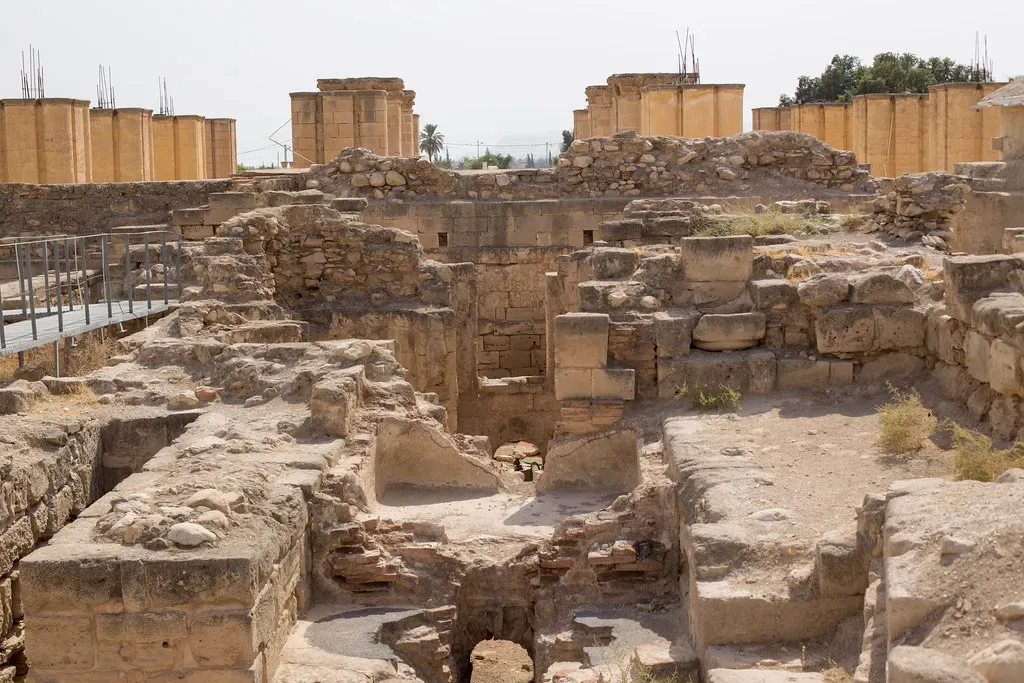
Sites like Çatalhöyük in modern Turkey and ancient Jericho in the Levant reveal dense settlements with multi-story housing, intricate wall paintings, and evidence of complex ritual life going back many thousands of years. These communities emerged far earlier than the classic Mesopotamian city-states usually credited as the first urban centers. The archaeological layers show that people experimented with crowding, shared walls, and communal spaces long before writing or formal states appeared.
Textbooks often compress this deep urban prehistory into a quick prelude, jumping swiftly to the more dramatic empires of Sumer, Akkad, and Babylon. That shortcut hides the reality that city life did not arrive as a tidy package, but in fits and starts, with earlier communities trying – and sometimes failing – to balance cooperation, conflict, disease, and resource pressure. By downplaying these early experiments, we miss the messy trial-and-error process that actually gave rise to what we now call civilization.
Conclusion: Why These Discoveries Keep Slipping Out Of Sight
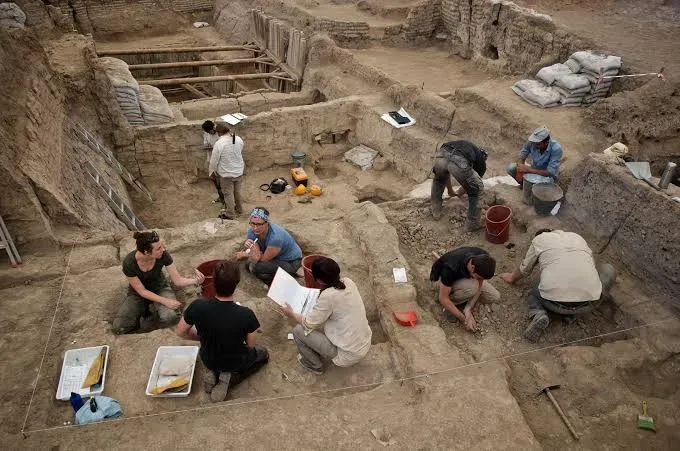
Looking across these nineteen cases, a pattern emerges that feels uncomfortably familiar: whenever evidence complicates a clean story, our institutions tend to sideline it rather than wrestle with the mess in public. That doesn’t mean there’s a secret cabal erasing artifacts in a basement vault, but it does reveal how powerful habits, politics, and educational convenience can be. Textbooks are written to be stable, testable, and easily digestible, while real archaeology is unstable, argumentative, and full of maybes – and the maybes are often where the most exciting truths are hiding.
Personally, I think we underestimate students. Most kids and adults can handle uncertainty if you treat them with respect and invite them into the process instead of feeding them a polished script. These “quietly removed” discoveries are not proof that everything we know is wrong; they’re reminders that the story of humanity is still under construction, and sometimes the foundations shift under our feet. Maybe the real question is not what experts are hiding, but why we keep insisting on history that never surprises us. Which of these puzzles made you most curious to go looking for the longer, messier version of the past?