You have probably swatted a fly or brushed off an ant without thinking twice about what that tiny creature might be experiencing. For a long time, people assumed that insects and many other animals were more like tiny robots, running on pure instinct with no real inner life. Yet over the last couple of decades, scientists and philosophers have quietly been building a very different picture of the animal world, and it is both unsettling and strangely beautiful.
Today, an increasing number of experts argue that insects and a wide range of other animals likely have some form of consciousness. Not human-style self-reflection or philosophical brooding, but genuine feelings, perceptions, and maybe even a basic sense of self. When you take this seriously, everyday scenes – a bee visiting flowers, a crab hiding under a rock, a fly buzzing at your window – start to look completely different. You are not just looking at moving parts; you are looking at lives that may be experienced from the inside.
The New Scientific Consensus: Consciousness Is Not Just for Humans
If you grew up thinking that consciousness is a special human superpower, you are not alone. For a long time, many scientists avoided the topic altogether, because it felt too mysterious and unmeasurable. But that has changed. As brain imaging, behavioral experiments, and animal cognition studies got better, you started to see a pattern: lots of animals show signs that they are not just reacting, but actually experiencing.
In recent years, international groups of neuroscientists and philosophers have publicly stated that many nonhuman animals probably have some kind of conscious experience. You see this in declarations that mention mammals, birds, and even some invertebrates as likely conscious beings based on brain structure and behavior. Instead of treating consciousness as an all-or-nothing switch that flips on in humans only, more experts now talk about a spectrum, where different species have different flavors and levels of awareness. You are essentially living in the era where the scientific default is shifting from doubt to serious consideration.
Why Insects Are Suddenly on the Consciousness Radar
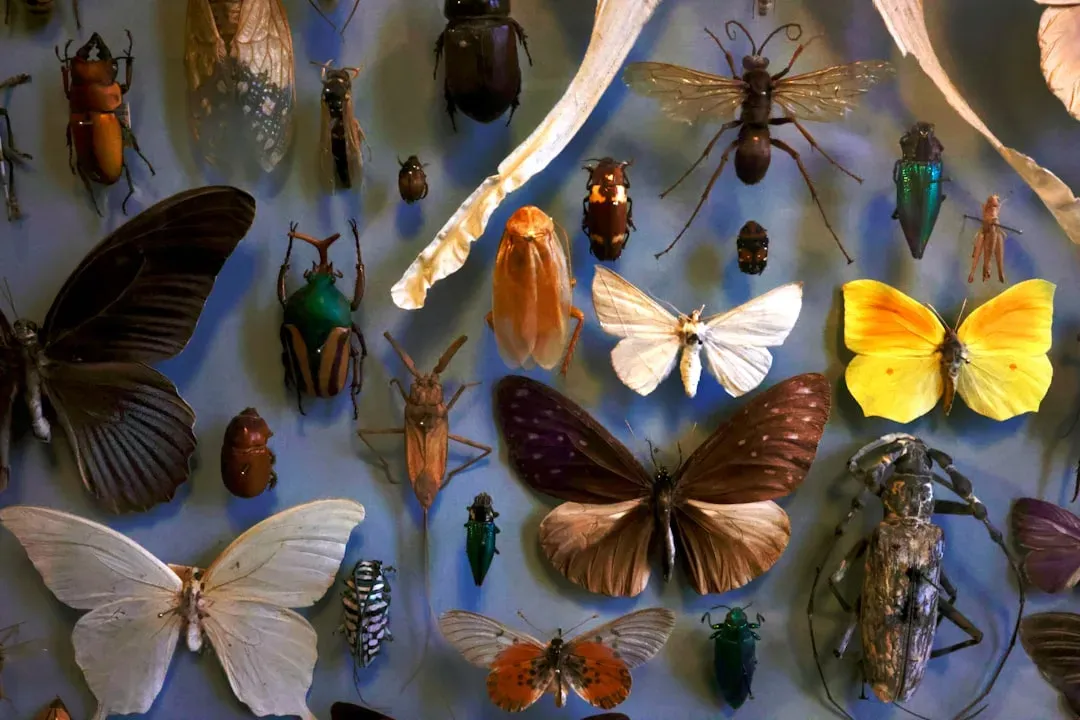
You might be wondering why insects, of all creatures, are now at the center of the conversation. After all, their brains are tiny, their lives are short, and they do not look particularly reflective when they crawl across your kitchen counter. But when you look closely at what insects can actually do, the story gets surprising very fast. You start to notice that size is not everything.
Bees, for example, can learn, remember, and even pass on information. Some experiments suggest they can count small numbers, recognize human faces, and make trade-offs when solving problems. Fruit flies can show sleep patterns that look strangely like yours, including being grumpy when sleep-deprived. Ants can navigate complex mazes, remember routes, and adapt when the world changes. When you put these abilities side by side, it becomes harder to say that nothing is happening “inside” those tiny heads.
Brains, Networks, and Why Size Does Not Kill Consciousness
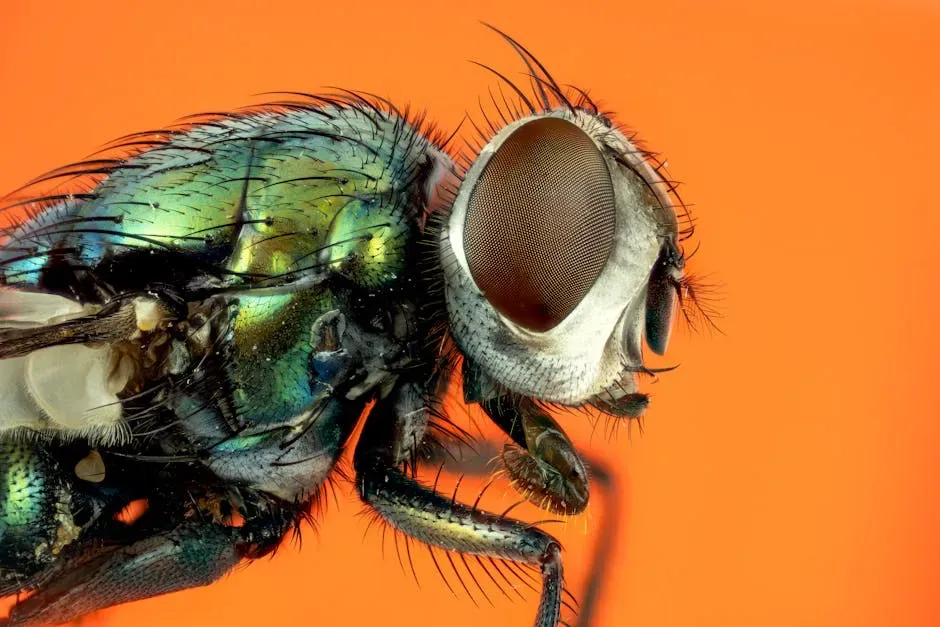
At first glance, you might think that a brain has to be big and wrinkled to be conscious, like a human’s or a dolphin’s. But the more neuroscientists study how brains work, the more they see that it is not just about size. What really matters is how information flows, how different regions interact, and whether there is a unified space where signals get integrated. In that sense, an insect brain is small but extremely efficient, like a microchip compared to an old bulky computer.
Some researchers look at patterns of connectivity and ask whether a system can pull separate pieces of information together into a single experience. When you apply that question to insects, you find coherent neural circuits, specialized regions for vision, smell, decision-making, and even flexible routing between them. You are essentially looking at a compact, high-performance control center rather than a random cluster of nerve cells. That makes it plausible that, in its own minimal way, an insect could have a felt point of view on the world.
Behavior That Looks a Lot Like Feeling
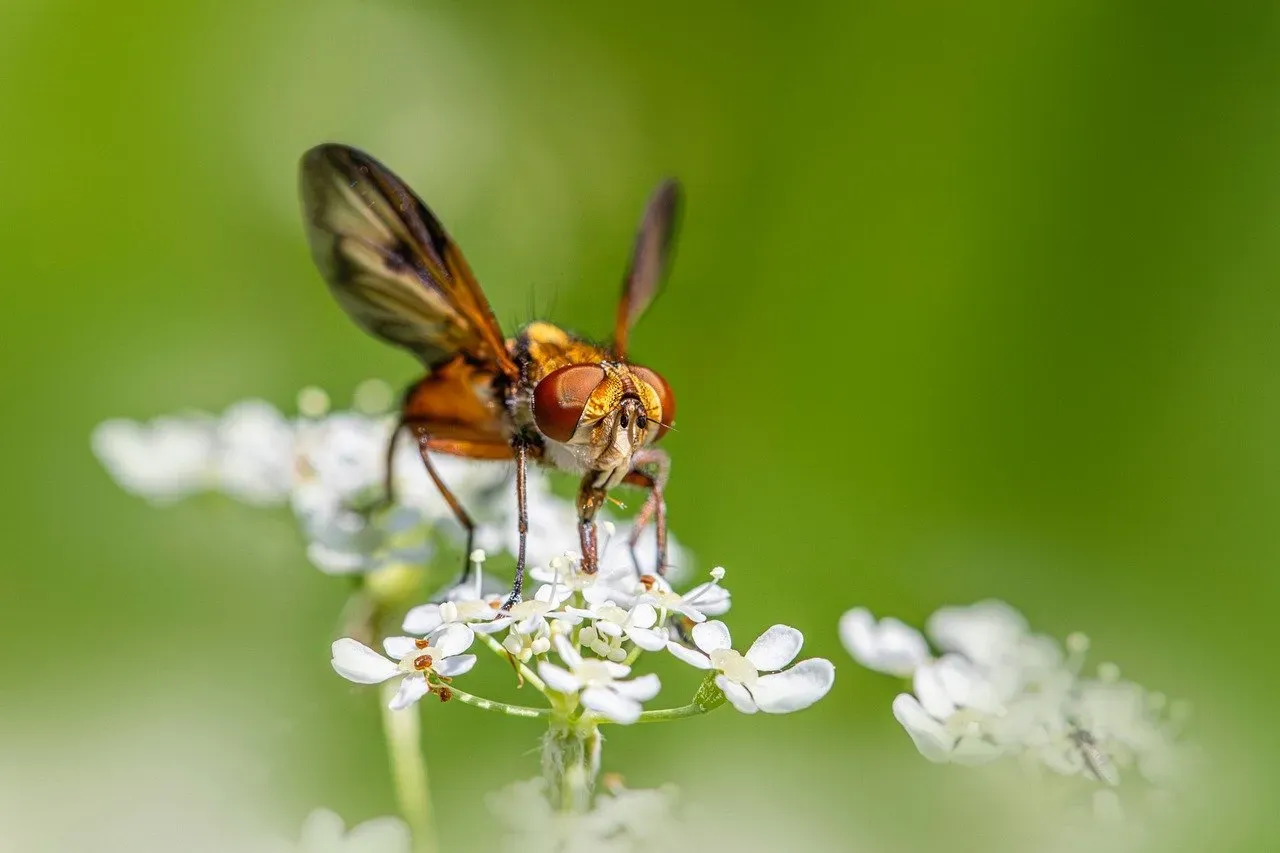
One of the most direct ways you can guess whether another being is conscious is by watching how it behaves in different situations. If an animal changes its behavior in ways that suggest learning, anticipation, or preference, you start to suspect that there is more going on than reflex. Insects often do these things in ways that are hard to dismiss as simple, pre-programmed responses.
For example, some insects seem to avoid locations where they were previously injured or stressed, even when the obvious external trigger is gone. Others show altered behavior after repeated exposure to unpleasant stimuli, almost like a basic form of anxiety. When you see creatures making trade-offs, exploring new options, or persisting in what looks like problem-solving, it becomes tempting to see them not just as moving bodies but as experiencing agents trying to manage their tiny worlds. You may never know exactly what it feels like to be a bee or beetle, but their actions suggest there is something it is like for them.
Pain, Pleasure, and the Ethics of Tiny Lives
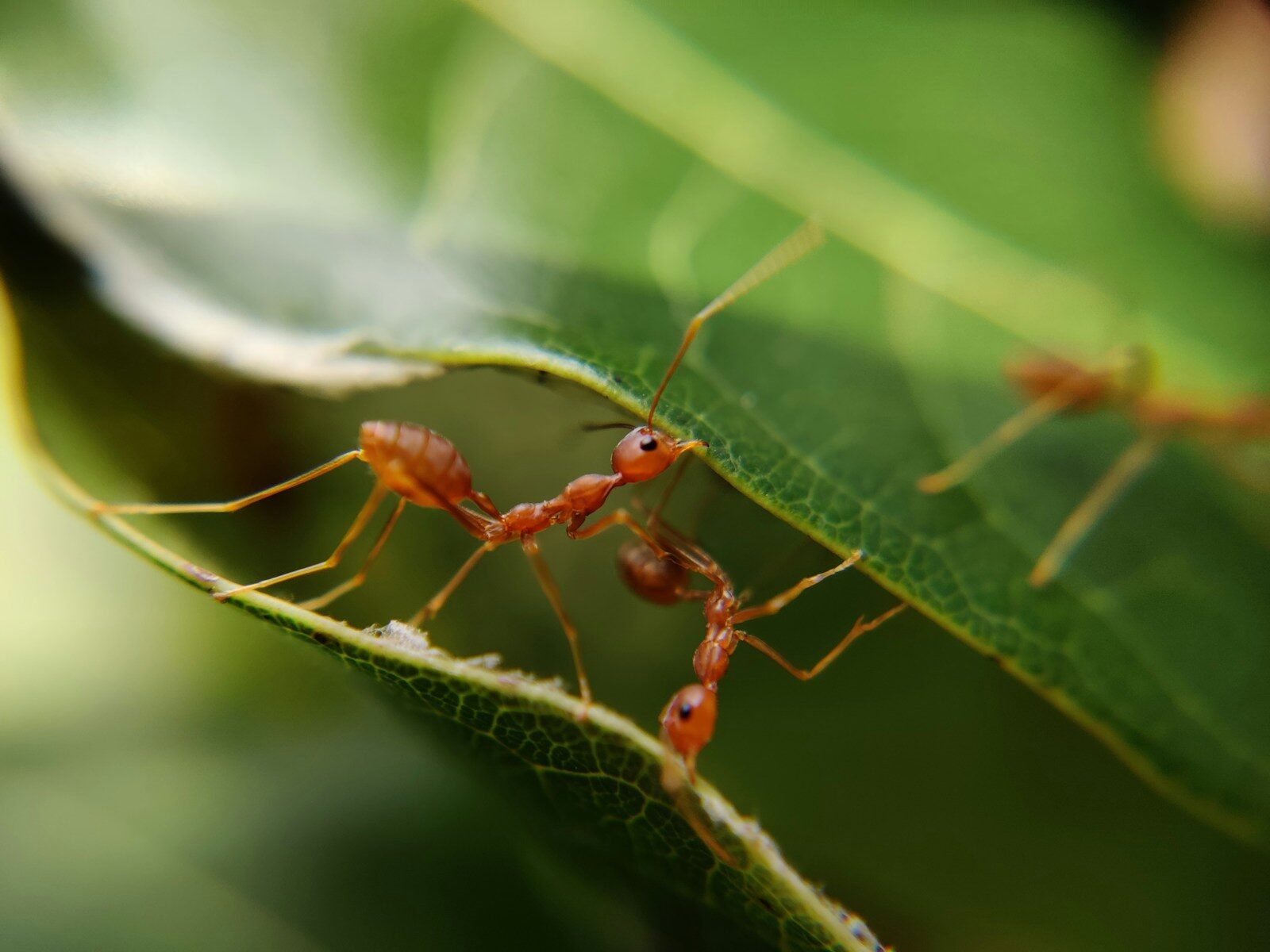
Once you accept that insects and other small animals might be conscious, even at a very basic level, your moral landscape shifts. Most people agree that if a being can feel pain or pleasure, you owe it at least some consideration. You might already extend this to dogs, cats, or birds without thinking twice. But now you are being asked to extend that circle, at least a little, to creatures you have probably ignored or even killed without a second thought.
Some experiments suggest that insects can show pain-like responses that go beyond simple reflexes, such as long-lasting changes in behavior after injury, or apparent relief when certain substances are given. If those responses reflect something like suffering, then your everyday actions – stepping on ants, spraying wasps, boiling lobsters – suddenly look morally loaded. You do not need to treat a mosquito like a person, but you might start to see that “it is just a bug” is not a complete ethical argument anymore.
How This Changes Farming, Research, and Everyday Habits
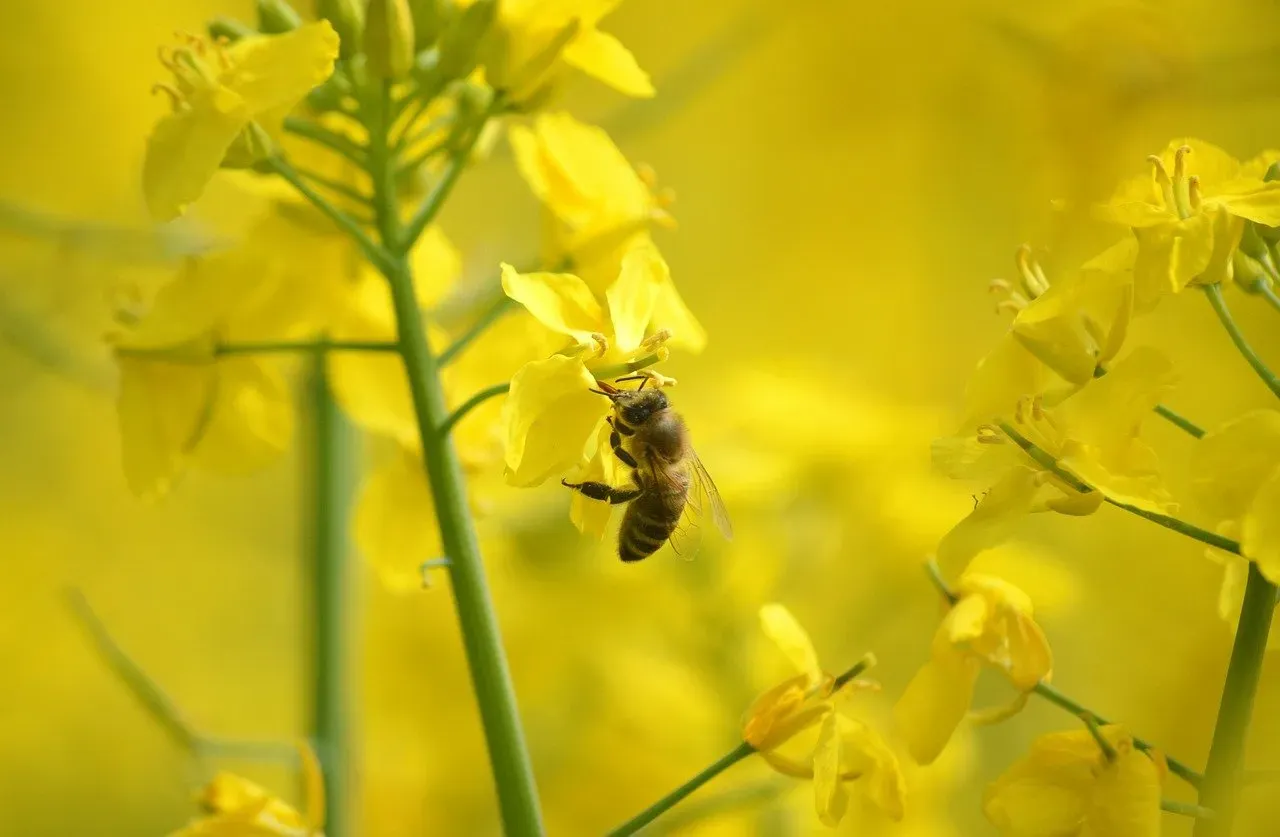
You live in a world where trillions of insects and other small animals are affected by human decisions every year. They are raised as food for other animals, used in labs, killed as pests, or displaced by environmental changes. If you accept that at least some of them are conscious, even in a limited way, then the scale of possible suffering becomes enormous. That might sound overwhelming, but it also means you have room to make meaningful changes.
In practice, this could push you to support farming methods that reduce unnecessary suffering, or to favor research that uses fewer animals or less harmful techniques. You might become more thoughtful about using pesticides or casually harming animals when it is not necessary. Even small shifts – like gently moving a spider outside instead of crushing it – can be a quiet way of recognizing that you share the planet with beings that have their own fragile experiences, however simple they may be.
Rethinking Your Place in the Tree of Life
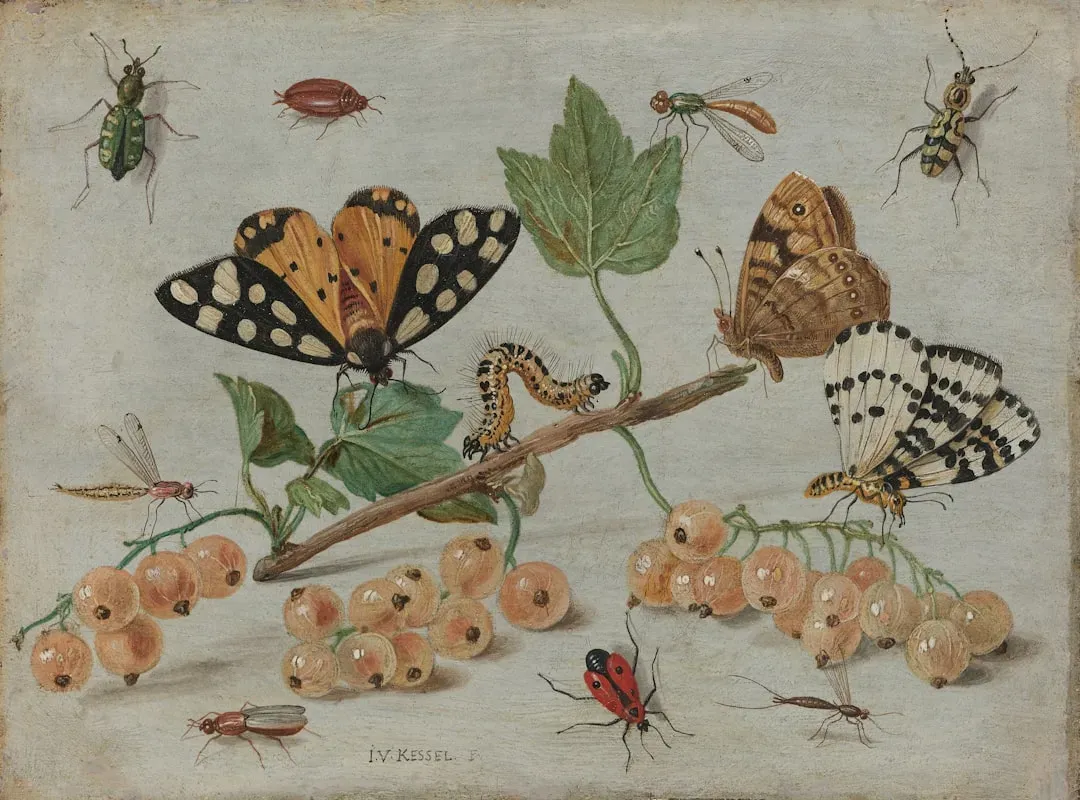
When you realize that consciousness may be widespread, you start to see yourself less as the pinnacle of evolution and more as one branch on a huge, messy tree of feeling creatures. That does not mean you have to pretend that a fly is the same as a person; your mind is wildly more complex. But you might start to feel a sense of kinship, however distant, with other animals who also navigate danger, seek resources, and respond to the world in ways that matter to them.
This shift can be humbling and strangely comforting at the same time. Instead of standing alone at the top, you are surrounded by countless other centers of experience, each tiny consciousness flickering through its brief life. You become part of a vast community of beings that in some way feel, react, and care about their immediate realities. That kind of perspective can soften how you move through the world and how you treat the creatures that cross your path.
How to Live Differently When You Take Animal Consciousness Seriously
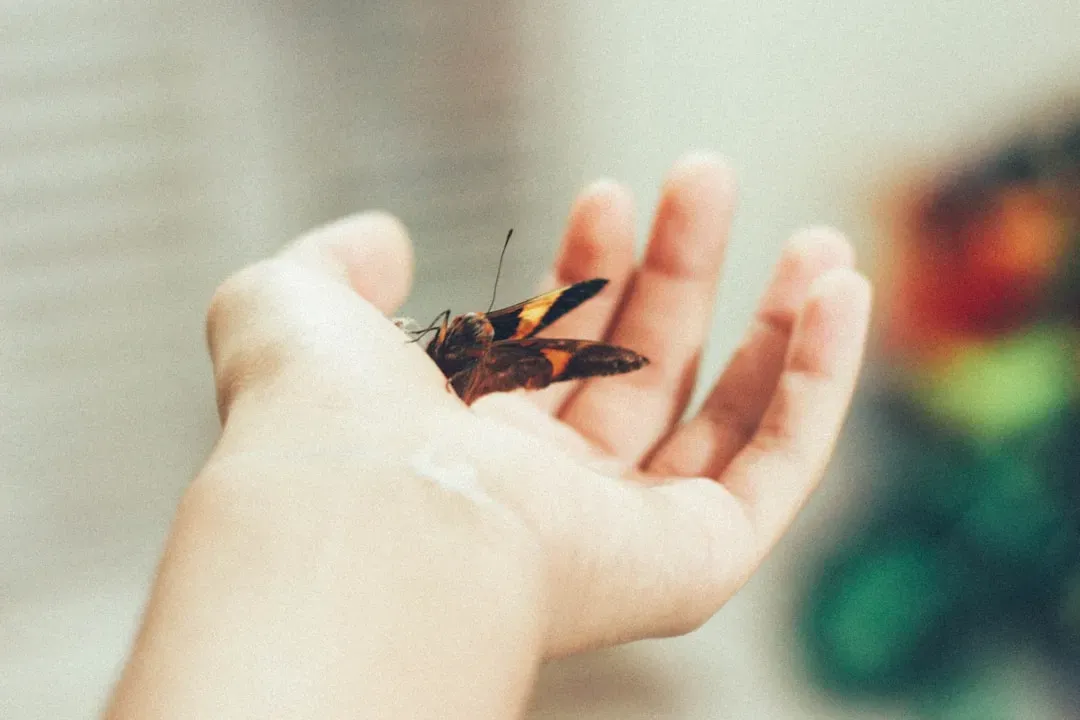
So what are you supposed to do with this knowledge, other than feel slightly guilty about all the bugs you have squashed? You do not need to become perfect or never harm another creature again; life just does not work that way. But you can start by adding one simple filter to your decisions: if an animal might be conscious, is there a kinder way to handle this situation?
That could mean choosing products that are tested more humanely, supporting policies that reduce suffering in farming and fishing, or just pausing before you act when an animal annoys you. You might teach children to respect small creatures instead of treating them like toys or targets. Over time, these choices add up. You become someone who does not just talk about compassion in the abstract, but quietly applies it, even to beings whose inner worlds you will never fully understand.
Conclusion: A World Alive with Many Kinds of Minds
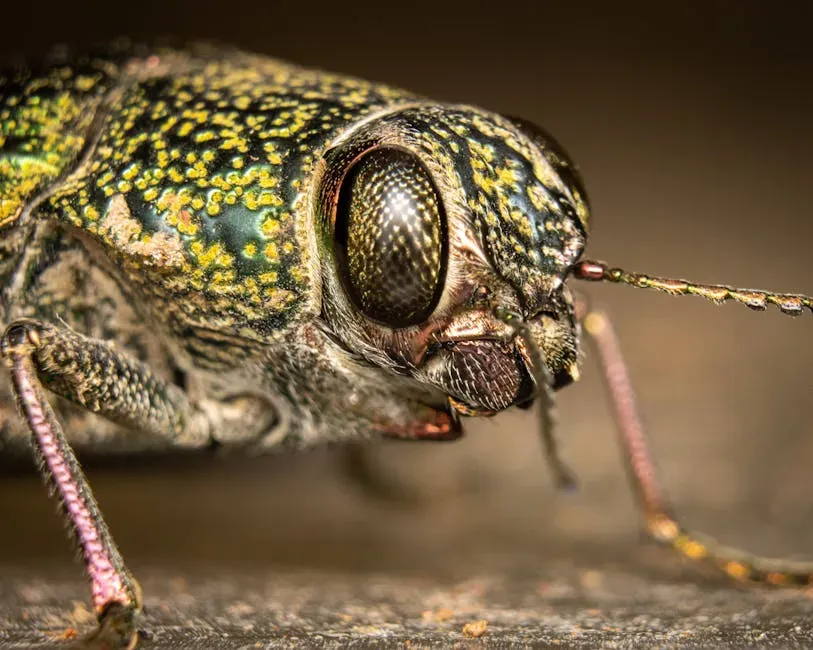
When experts say that insects and other animals likely have consciousness, they are not handing you a neat, simple answer. They are inviting you into a world that is messier, more uncertain, and far more alive than the old picture of mindless creatures and isolated human awareness. You are asked to hold two ideas at once: that your consciousness is uniquely rich, and that it is also just one variation among many possible ways of being aware.
If you let that idea sink in, everyday life starts to look different. A bee at a flower, a spider in a corner, a crab in a tide pool – they stop being background objects and start to feel like neighboring perspectives, briefly overlapping with yours. You may never know exactly what they feel, but you can choose to act as if those feelings matter, even a little. In a world full of uncertain minds, that might be one of the clearest, most grounded forms of respect you can offer. How differently might you move through your day if you treated every small life as a maybe, instead of an obvious no?