If you have ever watched a cat stare into space, a plant turn slowly toward the sun, or a flock of birds change direction all at once, you have probably felt that nagging question: how much of this is just automatic, and how much is some kind of experience? You are told that humans have consciousness, maybe some mammals too, but everything else is usually treated as mindless machinery. Yet the more you look at life closely, the harder it becomes to draw a clean line between things that feel and things that do not.
The “living mirror” theory is a way of making sense of this. Instead of asking which creatures are conscious, you ask how any living system can begin to mirror its world, and itself, from the inside. When you see every organism as a self-maintaining, self-updating mirror, the old question of who is conscious turns into a spectrum rather than a yes-or-no test. You are not lowering humans; you are raising your view of life in general, while still keeping the science in focus.
How the “living mirror” idea reframes consciousness
When you hear the word consciousness, you probably jump straight to human-style awareness: language, self-talk, complex thoughts, your sense of being a person. But underneath all that, there is a simpler core: something it is like to be a system that keeps track of itself in a changing world. The living mirror idea says you should look first at how a living thing continuously reflects what matters to its survival, then adjusts its behavior in real time.
You can think of an organism as a mirror that never stops updating; it is not a polished glass surface but a dynamic reflection that changes as it eats, moves, grows, and avoids harm. When you feel hungry, anxious, curious, or tired, that is your living mirror reconfiguring itself around what your body and environment are doing. Even at simpler levels of life, you still find this constant loop: sense, respond, update. The theory simply pushes you to treat that loop as the basic seed of experience, instead of drawing an arbitrary line above certain species.
Life as self-maintaining: why persistence matters for experience
If you want to see why consciousness might show up widely in living things, you need to start with what life is doing at the most basic level. Every cell on Earth is locked in a daily struggle to stay organized in a universe that tends to fall apart. It constantly pulls in energy, repairs damage, regulates internal chemistry, and holds its shape against chaos. You, right now, are a tower of such processes, silently working to keep you from dissolving into randomness.
This constant self-maintenance gives a living system a point of view, even if you would not call it a mind in the human sense. A bacterium “cares,” in a minimal but real way, about gradients of nutrients and toxins, because those conditions let it keep existing. When you zoom out, you see that caring is not some mysterious add-on; it is baked into the business of staying alive. The living mirror theory tells you that wherever there is a system fighting to hold itself together, there is at least a primitive form of being “for itself,” and that might be the faint root of consciousness.
From reaction to sense-making: how organisms build an inner world
You have probably seen simple textbook diagrams that show a stimulus leading to a response, like a light touching an eye and a muscle contracting. Those diagrams make organisms look like little machines that just react. The real picture is more layered: a living being filters, interprets, and reworks incoming signals based on its own structure and history. In other words, it does not just receive the world; it actively makes sense of the world.
When a plant bends toward light, it is not simply pushed like a rock rolling downhill. It measures light direction, compares it to its own internal growth patterns, and changes hormone levels to grow in a way that benefits its survival. In your case, when you hear a sudden noise, you do not just twitch; you evaluate whether to ignore, investigate, or flee, and that evaluation is shaped by memories and expectations. As you move up in biological complexity, you get richer and richer inner worlds, but the basic idea remains the same: a living mirror constructs a world that matters to it, and that process feels like something from the inside.
The spectrum of consciousness: from single cells to human minds
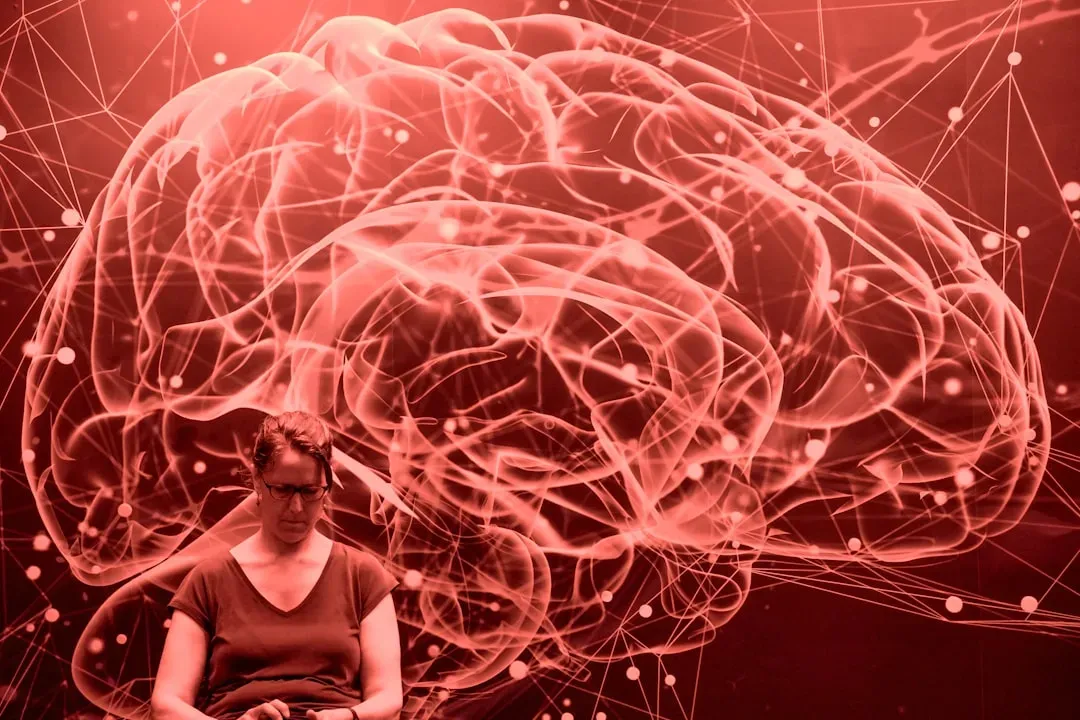
If you accept that living systems differ more in degree than in kind, you stop searching for a single magic threshold where consciousness flips on. Instead, you start seeing a spectrum that runs from extremely simple, moment-to-moment sensitivity all the way up to multi-layered self-reflection. A single cell tracks chemical gradients; a worm maps patterns of touch; a bird forms navigational memories; you build stories about who you are and what your life means.
On this view, your highly developed consciousness is the upper end of a long evolutionary slope. You inherit basic sensing, valuing, and self-preserving loops from ancestors that never had brains as you know them, but still needed to act in the world. Rather than saying some creatures are “in” and others are “out,” you treat consciousness as getting deeper, broader, and more structured as bodies and nervous systems become more complex. You still recognize that your inner life is vastly more elaborate than that of a fly, but you stop assuming the fly is an absolute zero.
Brains, bodies, and environments: why you cannot isolate the mind

When you think about consciousness, you might picture neurons firing inside a skull, as if the brain were a little command center floating above the body. The living mirror perspective pushes you to blur that boundary. Your experience arises from a tight partnership between brain, body, and environment, all tied together by constant loops of sensing and acting. You are not a brain trapped in a body; you are a whole organism embedded in a world that you continuously sample and reshape.
You can see this when you notice how your posture affects your mood, or how moving into bright sunlight can change not just your vision but your energy and motivation. In animals, the way a nervous system is wired reflects the shape of the body, the typical movements it makes, and the kind of world it lives in. Even in simpler organisms without a brain, there is still a pattern of bodily structure and environmental engagement that works together to maintain life. The living mirror is not just in the head; it is spread across the entire living system and the niche it inhabits.
What current science can and cannot tell you (yet)
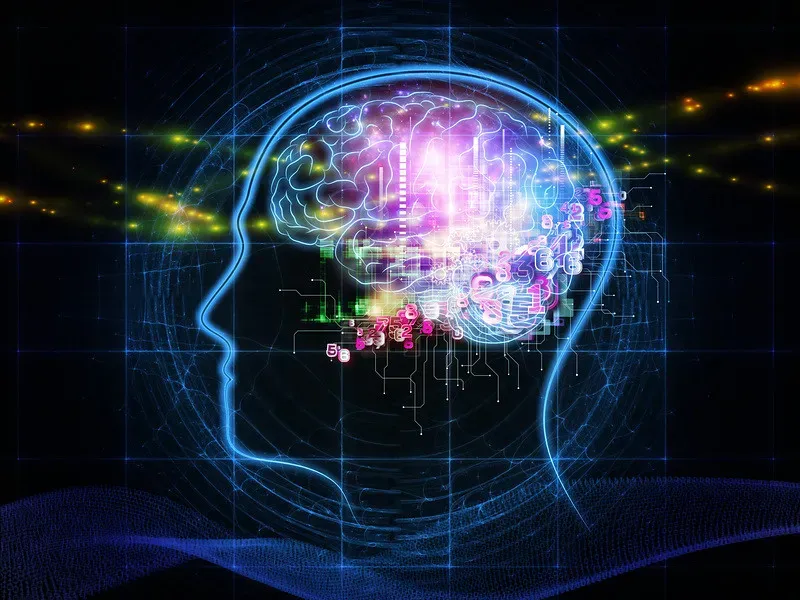
You might worry that all of this sounds intriguing but speculative, and that is a healthy instinct. Modern science can measure brain activity, track behavior, and model neural networks, but it still cannot look directly at experience itself. Researchers can say a lot about correlations, like which regions of the brain light up when you see a face or feel pain, yet they still argue about how and where consciousness actually arises. You are watching a field in active motion rather than one that has all the answers neatly settled.
At the same time, scientists are starting to use more careful tools and concepts to discuss levels of consciousness across species. They develop behavioral tests for attention and awareness, examine how different animals integrate information, and build mathematical models of how complex systems might become self-referential. These efforts do not prove that every living thing has a rich inner life, but they do keep eroding the idea that only one or two species count. For you, the practical takeaway is to keep your curiosity awake and your claims modest: the evidence suggests a broad, graded landscape, not a tiny island of mind in an ocean of dead matter.
Ethical ripples: how this changes the way you treat other life
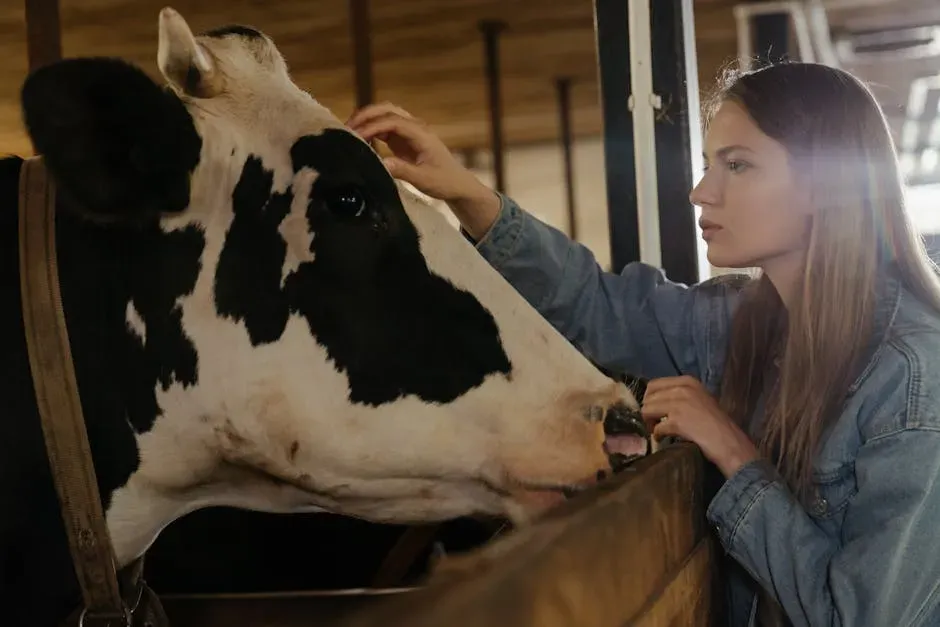
Once you start seeing other living beings as mirrors, not machines, your everyday choices begin to feel different. You might look at an insect on your window and hesitate a bit longer before swatting it, wondering whether there is a tiny point of view flickering behind those movements. You may start to question certain routine uses of animals, or feel a deeper responsibility toward ecosystems that carry countless small, fragile forms of experience.
This does not mean you must treat bacteria like people or stop eating plants. Instead, you are invited to develop a more layered sense of respect, where you recognize different degrees of complexity and vulnerability without denying the basic continuity of life. You can still set priorities and protect human well-being, but you do so with a broader circle of moral concern. In practical terms, that might look like supporting more humane farming practices, valuing biodiversity not just for its utility, and paying closer attention to how your technologies affect other living mirrors on this planet.
How the “living mirror” theory reshapes your view of yourself
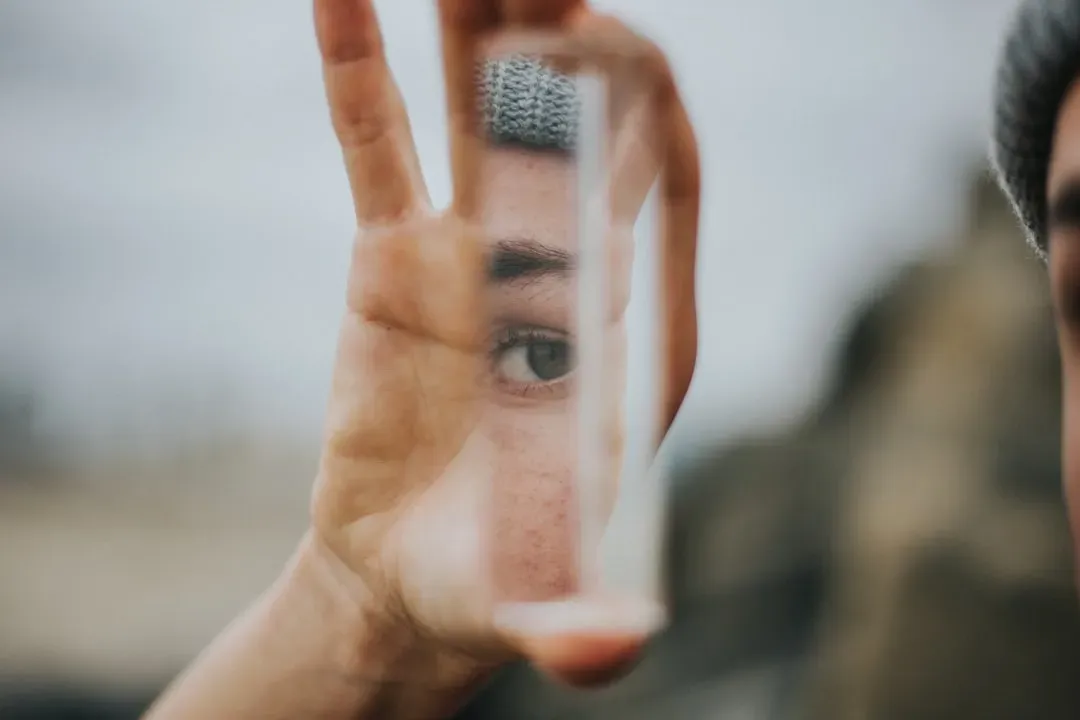
Perhaps the most surprising part of this whole perspective is what it does to the way you see your own mind. If you think of consciousness as a rare, all-or-nothing gift, you might feel alienated from the rest of nature, as if you were dropped here from somewhere else. When you recognize yourself as one expression of a general pattern of living mirrors, you begin to feel more rooted. You are still unique, but you are also continuous with every other organism that has ever fought to stay alive and make sense of its surroundings.
This can actually make your daily experience feel more grounded and less mysterious in a spooky way. Your moods, intuitions, and changing states of awareness become variations on the same self-regulating processes that keep your heart beating and your immune system tuned. You are not a ghost in a machine; you are a deeply layered organism whose inner life emerges from countless loops of sensing, acting, and updating. When you see it this way, you may find a new respect not only for other creatures, but for your own body and its quiet, lifelong labor of mirroring the world.
Conclusion: living in a world of mirrors
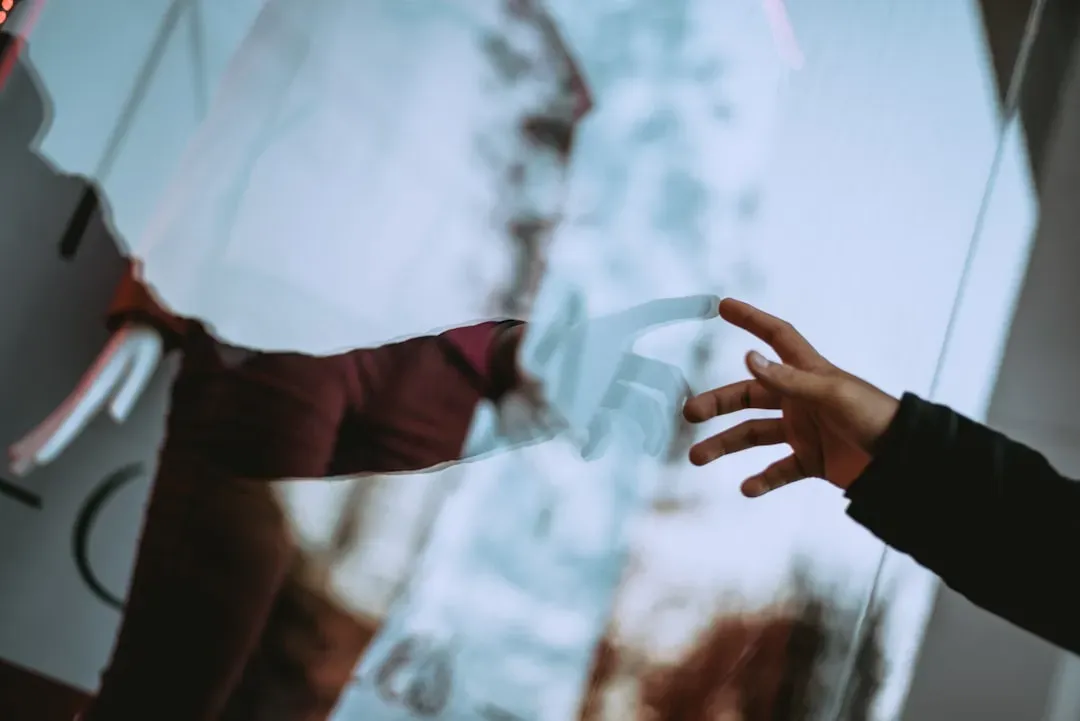
If you lean into the living mirror theory, you step into a world that feels more alive, more continuous, and more interconnected than the old picture of isolated, mechanical bodies occasionally blessed with minds. You start to see every organism as a locally organized reflection of its surroundings, bending light back in its own particular way, from the simplest cell to your own wandering thoughts. You still recognize enormous differences in richness and depth of experience, but you stop pretending there is an absolute cliff between creatures that feel and creatures that supposedly do not.
For you, this shift is less about winning a philosophical argument and more about how you move through your day: how you relate to animals, how you value ecosystems, how you care for your own body and mind. You are one mirror among many, shaped by evolution, culture, and personal history, constantly updating as the world touches you and you touch it back. The next time you watch a bird, a tree, or even a patch of microbes under a microscope, you might quietly ask yourself: if you are a living mirror, how many others are looking back at the world alongside you?