When you picture , you probably think of postcard-perfect scenery, salmon runs, and quiet glassy water. What you might not picture is just how many things in and around that water can seriously hurt you if you are careless. Out here, the landscape is stunning, but it does not forgive bad decisions, and the animals that share it are built for survival, not for your comfort.
As you explore Alaska’s wild waterways – whether you are casting for trout, paddling a glacial river, or just walking the shoreline – you are moving through somebody else’s hunting ground, nursery, or escape route. Some dangers are obvious, like a huge brown bear on a salmon stream. Others are quick, quiet, or deceptively cute, like river otters or even clouds of insects. If you understand what lives here and how it behaves, you can turn fear into healthy respect and dramatically lower your risk.
1. Brown (Grizzly) Bears: Salmon-River Superpredators
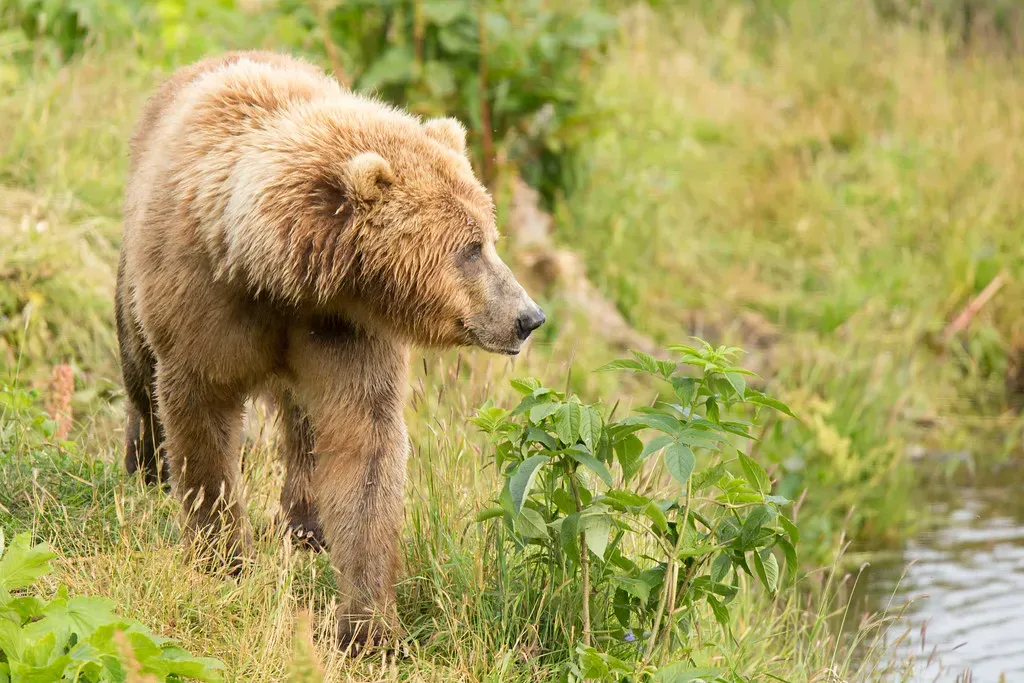
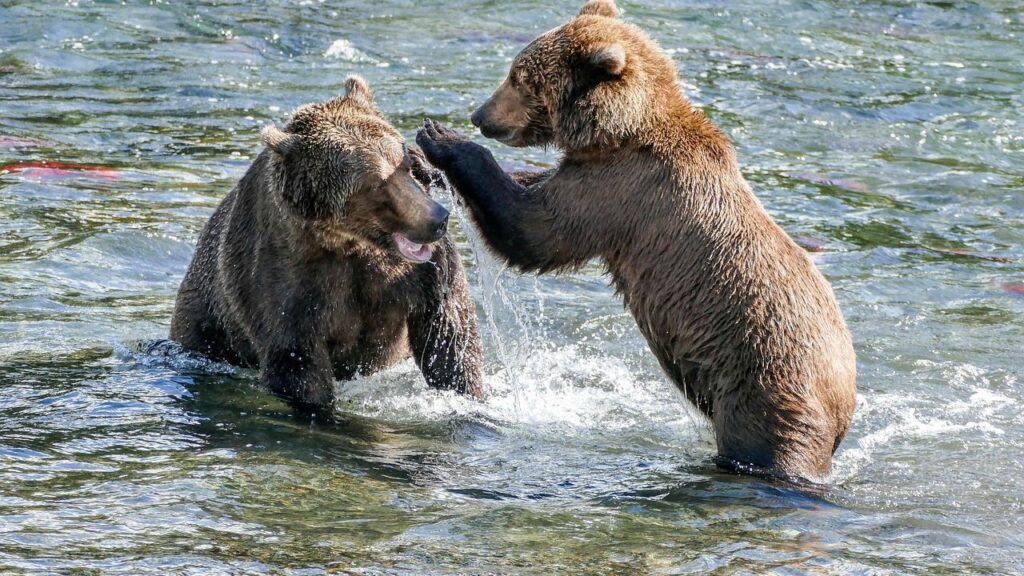
You are most likely to cross paths with brown bears along rivers choked with salmon or near lakes where fish and berry patches meet. These bears are powerful, fast, and easily irritated when food is involved, especially in late summer and fall when they are racing to build fat for winter. Even if a bear is focused on fish, getting between it and the water or surprising it on a brushy riverbank can flip a calm scene into a full-blown charge in seconds.
When you travel or fish in bear country, your habits matter far more than your luck. You lower your risk by making noise in dense brush, giving carcasses and fresh kills a wide berth, and keeping a clean camp so food smells do not turn the riverbank into a buffet line. Bear spray on your hip is only useful if you can reach it quickly, and keeping your focus on the wind, sounds, and tracks around you turns a dangerous surprise into a safe detour. On Alaska’s salmon rivers, awareness is as important as your life jacket.
2. Moose: Massive, Unpredictable Riverbank Neighbors
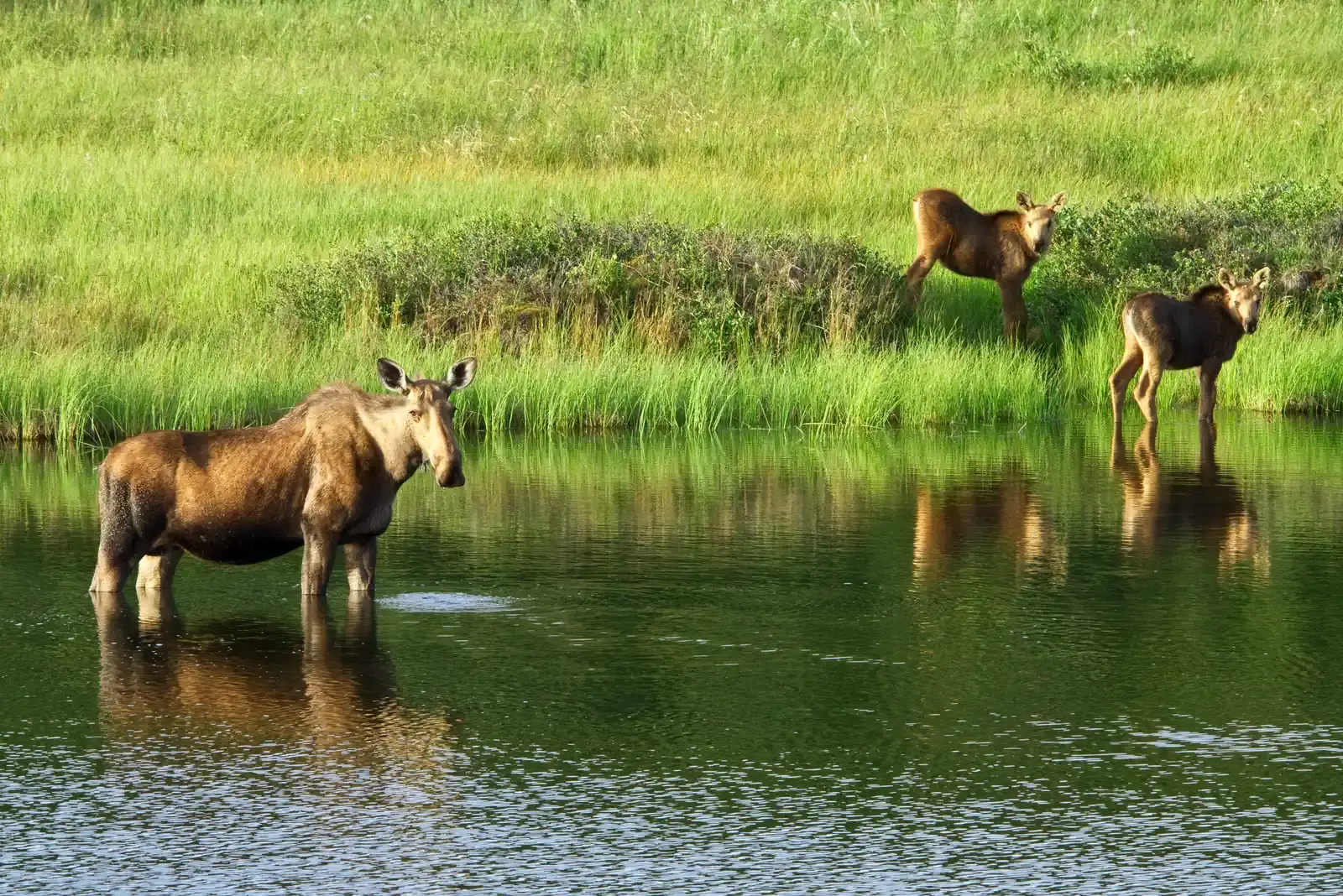
You might not think of moose as “water animals,” but you constantly find them browsing willow along rivers, cooling off in lakes, and wading through marshy channels. That calm, horse-like silhouette can fool you into walking closer than you ever would to a bear. The danger comes when a moose feels boxed in along a narrow shore, is defending a calf, or is already stressed by deep snow, biting insects, or dogs.
If a moose pins its ears back, raises the hair on its neck, or starts walking directly toward you, you are already too close. Your safest move is to back away behind a tree, boulder, or boat and give it the space it clearly wants. In fast-changing river terrain with steep banks and thickets, you need to think ahead about escape routes the same way you would with a rapid: do not push past a moose on a trail, do not try to “sneak by” in a canoe at close range, and never assume that because it is not a predator, it cannot put you in the hospital.
3. Black Bears: Quiet Foragers Along Lakeshores
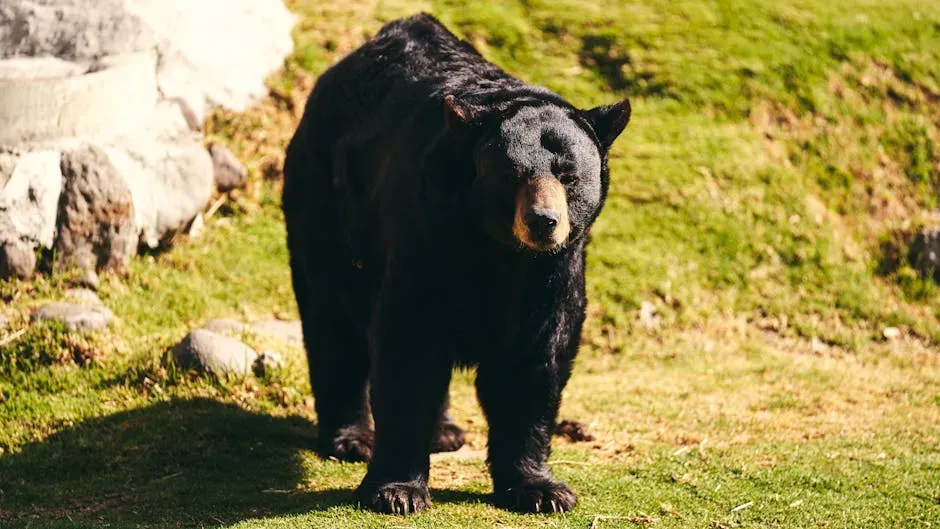
Along many forested lakes and medium-sized rivers, black bears are actually more common than browns, and you often do not notice them until they are very close. They cruise shorelines for berries, fish carcasses, and anything that smells like food, including fish guts left at a cleaning station or an open cooler in a boat. Their smaller size can trick you into thinking they are less dangerous, but a cornered or food-conditioned black bear can be just as aggressive as a brown bear.
You can reduce problems with black bears by treating lake camps and picnic spots with the same seriousness you would on a remote river. Store food and garbage in bear-resistant containers, do not clean fish right next to camp if you can avoid it, and never try to haze or photograph a bear that is clearly focused on food. If a black bear closes the distance on you intentionally, standing your ground, looking large, and using bear spray beats turning your back and running along an open beach where you are at a terrible disadvantage.
4. Wolves: Rare but Real Hazards Along Remote Waterways
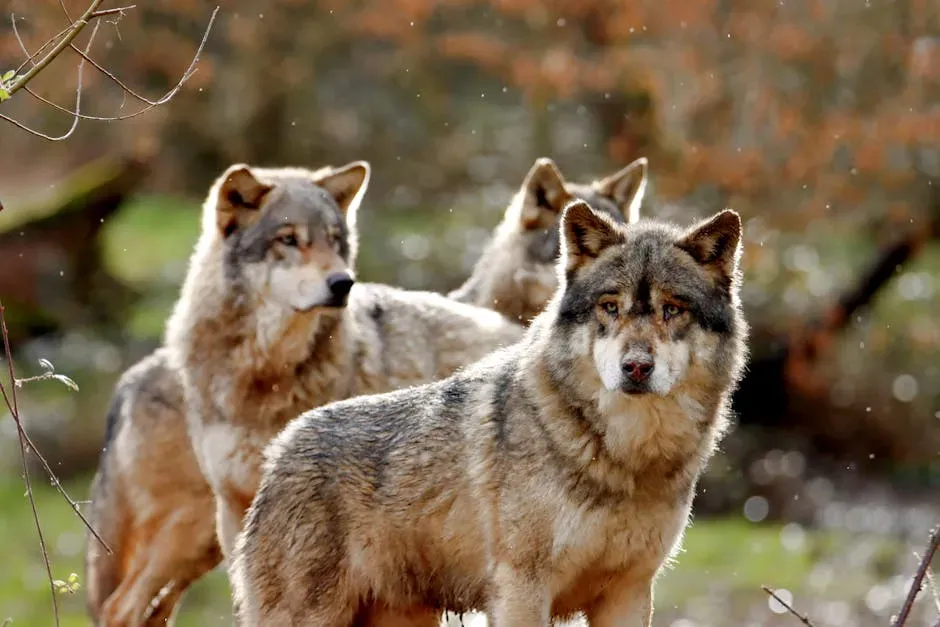
You will mostly encounter wolves in stories and distant howls, not as a looming threat beside your canoe. That said, river corridors can act like highways for wolf packs, especially where caribou or moose trails follow the same valleys. A wolf passing silently along a gravel bar is usually just moving through, but an animal that shows no fear of humans, circles camp repeatedly, or approaches closely in daylight should set off alarms in your head.
Your main risk with wolves is not a Hollywood-style attack but a combination of food habituation and rabies. Leaving fish scraps, meat, or dog food around camp attracts curious canids, and a bold wolf that learns humans equal food can become a serious problem for everyone who comes after you. If you travel with dogs, you also add another layer of risk, because wolves see them as intruders or prey. Keeping a tight camp, leashing dogs near waterways, and reporting unusually aggressive behavior helps keep these encounters at the level they usually are: rare, distant, and unforgettable in a good way.
5. River Otters: Surprisingly Aggressive in the Wrong Situation
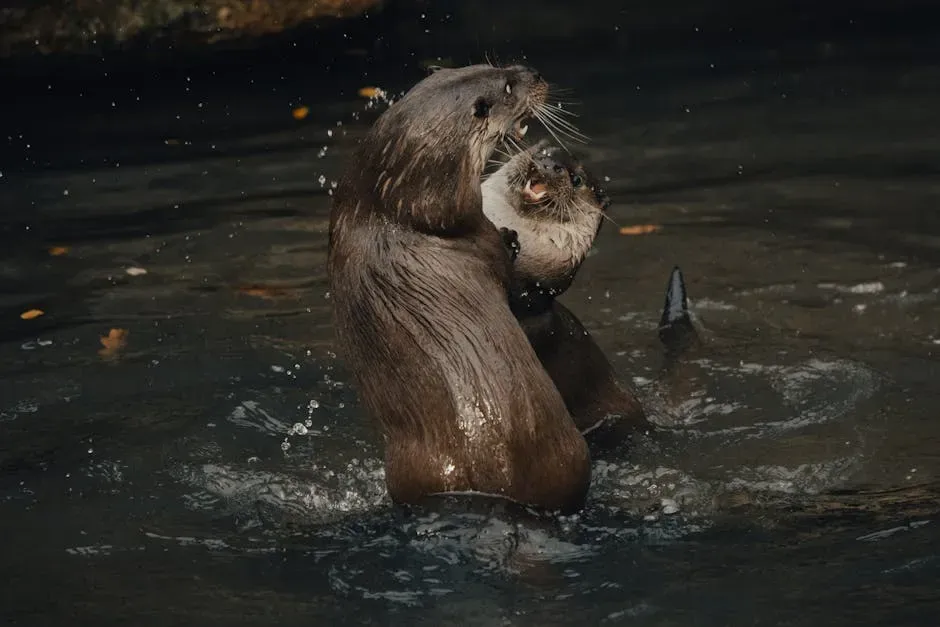
River otters look like something straight out of a children’s book when you watch them porpoise and slide along a lake or river. Because they seem playful and curious, you might be tempted to paddle closer or let kids and pets splash near them. That is a mistake. When otters feel cornered or are defending pups, they can become shockingly bold, and there have been real incidents of otter groups biting people and dogs around Alaskan lakes and city waterways.
Beyond the teeth and claws, you also have to treat otters as possible carriers for diseases like rabies, which turns a small bite into a serious medical emergency. You protect yourself by keeping a solid distance, never feeding them, and pulling pets out of the water if otters start circling or vocalizing near shore. If you see an otter that behaves oddly – approaching humans on land, staggering, or showing no fear – your safest move is to leave the area and report it rather than assuming it is just “tame.”
6. Northern Pike: Ambush Predators with Nasty Bites
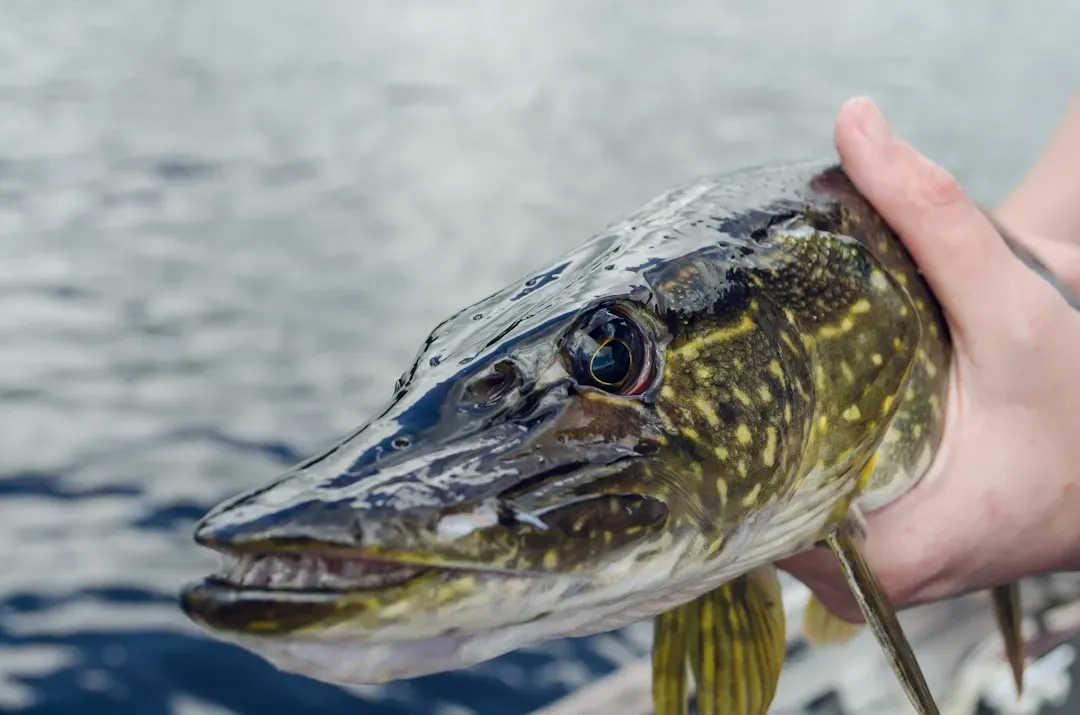
When you think about dangerous fish, your mind might go to sharks, not a freshwater predator with a toothy grin. Northern pike, though, are serious ambush hunters in many Alaskan lakes, sloughs, and slow rivers. They lurk in weedy shallows and strike lightning-fast at anything that looks like prey, including baitfish, ducklings, and the unwary fingers you trail in the water while dealing with tackle. Most of the danger for you comes after you hook one, when those sharp teeth and thrashing head are inches from your hands.
If you handle pike carelessly, it is easy to end up with deep puncture wounds that bleed heavily and are exposed to all sorts of aquatic bacteria. You keep the upper hand by using long-nose pliers, jaw spreaders, and, if you plan to release the fish, keeping it in the net in the water until you are actually ready. Wearing gloves and never putting your hand in a pike’s gill plate while it is still green can turn a sketchy boat-side wrestling match into a clean catch-and-release with no blood spilled – yours or the fish’s.
7. Salmon Runs: Bears, Crowds, and Slippery Chaos
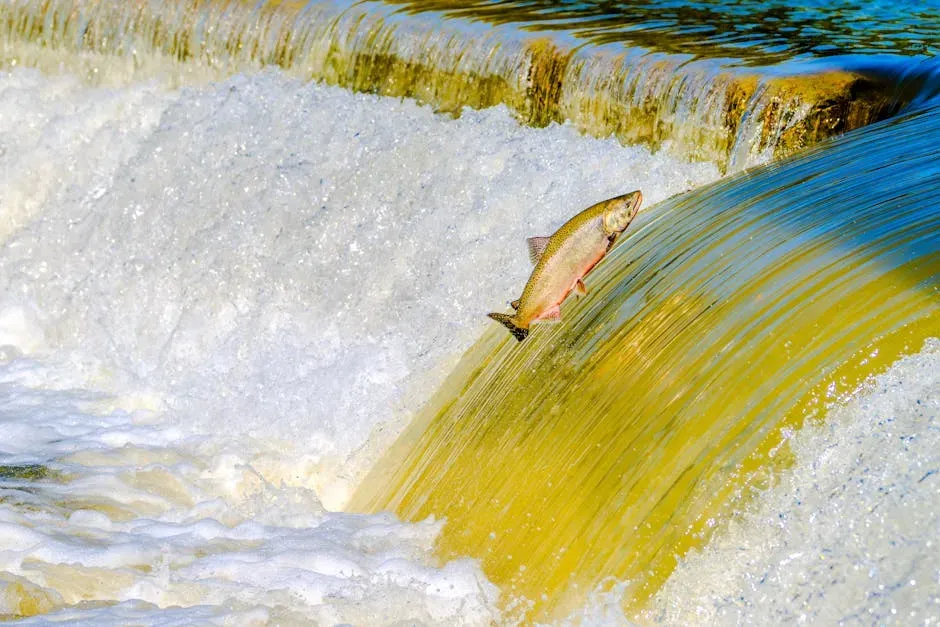
Salmon themselves are not out to hurt you, but the chaos they create in a river can be genuinely dangerous. When a run peaks, narrow channels fill with fish, bears crowd in to feed, anglers pack gravel bars shoulder to shoulder, and boat traffic increases in already tricky currents. You are suddenly dealing with slippery rocks, crossing lines, gut piles, and potentially stressed wildlife, all at once. It only takes one misstep on algae-covered stones or one startled bear appearing around a bend to turn your dream fishing day into a rescue situation.
You can stay safer by respecting space on crowded rivers, keeping your head on a swivel for approaching boats and wildlife, and managing fish waste responsibly so you do not bait bears right to your feet. Wearing proper wading gear, using a wading staff in strong current, and backing out of the water if you see a bear keying in on the same fish you are targeting are simple, practical habits. On a big salmon river, you are not the main character; the run is, and when you treat it that way, you make better decisions.
8. Arctic Char and Lake Trout: Deep-Water Cold and Boat Risks
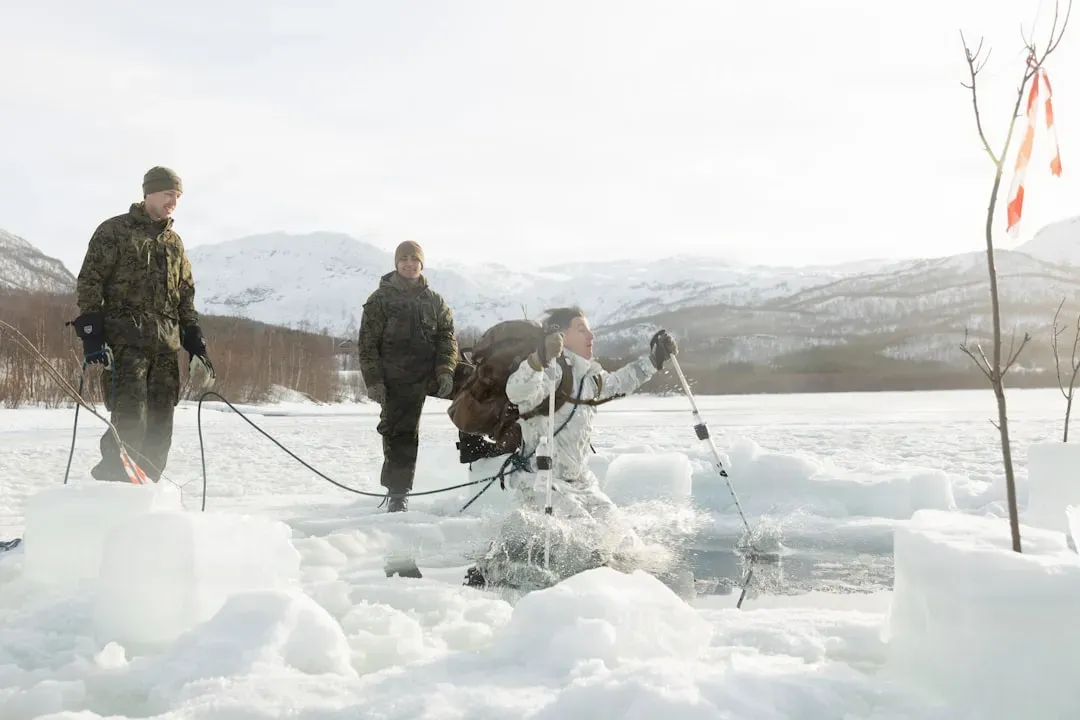
Arctic char and lake trout are not dangerous because they want to attack you; they are dangerous because of where they live and how you chase them. These fish often hold in deep, cold water on big lakes where wind can build hefty waves very quickly. You may find yourself far from shore, focused on rods and downriggers, while the lake quietly turns from glassy to whitecapped. If you end up in water just a few degrees above freezing, your functional survival time is brutally short, even with a life jacket.
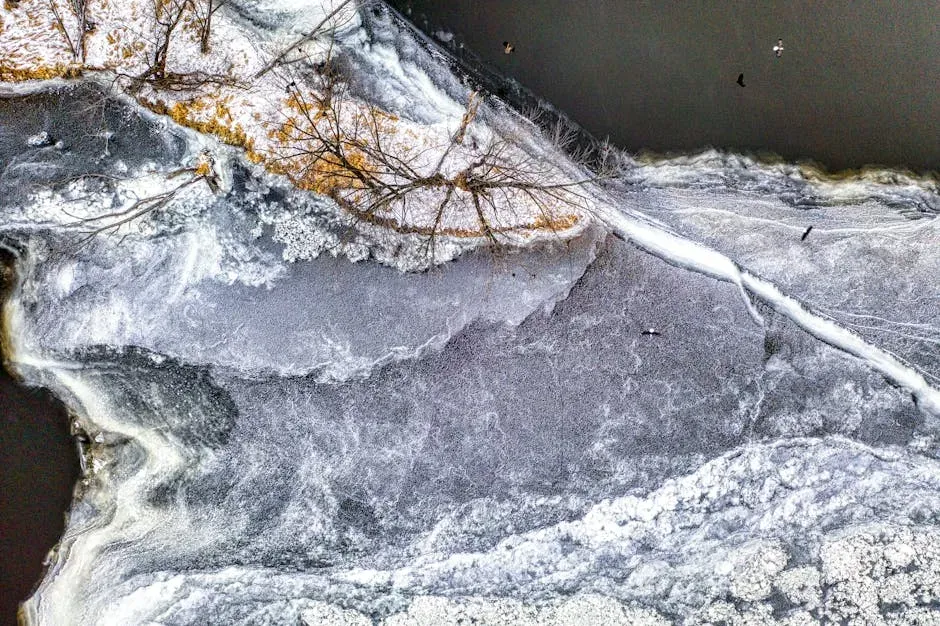
Fishing these lakes safely means you treat weather and water temperature as the real predators. Wearing a life jacket at all times, carrying a dry bag with warm layers, and keeping an eye on the sky instead of just the fish finder are not overkill here; they are basic survival tactics. If you are ice fishing for these same species, the danger flips to thin ice, overflow, and hidden currents near inlets and outlets that eat away at the underside of the ice long before you see cracks. Caution with routes and constant ice checks matters more than your desire to fish a particular hole.
9. Cold, Fast Rivers: The Invisible Killer Beneath Every Rapid
Even if every animal you ever see on the river gives you a wide berth, Alaska’s water itself is more dangerous than any predator. Glacial rivers can be icy cold even in midsummer, with strong currents that do not look as fast from shore as they feel when you are in them. A simple capsize or slip while wading can drag you into sweepers, strainers, or mid-channel boulders, and cold shock makes it hard to swim or think clearly almost immediately.
If you are boating, treating a life jacket as optional on these rivers is the same as deciding you are fine without a seatbelt on a mountain road. Knowing your route, scouting unfamiliar rapids, and being honest about your skill level are crucial; some sections that look tame from a distance have powerful hydraulics or hidden channels that flip loaded rafts and canoes. When you fish, crossing thigh-deep water on smooth, shifting rocks might feel “easy” until the current rises or your foot slides off a hidden drop. In Alaska, falling into the river is rarely just a refreshing dip.
10. Mosquitoes and Biting Flies: Tiny Insects, Big Consequences
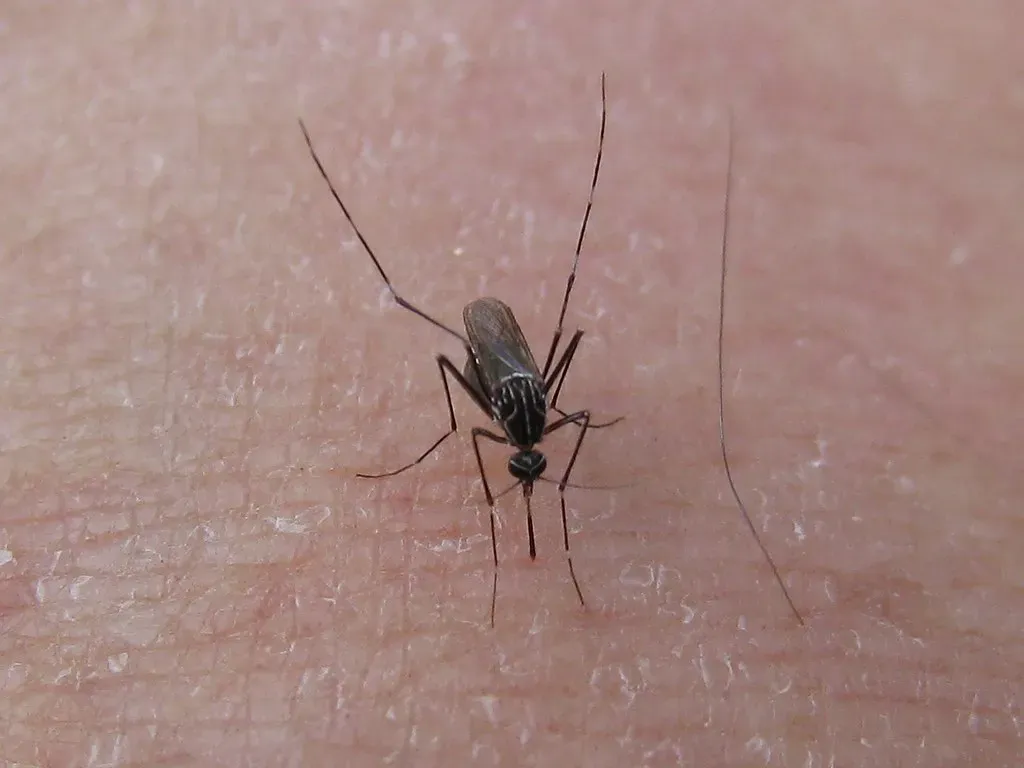
You might roll your eyes at the idea of listing mosquitoes alongside bears, but if you spend any real time along , you know how relentless they can be. Wet tundra, slow backwaters, and flooded shorelines create perfect breeding grounds for dense swarms that can drive you to distraction. While the overall risk of serious mosquito-borne disease is lower here than in many tropical regions, the sheer volume of bites can cause major swelling, infection from scratching, and miserable nights when you need sleep the most.
Other insects, like blackflies and midges, can leave painful welts that make wader tops, socks, and waist belts torture to wear. You protect yourself by thinking in layers: physical barriers like long sleeves, tight cuffs, and head nets; chemical barriers like proven repellents; and behavioral barriers like camping away from marshy bogs when you can. Insects can also push you into unwise choices – rushing to set up camp, skipping food storage steps, or ignoring your surroundings – simply because you want the biting to stop. Recognizing that mental pressure as its own risk helps you slow down and move deliberately.
11. Ticks, Parasites, and Waterborne Pathogens

Not all threats have teeth you can see. When you dip a bottle straight into a lowland lake or a slow, silty river because the water looks clean, you gamble with microscopic organisms that can wreck your trip days or weeks later. Across Alaska, wildlife and humans shed bacteria, viruses, and parasitic protozoa into surface water, especially in areas with heavy animal use. The same quiet back eddy where moose cross and beavers swim may hold pathogens that trigger serious gastrointestinal illness.
You lower that risk dramatically by treating all natural water before you drink it, using filters, boiling, or approved chemical methods, even if you are far from any visible development. Ticks and other external parasites are a smaller but growing concern; checking yourself and your pets after pushing through shoreline brush around lakes and rivers is just good practice now. These threats will never look as dramatic on a trip report as a close encounter with a bear, but statistically they are far more likely to catch up with you if you ignore them.
12. Invasive and Nuisance Species: Hidden Ecological Dangers
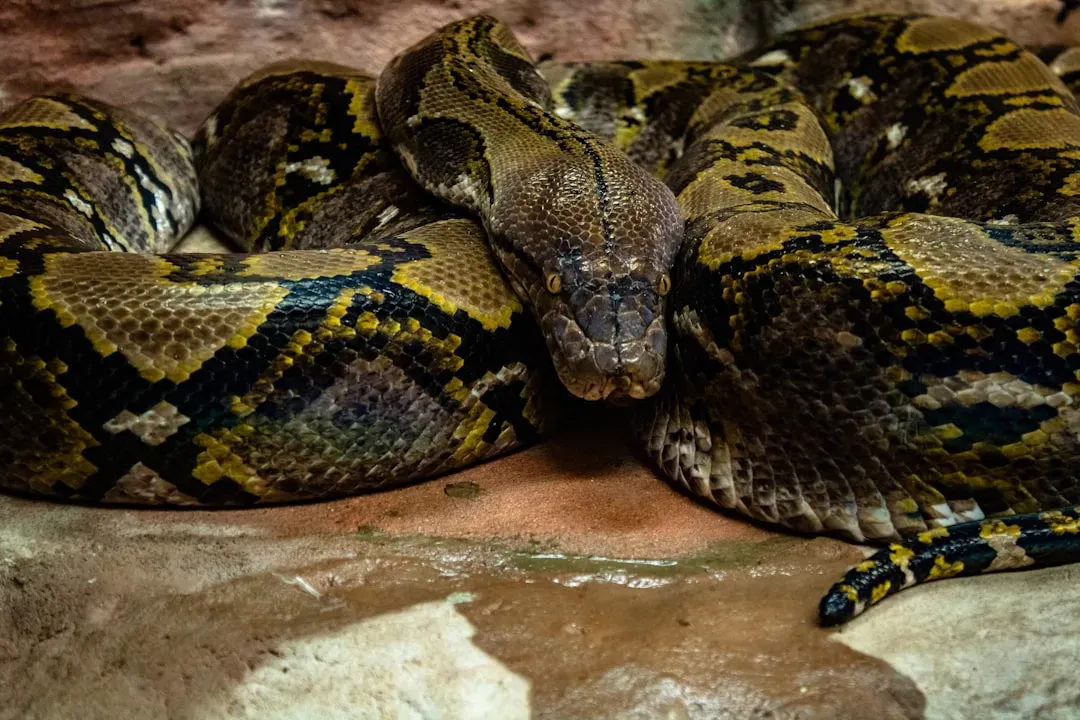
At first glance, an invasive plant on the shoreline or a small nonnative fish might not feel like a “dangerous animal” in the personal sense. But when you look closer, you see how aquatic invasive species quietly alter the very lakes and rivers you came to enjoy. They can outcompete native fish, clog channels, degrade water quality, and indirectly make conditions harder and less safe for both people and wildlife. Even tiny organisms clinging to the hull or floats of a plane or boat can hitch a ride to a new water body and start the cycle all over again.
You are part of either the problem or the solution every time you move between waterways. Cleaning, draining, and drying boats, waders, and gear before launching somewhere new is not just a bureaucratic hoop; it is one of the most powerful tools you personally control. Taking a few extra minutes to inspect equipment can help prevent future closures, fish die-offs, or weed-choked shorelines that change how safe or pleasant a lake or river feels to travel. In Alaska’s relatively pristine systems, your choices today echo for a long time.
13. The Iliamna Lake Monster Legend: Fear, Myths, and Real Risks
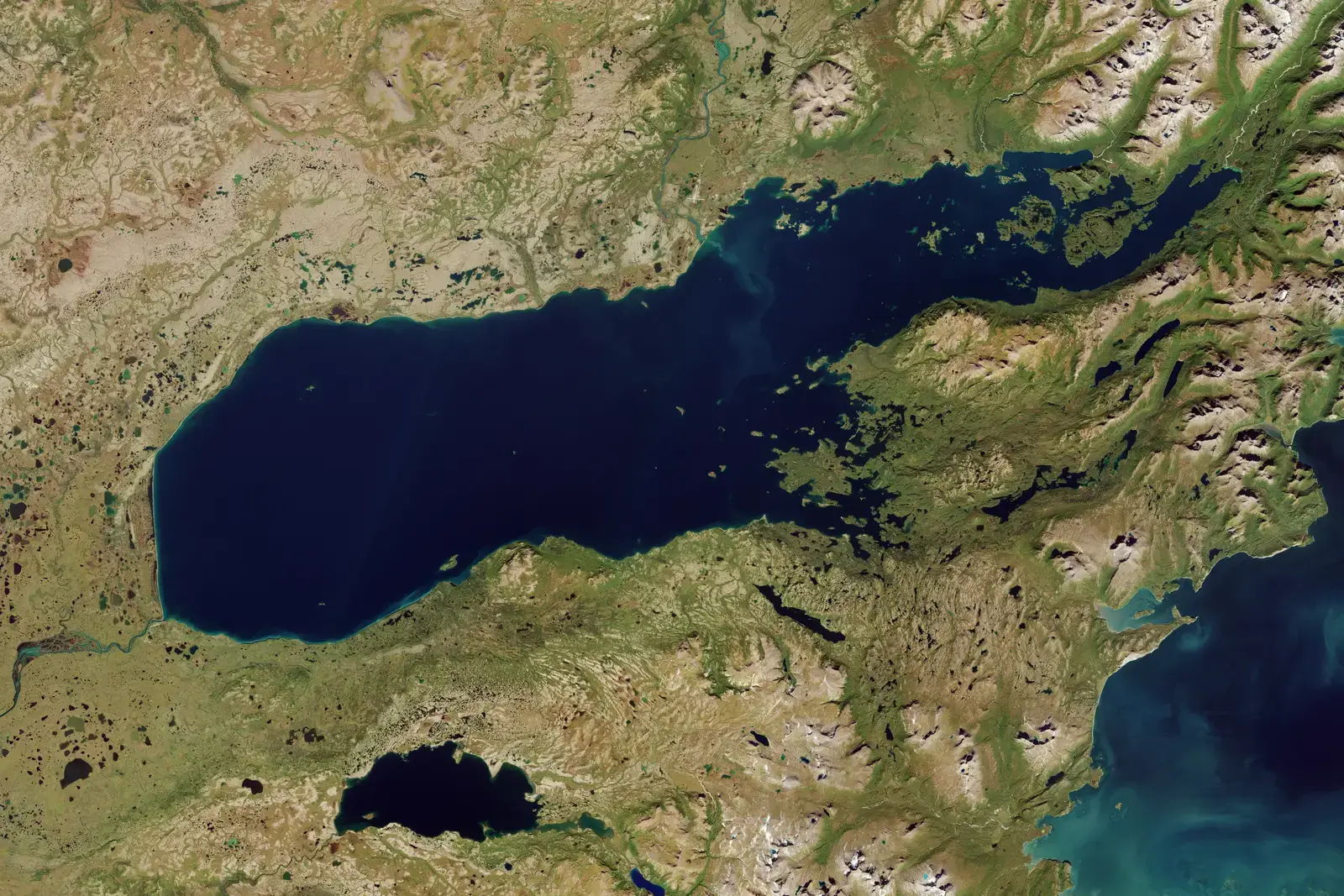
On Iliamna Lake, stories have circulated for generations about a huge, dangerous creature lurking in the depths. Whether you hear it called a lake monster or by local names, the legend captures something real: a sense that deep, cold water holds forces you do not fully understand. People have reported large, dark shapes, mysterious disturbances, and supposed attacks on boats, and over time these tales have mixed with talk of giant fish or deep-water sharks that might wander into nearby coastal areas. None of it has been conclusively proven, but the stories persist because the landscape feels big enough to hide its secrets.
While you probably will not encounter a mythical creature, the legend does a useful job of reminding you to treat big water with awe. Vast, windswept lakes like Iliamna can kick up fast, hide submerged hazards, and challenge your navigation and judgment. Letting a little healthy superstition keep you from cutting corners on safety – life jackets buckled, float plans filed, weather forecasts checked – is no bad thing. In a place where survival has always depended on respecting the unknown, the scariest monsters are often the risks you talk yourself into ignoring.
Conclusion: Respect the Water, Respect the Wildlife
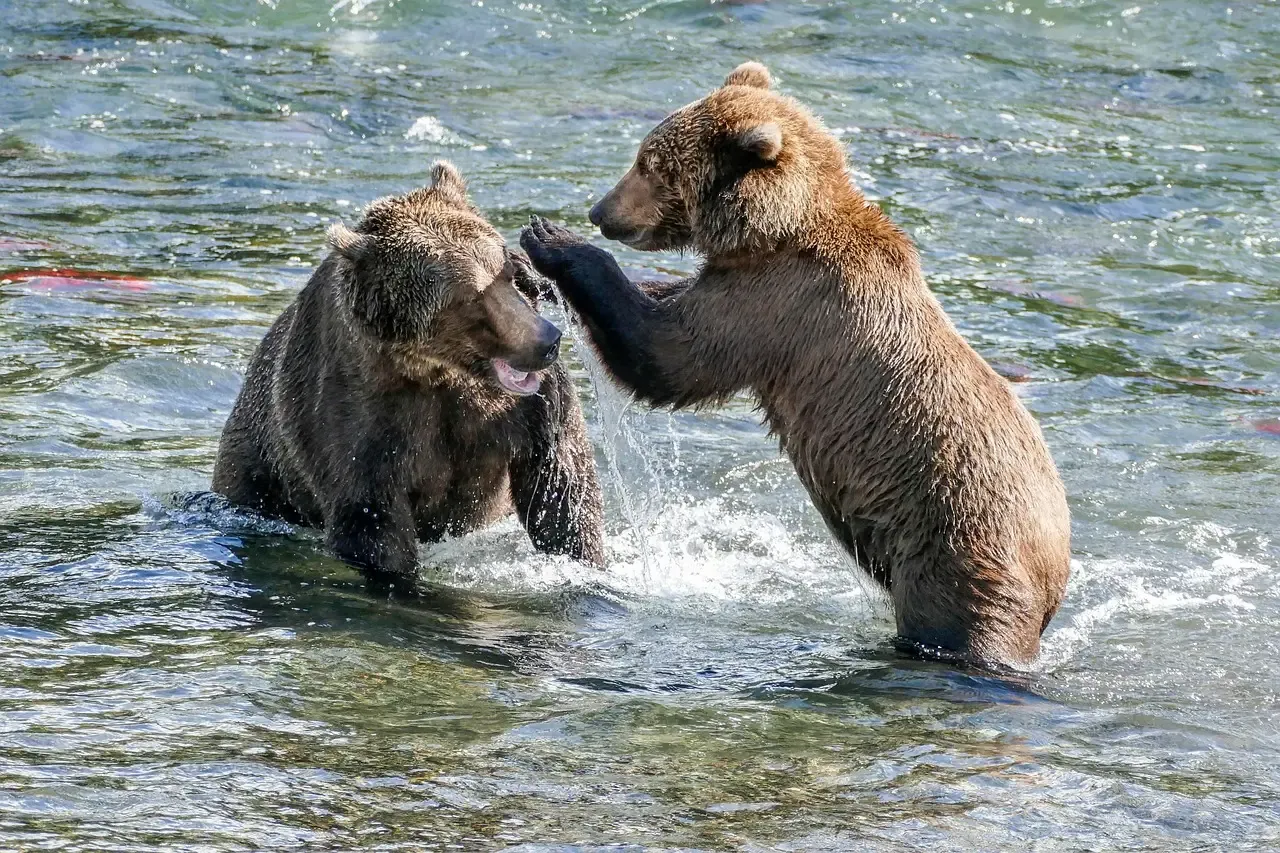
When you put all of this together, you start to see not as tranquil backdrops but as living corridors filled with power, instinct, and constant change. Bears prowl the banks, moose wade the shallows, wolves slip along gravel bars, and sharp-toothed fish lurk under weed beds. Overhead, insects swarm, and under the surface, parasites and cold currents move in ways you cannot see. None of these things exist to target you, but if you blunder through without paying attention, you turn yourself into an easy problem for them to solve.
The good news is that you have a lot of control over your own odds. When you carry bear spray and use it correctly, keep a clean camp, treat your drinking water, wear your life jacket, and give every animal room to be wild, you turn a dangerous environment into a demanding but rewarding classroom. You learn to read tracks on sandbars, gauging bear traffic; to hear the tone in a moose’s breathing; to feel the push of current against your legs and know when it is too much. In the end, that deep respect is what keeps you coming back in one piece. Now that you know what really lives along these shores, how will you choose to move through them?