You probably grew up hearing that the universe is unimaginably old, but it is only when you start looking at the numbers and the evidence that it really hits you: your entire life, your species, even your planet are brief sparks in a cosmic night that has been going on for billions of years. When you zoom out to that scale, everyday problems suddenly feel very small, yet the questions get much bigger and stranger. What was happening long before Earth even existed? How far back can science realistically see, and where do the limits begin?
In the last few decades, you have lived through a quiet revolution in how humans understand the universe’s age, structure, and history. Modern telescopes, satellites, and particle physics experiments have pulled back the curtain just a little, and what you see behind it is more bewildering than any science fiction plot. You find galaxies that formed when the universe was barely out of its cosmic “infancy,” invisible matter that outweighs everything you can see, and hints that the entire cosmos might only be one tiny bubble in a much larger reality. The deeper you look, the older and stranger it all gets.
You Live in a 13.8-Billion-Year-Old Story
When you hear that the universe is about 13.8 billion years old, it sounds like a random big number, but it is actually one of the best measured quantities in modern science. You are not just guessing here; you are reading a kind of fossil record written in light. By measuring the faint afterglow of the Big Bang, called the cosmic microwave background, and by tracking how fast galaxies are moving away from one another, scientists can work backward and estimate how long the universe has been expanding. You can think of it like rewinding a movie until everything reaches the same starting point.
What makes this so striking for you personally is how tiny your own timeline is by comparison. If you squeezed the entire history of the universe into a single calendar year, Earth would form around early September, dinosaurs would show up in mid-December, humans like you would only appear in the last hour of New Year’s Eve, and all of recorded human history would fit into the final seconds before midnight. When you realize that, the phrase “a blink of an eye” starts to feel generous. You are a late arrival to a story that has been unfolding for eons before your planet even cooled down.
The Light You See Is Ancient, Not Instant
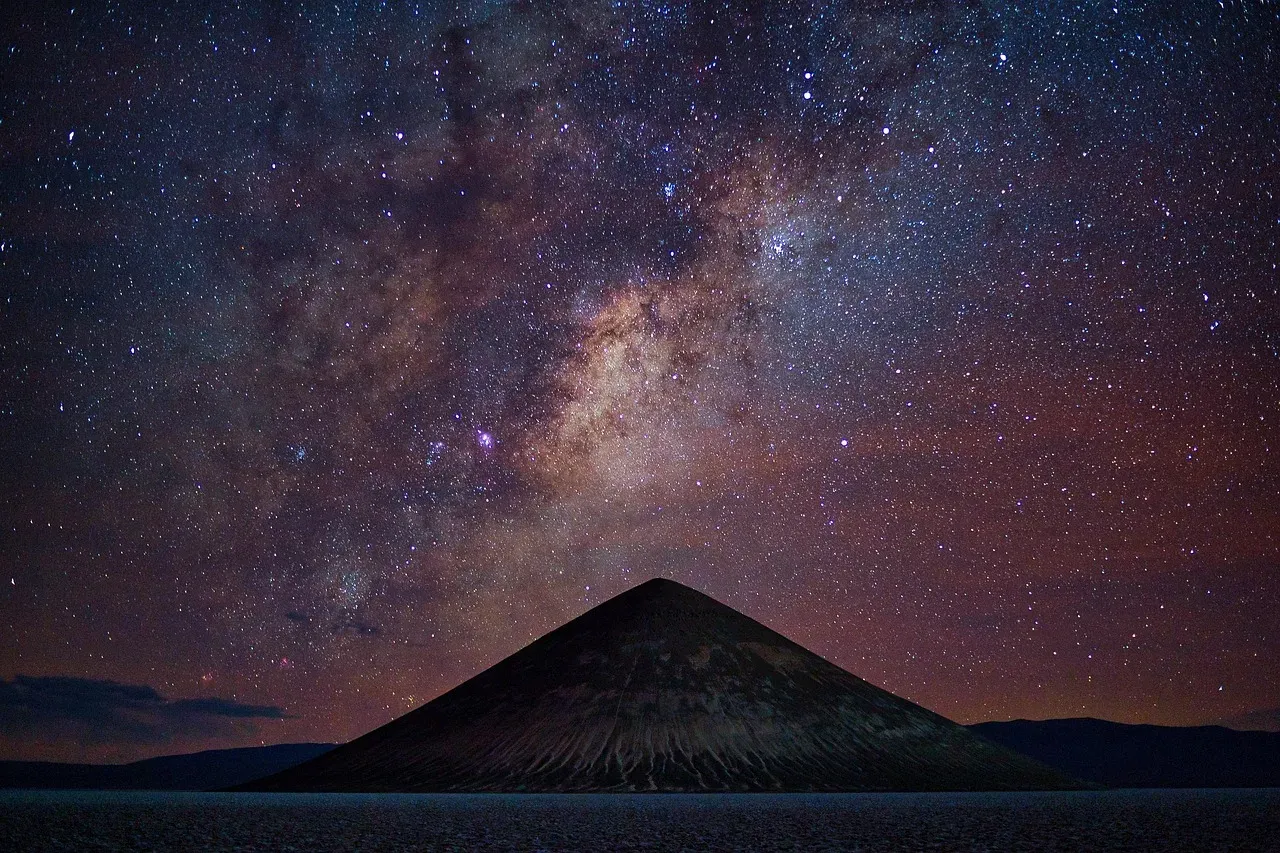
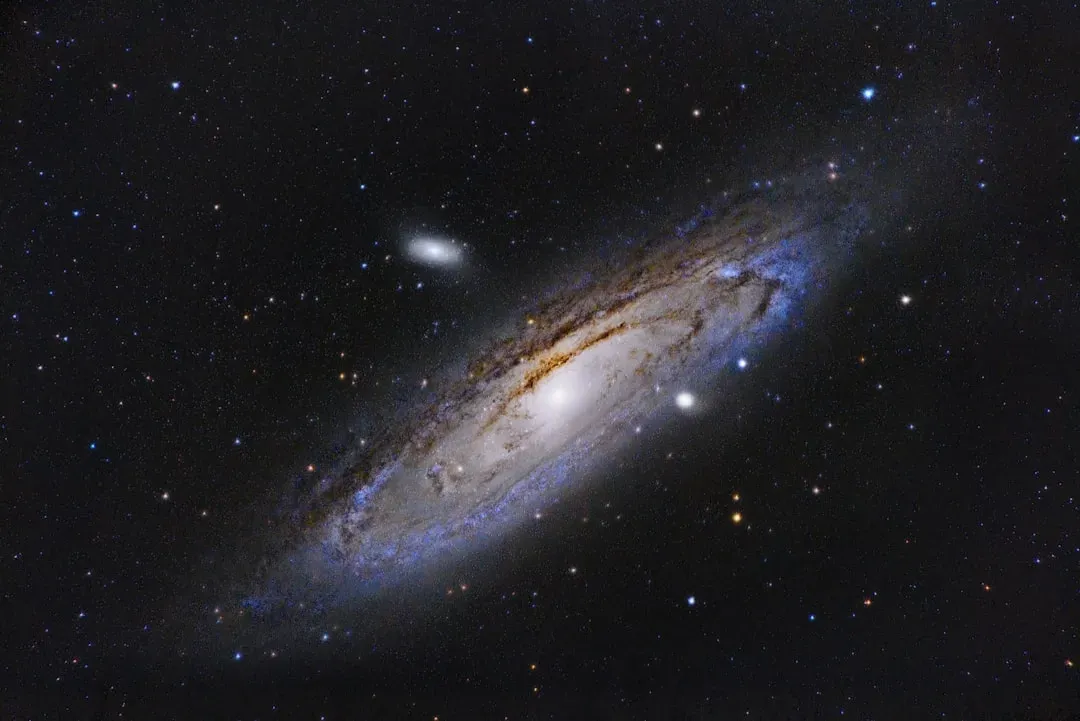
Every time you look at the night sky, you are not seeing the universe as it is now, but as it was. Light takes time to travel, so a star that is many light-years away is showing you its past, not its present. When you look at the Andromeda galaxy with your naked eyes, you are seeing it as it was more than two million years ago, long before your species even existed. Giant telescopes push this further: they collect light that has been traveling for billions of years, revealing galaxies that formed when the universe was only a small fraction of its current age.
This also means that there is a hard limit to how far you can see. Even with your best technology, you cannot look beyond the distance that light has had time to cross since the Big Bang. That boundary is called the observable universe, and it is like a glowing shell around you made of ancient snapshots. Beyond that shell, there may be more galaxies, more structures, possibly even different physical conditions, but their light has not had enough time to reach you yet. You are living inside a cosmic bubble of information, surrounded by darkness you simply cannot access – for now.
Most of the Universe Is Invisible to You
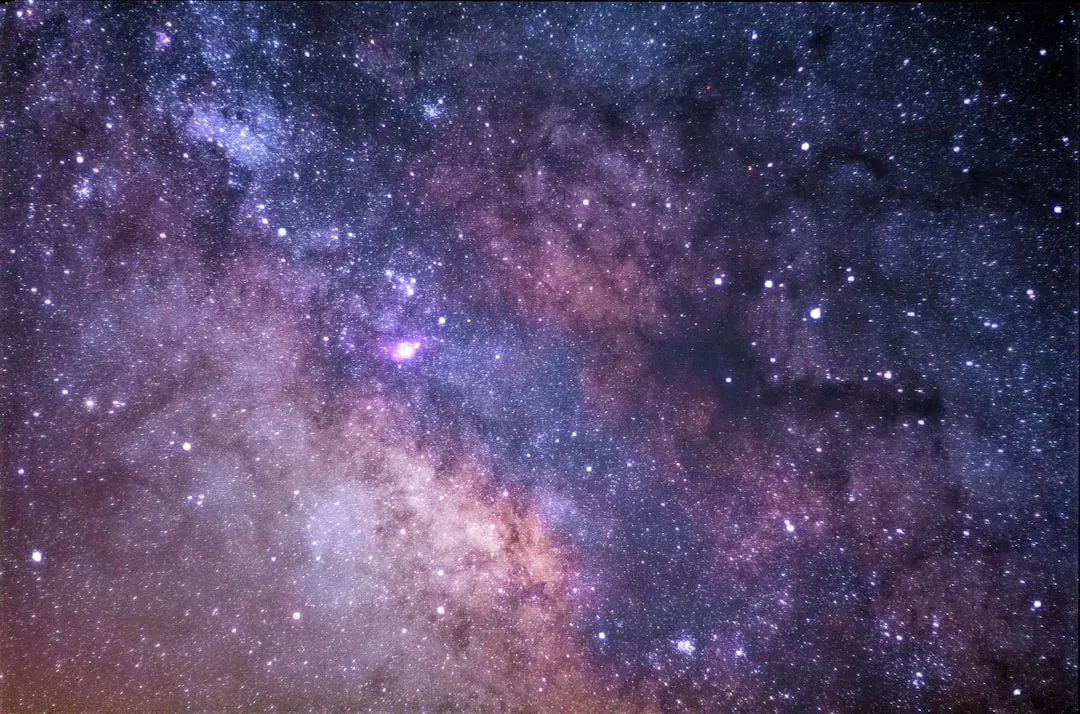
When you look around, it is tempting to assume that what you see – stars, planets, gas clouds, people – is what the universe is mostly made of. In reality, all the visible matter you can observe directly is just a thin frosting on a much larger cosmic cake. Observations of how galaxies rotate and how clusters of galaxies bend the light passing near them show that there must be much more mass than you can see. This hidden matter does not shine, reflect, or absorb light in the usual way, so you call it dark matter, even though “invisible matter” might be more honest.
On top of that, something even stranger is dominating the universe on the largest scales: a mysterious effect called dark energy. Instead of gravity pulling everything together more tightly over time, you see galaxies rushing away from each other faster and faster. It is as if, on cosmic scales, space itself is being pushed apart. Dark matter and dark energy together make up almost all of the universe’s total content, leaving ordinary matter like you, your body, your phone, and your planet as only a tiny minority. You live in a universe where the vast majority of what exists is literally invisible and not yet fully understood.
The Universe May Be Infinite, but Your View Is Not
It is natural to picture the universe like a big balloon that started small and is now expanding into some larger empty space, but that mental image is misleading. You do not see any edge to the universe, and there is no evidence that it is expanding “into” anything. Instead, space itself is stretching, and the galaxies are moving apart because every bit of space between them is expanding. From your point of view, any direction you look appears roughly the same on large scales, which suggests that you do not sit in any special spot.
This raises a question you cannot yet answer: is the universe actually infinite, or just extremely large but finite? Based on current observations, space looks very close to flat, which hints that it could be infinite, but your measurements are not yet precise enough to be absolutely certain. What you can say is that the observable universe – the part you can in principle see – is like a huge sphere around you with a radius of tens of billions of light-years. Beyond that, the universe likely continues, perhaps endlessly, but you have no direct access to it. You are like a person standing in thick fog, seeing only so far, knowing the world goes on but unable to make out its shape.
Galaxies Evolved Long Before You Came Along
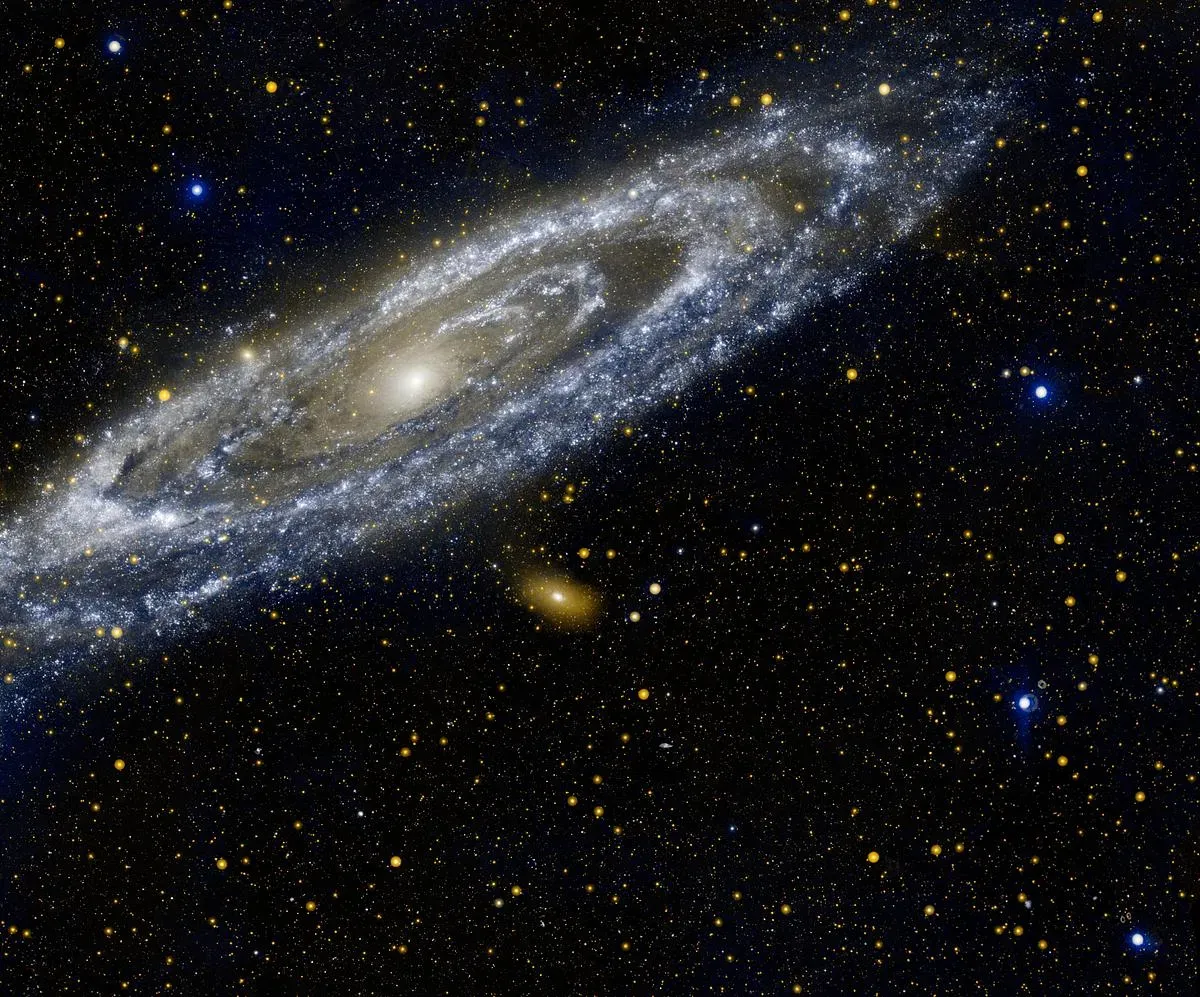
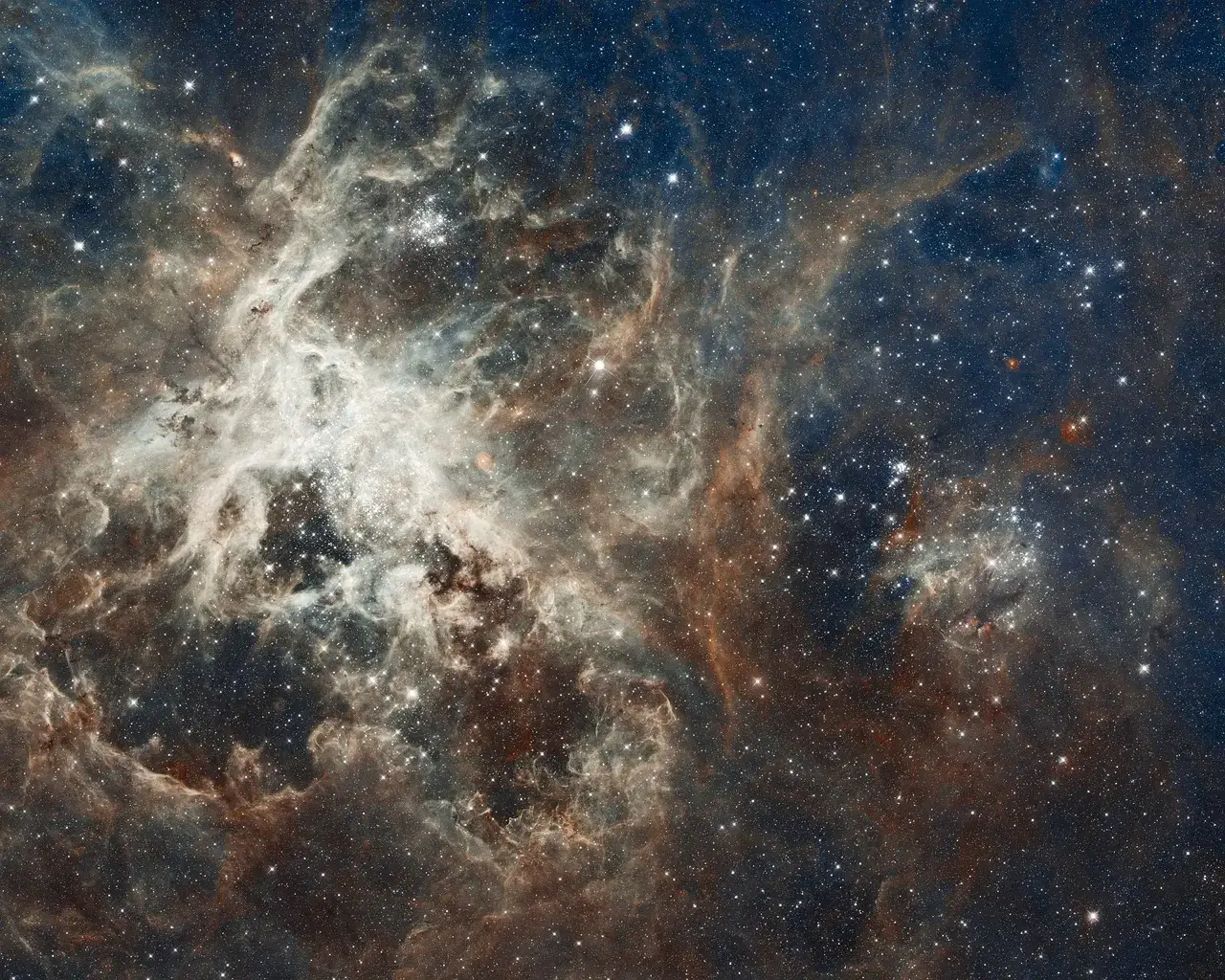
When you look at images from powerful space telescopes, you see a universe packed with galaxies of every shape and size: spirals like your own Milky Way, smooth elliptical balls of stars, and odd distorted forms from cosmic collisions. Many of these galaxies formed surprisingly early in cosmic history. You can see some that were already in place when the universe was only a few hundred million years old, a tiny fraction of its current age. That means stars were being born, living, and dying long before your solar system existed.
Over billions of years, galaxies have merged, grown, and changed, like cities evolving over generations. Your Milky Way itself has swallowed smaller galaxies and will eventually collide and merge with the Andromeda galaxy in the distant future. When you look at the night sky, you are not just seeing static pinpricks; you are catching massive star cities frozen in various stages of their lives. The cosmic web of galaxies you map today is the result of a long, ongoing process that was already well under way by the time Earth ever formed.
You Are Made from Ancient Star Debris
One of the most intimate cosmic facts you can face is that the atoms in your body have a deep history that stretches back billions of years. The hydrogen in the water you drink is ancient, formed in the first few minutes after the Big Bang. Heavier elements like carbon, nitrogen, oxygen, calcium, and iron were forged later, inside stars that lived and died long before your solar system. When those stars exploded, they scattered their enriched guts into space, where the material eventually became part of new stars, planets, and, much later, you.
When you say you are “made of stardust,” you are not being poetic; you are making a literally true statement about your chemical makeup. The blood in your veins, the calcium in your teeth, even the iron in your phone’s circuitry all trace back to nuclear reactions in long-dead stars. Realizing this can shift how you think about your place in the universe. You are not something separate from the cosmos looking in; you are a temporary, conscious arrangement of ancient matter, briefly aware of the story it came from.
Time Itself Behaves Strangely on Cosmic Scales

You tend to think of time as a steady, universal flow, but the universe does not play by that simple rule. According to relativity, time can stretch or compress depending on how fast you move and how strong gravity is where you are. On Earth, the differences are tiny, but on cosmic scales they add up. Light leaving a distant galaxy billions of years ago has been traveling through an expanding universe the whole time, which means the wavelengths of that light get stretched, and the clock you are effectively reading in that light is distorted compared to your own.
This leads to strange effects when you try to talk about “when” something happened in the early universe. Because space has been expanding while light travels, the distance to those early galaxies now is much larger than just the time of flight multiplied by the speed of light. Your intuitive picture of time as a simple straight line with matching clocks everywhere starts to break down. The deeper you go into cosmology, the more you have to accept that time is not a rigid background, but part of the fabric that stretches, bends, and twists along with space itself.
We Still Do Not Know What Happened at the Very Beginning
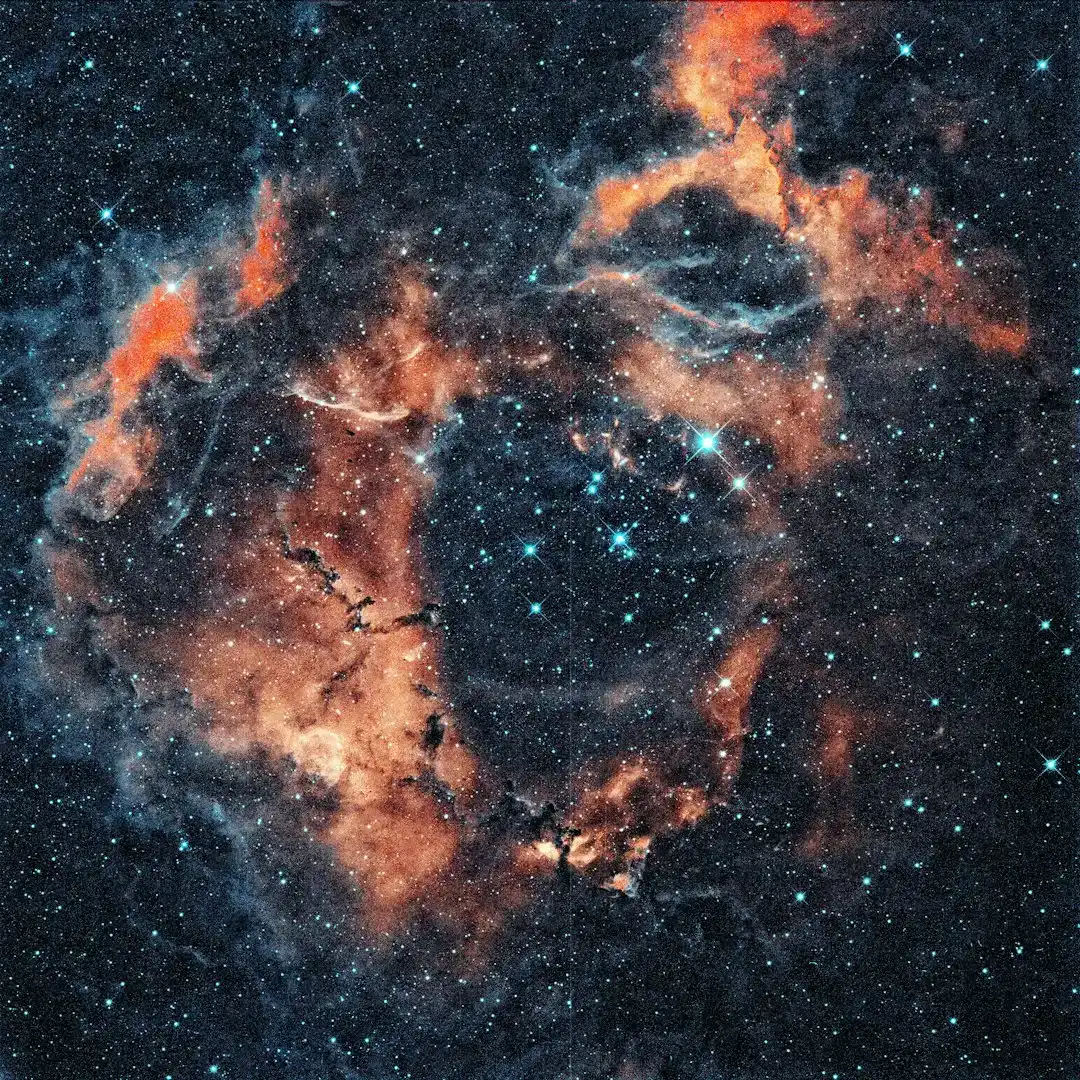
Even with all your progress, there is a hard boundary to what you can confidently say about the universe’s origin. The Big Bang model describes how the universe has expanded and cooled from an extremely hot, dense state, and that picture is well supported by multiple lines of evidence: the cosmic background radiation, the abundance of light elements, and the large-scale distribution of galaxies. But when you try to push the equations all the way back to an exact starting moment, they stop making sense. At extremely tiny scales and extremely high energies, your current theories of gravity and quantum physics clash.
There are ideas – like cosmic inflation, quantum gravity, or the possibility of earlier cycles of expansion and contraction – but you do not yet have decisive proof for a single story. You simply do not know whether the universe “began” in a sharp sense, or whether time itself might extend further back in some form that you cannot yet describe. For now, you are like someone who has arrived in the middle of a long novel with the first chapters missing. You can infer some of what must have happened, but you do not yet have the full script.
Even the Best Theories Admit There May Be More
The deeper you go into modern cosmology, the more you encounter possibilities that stretch your imagination, even if they are still speculative. Some models suggest that your universe might be just one region in a much larger multiverse, with other “pocket universes” having different physical constants or laws. Other ideas explore extra dimensions of space beyond the three you move through every day, curled up so tightly that you cannot directly see them. None of these ideas are proven, but they grow out of attempts to reconcile what you already know about gravity, quantum fields, and the structure of space-time.
What matters for you is not that any specific speculative model is correct, but that your best current science openly acknowledges its limits. When you hit questions like why the laws of physics are what they are, or why certain cosmic parameters fall in the narrow range that allows stars and life to exist, your answers become less about certainty and more about informed exploration. You are standing on a shoreline, looking out over an ocean of unknowns, with only a few islands of solid evidence mapped so far. The universe keeps giving you just enough answers to be confident, and just enough mysteries to make you realize how far you still have to go.
Conclusion: Your Tiny Life in a Vast, Ancient Mystery
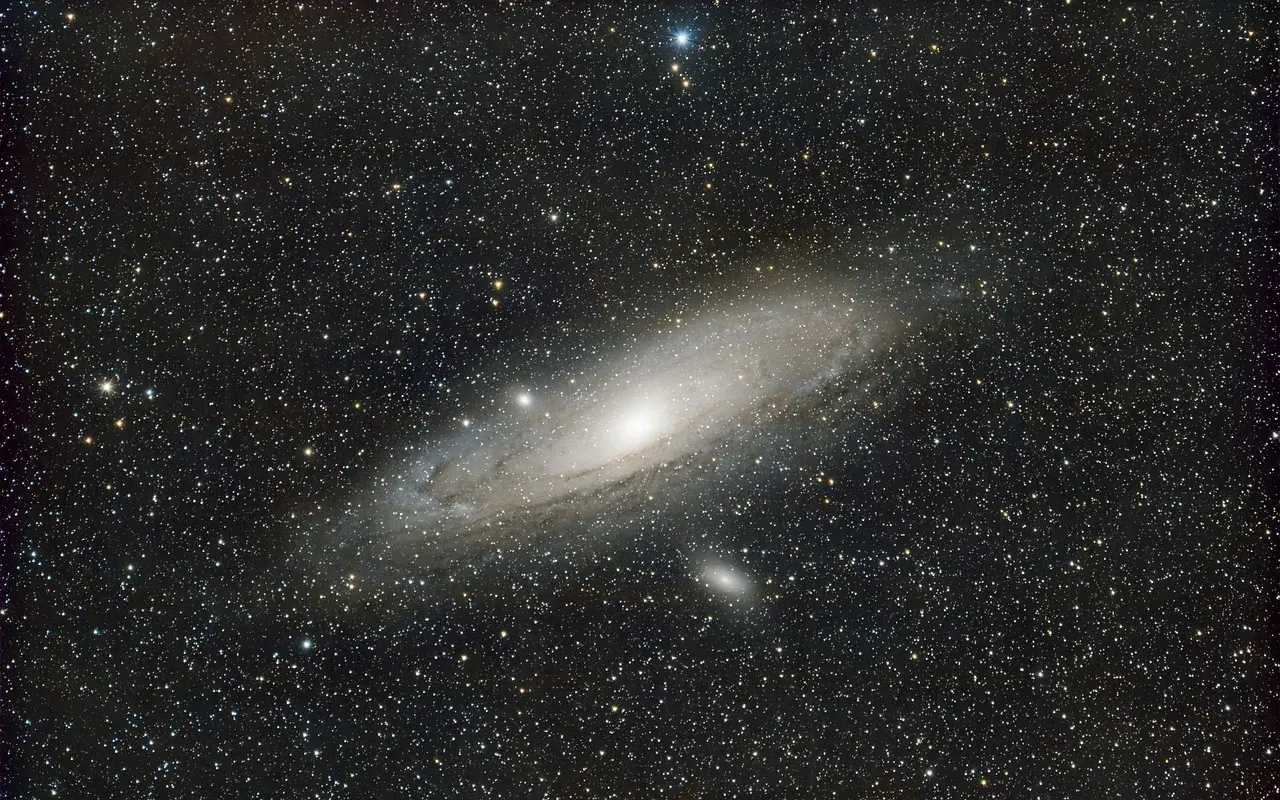
When you pull all of this together, you start to see just how strange your situation really is. You are a human being made of ancient stardust, living on a small planet around an ordinary star, in a galaxy that is only one of countless others, in a universe that is about 13.8 billion years old and filled mostly with things you cannot even see. You look out and see light that has been traveling for billions of years, carrying messages from a time when Earth did not exist, and yet you can decode those messages well enough to reconstruct a rough history of everything you know.
At the same time, you are surrounded by unanswered questions: what happened at the very beginning, what dark matter and dark energy really are, whether the universe is infinite, and whether this cosmos is just one bubble in a larger multiverse. Your life is short compared to the universe’s timescale, but in that short span you have the chance to wonder, to learn, and to contribute your own small part to the unfolding story of how the universe understands itself. When you look up at the night sky next time, perhaps you will not just see distant stars, but a reminder that you are briefly awake inside a mystery far older and deeper than you can fully imagine – so what do you want to do with that awareness while you still have it?