You go through your life feeling like every day has more of the same: sunrise, traffic, emails, sleep, repeat. But running quietly in the background, your body and your universe are ticking through a handful of one‑time‑only events that will never, ever repeat for you. Some are written into your DNA before you are born; others depend on where Earth happens to be drifting in the cosmos during the short sliver of history you occupy.
Once you start to see these rare phenomena, your everyday life suddenly feels a lot less ordinary. You realize you are not just passing time; you are riding through a very specific and unrepeatable configuration of biology, physics, and chance. As you read through these eleven once‑in‑a‑lifetime events, you might catch yourself thinking differently about your own story and how astonishing it is that you are here at all.
1. Your Unique Genetic Combination Is Created Once, Then Never Again
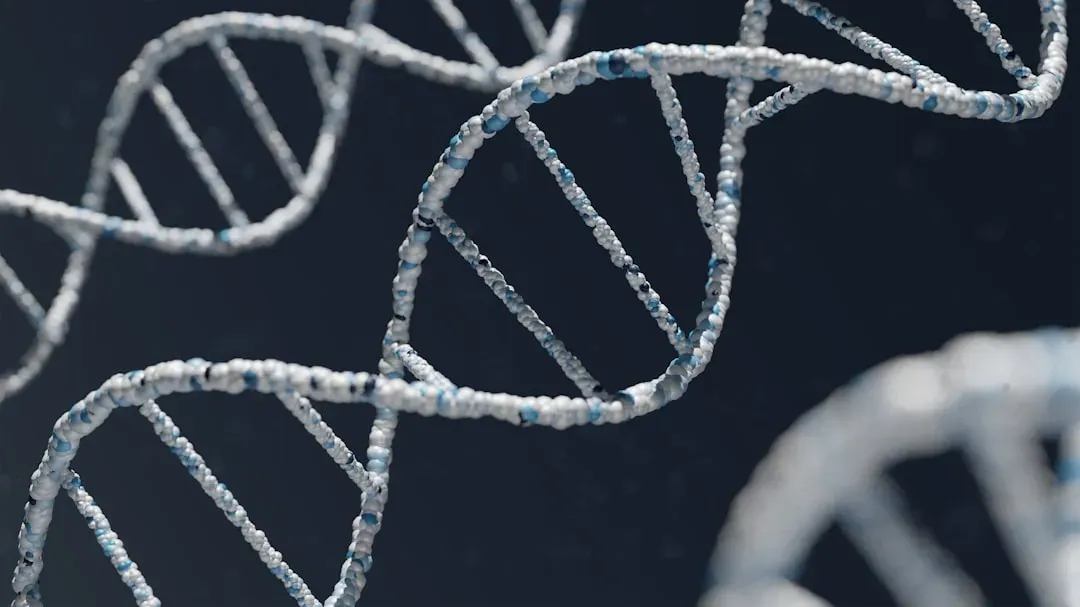
Before you took your first breath, something extraordinary happened: a single egg and a single sperm met, and that exact genetic handshake will never be repeated in the history of the universe. The way your parents’ DNA shuffled, crossed over, and recombined to form you is the result of countless tiny molecular coin flips, each one narrowing down who you could become. Even if your parents had conceived again at almost the same moment, the deck of genes would have been reshuffled into a completely different hand.
When you think about it this way, you are not just “one in a million”; you are, practically speaking, one of a kind. The odds of getting the same combination of chromosomes, the same little genetic spelling variations, and the same exact mutations again are astronomically small. You will share traits with siblings and relatives, but your precise genetic code – right down to the last letter – is a once‑only event. Everything else in your life rides on that first and only biological roll of the dice.
2. Your Brain’s Full Wiring Pattern Forms Only Once
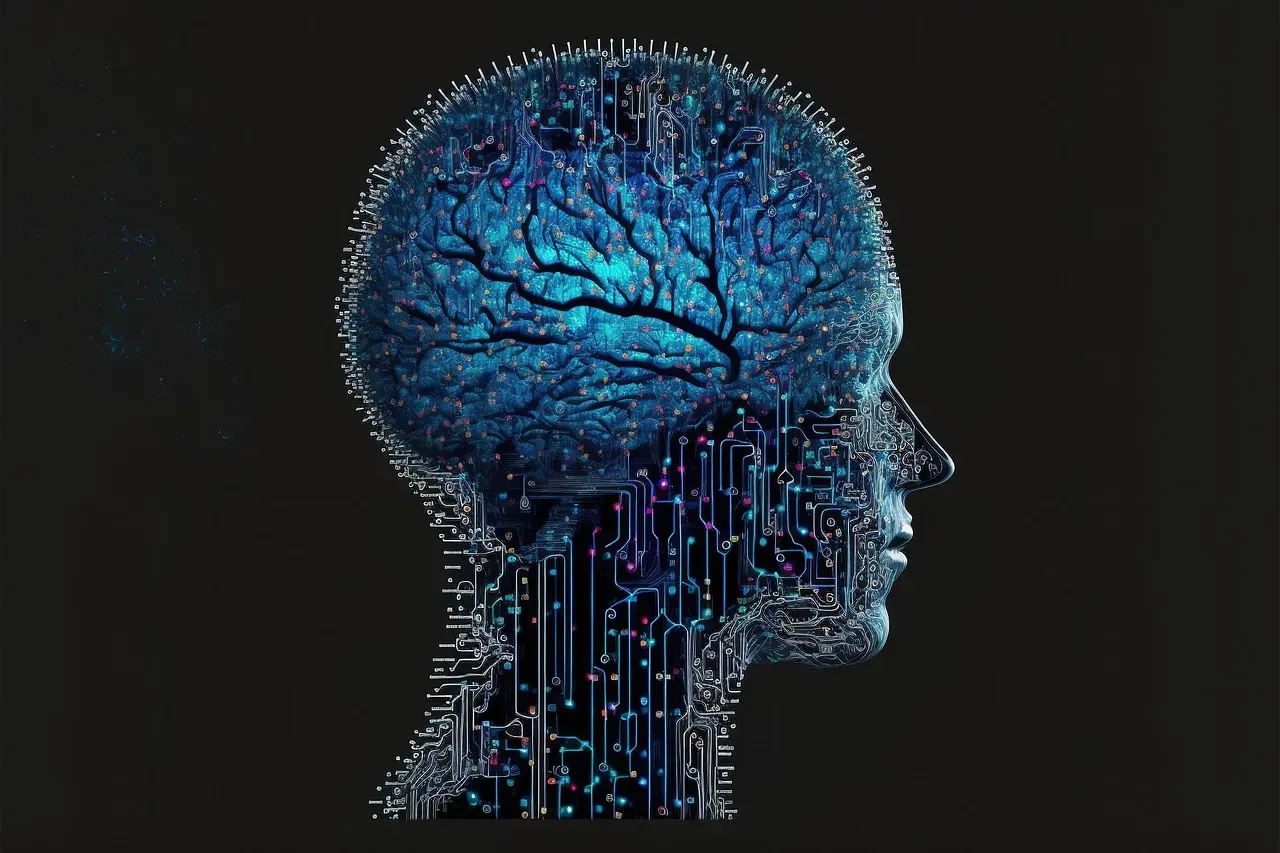
As you grow from a fetus into a baby, your brain explodes with new neurons and connections; you are basically building the most complex object known in the universe out of living tissue. During late pregnancy and early childhood, your brain creates far more synapses than it will keep, then trims and fine‑tunes them based on your experiences. This massive wiring project, with its specific timing and sequence for you, happens only once. Even a small change in timing – like an illness, a different language environment, or stress – can nudge the architecture in a slightly different direction.
Later in life, you keep forming new connections, but that initial grand construction phase never repeats. You can learn new skills, recover from some injuries, and adapt, yet the overall layout – the big map of how your senses, emotions, and memories are hooked together – comes from that one early window. In a very real sense, the “you” who sees the world the way you do is built from a single, unrepeatable burst of brain development that closes long before you realize it is happening.
3. You Experience Peak Bone Mass Only Once
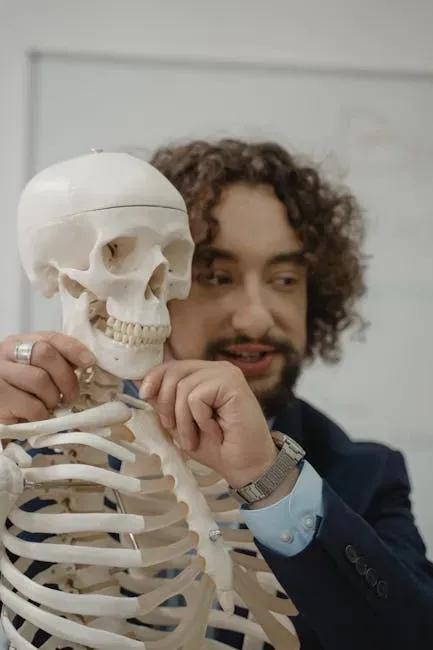
Somewhere in your twenties, usually in your late teens to early thirties depending on your genes and lifestyle, you quietly hit the highest bone strength you will ever have. You do not get a pop‑up notification, but your skeleton reaches its maximum density and mineral content around that time. After that peak, your bones slowly begin to thin, even if you stay active and healthy. You can slow the decline and protect what you have, but you cannot go back and build a “new highest” baseline later.
This matters more than it sounds. The exercise, nutrition, hormones, and illnesses you have before and during that peak window all help decide how solid your bones will be decades later. If you picture your bones like a retirement savings account, that one‑time peak is the moment your account balance stops growing and starts paying out. You will keep drawing from that structural “bank” for the rest of your life, so whatever you put in before that once‑only moment sticks with you in a very literal, physical way.
4. Your Personal Solar Eclipse Path (If You See One) Never Repeats
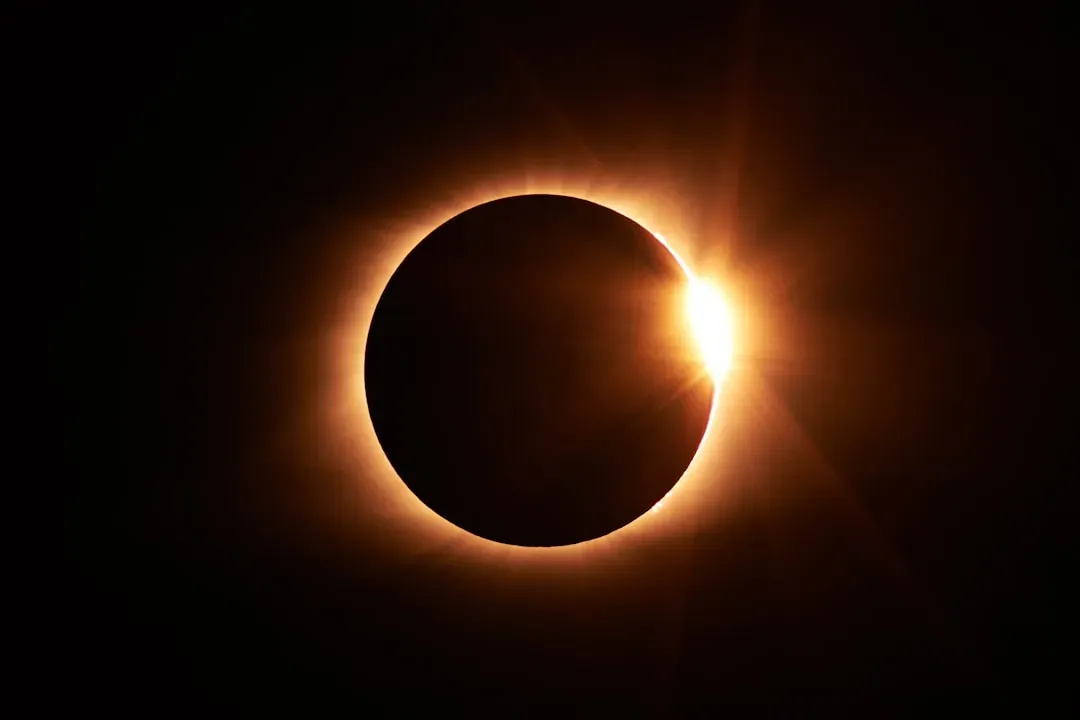
Total solar eclipses get a lot of hype, and for good reason – you get a few minutes when day turns to eerie twilight as the Moon covers the Sun. But what you may not realize is that the narrow path of totality that crosses Earth is unique every time. The exact line that swept across your town on the day you watched an eclipse, the way the Moon’s shadow slid over that particular landscape with that specific weather and those people around you, will never align in that same pattern again in your lifetime.
Even if another total eclipse crosses your region decades later, the geometry is different: the track shifts, the angle changes, and the timing moves, because Earth, the Moon, and the Sun are constantly adjusting their dance. Season, atmospheric conditions, and even your own age and eyesight evolve. So if you have ever stood under a total solar eclipse, you have already lived through a personal, unrepeatable intersection of orbital mechanics and human experience. If you miss it when it happens near you, that specific chance is gone for good.
5. You Get Only One Chance at Adolescence and Puberty

Puberty can feel like a messy, confusing blur, but biologically it is one of the most powerful one‑time programs your body ever runs. Your brain ramps up hormone production, triggering growth spurts, sexual maturation, and major changes in mood and social behavior. Bones lengthen, reproductive organs develop, voice pitch shifts, and body composition changes all over. This cascade may happen earlier or later for you than for someone else, but the main hormonal “switching on” is a single passage, not a repeatable cycle.
Once those changes are complete, your body does not go back to a pre‑puberty state again, even if hormone levels drop later in life. You can modulate hormones with medication, and some physical traits can be altered through medical or surgical interventions, but that original developmental wave only rolls through once. In a way, puberty is like your biological passport stamp into adulthood: one intense, one‑direction transformation that forever divides your life into a before and an after.
6. Your Personalized Microbiome Settles During Early Life
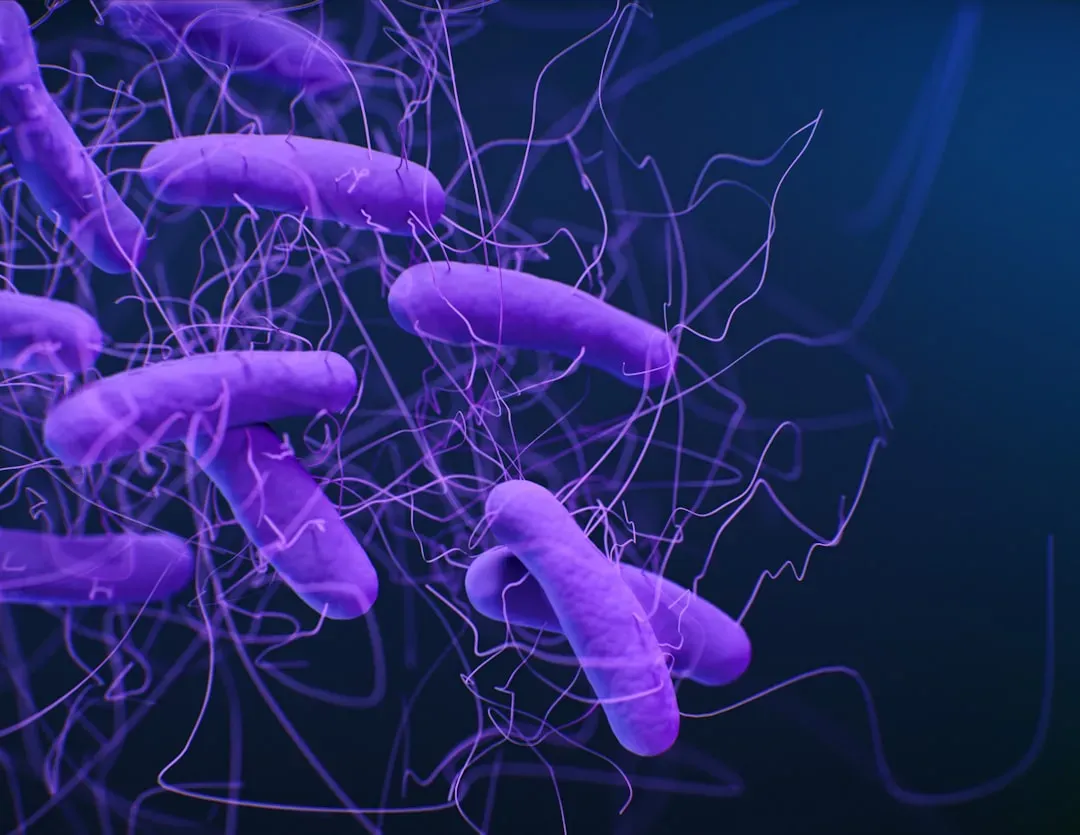
From the moment you are born, microbes start colonizing your body – on your skin, in your mouth, and especially in your gut. The types of bacteria and other microorganisms you pick up depend on how you were born, what you eat, where you live, and which people, pets, soils, and surfaces you interact with. During your first few years, this microbial community goes through dramatic shifts before stabilizing into a relatively steady pattern that is surprisingly individual to you.
Later in life, your microbiome can change with diet, antibiotics, illness, and travel, but that initial “settling” period is a once‑only establishment of your basic microbial landscape. It is a bit like founding a city: the original layout of neighborhoods, roads, and utilities shapes what can be built later, even if new buildings come and go. The bugs that help digest your food, train your immune system, and even influence your mood are part of a unique ecosystem that took shape in your early years and will never have quite the same origin story again.
7. You Live Through a Unique Cosmic Sky That Future Humans Won’t See
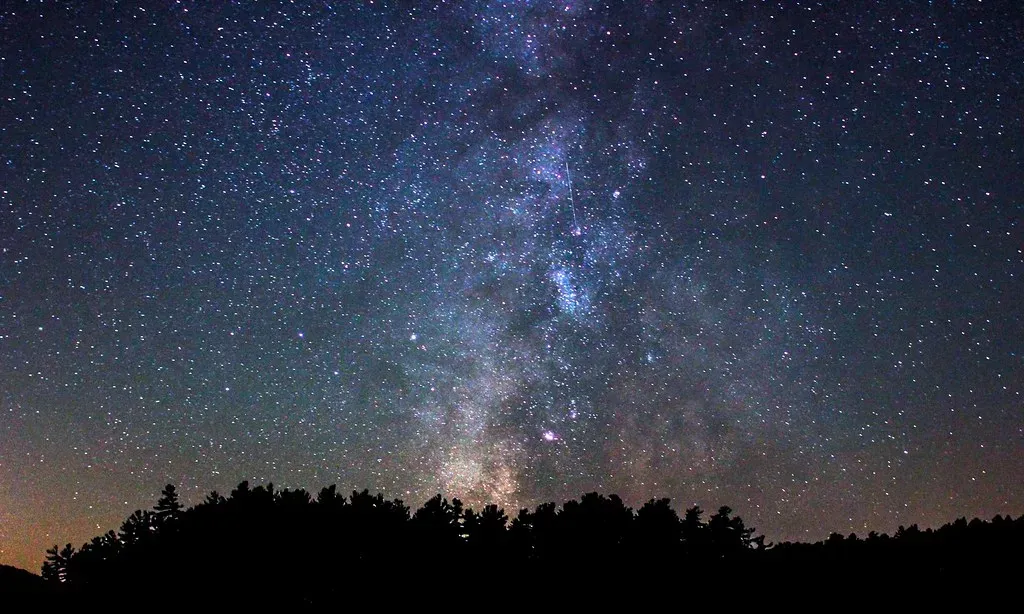
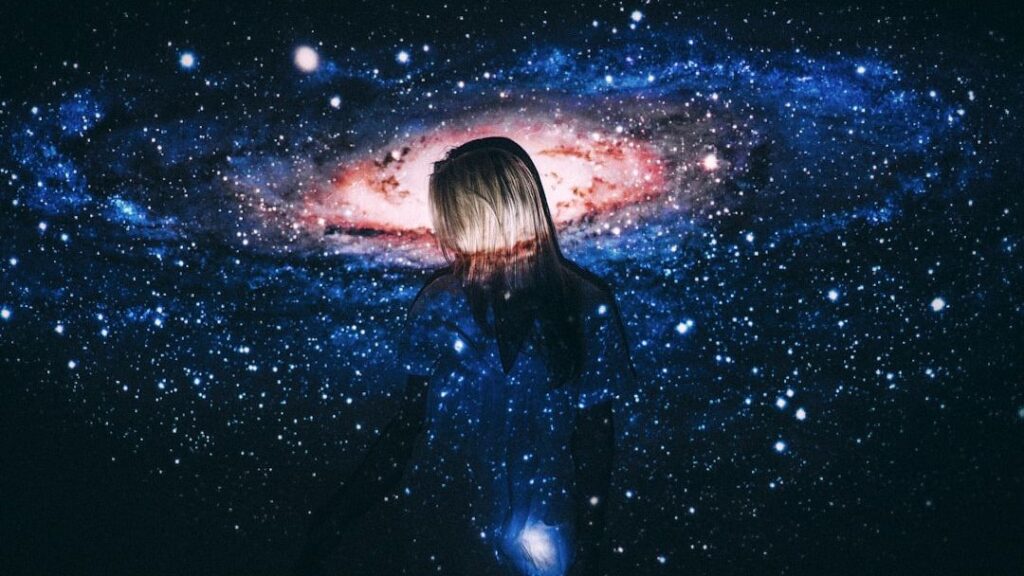
When you look up at the night sky, it feels timeless, but it is actually shifting on timescales larger than a human life. The exact arrangement of stars, the brightness of certain objects, and even which comets or supernovae are visible during your decades on Earth are specific to your era. Some bright stars are slowly moving, some are evolving toward future explosions, and distant galaxies are drifting farther away. You are seeing a cosmic snapshot that will not exist again, at least not in the same way, for other generations.
On top of that, rare events – like bright comets, nearby supernovae that might one day appear, or particular planetary alignments – may happen only once while you are alive, if they happen at all. Even if orbital mechanics repeat certain alignments over centuries or millennia, you personally will only be around for one tiny cycle. So every time you catch a meteor shower, a bright comet, or an unusually clear view of a planet, you are cashing in a one‑off ticket stamped with the date range of your life.
8. You Have One Window to Form Your First Language Naturally

As a young child, your brain is uniquely tuned to soak up language from the people around you without effort. You do not sit down and study grammar; you simply absorb patterns, sounds, and meanings, and your brain wires itself to handle them. This sensitive period for first‑language acquisition is strongest in early childhood and gradually fades. If you are fully exposed to a language during that window, it becomes your native tongue, with all its subtle rhythms and accents woven into your thinking.
If, on the other hand, you miss that window – say you grow up with very limited language input – you may find it much harder or even impossible to gain fully native‑like fluency later. You can still learn new languages throughout life, often very well, but that effortless, deep embedding of sounds and structure into your brain’s core circuitry happens only once. The voice in your head, the language you count in, and the words that feel like home are all shaped by that one crucial phase you did not even know you were living through.
9. You Are Exposed to a Unique Mix of Environmental Conditions

Think about all the invisible factors that shape your health over a lifetime: the air quality in your childhood home, the specific viruses that passed through your school, the sunlight intensity where you grew up, the chemicals in your local water, and even the pollen from plants in your region. That blend of exposures – from weather extremes to pollutants to beneficial microbes – is a personal environmental fingerprint. No one else gets exactly the same combination, and you do not get a do‑over with a different set.
Scientists call this lifetime web of influences your “exposome,” and it interacts constantly with your genes and lifestyle. It guides how your immune system learns, how your lungs develop, how your skin ages, and how your risk for certain diseases shifts over time. You can move, change jobs, or alter your habits, but the total arc of environments you pass through is a single, unrepeatable journey. Every breath, ray of sunlight, and contact with the outside world adds to a once‑in‑a‑lifetime environmental story written on your cells.
10. You Occupy a Singular Slice of Geological and Climate History

It is easy to forget that Earth has been around for billions of years and will keep changing long after you are gone. You just happen to be living during a particular geological and climate phase that future humans (if they are around) will study the way you study the age of dinosaurs or the ice ages. Right now, you are part of an era shaped by rapid climate change, heavy human influence on ecosystems, and a specific arrangement of continents and ocean currents that drive weather patterns.
Mountains are still slowly rising or eroding, coastlines are shifting, and glaciers are retreating or adjusting, yet to you these changes feel almost frozen because your lifespan is so short compared to geological time. Still, the combination of temperature trends, sea levels, species distributions, and atmospheric composition you experience is unique to this moment in Earth’s story. You will only ever know your own thin geological chapter directly; everything else is either ancient memory written in rocks or speculation about what comes after you.
11. You Experience Your Own Lifespan Trajectory Only Once
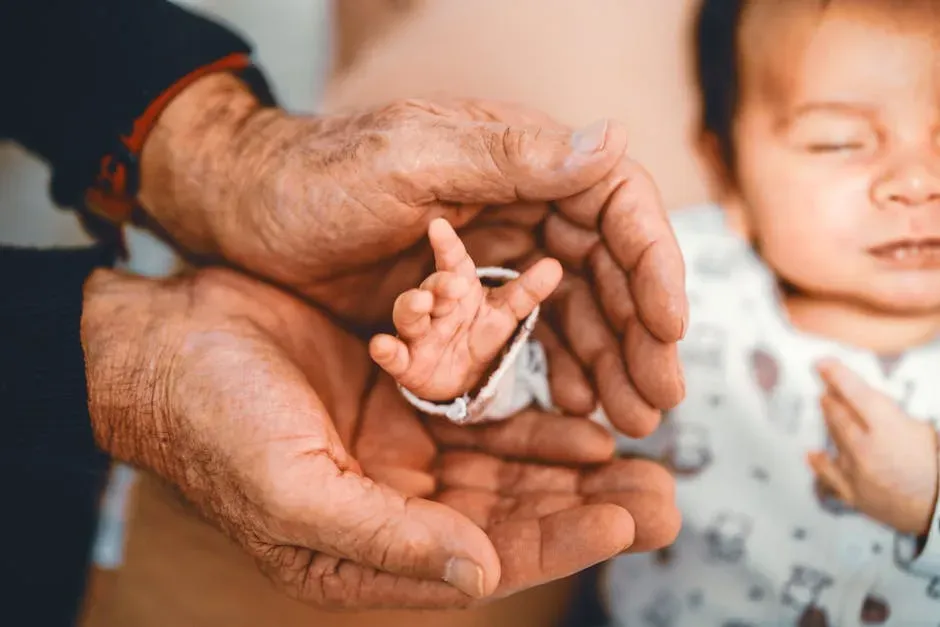
It sounds obvious, but scientifically it is profound: you get a single continuous trajectory from birth through aging to death, and your biology is constantly updating along the way. Your cells divide, repair damage, and gradually accumulate changes; your telomeres shorten; your immune system shifts; your muscles and organs age. You can influence the pace with lifestyle and medicine, but the overall curve – how your body moves from youthful resilience to later vulnerability – is a one‑way trip, unique to you.
Even if someone shared your age, background, and habits, their internal biology would not tick in perfect sync with yours. Your specific pattern of illnesses, recoveries, injuries, stresses, and joys is threaded into your tissues in ways that cannot be exactly duplicated. In a sense, your whole life is one long, once‑only experiment in how a human body and mind move through time. You do not get to run it again with slightly different settings, which makes every choice you make about caring for that body and mind feel a little more important.
Conclusion: Seeing Your Life as a One‑Time Cosmic Event
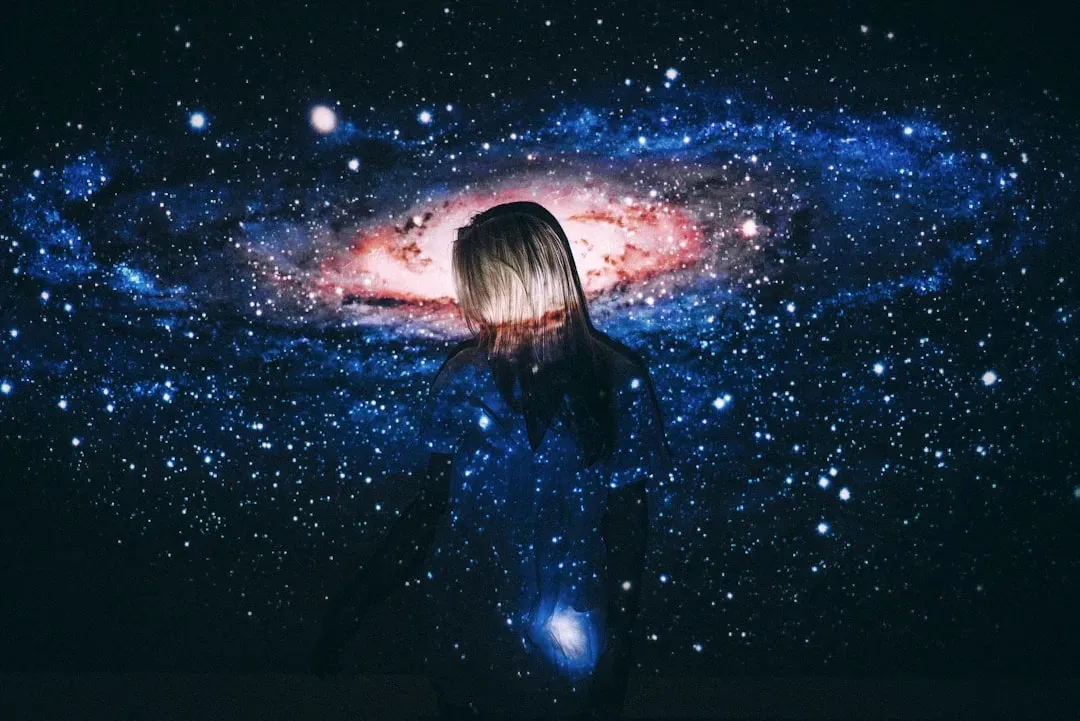
When you pull back and look at these once‑in‑a‑lifetime phenomena together, your sense of ordinary living starts to crack a little. You are not just waking up, going to work, and scrolling through your phone; you are the temporary outcome of a singular genetic shuffle, a one‑off brain build, a personalized microbial civilization, and a never‑again slice of cosmic and geological time. Even the sky you stand under and the air you breathe are tailored by chance and history into a pattern that no one else will live through in quite the same way.
That perspective can feel humbling, but also strangely liberating. You do not have to do something world‑shattering to justify your existence; the fact that you exist at all, in this configuration, during this fleeting moment of the universe, is already beyond unlikely. The real question, once you see how unrepeatable your life is, becomes simple and unsettling: knowing this is the only run you get through these particular conditions, what do you actually want to do with it?