You probably grew up hearing that history is a straight line: people got smarter, technology advanced, and now here you are with a smartphone and a search bar. Then you stumble across an object dug from the ground that absolutely should not exist for its time, or a text you can stare at for hours without understanding a single symbol, and suddenly that neat story falls apart. That uneasy, electric feeling you get when something refuses to fit is exactly where the world’s most famous unexplained artifacts live.
In this article, you’re going to walk right up to some of those objects: a mechanical computer pulled from a shipwreck, a disk covered in symbols nobody can read, a book written in a language that does not exist anywhere else, and more. You will see what archaeologists and scientists truly know, what is still up for debate, and where the myths wildly overshoot the evidence. By the end, you will not have final answers – nobody does – but you will understand why these artifacts genuinely baffle experts, and why they quietly rewrite how you think about the past.
The Antikythera Mechanism: A Bronze Computer From the Deep
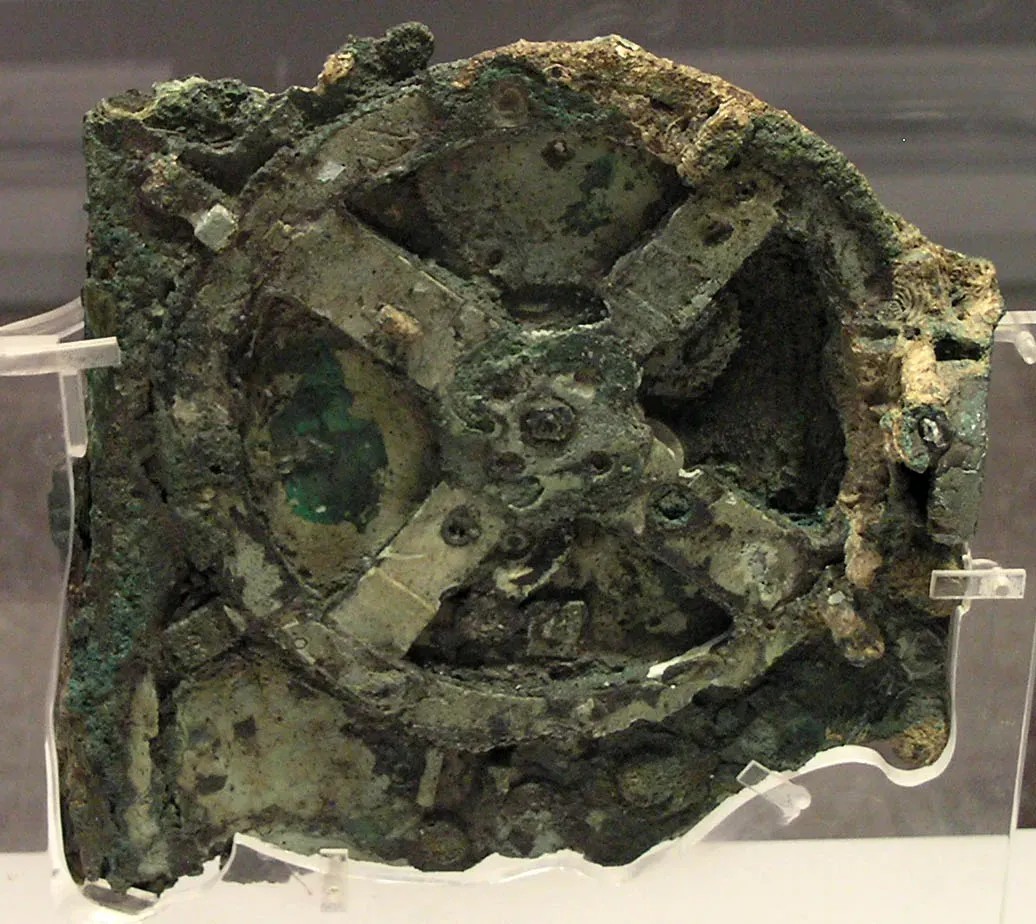
Imagine you are a diver in the early twentieth century, expecting amphorae and statues… and instead you find a lump of corroded bronze gears from over two thousand years ago. When you look closer, you realize this thing is not random junk; it is a machine that tracks the motions of the sun, moon, eclipses, and possibly planets with shocking precision. You are staring at the Antikythera mechanism, an ancient Greek device recovered from a shipwreck off a small island, and it feels like it belongs in a science museum from the Renaissance, not from the first century BCE. Modern X‑ray imaging has revealed over thirty interconnected bronze gears, dials, and inscriptions that read like a technical manual for the sky.
When you dig into the research, you learn that scholars now see it as an advanced astronomical calculator or orrery, capable of predicting eclipses and modeling complex lunar motion using clever gear ratios. You are told that nothing else this mechanically sophisticated is known from the ancient world until more than a thousand years later, which raises a real question: was this a one‑off masterpiece or the lone survivor of an entire tradition of high‑precision gearmaking you just have not found yet? Reconstructions show it could have worked astonishingly well, but you still do not know who built it, exactly what workshop it came from, or how widespread this technology really was. You are left with a device that proves someone back then could think like a clockmaker of the scientific revolution, while offering almost no context to explain how they got there.
The Phaistos Disc: A Spinning Message No One Can Read
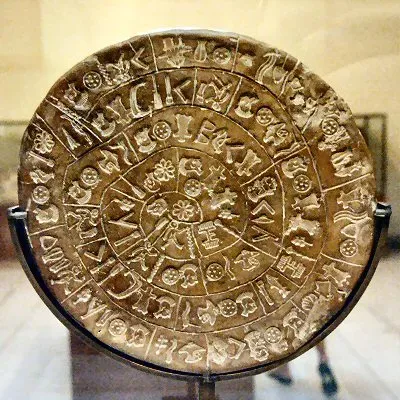
Now picture yourself standing in a museum on Crete, looking at a round clay disk the size of your hand, covered on both sides with tiny stamped symbols arranged in a spiral. You expect a label explaining what the inscription says, but instead you discover that nobody on Earth can read it. This is the Phaistos Disc, likely from the middle or late Minoan Bronze Age, and every symbol on it was pressed in with individual stamps long before the idea of movable type was supposed to exist. You see little figures, plants, tools, animals – about forty‑five distinct signs in all – grouped into short “words” along the spiral path.
Researchers have thrown everything at this thing: comparisons to known scripts, frequency analyses, wild theories that it is a hymn, a game board, a calendar, a magical spell, or even a total modern forgery. Yet when you look at the sober assessments, you find there is still no accepted decipherment, no agreement on the language behind it, and not even certainty that the script appears anywhere else. A few signs overlap with another undeciphered Minoan script, Linear A, but not enough to crack the code. You are left with this uncanny, mass‑produced‑looking object that predates printing by millennia, whispering a message that might be perfectly mundane or profoundly important – and you have no way to tell which.
The Voynich Manuscript: The Book That Refuses to Make Sense
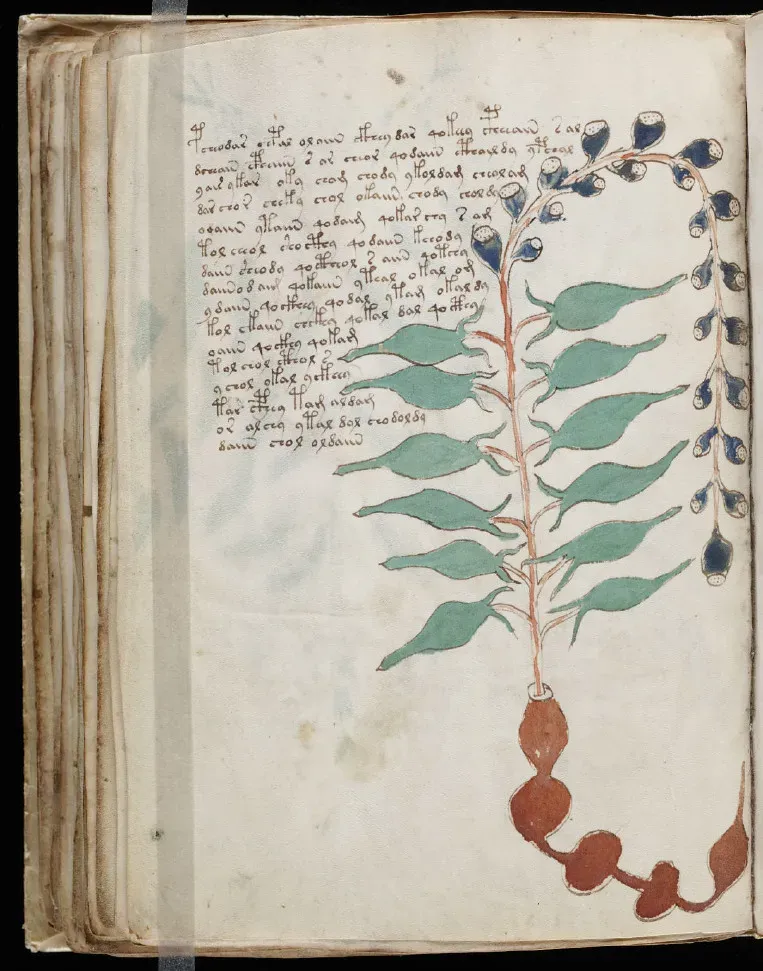
At some point you stumble onto the strangest book you will ever see: a thick, richly illustrated fifteenth‑century manuscript filled with drawings of unknown plants, naked women in greenish pools, zodiac wheels, and pages of flowing script in an alphabet used nowhere else. You learn that this is the Voynich manuscript, radiocarbon‑dated to the early 1400s, written on real medieval vellum with real medieval inks, yet in a language or system that nobody has ever translated. Cryptographers, linguists, and hobbyists have hammered at it for more than a century and it still resists every clear solution.
When you look at the data, you realize the text is not simple gibberish dashed off at random. Its word patterns follow some of the statistical rhythms of natural language, but also break key rules that known languages follow. Recent studies even suggest it might be built with a cipher‑like method that systematically transforms ordinary language into new glyphs, perhaps using algorithms or devices as playful and complex as card‑and‑dice systems proposed by modern researchers. Yet there is no consensus: some scholars argue for a real but unknown language, others for an elaborate code, and a minority still suspect a very sophisticated hoax. You, reading those looping lines and strange botanical diagrams, are forced to live with the possibility that the book is meaningful but locked away forever – or that the real trick is how deeply your brain wants to find meaning even when there might be none.
The Saqqara Bird: Toy, Symbol, Or Ancient Dream Of Flight?
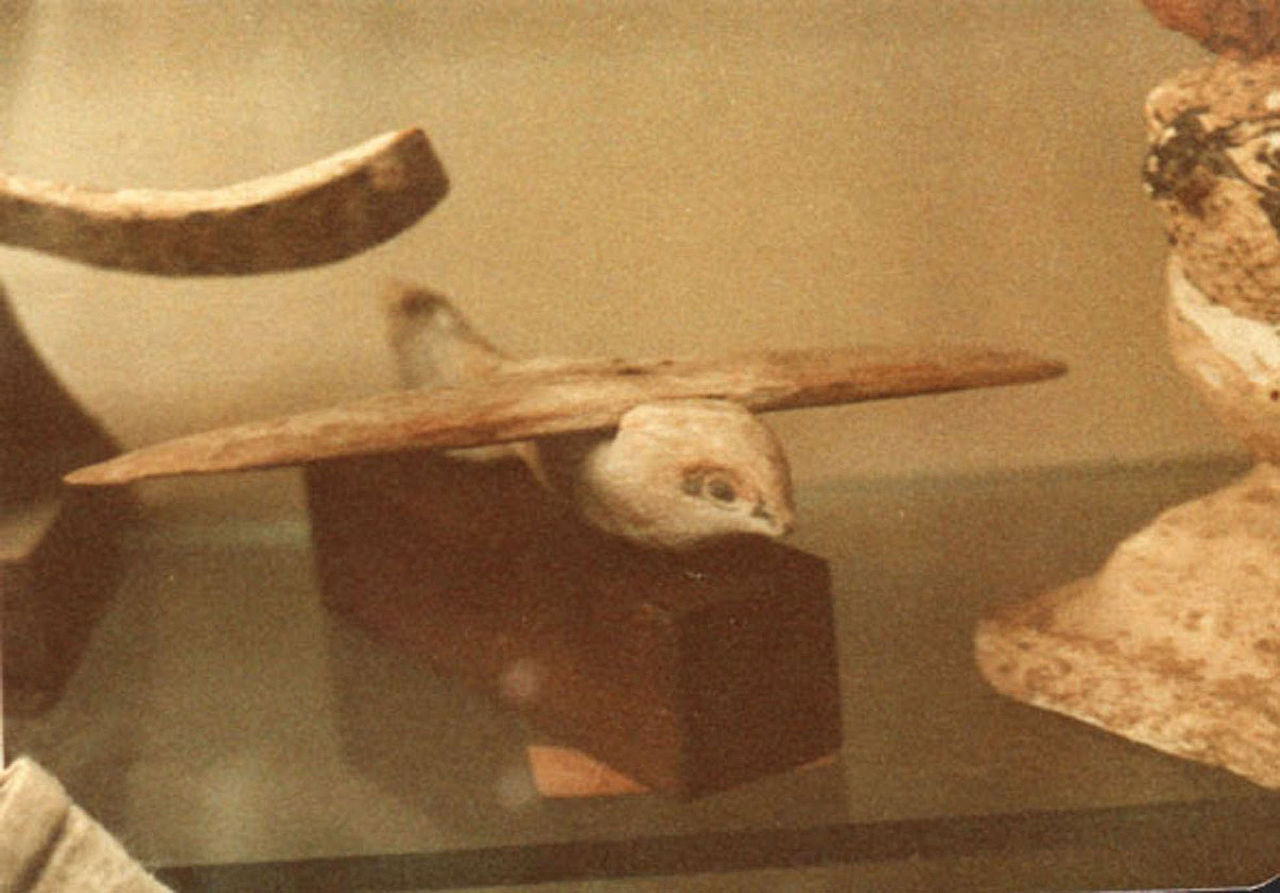
Walk into an Egyptian collection and you may notice a small wooden bird on a pedestal, carved thousands of years ago, with straight wings and a stubby tail that does not quite match any real species. This is often called the Saqqara Bird, found in a tomb near the ancient necropolis that sprawls along the Nile. At first glance, it looks like something a child might play with; at second glance, its shape nudges your imagination toward gliders and aircraft. For decades, people have asked whether you are looking at a ritual object, a symbol of a god, or a hint that someone in the Old Kingdom seriously experimented with aerodynamics.
When you read the cautious archaeological literature, you find that Egyptologists generally see it as a representation of a falcon, a sacred bird closely linked with deities like Horus, probably used as a votive or part of a ceremonial assemblage. You also learn that aerodynamic tests by enthusiasts are intriguing but far from definitive: the artifact does not have key features real gliders rely on, and its balance and wing profile are not ideal. Still, once the airplane age arrived, people could not unsee the resemblance, and modern eyes keep projecting powered flight backwards onto it. You are left in an uncomfortable middle ground where the safest answer is that it is almost certainly symbolic – but the modern urge to read technological foresight into its form refuses to die.
The Baghdad “Battery”: Power Source Or Misunderstood Jar?
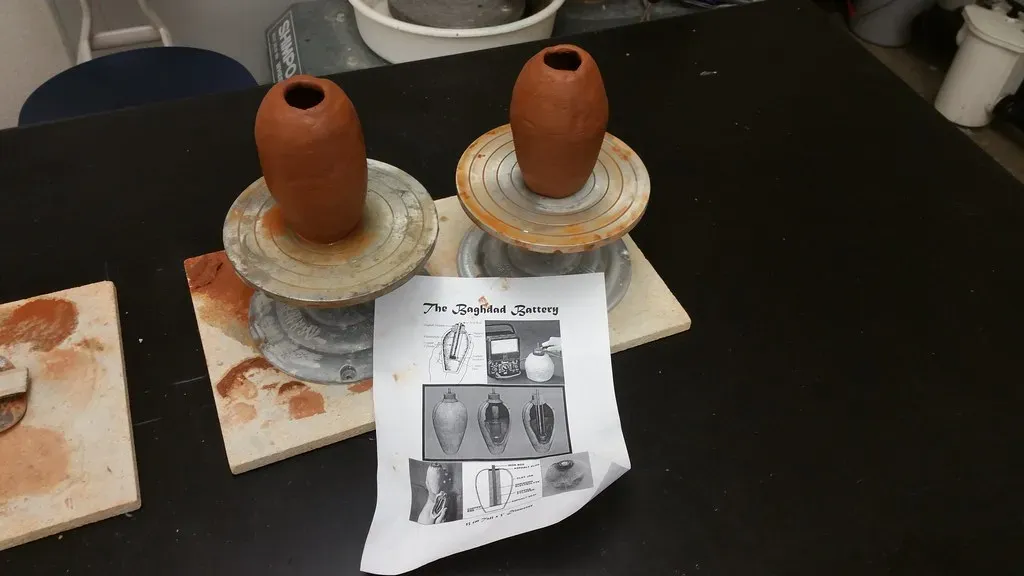
If you have ever watched a documentary about “ancient high technology,” you have probably seen a ceramic jar, a copper cylinder, and an iron rod labeled as the Baghdad Battery. These objects, discovered near modern‑day Baghdad and dating to the Parthian or early Sasanian period, can be assembled into a simple electrochemical cell if you add an acidic liquid. That is where the legends begin: you are told that ancient craftsmen were electroplating jewelry, lighting hidden chambers, or running unknown machines thousands of years before the science of electricity officially appeared. It is an irresistible image: a workshop in Mesopotamia humming with a soft, forgotten charge.
When you check the hard evidence, the story becomes a lot less cinematic. There is no solid archaeological context tying the components together as a deliberately built battery, no inscriptions or depictions of people using electricity, and no clear signs of electroplating that can only be explained by such a device. The jar and metal pieces fit just as well, and perhaps more naturally, as a type of storage vessel or ritual object. Experiments do show that, if assembled in a certain way, the components can produce a weak current, so you know the idea is not physically impossible. But you also see that the leap from “could function as a battery” to “was used as a power source” is enormous, and right now there is simply not enough proof to cross that gap with confidence.
The Shroud Of Turin: Relic, Icon, And Scientific Puzzle
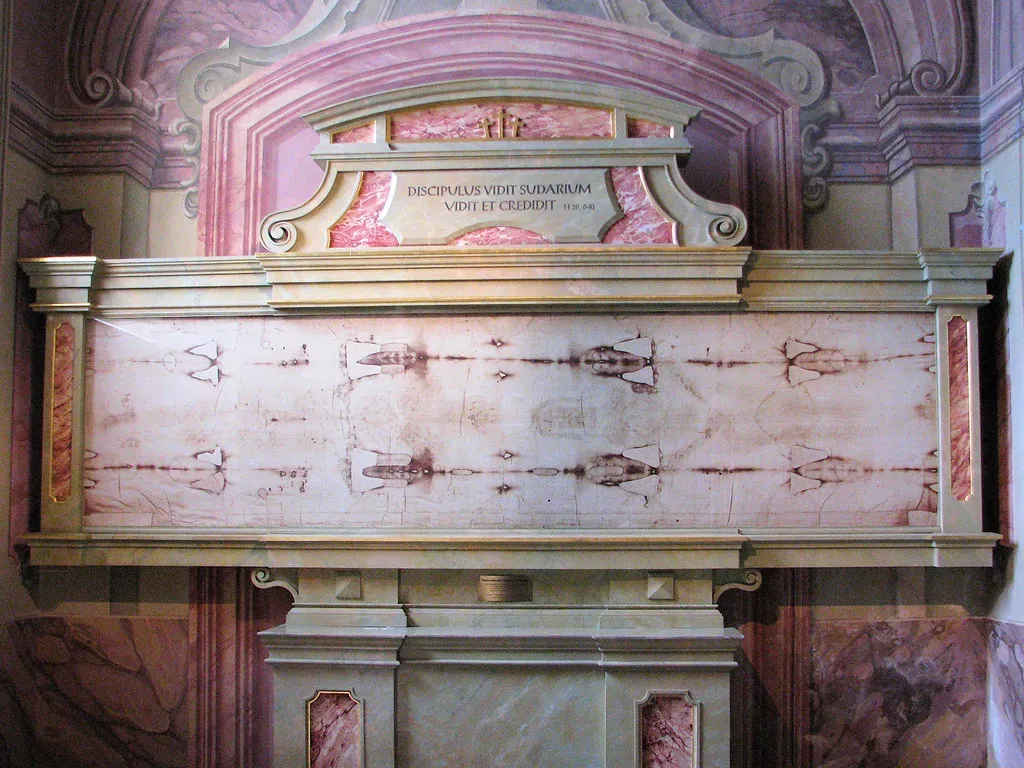
When you first see a photograph of the Shroud of Turin, you might feel a shiver you did not expect. The long linen cloth bears a faint, negative‑like image of a man who appears to have been crucified, and for many believers it is a direct relic of Jesus of Nazareth. For you, even if you are skeptical, the image itself is haunting: it does not look like ordinary paint, and it shows subtle three‑dimensional information that modern image processing has drawn out in surprising ways. You quickly discover that, unlike most artifacts on this list, this one is loaded with faith, politics, and emotion as well as science.
When you work through the research, you find a messy picture. Radiocarbon dating in the late twentieth century pointed to a medieval origin, suggesting the shroud is a remarkable devotional creation rather than a first‑century burial cloth. At the same time, ongoing analyses argue about contamination, repair patches, and the exact mechanism that produced the image, which still does not match straightforward painting or printing methods. You are stuck between firmly held religious convictions, strong claims of modern forgery, and legitimate open questions about how the image formed. The “true story” here is not a tidy answer, but the uncomfortable fact that science can set constraints and probabilities without fully settling what the cloth means to millions of people.
The Nazca Lines: Messages On A Landscape Scale
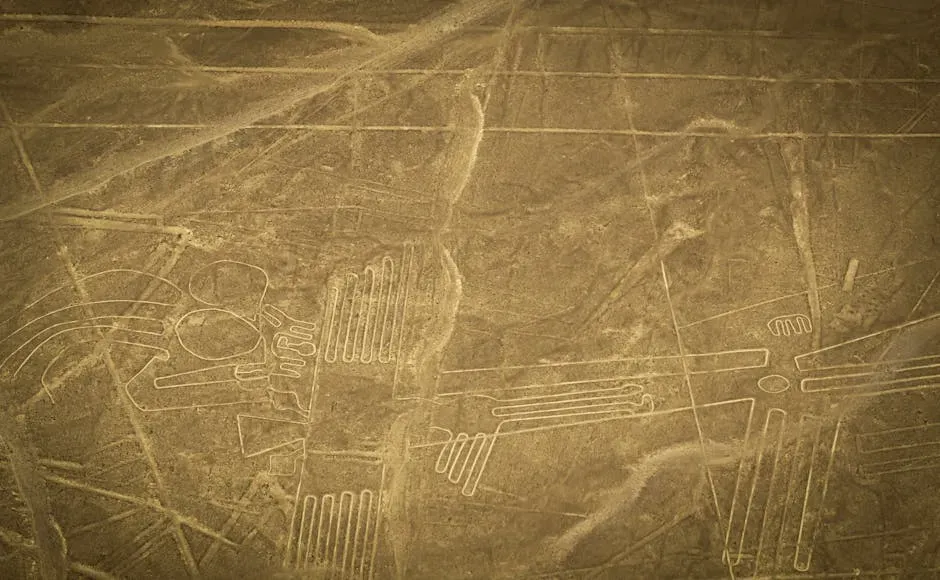
Now lift your perspective until you are looking down from an airplane over the Peruvian desert, and you start noticing enormous lines and shapes etched into the earth: straight paths that run for kilometers, spirals, trapezoids, and huge figures of animals and plants. These are the Nazca Lines, created roughly between the first centuries BCE and CE, and from the ground many are nearly invisible. From above, though, they jump out, and you might immediately think of runways, alien landing markers, or some kind of prehistoric billboard meant for the sky. The scale alone feels almost unreal when you imagine people carving them out with nothing but simple tools and planning.
As you read through serious archaeological studies, a more grounded but still mysterious picture emerges. Researchers have tied the lines to ritual pathways, water sources, and astronomical alignments, suggesting you are looking at a landscape used for processions, offerings, and ceremonies tied to survival in a dry environment. Some figures seem linked to constellations or seasonal events, others to underground aquifers, hinting that the lines might be a way of speaking to gods about rain and fertility on a canvas big enough to impress both people and deities. Yet there is no single, universally accepted decoding of every shape and path. You are left with the sense that you understand the broad strokes – ritual, water, sky – while the specific “text” written in lines across that desert remains partly unreadable.
Roman Dodecahedra: Twelve Faces, Zero Instructions
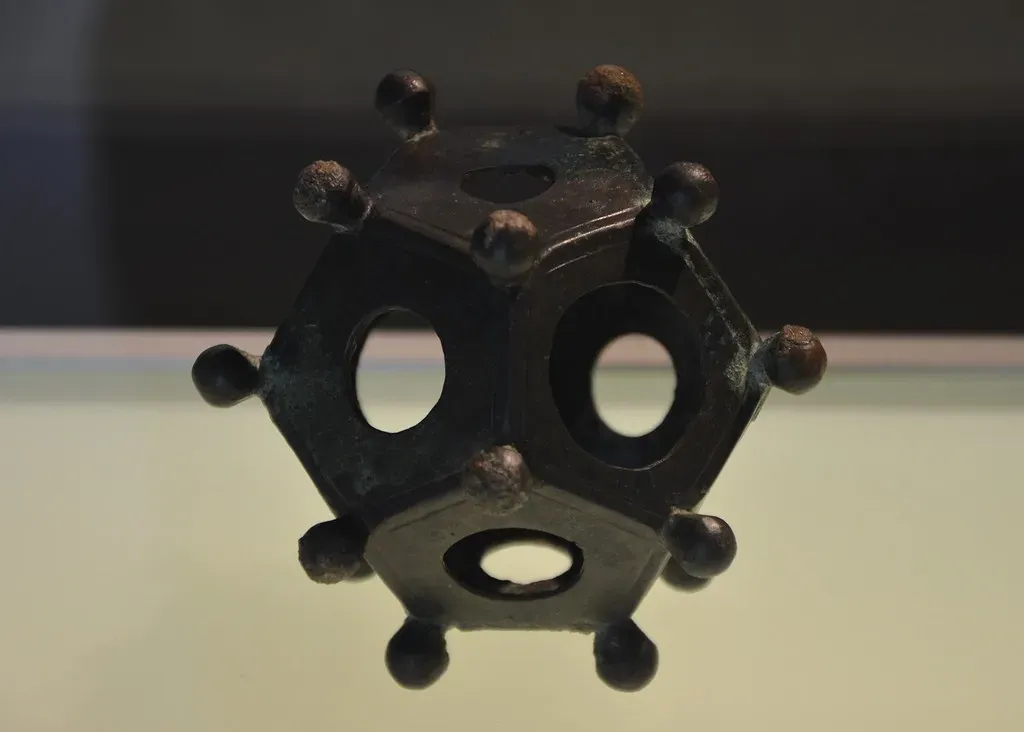
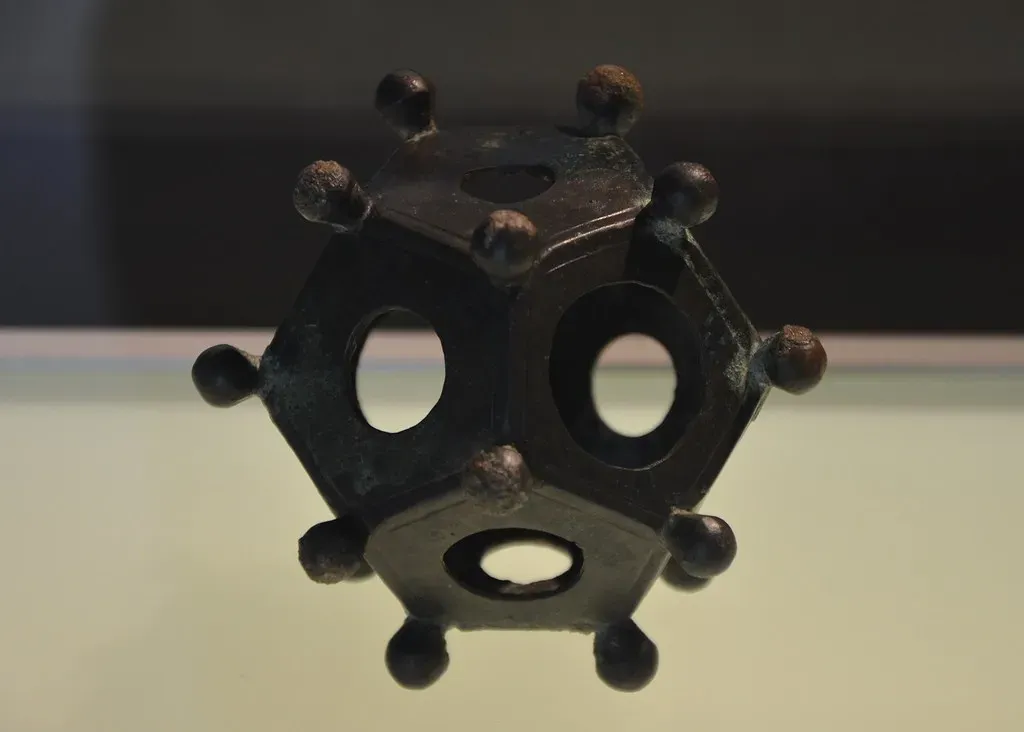
Finally, you pick up a small bronze object in your mind’s eye: a hollow dodecahedron, twelve pentagonal faces, each with a circular hole in the middle and little knobs at the corners. These Roman dodecahedra have been found across parts of Europe in contexts dating to roughly the second and third centuries CE, and nobody bothered to leave you a user manual. You find no ancient drawing of someone using one, no surviving text that names them, no inscription that even hints at their purpose. All you have are dozens of nearly identical yet slightly varied objects and an endless stream of theories.
Researchers and enthusiasts have proposed that you might be holding a candlestick, a surveying tool, a rangefinder for archers, a gauge for sizing textiles or gloves, or a ritual object used in some lost ceremony. Experiments show that some of these ideas are at least workable, but nothing has locked in as the definitive explanation, and the distribution of finds does not align cleanly with a single practical function. When you realize that some of the most basic questions – tool or symbol, everyday object or specialized instrument – are still unresolved, you get a real sense of how fragile your knowledge of the past is. An entire class of objects can survive for centuries in museums, and you still cannot say with confidence what a Roman once did with one in their hand.
Living With Mystery: What These Artifacts Really Tell You
When you step back from all these objects – the sky‑calculating mechanism, the unreadable disk, the indecipherable book, the strange bird, the maybe‑battery, the sacred shroud, the desert glyphs, the twelve‑faced puzzle – a pattern starts to emerge. Each artifact exposes a blind spot in your story of progress, a place where your timeline of “firsts” and “inventions” and “discoveries” stops matching what the evidence in the ground actually shows. You realize that people in the past were experimenting, imagining, and pushing at the edges of their knowledge at least as boldly as you are today, and sometimes they left you a single surviving clue instead of a full archive. That is both thrilling and slightly uncomfortable, because it means you are constantly building history on partial information.
If there is one useful habit these artifacts can teach you, it is how to be comfortable with strong curiosity and honest uncertainty at the same time. You can admire the Antikythera mechanism without inventing lost super‑civilizations, you can explore the Voynich manuscript without pretending it is finally, definitely solved, and you can walk the Nazca desert in your imagination without defaulting to aliens when humans will do. In my own life, I have found that the most rewarding questions are the ones you cannot close with a single sentence, the ones that keep you wondering years later. These unexplained artifacts are exactly that kind of question, sitting quietly in glass cases and vaults, daring you to ask: how much of the past are you still blind to, and what else is waiting to surprise you?