You are living at a ridiculously strange moment in history. For almost all of human existence, nothing much changed from one lifetime to the next… and now you watch your phone update itself while scientists edit genes, train artificial minds, and talk seriously about terraforming other planets. It feels exciting and terrifying at the same time, like you are strapped into a roller coaster that nobody is fully sure how to operate yet.
When you look ahead, the future of humanity and Earth is not a single straight line. Instead, it is more like a bundle of wild storylines, some hopeful, some dark, many overlapping. In this article, you will walk through ten of the most fascinating, science‑rooted ideas about where things might be heading. Some of them you will want to cheer for, others might keep you up at night, and a few will probably do both at once.
1. You Might Merge With Machines (Instead of Being Replaced by Them)
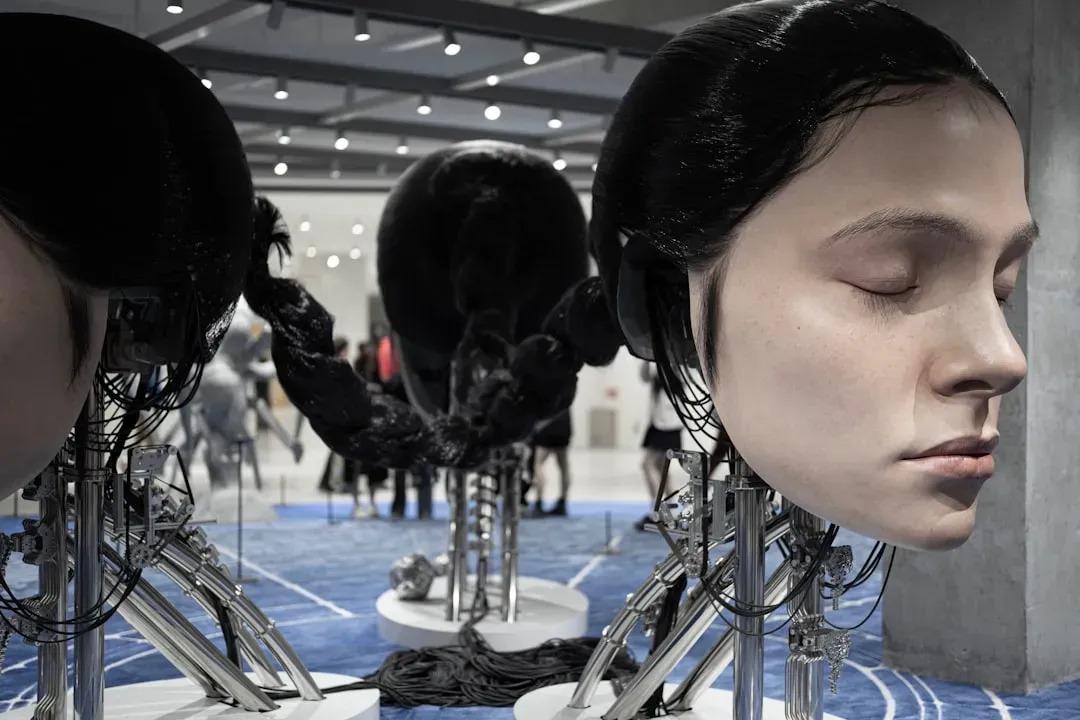
You often hear people talk about artificial intelligence as if it is a rival species that will either serve you or destroy you. A very different theory says the real future is not humans versus machines, but humans plus machines, blended so tightly that the line between the two blurs. In this scenario, you do not hand over control to AI; you let AI sit inside your nervous system like an extra layer of cognition, a quiet partner that boosts your memory, focus, creativity, and problem‑solving skills.
You can already see baby steps in this direction when you use brain–computer interfaces, smart prosthetics, or even advanced smartphone assistants that feel like external memory. As interfaces become more precise and less invasive, you could one day think a question and receive an answer directly in your mind, or control digital tools as easily as you move your fingers. That future raises hard questions about identity, privacy, and inequality, because whoever controls the interface controls a piece of your inner world, and whoever gets the best upgrades may gain a huge advantage over everyone else.
2. You Could Radically Extend Your Healthy Lifespan

Another mind‑bending theory about your future is that aging itself may become a treatable condition rather than an unavoidable fate. Instead of simply managing the diseases of old age, scientists are exploring ways to slow, repair, or even partially reverse the underlying biological damage that builds up in your cells over time. You can think of it like maintaining a car: if you consistently replace worn‑out parts and keep the engine clean, the vehicle lasts far longer than the original designers expected.
In your lifetime, this could mean therapies that repair DNA damage, clear out malfunctioning cells, tune immune function, or reset the chemical markers that tell your cells how old they are. If these approaches succeed, you might see far more people staying physically and mentally sharp well into what you now call “old age”, with an extra few decades of healthy life. The twist is that living longer on a crowded planet forces you to rethink retirement, housing, resources, and what a “normal” life path looks like when seventy may feel like mid‑career rather than the end of the road.
3. You May Help Terraform Other Worlds While Trying Not to Ruin Your Own
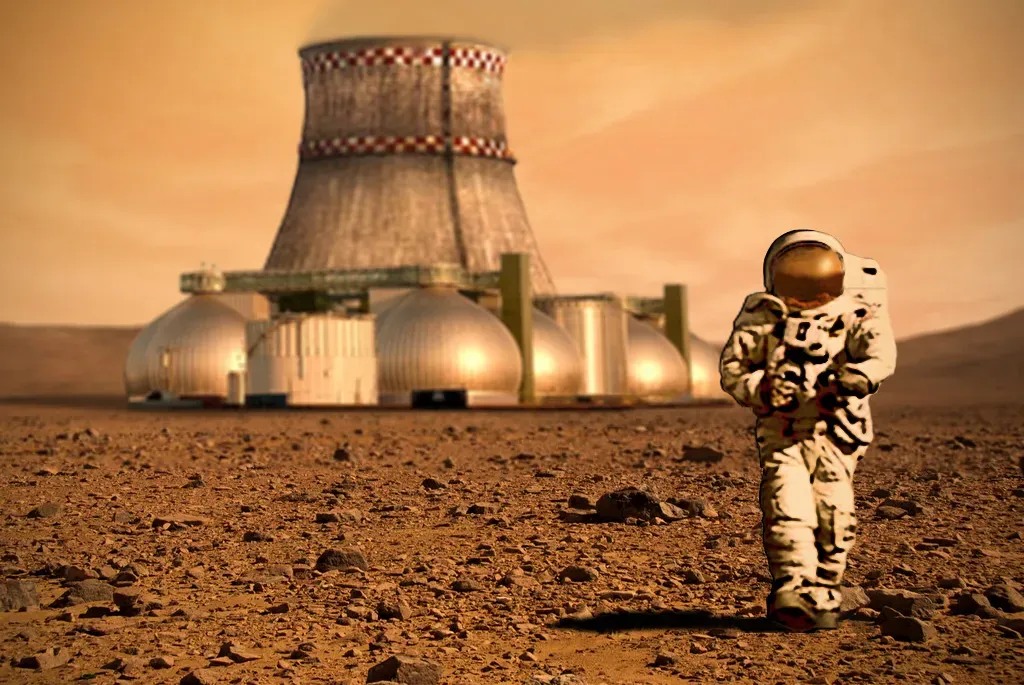
For most of history, every human story has been written on one planet. A growing theory suggests that this might change, and that your species could slowly become multi‑planetary, starting with places like Mars or the Moon. Terraforming is the idea of deliberately reshaping another world’s environment so that it becomes more Earth‑like – thicker atmosphere, liquid water, tolerable temperatures, and possibly, one day, a place you could walk around with minimal protection.
In practice, even partial terraforming would be a gigantic, slow‑motion engineering project, more like sculpting a planet over centuries than building a city. You might use giant mirrors to warm a frozen world, seed it with tough microbes, or mine vast amounts of ice and rock to change its climate. At the same time, the irony is that when you look at how hard it would be to make another planet even barely livable, you start to realize how insanely precious and fine‑tuned Earth already is. That realization could push you to treat your home world as something to restore and protect rather than something disposable you can easily replace.
4. Your Planet Could Become a Network of Smart, Self‑Regulating Systems
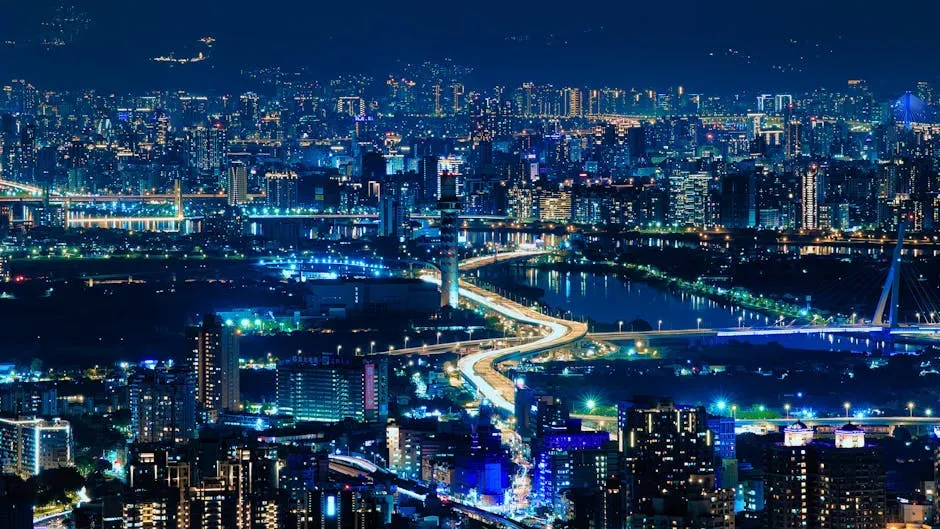
Right now, you can already see hints of a future where cities, power grids, transport, and farms are wired together by dense digital networks. One theory says that over the next decades, your entire civilization may behave more like a giant, self‑regulating organism. In that world, sensors track energy use, air quality, water flows, and traffic in real time, feeding adaptive algorithms that adjust everything from electricity prices to irrigation schedules to keep the system stable and efficient.
For you, daily life in such an environment might feel smoother and strangely invisible. Streetlights would dim the moment nobody needs them, buildings would automatically optimize temperature and lighting for comfort and minimal energy waste, and food systems would dynamically shift production based on changing weather and demand. But there is a catch: the more your world becomes a web of smart systems, the more vulnerable you may feel to failures, cyber‑attacks, or opaque decisions being made far beyond your understanding. You would gain convenience and resilience, but only if you also demand transparency, security, and human oversight.
5. You Might Rely on Synthetic Life to Repair the Damage You Have Done
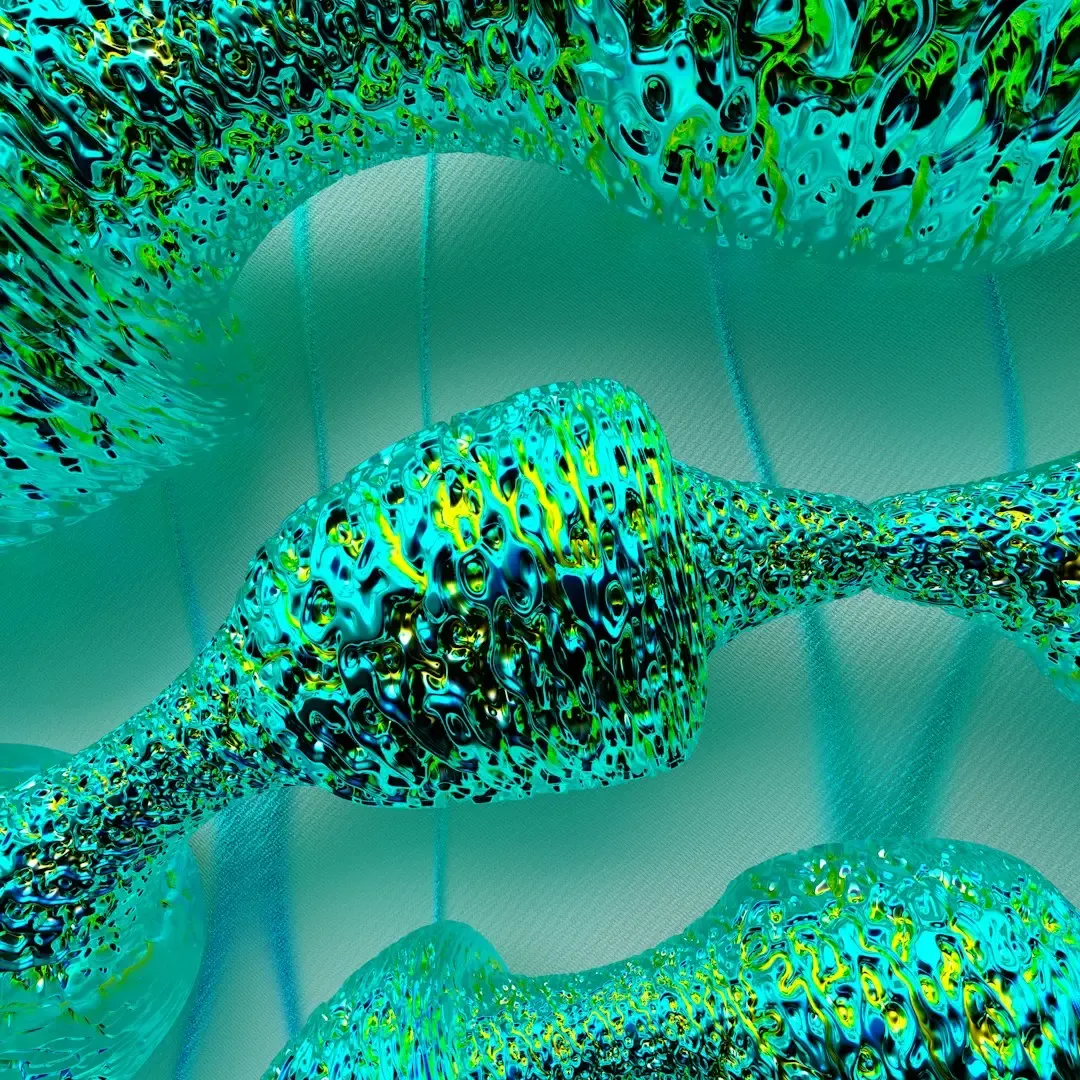
As you grapple with pollution, biodiversity loss, and climate change, another future path suggests that you may lean heavily on synthetic biology and engineered organisms to help heal the planet. Instead of only cutting emissions or reducing harm, you could design microbes that break down plastics, plants that pull more carbon from the air, or coral that can withstand warmer oceans. In this theory, you are not just observing evolution; you are actively steering it to support both human needs and ecosystem resilience.
Using living systems as tools is powerful because they can replicate, adapt, and operate at massive scales that no mechanical technology can easily match. But when you release engineered life into complex ecosystems, you are essentially making changes that might ripple for generations. You would need strict safeguards, reversible designs where possible, and constant monitoring so that attempts to fix one problem do not accidentally create a larger one. It forces you to become a more thoughtful gardener of the biosphere rather than a careless exploiter of it.
6. Climate Change Could Reshape Where and How You Live
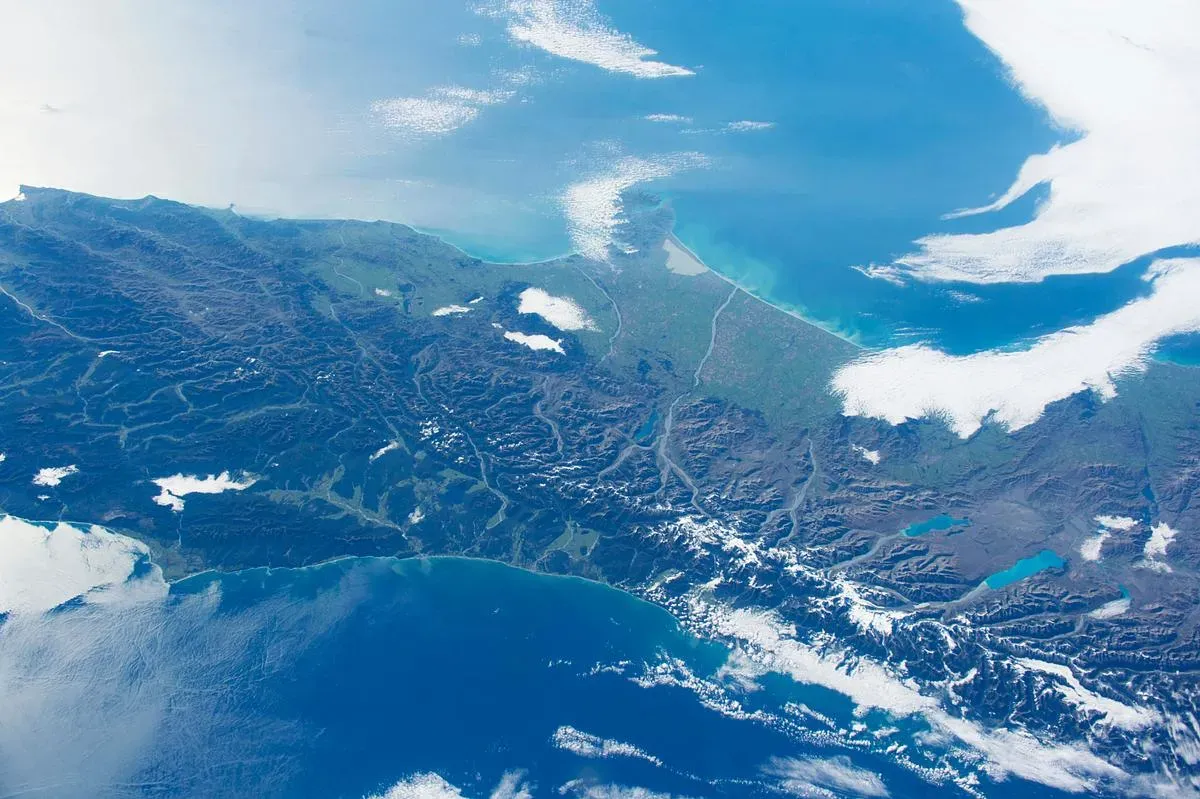
You already know that your climate is changing, but the long‑term theories about what this means for humanity’s future go far beyond hotter summers. Over the coming decades, shifting temperatures, rising seas, and more extreme weather could redraw the map of where it is practical and safe for large populations to live. Some regions may become far harder to inhabit without constant cooling and imported water, while others might open up new possibilities for farming or settlement.
For you personally, this might translate into more climate‑resilient buildings, revised insurance systems, new crops in your local supermarket, or even migrations that bring different cultures together in unexpected ways. The future here is not fixed: your emissions choices now, plus your investments in adaptation, will strongly influence how disruptive these shifts become. One uncomfortable but honest possibility is that inequality may deepen, with wealthier communities adapting more easily while poorer ones bear the brunt, unless you deliberately design policies that share both risks and benefits more fairly.
7. Your Mind Might Spend Much of Its Time in Digital Worlds
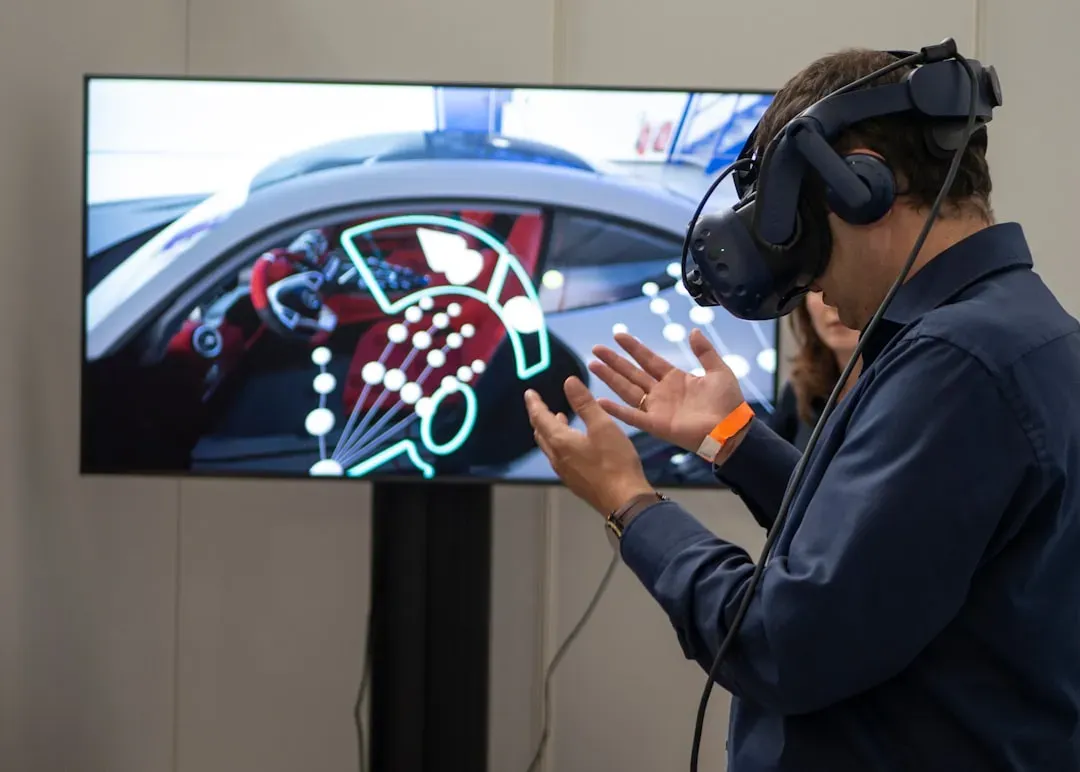
Another radical theory about your future is that a growing slice of your life will play out in immersive virtual or mixed‑reality spaces that feel almost as real as the physical world. Instead of staring at screens, you might step into fully interactive environments where work, education, entertainment, and social life blend together. Your sense of identity could stretch across multiple avatars and digital habitats, each tuned to different aspects of your personality or goals.
On the upside, this could give you endless opportunities to learn, collaborate, and explore. You could attend a lecture standing on a simulated Martian cliff, rehearse a risky surgery in perfect safety, or build art installations the size of cities without needing a single physical brick. On the downside, you would need to guard against addiction, manipulation, and the risk of corporations or governments owning huge chunks of your social and emotional experience. You might end up treating digital well‑being the way you now treat diet or sleep – something you must manage deliberately, not just drift through.
8. Your Sense of “Us” May Expand Beyond Humans
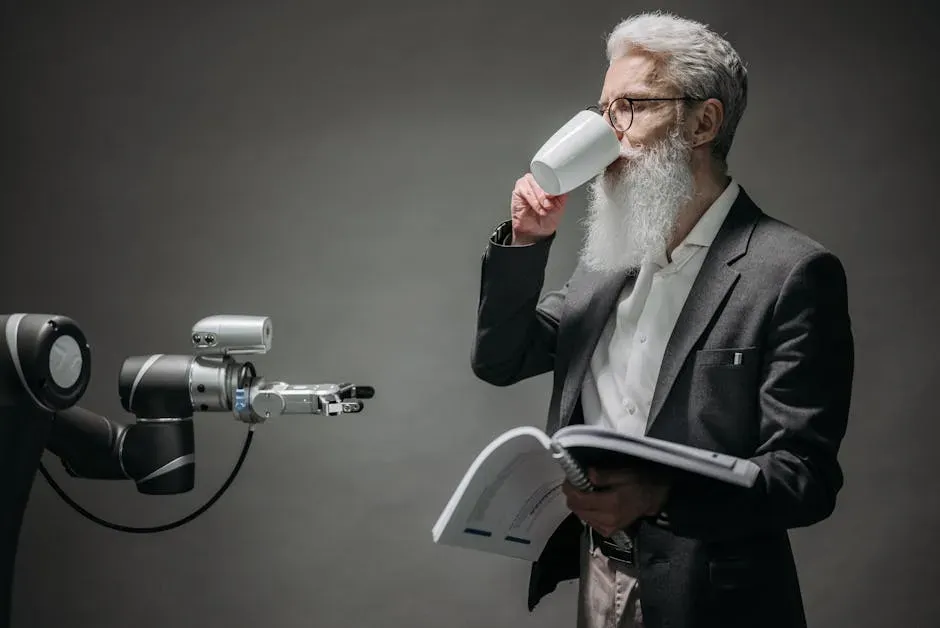
As AI grows more sophisticated and planetary systems become more tightly interconnected, a powerful theory suggests that your idea of who belongs in your moral circle may change. Right now, when you say “we”, you usually mean humans, maybe including pets or beloved animals. In the future, you might find yourself extending genuine concern to artificial minds, large‑scale ecosystems, or hybrid networks that involve humans and machines together, simply because they show signs of complexity, vulnerability, and the ability to suffer or flourish.
For you, this shift would not be just philosophical; it could influence laws, rights, and everyday behavior. You might debate whether a very advanced AI deserves protections or whether a river, forest, or coral reef should hold legal status to defend itself against destruction. That sounds abstract, but it would directly affect how you build infrastructure, run companies, and define harm. The way you answer these questions could determine whether the future feels like an empire of humans ruling over everything else, or a more balanced partnership among many kinds of intelligent or life‑like systems.
9. You Could Learn to Steer Planet‑Scale Processes on Purpose

For better or worse, humans already influence planetary systems, from the composition of the atmosphere to the chemistry of the oceans. A striking theory about the future is that you might eventually start doing this intentionally and carefully, rather than by accident. This is sometimes called planetary stewardship: the idea that you accept you have become a geological force and then design tools and institutions to manage that power responsibly.
In practice, that might mean research into techniques like reflecting a small fraction of sunlight to cool the planet, restoring large carbon‑absorbing ecosystems, or coordinating global responses to emerging diseases and resource shocks. If you go down this path, you would be playing with levers that can affect billions of lives, which means mistakes could be catastrophic. So you would need open debate, global cooperation, and strong rules, not secret experiments or short‑term fixes. The future here hinges on whether you can be wise enough, fast enough, to guide these systems instead of being overwhelmed by them.
10. You Might Redefine What It Means to Be Human
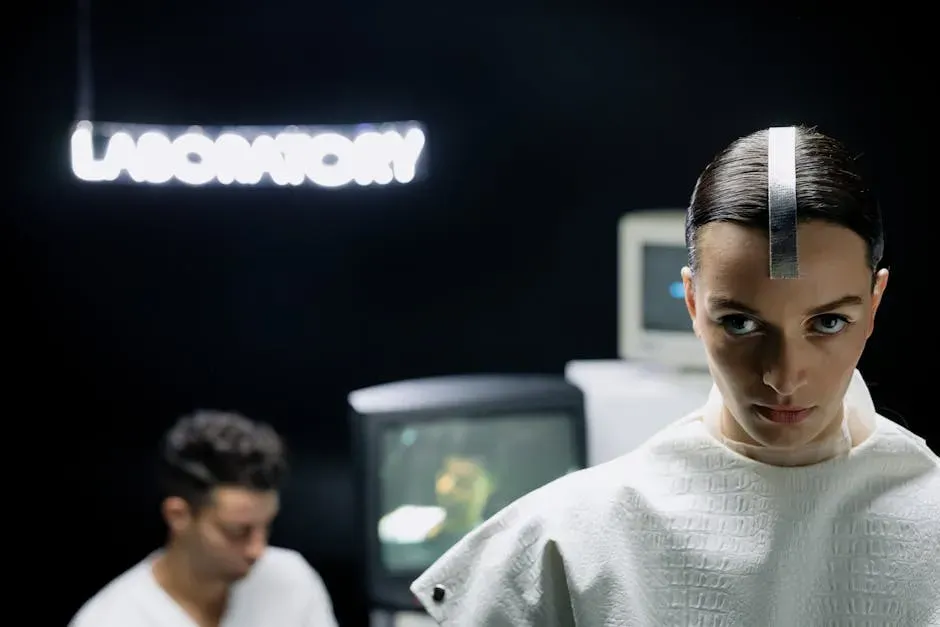
Underneath all these theories runs a deeper question: what does it actually mean to be human in a world of altered genomes, neural implants, digital doubles, and engineered ecosystems? Some thinkers argue that you are heading toward a “post‑human” era, where physical, cognitive, and emotional capacities are so augmented or altered that they no longer fit your traditional categories. Others think you will stay fundamentally the same, just surrounded by more powerful tools and bigger challenges.
In your own life, this debate will probably feel very personal and practical. You might have to decide whether to use genetic screening for your children, whether to install brain‑linked devices, or how much of your data to surrender in exchange for perfect health tracking or personalized AI companions. You will constantly be choosing what to embrace, what to resist, and what to reshape in your own image. In the end, your definition of humanity might become less about specific abilities and more about shared values: empathy, responsibility, curiosity, and the willingness to care for each other and the planet that makes every other dream possible.
Conclusion: The Future Is Not a Movie You Just Watch
When you put these ten theories side by side, the future of humanity and Earth stops looking like a distant science‑fiction movie and starts looking like a set of branching paths that you help choose every day. You are not a passive audience member; you are one of the scriptwriters, even if your lines feel small compared to the big forces of technology, politics, and climate. The tools that could merge you with machines, extend your life, reshape planets, or heal damaged ecosystems are powerful, but they are not destiny by themselves.
Your real leverage lies in how you use them, what limits you insist on, and what kind of world you are willing to fight for. You can push toward futures that are more compassionate, more sustainable, and more honest about risks, or you can drift into futures driven only by profit, fear, and short‑term thinking. The most mind‑blowing possibility of all is that, despite all the complexity, your everyday choices and values still matter. When you imagine the world your grandchildren might inherit, which of these paths do you want them to look back on and thank you for taking seriously?