If you think you’ve seen it all because you know about lions, dolphins, and maybe a few poisonous frogs from nature documentaries, you’re in for a shock. The animal kingdom is hiding some absolutely wild secrets in plain sight, many of them so tiny, so remote, or so strange that most people go their whole lives never hearing about them. Yet these creatures are quietly rewriting what you think life on Earth can actually do.
As you read through these seven hidden wonders, you’ll notice something odd happening: your everyday idea of what is “normal” for an animal will start to crumble. You’ll meet creatures that shrug off deadly radiation, jellyfish that literally turn back their own biological clock, and a blue “dragon” that floats upside down on the open ocean. By the time you’re done, you may never look at the natural world with the same calm, smug confidence again.
The Immortal Jellyfish That Rewinds Its Own Life
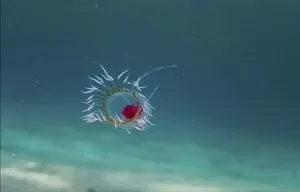
You’ve probably been told that everything alive has one thing in common: it ages and dies. The tiny jellyfish Turritopsis dohrnii politely disagrees. When this jellyfish is stressed, injured, or starving, instead of dying, it can revert from its adult form all the way back to an earlier, juvenile stage, like hitting a biological reset button. Scientists call this “life cycle reversal,” and so far, this is the only animal known to fully reverse its life cycle rather than simply hanging on longer than usual.
In practical terms, that means this jellyfish could, in theory, repeat its life over and over as long as it avoids being eaten or destroyed. You are used to thinking of time as one-way for living things: baby, adult, old, gone. This animal tosses that rule out the window and loops the tape. Researchers are studying its genes and cells to understand how it pulls off this trick, because hidden in that process are clues about aging, regeneration, and maybe even ways medicine could one day help you repair damaged tissues more effectively.
The Toughest Animal You’ll Never See: Tardigrades
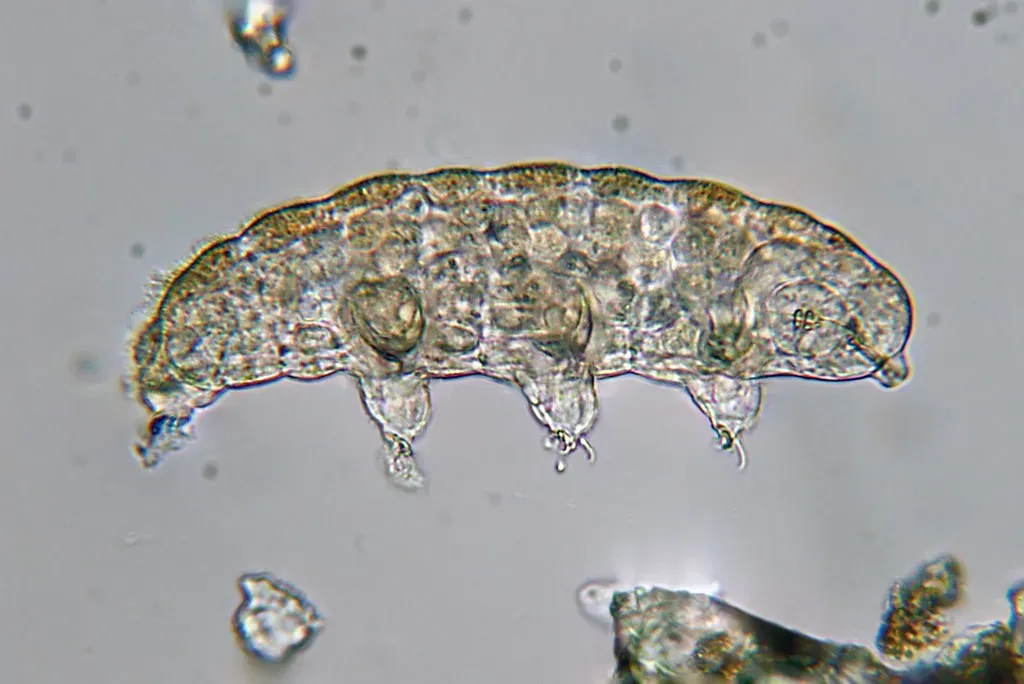
If you could shrink yourself down and walk through a drop of mossy water, you might bump into the toughest little survivor on Earth: the tardigrade, often called a water bear. These microscopic animals waddle around on stubby legs when conditions are comfortable, but when things go bad – boiling heat, freezing cold, near‑vacuum, intense radiation, or total dehydration – they perform a survival magic trick. They curl into a dry, compact form called a “tun” and shut almost everything down, entering a state known as cryptobiosis.
In this state, tardigrades have survived experiments involving temperatures far below freezing, blistering heat, high doses of radiation, crushing or almost nonexistent pressure, and years without liquid water. You, by comparison, are incredibly fragile. The idea that a creature so simple can endure what would instantly kill you forces you to rethink what “habitable” really means. That is one reason scientists even use tardigrades as a model when they speculate about life surviving extreme environments on other planets.
The Blue Sea Dragon That Steals Venom for Itself
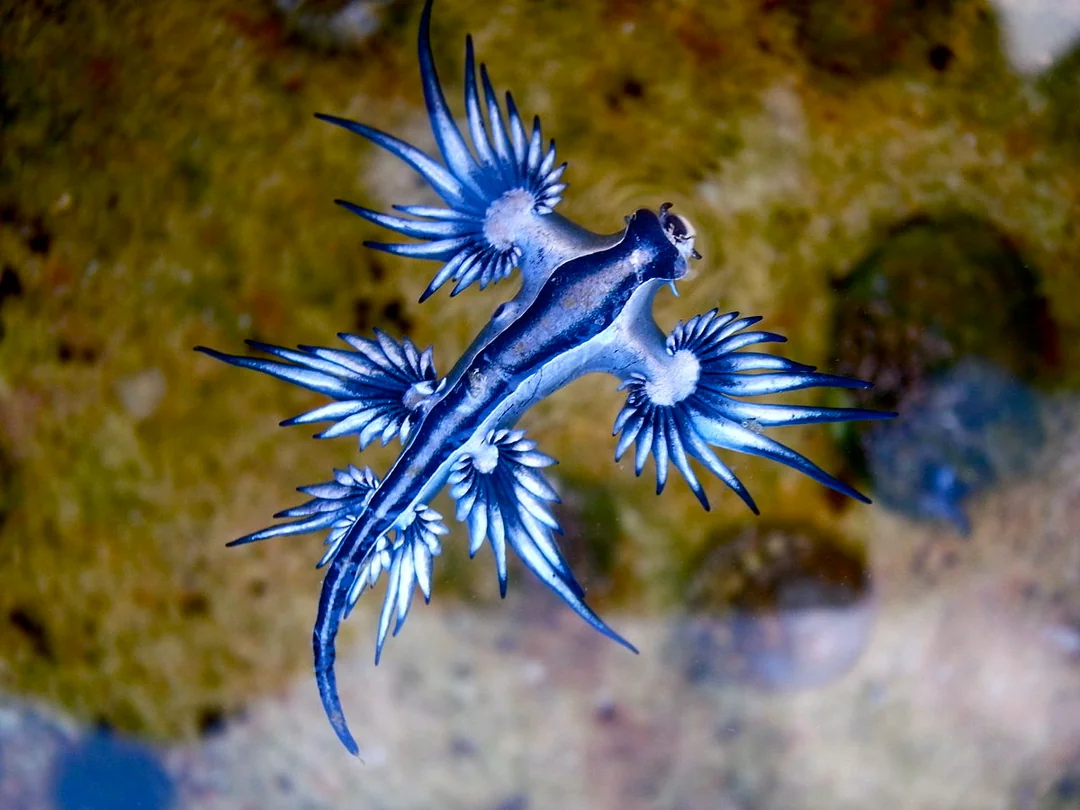
Imagine you’re walking along a warm beach and you spot what looks like a tiny, metallic‑blue dragon washed up in a tide pool. You’re looking at Glaucus atlanticus, the blue sea dragon, a small sea slug that looks unreal, almost like glass art brought to life. It floats on the ocean’s surface, belly upward, supported by a bubble of air it traps in its body. From above, its blue underside blends into the water, and from below, its pale back matches the bright sky, helping it hide from both predators and prey.
The really shocking part is how it eats and defends itself. This little animal feeds on stinging creatures like the Portuguese man‑of‑war, swallowing their venomous cells instead of being harmed by them. Then it concentrates those stinging cells in its own tissues, turning into a kind of living stolen-weapon storage unit. If you pick one up with your bare hands, it can deliver a painful sting that may be even stronger than that of the original jellyfish it ate. So if you ever see one, you can admire it – but you definitely should not touch it.
The Pangolin: An Armored Mammal Rolled in Secrets
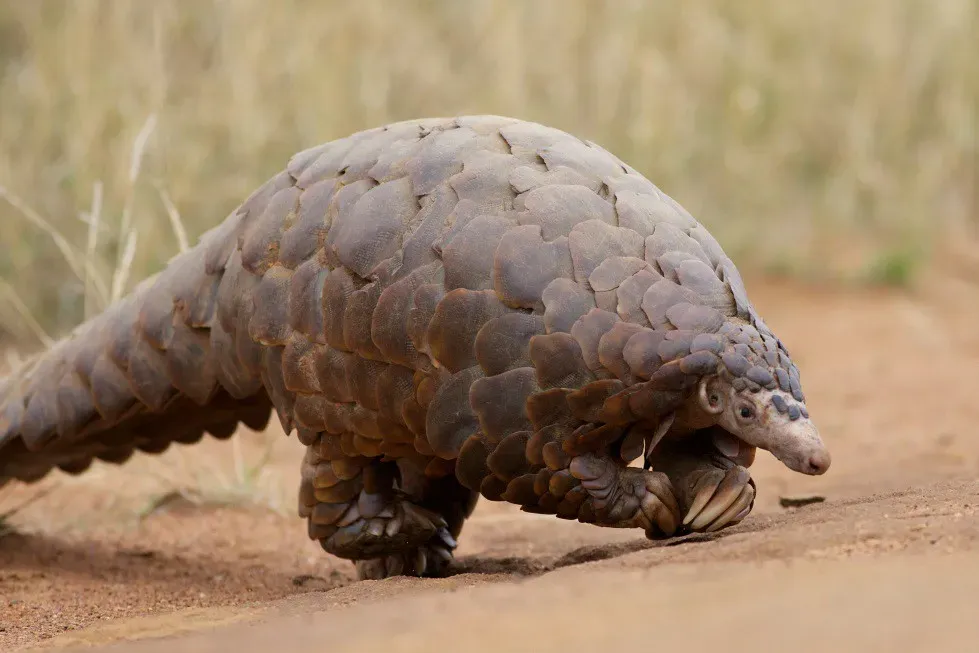
If you combined an artichoke, a pinecone, and an anteater, you’d end up with something that vaguely resembles a pangolin. You might think you’re looking at a reptile because of its overlapping scales, but you’re actually seeing a mammal, more closely related to you than to lizards. Those scales are made of keratin, the same material in your hair and nails, and they cover most of the body like flexible armor. When a pangolin feels threatened, it doesn’t run or fight; it curls into a tight ball, and its scales act like a shield against teeth and claws.
You might assume that such a bizarre and well‑defended animal would be thriving, but the reality is heartbreaking. Pangolins are some of the most heavily trafficked mammals in the world, hunted for their meat and for their scales, which are wrongly believed in some places to have special medicinal powers. In truth, those scales are no more magical than your own fingernails. By simply knowing what a pangolin really is – and what it is not – you become part of a growing group of people who can push back against myths that are driving this hidden wonder toward extinction.
The Pistol Shrimp That Shoots Underwater “Bullets” of Sound
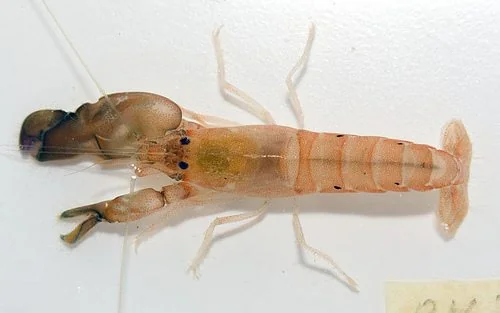
The next time you think of powerful animals, your mind probably jumps to sharks, crocodiles, or big cats. But under the waves, a tiny shrimp is packing one of the most extreme weapons in the animal kingdom. The pistol shrimp (sometimes called a snapping shrimp) has one oversized claw that it snaps shut so fast it creates a bubble moving at incredible speed. When that bubble collapses, it releases a shockwave and a flash of heat and light, producing a sound loud enough to rival a gunshot – hence the name.
For its tiny size, this is like carrying around a handheld cannon. That shockwave can stun or even kill small prey such as fish or other invertebrates, letting the shrimp grab an easy meal. You normally think of sound as something you hear, but this shrimp weaponizes it as a physical force. It is a reminder that you are surrounded by forms of power that don’t fit your everyday human sense of scale; sometimes, the deadliest “hunter” in a patch of reef is barely bigger than your thumb.
The Axolotl That Refuses to Grow Up and Regrows Body Parts
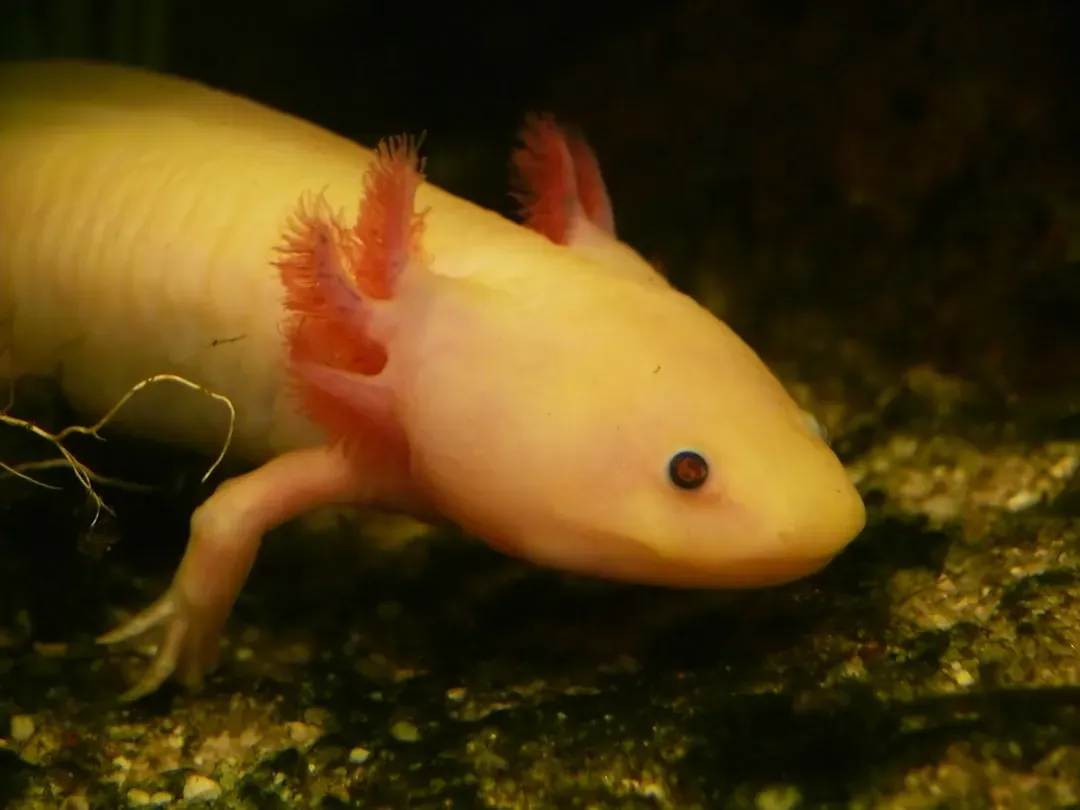
Picture a salamander that looks like a permanent teenager, with feathery external gills sticking out from the sides of its head like delicate pink trees. That is the axolotl, a Mexican amphibian that does something you almost never see in vertebrates: it stays in its aquatic, juvenile form for its whole life, a phenomenon called neoteny. While most salamanders eventually metamorphose, lose their gills, and live on land, the axolotl usually keeps its youthful features and stays in the water as an adult.
What really elevates the axolotl into hidden‑wonder status is its ability to regenerate. If it loses a limb, it can regrow a fully functional replacement, including bones, muscles, nerves, and skin. It can repair parts of its spinal cord and portions of its heart and brain in ways you can only dream of. You might think that kind of regeneration belongs in superhero movies, but in this animal, it is just daily biology. That is why labs around the world study axolotls, hoping to learn how their regenerative powers might one day inspire new medical treatments for injuries and degenerative diseases in humans.
The Mantis Shrimp With a Punch Like a Bullet
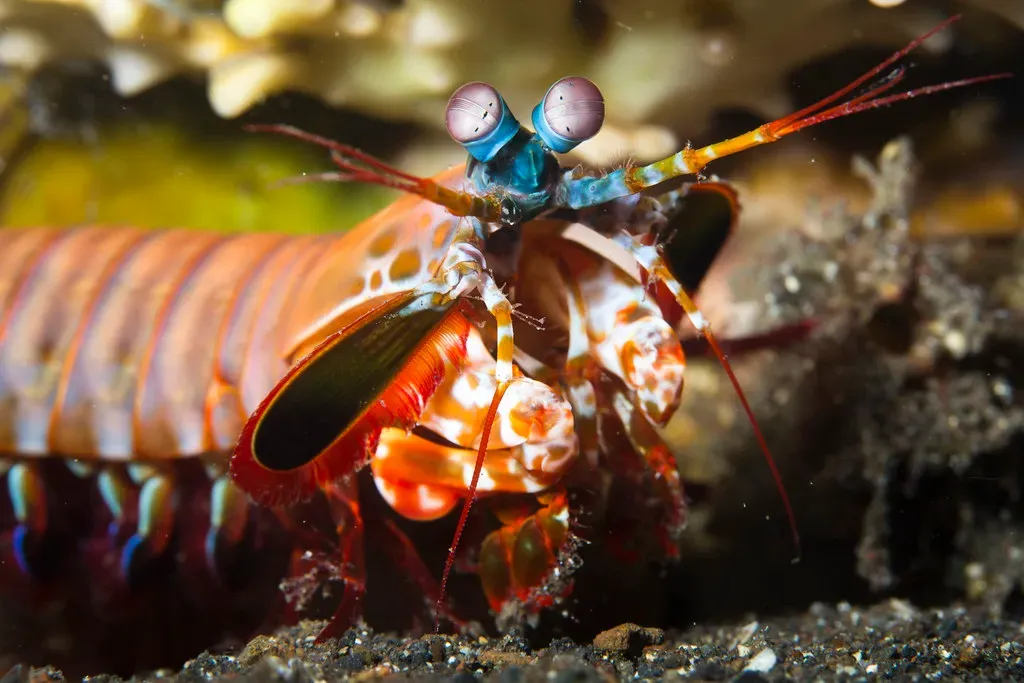
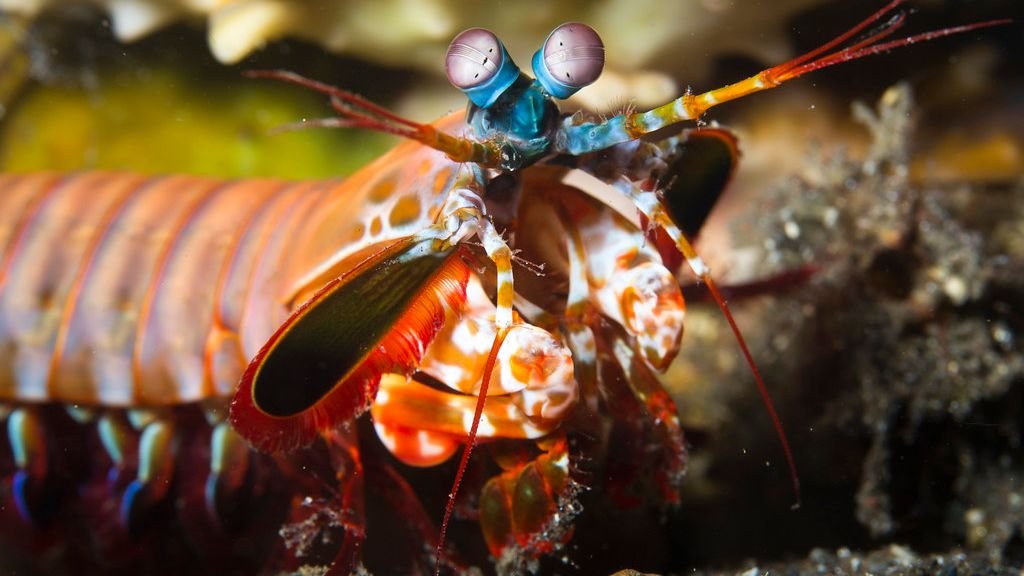
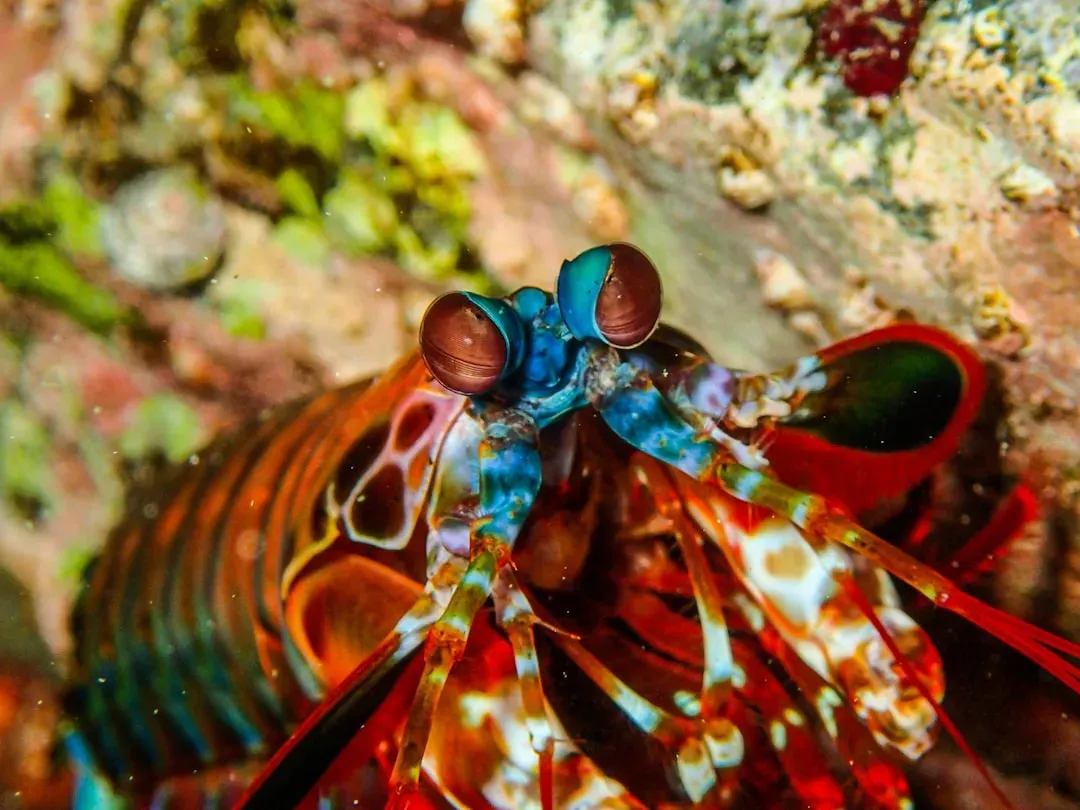
You probably walk past aquarium tanks without giving much thought to the small, colorful crustaceans hiding in the rocks. If one of those happens to be a mantis shrimp, it might be the most dangerous little neighbor in the glass box. Some mantis shrimp species have club‑like appendages that they can fire forward with astonishing speed. The acceleration has been compared to a bullet leaving the barrel of a gun, and the impact can crack snail shells, break crab carapaces, and even damage aquarium glass.
On top of that, mantis shrimp have some of the most complex eyes known in the animal kingdom, with a visual system that can detect types of light you never see, including certain forms of polarization. You think of yourself as pretty advanced, yet this small marine predator outperforms you in both speed and sensory sophistication in its own niche. Watching one in action is like seeing a tiny martial artist and a high‑tech sensor platform rolled into one vividly colored body.
The Glass Frog With a See‑Through Belly
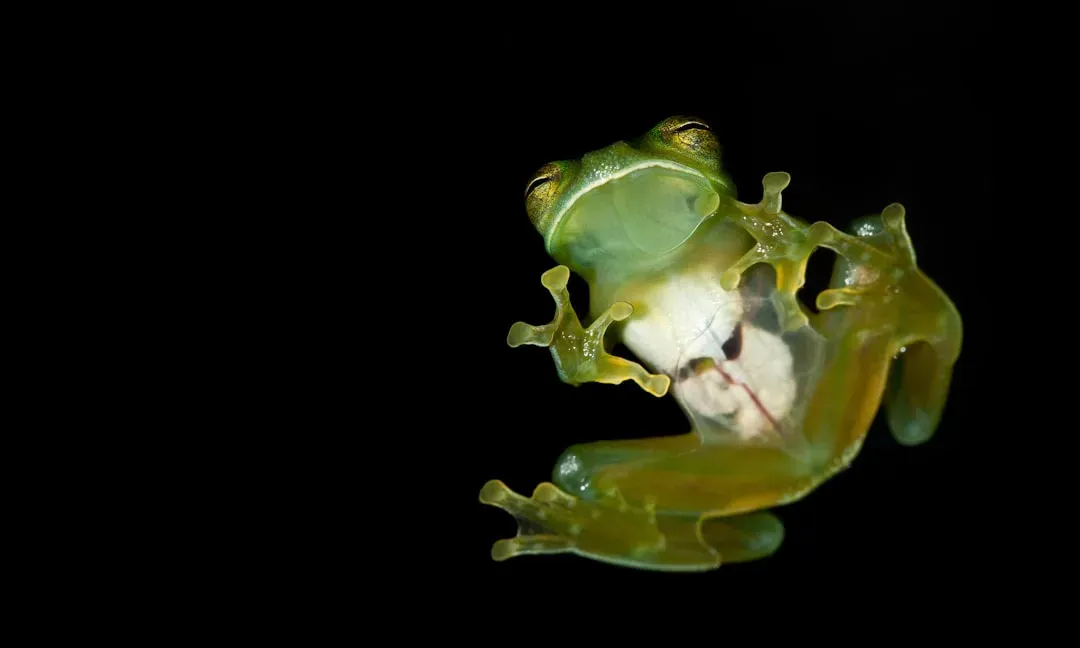
In some Central and South American forests, if you carefully flip over a small green frog resting on a leaf, you might get a shocking view: its belly is almost transparent. Glass frogs have a translucent underside that lets you see internal organs like the heart and intestines, as if you were looking through a biological window. From above, their backs are a leafy green that blends in with vegetation, but underneath, they are a living anatomy lesson.
Researchers think this transparency may help them hide from predators by softening their outline against the leaf, making them harder to spot. For you, though, the effect is almost unsettling, because you are used to skin acting like a solid barrier that hides what is going on inside. In these frogs, that barrier thins out to the point where you are forced to confront the machinery of life directly. It is a quiet reminder that your own body is just as intricate beneath the surface – you just do not get to see it in your everyday life.
Conclusion: The World Is Stranger Than You’ve Been Told
When you step back and look at these seven animals together, a clear pattern hits you: the natural world is far stranger, more flexible, and more inventive than the simple stories you were probably taught as a kid. You have jellyfish that loop their lives, microscopic bears that sleep through cosmic‑level disasters, dragons the size of your finger that hoard stolen venom, and salamanders that regrow lost parts like it is nothing. None of this fits into the tidy box where you may have quietly placed “how animals work.”
The best part is that these are just a handful of the wonders hiding out there right now, many of them still being studied, many more still waiting to be noticed at all. You do not have to become a scientist to appreciate them; you just have to stay curious and occasionally look past the usual stars of nature documentaries. Next time you hear the phrase “the real world,” you might ask yourself: are you actually seeing it, or just the small, familiar corner you already know?