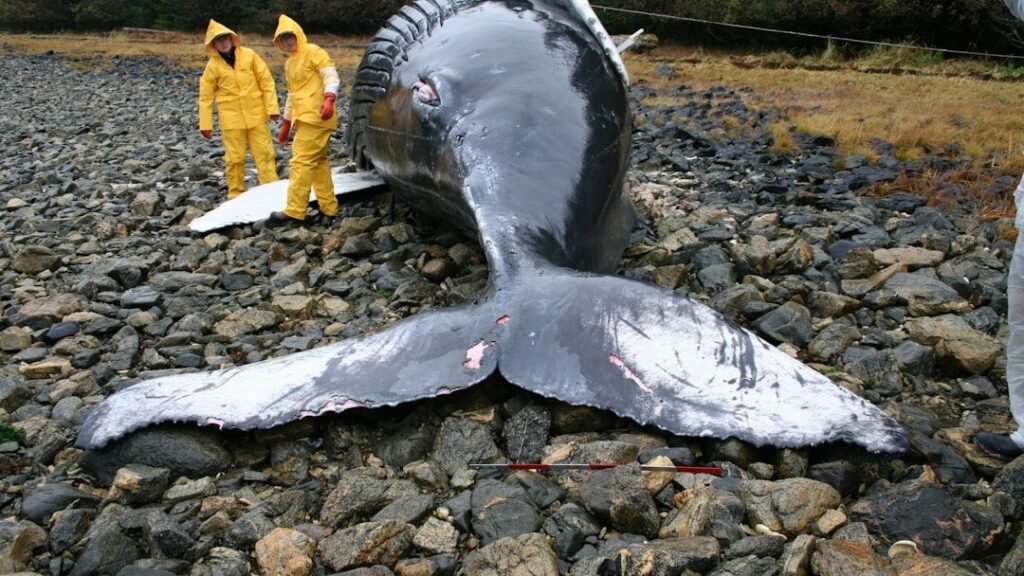
If you grow up believing science has an answer for everything, it can be quietly shocking when you realize how many basic things about the world are still a mystery. You can measure the age of a star, map your own DNA, and watch atoms on a screen, yet you still can’t say for sure why a whale sometimes swims ashore and dies. That gap between what you think we know and what we actually know is where nature becomes both humbling and strangely thrilling.
When you dig into the details, you find that scientists are often working with excellent clues, but the final picture is still fuzzy around the edges. You get theories, models, and educated guesses, but not the kind of clean, simple answers you might expect. In a way, that uncertainty is comforting: it means there’s still room for wonder, awe, and curiosity in a world that can feel over-explained. Let’s walk through eight real-world mysteries where nature keeps some secrets to itself, even in 2026.
1. Ball Lightning: Glowing Spheres That Appear out of Storms
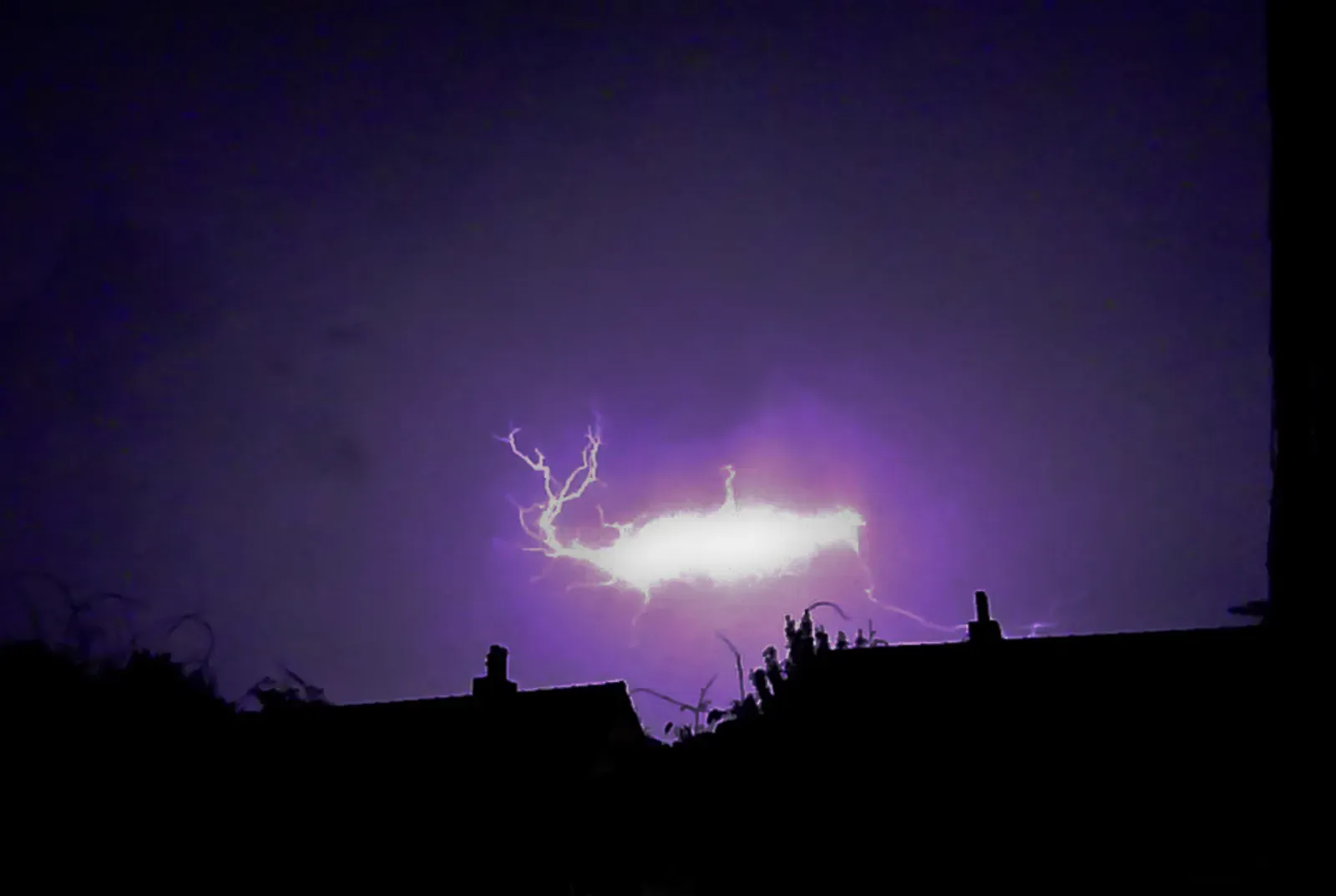
Imagine standing at your window during a thunderstorm and, instead of a single flash, a glowing ball of light drifts silently across your living room, hovers for a moment, then vanishes with a faint pop. That’s more or less how people describe ball lightning, and reports like this go back centuries across different cultures. You get accounts of glowing orbs the size of a grapefruit or a beach ball, moving slowly, sometimes passing through glass, and lingering for several seconds longer than a normal lightning flash.
Scientists agree that ball lightning is probably real, but they still can’t pin down exactly what it is. Some researchers think you’re seeing a kind of plasma bubble, others suspect burning particles of silicon kicked up when regular lightning hits the ground, and some models treat it like a weird kind of electromagnetic knot. You do have a few rare videos and some lab experiments that mimic parts of the effect, but there’s still no single theory that convincingly explains all the reported behaviors. When you think about how well we understand ordinary lightning, it’s wild that its glowing cousin still floats mostly in the dark.
2. Dark Matter and Dark Energy: The Invisible Bulk of the Universe
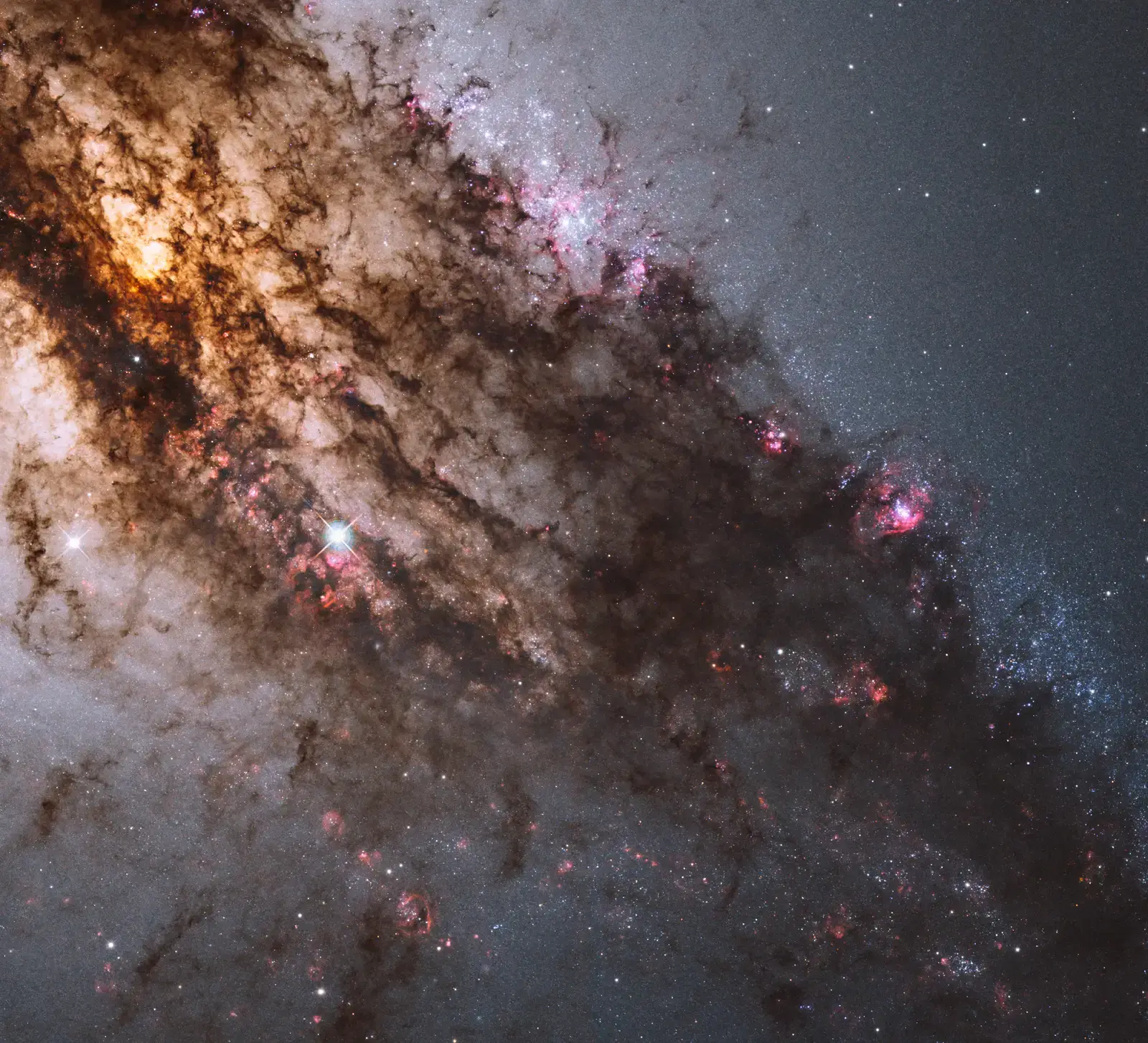
You live in a universe where most of what exists can’t be seen, touched, or directly detected, and that should feel a little unsettling. When astronomers measure how galaxies spin and how the universe expands, the numbers only make sense if there is far more stuff out there than the stars, gas, and dust you can see. According to current estimates, visible matter makes up only a small slice of the total cosmic budget, while the rest falls under the labels of dark matter and dark energy.
Here’s the strange part: you only know these things exist because of their effects, not because you can observe them directly. Dark matter seems to act like an invisible web of mass that holds galaxies together, yet no one has conclusively identified a single particle of it in a detector on Earth. Dark energy looks like a mysterious pressure stretching space itself and speeding up the expansion of the universe, but you don’t know what causes it or how it fits with the rest of physics. You have competing models, complex simulations, and enormous telescopes chasing clues, but for now, you’re basically naming shadows and waiting to see what steps out of the dark.
3. Consciousness: How Your Brain Creates an Inner World
Every morning, you wake up inside a private movie of thoughts, memories, and sensations, and you rarely stop to ask how that movie is even possible. Neuroscientists can tell you a lot about brain activity: how neurons fire, which regions light up when you see a face or feel afraid, how injuries change behavior. But the leap from electrical patterns in a lump of tissue to the rich, subjective experience of being you is still unexplained. That gap is often called the hard problem of consciousness, and it’s named that way for a reason.
Current theories try to connect consciousness to information processing, network complexity, or certain kinds of brain integration, but none of them fully solve the puzzle. You still don’t know why these particular patterns feel like anything from the inside, nor why your experience feels unified when your brain is clearly made of many separate modules doing different jobs. You also face unsettling questions about where consciousness begins and ends: do some animals share a similar inner life, and could a sophisticated AI ever cross that line? For now, you can scan brains, measure signals, and build better models, but the feeling of “being you” remains one of nature’s most intimate mysteries.
4. The Wow! Signal and the Question of Cosmic Neighbors
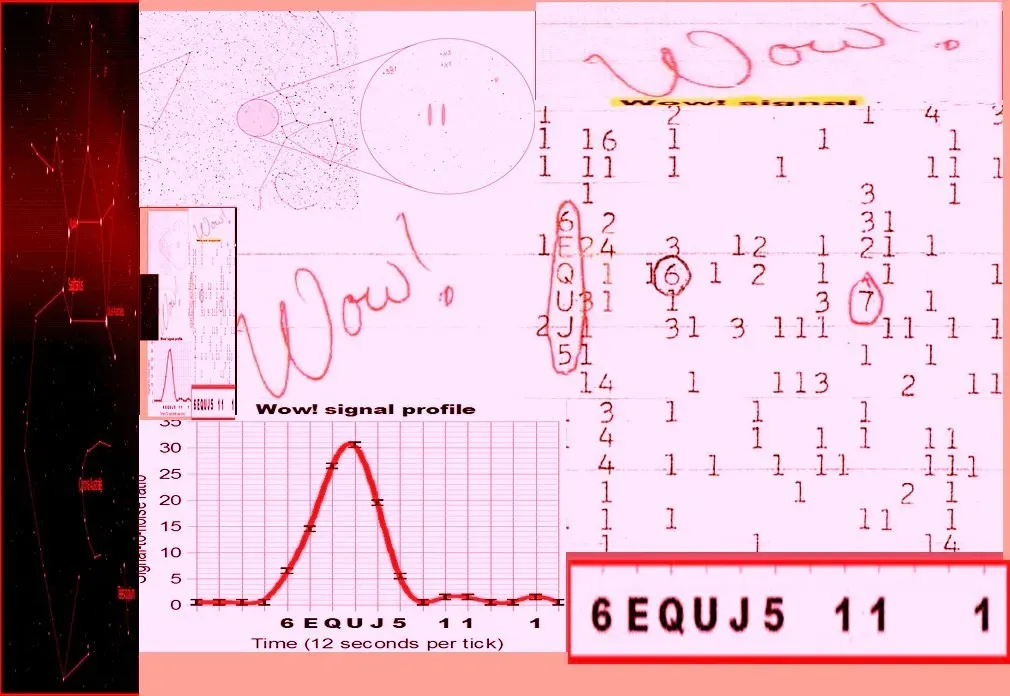
One evening in 1977, a radio telescope picked up a short, strong signal from space that looked almost exactly like what you’d expect from an intelligent source. The astronomer who saw the printout famously circled the cluster of characters and reacted in a way that turned the event into legend, and ever since then, that detection has been known as the Wow! signal. It lasted only about a minute, came from the direction of the constellation Sagittarius, and has never been heard again, despite many attempts to recheck the same region of the sky.
You can list natural explanations, like rare radio interference, unknown space phenomena, or quirks of the equipment, but none of them have been confirmed. At the same time, you can’t honestly say it was an alien message, because you only have one data point and almost no information. What you’re left with is a brief, unexplained blip that keeps the door open on one of the biggest questions you can ask: are you alone in the universe? In a world full of noisy signals, the loudest mystery here might be the never-ending silence that followed.
5. Mass Animal Migrations: Built-In GPS with No Manual

Every year, you watch birds, whales, butterflies, and even tiny insects travel thousands of miles along routes they’ve never flown before. Monarch butterflies cross a continent in stages, yet somehow end up in the same wintering grounds as generations before them. Arctic terns loop between polar regions in a kind of extreme commute that would make any airline pilot jealous. Even when you raise some species in complete isolation, they still head off in the correct direction at the right time of year.
Scientists have pieced together a lot of the puzzle: animals seem to use a mix of the sun, stars, smell, landmarks, and Earth’s magnetic field to guide them. But you still don’t fully understand how all these cues are combined in a tiny brain, or how genetic instructions translate into such reliable maps and calendars. The exact nature of magnetic sensing in many species is also still under debate, with competing ideas involving microscopic crystals or quantum reactions in certain proteins. In other words, you know migration works astonishingly well, but you still do not have the full instruction manual that nature is clearly using.
6. Spontaneous Remission: When Serious Illness Suddenly Retreats

Sometimes, a person with a serious illness, including advanced cancer, experiences a sudden and unexpected improvement that can’t be explained by the treatments they’ve received. You see tumors shrink, symptoms ease, or disease markers drop dramatically, and doctors are left with charts that don’t match what the textbooks say should happen. These rare events are called spontaneous remissions, and they are both hopeful and scientifically frustrating at the same time.
There are many ideas about what might be going on: maybe the immune system suddenly recognizes and attacks the disease, maybe an infection triggers a helpful response, or maybe there are genetic or environmental factors that line up just right. The problem is that these cases are rare, unpredictable, and hard to study in a controlled way. You can collect stories, analyze medical records, and search for patterns, but clear, repeatable mechanisms remain elusive. If you could fully understand and reliably trigger whatever is happening in these moments, it might transform medicine, which is exactly why this mystery keeps attracting so much careful attention.
7. The Ocean’s Deep Sounds: Unidentified Rumblings from Below
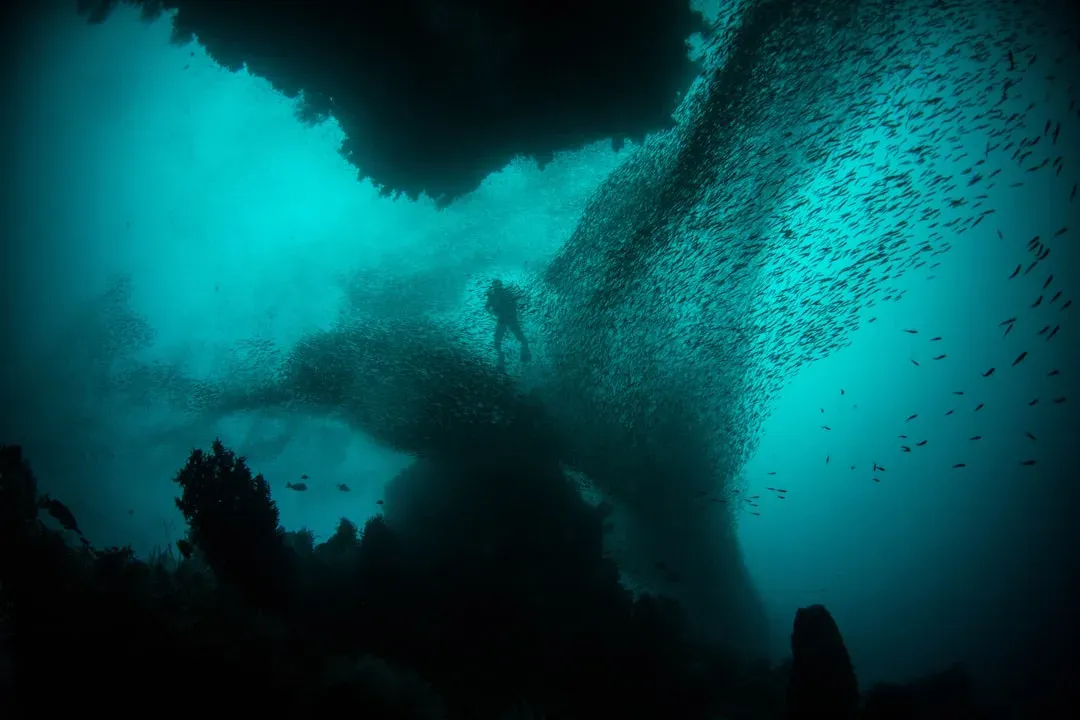
When you drop microphones into the deep ocean, you sometimes hear things you simply cannot identify. Over the past few decades, sensors have picked up powerful, low-frequency sounds with nicknames like “bloop” and other more technical labels. Some of these noises are loud enough to be detected from far away, suggesting something on a massive scale is causing them, yet no one has ever seen the exact source. In a world where you can watch high-definition videos from Mars, it’s strange to realize your own planet still whispers in unknown dialects.
Researchers suspect that many of these mysterious sounds come from shifting ice, underwater earthquakes, volcanic activity, or even large animals, but some recordings do not fit neatly into known categories. The challenge is that the deep ocean is vast, dark, and difficult to study, and your instruments only cover tiny slices of it. Even when you think you have an answer, another odd pattern appears that keeps the story open. Every unexplained rumble reminds you that the ocean is not just a big pool of water but an entire alien world wrapped around the planet, with its own secret soundtrack you’ve barely begun to decode.
8. Sudden Mass Animal Strandings: Whales, Birds, and the Unseen Triggers
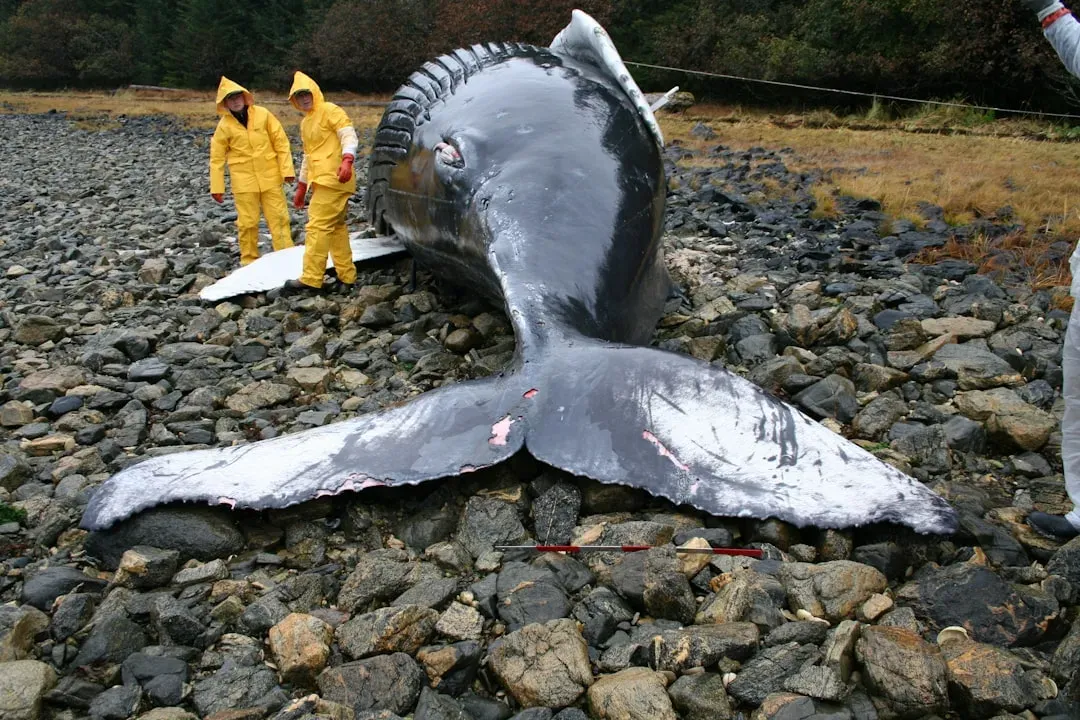
Every so often you see heartbreaking images of dozens of whales beached on a shore or entire flocks of birds falling from the sky, and no one can say with complete confidence why it happened. In some cases, you can blame obvious factors like toxins, storms, or human-made noise, but other events remain stubbornly unclear. You might find that healthy-looking animals suddenly ended up in the wrong place at the wrong time, as if they were following signals that somehow led them astray. It feels like watching a navigation system crash in real time, except the system is inside living creatures.
Scientists have linked some strandings to sonar, seismic surveys, disease, or changes in magnetic fields, but even then, the exact chain of cause and effect is often hard to prove. You’re dealing with complex animals that rely on sound and magnetic cues in ways you don’t fully grasp, moving through an environment that’s getting noisier and more disrupted every year. Sometimes different factors may line up in ways that turn an ordinary migration into a disaster, yet you only notice when the bodies wash ashore. Until you understand their internal guidance systems and how your activities interfere with them, these sudden tragedies will keep catching you off guard.
When you step back from these eight mysteries, you start to see a pattern: you’re very good at measuring nature and reasonably good at modeling it, but much less good at telling the full story of why it behaves the way it does. Unseen particles, hidden oceans, fleeting signals, and the private lives of brains and animals all leave you with questions that resist quick answers. Instead of proving that science has failed, these gaps show you where the frontier really lies and why curiosity is still your most important tool.
You live in an age where it’s easy to mistake information for understanding, yet nature keeps reminding you there’s a difference. The universe still has its secret chapters, written in lightning balls, silent galaxies, deep-sea echoes, and strange recoveries. Maybe the real mystery is not that you lack explanations, but that you keep being drawn to chase them anyway. The next time you hear about a weird event that no one can quite explain, will you feel frustrated by the uncertainty or quietly excited that there is still so much left to learn?