
If you think you already have a solid picture of how evolution works, some animals are about to shake that confidence. When you look closely at what certain creatures can do – from shrugging off cancer to literally rewriting their own bodies – the usual slow-and-steady story of tiny changes over time suddenly feels almost too simple. You start asking yourself how on earth natural selection managed to sculpt something so extreme, so oddly perfect for one narrow job.
As you explore these adaptations, you may feel a mix of wonder and discomfort. Some animals survive conditions that would kill you ten times over, others play with physics in ways that seem to break the rules, and a few simply refuse to age in any meaningful way. None of it is magic, and none of it truly breaks evolution, but it absolutely stretches your imagination of what evolution can do. By the end, you might catch yourself thinking: if this is possible, what else is out there that you still have no idea about?
1. Tardigrades: The Almost-Unkillable Water Bears
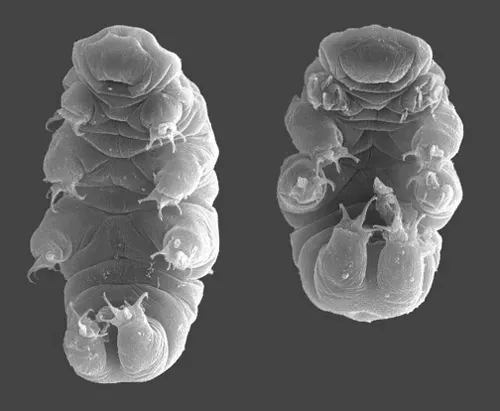
You can start with an animal so tough it makes horror-movie villains look fragile: tardigrades, also called water bears. Under normal conditions, they are tiny, plump, eight-legged animals waddling through moss and water films, doing nothing more dramatic than feeding and reproducing. But when things get extreme – intense drying, deep-freezing, even the vacuum of space – they flip a biochemical switch and enter a cryptobiotic state, curling into a dry, shrunken “tun” where metabolism nearly stops.
In this form, you’re looking at a creature that can survive temperatures well below freezing, boiling heat, crushing pressure deep in the ocean, and radiation doses far beyond what a human could tolerate. They do this by protecting their DNA and proteins with specialized molecules and, in some cases, glass-like protective structures inside their cells. You might expect such resilience to come with a trade-off, like slower reproduction or low diversity, but tardigrades manage to function as fairly ordinary micro-animals when conditions are good. They live right under your feet in soil and moss, quietly carrying around a survival toolkit that makes you rethink what “too extreme for life” even means.
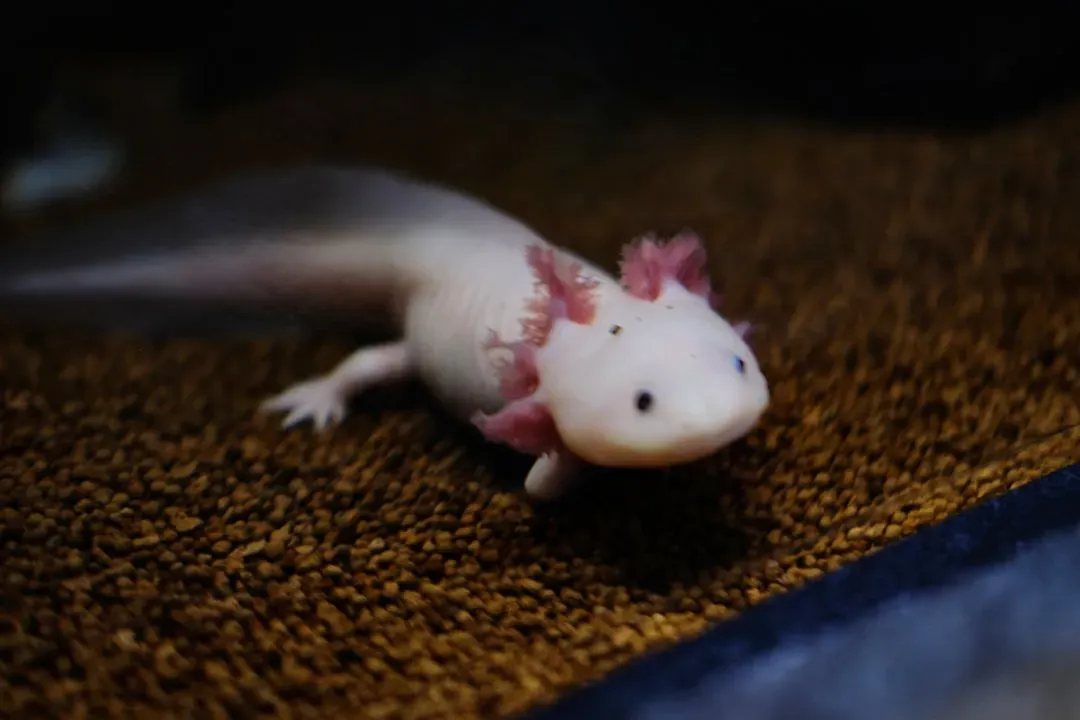
2. Axolotls: The Salamanders That Regrow Almost Anything
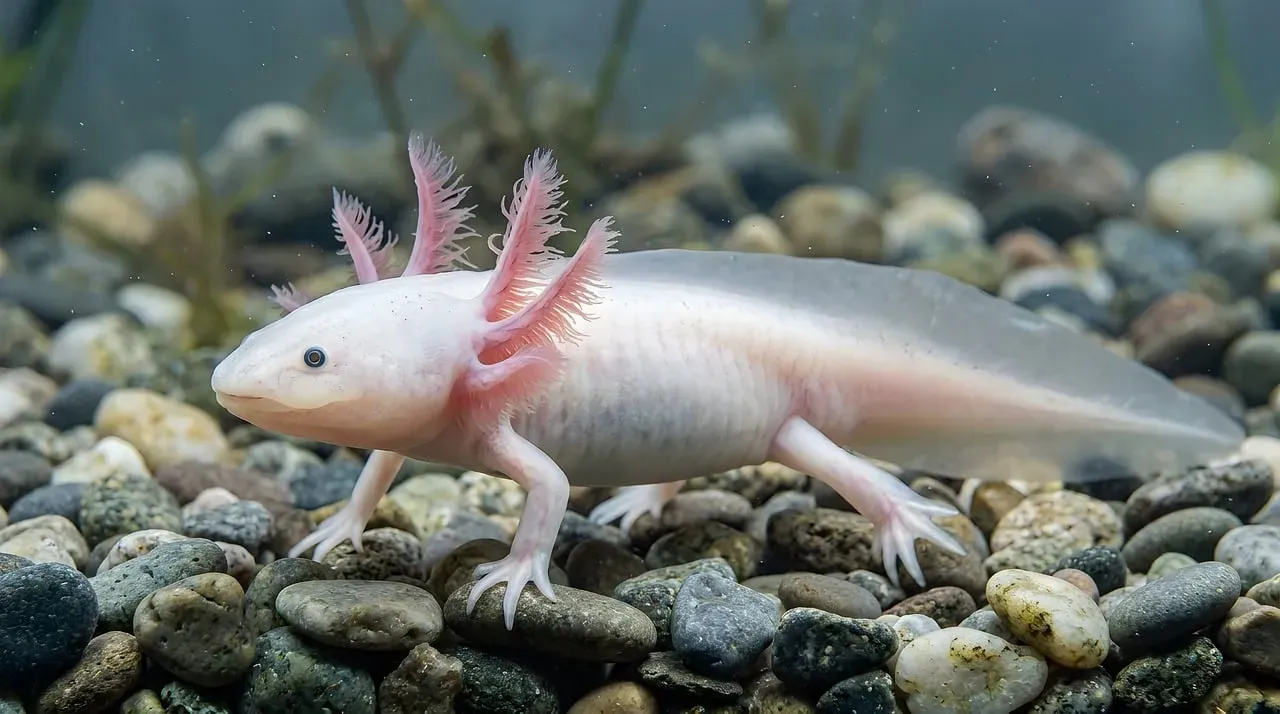
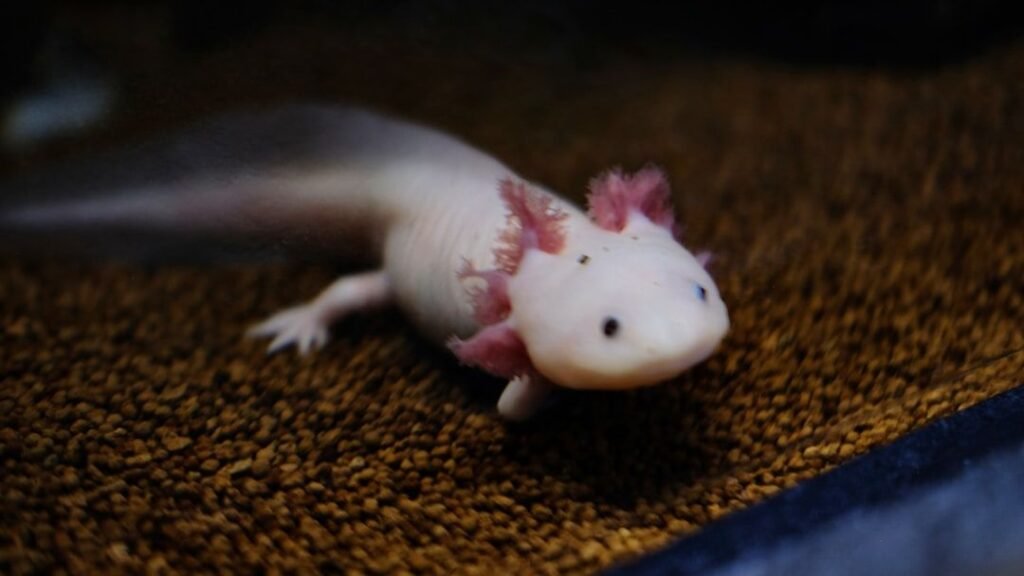
Imagine slicing off part of your arm and simply waiting for a new one to grow back, bones, muscles, nerves and all. That impossible-sounding scenario is close to everyday life for the axolotl, a neotenic salamander that has become a kind of poster child for regeneration research. When an axolotl loses a limb, a tail tip, or even parts of its heart or spinal cord, it forms a mass of cells called a blastema at the wound site, which then rebuilds the lost structure with surprising precision.
What really makes you question your assumptions about evolution is how casually the axolotl does something your own body technically still has partial blueprints for, but has locked away. You do form a limited blastema-like structure in early development, and your liver can regenerate to an extent, but nothing close to an axolotl’s full-body toolkit. In this salamander, immune responses, gene expression, and scar formation are tuned in a way that favors regeneration instead of permanent scarring. You are forced to confront an uncomfortable idea: evolution did not “forget” how to regenerate; in your lineage, it probably traded it away because other priorities – like fast wound closure, cancer suppression, or complex immune defenses – mattered more.
3. Mantis Shrimp: Punches So Fast They Boil Water
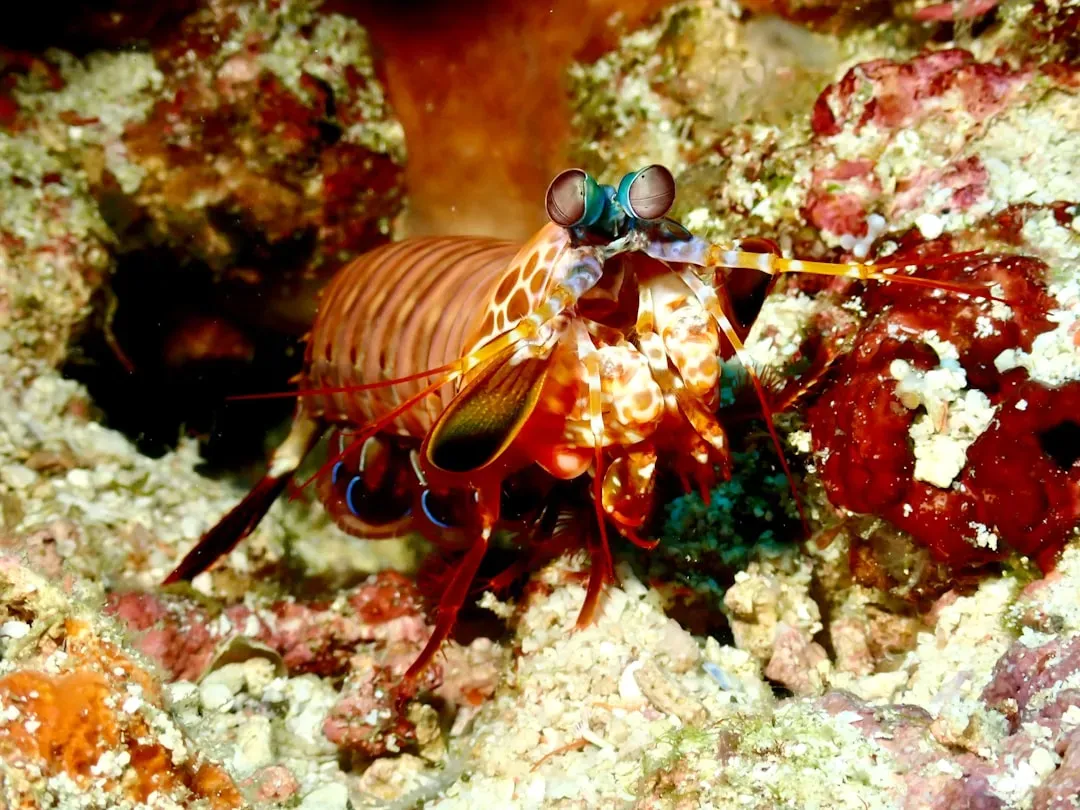
If you have ever thought a boxer’s punch was impressive, you might want to meet the mantis shrimp, a small marine crustacean with a strike so fast it creates tiny cavitation bubbles in the water. When its club-like appendages snap forward, they accelerate at speeds comparable to a bullet leaving a gun, delivering impacts strong enough to crack aquarium glass and smash through the armor of snails and crabs. This power comes from a spring-loaded mechanism in the limb that stores energy and then releases it almost instantaneously.
Evolution had to precisely tune the shape of the limb, the arrangement of proteins in its exoskeleton, and the geometry of the internal spring and latch system to get this right. If you under-build the structure, it shatters; if you over-build it, the animal wastes energy and moves too slowly. On top of that, mantis shrimp also have one of the most sophisticated visual systems known, with many more types of photoreceptors than you do, allowing them to detect polarized light and a wider spectrum of colors. When you put those together – the physics-bending strike and the sensor-packed eyes – you are looking at a predator so overengineered for its niche that it feels almost like a piece of biological science fiction.
4. Electric Eels: Living High-Voltage Power Plants
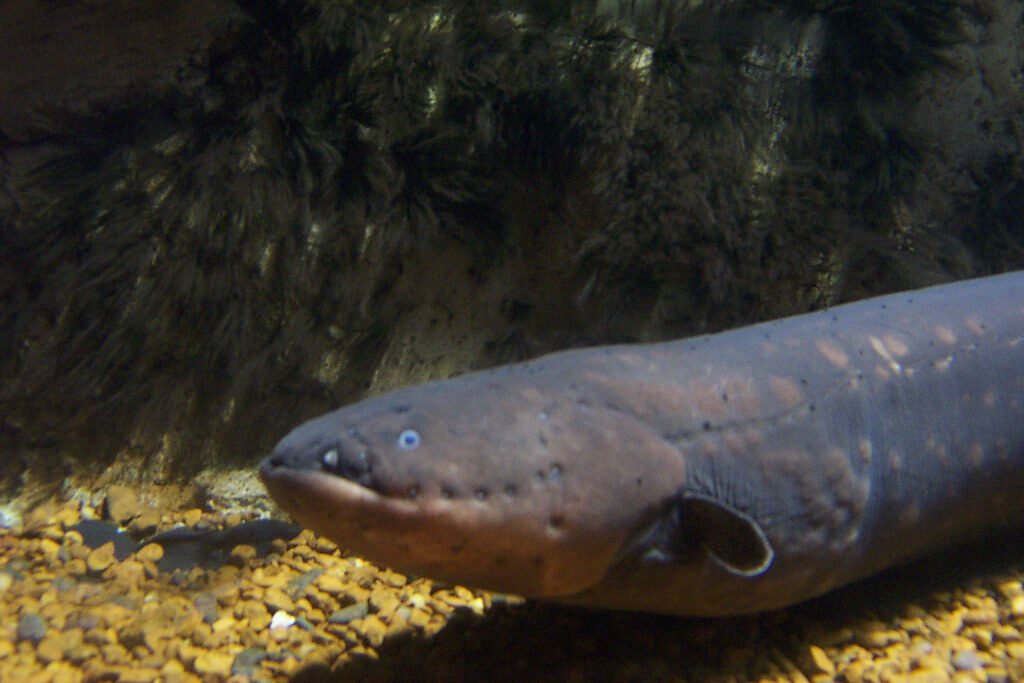
You rely on power outlets and batteries; the electric eel just builds its own power grid inside its body. This fish (which is not a true eel) can generate powerful electric discharges using specialized cells called electrocytes, stacked in series like the cells of a battery. When the eel fires, ion channels open across thousands of these cells at once, creating a voltage difference that can stun prey, deter predators, or help it navigate murky water with low-voltage pulses.
From an evolutionary perspective, you are watching a standard muscle cell repurposed into a biological capacitor and switch. Over time, these electrocytes lost their ability to contract and instead optimized their membranes for ion flow and charge separation. It is hard not to feel a little awe when you realize that the same basic molecular parts that let your own muscles flex can also be wired, under different selective pressures, into something that behaves like a taser. You start to see evolution less as a designer of new parts and more as a tinkerer that endlessly rewires and repurposes existing components into wild, sometimes shocking new configurations.
5. Naked Mole-Rats: Cancer-Resistant, Pain-Weird, and Cold-Loving Rodents
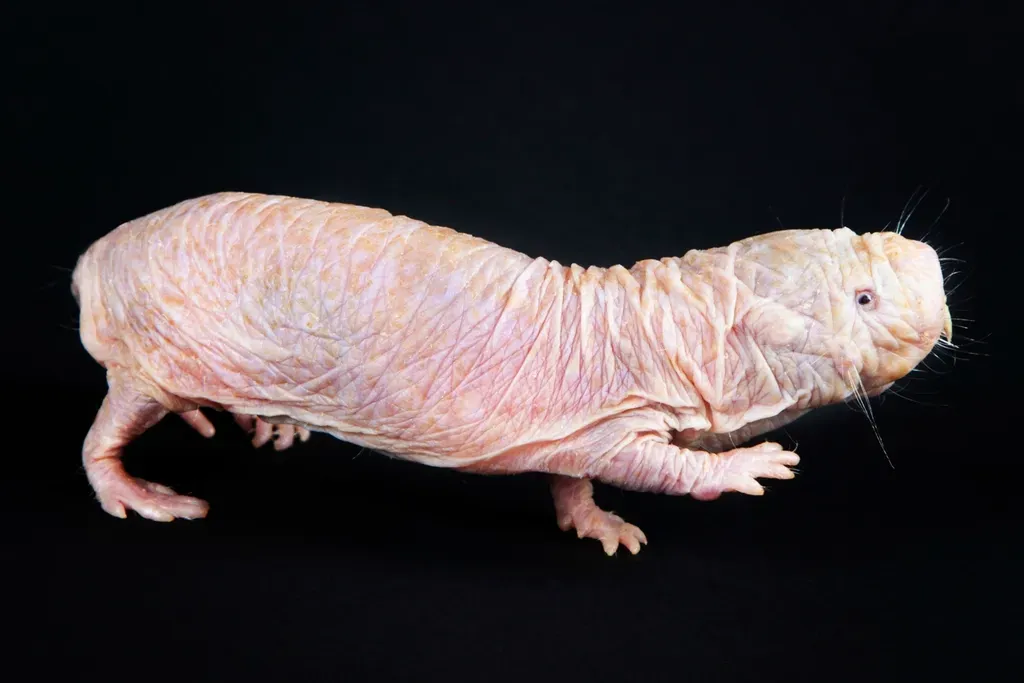
You might walk right past a naked mole-rat photo without a second glance, dismissing it as an odd, wrinkled rodent. But under that unassuming, somewhat comical surface, it carries a set of adaptations that leave researchers scratching their heads. Naked mole-rats live in crowded underground colonies with low oxygen levels, where many mammals would quickly suffocate, yet they manage by lowering their metabolic needs and switching to unusual ways of using energy when oxygen is scarce. They also show a remarkable resistance to many kinds of cancer, thanks in part to very active mechanisms that prevent cells from crowding and an unusually stable genome.
On top of that, you see quirks like an altered pain system that makes them largely insensitive to certain types of pain, such as the burning effect of acid or chili-like compounds, which would be common in their subterranean environment. Their social structure resembles that of insects like ants or termites, with a single breeding queen and non-breeding workers, an arrangement almost unheard of among mammals. When you put all of this together – metabolic, genetic, neurological, and social oddities in one small animal – you realize evolution is not constrained to gentle curves and simple trade-offs. It can pile up a whole collection of extreme specializations in a single lineage if the environment keeps rewarding that direction.
6. Bombardier Beetles: Chemical Cannons in Miniature Bodies
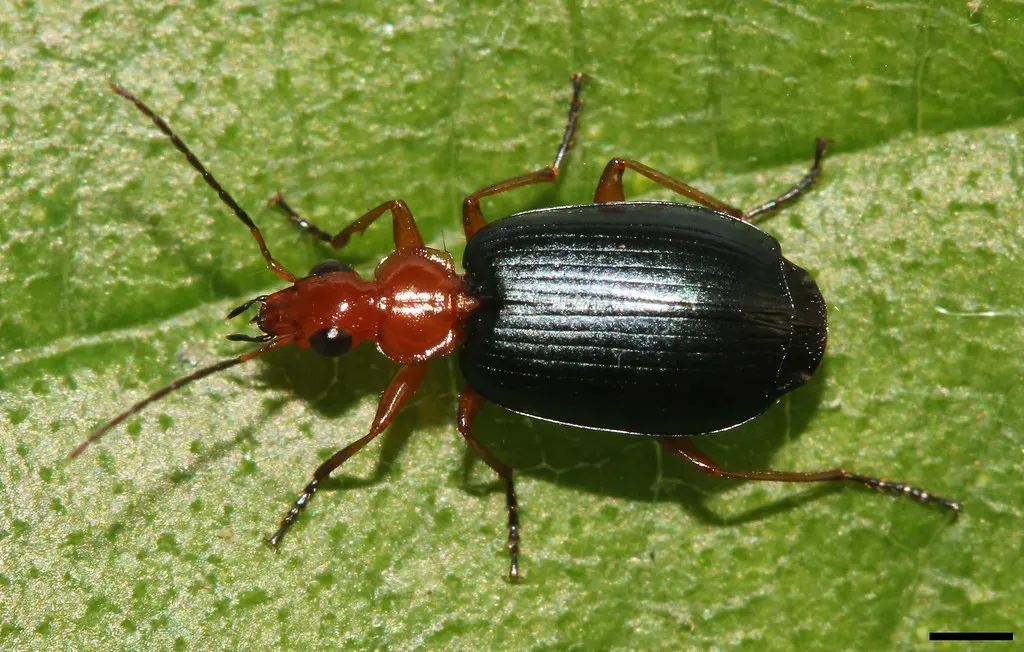
If you picture a beetle, you probably do not imagine one with a built-in chemical spray system that functions like a tiny flameless cannon. Bombardier beetles defend themselves by mixing two separate chemical solutions in a reinforced chamber inside their abdomen. When threatened, they combine these compounds along with enzymes that trigger a rapid reaction, producing boiling, irritant spray that is ejected in pulsating bursts toward a predator’s face. The pressure and temperature in that reaction chamber are high enough that, on paper, it sounds dangerously close to an accidental self-destruction device.
For this system to evolve without constantly killing its owner, many small steps had to line up: storage sacs that keep reactive chemicals separated, a valve system to control mixing, reinforced cuticle to resist damage, and precise aiming muscles to direct the spray. You might be tempted to think something so elaborate must have appeared fully formed, but evolutionary biology points you toward gradual changes in ordinary defensive secretions that became increasingly reactive and better controlled over time. Still, when you watch a slow-motion video of the beetle firing a series of audible pops of hot fluid, it is hard not to feel that nature somehow engineered a safe, repeatable chemical weapon in a creature only a few millimeters long.
7. Archerfish: Snipers That Use Physics Above the Waterline
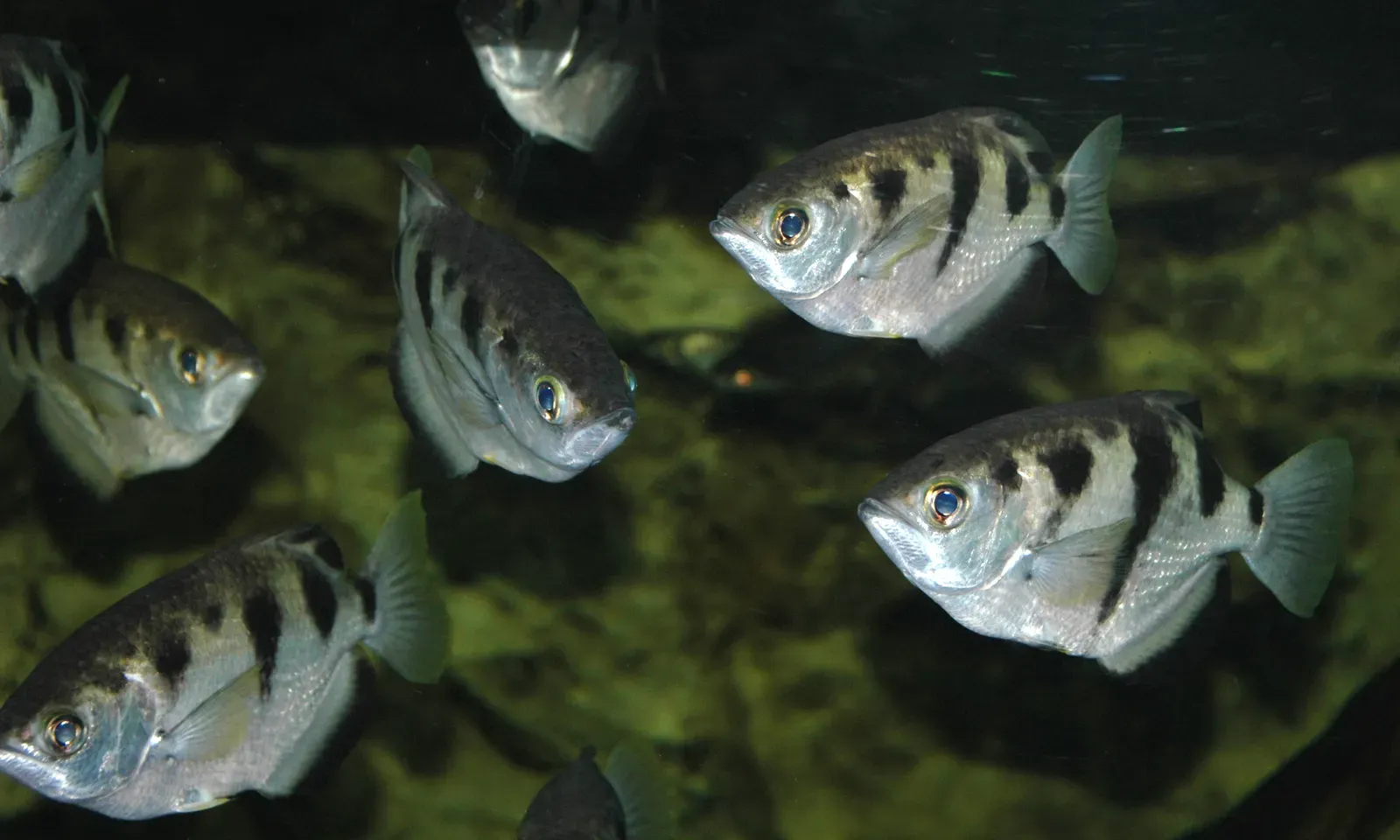
Most fish stick to a simple rule: breathe and hunt in the water. Archerfish ignore that rule and hunt insects above the surface by shooting precise jets of water from their mouths. They adjust the force and angle of the stream so that the droplet hits their target with enough momentum to knock it down, compensating for gravity, refraction at the water surface, and even the movement of the prey. You, with all your intelligence, would probably need a bit of practice and a physics lesson to match that level of instinctive ballistics.
What makes this adaptation so striking is the combination of biomechanics and perception it requires. The fish must shape its mouth and tongue in a way that forms a coherent jet, and its muscles must time the pressure change so the jet remains tight over a distance. Its brain has to interpret a world that looks shifted and distorted through the water surface, then calculate how that distortion affects the outgoing water stream. You are seeing evolution solve a problem that spans optics, fluid dynamics, and neuromuscular control, all so a small fish can turn the air above the water into an extra hunting zone that most of its competitors simply ignore.
8. Leaf-Tailed Geckos: Disappearing Acts Refined to an Art
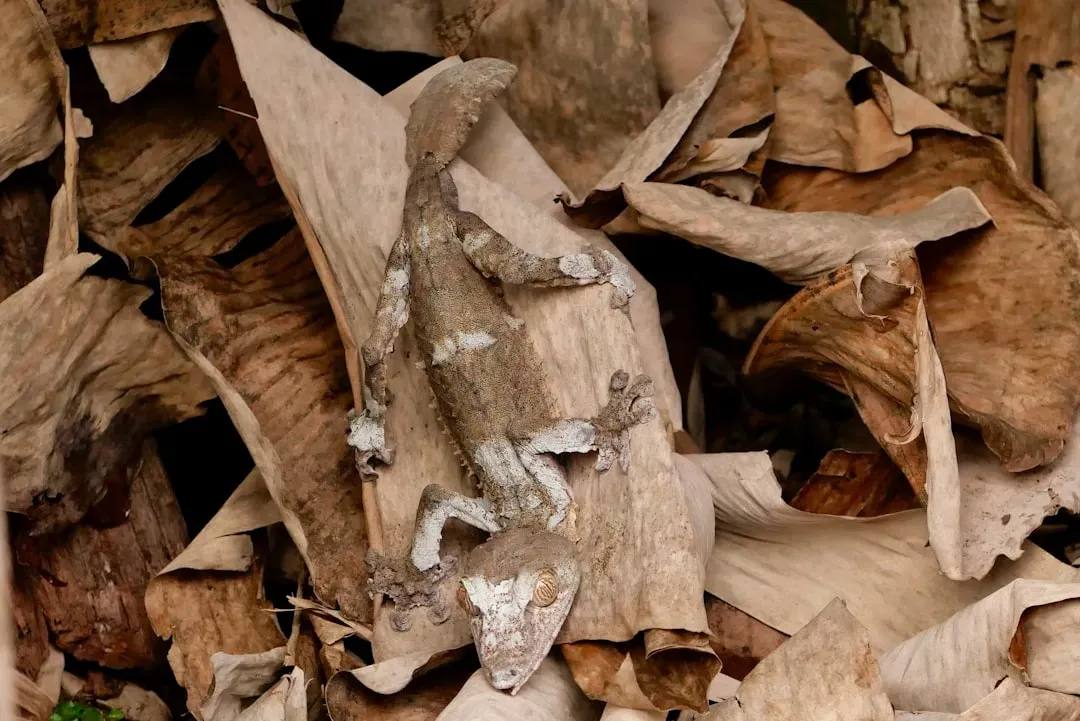
When you think of camouflage, you might picture a chameleon changing color, but leaf-tailed geckos push camouflage into a different league. These lizards from Madagascar flatten their bodies and sport skin flaps, ragged edges, and color patterns that make them almost indistinguishable from dead leaves or tree bark. If you put one on a branch and glanced quickly, you would likely miss it entirely, even if you knew it was there. Their tails often look torn, mottled, or covered in simulated bite marks, which gives predators nothing clean to grab visually.
This degree of camouflage does not come from a single mutation that flips on a perfect pattern; it is the result of countless generations where slightly better mimicry meant surviving just a bit more often. As predators improved their ability to detect prey, these geckos ratcheted up their disguise, adding behavioral tricks like staying perfectly still and aligning their bodies with natural lines on the tree. You are watching an evolutionary arms race carved into skin and bone, where the winners are the ones that manage to become invisible in plain sight. The outcome feels so perfect that it almost seems designed, even though it is built on nothing more mystical than who lives long enough to have babies.
9. Deep-Sea Anglerfish: Living Lures and Extreme Parasitic Mating
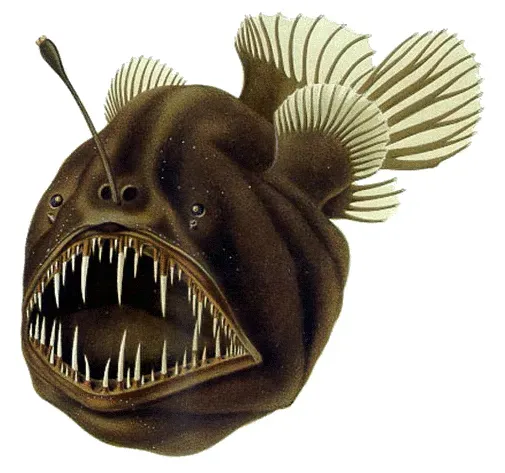
If you dive mentally into the deep ocean, where sunlight never reaches, anglerfish greet you with one of the strangest lighting solutions evolution has ever produced. These fish grow a modified dorsal spine on their heads that ends in a fleshy lure filled with bioluminescent bacteria. They dangle this glowing bait in front of their gigantic mouths, attracting smaller fish and invertebrates in the darkness. When a curious animal investigates the only visible light for meters around, the anglerfish simply lunges and swallows it.
The weirdness does not stop there. In some species, the males are tiny compared to the females and live only to find a mate in the vast blackness. When a male finally locates a female, he bites onto her and gradually fuses with her body, merging his blood supply with hers and eventually losing most of his organs until he becomes essentially a living sperm reservoir. You are confronted with a vision of evolution that is not content with clever hunting tricks; it is willing to rewrite the very idea of what an individual animal is. The fact that such a system can arise from gradual changes in behavior and anatomy makes you realize that almost any stable, reproductive strategy you can imagine might exist somewhere in the deep.
10. Immortal Jellyfish: Rewinding the Aging Clock
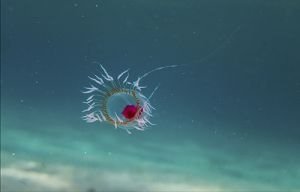
You have probably grown up assuming aging is a one-way street: cells divide, damage accumulates, and eventually the system fails. The so-called immortal jellyfish, Turritopsis dohrnii, complicates that neat story by being able to revert from its mature, adult stage back into an earlier, polyp-like stage under stress. Instead of dying when conditions turn bad, it essentially rewinds its life cycle, reorganizing its cells and starting over from a more juvenile form. It does not live forever in a simple, linear way, but it dodges the usual aging trajectory in a way no vertebrate can match.
At the cellular level, you are looking at a flexible identity: specialized cells de-differentiate into more stem-like states and then re-differentiate into new tissues as the organism resets. This blurs lines you tend to draw between development, adulthood, and death, because the animal treats its life cycle more like a reversible loop than a straight path. Evolution managed this by tweaking pathways that control cell fate and stress responses, giving the jellyfish a way to escape crises that would kill other species. When you realize the same sorts of genes and molecular switches exist in your own body, just arranged under stricter controls, you might find yourself wondering how much of aging is a fixed fate and how much is just one particular evolutionary solution among many.
Conclusion: Evolution Stranger and More Powerful Than You Expect
As you step back from these ten examples, you might notice a pattern: the more you learn, the less evolution looks like a modest, slow adjustment process and the more it feels like a relentless experimenter. You have seen animals shrug off radiation, generate electricity, camouflage themselves into invisibility, and even reset their own life cycles. None of these adaptations truly violates evolutionary theory; instead, they expose just how flexible and far-reaching natural selection can be when it has enough time and a consistent pressure to push against. The apparent “impossibility” you feel is really just your intuition catching up with the scale of deep time.
In a way, these creatures invite you to rethink what is possible not only for them but for life in general, including your own species. If salamanders can regrow limbs and jellyfish can reboot their bodies, it becomes easier to imagine future medicine borrowing those tricks in careful, controlled ways. Evolution may not have built you to be bulletproof, ageless, or invisible, but it has already written the rulebook for those abilities in other lineages. The next time someone tells you biology is mostly understood, you can remember these animals and quietly ask yourself: with life capable of all this, how many more surprises are still hiding out there, waiting to make you question everything again?