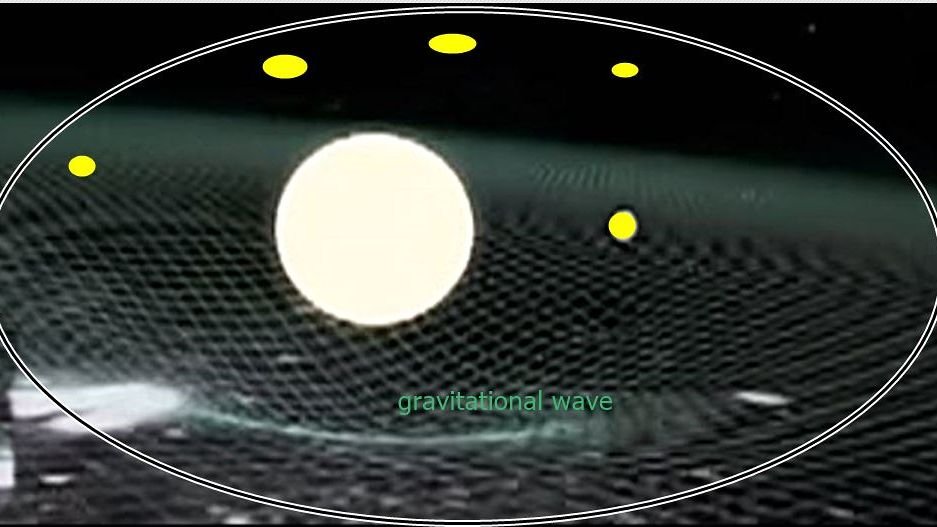

You probably grew up hearing that Einstein was a genius, but it can feel distant and abstract, like a legend from an old textbook. Then, all of a sudden, scientists started talking about ripples in spacetime and gigantic laser tunnels detecting the echoes of colliding black holes. It sounds like science fiction, yet it is real, it happened in your lifetime, and it quietly confirmed that Einstein’s wildest ideas about gravity were not just clever guesses but solid descriptions of how your universe actually works.
When you hear about gravity waves or gravitational waves, you are not just learning about some niche physics experiment. You are looking at a turning point in how humans understand reality, one where invisible distortions in space itself can be measured on Earth with mind-bending precision. As you follow what gravitational wave detectors have found, you start to see why so many scientists say that Einstein has been “right all along” – not because his theory is perfect in every way, but because again and again, nature keeps behaving exactly the way he said it would.
How Einstein Turned Gravity Into Geometry
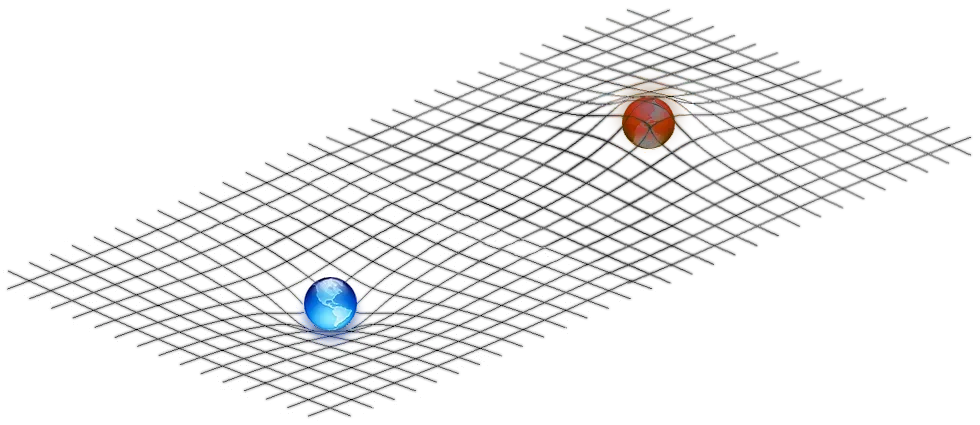
To really feel why gravitational waves matter, you first need to see what Einstein did to gravity in the early twentieth century. Instead of treating gravity as a mysterious pulling force between objects, he told you to imagine space and time fused together into a four-dimensional fabric that bends and curves in response to mass and energy. In this view, planets are not being tugged by an invisible hand; they are simply following the straightest possible paths through curved spacetime, the way a marble rolls along the curves of a warped rubber sheet.
This shift changes how you picture everything from falling apples to orbiting planets. When you stand on Earth, what you feel pressing into your feet is not a force yanking you down but the ground pushing back as spacetime tries to send you along a curved path. If you could magically remove the Earth beneath you, you would not feel any “stopping” of gravity; you would just be in free fall, following the shape of spacetime itself. Once you accept that gravity is really geometry, it suddenly makes sense that if massive objects move or collide, they should send ripples through that very fabric, just like a stone splashing into a pond.
What Gravitational Waves Actually Are (And What They Are Not)
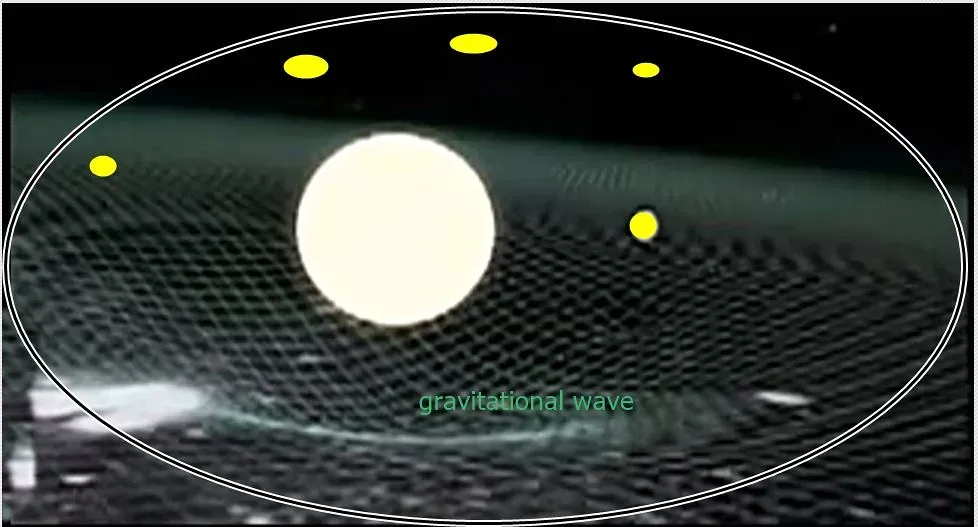
When you hear the phrase “gravity waves,” it is easy to confuse it with other scientific buzzwords, but gravitational waves are very specific and very strange. They are tiny, traveling distortions in spacetime that stretch and squeeze distances as they pass, changing how far apart two points in space are without any obvious movement of the objects themselves. If a strong wave passed through you, your height and width would actually change ever so slightly, but you would not feel it happening because space itself is doing the stretching.
These waves race through the universe at the speed of light, carrying information about violent events that created them, like colliding black holes or exploding stars. They are not like radio waves or light waves that move through spacetime; instead, they are vibrations of spacetime. That difference matters for you because it means gravitational waves can pass through gas, dust, and even entire galaxies with barely any loss, letting you “listen” to distant cosmic crashes that ordinary telescopes can never fully see.
The First Detection: Hearing Black Holes Collide
For decades, gravitational waves lived mostly in imagination and on chalkboards, because everyone knew they would be incredibly hard to detect. You are trying to sense a change in distance smaller than the width of a proton over kilometers of space, all while the Earth trembles from traffic, wind, and even ocean waves. When detectors like LIGO in the United States finally came online with enough sensitivity, you were basically building one of the most precise measuring devices humanity has ever created and then asking it to sit quietly and wait for the universe to do something dramatic.
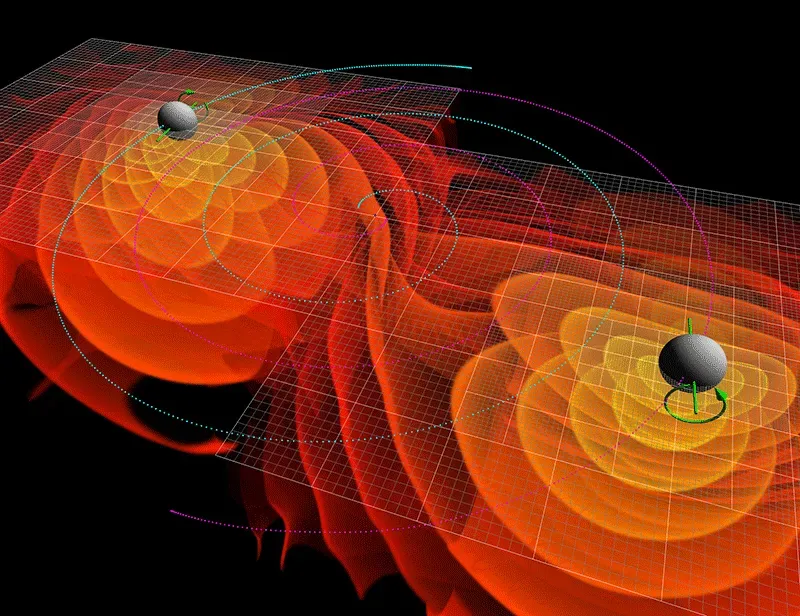
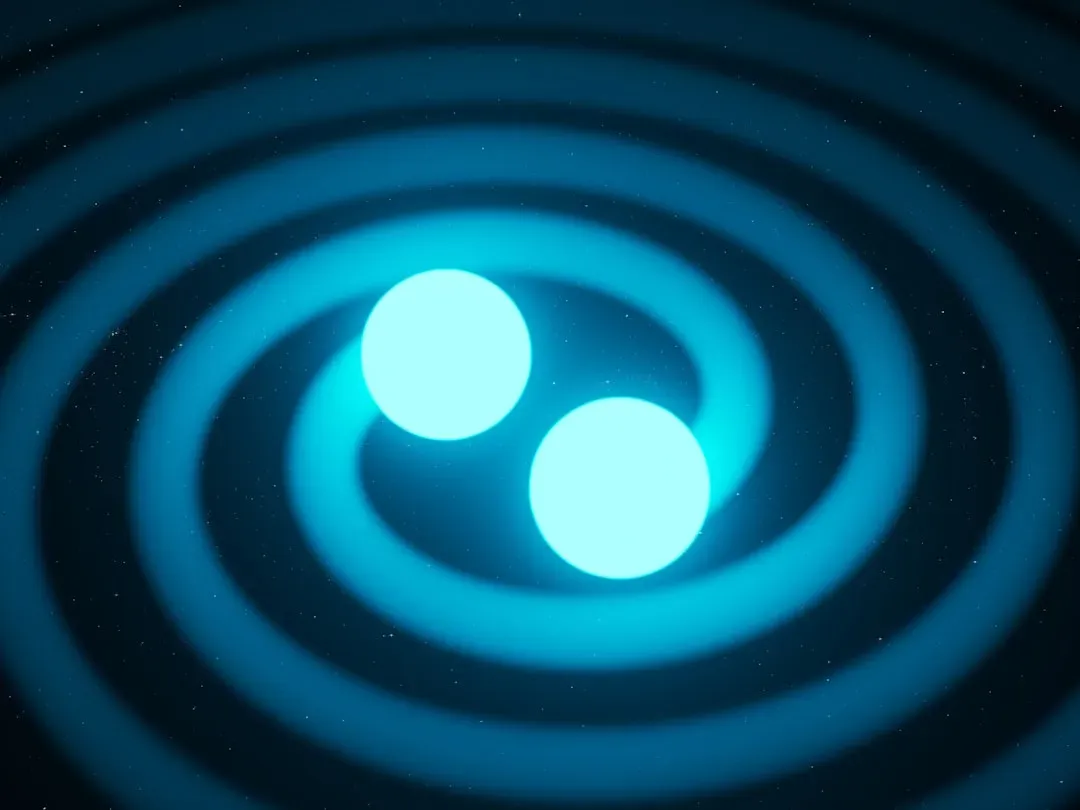
In the mid-2010s, that patience finally paid off. You can picture two black holes, each several times heavier than the Sun, circling each other faster and faster until they slam together, releasing an enormous burst of energy as gravitational waves. Those waves traveled across the universe for more than a billion years, eventually brushing past Earth and causing microscopic stretches and squeezes that the detectors could pick up. When scientists translated those signals into sound, you could literally hear a faint chirp – the final moments of a black hole merger – and the timing, shape, and strength of that chirp matched Einstein’s predictions almost uncannily well.
Why This Was Such a Big Win for Einstein’s Theory
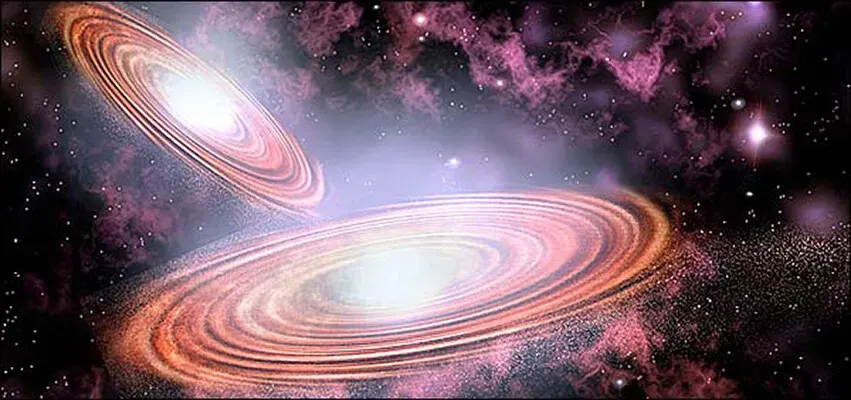
When you say that gravitational waves “prove” Einstein was right, you are really pointing to how specific and risky his predictions were. Long before any detector could hope to see them, his equations said that accelerating masses should radiate gravitational waves in a very particular way, losing energy and subtly changing their orbits. Astronomers had indirect hints from certain star systems that behaved exactly as this theory predicted, but that still left room for doubt about whether real, propagating waves existed.
Once you listen to the data from modern detectors, that doubt shrinks dramatically. The mass of the black holes, the way their orbit shrank, the sharpness of the final “ringing” signal after they merged – all of it lined up with the detailed waveforms you can calculate from general relativity. You are not just getting a yes-or-no confirmation; you are seeing the theory pass test after test with remarkable precision, across events involving different masses, spins, and distances. Each new detection gives you another opportunity to try to catch Einstein’s theory making a mistake, and so far it keeps walking away spotless.
How You Actually Measure Ripples in Spacetime
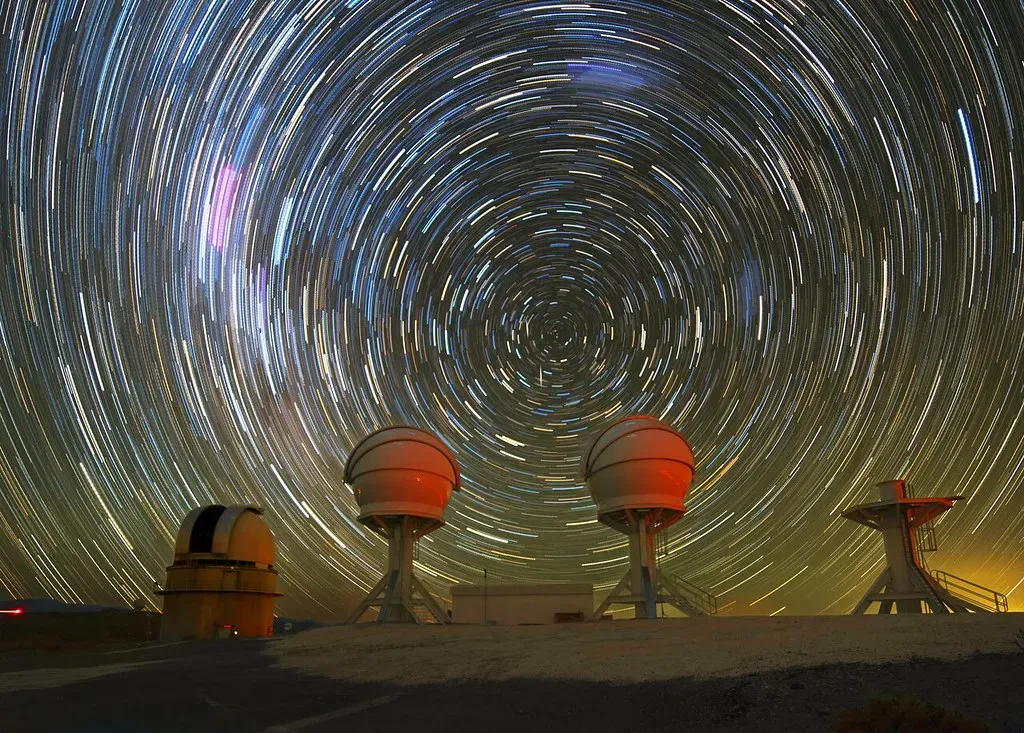
It is one thing to say “scientists detected gravitational waves” and another to appreciate how wild the measurement itself really is. If you walked into a facility like LIGO, you would see long, straight vacuum tunnels stretching for kilometers, with powerful lasers bouncing back and forth between mirrors at the ends. The whole setup acts like a gigantic ruler made of light: if a gravitational wave passes through, it stretches one arm and squeezes the other by an amount so tiny you could never detect it with any normal tool, but the returning laser beams interfere in just the right way to reveal that change.
To pull this off, you have to tame almost every possible disturbance around you. The mirrors hang on elaborate suspension systems to isolate them from vibrations, the lasers are stabilized to incredible precision, and the data is constantly cross-checked between multiple detectors so you do not mistake a passing truck or an earthquake for a cosmic event. When you realize that these instruments can detect a fractional change in length far smaller than a single atom divided by many orders of magnitude, it gives you a new respect for the practical engineering that goes into testing Einstein’s beautiful but abstract mathematics.
New Windows on the Universe You Never Had Before
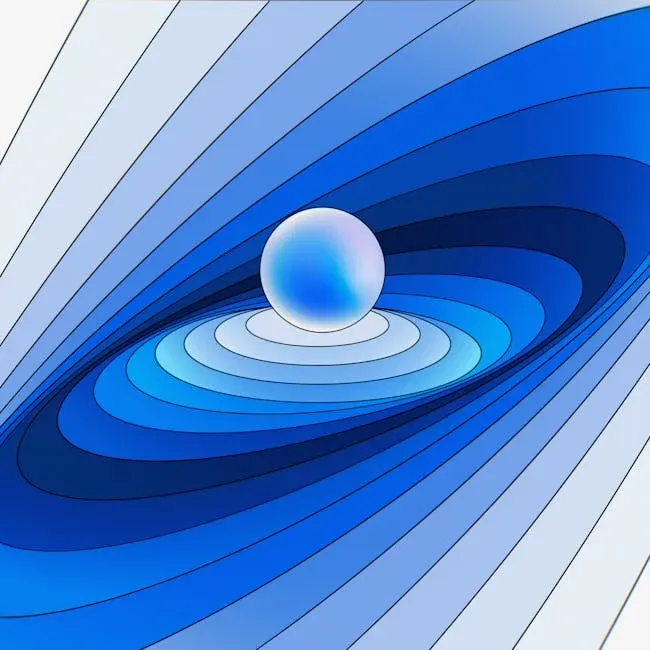
Gravitational waves do more than just make theorists happy; they give you a brand-new way to observe the universe, almost like adding hearing to a world that only had sight. Traditional astronomy, even with the best telescopes, relies on some kind of electromagnetic radiation: visible light, radio waves, X-rays, and so on. That works wonderfully for many things, but some of the most extreme events in the cosmos either hide behind thick clouds of gas or produce only fleeting flashes that you can easily miss if you are not already looking in the right direction.
With gravitational wave observatories, you can suddenly notice when massive compact objects like black holes and neutron stars slam together, even if they are completely shrouded in darkness. Once a detector hears a chirp, other telescopes can swing around and try to catch any accompanying light or particles, giving you a fuller picture of what just happened. This kind of “multi-messenger” astronomy lets you measure distances in new ways, study how heavy elements like gold might be formed in cosmic collisions, and test how gravity behaves under conditions you could never reproduce on Earth.
Where Einstein Might Still Be Wrong – And Why That Excites You
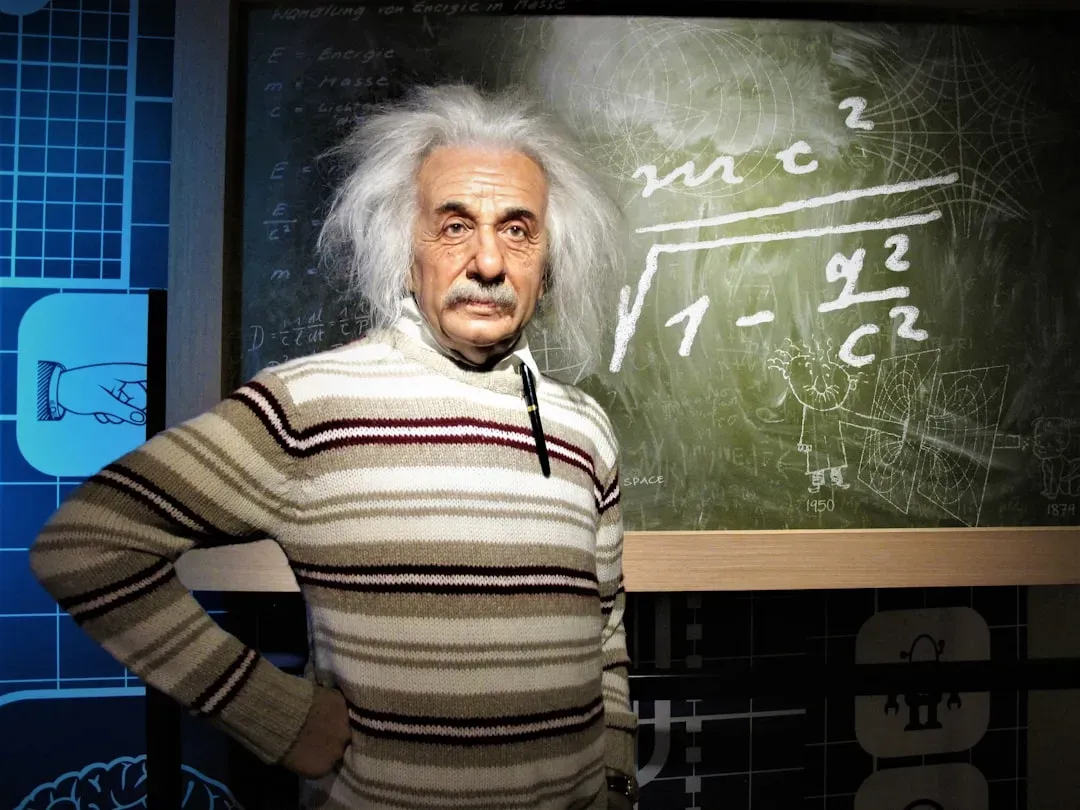
It might sound like Einstein has won the game forever, but in science, no theory gets a permanent crown. You live in a universe where dark matter and dark energy seem to dominate the cosmic budget, and general relativity alone does not fully explain what these mysterious ingredients really are. At extremely small scales, where quantum effects rule, Einstein’s smooth, continuous spacetime clashes with the grainy nature of quantum fields, and you do not yet have a unified theory that handles both perfectly.
This is where gravitational waves become even more exciting for you. Every new detection is a chance to look for tiny mismatches between what general relativity predicts and what nature actually does. If you ever find a signal that stubbornly refuses to fit Einstein’s equations, that could be the first crack leading toward a deeper theory of gravity that includes quantum effects or new forms of matter. In that sense, proving Einstein right so often is not the end of the story; it is a way of sharpening your tools so that when something finally breaks the pattern, you will recognize it as something truly new.
What Gravitational Waves Mean for You and Your Place in the Cosmos
At first glance, it is easy to feel that gravitational waves are too far removed from your daily life to matter. After all, you are not going to feel a black hole merger when you are stuck in traffic or making coffee. But there is a quiet, powerful shift that happens when you realize that human-built instruments can sense events that happened billions of years ago, in regions of space you will never visit, by detecting movements smaller than anything your senses can imagine. It shows you that your species has reached a point where you are not just gazing at the sky; you are actively listening to the universe speak in a new language.
On a more personal level, there is something humbling and uplifting about knowing that the laws governing your falling keys and your walking stride are the same ones shaping the catastrophic dance of merging black holes. When you say that gravitational waves prove Einstein’s , you are also saying that your intuition about reality can be expanded and corrected by careful thought, bold ideas, and patient experiments. That realization can change the way you look at any hard problem: if humans can track ripples in spacetime, maybe you can also learn to notice the subtle patterns in your own life that were invisible before.
In the end, gravitational waves are not just a technical victory or a clever confirmation of a century-old theory; they are a reminder that the universe is richer and more dynamic than it appears at first glance. You now know that space itself can ring like a cosmic bell, that the echoes of distant collisions can whisper across eons and still be heard, and that one person’s strange idea about curved spacetime can survive the most demanding tests you can throw at it. As you think about what else might be waiting out there, just beyond the reach of your current tools, you might ask yourself: if Einstein was this right about gravity, what surprising truths are still hiding in the ripples you have not yet learned to hear?