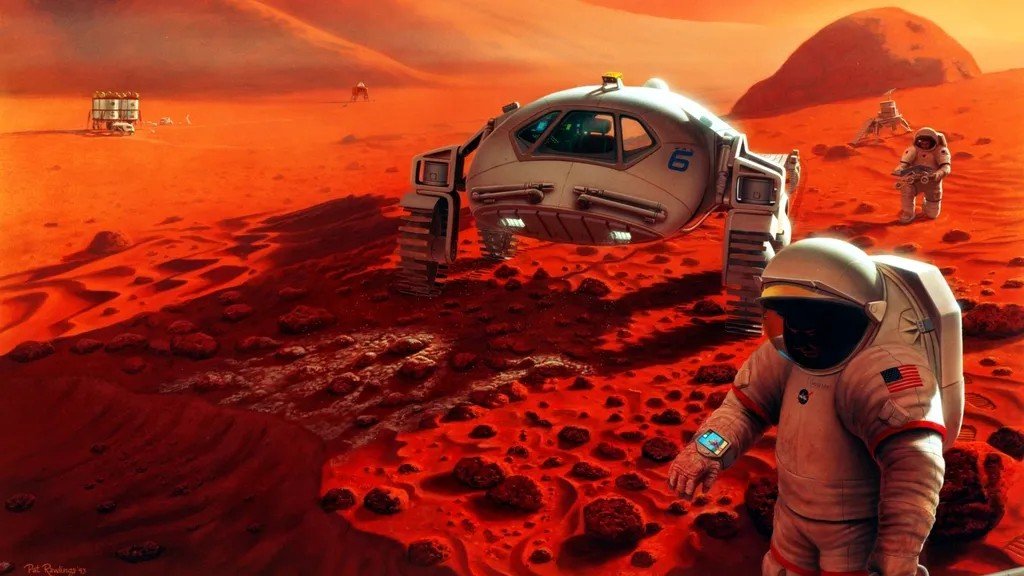
If you grew up thinking of Mars as a cold, dead, dusty rock, you’re not alone. For decades, that was the mental picture most people had: a rusty desert world where nothing much happened. But over the last twenty or thirty years, you’ve been living through a quiet revolution in how scientists see Mars – and it changes what you can reasonably hope to find there.
Right now, you’re closer to a real answer about Martian life than any generation before you. Between rovers slowly drilling into rocks, orbiters mapping hidden ice, and plans to bring actual samples of Mars back to Earth, the question is no longer whether we will learn something dramatic about life on Mars, but when – and what kind of life story you’ll be uncovering.
The Real Question: Past Life, Present Life, or Both?
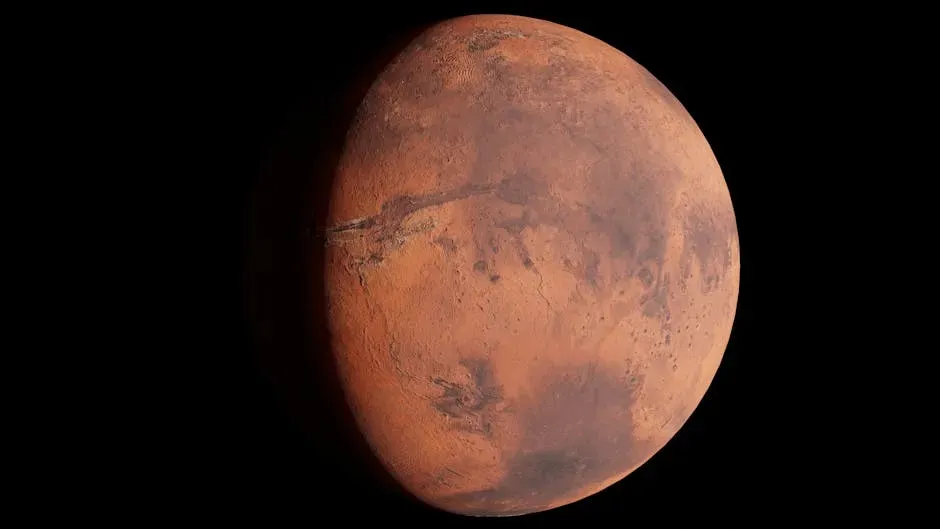
The biggest shift you need to make in your head is this: scientists have mostly stopped asking whether Mars ever had life, and started focusing on when and how it might have existed. When you look back billions of years, Mars was warmer, wetter, and much more Earth-like than the frozen desert you see in images today. That means that, at some point long ago, it very likely had the conditions that life on Earth depends on: liquid water, energy sources, and the right chemistry.
So now the question you’re really asking is more nuanced: did life ever get started there, and if it did, did it last? You’re not just hunting for little green beings; you’re hunting for traces, fossils, and chemical footprints of microbes that might have flourished in Martian lakes, rivers, or hot springs. Once you think of it this way, the search becomes less like looking for a needle in a cosmic haystack and more like a forensic investigation of a very old, very cold crime scene.
Why Ancient Martian Lakes Are Your Best Bet
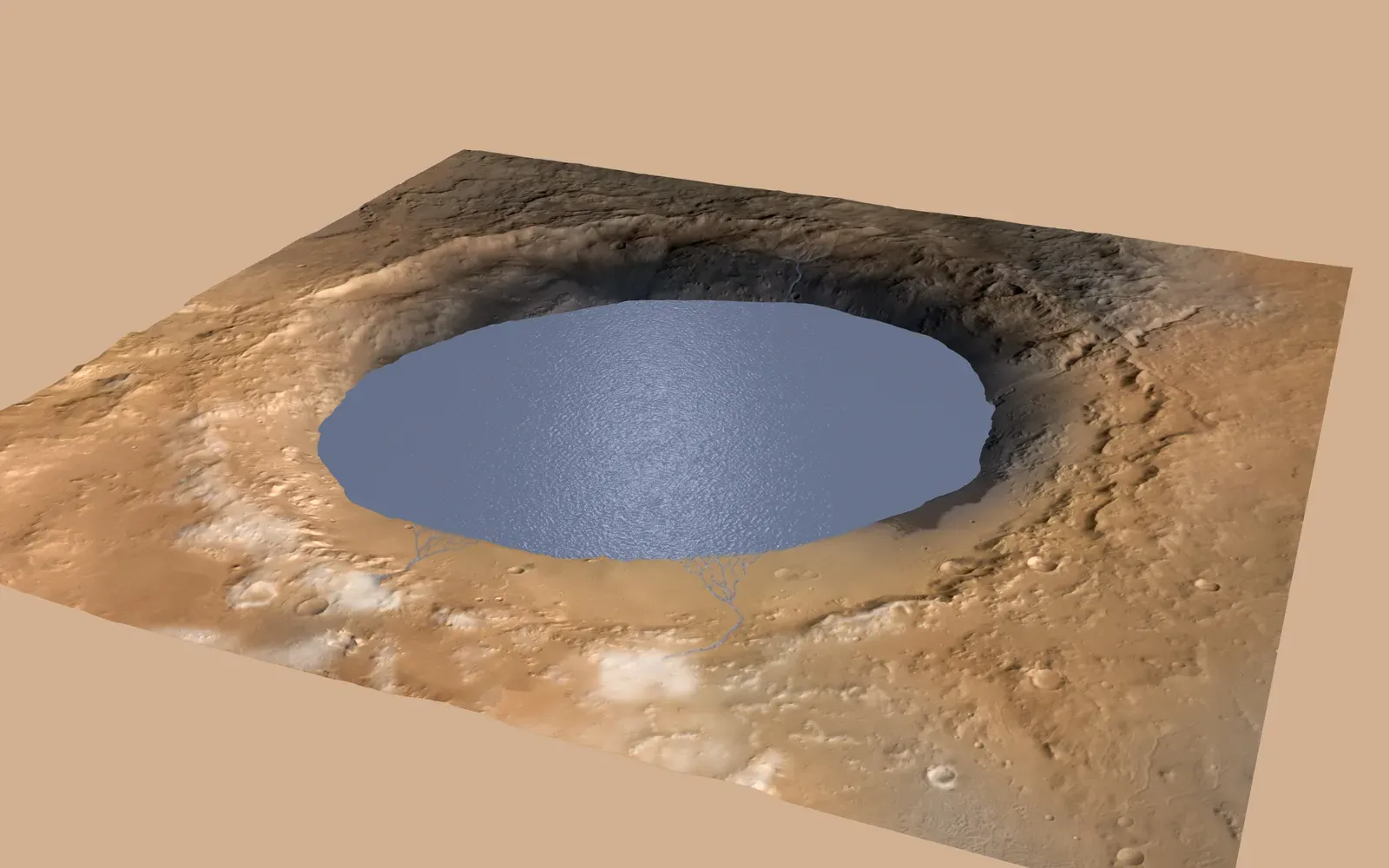
If you want to bet on where to find past life on Mars, you should put your chips on ancient lakebeds and river deltas. On Earth, those environments are rich in microbes and are fantastic at preserving their traces in mud and sediment that later turns into rock. Rovers like NASA’s Curiosity and Perseverance were deliberately sent to places that used to be lakes and river systems, precisely because those are the kinds of environments where you would expect microbial life to thrive.
When you see images of layered Martian rocks, you’re essentially looking at pages in a planetary history book. Each layer can trap tiny bits of organic material, minerals formed in water, and subtle chemical patterns that betray the presence of ancient microbes. You’re not expecting to find fish fossils or shells; you’re searching for much more modest but telling clues, such as particular types of carbon compounds, or rock textures that, on Earth, only form when microbes are involved.
How Rovers Are Quietly Doing the Hard Work for You
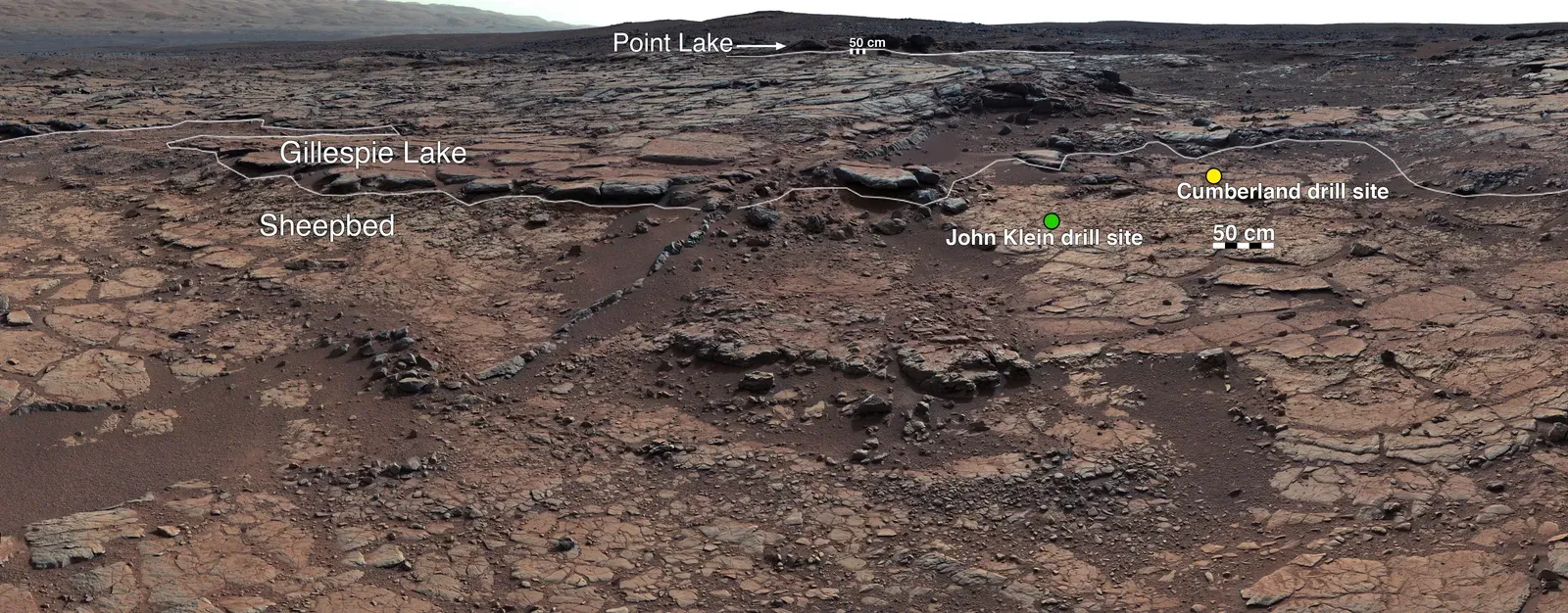
You might picture Mars rovers as high-tech photographers, but the truth is far more impressive: they’re slow-moving geologists and chemists, doing lab work on another planet so you don’t have to. Instruments on rovers like Curiosity and Perseverance can zap rocks with lasers, sniff out gases, and analyze the chemical makeup of drilled samples, all to figure out whether those rocks once sat in an environment that could support life. Every time a rover drills into a rock in an ancient lakebed, it’s taking a tiny core sample from a world that existed billions of years ago.
From your perspective, the most important part is not a single headline-making discovery, but the slow accumulation of evidence. You see data that point to long-lasting water, the right mineral chemistry, and organic molecules that are the basic building blocks of life. None of these alone proves that life existed, but together they shrink the space for doubt about whether Mars ever had the right conditions. It’s like watching a puzzle fill in from the edges; one day, you’ll realize there are only a few missing pieces left.
The Mars Sample Return Ambition: Bringing Mars to Your Lab
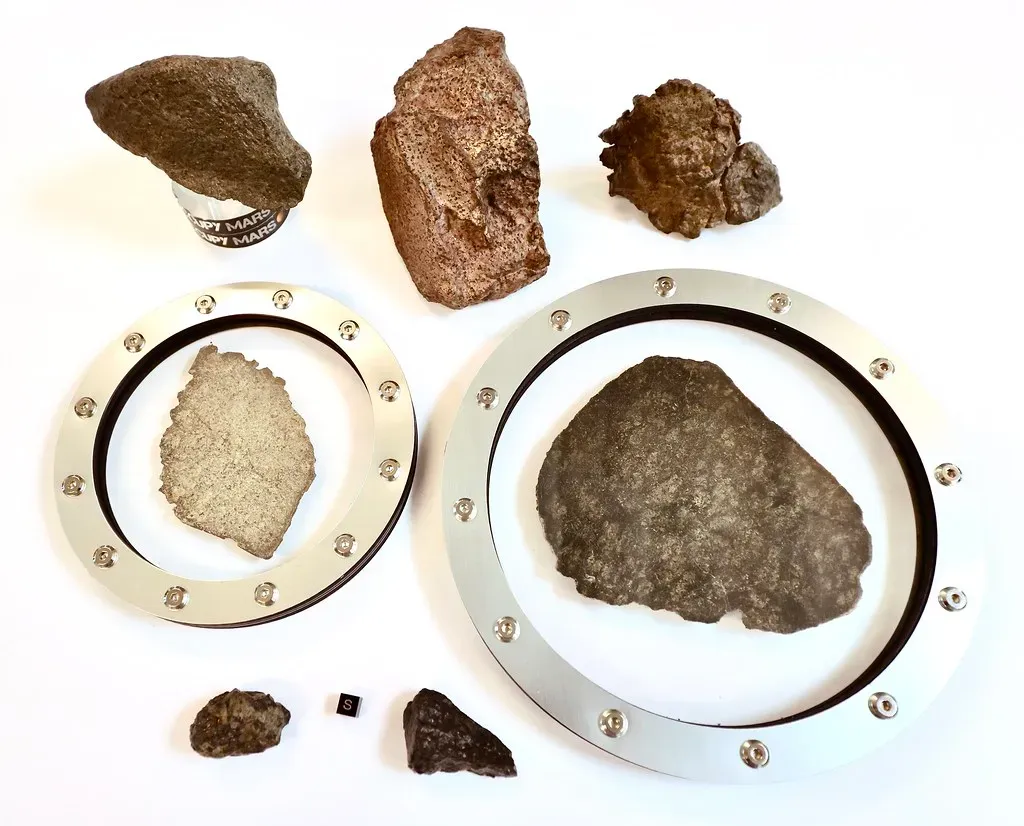
If you really want a turning point in the search for Martian life, you should watch what happens with Mars Sample Return. Instead of relying only on tiny instruments strapped to a rover, this effort aims to bring carefully chosen Martian rocks and soil back to Earth, where you can throw the full power of modern laboratories at them. In practical terms, that means using instruments far too large and delicate to ever fly in space, capable of detecting incredibly faint chemical signals that might hint at ancient microbes.
The reason this matters to you is that big scientific breakthroughs often come from better tools, not just better questions. When those samples make it to Earth, you’ll be able to search for complex organic structures, subtle isotopic patterns, and microscopic textures that are beyond the reach of current rover instruments. You may not get a clear yes-or-no answer overnight, but your chance of finding something that strongly favors life – or strongly rules it out in specific places – jumps dramatically once Mars rocks are sitting in Earth-based labs.
Why Methane on Mars Has Everyone’s Attention
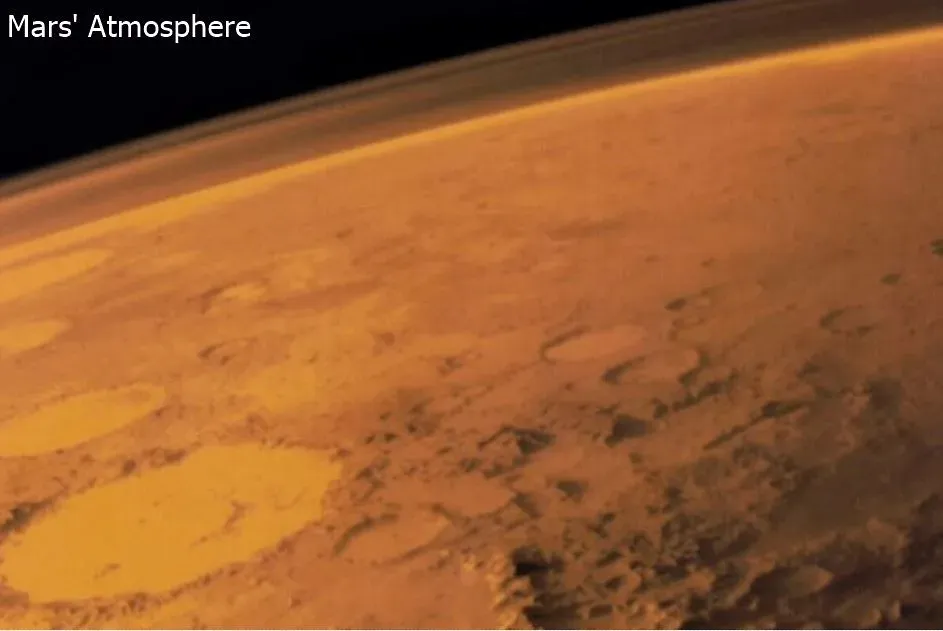
What should interest you, though, is the fact that methane does not last very long in a planetary atmosphere before sunlight breaks it down. That means that if you’re detecting it, something is producing it relatively recently. Whether that “something” is geological or biological, it tells you the planet is still active in ways you do not fully understand. And if part of that activity involves subsurface pockets where liquid water might persist, you suddenly have places to look for living organisms today, not just ancient fossils.
The Harsh Surface Hides a Possibly Friendlier Underground
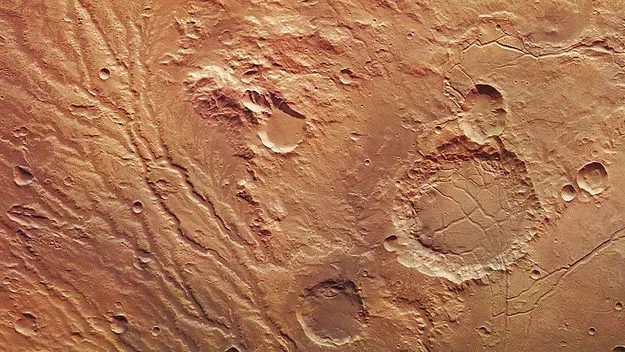
When you see images of Mars, you probably notice the dust, the rocks, and the sense of emptiness – and you might assume no life could handle that brutal environment. The surface is hit by radiation, it is extremely cold, and the atmosphere is thin. Yet if you think more like a microbe, your attention shifts underground. Just below the surface, rocks and soil can offer shelter from radiation and temperature swings, and any remaining water might be more stable in frozen or salty forms.
On Earth, you already know that microbes go deep underground, living in tiny pore spaces in rocks, surviving extreme conditions you would consider uninhabitable. So when you project that knowledge onto Mars, the idea that a hidden biosphere could persist below the surface becomes less science fiction and more a tough but plausible survival strategy. If life ever got started on Mars, it might have retreated into those protected niches as the surface became harsher, waiting for your instruments someday to dig deep enough to notice it.
What Finding Martian Life Would Really Mean for You
It is easy to treat the search for life on Mars as a kind of distant curiosity, but if you take a moment, you realize how personal it actually is. If you discover even the faintest evidence that life arose independently on Mars, then life in the universe stops feeling like a rare miracle and starts looking like a common outcome when the right conditions come together. That would change how you see not just Mars, but yourself, because it suggests that the recipe for life is written into the fabric of many worlds, not just Earth.
On the other hand, if after decades of looking in all the most promising places you still find nothing, that result matters just as much. It tells you that something about Earth’s story is unusual, fragile, or difficult to repeat. Either way, the answer reshapes your understanding of how special your planet is and what it might mean to be a living being in a mostly lifeless universe. You are not just chasing alien microbes; you are trying to figure out whether your existence is typical or astonishingly rare.
How You Might See the Answer in Your Lifetime
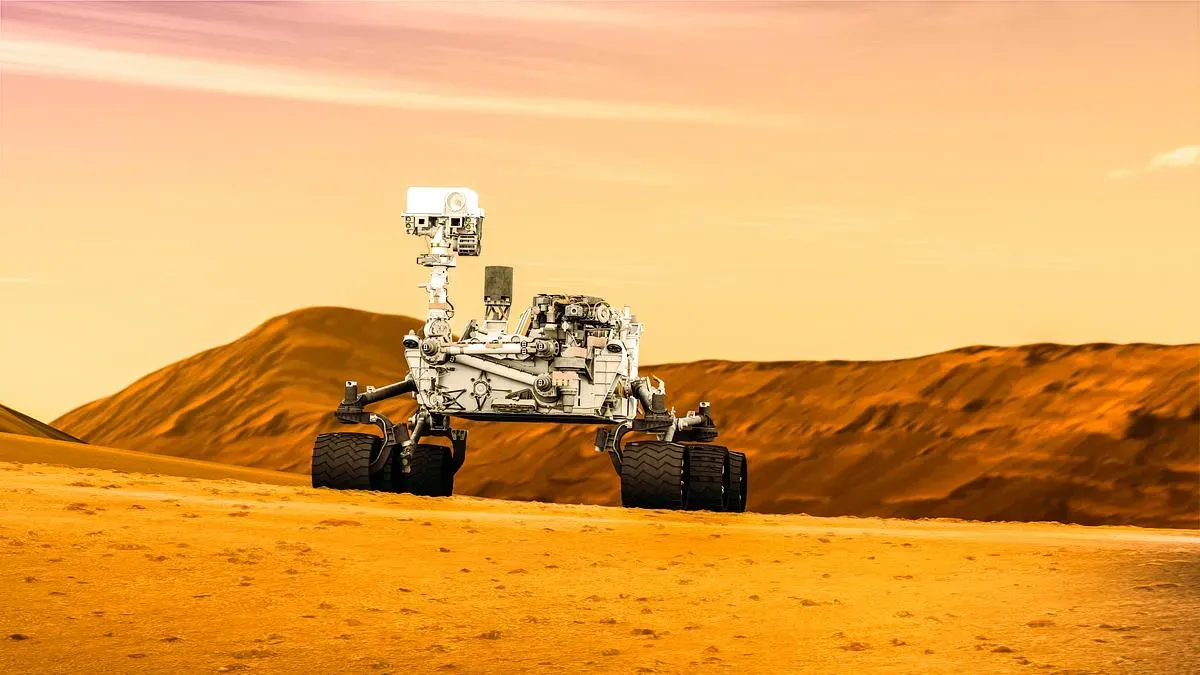
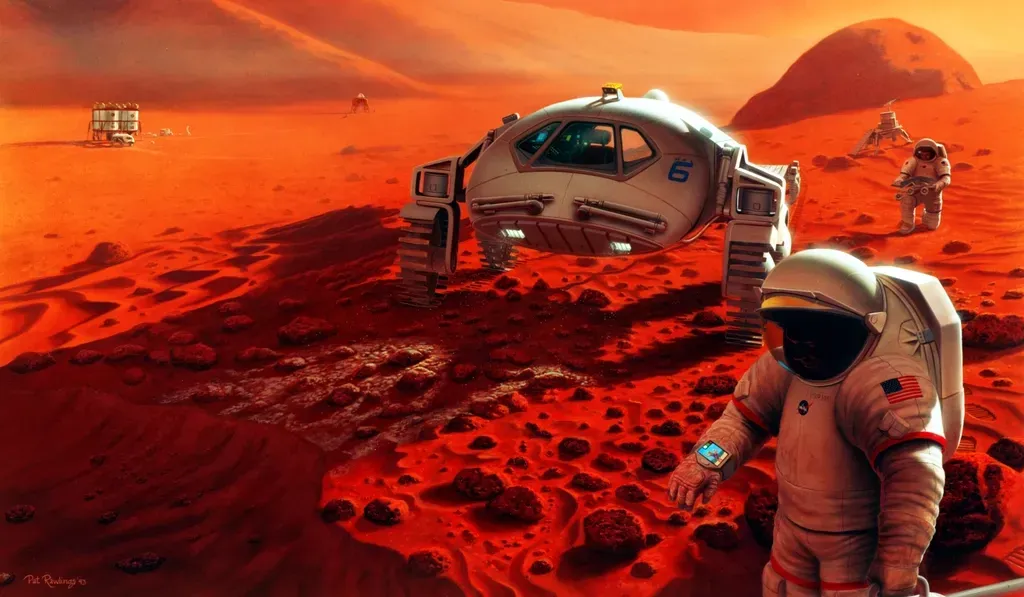
If you feel like this is all comfortably far off in the future, you might be underestimating how quickly things are moving. Within your lifetime, you can reasonably expect to see more advanced rovers, drilling systems that reach deeper below the surface, and possibly the successful return of Mars samples to Earth. You may even see human explorers walking on Martian soil, able to pick promising rocks with the same kind of intuition that geologists use on Earth.
You are living at a moment when technology, curiosity, and opportunity are finally lining up. That does not guarantee a dramatic announcement, but it does mean that if there is a clear answer to the question of Martian life hiding in the rocks, your generation is better positioned than any before you to find it. Instead of wondering whether your grandchildren might learn the truth, you can realistically imagine reading that headline yourself – and remembering that you were there while the groundwork was quietly being laid.
Conclusion: A World That Refuses to Be Boring
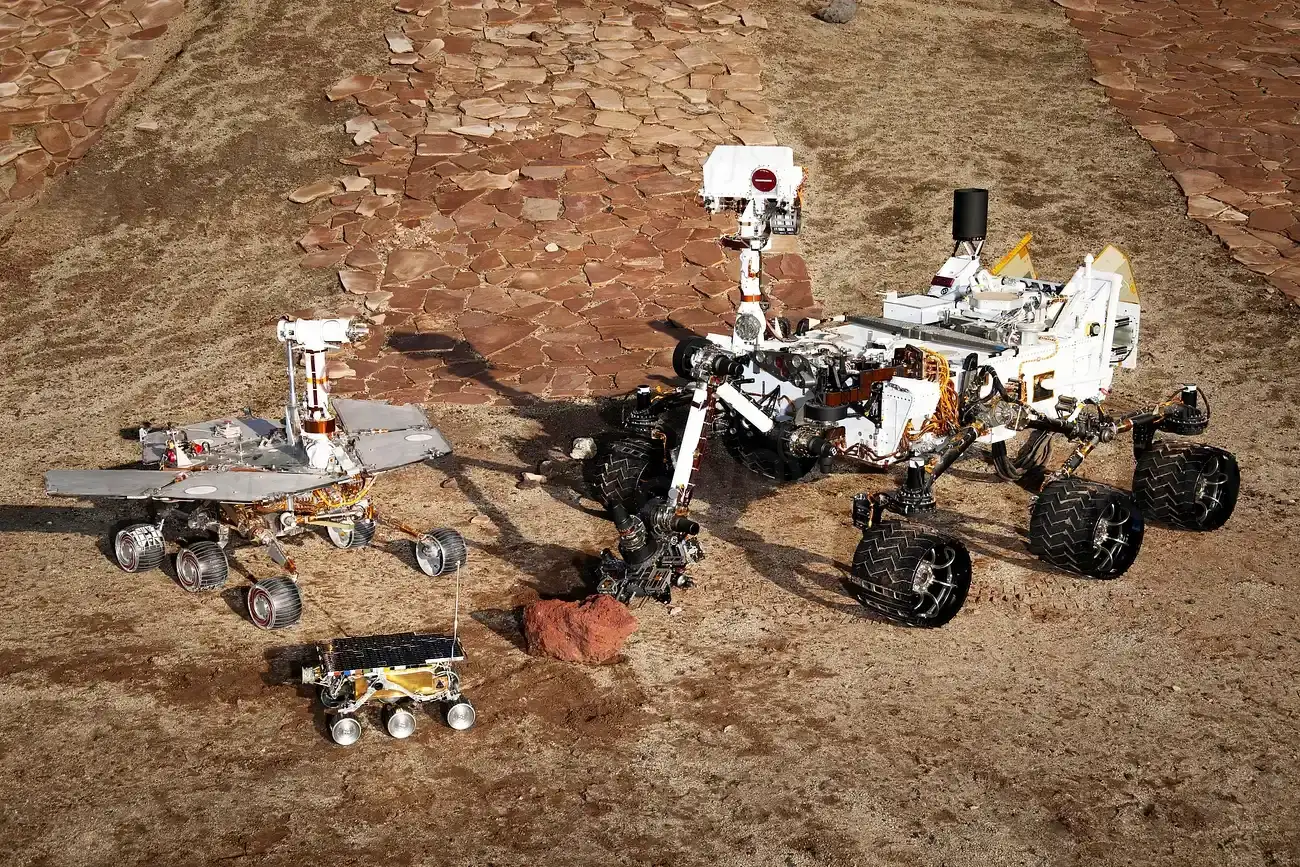
When you zoom out, Mars stops looking like a static red dot and starts revealing itself as a complicated world with a wild past and a suspiciously interesting present. You are watching a story unfold in slow motion: evidence of ancient lakes, organic molecules in old sediments, odd bursts of methane, deep reserves of buried ice, and bold plans to bring Martian rocks home. None of these pieces alone promises you a tidy answer, but together they turn Mars from a dead end into a genuine mystery you might actually solve.
In the end, the search for life on Mars is really a search for context about your own place in the universe. Whether you find an ancient microbe fossil, detect present-day underground life, or discover a stubborn emptiness where life never quite took hold, you will have learned something profound about how rare – or how inevitable – you are. As the rovers crawl, the rockets launch, and the data flows back, you’re not just a spectator; you are part of the first generation that can reasonably hope to know. When that answer finally arrives, what do you think it will say about you?