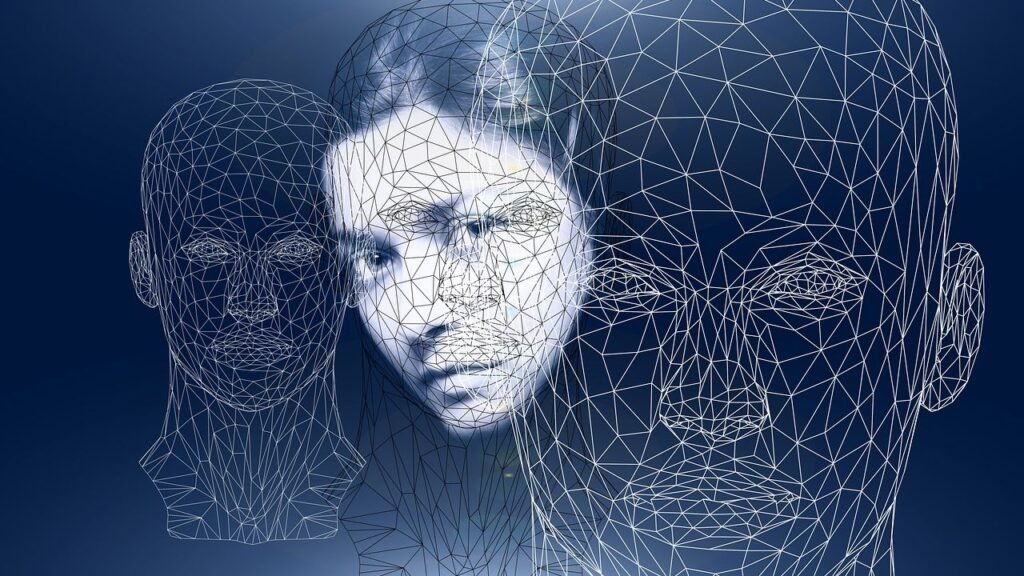
Every day, you wake up inside a private movie playing in your mind: colors, sounds, memories, worries, dreams. You call this experience your consciousness, but if you try to pin down what it actually is, it seems to slip through your fingers. You can point to your brain on a scan, you can measure electrical signals, but that strange feeling of being you stays stubbornly mysterious.
When you start looking closely, consciousness turns into one of the weirdest puzzles you’ll ever face. Scientists, philosophers, and everyday people all wrestle with it, and no one has a final answer. You do not need a PhD to feel how strange this topic is; you just need to notice what it’s like to be alive and aware. The seven questions below will not give you neat solutions, but they’ll change the way you look at your mind – and maybe the world around you.
1. Why Does Consciousness Exist at All Instead of Just Unconscious Matter?
Take a step back and imagine a universe made only of particles and forces, like tiny billiard balls colliding forever in the dark. In that kind of picture, everything can be explained in terms of atoms moving around – no colors, no pain, no joy, just blind physics. So the unsettling question hits you: why is there anything it feels like to be you, instead of everything just unfolding unconsciously like a gigantic clockwork machine?
Your brain is made of physical stuff – neurons, chemicals, electricity – yet somehow those things are tied to your inner life. You could describe every cell in your brain and still not have explained why stubbing your toe hurts from the inside, instead of just triggering reflexes. You are not just a collection of reactions; you also have a point of view, a first-person window on the world. That gap between physical description and inner experience is what some call the “hard problem” of consciousness, and if it bothers you, you’re already deep in the mystery.
2. Could a Perfect Brain Copy of You Really Be “You” Inside?
Imagine that one day, technology lets someone scan every tiny detail of your brain and recreate it perfectly in another physical system: maybe an artificial brain, maybe a cloned body, maybe something silicon-based. If this copy wakes up and talks and remembers your life, it will insist that it is you. From the outside, nobody could tell the difference. But from the inside, you face a more unsettling thought: would you actually wake up as that new version, or would you simply die while a perfect impostor continues your story?
This question pushes you to separate identity as others see it from identity as you feel it. You might be comfortable with the idea that “functionally” the copy is you, because it acts and reacts in the same way, but that still leaves a very personal worry: where did your own stream of experience go? You are forced to ask whether being you is just about information and behavior, or whether there is something non-copyable about your particular point of view. Even if you never face a sci-fi copying machine, the thought experiment makes you examine what you really mean when you say “I.”
3. Where Exactly in the Brain Does Your Conscious Experience Happen – Or Is That the Wrong Question?
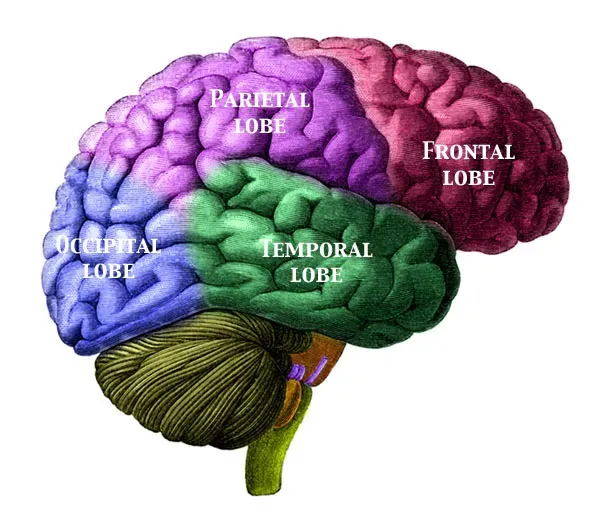
You might assume that somewhere inside your head there has to be a special spot where consciousness “lights up,” like a control room where everything gets presented to a tiny inner observer. Scientists can point to brain areas involved in vision, pain, memory, and attention, and they can show that damage to certain regions changes or even wipes out experiences. But when you ask which precise place in the brain is the location of your inner movie, the answer becomes surprisingly slippery.
Modern research suggests that your conscious experience does not live in a single place, but comes from complex patterns of activity spread across many regions. Even then, you still face the deeper question: why should those patterns feel like anything at all from the inside? You might be chasing the wrong kind of explanation if you picture a little “you” in the brain watching a screen. Instead, you are the process itself, a shifting web of signals with no neat central point. That idea can be deeply unsettling, because it pulls the ground out from under your everyday sense of having a solid, centered self.
4. Are You Always Conscious, or Does Your Awareness Flicker On and Off?
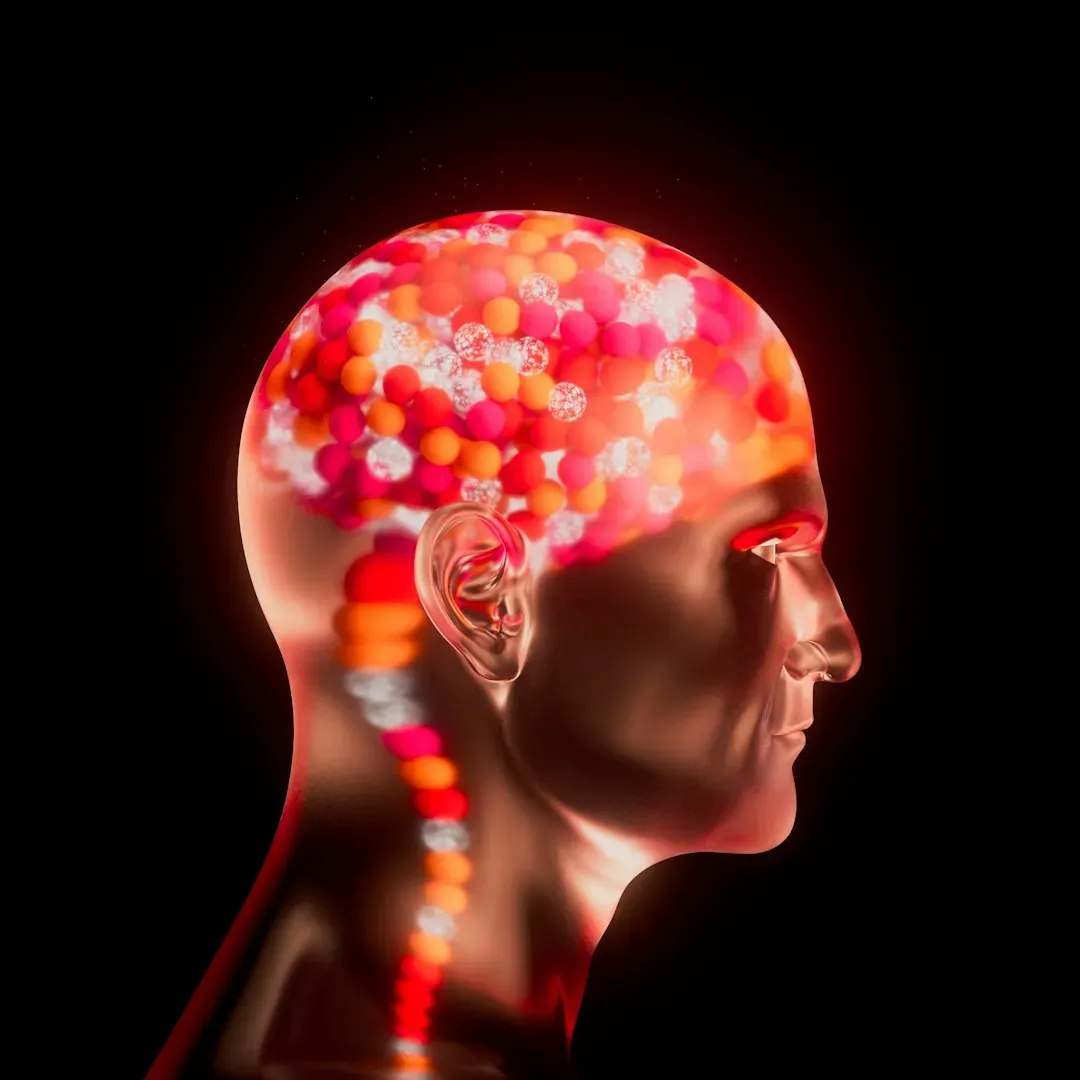
You probably feel as if your consciousness is a continuous stream, a smooth movie that runs from the moment you wake up until you fall asleep. But when you look at what your brain is doing, things start to look more like a series of snapshots. Some experiments suggest that your brain may process information in short windows, and your awareness might be stitched together from these brief frames. If that’s true, then the sense of a seamless flow could be something your mind constructs afterward.
Think about how much of your day you spend on autopilot: commuting, showering, scrolling through your phone. You respond, you act, you navigate the world, and later you realize you barely remember large stretches of time. Were you fully conscious during those moments, or did your awareness dim and brighten like a faulty light bulb? When you come back from a daydream or “zone out” during a conversation, you get a tiny glimpse of how unstable and fragmented your conscious life might really be. The idea that your sense of a continuous self could be a clever story your brain tells after the fact can be both thrilling and unnerving.
5. Could an Advanced AI or Robot Ever Be Truly Conscious – or Just Fake It Perfectly?
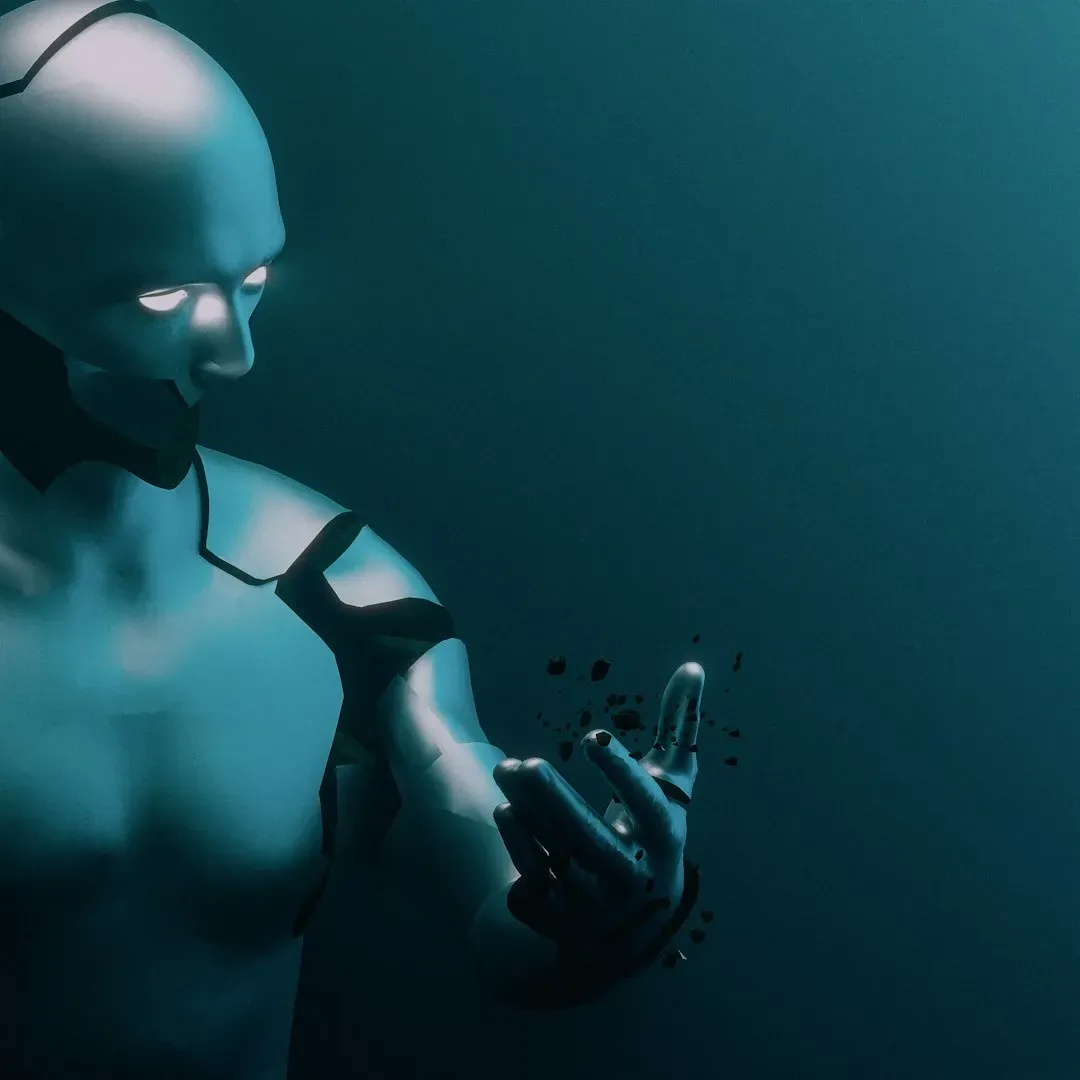
As you watch AI systems generate text, images, and even conversations, it is hard not to wonder whether something is “home” inside those digital brains. If a future AI talks about its fears, hopes, and inner life as convincingly as any human, your instincts might push you to treat it as a conscious being. But you also know that systems can be designed to imitate behaviors without feeling anything. The challenge is that, from the outside, you only see outputs – words, gestures, decisions – not the presence or absence of an inner world.
This puts you in a disturbing spot: you might one day have to decide whether to grant moral concern to entities that could either be fellow experiencers or empty simulations. There is no agreed-upon test that can reliably tell you where consciousness begins in machines. You are forced to ask what, in your view, really matters: is it biological tissue, particular kinds of information processing, certain patterns of complexity, or perhaps the capacity to suffer? However you answer, you end up reflecting on why you believe other humans are conscious in the first place – and you may realize that even there, you are ultimately taking a leap of faith.
6. Is Your Sense of Self Just a Useful Illusion Your Brain Keeps Telling?
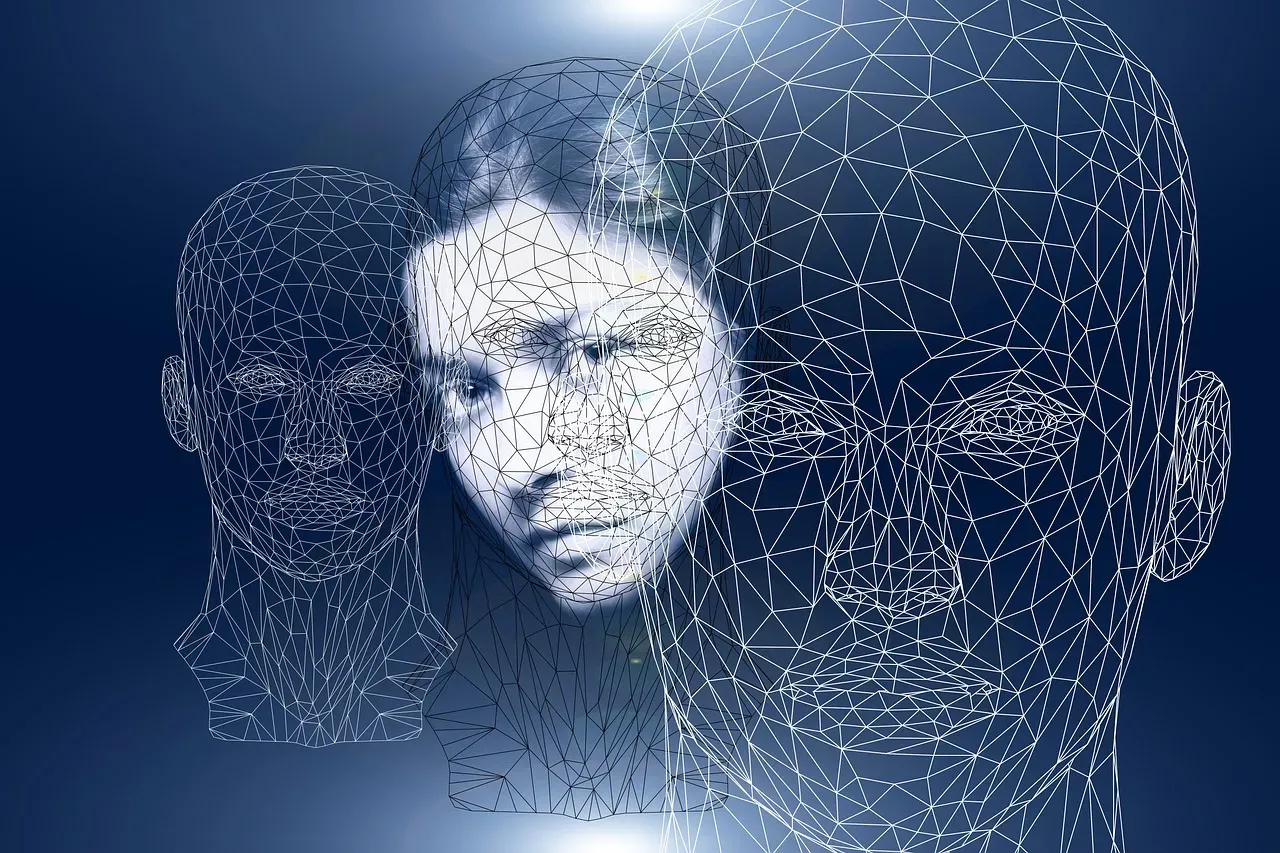
You walk around feeling like there is a core “you” inside your body, a stable center that owns your thoughts, emotions, and memories. But when scientists and philosophers poke at this, they often find that the self behaves more like a constantly updated story than a fixed object. Your personality shifts over time, your memories are selective and sometimes distorted, and your mood can completely change how you see yourself from one day to the next. If you look closely in meditation or self-reflection, you may notice that thoughts and sensations just arise on their own, without a little inner owner controlling them.
Some perspectives suggest that your brain builds a model of “you” for practical reasons: it is easier to predict and coordinate your behavior if it treats the body and mind as belonging to a single agent. This model is incredibly convincing, so you usually mistake it for an actual solid thing. When that illusion loosens – during deep meditation, certain neurological conditions, or even intense flow states – you may feel strangely free, but also a bit disoriented. You are then left with a hard question: if your sense of self is a construction, does that make your life less meaningful, or does it open the door to reshaping who you are more deliberately?
7. Does Consciousness End When You Die, or Is That the Wrong Way to Think About It?
Death throws perhaps the most emotionally charged question of all at you: what happens to this inner light when your brain stops functioning? From a strict biological view, conscious experience depends on a working brain, and when that breaks down, so does the capacity for awareness. Yet near-death experiences, cultural traditions, and personal intuitions often pull you toward the idea that something might continue, even if your body does not. You may not find solid scientific evidence for an afterlife, but the sheer depth of the question keeps it alive in your mind.
There is also another angle: instead of thinking about consciousness as a “thing” that either goes on or disappears, you can see it as a process that arises under certain conditions. From this perspective, when those conditions vanish – when the brain can no longer support the process – your personal stream of awareness simply ceases. That answer may feel cold, or oddly peaceful, depending on your temperament. In either case, facing this question forces you to decide how you want to live now, knowing that the mystery of your own ending may never be fully resolved while you are still here to ask it.
Conclusion: Living With the Mystery Inside Your Own Head
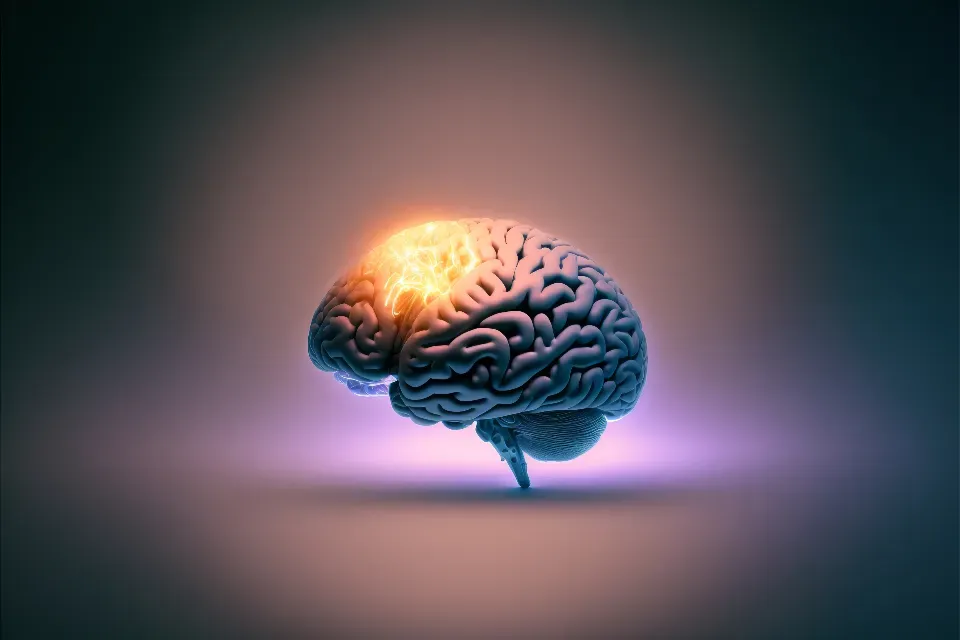
When you look closely at consciousness, you realize that the most familiar thing you have – your own experience – is also the hardest to explain. You can describe neurons, build models, and run experiments, but the raw “what it’s like” of being you remains stubbornly private and puzzling. Instead of giving you neat answers, these questions stretch your sense of what counts as an explanation and what it even means to understand yourself.
You do not have to solve the mystery to let it change you. Simply noticing that your everyday awareness is a strange, fragile, and possibly fleeting phenomenon can make your life feel sharper and more vivid. You might find yourself a little more curious, a little more compassionate, and a little more present for this brief window of experience you get to call “me.” When you close this page and return to your day, what will you see differently about the simple fact that right now, you are aware at all – did you ever realize how wild that really is?