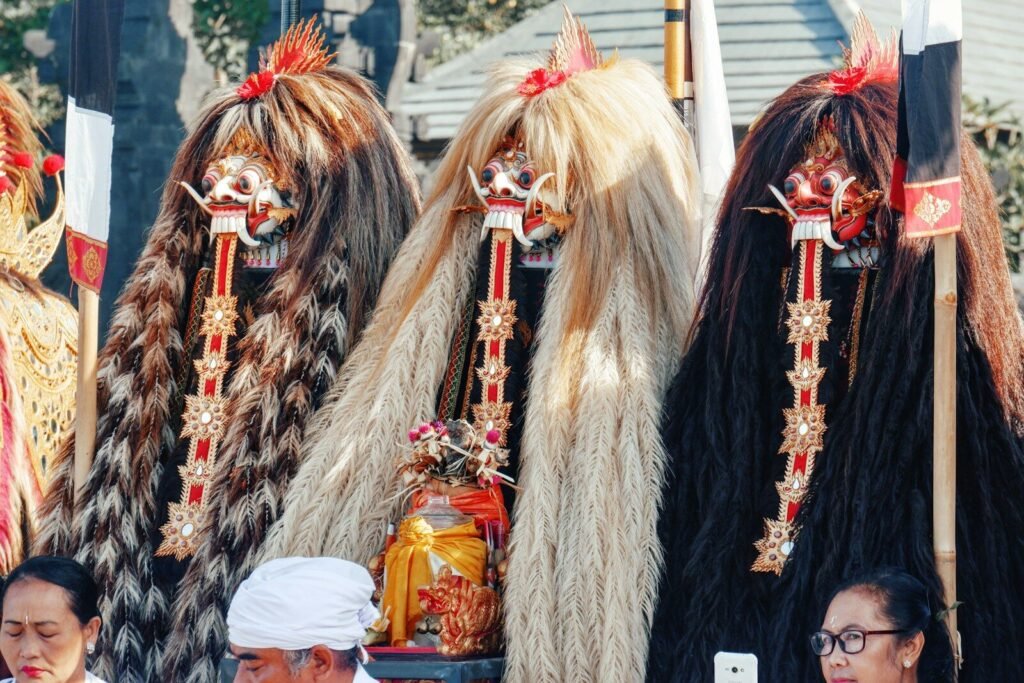

If you strip away smartphones, skyscrapers, and social media, you are left with a very old question: what on earth are you doing here? Ancient people wrestled with that same question long before written history, and they tried to answer it not just with words or beliefs, but with rituals. When you look closely at those rituals, you start to see patterns that feel surprisingly familiar, like seeing your own reflection in a river that was flowing thousands of years ago.
In a way, exploring ancient rituals is like opening a time capsule of the human heart. You see how people faced death, honored the forces of nature, searched for meaning, and tried to keep chaos at bay. As you walk through these five practices from different cultures and eras, you will notice that the details change, but the emotional core is almost eerily constant: fear, hope, love, and the need to belong to something bigger than yourself.
1. Burial Rituals: How You Face Death Reveals How You Understand Life
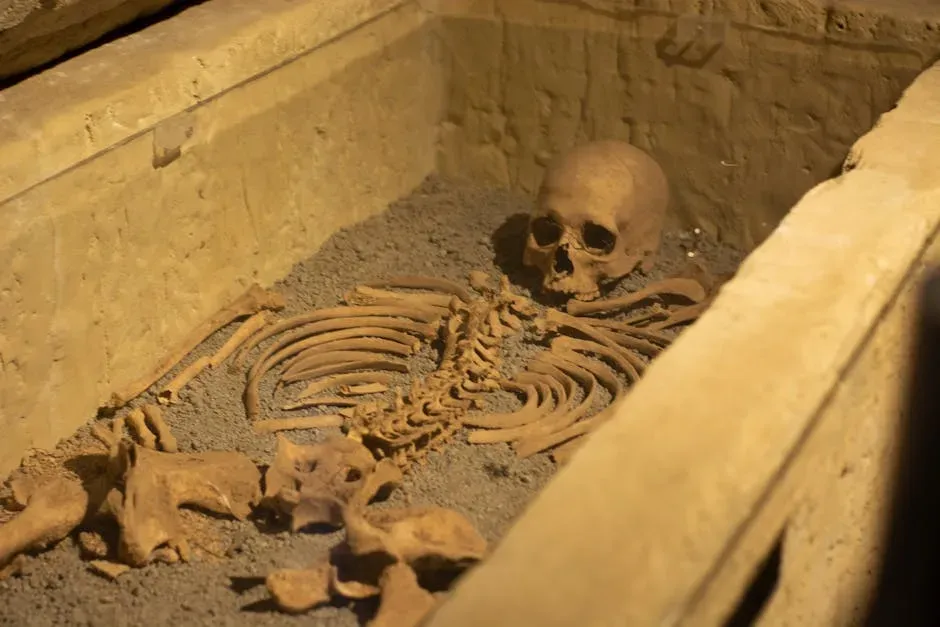
Imagine standing at a grave thousands of years ago, not with flowers, but with tools, food, and maybe even jewelry to bury with the dead. From prehistoric burial mounds in Europe to the carefully prepared tombs of ancient Egypt and the terracotta warriors of China, you see the same basic assumption: death is not just an ending, it is some kind of journey. When you place objects with the dead, you’re saying that the person continues in some form, and you want them equipped for whatever comes next.
When you look at ancient burials, you notice how much care went into the body itself: washing, wrapping, positioning, sometimes even painting or adorning it. You do not go to that trouble if you think the person is just gone; you do it because you believe the way you treat the body matters for the soul. Even today, when you light a candle at a grave or keep a loved one’s photo on your shelf, you’re performing a softer version of that same ritual logic: the dead are not entirely gone, and how you honor them shapes how you go on living.
2. Sacrifice Rituals: What You Give Up Shows What You Think Holds the World Together
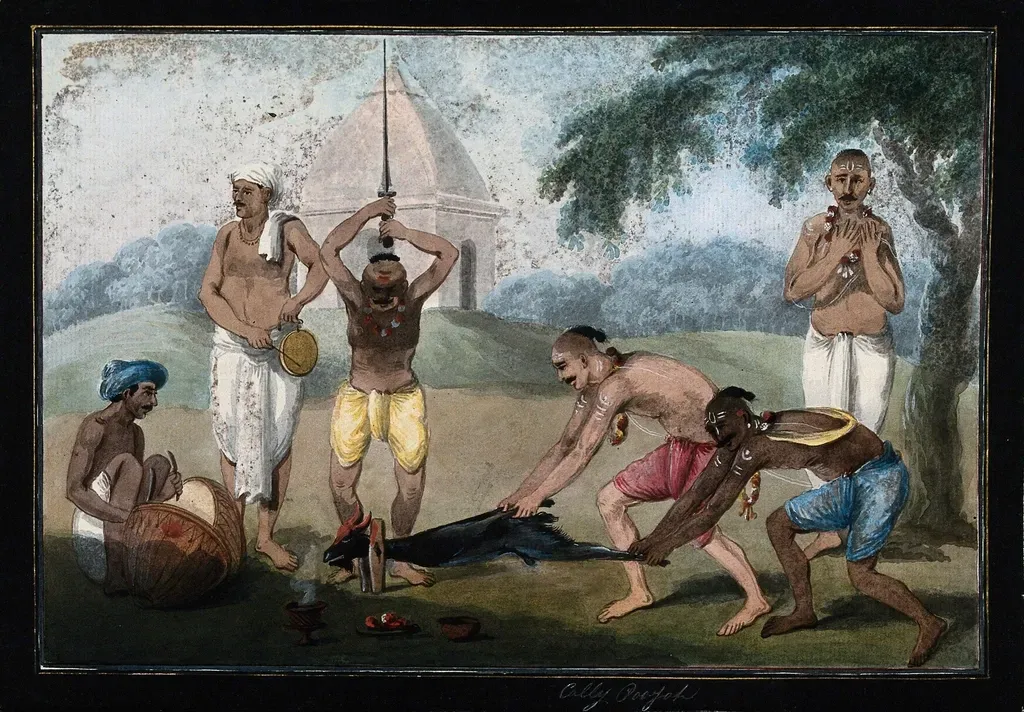
When you hear the word “sacrifice,” your mind might jump to the most dramatic examples, like animal offerings in ancient temples or stories of human sacrifice in some cultures. But at the core, sacrifice is about this: you give something valuable up, because you believe it maintains a relationship with a power greater than you. Whether it was grain burned on a Greek altar, cattle offered in Vedic India, or incense and food placed before household gods in Rome, the message was the same: you do not control everything, and you need help from beyond yourself.
In these rituals, you see a very human blend of fear and gratitude. You fear drought, disease, and war, so you offer something hoping to earn protection; you feel thankful for a good harvest, so you bring a portion back to the divine. Even if you no longer burn offerings on a stone altar, you probably still sacrifice time, money, or comfort for what you see as sacred, whether that’s family, faith, or a cause you believe in. Ancient sacrifice rituals are like a mirror that shows you what you’re willing to lose in order to keep your world from falling apart.
3. Initiation Rites: Crossing the Invisible Line Into a New Self
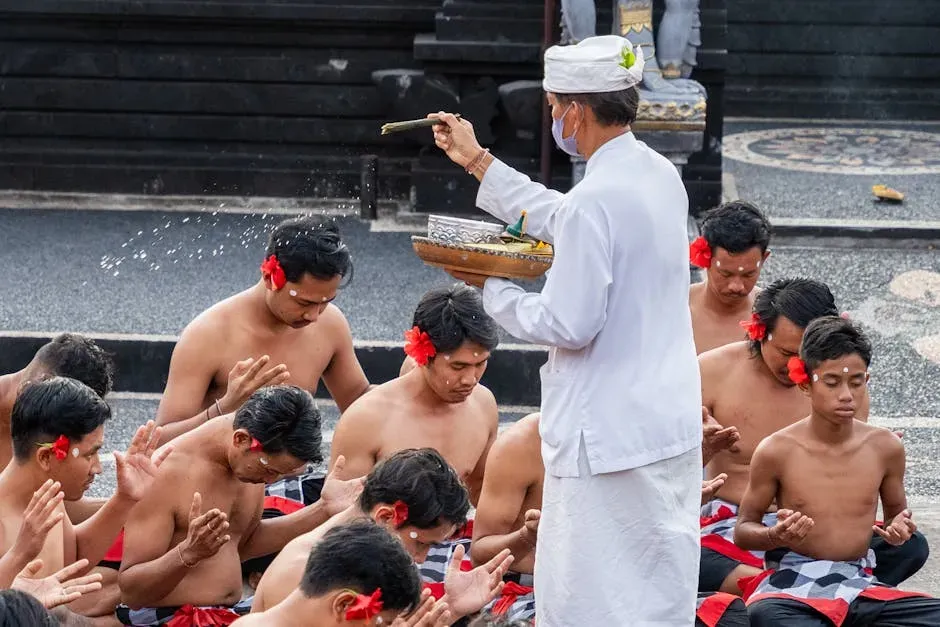
Picture yourself as a young person in a traditional society, standing on the edge of adulthood. You do not just wake up one day and get called an adult; you pass through fire of some kind, metaphorical or sometimes painfully literal. Around the world, from Indigenous initiation ceremonies in Australia and Africa to coming-of-age rites in ancient Greece or among early Mesoamerican societies, you see the same pattern: separation, challenge, and return. You are taken away from normal life, you endure a test, and you come back changed in the eyes of your community.
These rituals often include physical ordeals, new names, symbolic clothing, or secret teachings that only initiated members are allowed to know. The message you receive is powerful: you are no longer who you were, and from now on, more is expected of you. Even modern versions like graduations, military training, or religious confirmations still carry that echo. When you walk across a stage for a diploma or survive a boot camp, you are acting out an ancient script: you cross an invisible line, and everyone agrees you are not the same as before.
4. Seasonal and Fertility Festivals: Dancing With the Rhythm of the Earth
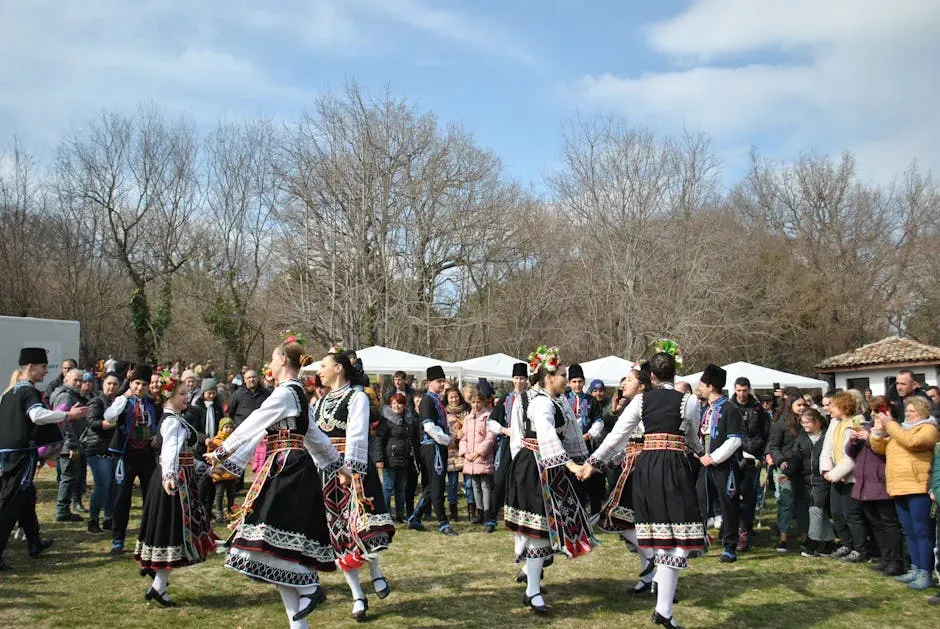
Think about how much your mood can change with the seasons even now: the long stretch of winter, the relief of spring, the intensity of summer, the melancholy beauty of autumn. Ancient people depended directly on the land, so seasonal rituals were not just about feeling; they were about survival. Whether you look at ancient Mesopotamian festivals tied to planting and harvest, Celtic celebrations like Samhain and Beltane, or early agricultural rites in East Asia and the Americas, you see people trying to stay in step with the earth’s heartbeat.
These rituals often mixed the practical and the symbolic: you might bless seeds, pour out libations, dance, sing, and reenact myths about dying-and-rising gods or spirits of fertility. You are affirming that life is cyclical, that death and rebirth go together, and that your community doesn’t stand apart from nature but is woven into it. When you celebrate New Year’s, attend a harvest fair, or join in a spring festival today, you are still participating in that deep instinct. You are saying, in your own way, that the turning of the seasons is not just weather; it is a story you belong to.
5. Divination and Oracles: Your Need to Peek Behind the Curtain
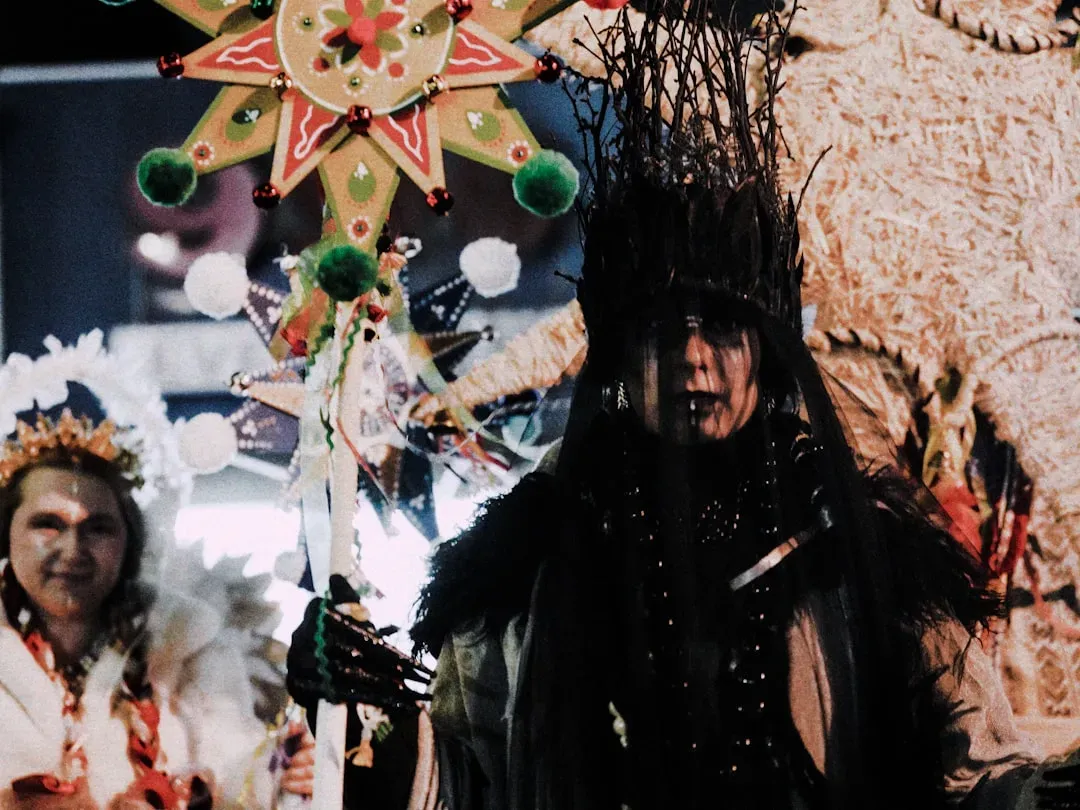
Imagine living in a world where one bad storm, one invasion, or one illness could change everything overnight. In that kind of uncertainty, it is not surprising that you would look for guidance wherever you could find it. Across ancient cultures, you see divination rituals that tried to decode the will of the gods or the shape of the future: reading animal entrails in Mesopotamia and Rome, consulting oracles in ancient Greece, casting lots or bones in parts of Africa, interpreting dreams in many traditions from the Near East to East Asia.
What you really see in these rituals is not superstition for its own sake, but a craving for pattern and meaning. If the flight of birds or the cracks in a heated shell can be read like a message, then you are not helpless; the universe is speaking, and you can choose your path with some sense of direction. Today, you might check economic forecasts, personality tests, or even horoscopes for that same reassurance. The tools change, but the impulse is unchanged: you hate purely random chaos, and you will reach for almost anything that helps you feel that life can be read, even a little bit, like a book instead of a storm.
Conclusion
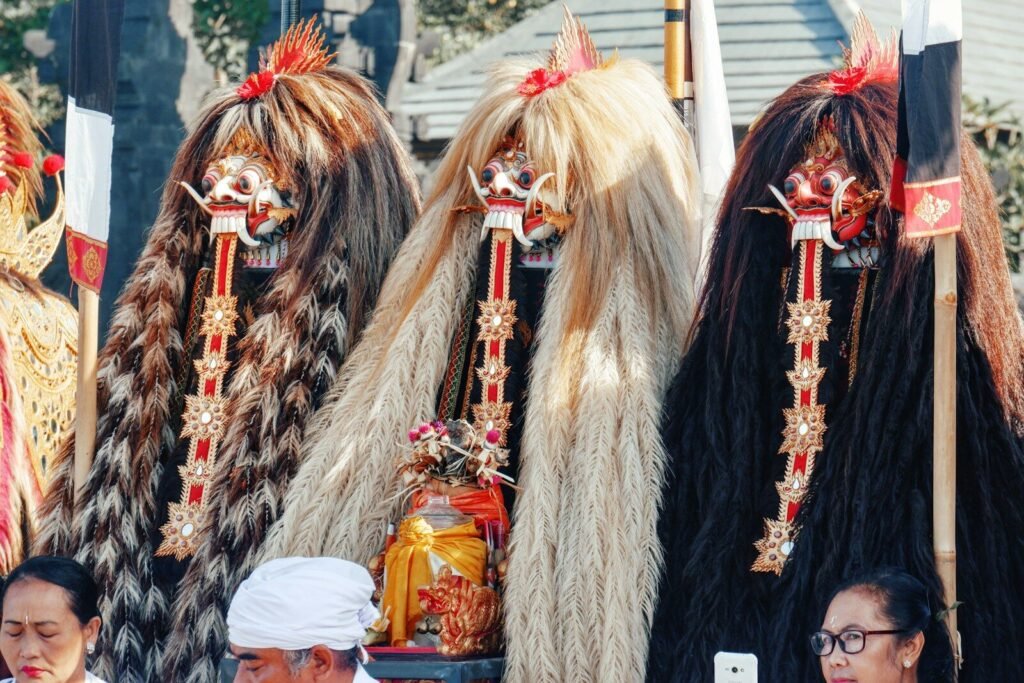
When you step back and look at these five ancient rituals together, you start to see a single, deep thread: you are always trying to make sense of being fragile in a world you do not control. You honor the dead so they are not swallowed by nothingness, you sacrifice because you hope the universe is relational, you initiate because you need clear boundaries between your old self and your new one, you celebrate seasons because you want to belong to the living earth, and you seek oracles because you cannot stand the idea that your future is just blind accident.
If anything, these old practices suggest that your deepest beliefs are not just ideas in your head; they are actions you repeat with your body, your community, and your time. The details of the rituals evolve, but the questions behind them are still the ones you ask late at night when the world feels too big and uncertain. So as you go back to your own daily routines, you might quietly ask yourself: which of your habits are actually little rituals, and what do they secretly say about what you believe?