
If you have ever stared at a spiderweb, a seashell, or even a burr stuck to your socks and thought it was just an everyday nuisance, you are sitting on the same kind of raw material that has sparked some of the most powerful inventions on Earth. Again and again, you see scientists, engineers, and designers quietly borrowing ideas from plants, animals, and even bacteria to solve problems humans have wrestled with for decades.
Once you start looking for it, you notice nature’s fingerprints everywhere: in the trains you ride, the buildings you walk past, the clothes you wear, even the medical tech that keeps people alive. As you go through these 10 inventions, you are not just reading a list of cool gadgets; you are basically getting a crash course in how paying close attention to can change what you believe is possible.
1. Velcro: Tiny Burrs That Changed How You Fasten Everything
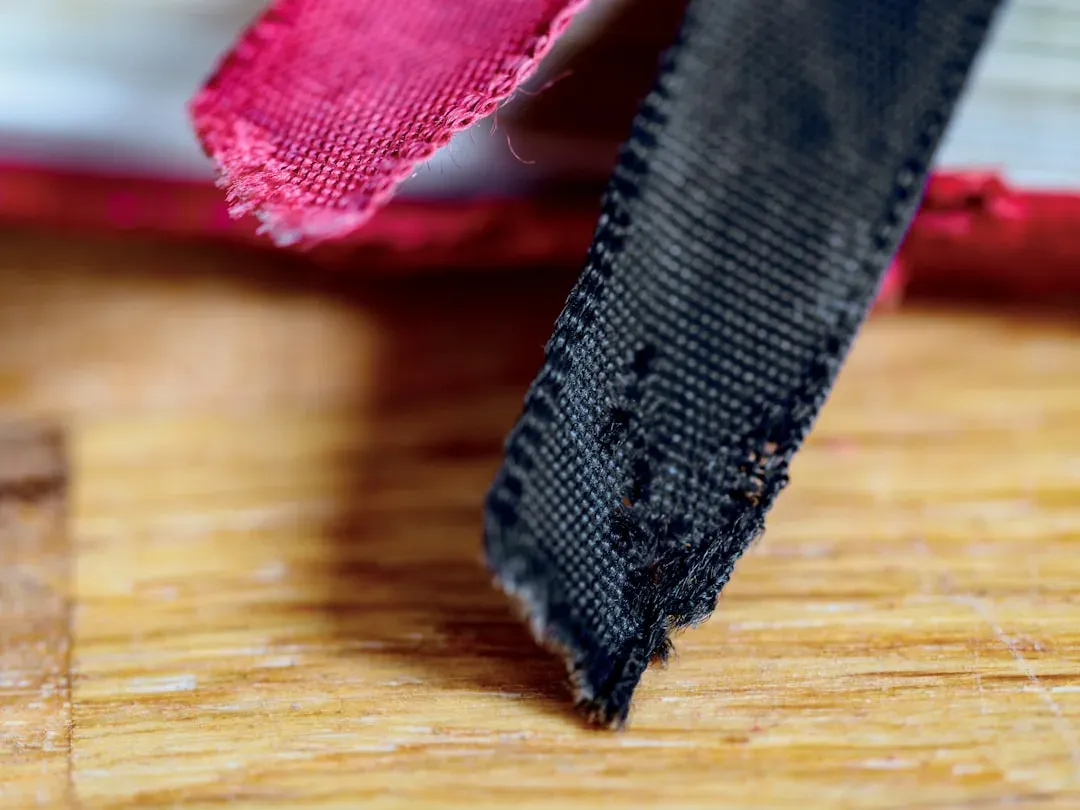
Next time you rip open a Velcro strap, you are reenacting a simple walk through the countryside. The whole system was inspired when an engineer looked closely at stubborn burrs that clung to fabric and fur; under magnification, you would see tiny hooks that latch onto loops in clothing, exactly like the hooks on one side of Velcro grabbing the fuzzy loops on the other side. You get a fastening system that is strong, reusable, and incredibly easy to use, especially compared to fiddly buttons or zippers.
You feel the impact of this idea everywhere: in your sneakers, cable organizers, blood pressure cuffs, kids’ jackets, and even in space suits where astronauts need something they can manage with clumsy gloves. What makes Velcro so powerful is how it translates that simple natural trick of hooking and looping into millions of real-world use cases. Once you see it as a copy of a weed sticking to a sock, you never look at that scratchy strip the same way again.
2. Bullet Trains and the Kingfisher’s Beak
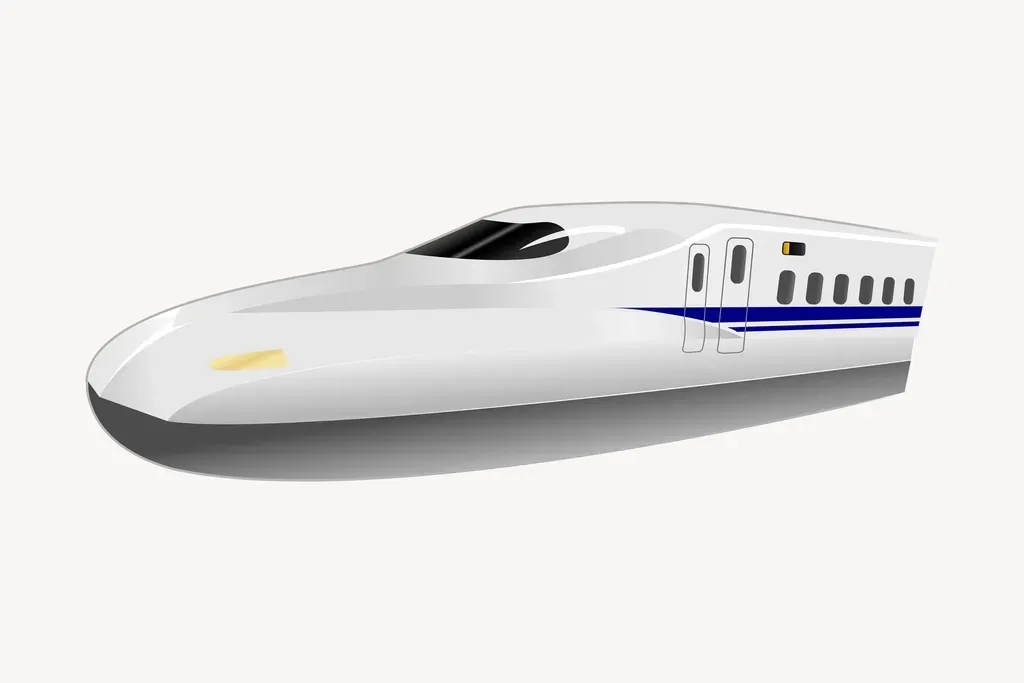
If you have ever wondered how a high-speed train can slice through the air without making a deafening boom at every tunnel, you are really asking how closely engineers studied a bird. Early Japanese bullet trains caused loud pressure waves when they entered tunnels, disturbing nearby neighborhoods. To fix it, an engineer who loved birdwatching looked at the kingfisher, a bird that dives from air into water with barely a splash thanks to its long, tapered beak.
By reshaping the front of the train to mimic that beak, you get a smoother shift in air pressure, less noise, and better energy efficiency. You might think this sounds almost too simple, but the results are dramatic: quieter trains, lower electricity use, and higher speeds, all because someone decided that a bird’s face could solve an engineering nightmare. When you see photos of those sleek, pointed noses on modern high-speed trains, you are basically looking at a metal kingfisher racing along steel rails.
3. Gecko-Inspired Adhesives That Stick Without Glue

Imagine being able to climb a glass wall without leaving a mark or using any sticky chemicals at all. Geckos do something very close to that every single day, thanks to millions of microscopic hairs on their toes that create weak molecular attractions with surfaces. When you press and peel at just the right angle, you get strong temporary grip that you can release instantly, no residue, no mess, no glue.
Engineers have been copying this by creating synthetic materials with tiny patterns that behave like gecko toe pads, letting you stick and unstick on smooth surfaces over and over. You see prototypes of climbing gloves, wall-walking robots, and advanced gripping tools that could one day help in factories or even space missions. When you understand that it all comes from quietly watching a small lizard run across a ceiling, you realize how much untapped potential still sits in the animal world around you.
4. Sharkskin-Inspired Surfaces for Cleaner, Faster Travel
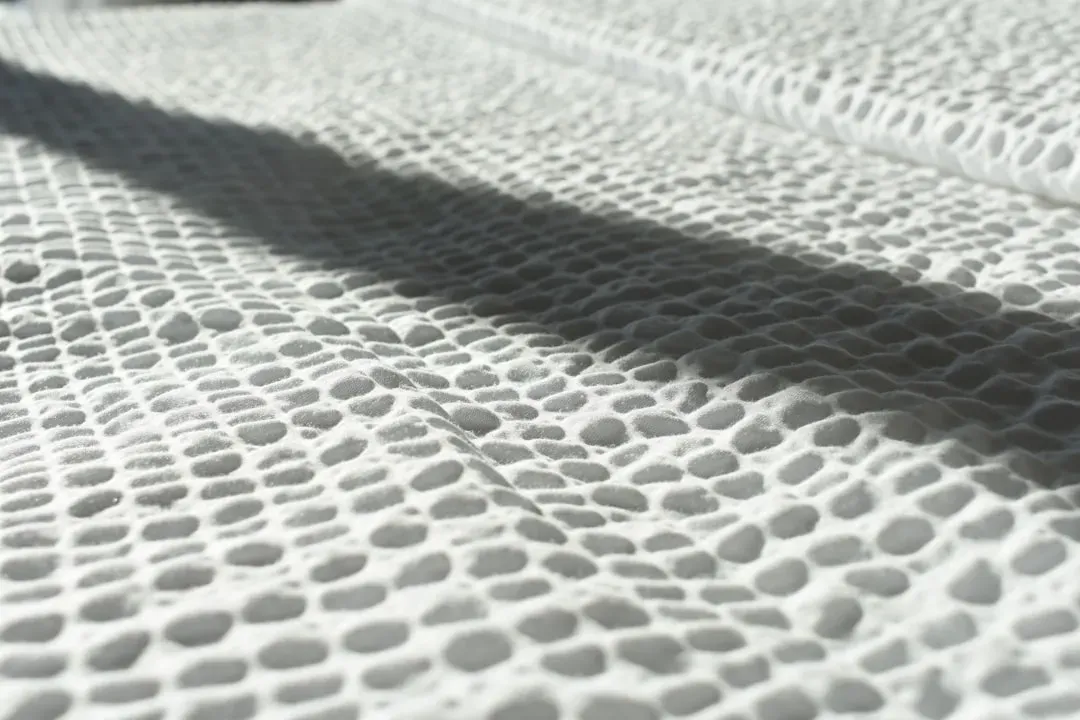
If you run your hand along a real shark’s skin, it does not feel smooth like you might expect; it feels more like sandpaper because it is covered in tiny tooth-like structures. Those tiny ridges reduce drag and help prevent microorganisms from clinging to the surface, giving the shark both speed and a built-in defense against parasites. When you translate that idea into technology, you get textured coatings that can help planes, ships, and even medical devices stay cleaner and move more efficiently.
You might come across sharkskin-inspired films on aircraft, racing swimsuits, or ship hulls, all trying to reduce friction and block bacteria or algae from sticking. That means lower fuel use, fewer harsh cleaning chemicals, and better performance, which adds up quickly when you are talking about giant cargo ships or fleets of planes. The wild part is that this sleek, high-tech look comes straight from something that has been cruising the oceans for hundreds of millions of years.
5. Lotus-Effect Coatings That Practically Clean Themselves
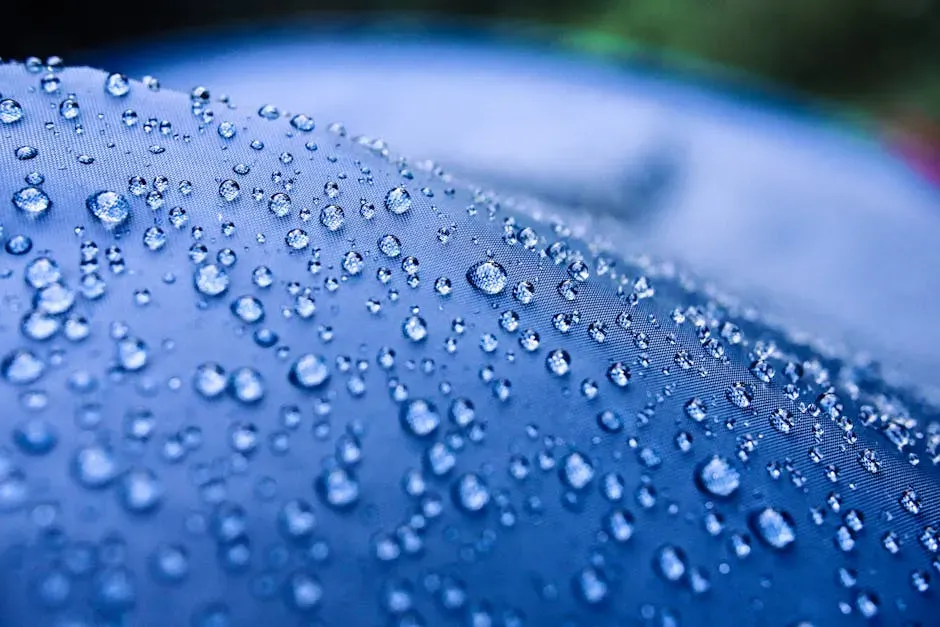
If you have ever watched raindrops roll off a lotus leaf like tiny beads of mercury, you have already seen one of nature’s best cleaning tricks in action. The leaf’s surface is not smooth under a microscope; it is covered with tiny bumps and a waxy layer that make water ball up and pick up dirt as it slides away. When engineers copy this structure, you get superhydrophobic coatings that cause water to bead and roll off surfaces instead of soaking in.
You benefit from this in self-cleaning glass, stain-resistant fabrics, anti-fog coatings, and even solar panels that can stay clearer for longer without constant washing. Instead of scrubbing or using harsh detergents, you let gravity and water do most of the work, just like the lotus plant does. If you have ever wished your car, glasses, or shower door would just clean themselves, you are basically wishing for more lotus-style surfaces in your life.
6. Termite Mounds and Naturally Cooled Buildings

When you think about temperature control, you probably picture air conditioners, vents, and power-hungry fans, not mud mounds built by insects. Yet termite mounds in some hot climates manage to keep the interior temperature surprisingly stable using only clever architecture. The mounds often have a network of carefully arranged vents and tunnels that drive air circulation through differences in temperature and wind, almost like a living respiratory system for the colony.
Architects have borrowed these ideas to design large buildings that stay cooler with far less mechanical cooling, using chimney-like shafts and smart placement of openings to guide airflow. You see this in some shopping centers and offices where energy use for temperature control is much lower than in conventional designs. When you realize those systems are quietly copying an insect that cannot even regulate its own body temperature, you start to question how much smarter your buildings could be if you let nature do more of the work.
7. Whale-Inspired Wind Turbines for Better Energy Capture
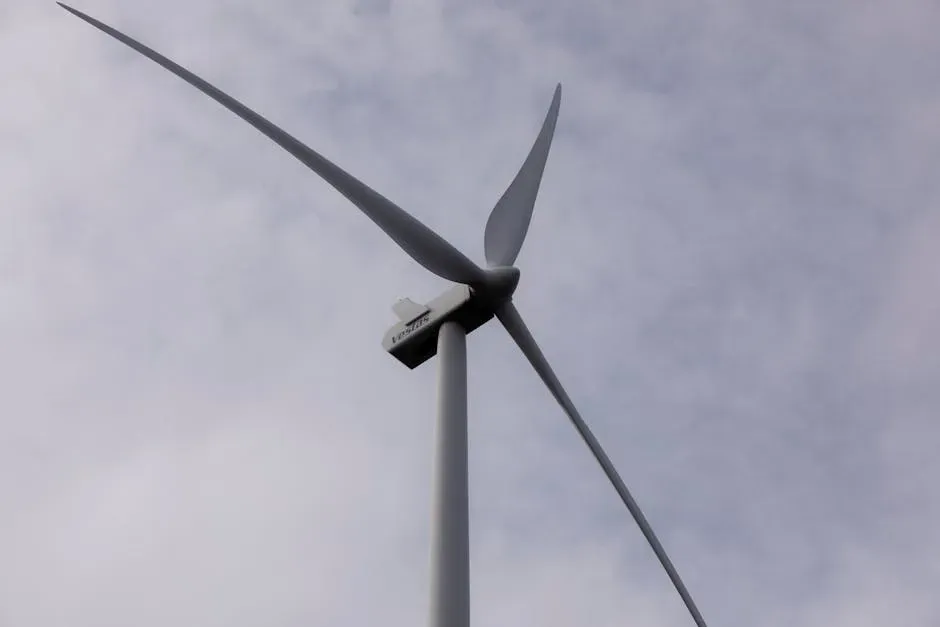
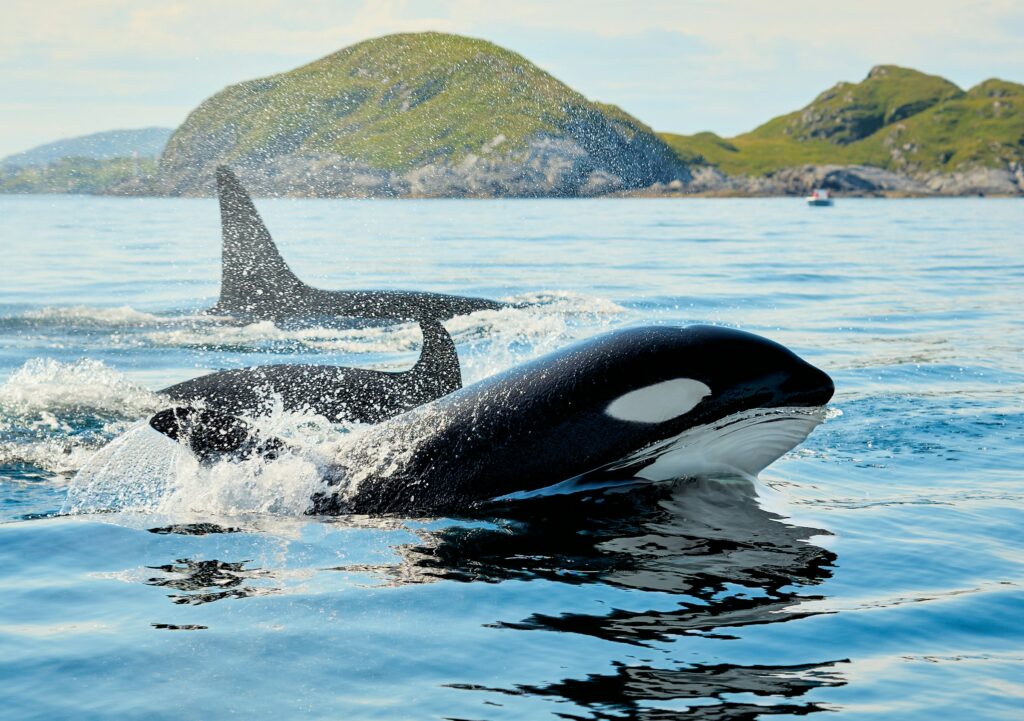
Giant humpback whales look anything but aerodynamic when you see their bulky bodies, yet their flippers have an odd feature that turns out to be genius: irregular bumps along the leading edge. Those bumps help control the flow of water, allowing sharper turns and better maneuvering than smooth edges alone would provide. When engineers tried adding similar bumps to wind turbine blades, they discovered the turbines could capture wind more efficiently and operate better at lower speeds.
For you, that means cleaner energy systems that squeeze more electricity out of the same breeze, making wind power more reliable and cost-effective. It is a reminder that even something as clumsy-looking as a whale carries design details tuned by evolution that can outperform your neat, smooth, human-made lines. The next time you see a turbine spinning on a hill, it might actually owe some of its smooth performance to a quietly gliding ocean giant.
8. Spider Silk and the Race for Super-Strong Materials
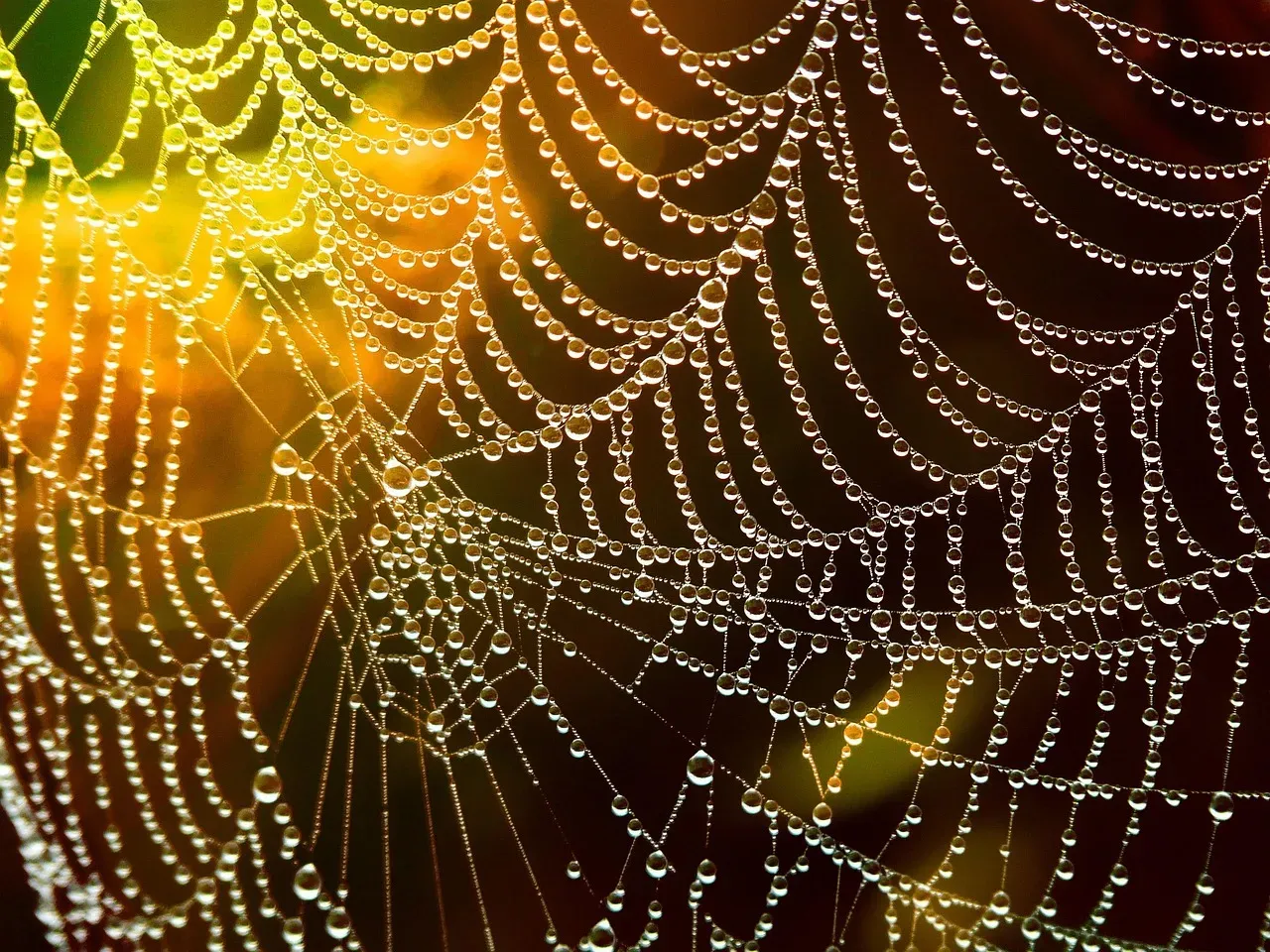
Spider silk looks delicate when you walk through a web and feel it brush your skin, but its strength-to-weight ratio is famously impressive. Strand for strand, some types of spider silk can rival or exceed high-grade steel while staying incredibly lightweight and flexible. That combination is like a holy grail for material science, because you want materials that are both tough and easy to move or wear.
You see companies and labs trying to reproduce spider silk using engineered bacteria, yeast, or even goats that produce silk-like proteins in their milk, aiming for fibers that can be woven into clothes, medical sutures, or impact-resistant gear. If you could buy a jacket that feels light but offers serious protection, or medical stitches that are strong yet gentle on your body, you would be experiencing this natural blueprint at work. All of that ambition starts with quietly watching a small spider stretch a thread between two branches and hang a whole life on it.
9. Boxfish, Cars, and Surprisingly Aerodynamic Shapes

At first glance, a boxfish looks like a clumsy little swimming cube, hardly something you would copy for a fast vehicle. Yet when researchers studied how water flowed around its body, they found that its shape actually guides currents smoothly, reducing turbulence more than you might guess from its blocky look. That counterintuitive finding inspired car designs that use similar rounded, boxy shapes to cut drag and improve stability.
If you have ever seen a car model that looks oddly squared but is marketed as highly aerodynamic, you are seeing the same idea in metal and glass. You get better fuel efficiency and safer handling without resorting to ultra-pointy, race-car lines. It is a reminder that your eyes alone can mislead you about what is aerodynamic, while nature quietly runs the real-world experiment over millions of years in the ocean.
10. Swarm-Inspired Robotics and Traffic Systems
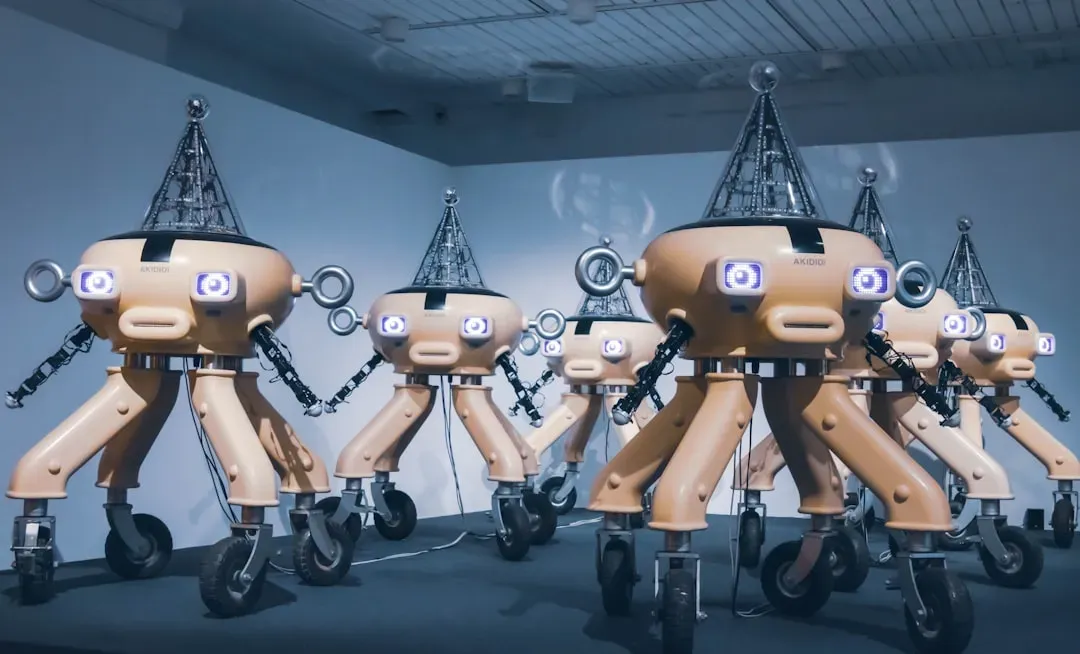
When you watch a flock of birds turning in unison or a swarm of ants finding food, it can feel almost magical, but what you are really seeing is simple rules playing out in large groups. Each individual follows basic behaviors like keeping a certain distance, aligning with neighbors, or following a trail, and the group-level pattern just emerges. Engineers and computer scientists have taken this idea and used it to design teams of small robots and smarter traffic or delivery systems.
You might encounter algorithms inspired by ants in route-planning software, or see research robots that spread out like a swarm to explore disaster sites or distant planets more safely. Instead of one big, expensive machine, you get many smaller, cheaper ones that can cooperate and adapt, just like insects in a colony. When you realize that your navigation app or warehouse logistics might owe a debt to termites and ants, it changes how you look at every tiny creature on your kitchen counter.
Conclusion: Learning to See Nature as Your Largest Design Lab

Once you trace Velcro back to weeds, efficient trains back to birds, and advanced materials back to spiders, you start to see less like a backdrop and more like an enormous open-source library you can learn from. You notice that nature rarely wastes energy, rarely over-builds, and often solves many problems at once with one clever structure or behavior. If you approach it with curiosity, you equip yourself with a design mentor that has been testing ideas for far longer than any human civilization.
You do not need a lab coat to take part in this; you just need to look a little closer at the plants, animals, and patterns around you and keep asking how they do what they do so well. Whether you are choosing products, designing something new, or just daydreaming at a window, you are surrounded by blueprints waiting to be noticed. Now that you have met these ten inventions, what natural idea will you pay attention to the next time it brushes against your sleeve or flies past your train window?