
You like to think humans are predictable, but the closer you look at different cultures, the stranger and more surprising people become. Around the world, you find traditions that refuse to fit neatly into any theory, leaving researchers scratching their heads and constantly revising what they thought they knew about human behavior. Some of these practices are beautiful, some are unsettling, and some are just plain weird, but all of them push you to rethink what it means to be human.
As you step into these mysteries, you are not just learning about “them” out there in some distant place. You are holding up a mirror to your own assumptions about love, death, power, belief, and the body itself. The more you explore, the more you realize how limited your default perspective really is. These nine cultural phenomena still puzzle anthropologists today – and if you’re honest, they will probably puzzle you too.
1. Cargo Cults and the Mystique of “Magic” Goods
Imagine watching huge metal birds fall from the sky, bringing food, tools, radios, and clothing that you never knew existed. During the Second World War and afterward, people on some Pacific islands suddenly saw foreign soldiers arrive with unimaginable supplies, only to leave again. When the planes stopped coming, some communities began building symbolic runways, wooden control towers, and ritual structures, hoping to call the “cargo” back. You are left asking yourself how you would interpret such a technological shock without any prior context.
Anthropologists still debate how you should understand these so‑called cargo cults: as religious movements, political resistance, or attempts to make sense of global inequality. You see people blending older spiritual beliefs with a new vision of wealth and power, often linking the arrival of goods to ancestors or spirits. What keeps baffling researchers is how flexible and creative these belief systems are, constantly shifting in response to new events. When you look closely, you notice that the line between “their” magical thinking and your own faith in markets, brands, and technology is not as sharp as you might like.
2. Extreme Body Modification: Beauty, Identity, and Pain
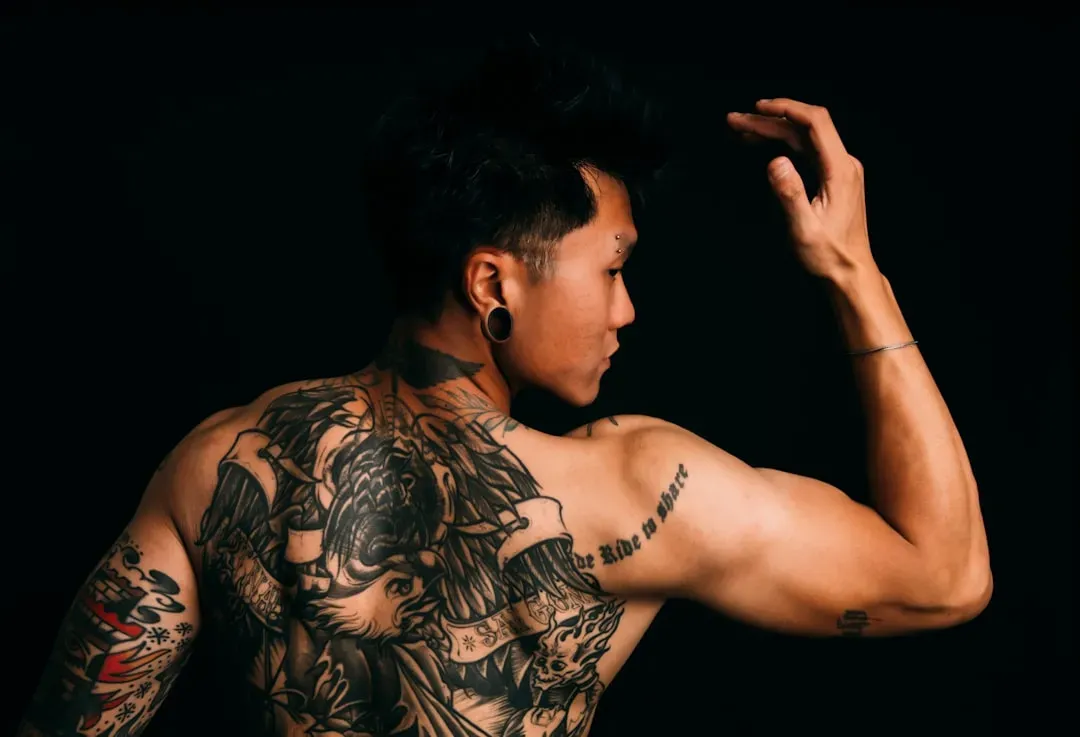
You may think of tattoos or piercings as edgy, but around the world, body modification goes much further – and its meanings are far deeper than simple fashion. From lip plates in parts of Africa, to neck‑lengthening rings in Southeast Asia, to ritual scarification in several regions, people use their bodies as living canvases of identity, status, and belonging. When you see images of these practices, your first reaction might be discomfort, but that reaction says as much about your own culture as it does about theirs.
Anthropologists still struggle to fully explain why some societies celebrate permanent, painful changes, while others fear or forbid them. You find that in many communities, these marks are tied to adulthood, marriageability, or spiritual protection, turning pain into a kind of social investment. Yet the exact reasons can vary even from village to village, and people who share the same practice may give very different explanations. When you compare this to cosmetic surgery, bodybuilding, or high‑heel culture in your own world, you start to realize that almost every society asks some of its members to suffer for beauty or respect – just in very different ways.
3. The Persistence of Blood Feuds and Vendettas
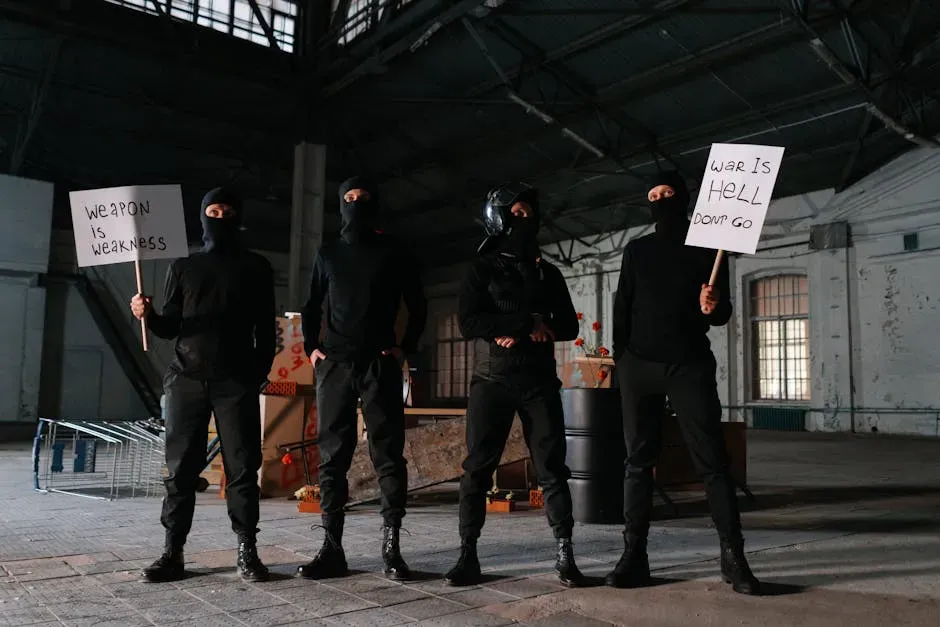
You probably assume that justice belongs in courts and legal systems, but in many parts of the world, the logic of blood feuds still persists. In these systems, if a member of your family is harmed or killed, you – or someone close to you – are expected, or even obligated, to take revenge. This can go on for generations, with killings answered by more killings, binding families into long chains of obligation and fear. To an outsider, it looks chaotic and senseless, but from inside, it can feel like the only way to maintain honor.
What confuses anthropologists is how such systems can coexist with modern states, religions, and laws that formally condemn them. You see villages where people may go to church or mosque, carry smartphones, and still quietly obey old codes of honor. In some places, families arrange public reconciliations, paying compensation or holding ceremonies to symbolically “cool” the conflict, while in others, peace remains fragile and temporary. When you realize how powerfully shame and reputation shape human behavior, you start to understand why these feuds are so hard to extinguish, even when everyone agrees they are destructive.
4. Ritual Trance and Possession States
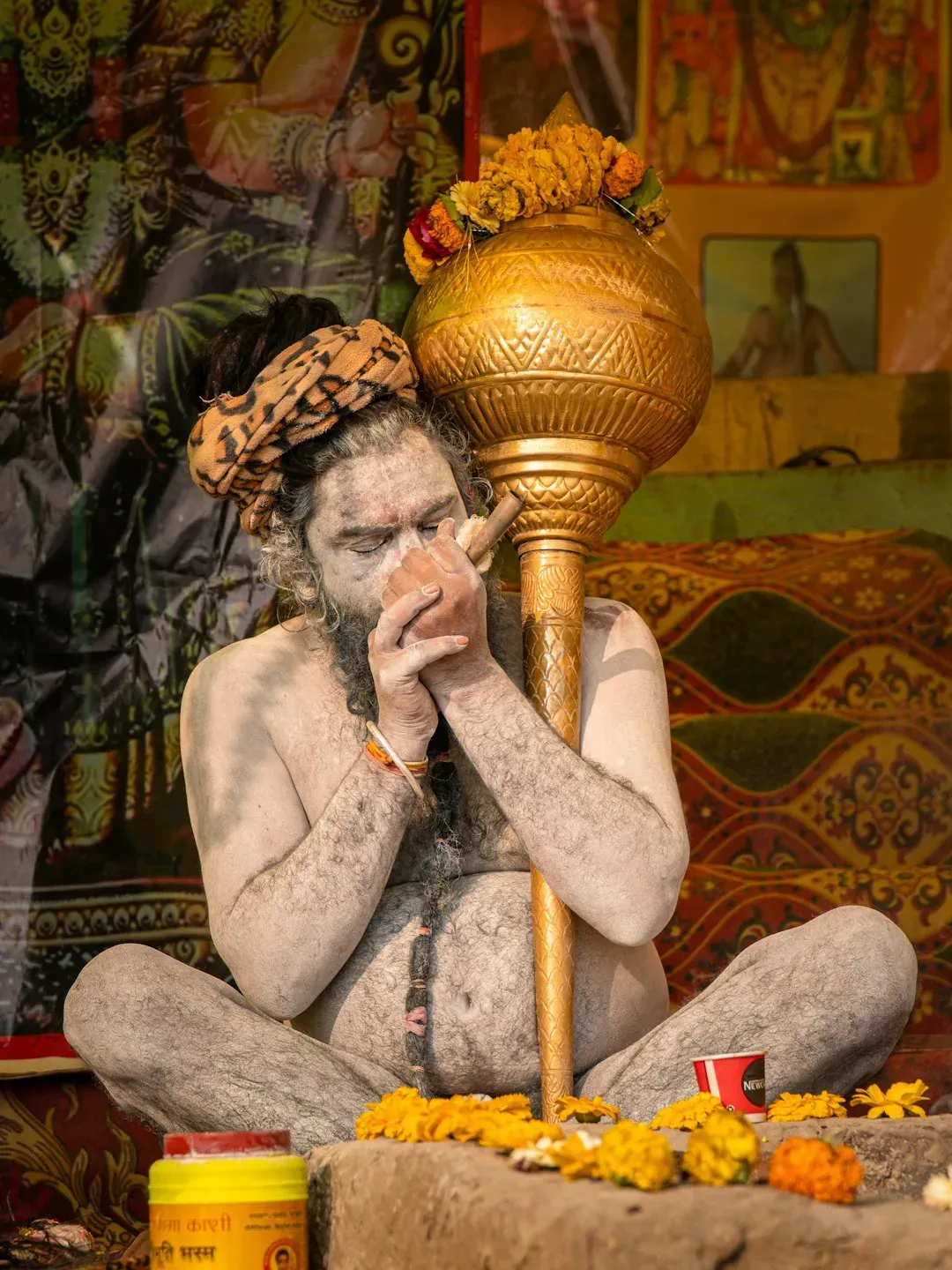
Picture yourself in a crowded ritual, drums pounding, incense thick in the air, people swaying in unison. Suddenly, someone collapses, speaks in a different voice, or moves in ways they normally never would, claiming to be taken over by a spirit or deity. Across cultures – from parts of Africa and the Caribbean to South and Southeast Asia – you keep seeing these trance and possession states, especially in religious ceremonies. For participants, these moments feel utterly real, not symbolic playacting.
Anthropologists and psychologists have spent decades trying to understand what you are actually seeing here. Is this a spiritual experience, a social performance, an altered state of consciousness shaped by culture, or some blend of all three? You find that trance often gives marginalized people – especially women or lower‑status individuals – a rare chance to speak with authority, since “the spirit” can say things they normally cannot. At the same time, brain research suggests that rhythmic sound, expectation, and emotion can genuinely shift how your mind experiences your own body. The puzzle is that no single explanation fully captures why these experiences feel so convincing and so transformative to those who live them.
5. Voluntary Pain Rituals and Ordeals
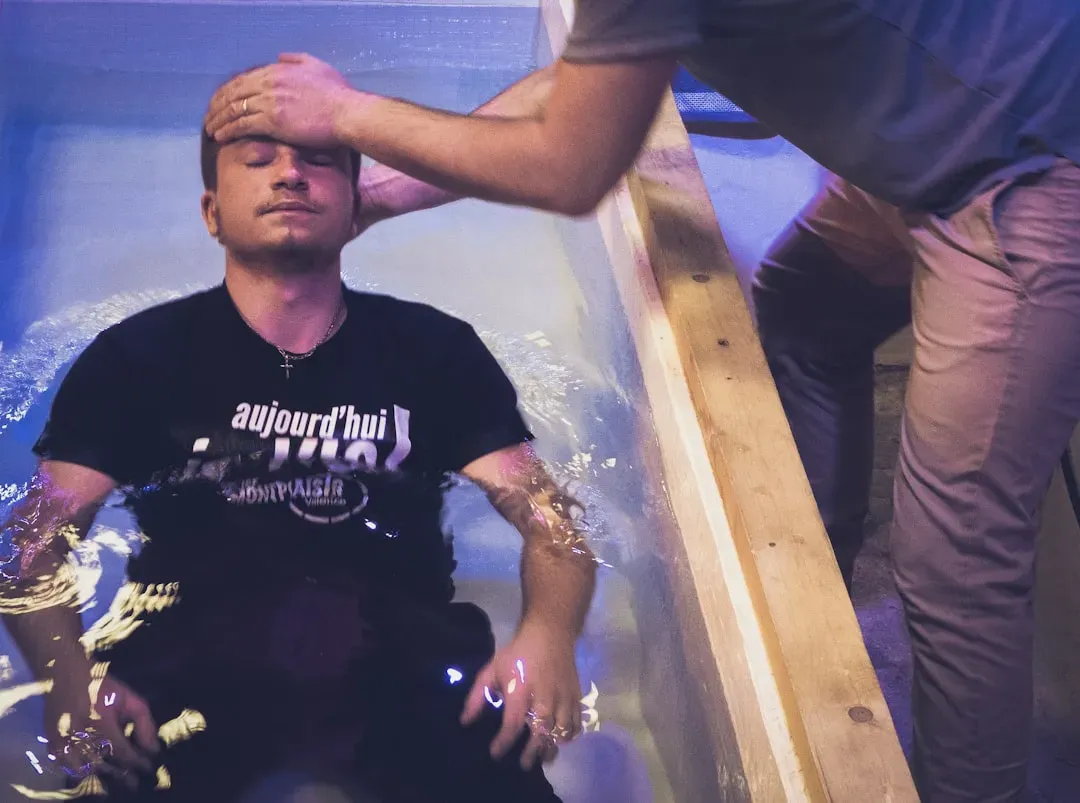
As a modern person, you probably spend a lot of time trying to avoid pain, yet many cultures deliberately seek it out in ritual form. From fire‑walking ceremonies, to piercing and suspension rites, to harsh initiation trials for young men and women, people willingly endure suffering in front of their communities. To you, this looks unnecessary at best and cruel at worst, but for those participating, it can be one of the most meaningful moments in their lives. The pain is not random; it is choreographed, witnessed, and loaded with symbolism.
Researchers suggest that such ordeals can forge deep bonds, create powerful memories, and signal commitment to the group, but that still does not tell you why some societies emphasize this so strongly and others almost not at all. In some places, you see pain rituals fading under pressure from governments or religions, only to reappear in new forms, like intense military hazing or extreme sports. You are left wondering whether humans have a basic need to test themselves at the edge of their endurance, wrapping fear and agony inside stories of courage, purification, or rebirth. The mystery is not just why people do this, but why it can feel so profoundly right to them.
6. Elaborate Mortuary Rituals and Living with the Dead
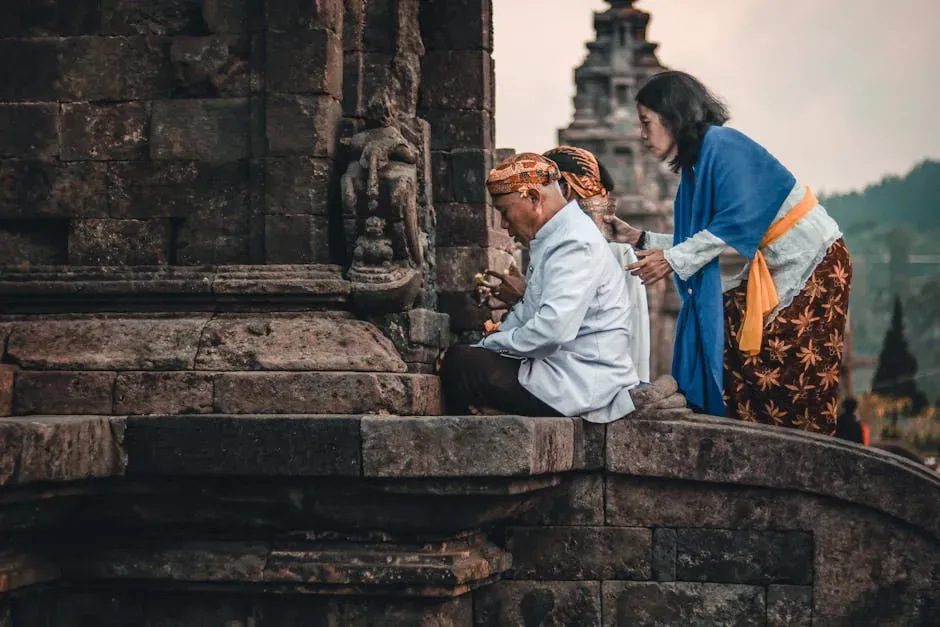
You might think of funerals as one‑time events that help you say goodbye, but some cultures turn death into a long, ongoing relationship. In certain communities, families keep the bodies of their dead relatives in the home for extended periods, rewrap them in new clothing, or perform regular ceremonies to “feed” or honor them. To you, this may sound eerie or unsettling, yet for the people involved, it is an expression of love, respect, and continuity. The dead are not gone; they are simply in another stage of existence.
Anthropologists find these practices both incredibly rich and hard to fit into standard theories of grief. On one hand, you can see how such rituals keep family histories alive and help people process loss over time rather than all at once. On the other hand, the exact logic of why some societies treat the body as sacred for years, while others push for quick burial or cremation, remains surprisingly unclear. When you compare cultures, you realize that what counts as “normal” mourning is mostly what you happen to be used to. Asking why people do these things ends up turning back on you, asking why you do what you do with your dead.
7. Sacred Taboos Around Food and Everyday Activities
Every day, you eat, wash, cook, and clean, usually without thinking too much about it. Yet in many cultures, these routine activities are surrounded by intricate taboos, purity rules, and spiritual dangers. Certain foods cannot be mixed, some cannot be eaten at all, and some tasks must be done at specific times or in specific states of purity. When you hear these rules, they can sound arbitrary or exaggerated, but to those who live by them, they feel as natural and necessary as traffic lights feel to you.
What frustrates and fascinates anthropologists is how hard it is to pin down a single reason behind every taboo. Some clearly reduce disease or protect scarce resources, which makes sense from a practical point of view, but others seem to target perfectly safe foods or harmless acts. You find religious explanations, historical traumas, and symbolic patterns overlapping in messy ways, none of them fully complete on their own. The more you look, the more you see that your own culture is also full of unspoken taboos – things you “just do not do” – that you rarely question until you see how different they could be.
8. Invisible Social Rules of Gift‑Giving and Reciprocity
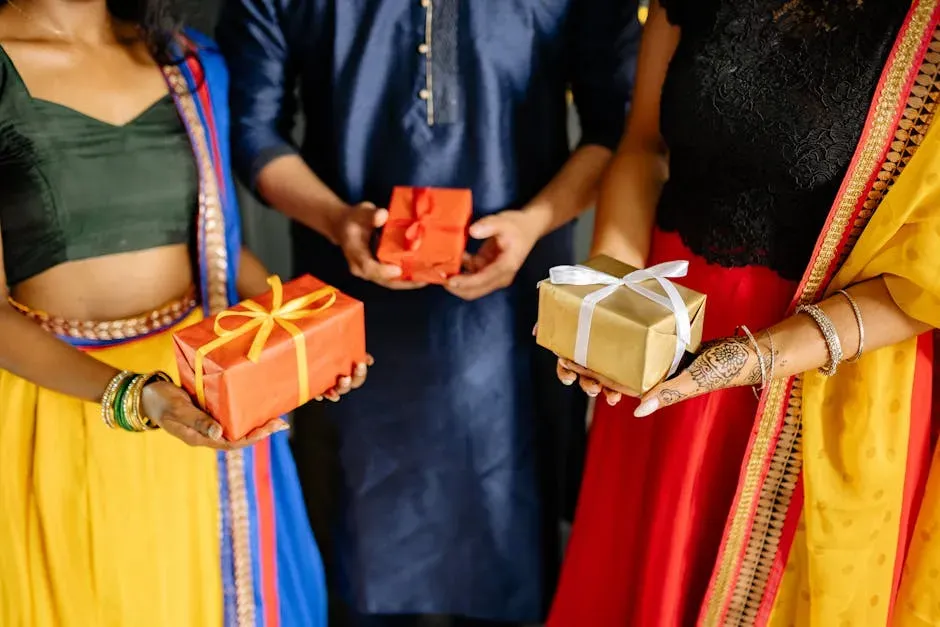
When you give a gift, you probably think you are just being kind or generous, but many societies treat gift‑giving as something far more serious and structured. In some communities, you are expected to give lavish presents that you know will be repaid later, sometimes with added interest in the form of honor or political support. Refusing a gift can be an insult, while accepting one can quietly place you in debt. From your perspective, this might look like soft‑spoken economic warfare wrapped in ribbons.
Anthropologists have long known that gifts are almost never truly “free,” yet you still find cases that defy easy categorization. Some ritual exchanges rebuild social harmony after conflict; others cement rivalries in grand public performances; still others look like competitive generosity, where people try to out‑give each other in a show of strength. You may recognize similar dynamics in expensive weddings, corporate hospitality, or holiday traditions in your own life, even if you do not call them by the same names. What remains puzzling is how precisely each culture calibrates who owes what to whom, and why some societies lean heavily on gifts while others push everything into money and contracts.
9. Uncontacted and Isolated Groups Resisting the Modern World
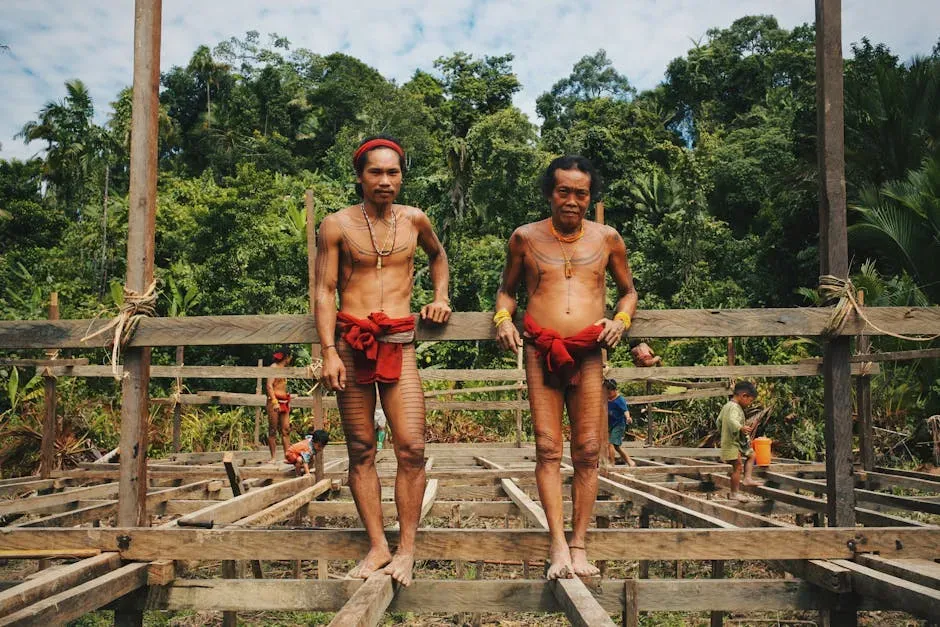
In a time when you can message someone on the other side of the planet in seconds, it is hard to imagine entire communities choosing – or being forced – to live with almost no outside contact. Yet a small number of groups, especially in dense forests or remote regions, continue to keep their distance, sometimes reacting with hostility when outsiders approach. Governments and researchers debate how, or whether, to interact with them, knowing that even a small contact can bring disease, disruption, or cultural collapse. You are left with the uneasy feeling of watching a fragile world from just beyond the glass.
Anthropologists wrestle with major ethical and conceptual questions here. Should you respect a group’s apparent wish to remain isolated, even if that means leaving them vulnerable to illegal loggers, poachers, or land loss? How do you study people without endangering them or turning their lives into a spectacle for outsiders? At the same time, the very existence of such communities challenges your assumption that modernity is everyone’s inevitable destination. When you think about them, you are really asking yourself what you are willing to give up – or protect – to live the way you do.
Conclusion: What These Mysteries Really Say About You
As you move through these nine puzzling phenomena, you probably notice a pattern: the more “strange” a practice looks at first glance, the more it reveals about your own hidden assumptions. You see other cultures wrestling with pain, death, justice, beauty, and power in ways that feel alien, yet underneath, the basic questions are the same ones you face. Anthropologists are baffled not because these people are unknowable, but because human creativity keeps outrunning the neat boxes of theory. Every time a pattern seems clear, another exception appears, reminding you that culture is always improvising on the fly.
If you let them, these mysteries can make you more curious, more cautious about judging, and more aware of the invisible rules running your own life. Instead of asking only why “they” do such unusual things, you might start asking why you do what you do, and how different your world could look if you were born somewhere else. In the end, the greatest enigma might not be remote rituals or isolated villages, but the everyday beliefs you have never thought to question. Which of these cultural puzzles made you rethink your own “normal” the most?