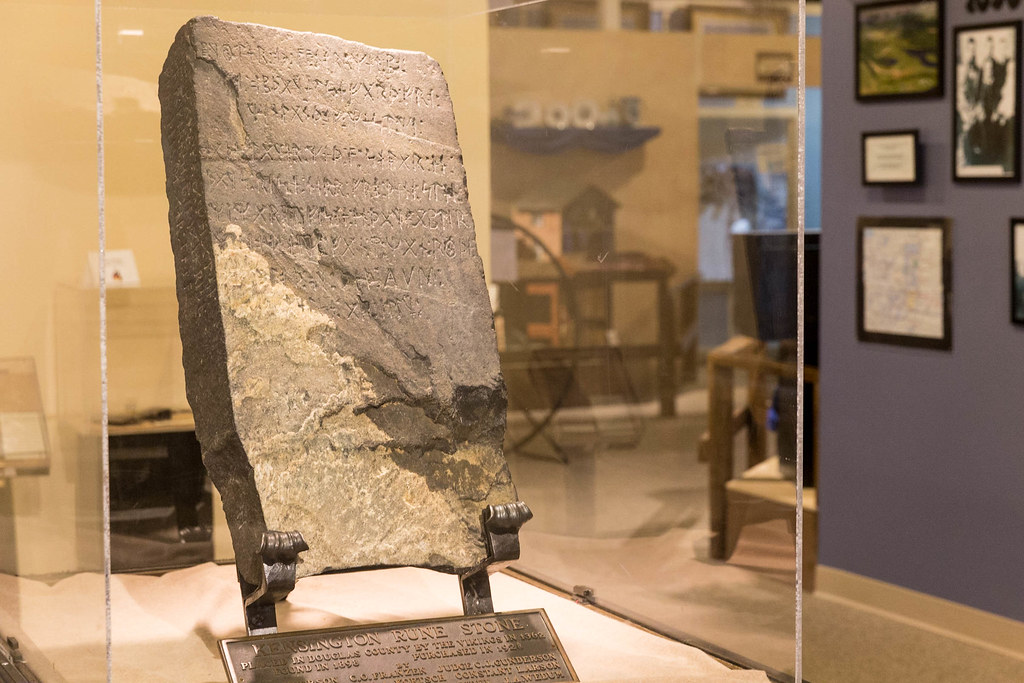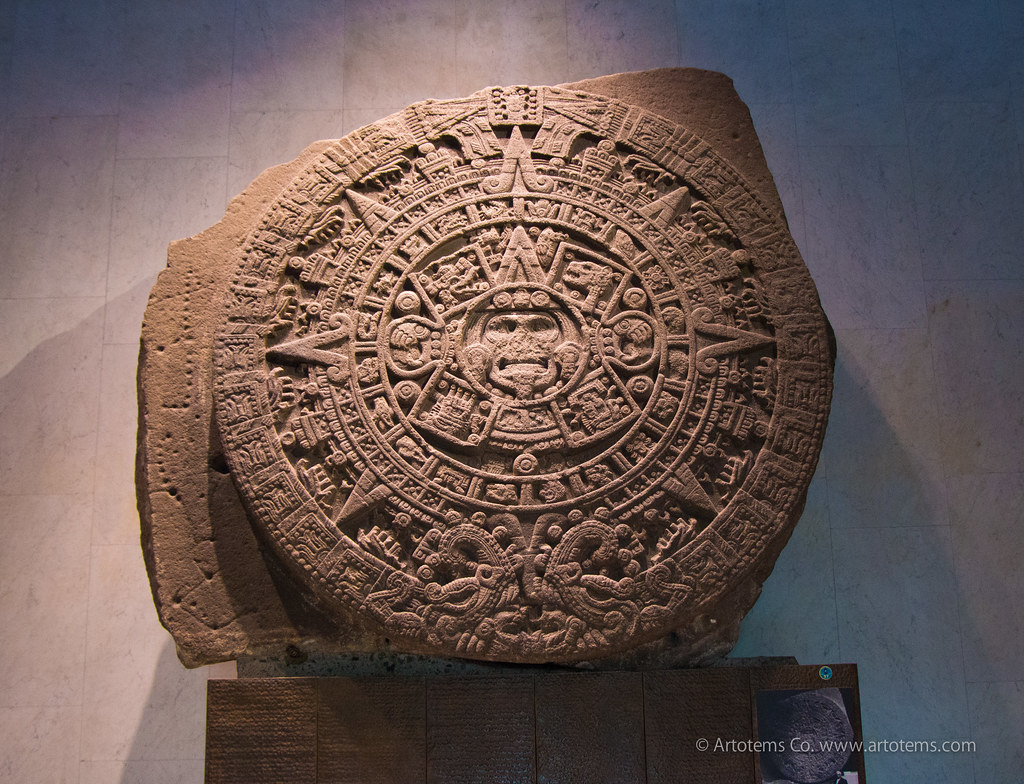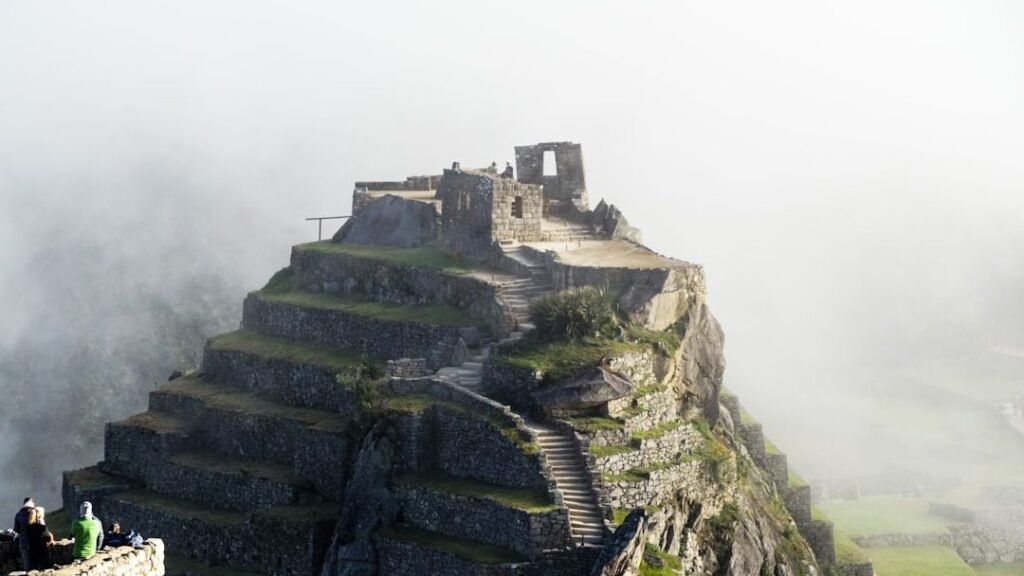
If you have ever stared at a photograph of a crumbling stone city swallowed by jungle or desert, you know that strange mix of awe and unease it can stir up. Ancient ruins feel like messages from people who are both very distant and strangely familiar, and once you start looking closely, they quietly challenge nearly everything you think you know about progress, power, and what lasts. You are not just looking at broken walls; you are looking at decisions, mistakes, dreams, and crises that played out over centuries and still echo into your life today.
As you walk mentally through these vanished cities, you start to see a pattern: again and again, human beings push their environments, their technologies, and their social systems to the edge. Sometimes they adapt; sometimes they do not. Ruins are the receipts for those choices. They can show you how fragile complex societies really are, but they also reveal how creative, resilient, and interconnected humans have always been. Once you learn to read ruins, you are really learning to read your own present with a sharper, humbler eye.
Reading Stone and Silence: How Ruins Speak to You
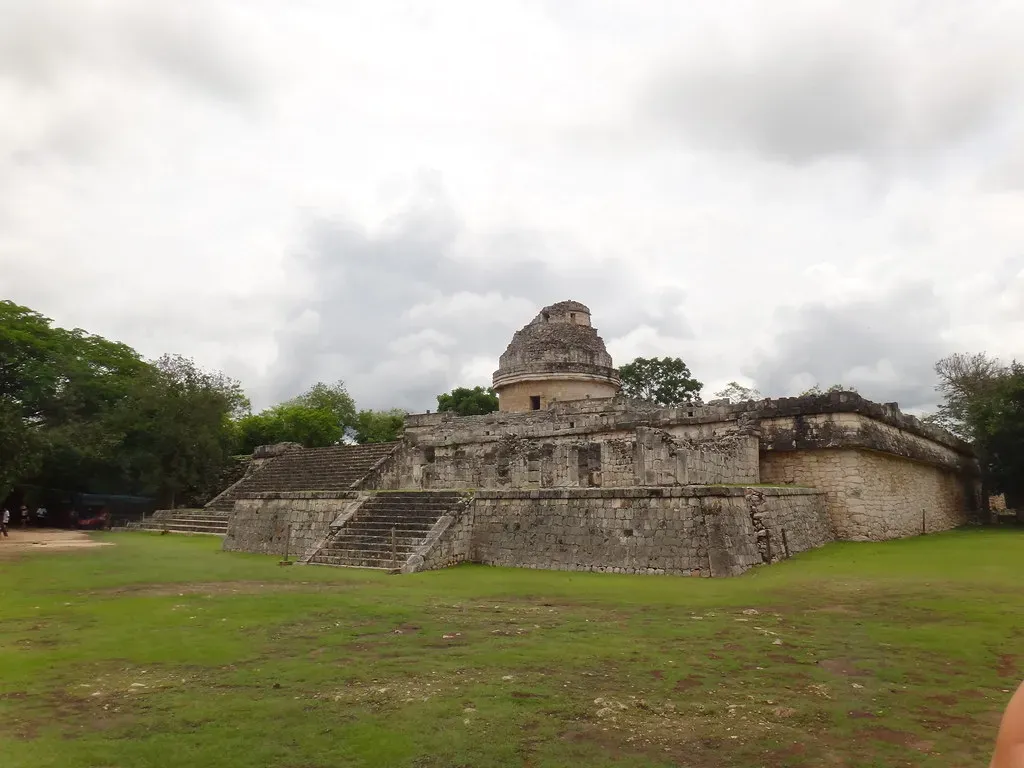
When you first look at ancient ruins, it is tempting to see only piles of stone and mud brick, but if you pay attention to layout, decoration, and even what is missing, you start to hear a quiet conversation across time. You notice how streets line up with the sun, how temples sit on the highest ground, how homes cluster around wells and marketplaces, and suddenly you are not looking at random rubble but at a deliberate design that once guided everyday life. In a sense, you are walking through an ancient mind map, drawn in stone instead of ink.
You also learn a lot from the gaps and scars. Collapsed walls, burned layers in the soil, monuments that have been defaced or reused as building material all tell you about conflict, regime changes, and hard times. Even the smallest details – like worn steps, smoothed doorways, and repaired corners – hint at the rhythms of daily life and the effort people put into keeping their city going. If you treat ruins less like dead objects and more like a crime scene crossed with a diary, you realize they are constantly offering you clues about what people valued, feared, and struggled against.
Lessons from Mesopotamia: The First Cities and Their Cracks
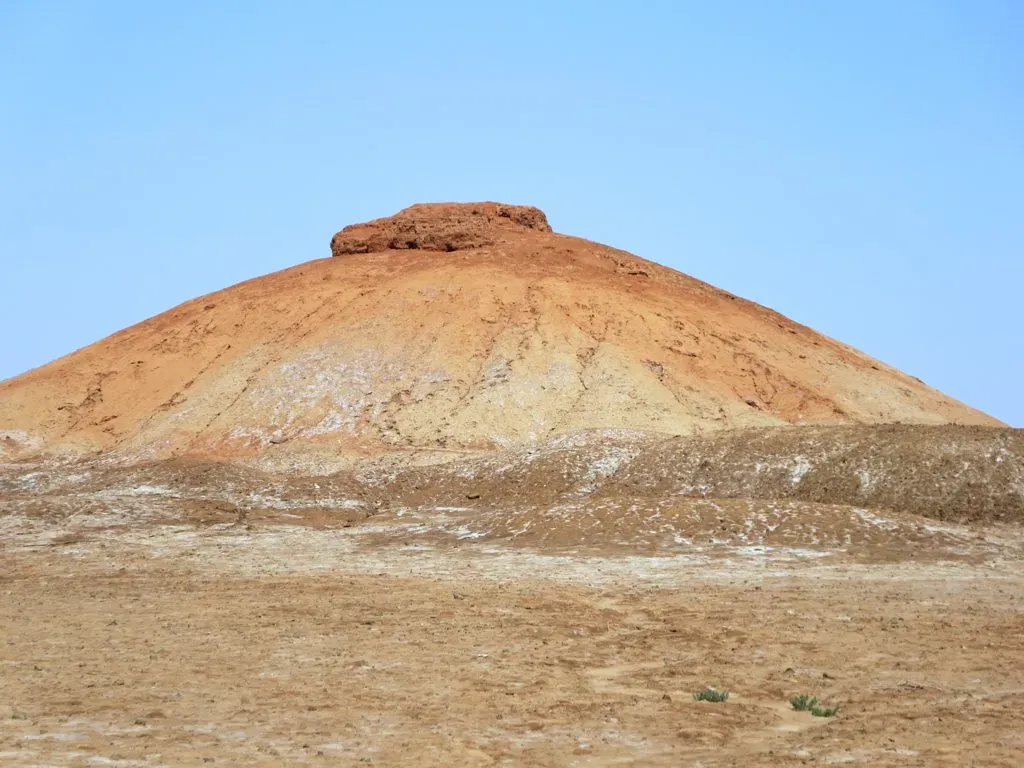
When you think of lost civilizations, your mind might jump to pyramids or jungle temples, but some of the most important ruins lie in the ancient cities of Mesopotamia, in the lands of modern Iraq and its neighbors. Here you see some of the earliest experiments in urban life: walled cities, stepped temples, and dense neighborhoods packed close together. You can almost feel what it meant to suddenly live with thousands of strangers, to have written laws, bureaucrats, and kings towering – literally and politically – over you. These ruins show you the thrill of invention: writing systems, massive irrigation canals, and trade networks that stretched far beyond the horizon.
But if you look more closely, you also see the cracks forming early. Deep layers of salt in ancient farmlands hint that heavy irrigation without careful management damaged the soil over time, reducing yields and pushing people to move or fight for better land. You can trace how city after city rises, flourishes, and then loses power, sometimes to rivals, sometimes to environmental stresses that leaders either underestimated or ignored. When you walk through the remains of a once-grand Mesopotamian city, you are really walking through an early warning about what happens when technological brilliance runs ahead of ecological wisdom.
Egypt’s Pyramids and Temples: Obsession with Eternity
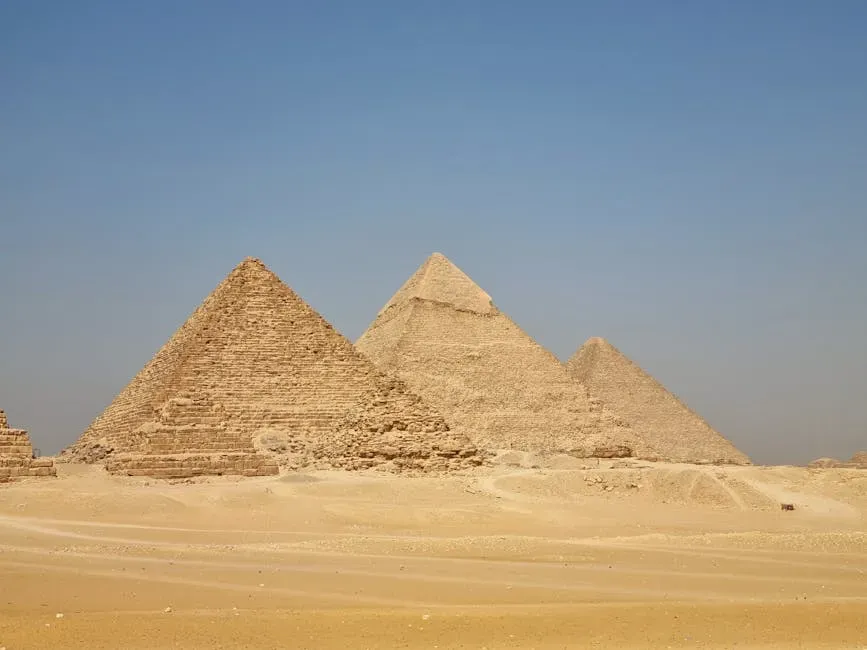
If any ruins make you feel small, it is the pyramids and temple complexes of ancient Egypt. Standing in front of stone blocks that weigh more than a truck and were hauled into place without modern machinery, you confront a society that poured staggering resources into its idea of eternity. Everything about these structures – from their alignment with stars and solstices to the careful arrangement of burial chambers and offering rooms – shows you that the elite were obsessed with managing the afterlife as carefully as they managed the Nile floods. By exploring these ruins, you see how religion, politics, and engineering fused into one grand project.
At the same time, the ruins also expose the cost and vulnerability of that obsession. Many of the most impressive monuments served a tiny fraction of the population, while the labor and surplus needed to build them came from countless farmers, artisans, and workers whose homes have mostly vanished. In some periods, you can see signs of strain: unfinished tombs, changes in burial styles, and shifts in temple construction that suggest economic or political turmoil. When you stand amid broken colonnades and toppled statues, you see how even a civilization that tried to carve its name into eternity still faced droughts, invasions, and internal tensions it could not fully control.
Maya Cities in the Jungle: Complexity, Collapse, and Adaptation
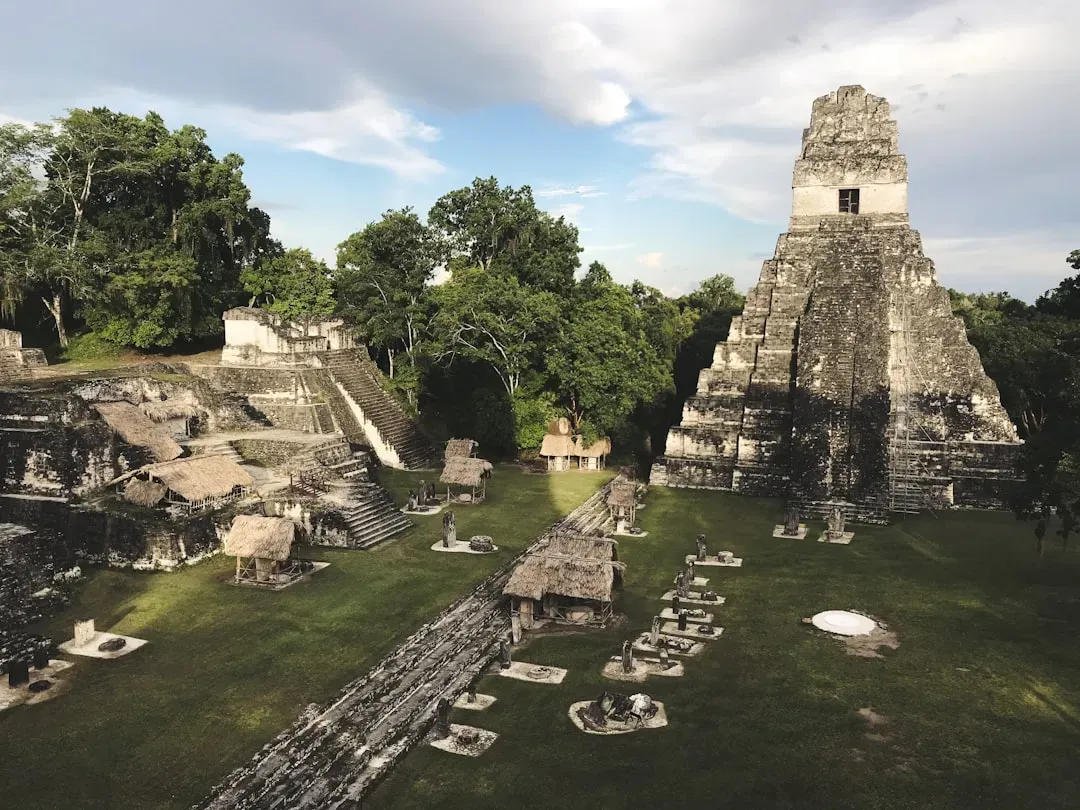
The ruined Maya cities scattered through the forests of Central America and southern Mexico look like something out of myth: towering pyramids protruding from jungle canopies, plazas choked with roots, and stone stelae covered in intricate glyphs. When you look closer, you realize you are dealing with a highly literate, mathematically sophisticated civilization that tracked planetary cycles, built complex calendars, and raised elaborate cities without metal tools or beasts of burden. These ruins show you that there is more than one path to complexity and that advanced knowledge does not always look like the version you grew up with.
You have probably heard dramatic claims about a sudden Maya collapse, but the ruins tell a more subtle and sobering story. Excavations and environmental data suggest that many cities struggled with drought, deforestation, and overuse of land, which amplified political conflicts and warfare. Some centers were abandoned or shrank dramatically, while other regions adapted and continued in different forms. When you walk through a deserted Maya plaza, you are not looking at a mysterious vanished people so much as the aftermath of prolonged stress, uneven resilience, and choices that sometimes outpaced what the environment could support.
Angkor and the Power of Water Management
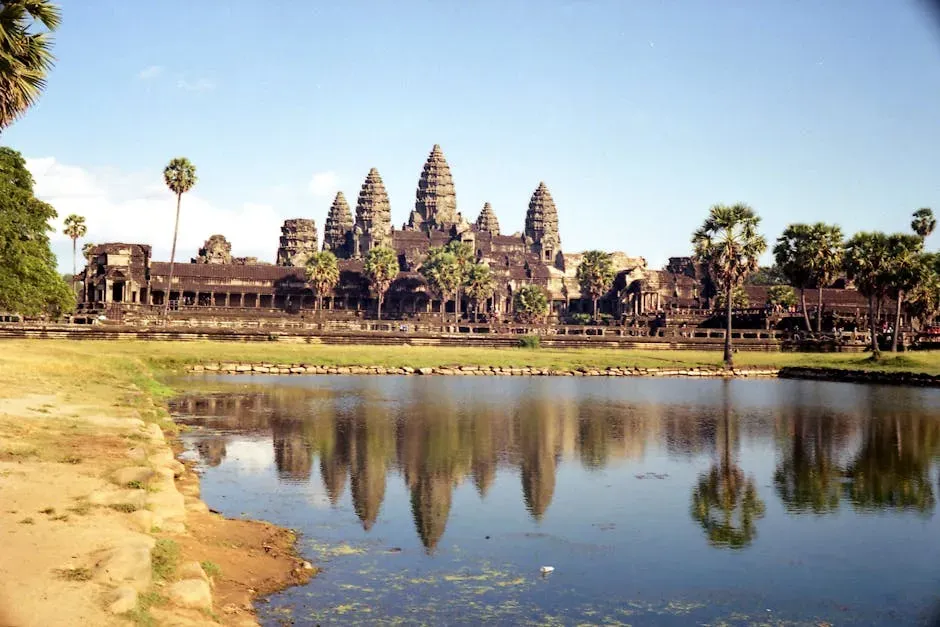
Angkor, in present-day Cambodia, is one of the most striking examples of how deeply a city can be intertwined with its water system. As you wander through its sprawling ruins, from the famous temple of Angkor Wat to lesser-known reservoirs and canals, you start to realize you are not just looking at religious monuments, but at the remains of a gigantic hydraulic machine. The city depended on an elaborate network of artificial lakes, moats, and channels to store and move water, smoothing out monsoon extremes and feeding large populations. In a way, you are walking through the ruins of an ancient high-tech infrastructure, sculpted out of earth and stone instead of steel.
However, that same sophistication also became a vulnerability. Evidence suggests that over time, sediment clogged canals, deforestation increased erosion, and climate shifts brought longer droughts and sudden heavy rains that the system could not handle. As the water network faltered, political power fragmented and the huge urban footprint became harder to maintain. When you see tree roots splitting temple walls or reservoirs turned into quiet ponds, you are witnessing how a city that once mastered its landscape eventually got tripped up by the very complexity that made it strong.
Mohenjo-daro and the Mystery of Orderly Streets
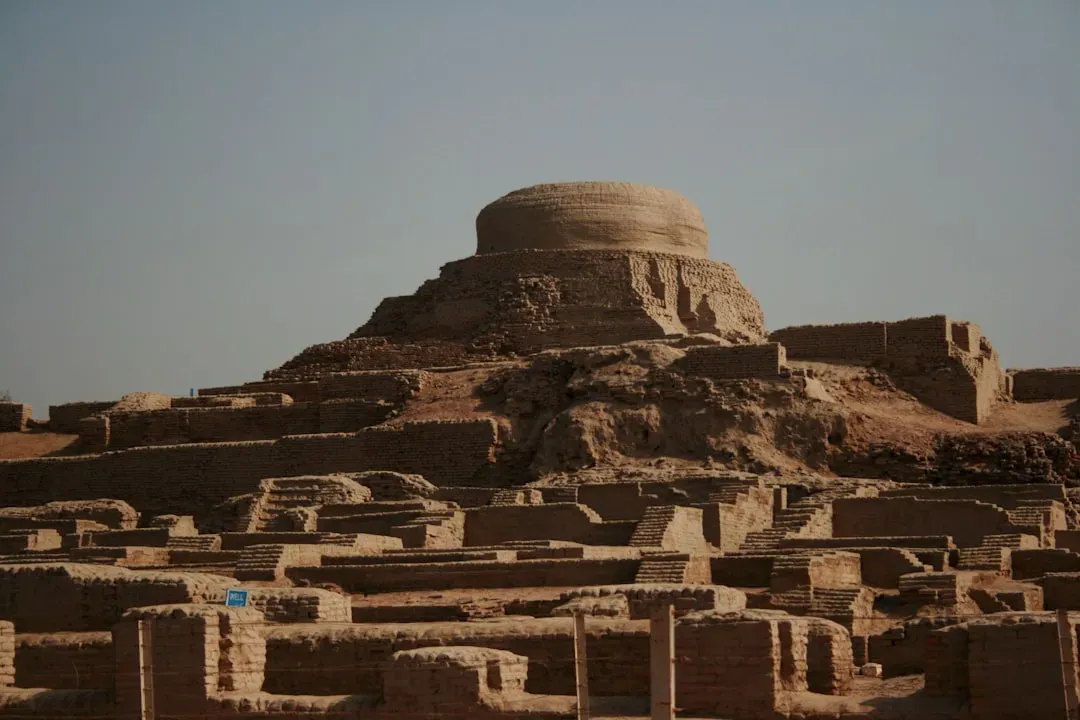
If you look at the ruins of Mohenjo-daro in the Indus Valley, you meet a very different kind of ancient city, one that quietly challenges your assumptions about what early urban life had to look like. Instead of huge royal palaces or massive stone statues, you see carefully laid-out streets, standardized brick sizes, and remarkably sophisticated drainage systems built right into the urban grid. Bathrooms and bathing areas are common, and many houses seem to have had access to running water or at least easy drainage. As you walk through its remains, you almost feel like you are touring a very old, very practical eco-city designed with public health and everyday convenience in mind.
What makes these ruins especially intriguing is what you do not find much of: clear evidence of kings, flashy monuments to single rulers, or obvious signs of rigid social hierarchy on the scale you see in other early civilizations. The script used by the Indus civilization remains undeciphered, so you are left reading bricks, streets, and sewer lines as your primary sources. That silence forces you to confront how much you rely on written records to understand the past and how different a society can look when it invests more in clean water and standardized building than in towering stone propaganda.
Looking at how Mohenjo-daro eventually declined, you see hints of changing river courses and possible climate shifts altering the region’s habitability and trade routes. The city seems to have been gradually abandoned rather than spectacularly destroyed, which tells you that not every “collapse” is a dramatic catastrophe; sometimes it is a slow thinning out as opportunities fade and people quietly move on.
Lost Societies of the Americas: Beyond the Myths of Emptiness
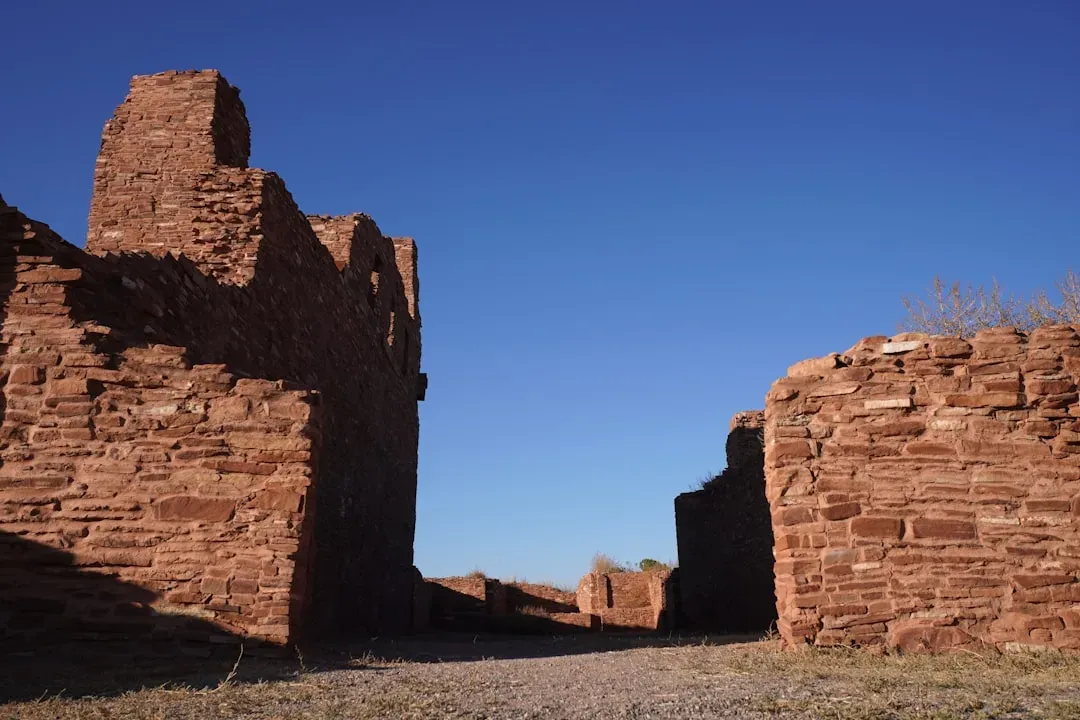
For a long time, popular imagination painted the Americas before European arrival as a mostly empty wilderness dotted with small, simple communities, but ruins across both continents tell you a very different story. From mound complexes in the Mississippi Valley to cliff dwellings in the American Southwest and large urban centers in the Andes, you see evidence of dense populations, intensive farming, and elaborate social systems. You discover cities built around plazas and ceremonial platforms, road networks crossing challenging terrain, and storage facilities that point to planned surplus and redistribution. These ruins force you to rewrite the mental map you might have inherited about who was “advanced” and who was not.
They also show you how varied strategies for dealing with difficult environments could be. In the Andes, you see terrace farming and storage systems that helped people handle cold, thin air and steep slopes; in drier regions, you find water control features and settlement patterns carefully tuned to scarce resources. At the same time, you can trace periods of stress, warfare, and abandonment linked to climate fluctuations like prolonged droughts. When you stand among eroded mounds or inside a quiet stone dwelling high on a cliff, you are not just admiring old architecture; you are listening to centuries of trial and error in building livable worlds under tough conditions.
What Ruins Warn You About the Future
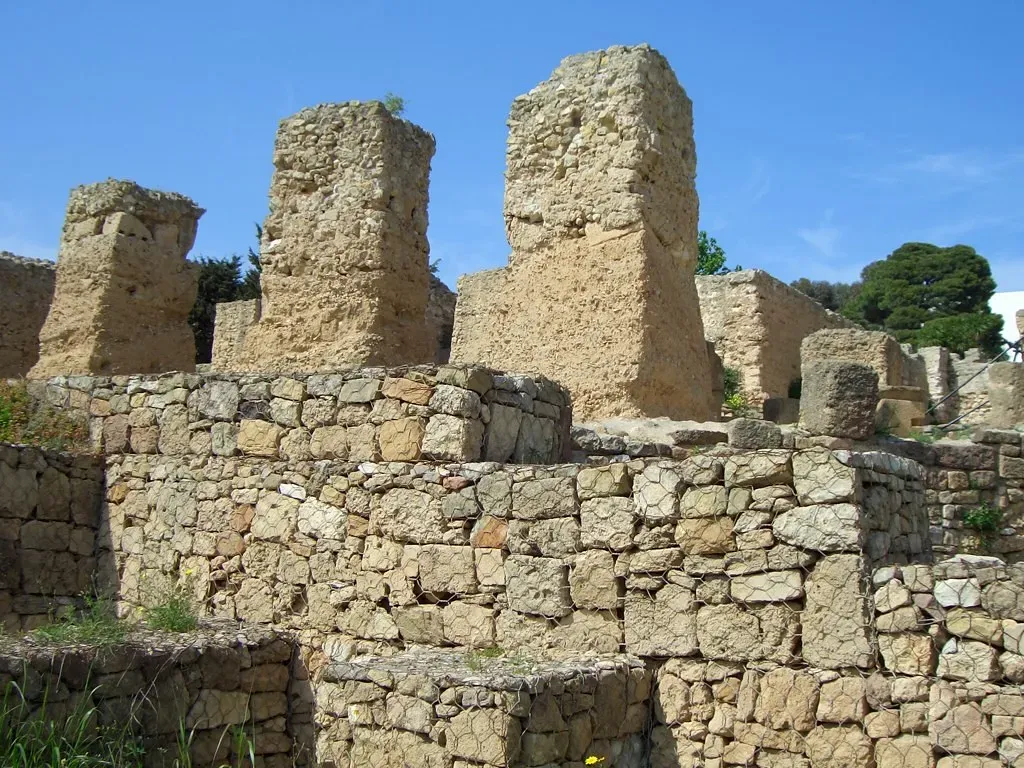
As you connect all these different ruins – from the floodplains of Mesopotamia to the jungles of Mesoamerica and the forests and deserts of the Americas – you start to notice some unsettling patterns. You see how societies that grow complex and powerful often rely on delicate systems: irrigation networks, trade routes, forests, and soils that can be stretched only so far. You see how leaders sometimes double down on monument building or warfare just as their environmental or economic base is weakening, like someone redecorating a house while its foundations crack. These patterns are not perfect one-to-one matches with your world today, but they are close enough to make you uncomfortable.
At the same time, ruins do not only tell stories of doom; they also preserve examples of adaptation, ingenuity, and resilience. Some communities shifted their crops, moved their settlements, diversified their livelihoods, or reshaped their institutions to cope with change. Others left layered legacies that later societies could learn from, repurpose, or build upon. When you look at ruins with this in mind, you are really asking yourself hard questions about your own civilization: how dependent you are on fragile systems, how honestly you face long-term risks, and whether you are investing more in durable, shared well-being or in symbolic showpieces that might impress now but crumble later.
Conclusion: Listening to the Stones Before They Fall Silent
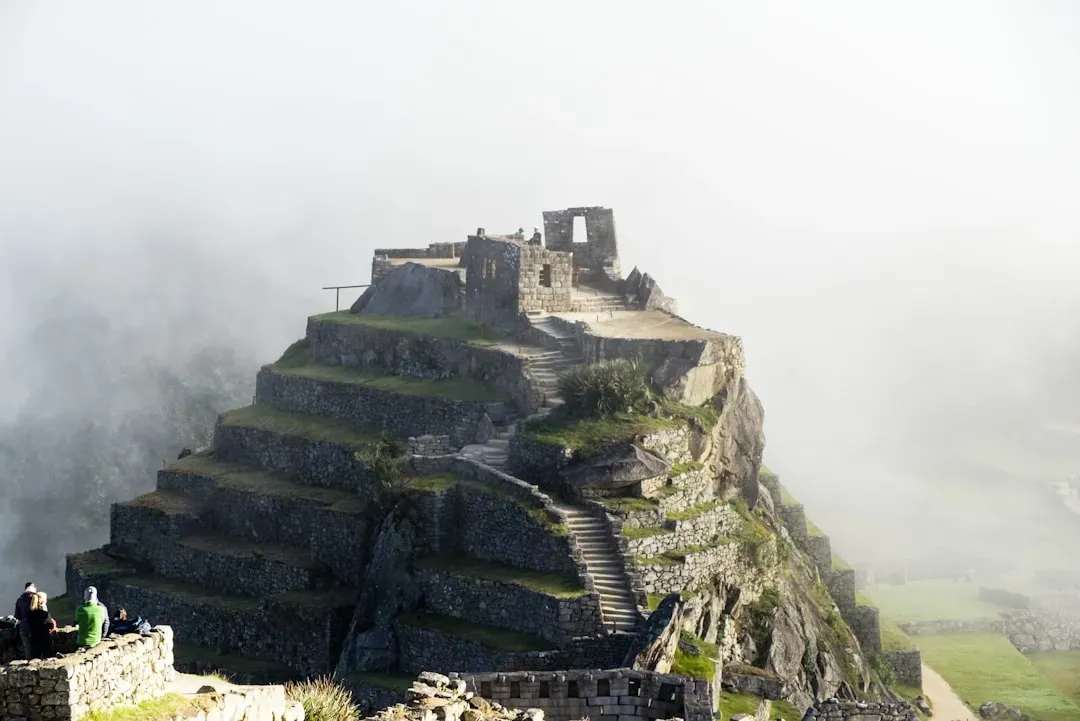
When you step back and take in the full sweep of lost civilizations, it becomes harder to see your own world as unique or guaranteed. The ruins remind you that people have built dazzling cities, powerful states, and intricate belief systems many times before, only to hit limits they did not fully understand or could not bring themselves to respect. Yet those same ruins also prove that every generation leaves traces, and that someone in the future may stand in your crumbling structures, trying to guess what you believed, feared, and hoped for. In that sense, looking at ancient ruins is really a mirror exercise: you are peering into other people’s past while catching a glimpse of your own possible futures.
If you let these places speak to you, they nudge you toward a more humble and careful way of living in your own era. They encourage you to value infrastructure over spectacle, balance over exploitation, and long-term flexibility over short-term glory. Next time you see an image of a temple swallowed by roots or a stone city dissolving back into sand, you might ask yourself not just how it was lost, but what choices brought it to life in the first place – and what choices you are making now that future eyes will one day read in your ruins. If someone walked through the remains of your world centuries from now, what would they say you really cared about?