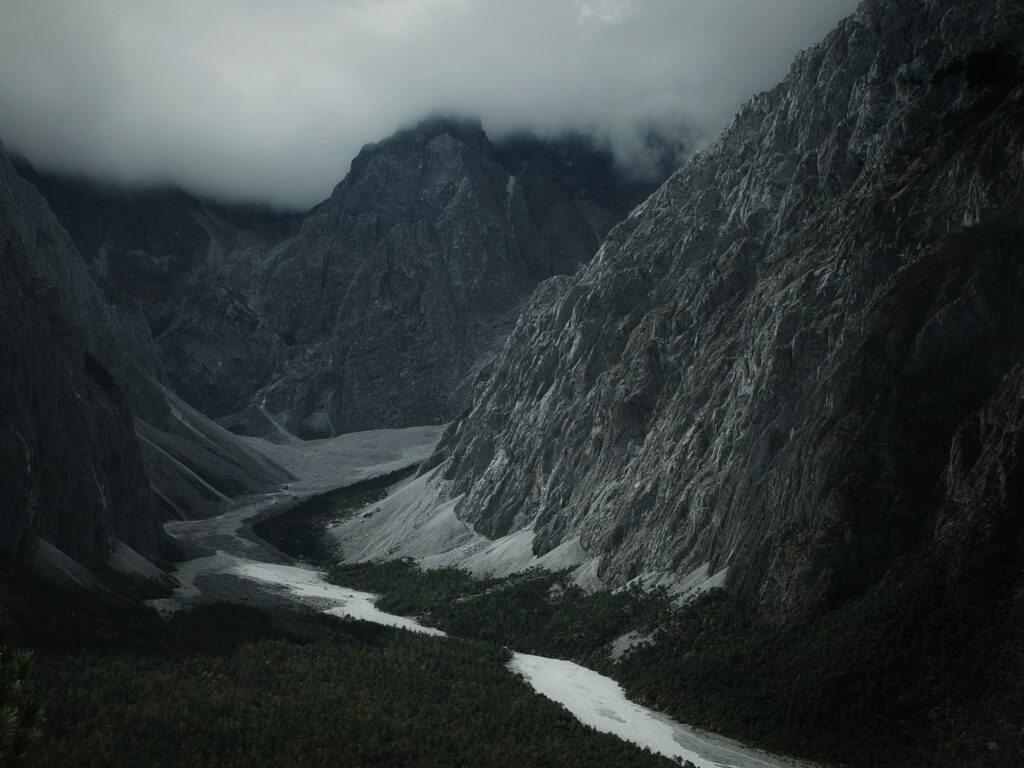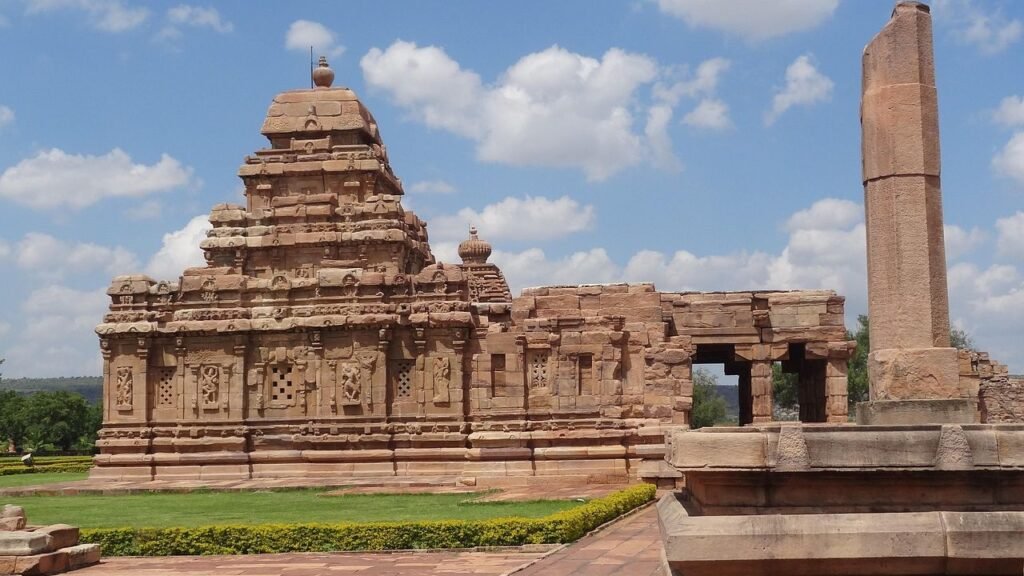
You walk into a sun‑blasted canyon or a jungle clearing and there it is: a vast stone city, silent as the moon, with no one around to claim it. No guidebook can quite tell you why the people who built it walked away. That feeling of standing in front of a place that clearly mattered to someone, yet refuses to explain itself, is exactly where the mystery of vanished civilizations lives.
In the last few decades, archaeologists, climate scientists, and even satellite engineers have been quietly rewriting what you were probably told in school about “lost worlds.” Civilizations rarely vanish in the dramatic, movie-style way you imagine, yet the ruins they leave behind can be staggeringly strange: star‑aligned pyramids, cliff‑side cities, perfectly planned grids in the middle of nowhere. When you look at these places with modern eyes, you start to see a pattern that is both humbling and unsettling: what disappeared was not just people, but entire ways of understanding the world.
The Civilization Behind the Ruins: Why the People Didn’t Really Vanish
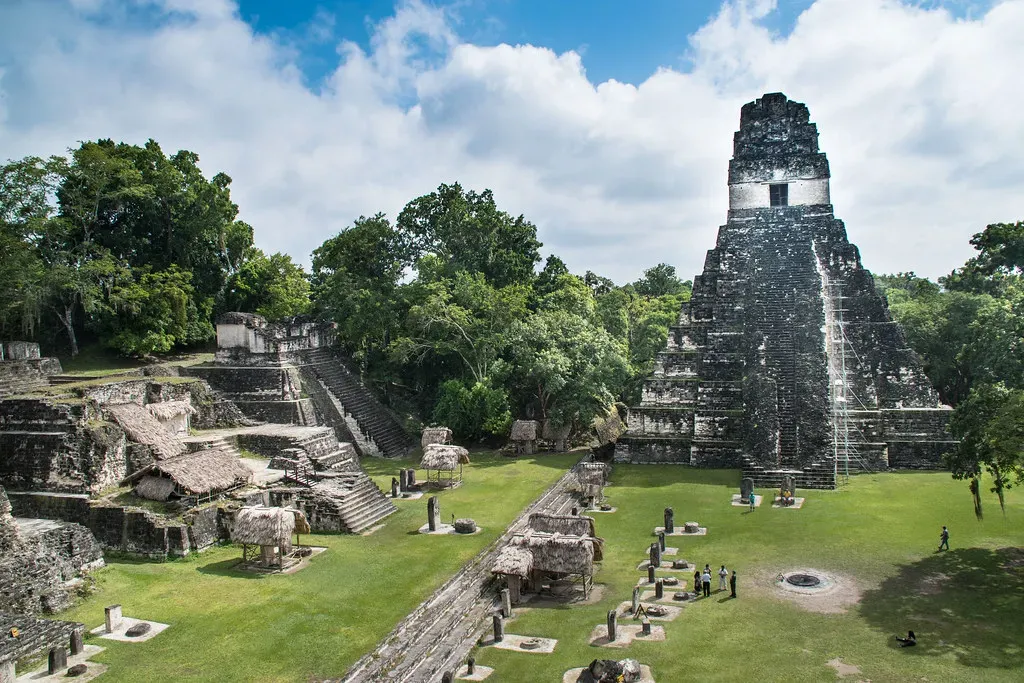
When you hear that an ancient civilization “disappeared,” you probably picture a population wiped out overnight, leaving their cities frozen in time. In reality, you’re usually looking at something more subtle: centralized systems collapsing, political power shattering, and people drifting into new identities while their monuments slowly crumble. The dramatic part is what remains standing, not what actually happened to the humans involved.
Take the Classic Maya cities of the southern lowlands as an example. Their towering pyramid‑temples, observatories, and palace complexes were eventually abandoned between roughly the seventh and ninth centuries, yet Maya descendants still live across Mesoamerica today. The civilization as a political, urban system declined, but the people adapted, migrated, and blended into new communities. When you stand in front of any “lost” city, you’re rarely looking at a vanished species; you’re seeing a former way of life that outlived its own institutions.
Unexplained Structures: When Stone Refuses to Tell You the Whole Story
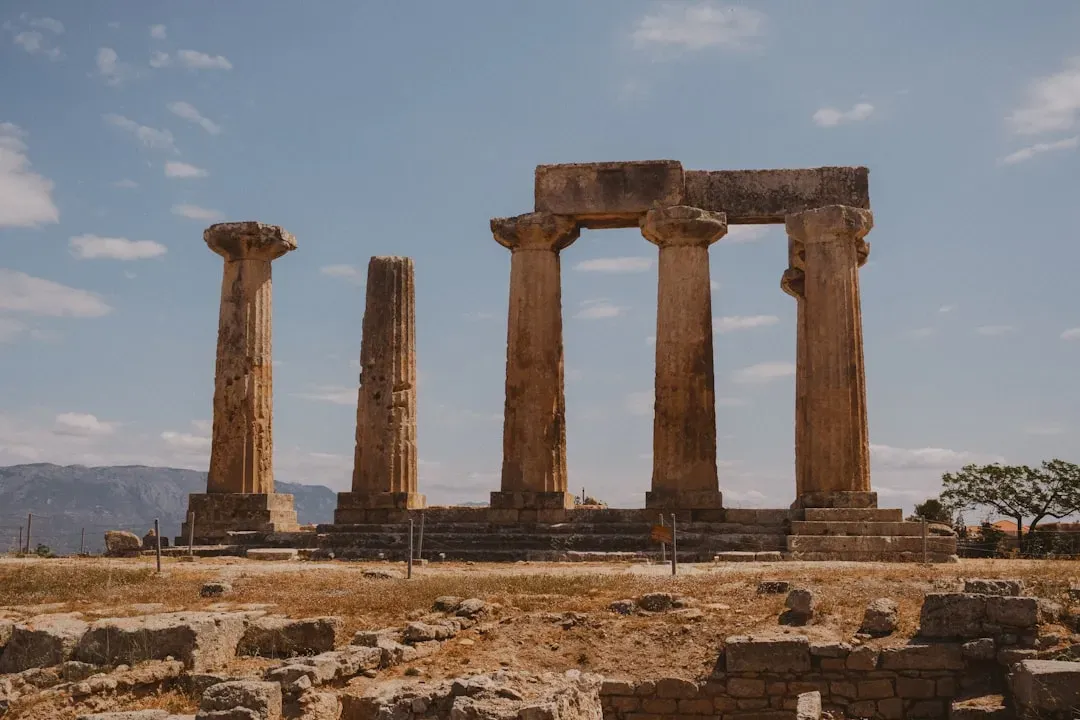
What grabs you about mysterious ruins isn’t just their size, but their stubborn silence. You find vast earthen mounds in North America, stepped platforms in the Andes, megalithic blocks fitted with eerie precision, and circular wood or stone enclosures that seem to track the sun and stars. Often, the physical engineering is easier for you to understand than the purpose or meaning behind it.
Archaeology can tell you how stones were cut, how soil was moved, and how many workers it might have taken, but it struggles when a culture left behind little or no deciphered writing. In those moments, the structures themselves become the only “text” you can read. Alignments with solstices, acoustics that carry a voice across a plaza, or entire cities built on gridded plans all hint that you’re dealing with people who thought in patterns you only partly grasp. The mystery lies less in the construction and more in the mindset that designed the whole landscape as a kind of living diagram.
Climate Shocks, Failing Harvests, and the Slow Unraveling of Great Cities
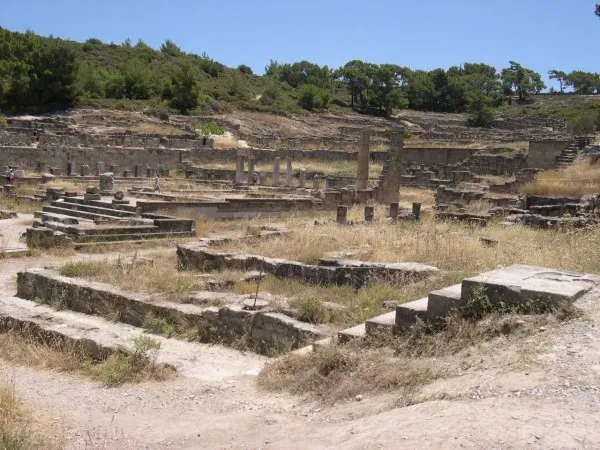
One of the most sobering lessons you learn from these vanished civilizations is how vulnerable complex societies are to environmental stress. You see evidence of multi‑year droughts in lake sediments, traces of massive deforestation in ancient pollen, and flood layers cutting through old occupation zones. When you connect those scientific clues to collapsed cities and unfinished buildings, a picture starts to form of societies slowly pushed past their limits.
You might imagine the end as a single catastrophe, but often it looks more like a long series of bad seasons and cascading problems. Irrigation systems fail, crop yields shrink, trade routes become unstable, and ruling elites try to squeeze more out of already‑strained farmers. Over time, people vote with their feet. They drift away from ceremonial centers that no longer deliver security or meaning, leaving behind temples, plazas, and observatories that eventually look like the relics of a sudden disappearance when, in reality, you’re seeing the final photograph of a very slow breakup.
War, Power Struggles, and the Hidden Violence Behind Abandoned Monuments
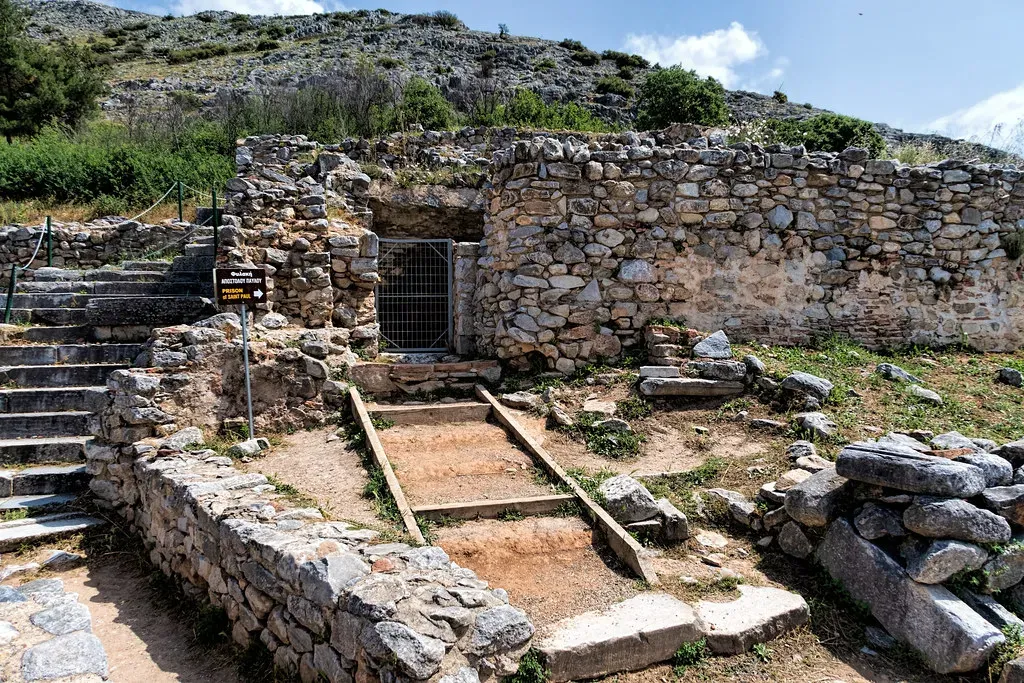
Environmental strain is only one side of the story; human ambition does the rest. When you look closely at many “mysteriously” abandoned centers, you find signs of conflict: burned layers in the archaeological record, hastily built defensive walls, smashed statues, or tombs that were looted before the final departure. These are the fingerprints of political systems turning on themselves when resources and prestige become harder to secure.
In some cases, once‑dominant cities fell to ambitious rivals; in others, internal rebellions toppled ruling dynasties that had overreached. Imagine living in a city where the gods, kings, and calendar rituals have all promised order and prosperity, and then watching that promise fall apart year after year. At some point, you might abandon your loyalty to the old center entirely. When you walk through those ruins today, you’re moving through the aftermath of decisions made under pressure, where people chose survival and new alliances over dying with their monuments.
Why So Many Ruins Look Astronomical, Ritual, or Just Plain Weird
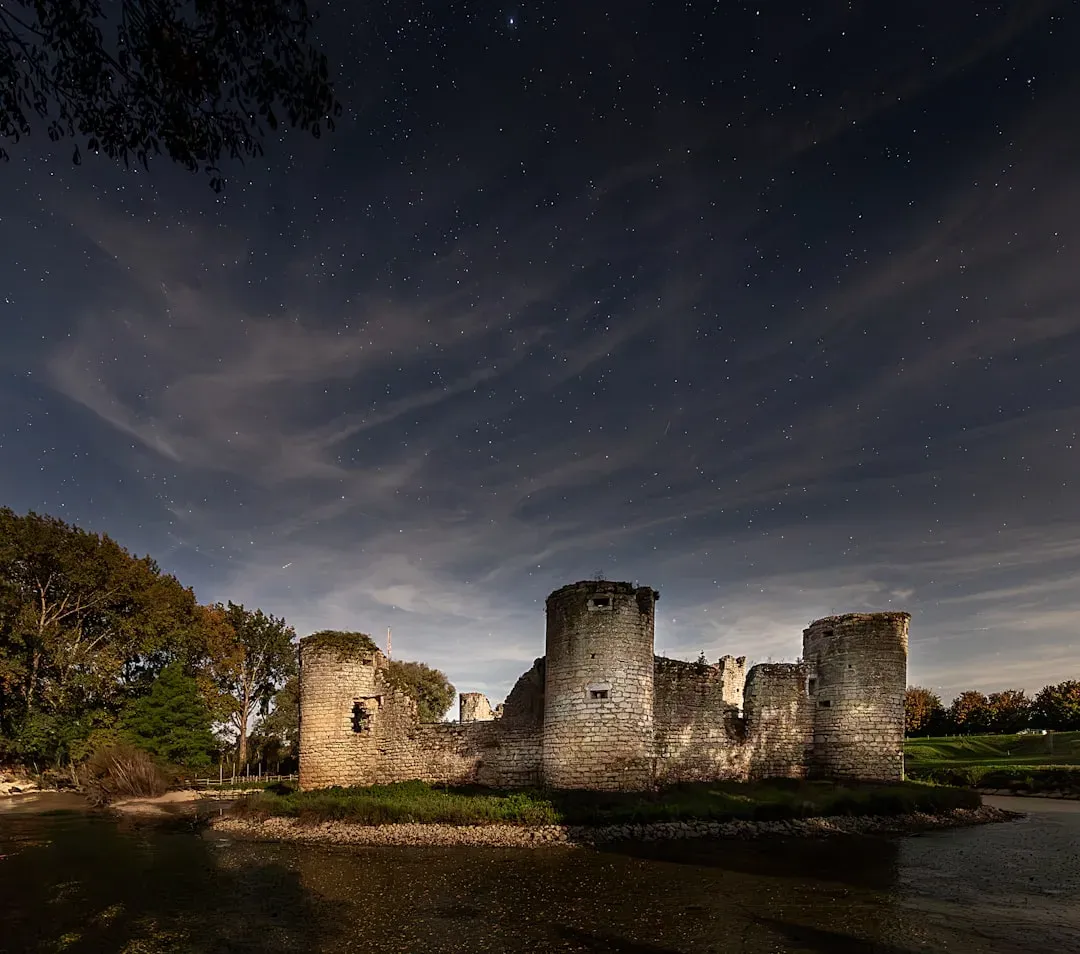
If you notice how often these unexplained structures line up with the sky, you’re not imagining it. Across continents, you find temples and ceremonial platforms oriented to sunrise or sunset on specific days, plazas that echo with a clap like a serpent’s hiss, or rings of posts and stones that seem built to mark the seasons. To you, that can feel like deliberate code, as if the builders were carving a cosmology into the ground.
For the people who lived there, the sky was not just a backdrop; it was a schedule, a story, and a source of legitimacy all at once. Agricultural timing, religious authority, and political power were wrapped together, so building in tune with the heavens made sense. You, standing there centuries later with a camera in your hand, are left trying to reverse‑engineer those intentions based on angles of light and lines of sight. The result is that many of these places feel unsettlingly intelligent, like you’ve walked into a machine that still runs, but no longer tells you what it’s for.
How Modern Technology Is Quietly Shrinking the Mystery
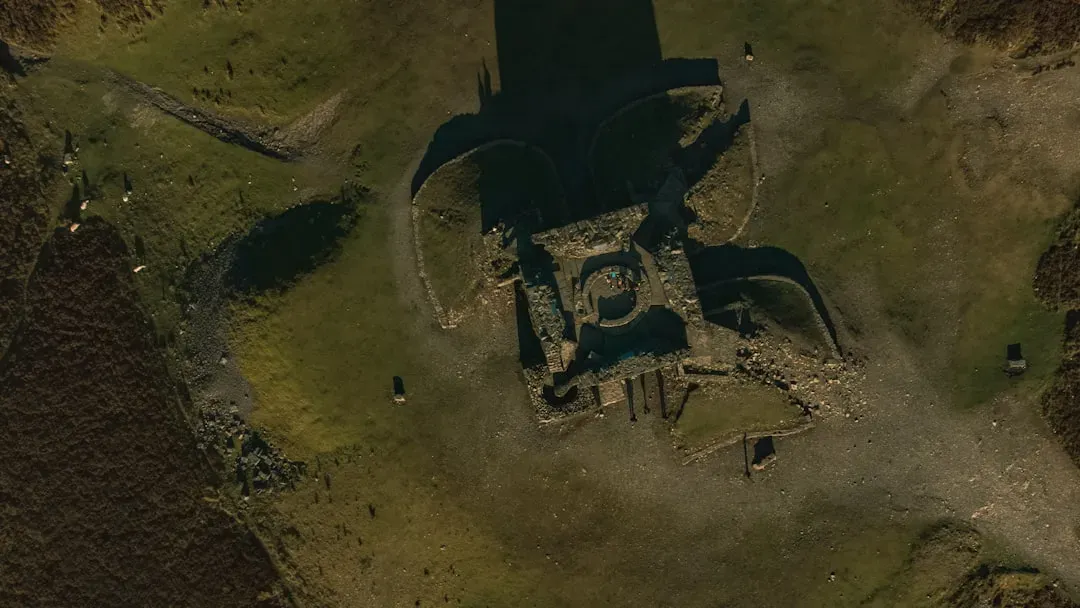
Here’s the twist you might not expect: as romantic as the idea of “lost worlds” is, the mystery is slowly getting smaller. Satellite imagery, lidar scanning, and ground‑penetrating radar are revealing hidden roads, terraces, and entire neighborhoods buried under jungle, soil, or modern farms. What once looked like a lone pyramid in the middle of nowhere often turns out to be the center of a dense urban network.
These tools are also helping you connect environmental data with human decisions. You can now compare drought records, ash layers from distant eruptions, and shifts in trade goods with the timing of urban decline. Instead of shrugging and saying that a civilization simply vanished, you’re increasingly able to see how a series of understandable choices led to abandonment. The ruins do not become less impressive, but they start to feel less like supernatural puzzles and more like mirrors held up to your own world, showing how fragile complexity can be.
What These Vanished Civilizations Are Really Telling You About Your Future
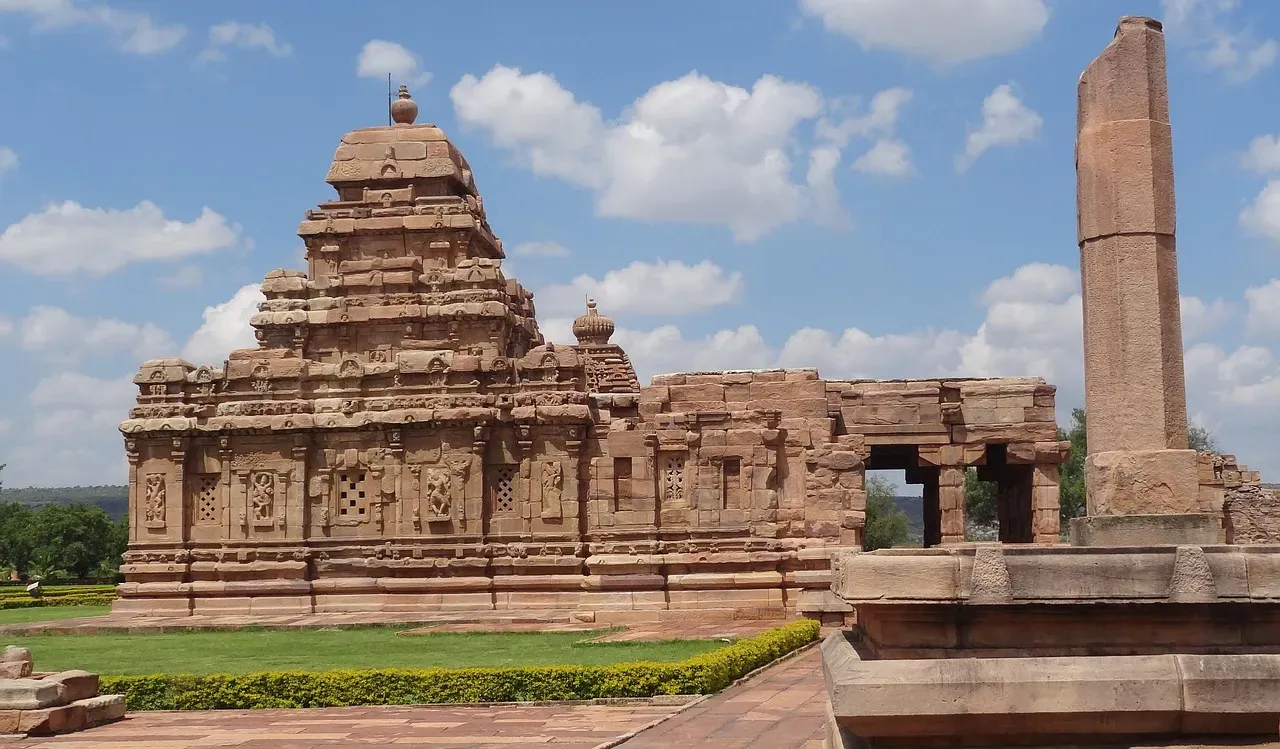
When you strip away the myths and the sensational stories, you’re left with something more uncomfortable and more useful. These ancient civilizations remind you that no system, no matter how grand, is guaranteed to last. They show you what happens when leadership refuses to adapt, when environments are pushed too hard, or when inequality and conflict gnaw at the foundations of daily life. The ruins you marvel at are there because someone, somewhere, failed to change course in time.
At the same time, you see continuity rather than pure disappearance. Descendant communities, surviving traditions, and repurposed technologies all suggest that people are remarkably good at salvaging pieces of collapsed worlds to build new ones. So when you stand before an unexplained structure from a civilization that “vanished,” you might ask yourself a different question: not how they disappeared, but what traces of your own civilization would still make sense a thousand years from now – and would you be proud of what you left behind?
In the end, those silent stones are not just about the past; they are a quietly urgent message about the present. You are living in a time of rapid climate change, deepening inequality, and astonishing technological power, just as some of those earlier societies once balanced on their own knife‑edges. As you look at their abandoned cities and mysterious structures, maybe the most haunting question is not what happened to them, but whether you will learn from their story before your own becomes another layer of ruins in someone else’s future. Did you expect their warning to feel this personal?