Every so often, a discovery in the dirt forces us to rewrite what we thought we knew about the past. It might be a single bone, a buried city, or a scrap of ancient text, but suddenly the neat timelines from school start to wobble. In the Americas, archaeology has been doing exactly that for the last few decades, steadily replacing old stories with far more complex, surprising ones.
Some of these finds have stirred huge debates, others quietly shifted expert opinion over years. Together, they tell a story that’s very different from the familiar idea of a sparsely populated “new world” waiting to be discovered. Instead, we see deep time, advanced societies, mass migrations, and brutal collapses. Let’s walk through six discoveries that have genuinely changed the way historians and archaeologists look at American history.
The Ancient Footprints of White Sands: People in the Americas Far Earlier Than We Thought
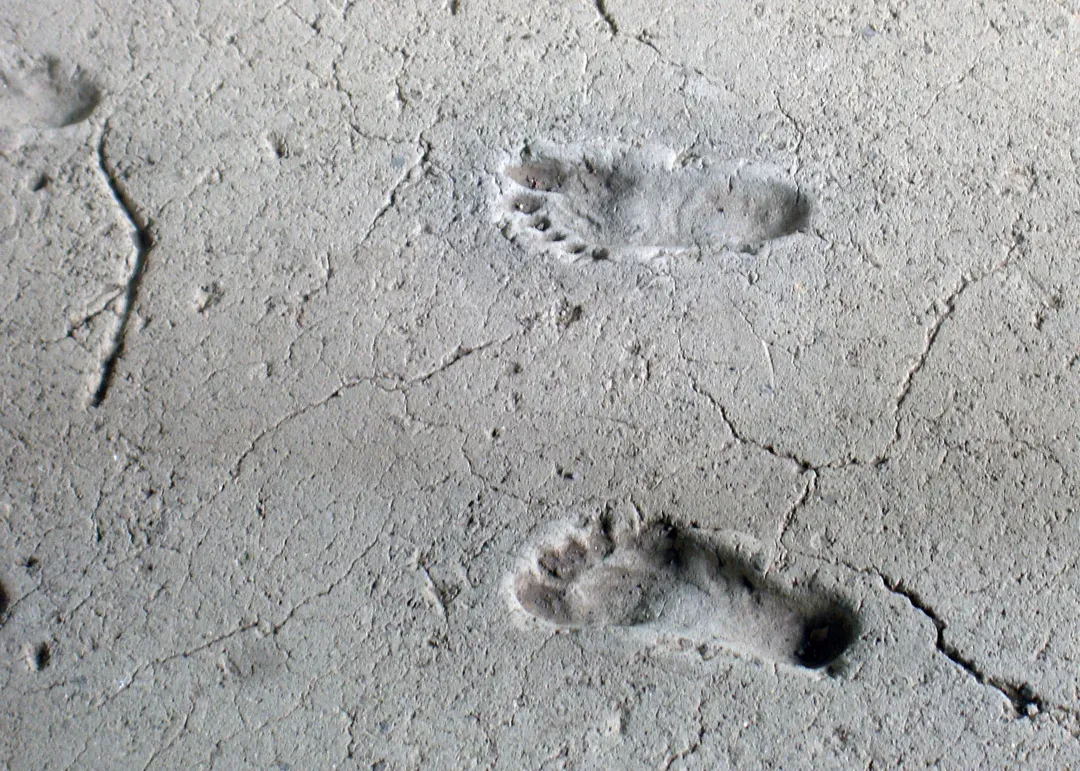
Imagine walking along a beach and realizing the footprints beside you were left there more than twenty thousand years ago. That’s essentially what happened at White Sands National Park in New Mexico, where human footprints preserved in ancient lakebed mud have been dated to a time when many experts still believed the Americas were empty of people. For decades, the dominant theory said humans only arrived here roughly thirteen thousand years ago, following retreating glaciers from Siberia through an ice-free corridor.
The White Sands footprints, based on radiocarbon dating of seeds embedded in the layers, strongly suggest people were already living in North America thousands of years earlier, at the height of the last Ice Age. The tracks include adults, teenagers, and children, hinting at everyday life rather than a fleeting visit by a few explorers. This pushes back the timeline of human migration and supports a picture of multiple waves and routes, possibly including coastal paths along the Pacific. It doesn’t just tweak the old story; it basically tears up the migration chapter and forces us to rewrite it from scratch.
Cerro Baúl and the Wari Legacy: Empire in the Andes Before the Inca
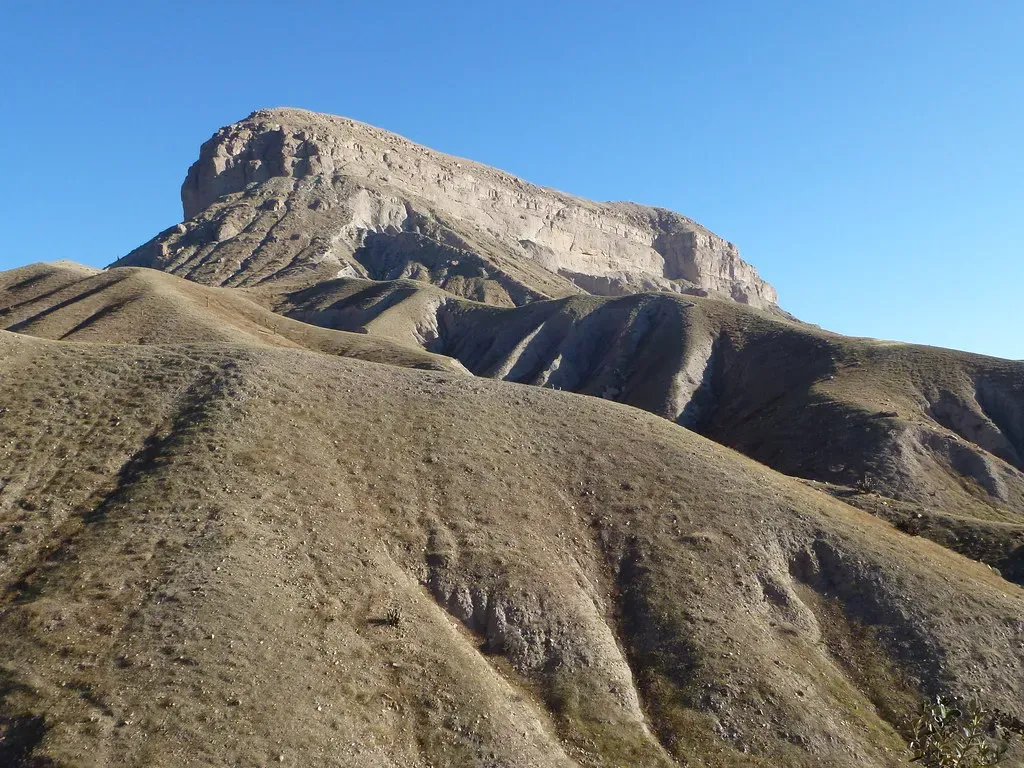
When most people think of ancient empires in South America, they jump straight to the Inca. But high on a mesa in southern Peru, the ruins of Cerro Baúl tell a richer and more layered story. This site was a major outpost of the Wari civilization, which flourished centuries before the Inca and built roads, planned cities, and administrative centers across large stretches of the Andes. The remains of breweries, elite residences, and carefully designed plazas at Cerro Baúl show a level of organization that looks eerily like a trial run for later imperial systems.
Excavations have also revealed ceremonial destruction carried out by the Wari themselves when they abandoned the site, suggesting a controlled, ritual ending rather than a chaotic collapse. For a long time, the pre-Inca period was treated like a vague warm-up act to the main event. Finds like Cerro Baúl flip that script and show a chain of complex, powerful states experimenting with empire long before the Inca appeared. It turns Andean history from a single flash of brilliance into a slow-burning, multi-episode saga.
Monte Verde in Chile: The Site That Broke the Clovis-First Model
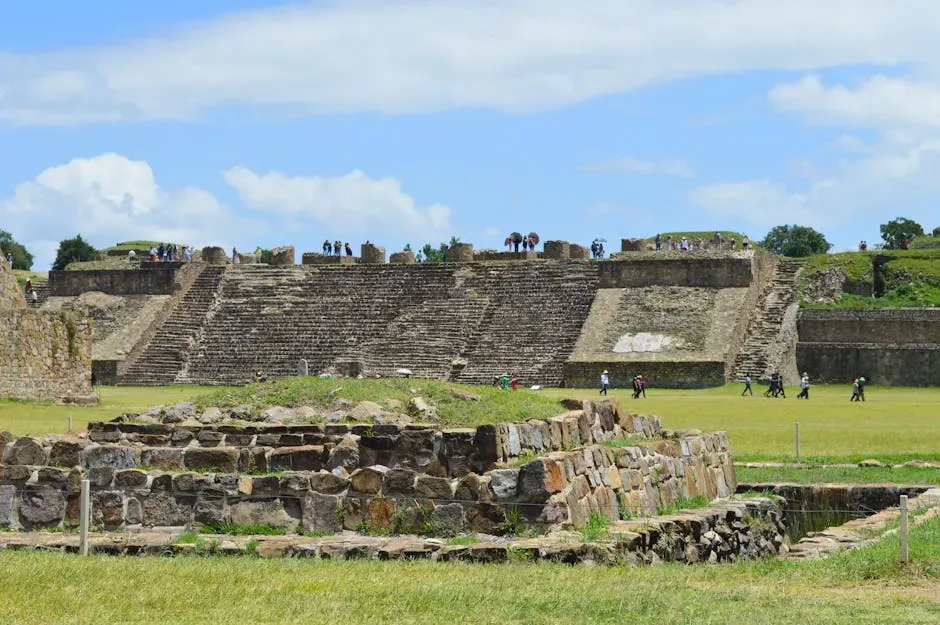
In southern Chile, near a chilly, windswept landscape that feels like the end of the Earth, lies Monte Verde, one of the most important archaeological sites in the Americas. Excavations there uncovered remnants of wooden structures, stone tools, and even preserved plant remains that point to a small community living by a river thousands of years before the supposed “first Americans” of the Clovis culture. For years, the idea that people were in Chile that early seemed almost impossible to many researchers: how could humans have reached so far south so soon?
The evidence at Monte Verde was eventually too strong to ignore, and it played a central role in dismantling the long-dominant Clovis-first theory. Instead of a single pioneering culture spreading out from the north, we now see a patchwork of early groups settling the Americas through different routes, likely including coastal migration along the Pacific. The site also preserves traces of a surprisingly varied diet, with seaweed and plants from different environments, hinting at a deep knowledge of local ecosystems. Monte Verde forces us to imagine an early American past full of adaptable, mobile communities rather than one simple, linear story.
Cahokia’s Massive Mounds: A Forgotten North American City
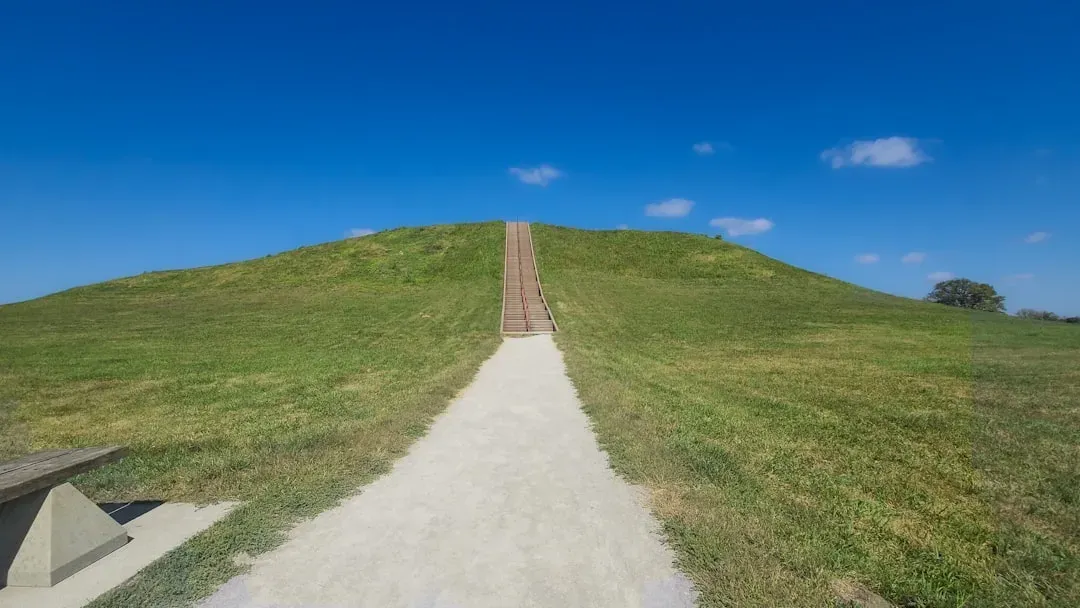
Just outside present-day St. Louis, in the floodplain of the Mississippi River, lies Cahokia, a sprawling pre-Columbian city that most people have never heard of. At its height around a thousand years ago, Cahokia may have housed tens of thousands of people, making it one of the largest urban centers in what is now the United States. Dominated by massive earthen mounds, including the enormous Monks Mound, the city featured plazas, palisades, residential neighborhoods, and complex ritual spaces.
Excavations have revealed evidence of long-distance trade, social stratification, and sometimes violent conflict, including signs of ritual sacrifice. For a long time, many school textbooks in the United States painted Indigenous societies north of Mexico as mostly small-scale and scattered. Cahokia blows that assumption apart. It shows that complex urban life, ambitious architecture, and intense political power were very much part of North America’s story. Once you stand on top of a Cahokian mound, the idea of an “empty” continent waiting to be settled feels like a myth that never should have survived.
Amazonian Geoglyphs and Dark Earths: A Managed Forest, Not a Pristine Wilderness
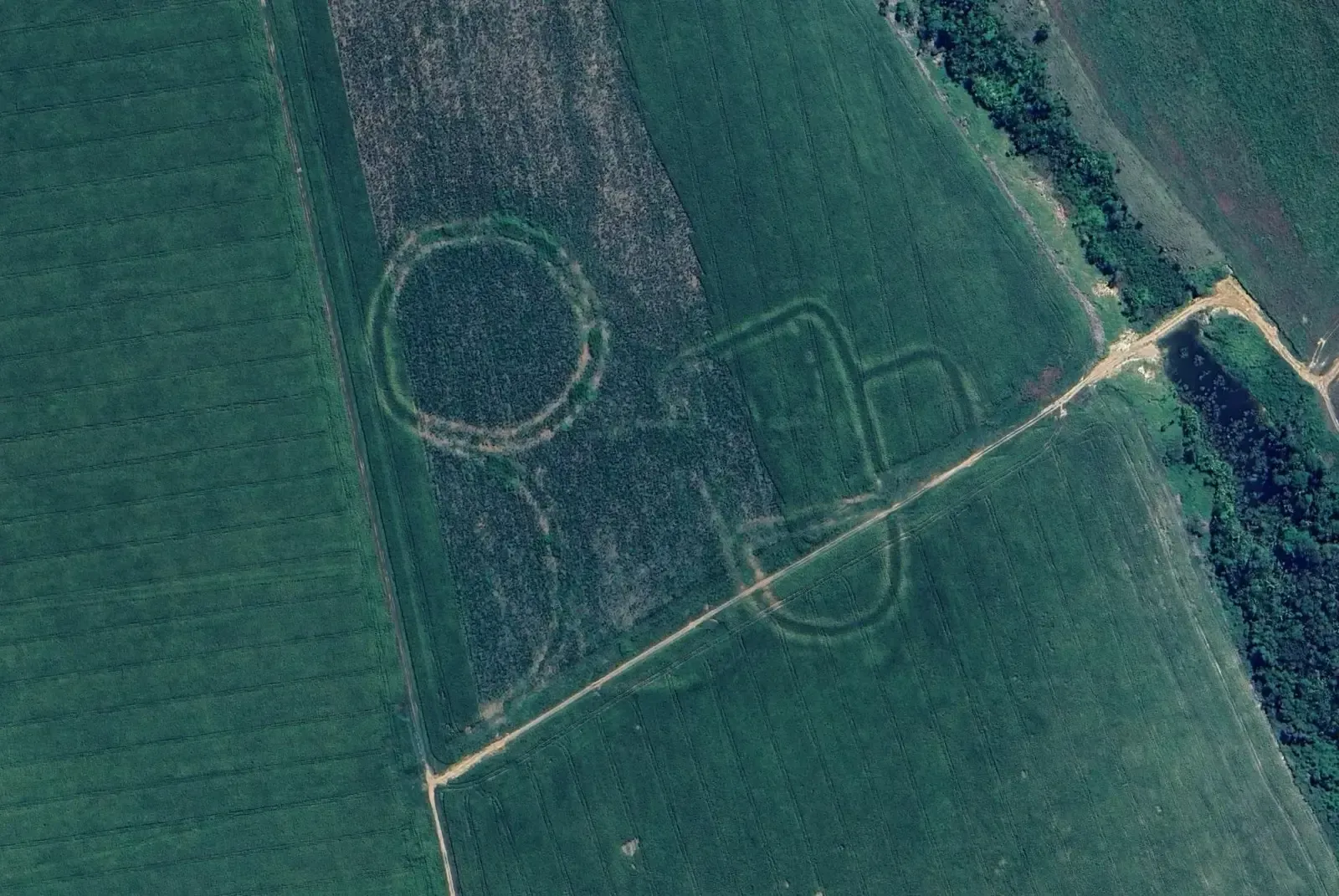
For generations, the Amazon rainforest was described as a nearly untouched wilderness, too poor in nutrients to support dense, long-term human populations. Then archaeologists and soil scientists started paying closer attention to strange geometric earthworks, ancient canals, and patches of remarkably dark, fertile soil scattered across the region. These dark earths, often called terra preta, are rich in organic material and charcoal, and they seem to have been deliberately created and maintained by human communities over centuries.
Alongside the earthworks and remnants of large settlements, this evidence suggests that parts of the Amazon were once heavily managed cultural landscapes, not an untouched green void. People were enriching soil, shaping forests, and engineering waterways long before European contact. This completely changes the narrative of the Amazon from a static, fragile Eden to a dynamic, human-influenced system. It also adds a bittersweet twist: many of the people who built and cared for that landscape were wiped out by disease and conquest, leaving later observers to mistake a human-shaped forest for wild nature.
The Maya Collapse Revisited: Climate, Politics, and a Very Human Downfall
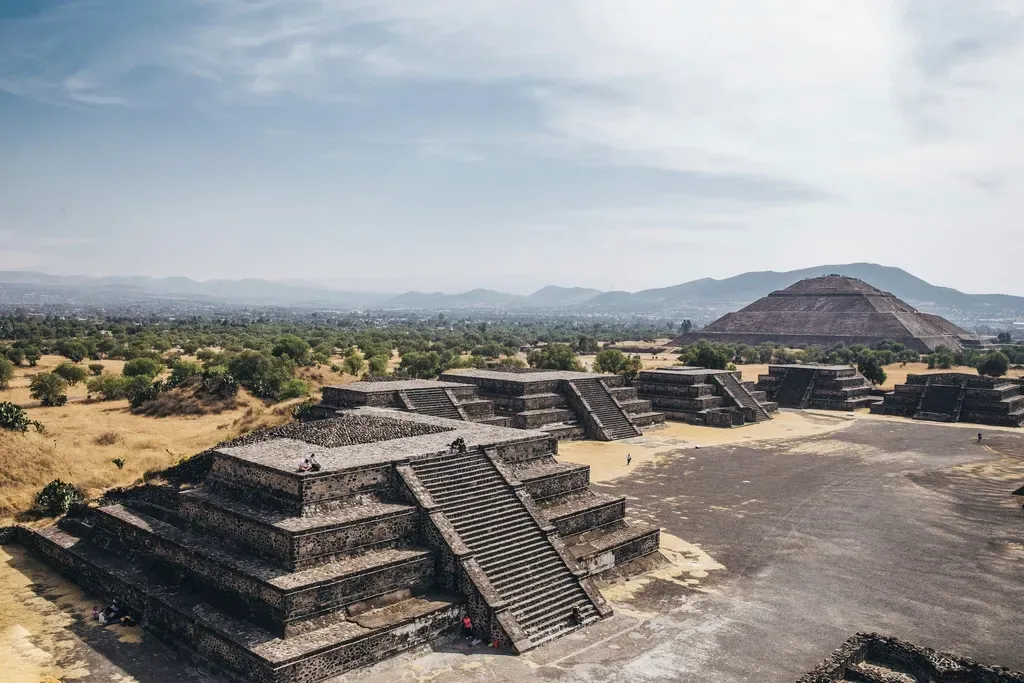
The ruins of Maya cities like Tikal, Copán, and Palenque have fascinated travelers and scholars for more than a century. For a long time, their so-called “collapse” around twelve hundred years ago was wrapped in mystery, often simplified into vague talk of vanished people and lost civilizations. Over the last few decades, though, new excavations, advances in dating methods, and climate studies from lake sediments and cave formations have built a more grounded, and more uncomfortable, story.
It now looks like a complex mix of severe droughts, internal warfare, political fragmentation, and overuse of environmental resources contributed to the decline of many Classic Maya city-states. Inscriptions and settlement patterns suggest power struggles, shifting alliances, and regional resilience in some places even as others fell apart. The Maya story no longer feels like a sudden, magical disappearance; it reads more like a painfully recognizable case of a sophisticated society hitting ecological and political limits. Instead of a distant legend, it becomes a mirror, reflecting questions about how we manage water, power, and growth today.
Conclusion: A Past That Refuses to Stay Simple
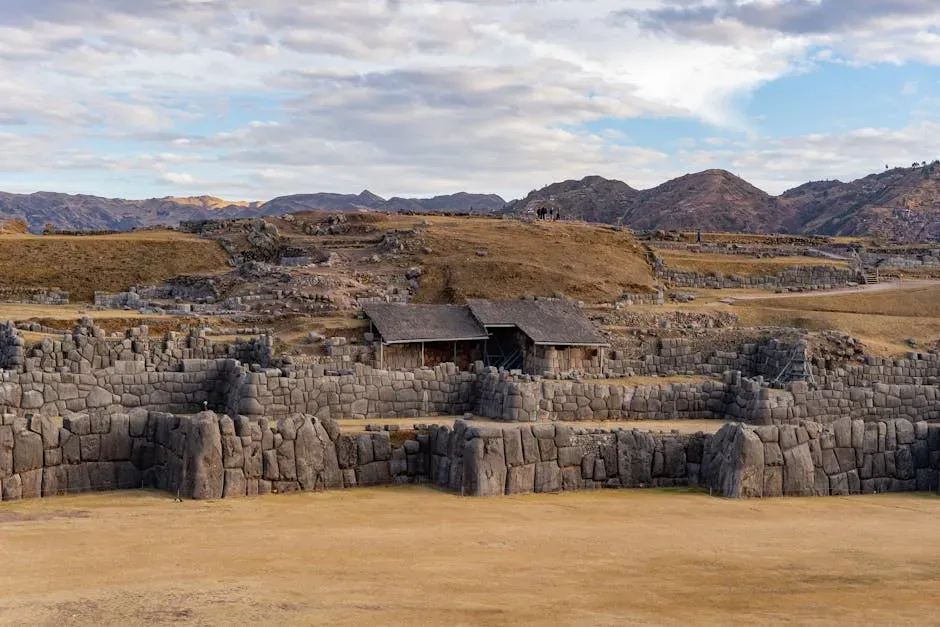
These six discoveries, spread from New Mexico’s ghostly footprints to the engineered soils of the Amazon, have something in common: they all replace simple stories with complicated, deeply human ones. The Americas turn out not to be a late stage in human history but a long-running theater of innovation, migration, empire, collapse, and adaptation. Every new layer pulled from the ground challenges lazy assumptions about “primitive” societies or empty lands just waiting for someone to show up.
What strikes me most, personally, is how familiar these ancient dramas feel once you strip away the dates and the ruined stone. Arguments over power, experiments with new ways of living, misjudged relationships with the environment, surprising resilience in unexpected corners – none of that is really new. The ground beneath our feet is crowded with other futures people once imagined for themselves. When you look at it that way, archaeology stops being about dusty relics and starts feeling like a conversation across thousands of years. Which of these hidden stories changes your picture of American history the most?