When you look closely at the animal world, you quickly realize something slightly unsettling: a lot of creatures are quietly doing things your best instruments, theories, and lab models still cannot fully explain. You can describe parts of the story, measure some of the effects, and build clever experiments, but the deeper “how” remains strangely out of reach. It is like staring at a magic trick in slow motion and still not figuring out where the card went.
In this article, you are going to walk through eight real animal abilities that sit right on the edge of what science can comfortably explain. Researchers have made serious progress on many of them, but there are still glaring gaps, odd exceptions, and puzzling details nobody has pinned down. As you read, you might notice a pattern: the more you learn, the less the word “simple” makes any sense at all in biology.
1. Pigeons That Navigate Like Living GPS Units
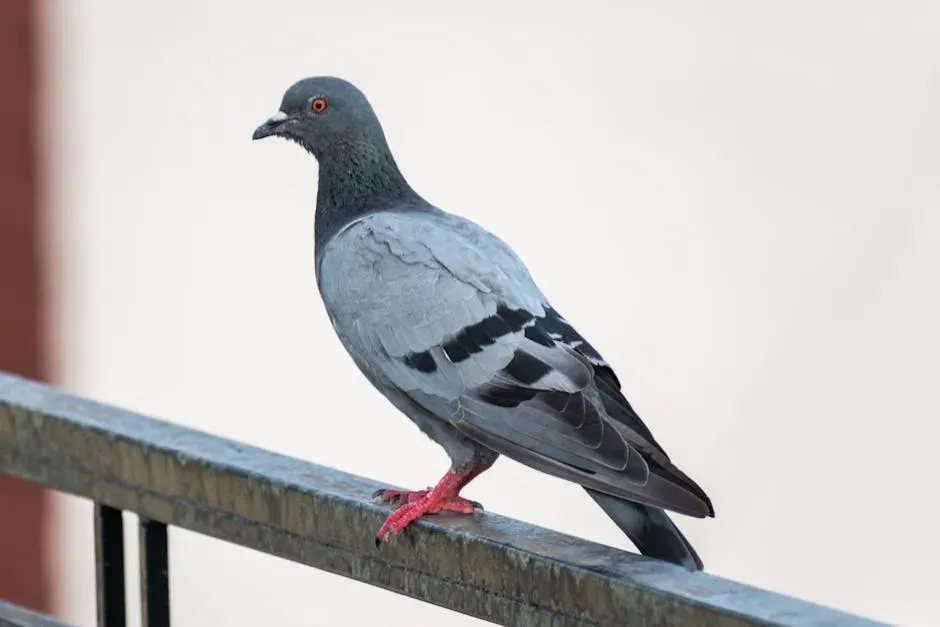
If you toss a homing pigeon into the air hundreds of miles from its loft, it can often fly straight back as if it had a digital map and a routing app in its brain. You can move it across unfamiliar terrain, release it under cloudy skies, or even transport it in a sealed container, and it still tends to find its way home with eerie reliability. You know birds can use the sun or landmarks to navigate, but that does not fully cover why pigeons can do this when visibility and familiar cues are limited.
Researchers suspect that pigeons sense Earth’s magnetic field using particles of iron in their beaks or specialized cells linked to their eyes. You also see evidence that they may smell atmospheric odors that subtly differ from region to region, building a kind of scent map of the landscape. The problem is, when you test any one of these explanations, you find individual pigeons that still navigate well even when that particular sense is blocked. You are left with a messy picture: multiple overlapping systems, none fully mapped, somehow combining into a guidance system that makes your car’s GPS look clumsy.
2. Monarch Butterflies Crossing Continents Without Ever Having Been There
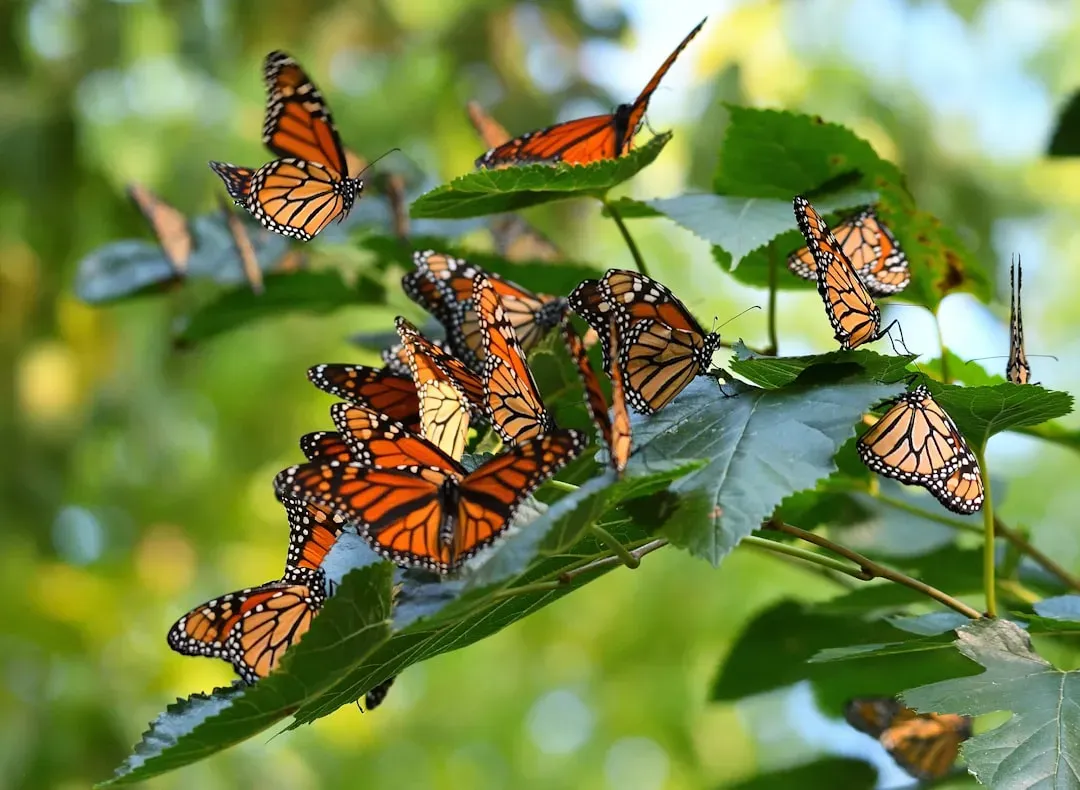
Every year, monarch butterflies in North America embark on a staggering multi‑generation migration, traveling thousands of miles between breeding grounds in the north and overwintering sites in central Mexico. If you follow the route, it is not a single butterfly making a round trip; several generations are born, migrate, breed, and die along the way. Yet the descendants that have never seen Mexico somehow arrive at the same few mountain valleys where their great‑grandparents clustered on the trees.
You might assume that such a complex route must be taught, but it clearly is not. Instead, monarchs seem to combine an internal clock in their brains with the position of the sun, plus some still‑murky sense of Earth’s magnetic field. The genes that encode this navigational program are only partially understood, and the way a fragile insect with a brain the size of a pinhead stores a continent‑scale map in its biology is still deeply puzzling. You can outline the pieces, yet the orchestration of it all feels like reading every note of a symphony but never quite hearing the music.
3. Electric Eels Generating Lightning-Like Voltage
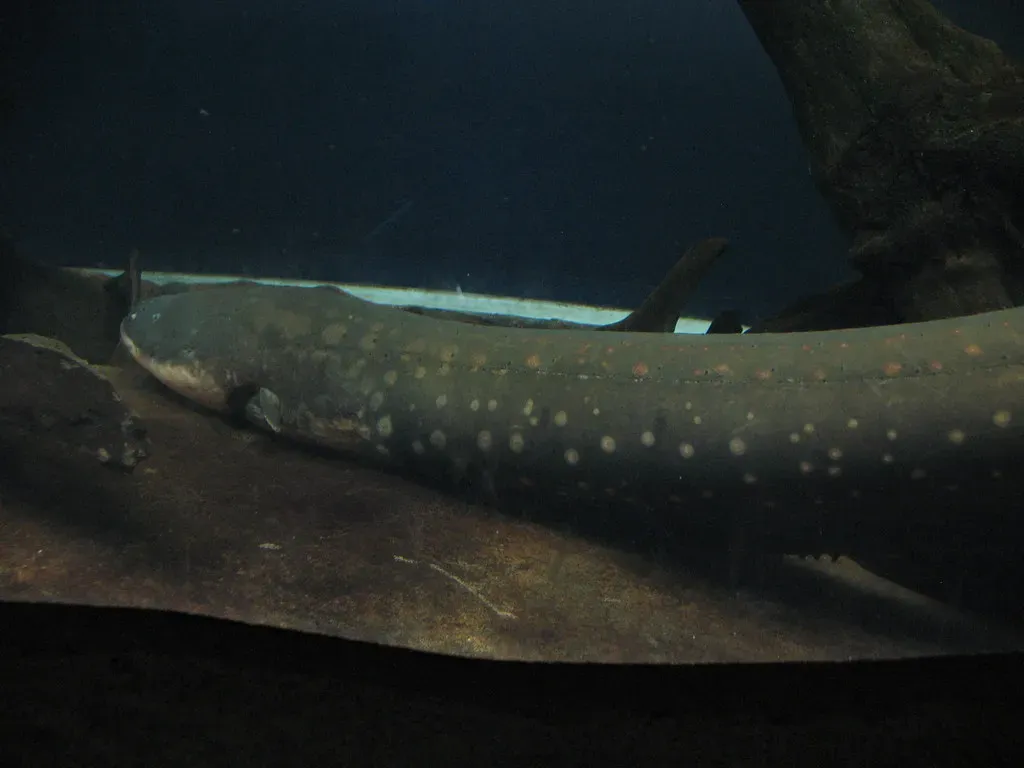
When you picture an electric eel, you might imagine a writhing cable of living electricity in murky water, and you are not far off. These fish can unleash powerful electric discharges strong enough to stun prey, deter predators, and even briefly immobilize larger animals. Inside their bodies, specialized cells called electrocytes are stacked like tiny batteries, each producing a small voltage that adds up to a formidable jolt when fired in unison.
On paper, you can explain how ion channels and membrane potentials produce this electricity, but what remains hazy is how evolution gradually sculpted such a sophisticated biological power plant. You still do not fully understand how the eel’s nervous system coordinates thousands of electrocytes in perfect synchrony, or how the animal avoids shocking its own delicate tissues. It is like watching a living power station that somehow never blows a fuse, built without an engineer, and held together by rules you are still trying to decode.
4. Mantis Shrimp Seeing a Color World You Cannot Imagine
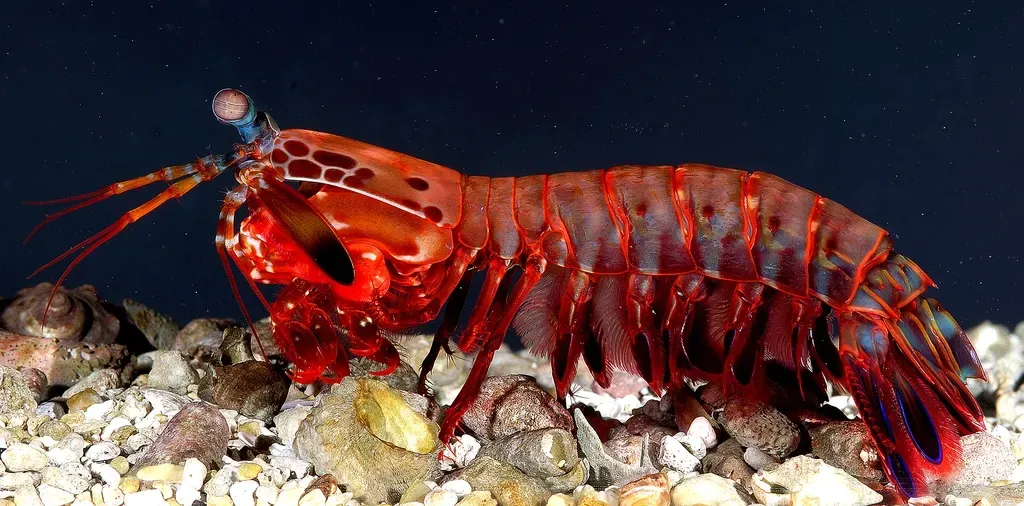
Your eyes rely on three main types of color receptors, which already give you a rich, nuanced view of the world. Now compare that to the mantis shrimp, which carries a visual system so extreme it almost feels like a prank: it has a dozen or more types of color receptors and can detect polarized light that looks invisible to you. When you try to imagine what the world looks like through its eyes, you inevitably fall short, because your brain simply has no experience of that many color channels.
At first glance, you might think more receptors automatically mean better color discrimination, but experiments have produced confusing results. In some tests, mantis shrimp do not seem to distinguish between similar colors as precisely as you expected, hinting that their visual system might be doing something stranger than just “higher resolution color.” You see theories that they process complex visual information very quickly, possibly for hunting or communication, using shortcuts you have not fully mapped. The result is a creature whose sight operates in a regime you can measure but not really feel, like a language you can hear but not understand.
5. Migratory Birds Feeling Earth’s Magnetic Field in Their Minds
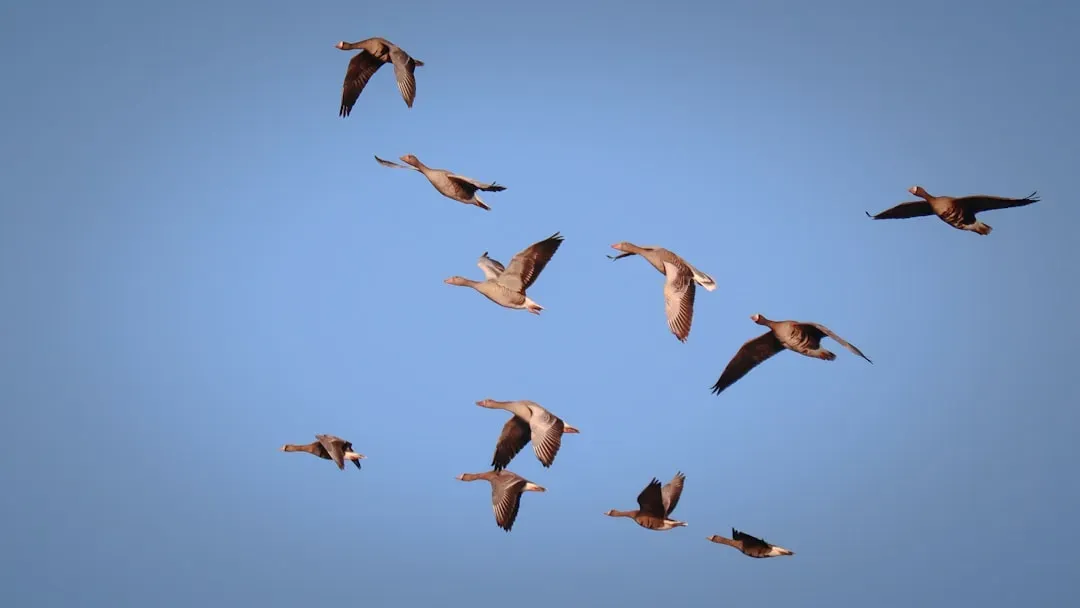
If you watch migratory birds at night, you might see them orient and take off in the right direction even when they cannot see the sun, stars, or landmarks. Experiments show that many of these birds can sense Earth’s magnetic field and use it as a built‑in compass. You can test this by exposing them to altered magnetic fields in controlled environments and watching them change direction, as if someone quietly spun a globe inside their heads.
The strangest part is where this magnetic sense may live. Evidence suggests that certain chemical reactions in their eyes, triggered by light, may be influenced by magnetism in a way that directly feeds into their visual system. That would mean the bird is literally “seeing” magnetic fields as part of its perception of the world. You can outline the molecules involved and model some of the physics, yet the full chain – from quantum effects to a felt sense of direction in a tiny brain – is still one of the most mind‑bending puzzles in modern biology.
6. Octopus Intelligence That Feels Alien
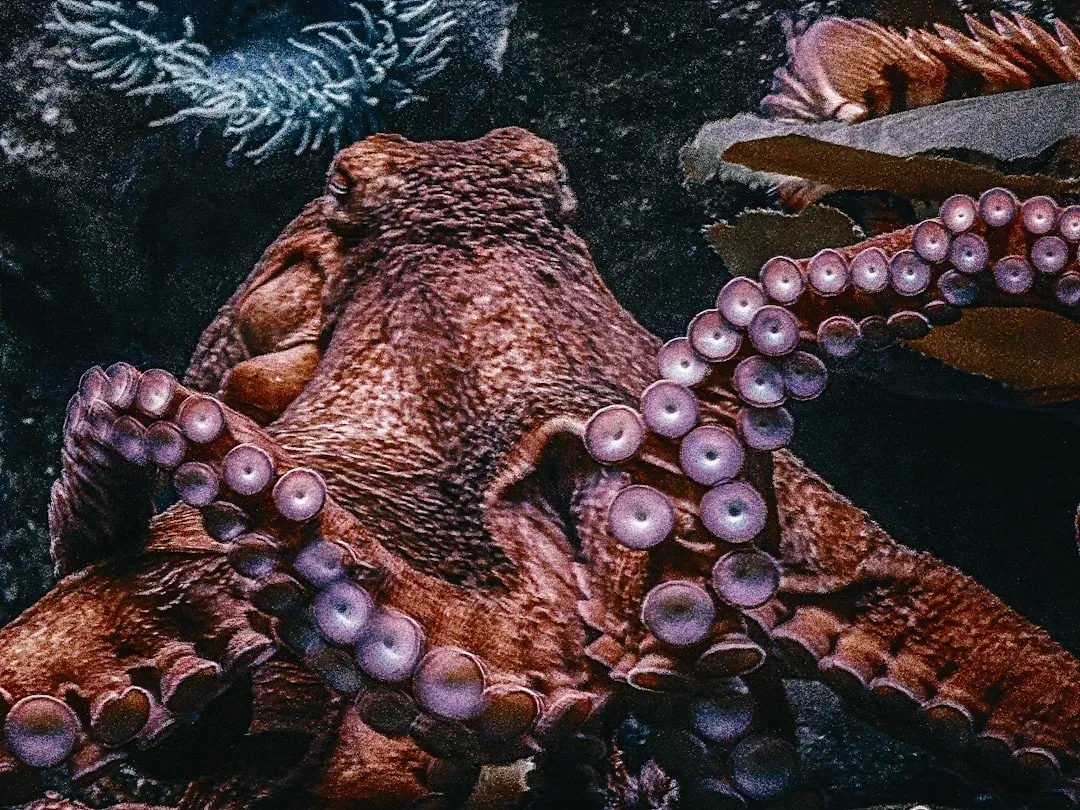
When you interact with an octopus, you are meeting a mind that did not travel the same evolutionary road as yours. These animals can solve puzzles, escape enclosures, unscrew jars, and use surprising tactics to hunt and hide. They do this with a nervous system spread throughout their bodies, where a large portion of their neurons live in the arms rather than in a central brain. You are not dealing with a familiar setup; you are dealing with something more like a network of semi‑independent processors coordinated by a central hub.
Science can map neurons, record activity, and document behaviors, but it still struggles to explain how such distributed intelligence gives rise to what looks like curiosity, play, and problem‑solving. You are forced to ask awkward questions: Does each arm have a kind of local awareness? How does an animal with such a short lifespan develop and refine these skills so quickly? When you watch an octopus explore an object with its suckers, you are seeing a kind of embodied thinking that does not fit neatly into your standard models of how brains are “supposed” to work.
7. Regeneration in Salamanders That Laughs at Human Limits
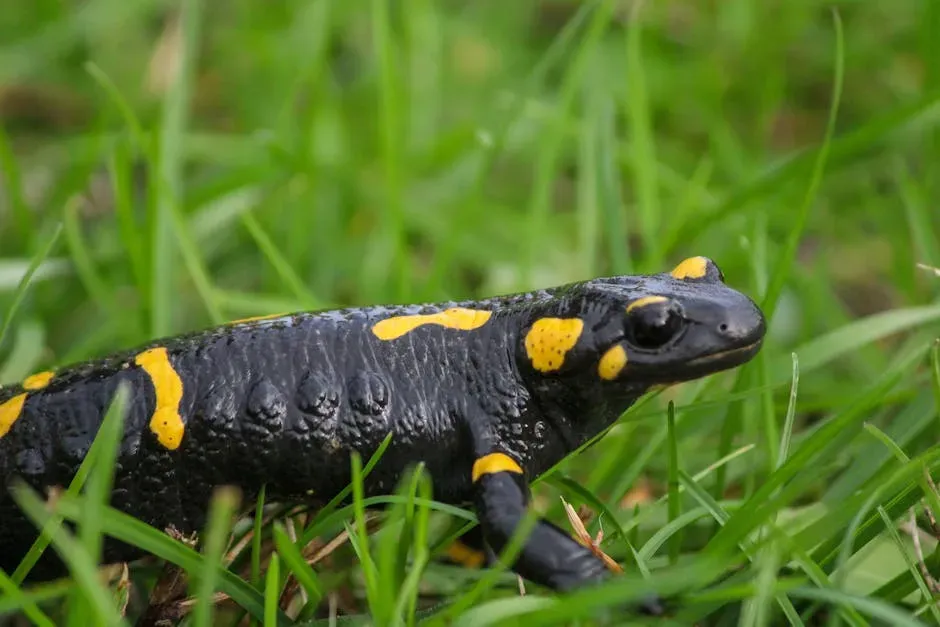
Imagine losing a limb and calmly growing it back, complete with bones, muscles, nerves, and skin arranged in exactly the right order. For some salamanders, that kind of regeneration is not a miracle; it is just routine biology. When you look closely, you see that cells at the injury site can roll back their developmental clock, forming a structure called a blastema, which then rebuilds the missing part with astonishing precision.
You can identify growth factors, genes, and signaling pathways involved, but a huge question remains: how does the animal’s body know exactly what to rebuild, where to stop, and how to reintegrate the new tissue with the old? If you compare that to scarring in humans, where healing is quick but crude, the gap is enormous. You are staring at a natural blueprint for regeneration that your species has not managed to unlock, even though many of the same basic biological tools live inside you as well. It is as if salamanders are reading an instruction manual you only possess in fragments.
8. The Immortal-Like Life Cycle of the “Benjamin Button” Jellyfish
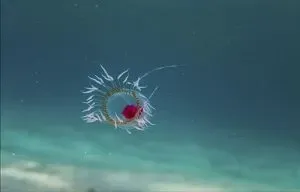
There is a tiny jellyfish often nicknamed after a character who ages in reverse, because it can do a similar trick with its life cycle. Under stress, injury, or certain conditions, this jellyfish can reverse its development, turning from a mature adult back into a juvenile polyp stage. From there, it can start its life over again, potentially repeating the cycle many times and sidestepping the usual straight line from birth to death.
Researchers have identified some of the cellular changes involved, such as how its cells shift identity and reorganize tissues, but they still do not fully grasp how the entire organism coordinates such a dramatic reset. You are watching a body tear up and rewrite its own developmental timeline in a way that seems to ignore the usual rules of aging. For you, aging is a one‑way road; for this jellyfish, it is more like a loop. That raises uncomfortable and fascinating questions about why most animals, including you, seem locked into a path this creature can casually bend.
Conclusion: When “Simple Animals” Are Anything But
Once you step back from these eight examples, you start to see a pattern that is hard to ignore. You live in a world where pigeons can out‑navigate your gadgets, insects carry migration maps in their genes, shrimp see colors you cannot name, and jellyfish play tricks with aging itself. Science can describe many pieces of these abilities, but the full picture often remains stubbornly incomplete, reminding you that nature is running a far more complex operating system than you usually assume.
Instead of making you feel defeated, that uncertainty can be oddly energizing. It means you are still early in understanding how life really works, and every “impossible” animal ability is a hint that there is more to discover about your own biology as well. The next time you see a bird on a wire or a small creature in a tide pool, you might look at it a bit differently, wondering what invisible superpower it is quietly using that you have not even noticed yet. If this is what you know now, how much stranger do you think reality will look a few decades from today?