If you ever feel like the news about the planet is all doom and gloom, you are not alone. But if you look a little closer, you’ll find a very different story hiding in plain sight: in the United States, some species, landscapes, and rivers have bounced back from the brink in ways that would have sounded impossible a few decades ago.
When you walk through a forest where bald eagles soar again, or stand at the edge of a river once declared biologically dead that now runs clear, you’re not just looking at nature; you’re looking at the result of laws, citizen pressure, tribal leadership, science, and a lot of stubborn hope. These seven conservation success stories are proof that when you step up, organize, and refuse to give up, you really can turn a crisis into a comeback.
1. Bald Eagles: From Poisoned Symbol to Soaring Comeback
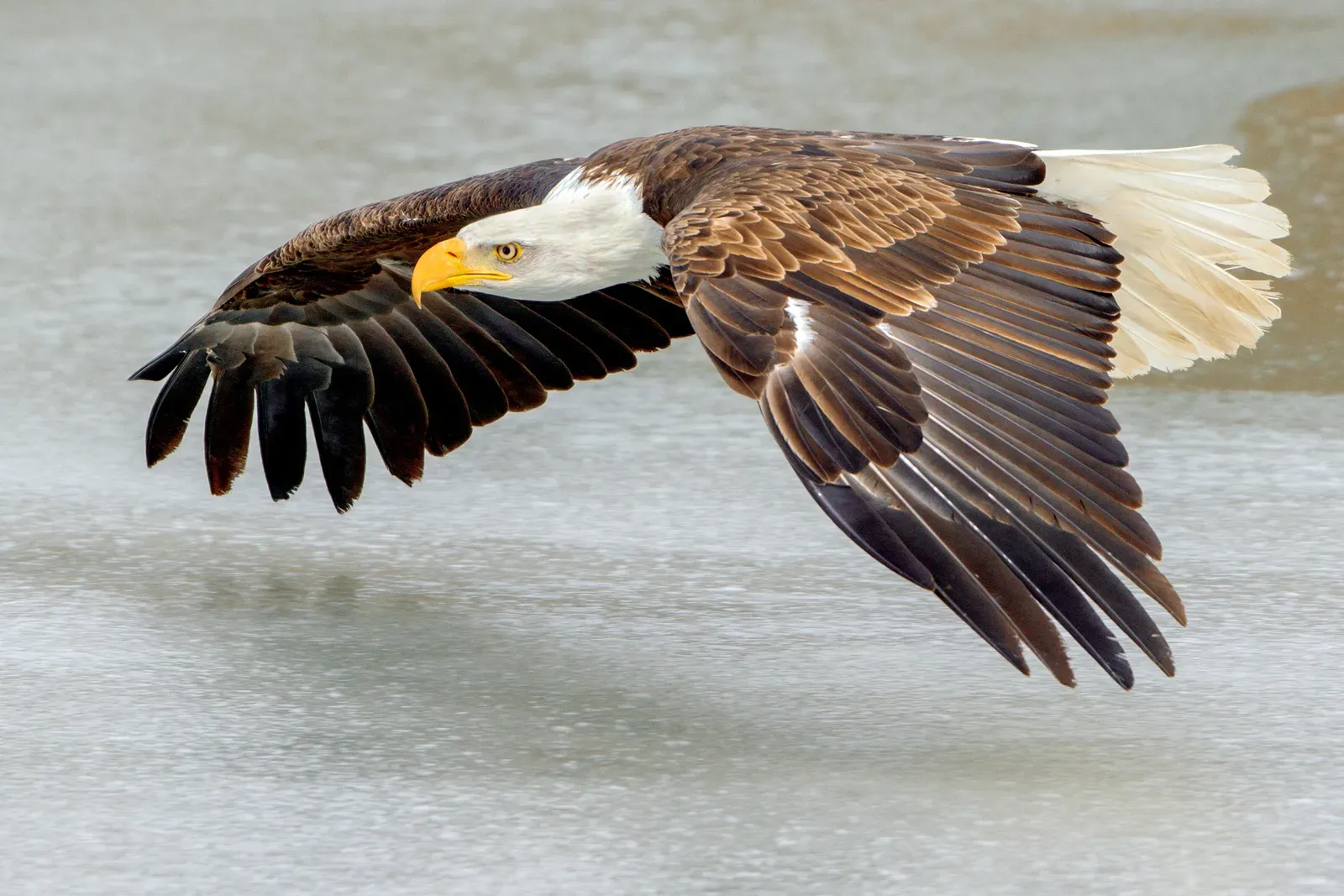
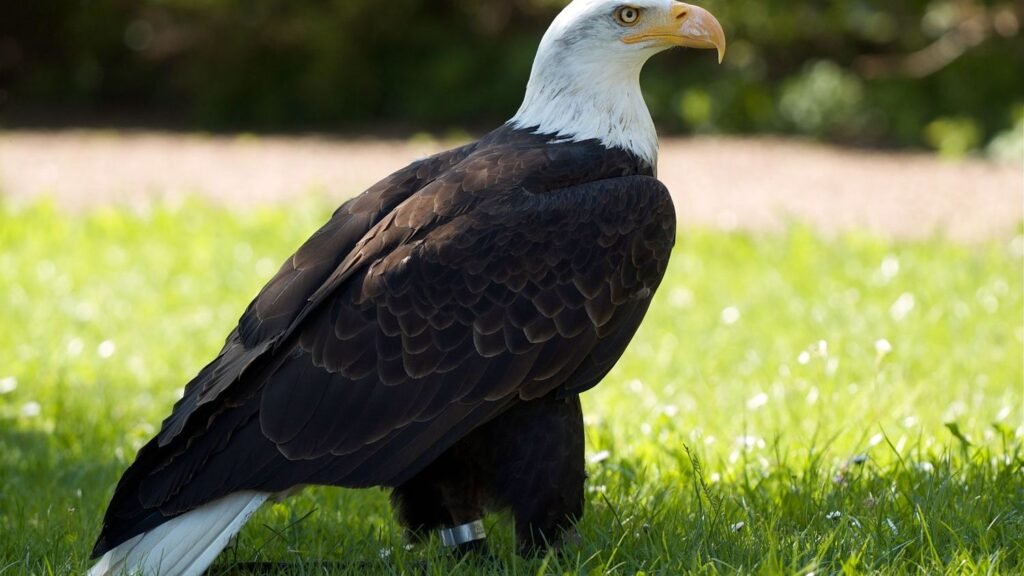
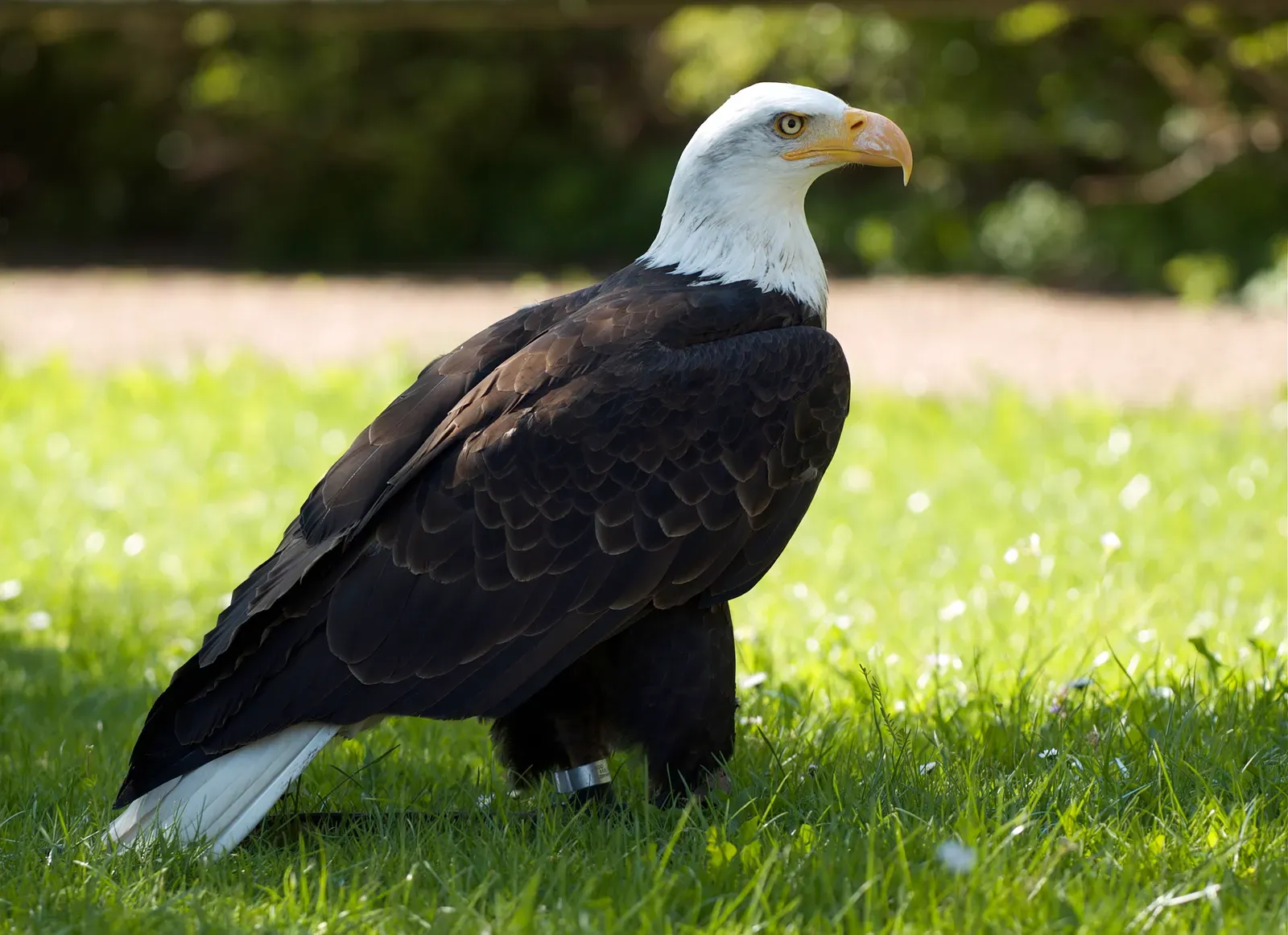
You probably grew up thinking of the bald eagle as a strong national symbol, but for much of the twentieth century, it was actually on life support. Widespread use of the pesticide DDT thinned eggshells so badly that eagles’ eggs literally broke under the weight of the parents, while habitat loss and shooting drove numbers even lower. By the early 1960s, you had only a tiny fraction of the original bald eagle population left in the continental United States, and in some states there were only a handful of nests.
The turnaround began when people like you started demanding change. Public outrage helped push a nationwide ban on DDT in the early 1970s, and strong federal protections under the Endangered Species Act gave eagles space and safety to recover. Biologists climbed trees to add surrogate eaglets, carefully monitored nests, and protected key shoreline habitats, while you and your neighbors learned not to shoot or disturb these birds. Today, bald eagles nest in almost every US state, and you can often see them soaring over rivers, lakes, and even near cities – an everyday reminder that when you combine science, law, and public will, even a collapsing species can get a second act.
2. Gray Wolves in Yellowstone: How Letting Predators Return Changed a Whole Landscape
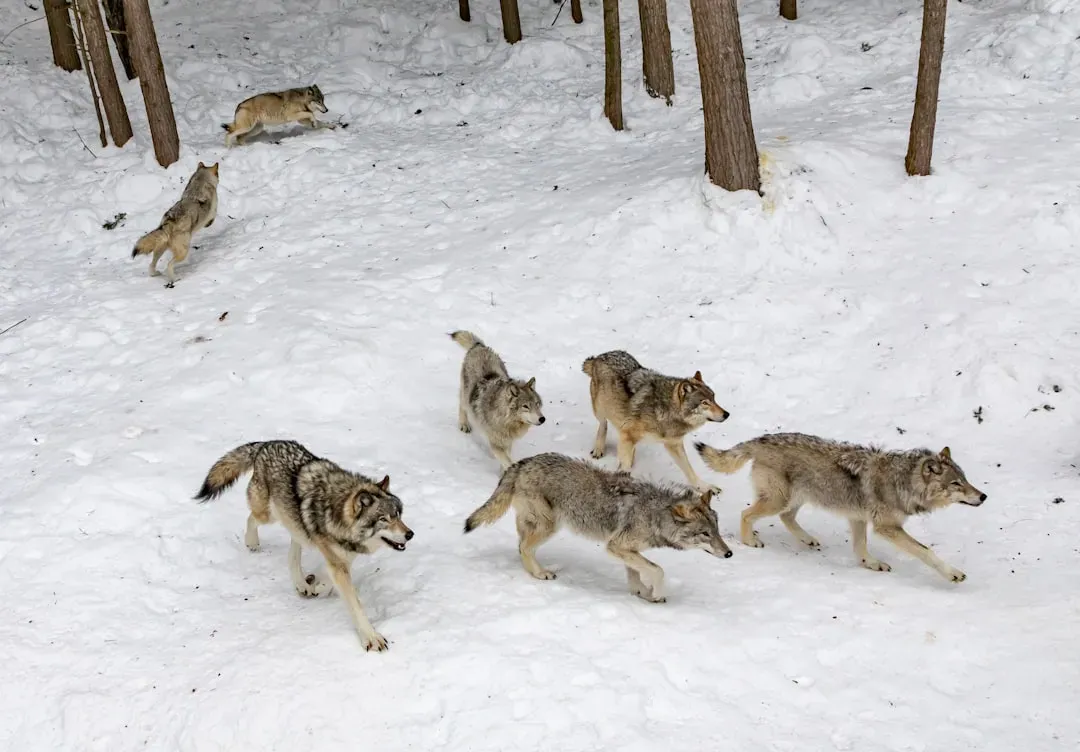
If you visit Yellowstone today and hear wolves howling in the distance, you’re witnessing one of the most famous conservation turnarounds in the world. By the early twentieth century, government bounties and fear-driven hunting had wiped wolves out of Yellowstone and most of the lower forty‑eight states. Without wolves, elk populations exploded and overgrazed valley bottoms, stripping young willows and aspens and leaving stream banks bare and unstable.
When wolves were reintroduced to Yellowstone in the mid‑1990s, you were not just “putting back a missing animal;” you were restarting an entire ecological process. With wolves back on the scene, elk began moving differently, avoiding open river bottoms where they were easier targets, and that gave plants along creeks and rivers a chance to recover. As vegetation returned, songbirds, beavers, insects, and even fish benefited, and many stream banks stabilized. The story is far from perfect – wolves still spark fierce debates over livestock and hunting outside park boundaries – but if you stand by a lush, willow‑lined Yellowstone creek today, you can literally see how restoring a top predator reshaped the whole landscape.
3. American Bison: Bringing Back the “Thunder” of the Plains
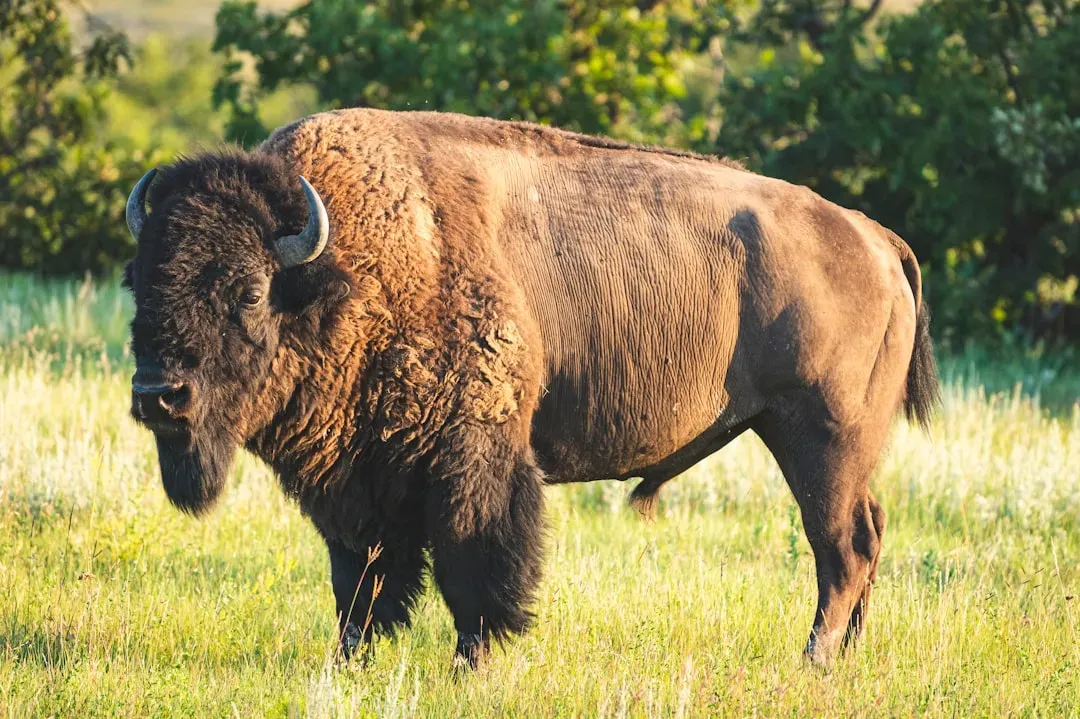
It’s hard for you to imagine today, but tens of millions of American bison once roamed the Great Plains, shaping grasslands with their hooves, grazing patterns, and sheer presence. In the late 1800s, commercial slaughter, government policy, and habitat loss drove them almost to extinction; at one point, only a few hundred animals remained in tiny scattered herds. For Indigenous peoples whose cultures and livelihoods were tied to bison, this was not just an ecological disaster but a cultural and spiritual wound.
The reason you can now watch bison thunder across places like Yellowstone, South Dakota’s Badlands, or tribal lands on the Plains is because a diverse group of people refused to let them disappear. Early conservationists, ranchers, and tribal nations protected remnant herds, bred them carefully, and fought to secure grassland habitat. In recent decades, Native nations in particular have led a powerful movement to restore bison to tribal lands, reconnecting cultural traditions with ecological restoration. When you see bison grazing under a big western sky today, you are looking at a living symbol of how ecological healing and cultural resilience can move together in the same direction.
4. California Condors: Saving a Giant on the Edge of Extinction
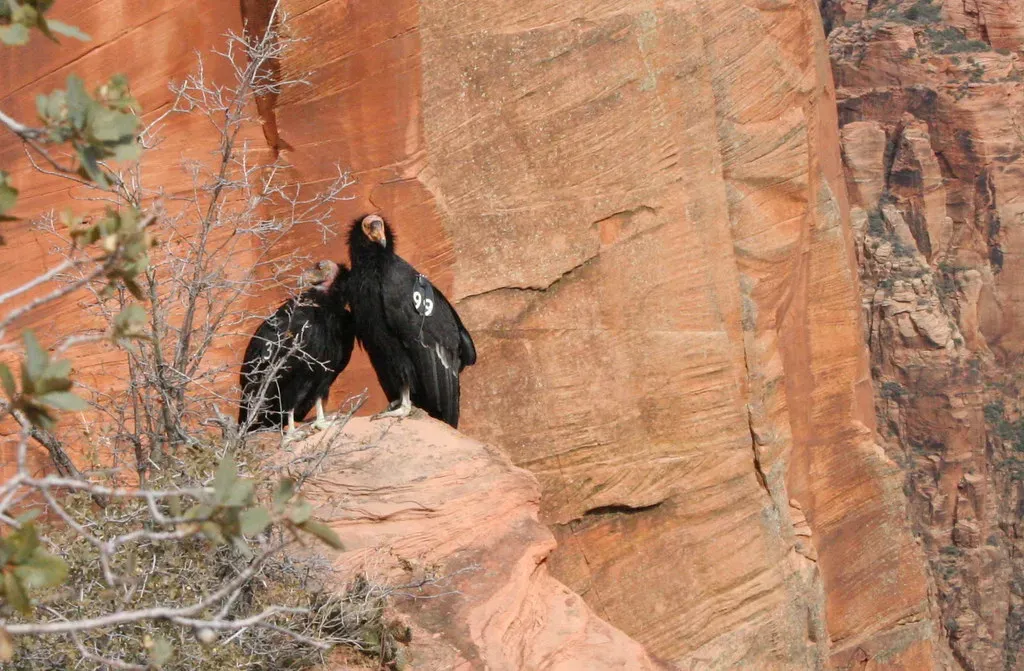
If you ever spot a California condor circling high over a canyon, you are looking at a bird that technically went extinct in the wild and then came back. By the 1980s, lead poisoning from spent ammunition, habitat loss, and decades of persecution had reduced the population to just a couple dozen individuals. Biologists and policymakers faced a brutal choice: risk losing the species forever or capture every remaining bird and gamble everything on captive breeding.
They chose the gamble, and you’re living in the aftermath of that decision. Every wild condor was brought into captivity, and through carefully managed breeding programs, the population slowly grew. As young condors were released back into carefully chosen habitats in California, Arizona, and later Utah and Baja California, field teams monitored them closely, and outreach campaigns encouraged hunters to shift to non‑lead ammunition to reduce poisoning. Today there are several hundred condors flying free again, and although the species is still critically endangered and needs constant help, you can stand on a cliff at places like the Grand Canyon or Big Sur and watch one of the largest flying birds in North America ride the thermals overhead.
5. Recovering America’s Rivers: From Industrial Sewers to Living Waterways
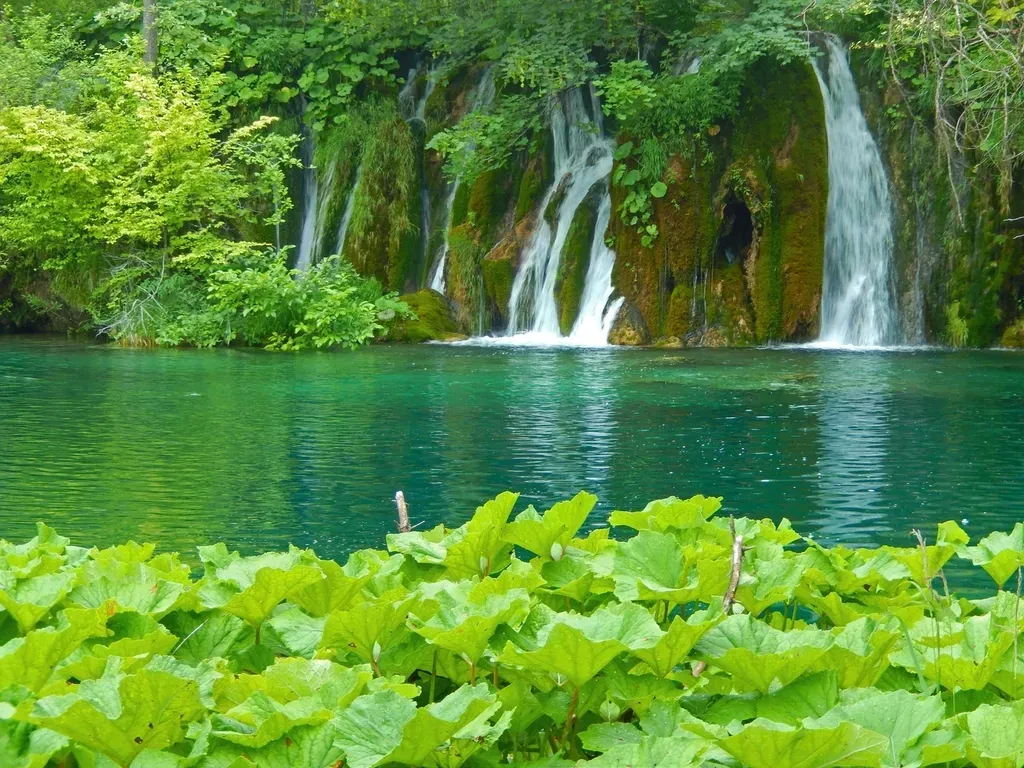
If you’ve ever paddled a kayak on a city river or watched kids fishing off a riverside trail, you’re benefitting from one of the quietest but most profound conservation success stories in the US. In the mid‑twentieth century, many American rivers were treated as open sewers and dumping grounds, carrying oil, raw sewage, and industrial chemicals. Some rivers were so polluted they literally caught fire, and in certain places, fish kills and foul smells were just part of daily life.
The tide began to turn when you and other citizens demanded clean water and pushed for strong federal laws. The Clean Water Act and related regulations gave teeth to pollution controls, forced industries and cities to treat wastewater, and set ambitious goals for restoring water quality. Over time, fish species returned to urban rivers, people started swimming and boating again, and riverfronts that were once lined with abandoned factories turned into parks and greenways. While challenges remain – from nutrient pollution to emerging contaminants – many US rivers are now places where you go to relax, exercise, and reconnect with nature instead of avoiding them altogether.
6. The Return of the American Alligator: Turning a “Menace” into a Management Model
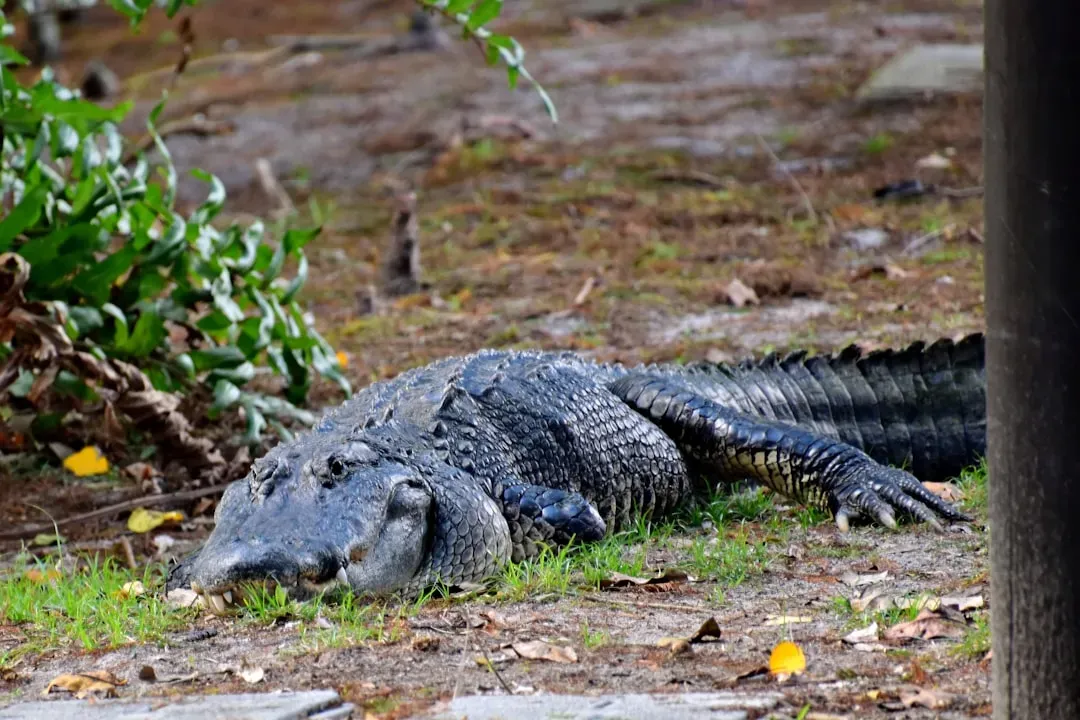
When you think of successful wildlife recoveries, you might not immediately picture a toothy reptile lurking in a southern swamp, but the American alligator is one of the clearest examples you can point to. By the mid‑twentieth century, relentless hunting for skins and widespread habitat loss had driven alligators to dangerously low numbers across the southeastern US. They were officially listed as endangered, and many experts genuinely doubted they could recover in the wild.
What changed the story was a mix of strong protections, habitat conservation, and creative management that acknowledged your needs as well as the alligator’s. Strict bans on unregulated hunting, the protection of wetlands, and regulated harvest programs allowed alligator populations to bounce back without ignoring local economies. Over time, their numbers climbed so steadily that they were eventually removed from the endangered list, while still being carefully monitored and managed. Today when you visit a national wildlife refuge, a coastal marsh, or a cypress swamp in the South, you can see healthy alligator populations coexisting with fishing, tourism, and community life – a real‑world example that shows you how smart regulations and science‑based management can turn a crisis into a long‑term balance.
7. Bison, Fire, and Prairies: Restoring Grasslands the Way Nature Intended
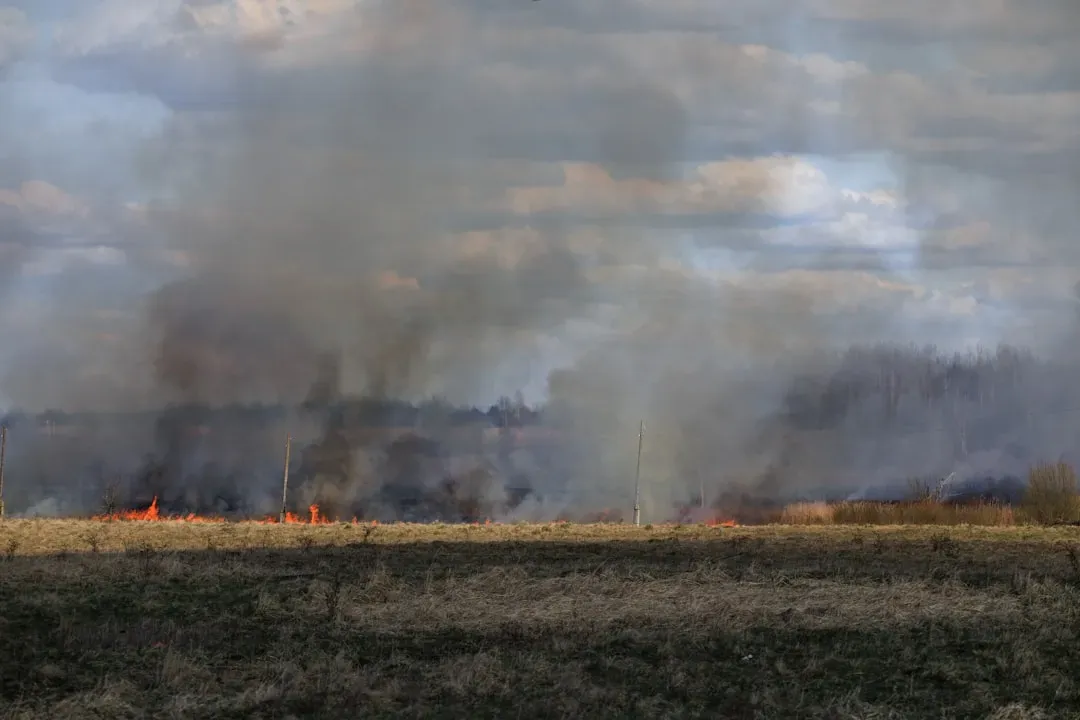
When you drive across the middle of the country, it’s easy to think those endless fields have always looked that way, but the original North American prairies were wildly different from industrial farmland. For thousands of years, fire and grazing by huge herds of bison shaped a mosaic of grasses and wildflowers. Once large‑scale farming, fire suppression, and bison removal took over, many native grassland species collapsed, and some prairie ecosystems shrank to tiny remnants scattered across the map.
Over the last few decades, you’ve started to see a quiet but powerful effort to bring prairies back using the tools that built them in the first place. Land managers, tribal nations, conservation organizations, and local landowners are using prescribed fire, targeted grazing by bison or cattle, and native plant restoration to revive these grasslands. On restored prairies, you can watch pollinators buzzing through summer flowers, grassland birds nesting in tall grass, and healthier soils holding water instead of washing away. When you walk through one of these reborn grasslands and hear the wind rustling through big bluestem and switchgrass, you’re hearing an echo of an older America – and a sign that you can weave that past into a more resilient future.
What These Success Stories Mean for You – and What Comes Next
When you step back and look at these seven stories together, a pattern jumps out at you: none of these recoveries happened by accident. In every case, people like you pushed for strong laws, backed up scientists, respected Indigenous leadership, and stayed engaged long after the headlines faded. You also see that recovery is rarely neat or simple; wolves still stir controversy, condors still need intensive care, and rivers can quickly slide backward if pollution controls are weakened.
The deeper lesson is that conservation in the US is not just about saving a single charismatic animal or one scenic place; it’s about changing how you see your role in the world around you. You are not just a visitor to nature, you are one of its decision‑makers – through what you vote for, where you donate, how you recreate, and which stories you choose to share. If bald eagles can go from near‑extinction to nesting by busy highways, and rivers once written off as dead can now host kayakers and kingfishers, then the future is not fixed. The question that really matters is simple: now that you know these successes are possible, what kind of comeback story do you want to help write next?