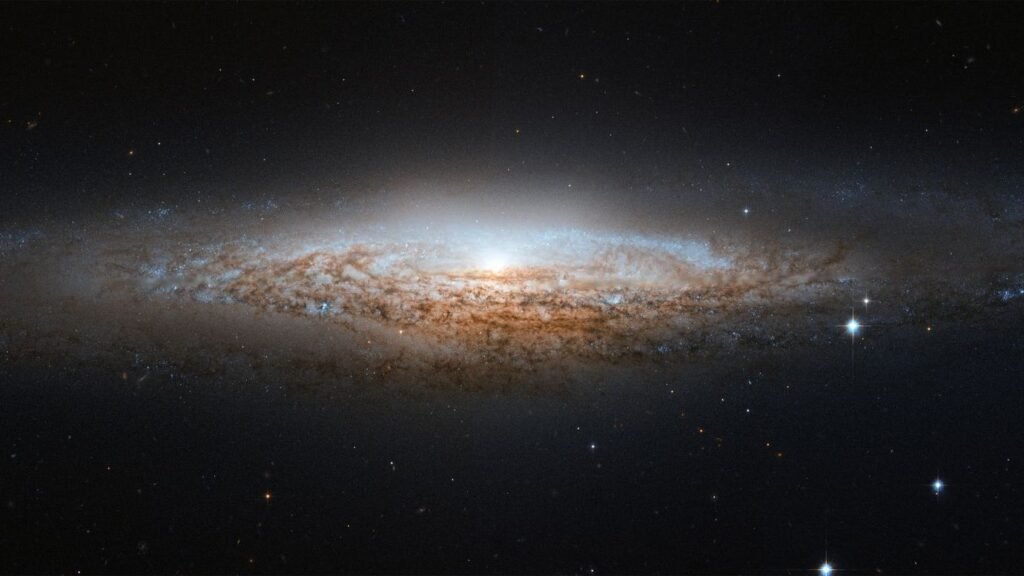
You like to think of space as something scientists more or less understand: planets orbit stars, stars burn fuel, galaxies collide in slow motion. But as soon as you look a little closer, you find cracks in that confidence. Hidden in the data from telescopes and satellites are things that simply do not behave the way the textbooks say they should.
In this article, you’re going to walk through five of the strangest cosmic mysteries that keep astronomers awake at night. You’ll see where the evidence is solid, where it gets fuzzy, and where scientists are basically shrugging and saying, “we honestly don’t know yet.” Along the way, you might notice something slightly unsettling: the universe is not just big, it is deeply, stubbornly weird.
1. Fast Radio Bursts: Millisecond Signals From Nowhere
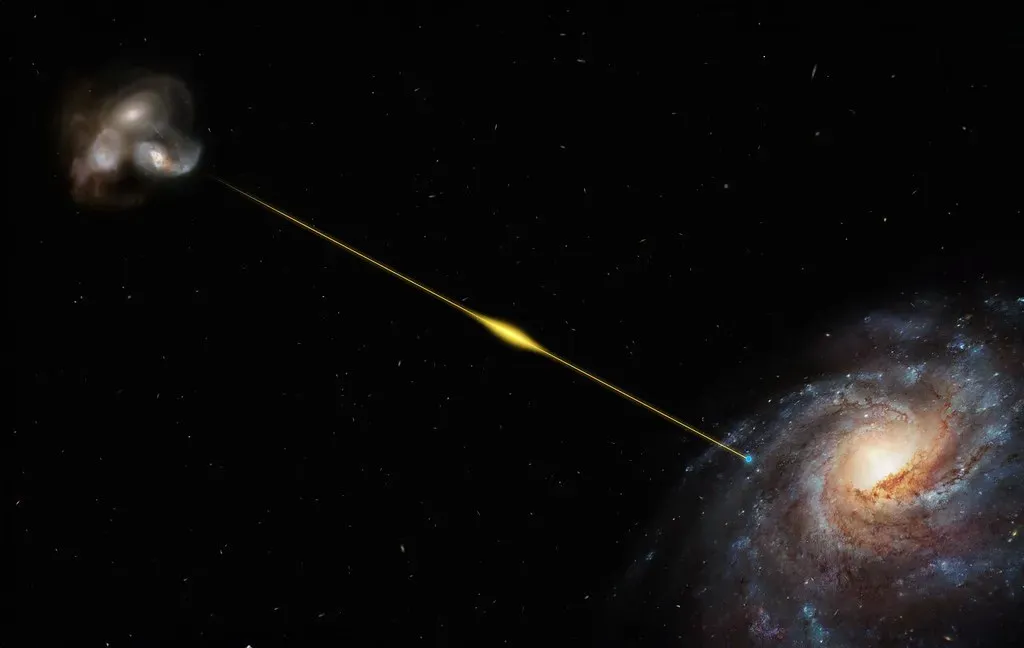
Imagine you’re listening to the universe with a giant radio ear, and suddenly you hear a blindingly powerful “pop” that lasts less than the blink of an eye. That is what a fast radio burst, or FRB, looks like in the data: a burst of radio energy that can outshine an entire galaxy for a few milliseconds, then vanishes as if nothing happened. You never see it coming, and if you are not already looking in just the right direction with the right kind of telescope, you miss it forever.
What really messes with your sense of scale is how much energy you’re dealing with. In a tiny fraction of a second, some FRBs release as much energy as your sun puts out over many years, yet the suspected sources are extremely compact regions far outside our galaxy. You’ll see theories thrown around: highly magnetized neutron stars, collapsing magnetic fields, or some exotic kind of stellar flare. But when you compare those ideas to the raw data, you quickly find contradictions. Some FRBs repeat, some never fire again, some change their pattern, and the universe just refuses to give you a single neat explanation.
2. Tabby’s Star and the Case of the Fading Sun
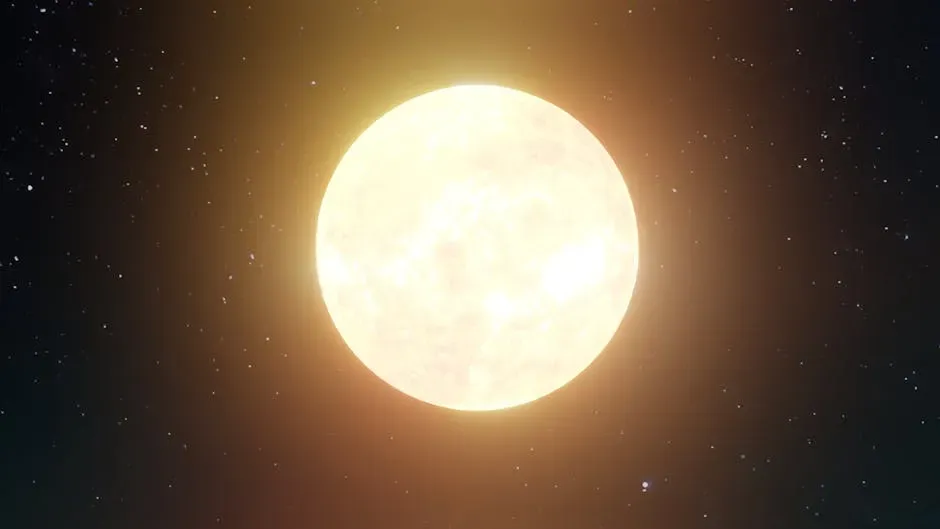
Now picture watching a star and noticing that its brightness does not just dim a little in a smooth, predictable way like a normal planet transit. Instead, it drops dramatically and irregularly, sometimes by a large fraction, sometimes for days at a time, with no obvious pattern. That is what you see with KIC 8462852, better known as Tabby’s Star, one of the most puzzling objects you can point a telescope at. Over years of observations, it has shown strange dips and even long-term fading that does not match any familiar stellar behavior.
You’ll come across suggestions that clouds of dust, swarms of comets, or fragments from a shattered planet might be drifting in front of the star. Some dust-based explanations can match parts of the data, especially the way different colors of light are affected, but they still leave important details hanging. Other times, the star seems to dim in ways that are hard to reconcile with simple dust models. You do not need alien megastructures or science fiction to make Tabby’s Star fascinating; the stubborn mismatch between what you expect and what you actually see is enough to remind you that even something as basic as how a star shines and flickers is not fully nailed down.
3. The Wow! Signal and the Problem of the One-Time Message
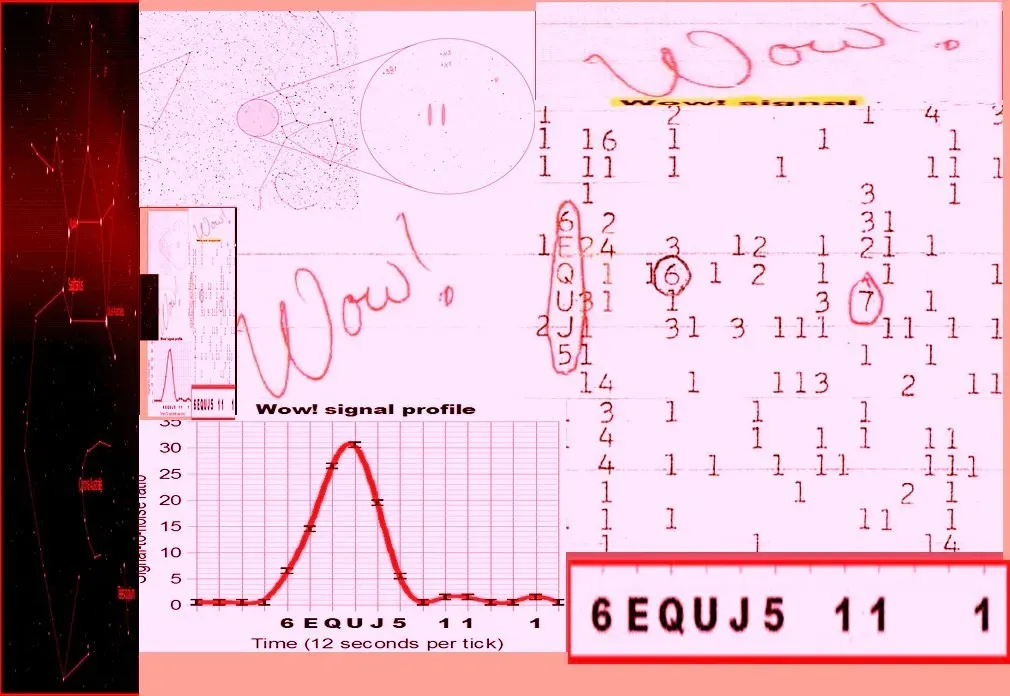
Imagine scanning the sky for signs of life and suddenly picking up a strong, narrow radio signal that stands out cleanly from the background noise. It appears at exactly the kind of frequency you might choose if you were trying to be noticed by another civilization. For a brief window of time, the signal is there, unmistakable, and then it is gone. That is what happened with the so-called Wow! signal in the late nineteen seventies, and decades later, you are still left with a question mark instead of a satisfying answer.
If you try to reason through the possibilities, you quickly walk into a maze. A natural source in space should leave some kind of repeatable signature or have a known physical explanation, but repeated scans of the same sky region have come up empty. A human-made source, like a satellite, would normally be traceable or at least match known communication patterns, and investigators have not found a clear technological culprit either. You are stuck with a single, unrepeatable data point that is too clean to dismiss as a simple mistake, yet too lonely to build a firm conclusion on. It forces you to live with a feeling science is not always comfortable with: sometimes, the universe gives you just enough information to be intrigued, but not enough to be sure.
4. Dark Matter: The Invisible Mass That Refuses to Show Itself
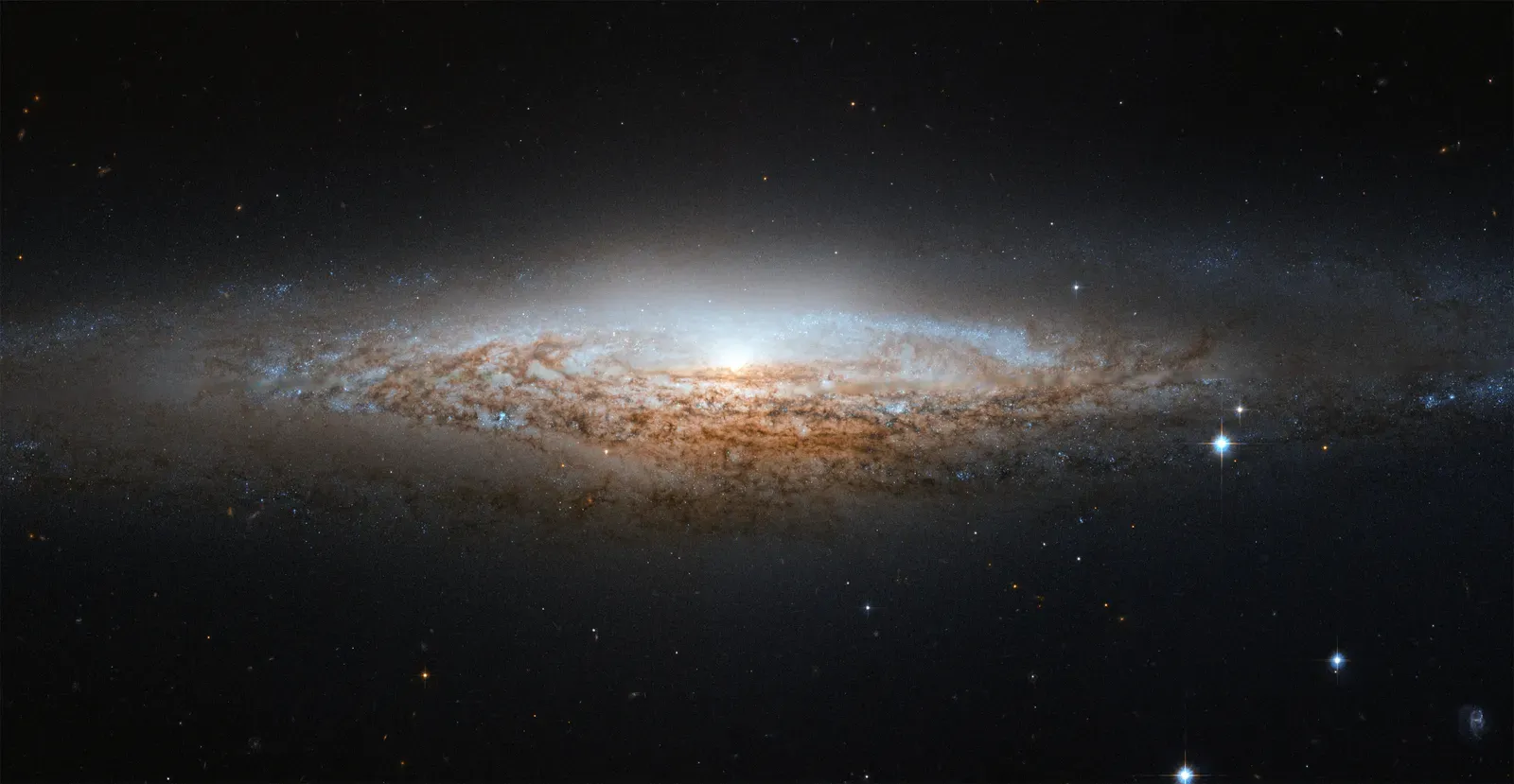
When you look at spiral galaxies in photographs, you see graceful pinwheels of stars slowly rotating. But if you actually calculate how fast those stars are moving and how much gravity the visible matter can provide, you run into a nasty problem: by ordinary physics, a lot of those galaxies should be flying apart. Instead, they hold together, their stars whipping around faster than they should, as if some extra, invisible glue is keeping everything bound. That unseen glue is what you call dark matter, and it acts like a hidden scaffolding for the universe.
Here is the maddening part: you can track dark matter’s influence through galaxy motions and gravitational lensing, yet every time you try to detect it directly, it behaves like a ghost. Sensitive underground detectors sit waiting for dark matter particles to bump into them, and either they see nothing or they get hints that do not line up with each other. You might think you can just tweak gravity itself instead of adding a new kind of matter, and indeed, some researchers have tried modified gravity theories. But those approaches struggle to match the full range of observations across different cosmic scales. So you are left in a strange position: you know that something heavy but invisible is shaping the cosmos, and yet you still cannot tell what it is made of, how it interacts, or whether your entire framework for understanding mass is off in some deep way.
5. Dark Energy and the Accelerating Universe
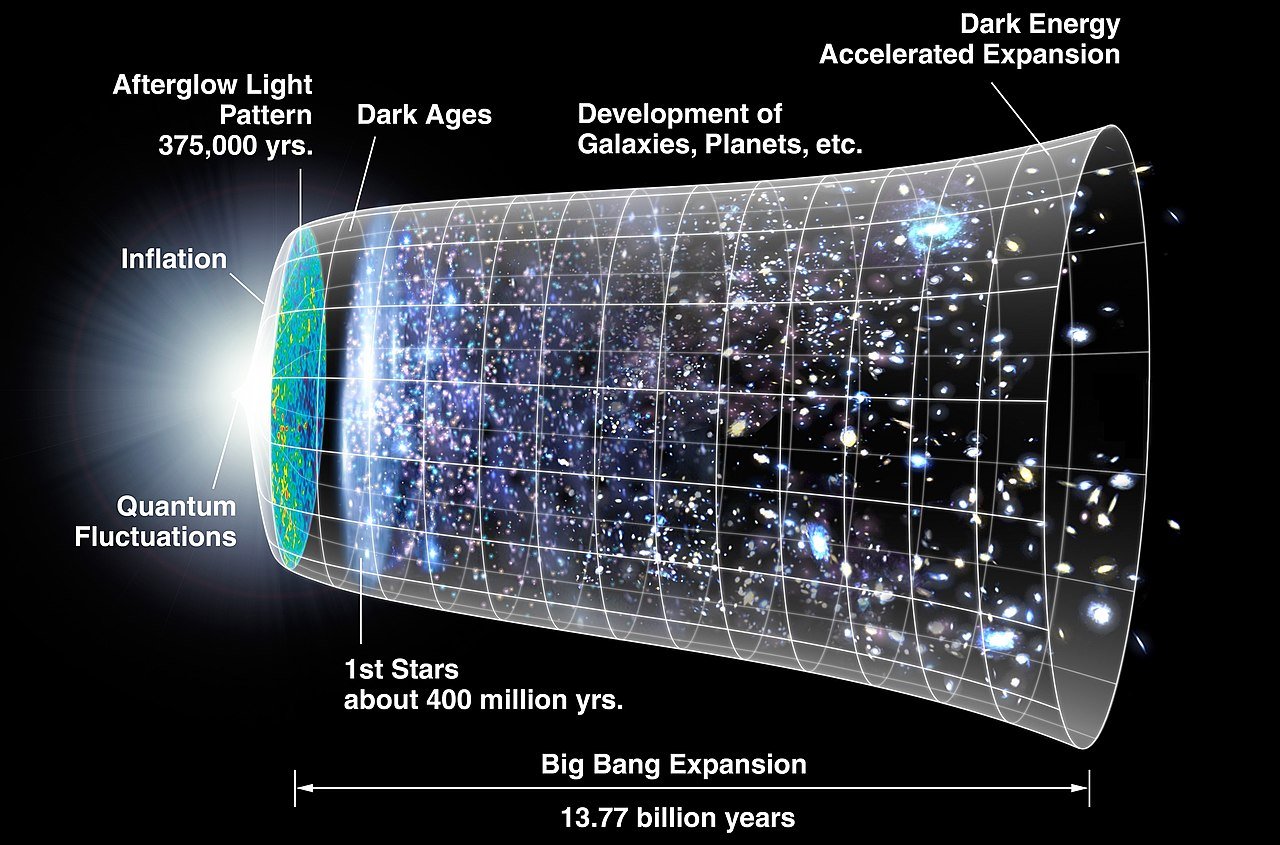
When you hear that the universe is expanding, you might picture galaxies drifting apart like crumbs in rising bread dough. For most of the twentieth century, you would reasonably expect that expansion to slow down over time, because gravity should be pulling everything back together, even if it never quite succeeds. Then you learn that careful measurements of distant exploding stars show the opposite: the expansion of the universe is not just continuing, it is speeding up. To make sense of that, you are forced to add a mysterious ingredient to your cosmic recipe: dark energy.
Dark energy is often described as some kind of energy built into the fabric of space itself, pushing everything apart. But when you try to connect that idea to what you know from quantum physics, the numbers refuse to cooperate. The simplest calculations overshoot the observed value by a laughably huge factor, leaving you with one of the biggest mismatches between theory and measurement in all of science. You are told that roughly about two thirds of the entire universe is made of this dark energy, yet you do not know what it is, why it has the strength it does, or whether it will stay constant forever. It is like realizing that most of the balance in your bank account is coming from a mystery deposit you cannot trace, and the entire fate of the cosmos depends on whether that deposit keeps showing up.
Standing back from these five mysteries, you start to see the universe less as a completed puzzle and more as a half-finished jigsaw with big, gaping holes. You have good data, clever theories, and powerful tools, but you also have stubborn signals that do not fit, stars that misbehave, and invisible forces that run the show. Instead of being a neat, closed story, the cosmos looks more like a draft manuscript full of margin notes and crossed-out lines, and you are still trying to make sense of the plot.
The next time you look up at the night sky, you can remind yourself that behind the familiar constellations are questions no one on Earth can yet answer. Somewhere out there, a fast radio burst is flaring, a star like Tabby’s is dimming strangely, and dark energy is quietly rewriting the ultimate ending of the universe. You are living at a time when these questions are finally becoming clear, even if the answers are not, and that may be the most exciting part. Which of these cosmic riddles would you most like to see solved in your lifetime?